Lewis Y Radioimmunotherapy for the Treatment of Cancer
Abstract
Provided are compositions and methods for treating Lewis Y antigen positive cancers in mammalian subjects by administering an effective amount of a radionuclide-labeled Lewis Y antigen targeting agent such as an antibody labeled with an alpha particle-emitting radionuclide such as 225 Ac. The methods may further include administration of additional agents, such as radiosensitizing agents, immune checkpoint therapies, CD47 blockades, and/or DNA damage response inhibitors.
Claims (7)
1 . A method for the treatment of a Lewis Y antigen positive solid cancer in a human subject, comprising: administering to the subject a pharmaceutical composition comprising a radiolabeled DOTA-conjugated human Lewis Y antigen (huLeY) binding antibody prepared according to the process of reacting p-SCN-Bn-DOTA with unconjugated huLeY binding antibody to obtain DOTA-conjugated huLeY binding antibody and radiolabeling the DOTA-conjugated huLeY binding antibody by chelation of a radionuclide to the DOTA moiety of the DOTA-conjugated huLeY binding antibody, wherein a portion of the radiolabeled DOTA-conjugated huLeY binding antibody in the pharmaceutical composition maintains immunoreactivity with human Lewis Y antigen; and administering to the subject an immune checkpoint therapy comprising an antibody against PD-1, PD-L1, or CTLA-4, wherein the huLeY binding antibody is a Fc-silent IgG antibody comprising a heavy chain CDR1 comprising SEQ ID NO: 127, a heavy chain CDR2 comprising SEQ ID NO: 128, a heavy chain CDR3 comprising SEQ ID NO: 129, a light chain CDR1 comprising SEQ ID NO: 131, a light chain CDR2 comprising SEQ ID NO: 132, and a light chain CDR3 comprising SEQ ID NO: 133.
Show 6 dependent claims
2 . The method of claim 1 , wherein the pharmaceutical composition further comprises at least one pharmaceutically acceptable excipient.
3 . The method of claim 1 , wherein the radionuclide comprises 177 Lu or 225 Ac.
4 . The method of claim 3 , wherein the radionuclide comprises 225 Ac.
5 . The method of claim 1 , wherein the solid cancer is a breast cancer, gastric cancer, bladder cancer, cervical cancer, endometrial cancer, skin cancer, stomach cancer, testicular cancer, esophageal cancer, bronchioloalveolar cancer, prostate cancer, colorectal cancer, ovarian cancer, cervical epidermoid cancer, pancreatic cancer, lung cancer, non-small cell lung cancer, renal cancer, head and neck cancer, hepatocellular carcinoma, or cholangiocarcinoma.
6 . The method of claim 1 , wherein administering to the subject an immune checkpoint therapy comprising an antibody against PD-1, PD-L1, or CTLA-4 comprises administering to the subject nivolumab, pembrolizumab, or ipilimumab.
7 . The method of claim 5 , wherein administering to the subject an immune checkpoint therapy comprising an antibody against PD-1, PD-L1, or CTLA-4 comprises administering to the subject nivolumab, pembrolizumab, or ipilimumab.
Full Description
Show full text →
CROSS-REFERENCE TO RELATED APPLICATIONS
This application claims the benefit of U.S. provisional application Ser. No. 63/122,026 filed Dec. 7, 2020 which is hereby incorporated by reference in its entirety. SEQUENCE LISTING The instant application contains a Sequence Listing which has been submitted electronically in ASCII format and is hereby incorporated by reference in its entirety. Said ASCII copy, created on Dec. 7, 2021, is named ATNM-013_SL_ST25.txt and is 212,329 bytes in size.
FIELD OF THE INVENTION
The present invention relates to the field of radioconjugates.
BACKGROUND OF THE INVENTION
Lewis Y (LeY) is a blood group-related carbohydrate antigen having the structure Fuca1→2Galβ1→4 [Fuca1→3]GlcNAc31→3R (Abe, 1983) that is overexpressed on the surface on numerous cancers of epithelial origin, including lung, breast, gastric, ovarian, colon, and pancreatic cancer (Kitamura, 1994; Zhang, 1997). LeY is expressed at high levels and at similar levels in both primary and metastatic lesions (Kitamura, 1994). While there is some expression of LeY on normal tissues including colon and gastric tissues, immunohistochemistry studies have shown that the antigen is largely restricted to epithelial cells at secretory borders (Zhang, 1997), thereby sequestering LeY from access by antibodies. As a result of this favorable expression pattern, several antibody-based cancer therapeutics have been developed that target LeY, such as naked and armed versions of the mouse anti-LeY antibody 3S193 (Kitamura, 1994) and a humanized version of the antibody hu3S193 (Scott, 2000), as well as B3 (Pastan, 1991), BR55-BR55/BR96, and IGN 311 (Oruzio, 2011). The 3S193/hu3S193 antibody stands out as being exquisitely specific for LeY, while many of the other anti-LeY antibodies have demonstrated cross reactivity to other carbohydrate antigens (Kitamura, 1994), which may negatively impact clinical targeting of LeY and lead to toxicities. The antibody 3S193 was raised against the breast cancer cell line MCF-7 in Balb/c mice. After initial proof of concept studies showing in vitro binding to Lewis Y expressing cells and tumor targeting in xenograft models (Clarke, 2000), the antibody was humanized to create hu3S193 (Scott, 2000). This antibody was then evaluated preclinically as an unlabeled antibody (Scott, 2000) and as a radio-conjugate with 131 I (Clark, 2000), 90 Y (Kelly, 2006), and 177 Lu (Kelly, 2009). Additionally, hu3S193 has been used to deliver siRNA to tumors (Ma, 2011) and for engineering of CAR T-cells targeting LeY-expressing tumors (Westwood, 2009). In two separate Phase I biodistribution trials in patients with LeY-expressing epithelial solid tumors (Scott, 2007) and small cell lung cancer (SCLC; Krug, 2007), hu3S193 was radiolabeled with 111 In and it was determined that the antibody demonstrates specific targeting to tumors with limited uptake in normal tissues. Hu3S193 was also engineered as an antibody drug-conjugate (ADC; Boghaert, 2004) and tested in a Phase I clinical biodistribution study, however the hu3S193-ADC construct demonstrated a different biodistribution profile than the unconjugated hu3S193 and no longer exhibited strong tumor-binding activity. Accordingly, further development of the hu3S193-ADC was halted (Herbertson, 2009). Studies with unlabeled hu3S193 were are also pursued in ovarian (Smaletz, 2015) and breast cancers, but demonstrated limited clinical efficacy and development has also been halted. This historical development of hu3S193 as an armed antibody, as well as other armed LeY antibodies such as B3, suggests that the choice of the warhead (i.e., label) is critically important to the clinical safety and efficacy of the agent. Hu3S193 as a calicheamicin drug-conjugate lost tumor targeting ability (Herbertson, 2009). Moreover, while B3 was first developed with a Pseudomonas exotoxin toxin label and a 90 Y radio-conjugate label, serious toxicity/immunogenicity profiles prevented further development (Pai, 1996; Pai-Scherf, 2000). Accordingly, a superior warhead with increased potency and improved safety would substantially improve outcomes from an armed anti-LeY antibody therapy and is an object of the present disclosure.
SUMMARY OF THE INVENTION
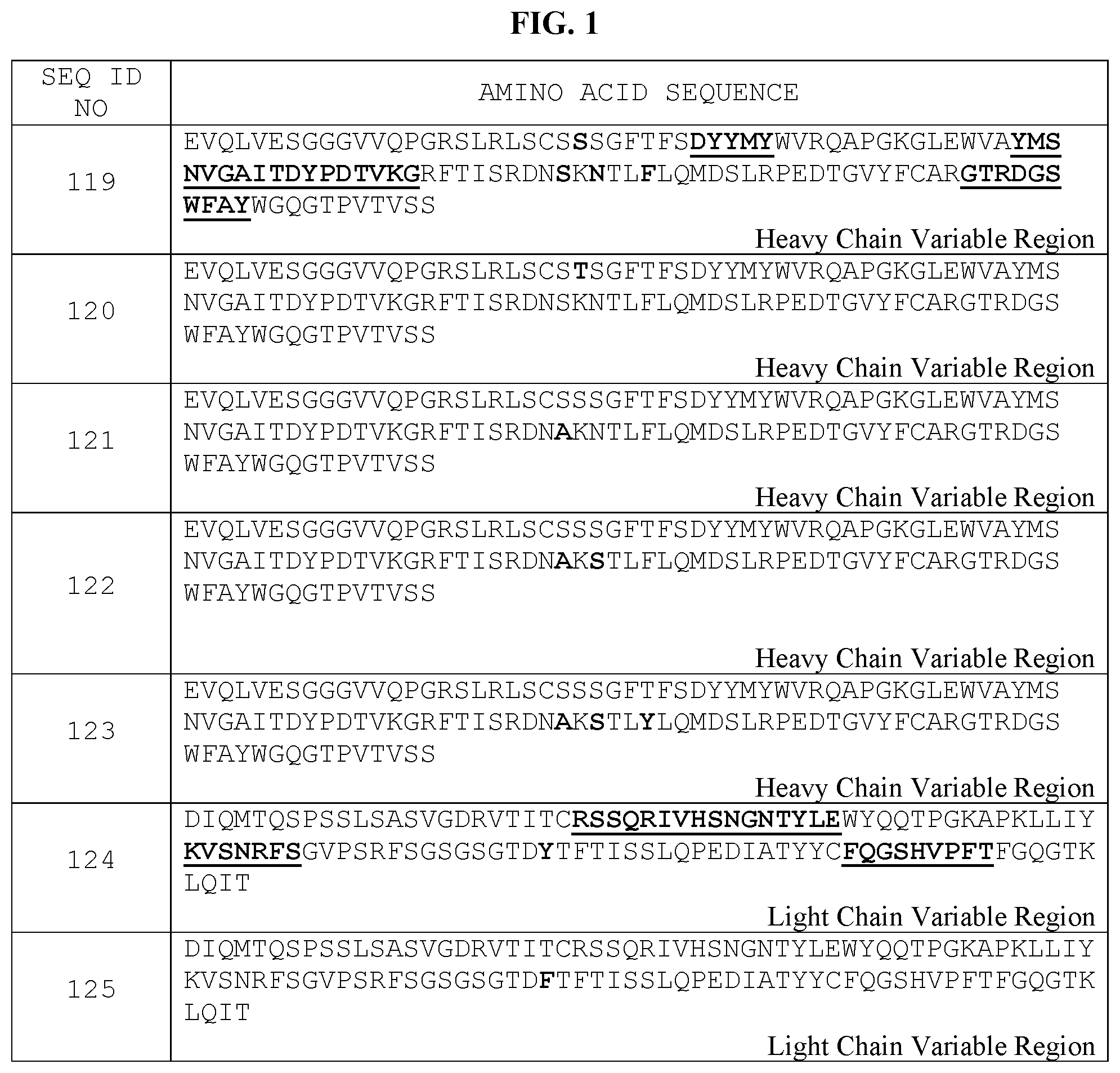
The presently disclosed invention provides a novel radio-conjugate approach for LeY targets. More specifically, the present invention is related to a LeY targeting agent, such as a monoclonal antibody, peptide, or small molecule that targets LeY, labeled with a radioisotope, and methods of diagnosing and treating LeY-positive cancers using the radiolabeled LeY targeting agent. According to certain aspects of the present invention, the LeY targeting agent useful for diagnostic purposes may be an anti-LeY antibody, peptide, or small molecule including a radioisotope, such as 111 In, 68 Ga, 64 Cu, or 89 Zr. According to certain other aspects, the LeY targeting agent useful for therapeutic interventions may be an anti-LeY antibody, peptide, or small molecule including a radioisotope, such as: 131 I, 125 I, 123 I, 90 Y, 177 Lu, 186 Re, 188 Re, 89 Sr, 153 Sm, 32 P, 225 Ac, 213 Bi, 213 Po, 211 At, 212 Bi, 213 Bi, 223 Ra, 227 Th, 149 Tb, 137 Cs, 212 Pb, or combinations thereof. According to certain other aspects, the LeY targeting agent useful for therapeutic interventions may be an anti-LeY antibody, peptide, or small molecule including an alpha emitting radioisotope. Exemplary alpha emitting radioisotopes include 211 At, 212 Bi, 213 Bi, 223 Ra, 227 Th, 149 Tb, 212 Pb, or 225 Ac. According to certain aspects, the LeY targeting agent useful for therapeutic interventions may be an anti-LeY antibody, peptide, or small molecule including 177 Lu or 225 Ac. According to preferred aspects, the LeY targeting agent includes the alpha emitting radioisotope actinium-225 ( 225 Ac). According to certain aspects, the LeY-positive cancer may be a solid tumor. Therapeutic methods of the presently disclosed invention generally include administering to a patient an effective amount of the LeY targeting agent. According to certain aspects, the effective amount of the LeY targeting agent may be a maximum tolerated dose (MTD) or may be a fractioned dose wherein the total amount of radiation administered in the fractioned doses is the MTD. According to certain aspects, the LeY targeting agent includes a radiolabeled fraction and a non-radiolabeled fraction. As such, an effective amount of the LeY targeting agent may include a total protein dose of less than 100 mg, such as from 5 mg to 60 mg, or 5 mg to 45 mg. According to certain aspects, the total protein dose may be from 0.001 mg/kg to 3 mg/kg body weight of the subject, such as from 0.005 mg/kg to 2 mg/kg body weight of the subject. According to certain aspects, the total protein dose may be less than 2 mg/kg, or less than 1 mg/kg, less than 0.5 mg/kg, or even less than 0.1 mg/kg. A portion of the total protein dose is radiolabeled (i.e., radio-conjugate) as indicated, wherein the effective amount of the radiolabeled LeY targeting agent may depend on the specific radioisotope selected. Thus, the LeY targeting agent may include a radiolabeled fraction, such as with any of the radioisotopes indicated herein, and an unlabeled fraction. According to certain aspects, an effective amount of an LeY targeting agent, such as an 225 Ac-anti-LeY antibody, peptide, or small molecule, may include a dose of 0.1 to 20 uCi/kg body weight of the subject, such as 0.1 to 10 uCi/kg or 0.1 to 5 uCi/kg body weight of the subject, or 0.5 to 20 uCi/kg or 1 to 10 uCi/kg body weight of the subject. According to certain aspects, the effective amount of the LeY targeting agent, such as an 225 Ac-anti-LeY antibody, peptide, or small molecule may depend on the configuration of the targeting agent, i.e., full length antibody or antibody fragment (e.g., minibody, nanobody, etc). For example, when the LeY targeting agent includes an 225 Ac-anti-LeY antibody that is a full-length antibody, the dose may be below 5 uCi/kg body weight of the subject, such as 0.1 to 5 uCi/kg body weight of the subject. Alternatively, when the LeY targeting agent includes an 225 Ac-anti-LeY antibody that is a fragment, the dose may be greater than 5 uCi/kg body weight of the subject, such as 5 to 20 uCi/kg body weight of the subject. According to certain aspects, the LeY targeting agent may be an antibody selected from 3S1931 and/or a humanized version thereof such as Hu3S1933, or any of the monoclonal antibodies B34, BR55-2, BR55/BR96, and IGN 133. According to certain aspects, the LeY targeting agent may be a monoclonal antibody including a heavy chain variable region having an amino acid sequence as set forth in any one of SEQ ID NOS: 119-123. According to certain aspects, the LeY targeting agent may be a monoclonal antibody including a light chain variable region having an amino acid sequence as set forth in SEQ ID NO: 124 or 125. According to certain aspects, the LeY targeting agent may be a monoclonal antibody including a heavy chain variable region having the amino acid sequence as set forth in any one of SEQ ID NOS: 119-123 and a light chain variable region having the amino acid sequence as set forth in SEQ ID NO: 124 or 125. According to certain aspects, the LeY targeting agent may be a monoclonal antibody including one or more of the heavy chain N-terminal region and complementarity determining regions (CDRs) having amino acid sequences as set forth in SEQ ID NOS: 126 and/or 127-129, respectively. According to certain aspects, the LeY targeting agent may be a monoclonal antibody including one or more of the light chain N-terminal region and CDRs having amino acid sequences as set forth in SEQ ID NOS: 130 and/or 131-133, respectively. According to certain aspects, the LeY targeting agent may be a monoclonal antibody including one or more of the heavy chain N-terminal region set forth in SEQ ID NO:126 and the heavy chain CDRs set forth in SEQ ID NOS: 127-129, and one or more of the light chain N-terminal region set forth in SEQ ID NO: 130 and the light chain CDRs having amino acid sequences as set forth in SEQ ID NOS: 131-133. According to certain aspects, the LeY targeting agent may be administered according to a dosing schedule selected from the group consisting of one dose every 7, 10, 12, 14, 20, 24, 28, 35, and 42 days throughout a treatment period, wherein the treatment period includes at least two doses. According to certain aspects, the LeY targeting agent may be administered according to a dose schedule that includes 2 doses, such as on days 1 and 5, 6, 7, 8, 9, or 10 of a treatment period, or days 1 and 8 of a treatment period. According to certain aspects, the LeY targeting agent may be administered as a single bolus or infusion in a single subject specific dose. According to certain aspects, the methods may further include administration of one or more further therapeutic agents, such as an anti-inflammatory agent, an immunosuppressive agent, an immunomodulatory agent, an antimyeloma agent, a cytokine, or a combination thereof. According to certain aspects, the methods may further include administration of one or more chemotherapeutic agents. Exemplary chemotherapeutic agents include at least radiosensitizers that may synergize with the radiolabeled LeY targeting agent, such as temozolomide, cisplatin, and/or fluorouracil. According to certain aspects, the methods may further include administration of one or more immune checkpoint therapies. Exemplary immune checkpoint therapies include an antibody against CTLA-4, PD-1, TIM-3, VISTA, BTLA, LAG-3, TIGIT, CD28, OX40, GITR, CD137, CD40, CD40L, CD27, HVEM, PD-L1, PD-L2, PD-L3, PD-L4, CD80, CD86, CD137-L, GITR-L, CD226, B7-H3, B7-H4, BTLA, TIGIT, GALS, KIR, 2B4, CD160, CGEN-15049, or any combination thereof. According to certain aspects, the immune checkpoint therapy may include an antibody against an immune checkpoint protein selected from the group consisting of an antibody against PD-1, PD-L1, PD-L2, CTLA-4, CD137, and a combination thereof. According to certain aspects, the immune checkpoint therapy may be provided in a subject effective amount including a dose of 0.1 mg/kg to 50 mg/kg of the patient's body weight, such as 0.1-5 mg/kg, or 5-30 mg/kg. According to certain aspects, the methods may further include administration of one or more DNA damage response inhibitors (DDRi). An exemplary DDRi includes at least one or more antibodies or small molecules targeting poly(ADP-ribose) polymerase (i.e., a poly(ADP-ribose) polymerase inhibitor or PARPi). According to certain aspects, the PARPi may be a small molecule therapeutic selected from the group consisting of olaparib, niraparib, rucaparib, talazoparib, and a combination thereof. According to certain aspects, the PARPi may be provided in a subject effective amount including 0.1 mg/day-1200 mg/day, such as 0.100 mg/day-600 mg/day, or 0.25 mg/day-1 mg/day. Exemplary subject effective amounts include 0.1 mg, 0.25 mg, 0.5 mg, 0.75 mg, 1.0 mg, 100 mg, 200 mg, 300 mg, 400 mg, 500 mg, 600 mg, 700 mg, 750 mg, 800 mg, 900 mg, and 1000 mg, taken orally in one or two doses per day. Another exemplary DDRi includes an inhibitor of Ataxia telangiectasia mutated (ATM), Ataxia talangiectasia mutated and Rad-3 related (ATR), or Wee1. Exemplary inhibitors of ATM include KU-55933, KU-59403, wortmannin, CP466722, and KU-60019. Exemplary inhibitors of ATR include at least Schisandrin B, NU6027, NVP-BEA235, VE-821, VE-822, AZ20, and AZD6738. Exemplary inhibitors of Wee1 include AZD-1775 (i.e., adavosertib). According to certain aspects, the methods may further include administration of one or more CD47 blockades. The CD47 blockade may include a monoclonal antibody or other agent that prevents CD47 binding to SIRPα or otherwise inhibits the CD47/SIRPα axis, such as magrolimab, lemzoparlimab, AO-176, AK117, IMC-002, IBI-188, IBI-322, BI 766063, ZL-1201, AXL148, RRx-001, ES004, SRF231, SHR-1603, TJC4, TTI-621, or TTI-622. Exemplary effective doses for the CD47 blockade include 0.05 to 5 mg/kg patient weight. The CD47 blockade may also include agents that modulate the expression of CD47 and/or SIRPα, such as a nucleic acid approach. An exemplary agent includes phosphorodiamidate morpholino oligomers (PMO) that block translation of CD47. According to certain aspects, the methods may further include administration of a combination of further therapeutic agents. Exemplary combinations include at least one or more DDRi and/or one or more immune checkpoint therapies and/or one or more CD47 blockades and/or one or more chemotherapeutics. According to certain aspects, the LeY targeting agent and the one or more further therapeutic agents may be administered simultaneously or sequentially. When more than one additional therapeutic agent is administered, the agents may be administered simultaneously or sequentially. According to certain aspects of the present invention, the LeY targeting agent may be a portion of a multi-specific antibody. Thus, the methods may include administering to the subject an effective amount of a multi-specific antibody, wherein the multi-specific antibody includes: a first target recognition component which specifically binds to an epitope of LeY, and a second target recognition component which specifically binds to a different epitope of LeY than the first target recognition component, or an epitope of a different antigen. Additional features, advantages, and embodiments of the invention may be set forth or apparent from consideration of the following detailed description, drawings if any, and claims. Moreover, it is to be understood that both the foregoing summary of the invention and the following detailed description are exemplary and intended to provide further explanation without limiting the scope of the invention as claimed.
BRIEF DESCRIPTION OF THE DRAWINGS
provides amino acid sequences of the heavy and light chain variable regions of a humanized antibody against LeY that may be embodied and/or used in various aspects of the present invention, wherein the specific residues from the original murine monoclonal antibody are substituted (Thr24, Ala74, Ser76 and Tyr79 in the heavy chain and Phe71 in the light chain; indicated in bold-only (not underlined) in the figure). provides the N-terminal region and complementarity determining regions of the heavy and light chains of a LeY monoclonal antibody that may be embodied in or used in the various aspects of the present invention.
DETAILED DESCRIPTION
OF THE INVENTION In one aspect, the presently disclosed invention provides methods for treating LeY-expressing cancers in mammalian subjects, such as human patients, that include administering to the subject an effective amount of a LeY targeting agent, such as a radiolabeled antibody, peptide, or small molecule, alone or in combination with one or more therapeutic agents and/or treatment modalities. Additional therapeutic agents that may be employed include, for example, at least one or more immune checkpoint therapies and/or one or more inhibitors of a component of the DNA damage response pathway (i.e., a DNA damage response inhibitor, DDRi, such as one or more agents against poly(ADP-ribose) polymerase, i.e., PARPi), and/or one or more CD47/SIRPα axis blockades and/or one or more chemotherapeutic agents such as radiosensitizers. Additional therapeutic agents and modalities may, for example, also include an anti-inflammatory agent, an immunosuppressive agent, an immunomodulatory agent, an antimyeloma agent, a cytokine, external beam radiation, brachytherapy, or a combination thereof. The presently disclosed invention also provides methods for diagnosing patients having LeY-positive cancers. The presently disclosed invention further provides methods including diagnosing patients having LeY-positive cancers, followed by treating those patients according to any of the methods of treatment disclosed herein. Prior to setting forth the invention in greater detail, it may be helpful to an understanding thereof to set forth definitions of certain terms to be used hereinafter. Definitions and Abbreviations The singular forms “a,” “an,” “the” and the like include plural referents unless the context clearly dictates otherwise. Thus, for example, reference to “an” antibody includes both a single antibody and a plurality of different antibodies. The term “about” when used in this disclosure in connection with a numerical designation or value, e.g., in describing temperature, time, amount, and concentration, including in the description of a range, indicates a variance of ±10% and, within that larger variance, variances of ±5% or ±1% of the numerical designation or value. As used herein, “administer”, with respect to a targeting agent such as an antibody, antibody fragment, Fab fragment, or aptamer, means to deliver the agent to a subject's body via any known method suitable for antibody delivery. Specific modes of administration include, without limitation, intravenous, transdermal, subcutaneous, intraperitoneal, intrathecal and intra-tumoral administration. Exemplary administration methods for antibodies may be as substantially described in International Publication No. WO 2016/187514, incorporated by reference herein. In addition, in this invention, antibodies can be formulated using one or more routinely used pharmaceutically acceptable carriers or pharmaceutically acceptable excipients. Such carriers/excipients are well known to those skilled in the art. For example, injectable drug delivery systems include solutions, suspensions, gels, microspheres and polymeric injectables, and can include excipients such as solubility-altering agents (e.g., ethanol, propylene glycol and sucrose) and polymers (e.g., polycaprylactones and PLGA's). As used herein, the term “antibody” includes, without limitation, (a) an immunoglobulin molecule including two heavy chains and two light chains and which recognizes an antigen; (b) polyclonal and monoclonal immunoglobulin molecules; (c) monovalent and divalent fragments thereof, such as Fab, di-Fab, scFvs, diabodies, minibodies, and nanobodies (sdAb); (d) naturally occurring and non-naturally occurring, such as wholly synthetic antibodies, IgG-Fc-silent, and chimeric; and (e) bi-specific forms thereof. Immunoglobulin molecules may derive from any of the commonly known classes, including but not limited to IgA, secretory IgA, IgG and IgM. IgG subclasses are also well known to those in the art and include, but are not limited to, human IgG1, IgG2, IgG3 and IgG4. The N-terminus of each chain defines a “variable region” of about 100 to 110 or more amino acids primarily responsible for antigen recognition. The terms variable light chain (VL) and variable heavy chain (VH) refer to the variable regions of light and heavy chains respectively. Antibodies may be human, humanized or nonhuman. When a specific aspect of the presently disclosed invention refers to or recites an “antibody,” it is envisioned as referring to any of the full-length antibodies or fragments thereof disclosed herein, unless explicitly denoted otherwise. A “humanized” antibody refers to an antibody in which some, most or all amino acids outside the CDR domains of a non-human antibody are replaced with corresponding amino acids derived from human immunoglobulins. In one embodiment of a humanized form of an antibody, some, most or all of the amino acids outside the CDR domains have been replaced with amino acids from human immunoglobulins, whereas some, most or all amino acids within one or more CDR regions are unchanged. Small additions, deletions, insertions, substitutions or modifications of amino acids are permissible as long as they do not abrogate the ability of the antibody to bind to a particular antigen. A “humanized” antibody retains an antigenic specificity similar to that of the original antibody. A “chimeric antibody” refers to an antibody in which the variable regions are derived from one species and the constant regions are derived from another species, such as an antibody in which the variable regions are derived from a mouse antibody and the constant regions are derived from a human antibody. A “complementarity-determining region”, or “CDR”, refers to amino acid sequences that, together, define the binding affinity and specificity of the variable region of a native immunoglobulin binding site. There are three CDRs in each of the light and heavy chains of an antibody. A “framework region”, or “FR”, refers to amino acid sequences interposed between CDRs, typically conserved, that act as the scaffold between the CDRs. A “constant region” refers to the portion of an antibody molecule that is consistent for a class of antibodies and is defined by the type of light and heavy chains. For example, a light chain constant region can be of the kappa or lambda chain type and a heavy chain constant region can be of one of the five chain isotypes: alpha, delta, epsilon, gamma or mu. This constant region, in general, can confer effector functions exhibited by the antibodies. Heavy chains of various subclasses (such as the IgG subclass of heavy chains) are mainly responsible for different effector functions. As used herein, a “LeY targeting agent” includes, without limitation, an antibody as defined herein, e.g., full length antibody, minibody, or nanobody, that binds to any available epitope of LeY with a high immunoreactivity. An exemplary antibody that may be embodied in and/or used in the various aspects of the present invention includes an antibody, such an IgG or an antigen-binding fragment thereof such as a Fab or Fab 2 , or an scFv, against LeY including a heavy chain variable region having the amino acid sequence as set forth in any one of SEQ ID NO: 119-123, and/or a light chain variable region having the amino acid sequence as set forth in SEQ ID NO:124 or 125. Additional exemplary antibodies against LeY include those having a heavy chain with one or more of the CDRs having amino acid sequences as set forth in SEQ ID NOS: 127-129, and/or a light chain with one or more of the CDRs having the amino acid sequences as set forth in SEQ ID NOS: 131-133, and/or a heavy chain with an N-terminal region having an amino acid sequence as set forth in SEQ ID NO:126, and/or a light chain with an N-terminal region having the amino acid sequence as set forth in SEQ ID NO: 130. See also for details on these sequences. Any combination of light chain sequences and/or heavy chain sequences listed herein is possible and within the scope of the presently disclosed invention. Exemplary antibodies against LeY further include at least 3S1931 and/or a humanized version thereof such as Hu3S1933, or any of the monoclonal antibodies B34, BR55-2, BR55/BR96, and IGN 133. According to certain aspects, the LeY targeting agent may be an antibody mimetic, such as a DARPin, or an aptamer, or a peptide or a small molecule that binds to LeY. As used herein, “Immunoreactivity” refers to a measure of the ability of an immunoglobulin to recognize and bind to a specific antigen. “Specific binding” or “specifically binds” or “binds” refers to an antibody binding to an antigen or an epitope within the antigen with greater affinity than for other antigens within a relevant context, such as within the treatment subject. Typically, the antibody binds to the antigen or the epitope within the antigen with an equilibrium dissociation constant (K D ) of about 1×10 −8 M or less, for example about 1×10 −9 M or less, about 1×10 −10 M or less, about 1×10 −11 M or less, or about 1×10 −12 M or less, typically with the K D that is at least one hundred fold less than its K D for binding to a nonspecific antigen (e.g., BSA, casein). The dissociation constant may be measured using standard procedures. Antibodies that specifically bind to the antigen or the epitope within the antigen may, however, have cross-reactivity to other related antigens, for example to the same antigen from other species (homologs), such as human or monkey, for example Macaca fascicularis (cynomolgus, cyno), Pan troglodytes (chimpanzee, chimp) or Callithrix jacchus (common marmoset, marmoset). An “epitope” refers to the target molecule site (e.g., at least a portion of an antigen) that is capable of being recognized by, and bound by, a targeting agent such as an antibody, antibody fragment, Fab fragment, or aptamer. For a protein antigen, for example, this may refer to the region of the protein (i.e., amino acids, and particularly their side chains) that is bound by the antibody. Overlapping epitopes include at least one to five common amino acid residues. Methods of identifying epitopes of antibodies are known to those skilled in the art and include, for example, those described in Antibodies, A Laboratory Manual, Cold Spring Harbor Laboratory, Ed Harlow and David Lane (1988). As used herein, the terms “proliferative disorder” and “cancer” may be used interchangeably and may include, without limitation, a solid cancer (e.g., a tumor) and hematological cancers. In general, LeY-positive cancers may be treated using the radiolabeled LeY targeting agent embodiments of the invention. Cancers that may be treated according to the invention include, without limitation, breast cancer such as tamoxifen/endocrine-resistant breast cancer or triple-negative breast cancer (TNBC), bone cancer, pancreatic cancer, skin cancer such as melanoma, cancer of the head or neck, cutaneous or intraocular malignant melanoma, uterine cancer, ovarian cancer, prostate cancer such as castration resistant prostate cancer (CRPC), colorectal cancer, rectal cancer, cancer of the anal region, stomach cancer, testicular cancer, uterine cancer, carcinoma of the fallopian tubes, carcinoma of the endometrium, carcinoma of the cervix, carcinoma of the vagina, carcinoma of the vulva, cancer of the esophagus, cancer of the small intestine, cancer of the endocrine system, cancer of the thyroid gland, cancer of the parathyroid gland, cancer of the adrenal gland, sarcoma of soft tissue, cancer of the urethra, cancer of the penis, pediatric tumors, cancer of the bladder, cancer of the kidney or ureter, carcinoma of the renal pelvis, neoplasm of the central nervous system (CNS), primary CNS lymphoma, tumor angiogenesis, spinal axis tumor, brain stem glioma, pituitary adenoma, Kaposi's sarcoma, epidermoid cancer, squamous cell cancer, environmentally-induced cancers including those induced by asbestos. Such cancers may be metastatic or non-metastatic. According to certain aspects, the solid cancer treated may be breast cancer, gastric cancer, bladder cancer, cervical cancer, endometrial cancer, skin cancer, stomach cancer, testicular cancer, esophageal cancer, bronchioloalveolar cancer, prostate cancer, colorectal cancer, ovarian cancer, cervical epidermoid cancer, pancreatic cancer, lung cancer such as non-small cell lung carcinoma (NSCLC), renal cancer, head and neck cancer such as head and neck squamous cell carcinoma, or any combination thereof. The LeY targeting agent includes a radioisotope. As used herein, a “radioisotope” may, for example, be any of 131 I, 125 I, 123 I, 90 Y, 177 Lu, 186 Re, 188 Re, 89 Sr, 153 Sm, 32 p, 225 Ac, 213 Bi, 213 Po, 211 At, 212 Bi, 213 Bi, 223 Ra, 227 Th, 149 Tb, 137 Cs, 212 Pb and 103 Pd. According to certain aspects, the radioisotope is an alpha-emitting isotope, such as 211 At, 212 Bi, 213 Bi, 223 Ra, 227 Th, 149 Th, 212 Pb, or 225 Ac. Methods for affixing a radioisotope to a protein such as an antibody or antibody fragment (i.e., “labeling” the protein with the radioisotope) are well known in the art. Specific compositions and methods for labeling are described, for example, in International Publication No. WO 2017/155937, U.S. Pat. Nos. 9,603,954 and 11,000,604. According to certain aspects, the LeY targeting agent, such as an antibody, peptide, or small molecule, is radiolabeled with 225 Ac (“ 225 Ac-labeled”), and the effective amount may be, for example, below 50.0 uCi/kg (i.e., where the amount of 225 Ac administered to the subject delivers a radiation dose of below 50.0 uCi per kilogram of subject's body weight). According to certain aspects, when the LeY targeting agent is 225 Ac-labeled, the effective amount is below 50 μCi/kg, 40 μCi/kg, 30 μCi/kg, 20 μCi/kg, 10 μCi/kg, 5 μCi/kg, 4 μCi/kg, 3 μCi/kg, 2 μCi/kg, 1 μCi/kg, or even 0.5 μCi/kg. According to certain aspects, when the LeY targeting agent is 225 Ac-labeled, the effective amount is at least 0.05 μCi/kg, or 0.1 μCi/kg, 0.2 μCi/kg, 0.3 μCi/kg, 0.4 μCi/kg, 0.5 μCi/kg, 1 μCi/kg, 2 μCi/kg, 3 μCi/kg, 4 μCi/kg, 5 μCi/kg, 6 μCi/kg, 7 μCi/kg, 8 μCi/kg, 9 μCi/kg, 10 μCi/kg, 12 μCi/kg, 14 μCi/kg, 15 μCi/kg, 16 μCi/kg, 18 μCi/kg, 20 μCi/kg, 30 μCi/kg, or 40 μCi/kg. According to certain aspects, the 225 Ac-labeled anti-LeY targeting agent may be administered at a dose that includes any combination of upper and lower limits as described herein, such as from at least 0.1 μCi/kg to at or below 5 μCi/kg, or from at least 5 μCi/kg to at or below 20 μCi/kg. According to certain aspects, the LeY targeting agent, such as an antibody, peptide, or small molecule, is 225 Ac-labeled, and the effective amount may be below 2 mCi (i.e., wherein the 225 Ac is administered to the subject in a non-weight-based dosage). According to certain aspects, the effective dose of the 225 Ac-labeled LeY targeting agent may be below 1 mCi, such as 0.9 mCi, 0.8 mCi, 0.7 mCi, 0.6 mCi, 0.5 mCi, 0.4 mCi, 0.3 mCi, 0.2 mCi, 0.1 mCi, 90 μCi, 80 μCi, 70 μCi, 60 μCi, 50 μCi, 40 μCi, 30 μCi, 20 μCi, 10 μCi, or 5 μCi. The effective amount of 225 Ac-labeled LeY targeting agent may be at least 2 μCi, such as at least 5 μCi, 10 μCi, 20 μCi, 30 μCi, 40 μCi, 50 μCi, 60 μCi, 70 μCi, 80 μCi, 90 μCi, 100 μCi, 200 μCi, 300 μCi, 400 μCi, 500 μCi, 600 μCi, 700 μCi, 800 μCi, 900 μCi, 1 mCi, 1.1 mCi, 1.2 mCi, 1.3 mCi, 1.4 mCi, or 1.5 mCi. According to certain aspects, the 225 Ac-labeled LeY targeting agent may be administered at a dose that includes any combination of upper and lower limits as described herein, such as from at least 2 μCi to at or below 1 mCi, or from at least 2 μCi to at or below 250 μCi, or from 75 μCi to at or below 400 μCi. According to certain aspects, the 225 Ac-labeled LeY targeting agent includes a single dose that delivers less than 12Gy, or less than 8 Gy, or less than 6 Gy, or less than 4 Gy, or less than 2 Gy, such as doses of 2 Gy to 8 Gy, to the subject, such as predominantly to the targeted solid tumor. According to certain aspects, the LeY targeting agent, such as an antibody, peptide, or small molecule, is radiolabeled with 177 Lu (“ 177 Lu-labeled”), and the effective amount may be, for example, below 1 mCi/kg (i.e., where the amount of 177 Lu-labeled antibody administered to the subject delivers a radiation dose of below 1000 mCi per kilogram of subject's body weight). According to certain aspects, when the LeY targeting agent is an antibody that is 177 Lu-labeled, and the effective amount is below 900 μCi/kg, 800 μCi/kg, 700 μCi/kg, 600 μCi/kg, 500 μCi/kg, 400 μCi/kg, 300 μCi/kg, 200 μCi/kg, 150 μCi/kg, 100 μCi/kg, 80 μCi/kg, 60 μCi/kg, 50 μCi/kg, 40 μCi/kg, 30 μCi/kg, 20 μCi/kg, 10 μCi/kg, 5 μCi/kg, or 1 μCi/kg. According to certain aspects, the effective amount of the 177 Lu-labeled antibody is at least 1 μCi/kg, 2.5 μCi/kg, 5 μCi/kg, 10 μCi/kg, 20 μCi/kg, 30 μCi/kg, 40 μCi/kg, 50 μCi/kg, 60 μCi/kg, 70 μCi/kg, 80 μCi/kg, 90 μCi/kg, 100 μCi/kg, 150 μCi/kg, 200 μCi/kg, 250 μCi/kg, 300 μCi/kg, 350 μCi/kg, 400 μCi/kg or 450 μCi/kg. According to certain aspects, the 177 Lu-labeled antibody may be administered at a dose that includes any combination of upper and lower limits as described herein, such as from at least 5 mCi/kg to at or below 50 μCi/kg, or from at least 50 mCi/kg to at or below 500 μCi/kg. According to certain aspects, the LeY targeting agent, such as an antibody, peptide or small molecule, is 177 Lu-labeled, and the effective amount may be below 45 mCi, such as below 40 mCi, 30 mCi, 20 mCi, 10 mCi, 5 mCi, 3.0 mCi, 2.0 mCi, 1.0 mCi, 800 μCi, 600 μCi, 400 μCi, 200 μCi, 100 μCi, or 50 μCi. The effective amount of 177 Lu-labeled LeY targeting agent may be at least 10 μCi, such as at least 25 μCi, 50 μCi, 100 μCi, 200 μCi, 300 μCi, 400 μCi, 500 μCi, 600 μCi, 700 μCi, 800 μCi, 900 μCi, 1 mCi, 2 mCi, 3 mCi, 4 mCi, 5 mCi, 10 mCi, 15 mCi, 20 mCi, 25 mCi, 30 mCi. According to certain aspects, an 177 Lu-labeled antibody may be administered at a dose that includes any combination of upper and lower limits as described herein, such as from at least 10 mCi to at or below 30 mCi, or from at least 100 μCi to at or below 3 mCi, or from 3 mCi to at or below 30 mCi. In one aspect, a composition including a LeY targeting agent includes both a radionuclide labeled portion of the targeting agent and a non-labeled portion of the targeting agent. Such a composition may be a patient-specific composition. According to certain aspects of the present invention, when the LeY targeting agent is labeled with a radioisotope, the majority of the targeting agent (antibody, antibody fragment, etc.) administered to a patient may consist of non-radiolabeled targeting agent, with the minority being the radiolabeled targeting agent. The ratio of radiolabeled to non-radiolabeled targeting agent can be adjusted using known methods. According to certain aspects of the present invention, a composition including the LeY targeting agent, such as a patient-specific composition, may include the LeY targeting agent in a ratio of labeled: unlabeled LeY targeting agent of from about 0.01:10 to 1:1, such as 0.1:10 to 1:1 labeled: unlabeled. According to certain aspects of the present invention, a protein or peptide LeY targeting agent, such as an antibody or antibody fragment, may be provided in a total protein amount of up to 100 mg, such as up to 60 mg, such as 5 mg to 45 mg, or a total protein amount of from 0.001 mg/kg patient weight to 3.0 mg/kg patient weight, such as from 0.005 mg/kg patient weight to 2.0 mg/kg patient weight, or from 0.01 mg/kg patient weight to 1 mg/kg patient weight, or from 0.1 mg/kg patient weight to 0.6 mg/kg patient weight, or 0.3 mg/kg patient weight, or 0.4 mg/kg patient weight, or 0.5 mg/kg patient weight, or 0.6 mg/kg patient weight. This inventive combination of a labeled fraction and a non-labeled fraction of the antibody or other biologic delivery vehicle allows the composition to be tailored to a specific patient, wherein each of the radiation dose and the protein dose of the antibody or other biologic delivery vehicle are personalized to that patient based on at least one patient specific parameter. As such, each vial of the composition may be made for a specific patient, where the entire content of the vial is delivered to that patient in a single dose. When a treatment regime calls for multiple doses, each dose may be formulated as a patient specific dose in a vial to be administered to the patient as a “single dose” (i.e., full contents of the vial administered at one time). The subsequent dose may be formulated in a similar manner, such that each dose in the regime provides a patient specific dose in a single dose container. One of the advantages of such a composition is that there will be no left-over radiation that would need to be discarded or handled by the medical personnel, e.g., no dilution, or other manipulation to obtain a dose for the patient. When provided in a single dose container, the container is simply placed in-line in an infusion tubing set for infusion to the patient. Moreover, the volume can be standardized so that there is a greatly reduced possibility of medical error (i.e., delivery of an incorrect dose, as the entire volume of the composition is to be administered in one infusion). Thus, according to certain aspects, the LeY targeting agent may be provided as a single dose composition tailored to a specific patient, wherein the amount of labeled and unlabeled LeY targeting agent in the composition may depend on one or more of a patient weight, age, gender, disease state, and/or health status, such as detailed in International Publication No. WO 2016/187514. According to certain aspects, the LeY targeting agent may be provided as a multi-dose therapeutic, wherein each dose in the treatment regime is provided as a patient specific composition. The patient-specific composition may include labeled and unlabeled LeY targeting agents, wherein the amounts of each depend on one or more of patient weight, age, gender, disease state, and/or health status. As used herein, the terms “subject” and “patient” are interchangeable and include, without limitation, a mammal such as a human, a non-human primate, a dog, a cat, a horse, a sheep, a goat, a cow, a rabbit, a pig, a rat and a mouse. Where the subject is human, the subject can be of any age. For example, the subject can be 60 years or older, 65 or older, 70 or older, 75 or older, 80 or older, 85 or older, or 90 or older. Alternatively, the subject can be 50 years or younger, 45 or younger, 40 or younger, 35 or younger, 30 or younger, 25 or younger, or 20 or younger. For a human subject afflicted with cancer, the subject can be newly diagnosed, or relapsed and/or refractory, or in remission. As used herein, “treating” a subject afflicted with a cancer shall include, without limitation, (i) slowing, stopping or reversing the cancer's progression, (ii) slowing, stopping or reversing the progression of the cancer's symptoms, (iii) reducing the likelihood of the cancer's recurrence, and/or (iv) reducing the likelihood that the cancer's symptoms will recur. According to certain preferred aspects, treating a subject afflicted with a cancer means (i) reversing the cancer's progression, ideally to the point of eliminating the cancer, and/or (ii) reversing the progression of the cancer's symptoms, ideally to the point of eliminating the symptoms, and/or (iii) reducing or eliminating the likelihood of relapse (i.e., consolidation, which ideally results in the destruction of any remaining cancer cells). “Chemotherapeutic”, in the context of this invention, shall mean a chemical compound which inhibits or kills growing cells and which can be used or is approved for use in the treatment of cancer. Exemplary chemotherapeutic agents include cytostatic agents which prevent, disturb, disrupt or delay cell division at the level of nuclear division or cell plasma division. Such agents may stabilize microtubules, such as taxanes, in particular docetaxel or paclitaxel, and epothilones, in particular epothilone A, B, C, D, E, and F, or may destabilize microtubules such as vinca alkaloids, in particular vinblastine, vincristine, vindesine, vinflunine, and vinorelbine. Exemplary chemotherapeutics also include radiosensitizers that may synergize with the radiolabeled LeY, such as temozolomide, cisplatin, and/or fluorouracil. “Therapeutically effective amount” or “effective amount” refers to an amount effective, at dosages and for periods of time necessary, to achieve a desired therapeutic result. A therapeutically effective amount may vary according to factors such as the disease state, age, sex, and weight of the individual, and the ability of a therapeutic or a combination of therapeutics to elicit a desired response in the individual. Exemplary indicators of an effective therapeutic or combination of therapeutics include, for example, improved well-being of the patient, reduction in a tumor burden, arrested or slowed growth of a tumor, and/or absence of metastasis of cancer cells to other locations in the body. According to certain aspects, “therapeutically effective amount” or “effective amount” refers to an amount of the LeY targeting agent that may deplete or cause a reduction in the overall number of cells expressing LeY, or an amount of the LeY targeting agent that may inhibit growth of cells expressing LeY. As used herein, “depleting”, with respect to cells expressing LeY, shall mean to lower the population of at least one type of cells that express or overexpress LeY (e.g., LeY-positive cells in a solid tumor or circulating in a subject's blood). According to certain aspects of this invention, a decrease is determined by comparison of the numbers of LeY-positive cells in the subject's blood or in a tissue biopsy, such as from the solid tumor, before and after initiation of treatment with the LeY targeting agent. As such, and by way of example, a subject's LeY-positive cells may be considered to be depleted if the population is lowered, such as by at least 10%, 20%, 30%, 40%, 50%, 60%, 70%, 80%, 90% or 99%. “Inhibits growth” refers to a measurable decrease or delay in the growth of a malignant cell or tissue (e.g., tumor) in vitro or in vivo when contacted with a therapeutic or a combination of therapeutics or drugs, when compared to the decrease or delay in the growth of the same cells or tissue in the absence of the therapeutic or the combination of therapeutic drugs. Inhibition of growth of a malignant cell or tissue in vitro or in vivo may be at least about 10%, 20%, 30%, 40%, 50%, 60%, 70%, 80%, 90%, 95%, 96%, 97%, 98%, 99%, or 100%. In the context of the present invention, an “immune checkpoint therapy” encompasses therapies such as antibodies capable of down-regulating at least partially the function of an inhibitory immune checkpoint (antagonist) and/or up-regulating at least partially the function of a stimulatory immune checkpoint (agonist). For example, an immune checkpoint therapy may refer to an antibody against an immune checkpoint inhibitor (ICI) that may be upregulated in certain cancers, and thus may inhibit the function of the ICI. The term “DDRi” refers to an inhibitor of a DNA damage response pathway protein, of which a PARPi is an example. The term “PARPi” refers to an inhibitor of poly(ADP-ribose) polymerase. In the context of the present invention, the term PARPi encompasses molecules that may bind to and inhibitor the function of poly(ADP-ribose) polymerase, such as antibodies, peptides, or small molecules. The term “CD47 blockade” refers to an agent that prevents CD47 binding to SIRPα, such as blocking agents that bind to either of CD47 or SIRPα, or those that modulate expression of CD47 or SIRPα, or those that otherwise inhibit the CD47/SIRPα axis. Without limitation, CD47 blockades encompass at least antibodies that bind to CD47 such as magrolimab, lemzoparlimab, and AO-176, SIRPα fusion proteins such as TTI-621 and TTI-622, agents that modulate the expression of CD47 and/or SIRPα, such as phosphorodiamidate morpholino oligomers (PMO) that block translation of CD47 such as MBT-001, and small molecule agents such as RRx-001. As used herein, administering to a subject one or more additional therapies, such as one or more of an immune checkpoint therapy and/or DDRi and/or CD47 blockade and/or radiosensitizer “in conjunction with” a LeY targeting agent means administering the additional therapy before, during and/or after administration of the LeY targeting agent. This administration includes, without limitation, the following scenarios: (i) the additional therapy is administered first, and the LeY targeting agent is administered second; (ii) the additional therapy is administered concurrently with the LeY targeting agent (e.g., a DDRi is administered orally once per day for n days, and the LeY targeting agent is administered intravenously in a single dose on one of days 2 through n−1 of the DDRi regimen); (iii) the additional therapy is administered concurrently with the LeY targeting agent (e.g., a DDRi is administered orally for a duration of greater than one month, such as orally once per day for 35 days, 42 days, 49 days, or a longer period during which the cancer being treated does not progress and during which the DDRi does not cause unacceptable toxicity, and the LeY targeting agent is administered intravenously in a single dose on a day within the first month of the DDRi regimen); and (iv) the LeY targeting agent is administered first (e.g., intravenously in a single dose or a plurality of doses over a period of weeks), and the additional therapy is administered second (e.g., a DDRi is administered orally once per day for 21 days, 28 days, 35 days, 42 days, 49 days, or a longer period during which the cancer being treated does not progress and during which the DDRi does not cause unacceptable toxicity). Additional permutations that would be obvious to one of skill in the art are possible and within the scope of the presently claimed invention. An “article of manufacture” indicates a package containing materials useful for the treatment, prevention and/or diagnosis of the disorders described herein. The article of manufacture may include a container and a label or package insert on or associated with the container. Suitable containers include, for example, bottles, vials, syringes, IV solution bags, etc. The containers may be formed from a variety of materials such as glass or plastic. The container holds a composition which is by itself or combined with another composition effective for treating, preventing and/or diagnosing the condition and may have a sterile access port (for example the container may be an intravenous solution bag or a vial having a stopper pierceable by a hypodermic injection needle). At least one active agent in the composition is a LeY targeting agent according to aspects of the presently disclosed invention. A “label” or “package insert” is used to refer to instructions customarily included in commercial packages of therapeutic products that contain information about the indications, usage, dosage, administration, combination therapy, contraindications and/or warnings concerning the use of such therapeutic products. As used herein, a label may indicate that the composition is used for treating a LeY-positive cancer and may optionally indicate administration routes and/or methods. Moreover, the article of manufacture may include (a) a first container with a composition contained therein, wherein the composition includes LeY targeting agent; and (b) a second container with a composition contained therein, wherein the composition includes a further cytotoxic or otherwise therapeutic agent according to aspects of the presently disclosed invention. Alternatively, or additionally, the article of manufacture may further include a second (or third) container including a pharmaceutically acceptable buffer, such as bacteriostatic water for injection (BWFI), phosphate-buffered saline, Ringer's solution and dextrose solution. It may further include other materials desirable from a commercial and user standpoint, including other buffers, diluents, filters, needles, and syringes. Throughout this application, various publications are cited. The disclosure of these publications is hereby incorporated by reference into this application to describe more fully the state of the art to which this invention pertains. Unless otherwise defined, all technical and scientific terms used herein have the same meaning as commonly understood by one of ordinary skill in the art to which the present invention belongs. Although methods and materials similar or equivalent to those described herein can be used in the practice or testing described herein, suitable methods and materials are described below. Aspects of the Invention In one aspect of the invention, LeY targeting agents including an alpha-emitting radioisotope are used as therapeutic agents for treating LeY-expressing cancers such as solid tumors, in a mammal such as a human patient, and/or for killing LeY-expressing mammalian (such as human) cancer cells, such as solid tumor cancer cells. Data evaluating hu3S193 conjugated to beta-emitting radioisotopes ( 131 I, 90 Y, 177Lu) indicate that it is feasible to use a radio-conjugate to successfully target tumors in preclinical models. However, since hu3S193 does not cross-react with mouse LeY, this data only provides information on the tumor-targeting ability of the radio-conjugate and provides no information about the safety in terms of targeting LeY expression on normal tissues. Furthermore, given the expression of LeY on normal tissues, even limited binding of certain beta-emitting anti-LeY radio-conjugates may cause substantial toxicity to normal tissues due to the crossfire effect from the long range of beta-particles. One beta-emitter, however, appears to be more highly tolerated and effective as an antibody radioconjugate. Repetto-Llamazares (2014) predicted that a 177 Lu-labeled anti-CD37 antibody would deliver a more tumor-specific radiation compared other beta-emitters due to chemical properties more suitable for cell internalization and more favorable radiation properties with a higher component of beta emission vs. gamma. As such, the present inventors include 177 Lu labeled LeY targeting agents as a preferred radioconjugate of the present invention. As indicated hereinabove, alpha-emitting radioisotopes provide another preferred radioconjugate of the present invention. In particular, the alpha emitting radioisotope actinium-225 ( 225 Ac) provides an ideal warhead for arming hu3S193 given its potent cell-killing ability but very short particle range. An 225 Ac-hu3S193 radio-conjugate would target the 225 Ac directly to tumors and be delivered intracellularly due to the internalizing activity of LeY, thereby sequestering the daughter radioisotopes intracellularly. Thus, the present inventors expect 225 Ac to be superior to a beta-emitting radioisotope from a safety perspective due to the short range of the alpha-particle emissions. Additionally, due to the potency of the 225 Ac warhead, a lower dose of the antibody can be administered compared to unlabeled antibody, which will further reduce toxicities due to normal expression of LeY. A recent phase II clinical trial with hu3S193 in ovarian cancer reports dosing patients at 20 mg/m 2 weekly for 8 weeks (Smaletz, 2015). An 225 Ac-hu3S193 radio-conjugate would be dosed at least 20× to 100× lower, such as at a radiation dose of 5-800 mCi/m 2 (0.1-20 mCi/kg) and a protein dose of less than 10 mg/m 2 (0.01-0.5 mg/kg). A 177 Lu-hu3S193 radio-conjugate would be dosed at least 20× to 100× lower, such as at a radiation dose of 0.2-20 mCi/m 2 (5-500 mCi/kg) and a protein dose of less than 10 mg/m 2 (0.01-0.5 mg/kg). Due to the unique nature of radiation-based modalities that causes direct DNA damage and other immunomodulatory changes (Walle, 2018), there is a potential to combine with other drugs with differing mechanisms of action that will result in synergistic outcomes. For example, it is known that radiation can synergize with immune checkpoint inhibitor antibodies and DNA damage response inhibitors (DDRi) such as PARP inhibitors. Other radiosensitizers that are routinely used for treatment of solid tumors that may synergize with a 225 Ac-hu3S193 include temozolamide, cisplatin, and fluorouracil1 (Sharabi, 2015). Thus, the presently disclosed invention provides therapeutic methods for treating LeY-positive cancers using targeting agents labeled with an alpha emitting radioisotope such as 225 Ac. The methods may include diagnostic steps to identify if the patient has a LeY positive cancer, such as by identifying LeY positive cells within solid tumors or circulating in a blood sample from the patient. According to certain aspects, the therapeutic methods include administration of a radiolabeled LeY targeting agent, such as a radiolabeled antibody, peptide, or small molecule that targets LeY, either alone or in combination with an additional therapeutic agent or modality. According to certain aspects, the additional agent or modality may be any one or more of administration of an immune checkpoint therapy, a DDRi, a CD47 blockade, a chemotherapeutic agent, or radiation therapy. According to certain aspects, the LeY targeting agent may be administered to the patient in a patient specific composition in one or more doses. According to certain aspects, the patient may be monitored at intervals during the therapy for the presence of LeY positive cells to evaluate the reduction in LeY-positive cells. Detecting a decreased number of the LeY-positive cells after treatment with the LeY targeting agent, as compared to the number of LeY-positive cells prior to treatment may indicate effectiveness of the LeY targeting agent in treating a LeY-positive cancer in the mammalian subject. According to certain aspects, the method of treating cancer includes identifying a patient that has a LeY-positive cancer by identifying LeY-positive cells and administering to the patient an effective amount of a LeY targeting agent, either alone or in combination with an additional method of treatment. According to certain aspects, the additional method of treatment may be any one or more of administration of an immune checkpoint therapy, a DDRi, a CD47 blockade, a chemotherapeutic agent, or radiation therapy. According to certain aspects, the chemotherapeutic agent is a radiosensitizer. According to certain aspects, the LeY targeting agent can be administered to a patient that has also undergone a treatment, such as surgery for treatment of the cancer, such as to remove all or a portion of a solid tumor. An exemplary antibody against human LeY that may be embodied in and/or used in the various aspects of the invention includes a heavy chain variable region having the amino acid sequence as set forth in any one of SEQ ID NO:119-123, and/or a light chain variable region having the amino acid sequence as set forth in SEQ ID NO:124 or 125. Additional exemplary antibodies against human LeY include those having a heavy chain with one or more of the CDRs having amino acid sequences as set forth in SEQ ID NOS: 127-130, and/or a light chain with one or more of the CDRs having the amino acid sequences as set forth in SEQ ID NOS: 131-133, and/or a heavy chain with an N-terminal region having an amino acid sequence as set forth in SEQ ID NO: 126, and/or a light chain with an N-terminal region having the amino acid sequence as set forth in SEQ ID NO:130. Any combination of light chain sequences and/or heavy chain sequences listed herein is possible and within the scope of the presently disclosed invention. SEQ ID NOS: 119-133 are further described as follows and in . SEQ ID NO: 119 is the amino acid sequence of a heavy chain variable region of an anti-LeY monoclonal antibody. SEQ ID NO:120 is the amino acid sequence of a heavy chain variable region of an anti-LeY monoclonal antibody including the amino acid substitution Ser24-Thr. SEQ ID NO: 121 is the amino acid sequence of a heavy chain variable region of an anti-LeY monoclonal antibody including the amino acid substitution Ser74-Ala. SEQ ID NO: 122 is the amino acid sequence of a heavy chain variable region of an anti-LeY monoclonal antibody including the amino acid substitutions Ser74-Ala and Asn76-Ser. SEQ ID NO:123 is the amino acid sequence of a heavy chain variable region of an anti-LeY monoclonal antibody including the amino acid substitution Ser74-Ala, Asn76-Ser, and Phe79-Tyr. SEQ ID NO: 124 is the amino acid sequence of a light chain variable region of an anti-LeY monoclonal antibody. SEQ ID NO: 125 is the amino acid sequence of a light chain variable region of an anti-LeY monoclonal antibody including the amino acid substitution Tyr71-Phe. SEQ ID NO: 126 is the amino acid sequence of an N-terminal region of the heavy chain of an anti-LeY monoclonal antibody. SEQ ID NO:127 is the amino acid sequence of a complementary determining region 1 (CDR1) of the heavy chain of an anti-LeY monoclonal antibody. SEQ ID NO: 128 is the amino acid sequence of CDR2 of the heavy chain of an anti-LeY monoclonal antibody. SEQ ID NO: 129 is the amino acid sequence of CDR3 of the heavy chain of an anti-LeY monoclonal antibody. SEQ ID NO: 130 is the amino acid sequence of an N-terminal region of the light chain of an anti-LeY monoclonal antibody. SEQ ID NO: 131 is the amino acid sequence of CDR1 of the light chain of an anti-LeY monoclonal antibody. SEQ ID NO:132 is the amino acid sequence of CDR2 of the light chain of an anti-LeY monoclonal antibody. SEQ ID NO: 133 is the amino acid sequence of CDR3 of the light chain of an anti-LeY monoclonal antibody. Exemplary antibodies against human LeY that may be embodied in and/or use in the various aspects of the invention also include 3S1931 and/or a humanized version thereof such as Hu3S1933, or any of the monoclonal antibodies B34, BR55-2, BR55/BR96, and IGN 133. Additional Specificities and Targeting Agents In one aspect, the present invention provides substantially improved therapeutic compositions and treatment regimens that include LeY targeting agents radiolabeled with 225 Ac for use in therapy of LeY-positive cancers. In another aspect, the present invention provides radiolabeled LeY targeting agents useful in diagnostic methods that may, for example, be performed prior to treatment with a radiolabeled LeY targeting agent such as an 225 Ac labeled agent. Thus, the present invention provides the treatment of proliferative diseases or disorders, such as solid tumors, using a radiolabeled LeY targeting agent that functions to target ionizing radiation from an alpha-emitting radioisotope to cells expressing LeY, thereby inducing DNA damage, including double strand DNA breaks, and death of those cells. The present invention further provides multi-specific, such as bispecific, targeting agents, compositions and related methods of treating a proliferative disease or disorder which include administration of (i) a multi-specific antibody against two or more epitopes of LeY such as human LeY, or against an epitope of LeY and an epitope of one or more additional different antigens and/or (ii) administration of a LeY targeting agent such as an antibody and one or more discrete targeting agents directed against one or more cancer associated antigens wherein one or more of the targeting agents, such as the LeY targeting agent is radiolabeled. The additional different antigens may, for example, be antigens whose expression is upregulated on cells involved in various diseases or disorders, such as proliferative disorders, for example, solid tumor cancers, such as those in which LeY is also or can also be upregulated. For example, the additional different antigens may be selected from the group including mesothelin, TSHR, CD19, CD123, CD22, CD30, CD45, CD171, CD138, CS-1, CLL-1, GD2, GD3, B-cell maturation antigen (BCMA), T-Ag, TnAg, prostate specific membrane antigen (PSMA), ROR1, FLT3, TROP2, T-cell receptor gamma (TCRγ) chain alternate reading frame protein (TRAP), fibroblast activation protein (FAP), calreticulin, phosphatidylserine, GRP78 (BiP), TAG72, CD38, CD44v6, CEA, EPCAM, B7H3, KIT, IL-13Ra2, interleukin-11 receptor a (IL-11Ra), PSCA, PRSS21, VEGFR2, LewisY, CD24, platelet-derived growth factor receptor-beta (PDGFR-beta), SSEA-4, CD20, Folate receptor alpha (FRa), ERBB2 (Her2/neu), ERBB3/Her3, MUC1, epidermal growth factor receptor (EGFR), EGFRvIII, NCAM, Prostase, PAP, ELF2M, Ephrin B2, IGF-I receptor, CAIX, LMP2, gplOO, bcr-abl, tyrosinase, EphA2, Fucosyl GM1, sLe, GM3, DR5, 5T4, TGS5, HMWMAA, o-acetyl-GD2, Folate receptor beta, TEM1/CD248, TEM7R, CLDN6, GPRC5D, CXORF61, CD97, CD 179a, ALK, Polysialic acid, PLAC1, GloboH, NY-BR-1, UPK2, HAVCR, ADRB3, PANX3, GPR20, LY6K, OR51E2, TARP, WT1, NY-ESO-1, LAGE-1a, MAGE-A1, legumain, HPV E6,E7, MAGE A1, MAGEA3, MAGEA3/A6, ETV6-AML, sperm protein 17, XAGE1, Tie 2, MAD-CT-1, MAD-CT-2, Fos-related antigen 1, prostein, survivin and telomerase, PCTA-1/Galectin 8, KRAS, MelanA/MARTI, Ras mutant, hTERT, sarcoma translocation breakpoints, ML-IAP, ERG (TMPRSS2 ETS fusion gene), NA17, PAX3, Androgen receptor, Cyclin B 1, MYCN, RhoC, TRP-2, CYP1B 1, BORIS, SART3, PAX5, OY-TES 1, LCK, AKAP-4, SSX2, RAGE-1, human telomerase reverse transcriptase, RU1, RU2, intestinal carboxyl esterase, mut hsp70-2, CD79a, CD79b, CD72, LAIR1, FCAR, LILRA2, CD300LF, CLEC12A, BST2, EMR2, LY75, GPC3, FCRL5, GPA7, and IGLL1. Exemplary DR5 (death receptor 5) targeting agents that may be radiolabeled, unlabeled or drug-conjugated for use in the invention include the monoclonal anti-DR5 antibodies mapatumumab, conatumumab, lexatumumab, tigatuzumab, drozitumab, and LBY-135. Such DR5 targeting agents may, for example, be used in combination with a radiolabeled LeY targeting agents for the treatment of ovarian, breast, cervical prostate, gastric, bladder, lung, melanoma, colorectal and squamous cell carcinoma cancers and any of the cancers disclosed herein. Exemplary 5T4 (Trophoblast glycoprotein (TBPG)) targeting agents that may be radiolabeled, drug-conjugated, or unlabeled for use in the invention include the anti-5T4 monoclonal antibodies MED10641, ALG.APV-527, Tb535, H6-DM5, and ZV0508, as well as 5T4Fab-SEA/E-120 (SEQ ID NO:134), Naptumomab estafenatox (reported as SEQ ID NO:135 (chimeric heavy chain component) non-covalently bound to SEQ ID NO:136 (light chain component)) or the Fab portion thereof only, and an anti-5TF Fab molecule including a heavy chain component corresponding to residues 1 to 222 of SEQ ID NO:134 and a light chain component residues 459 to 672 of SEQ ID NO: 134. Such 5T4 targeting agents may, for example, be used in combination with a radiolabeled LeY targeting agent for the treatment of ovarian, head and neck, breast, prostate, gastric, bladder, lung, melanoma, colorectal and squamous cell carcinoma cancers and any of the cancers disclosed herein. Exemplary HER2 (ERBB2) targeting agents that may be radiolabeled, drug-conjugated, or unlabeled for use in the invention include the monoclonal antibodies trastuzumab and pertuzumab. Applicants have successfully conjugated Trastuzumab with p-SCN-DOTA and radiolabeled the composition with 225 Ac or 177 Lu. Exemplary ADCs targeting HER2 that may be used include fam-trastuzumab deruxtecan-nxki (Enhertu®; AstraZeneca/Daiichi Sankyo) and Trastuzumab emtansine (Roche/Genentech). The anti-HER2 antibody may, for example, also be a multi-specific antibody, such as bispecific antibody, against any available epitope of HER3/HER2 such as MM-111 and MM-141/Istiratumab from Merrimack Pharmaceuticals, MCLA-128 from Merus NV, and MEHD7945A/Duligotumab from Genentech. HER2 targeting agents may, for example, be used in combination with a radiolabeled LeY targeting agent in the treatment of HER2-expressing cancers such as ovarian, breast, metastatic breast, esophageal, lung, cervical, and endometrial cancers including but not limited to those that are both HER2- and HER3-positive. The amino acid sequences of the heavy chain and the light chain of Trastuzumab reported by DrugBank Online are: heavy chain (SEQ ID NO: 102) and light chain (SEQ ID NO:103) and a HER2 binding antibody including one or both of said chains may be embodied in or used in the various embodiments of the invention. The amino acid sequences of the heavy chain and the light chain of Pertuzumab reported by DrugBank Online are: heavy chain (SEQ ID NO: 104) and light chain (SEQ ID NO: 105) and a HER2 binding antibody including one or both of said chains may be embodied in or used in the various embodiments of the invention. An exemplary HER3 antibody that may be radiolabeled and embodied in and/or used in the presently disclosed invention may, for example, include a murine monoclonal antibody against HER3 including a heavy chain having the amino acid sequence as set forth in SEQ ID NO:9 or 11 and/or a light chain having the amino acid sequence as set forth in SEQ ID NO:10 or 12, or an antibody such as a humanized antibody derived from one or more of said sequences. An exemplary HER3 antibody that may be radiolabeled and embodied in and/or used in the presently disclosed invention may include or a heavy chain with an N-terminal region having the sequence set forth in SEQ ID NO:13 and/or a light chain with an N-terminal region having the sequence as set forth in SEQ ID NO: 14. A HER3 antibody that may be similarly embodied or used in various aspect of the invention may, for example, include the heavy chain variable region having the amino acid sequence as set forth in SEQ ID NO:7, and/or a light chain variable region having an amino acid sequence as set forth in SEQ ID NO:8; and/or a heavy chain including one or more of CDR1, CDR2 and CDR3 having the amino acid sequences respectively set forth in SEQ ID NOS: 1-3, and/or a light chain with one or more of the CDR1, CD2 and CDR3 having the amino acid sequences respectively set forth in SEQ ID NOS: 4-6. A HER3 antibody embodied in and/or used in any of the aspects of the invention may, for example, include any combination of the aforementioned light chain sequences and/or heavy chain sequences. An exemplary HER3 antibody includes an immunoglobulin heavy chain variable region including a CDR-H1 including SEQ ID NO: 15, a CDR-H2 including SEQ ID NO: 16, and a CDR-H3 including SEQ ID NO:17, and/or an immunoglobulin light chain variable region including a CDR-L1 including SEQ ID NO: 18, a CDR-L2 including SEQ ID NO:19, and a CDR-L3 including SEQ ID NO:20. An exemplary An exemplary HER3 antibody includes an immunoglobulin heavy chain variable region including SEQ ID NO:21 and/or an immunoglobulin light chain variable region including SEQ ID NO:22. An exemplary HER3 antibody includes an immunoglobulin heavy chain amino acid sequence of SEQ ID NO:23 and/or an immunoglobulin light chain amino acid sequence of SEQ ID NO:24. An exemplary HER3 antibody includes an immunoglobulin heavy chain variable region including a CDR-H1 including SEQ ID NO:25, a CDR-H2 including SEQ ID NO:26, and a CDR-H3 including SEQ ID NO:27; and/or an immunoglobulin light chain variable region including a CDR-L1 including SEQ ID NO:28, a CDR-L2 including SEQ ID NO:29, and a CDR-L3 including SEQ ID NO:30. An exemplary HER3 antibody includes an immunoglobulin heavy chain variable region including SEQ ID NO:31 and/or an immunoglobulin light chain variable region including SEQ ID NO:32. An exemplary HER3 antibody includes an immunoglobulin heavy chain amino acid sequence of SEQ ID NO:33 and/or an immunoglobulin light chain amino acid sequence of SEQ ID NO:34. An exemplary HER3 antibody includes an immunoglobulin heavy chain variable region including a CDR-H1 including SEQ ID NO:35, a CDR-H2 including SEQ ID NO:36, and a CDR-H3 including SEQ ID NO:37; and/or an immunoglobulin light chain variable region including a CDR-L1 including SEQ ID NO:38, a CDR-L2 including SEQ ID NO:39, and a CDR-L3 including SEQ ID NO:40. An exemplary HER3 antibody includes an immunoglobulin heavy chain variable region including SEQ ID NO:41, and/or an immunoglobulin light chain variable region SEQ ID NO: 42. An exemplary HER3 antibody includes an immunoglobulin heavy chain amino acid sequence of SEQ ID NO:43 and an immunoglobulin light chain amino acid sequence of SEQ ID NO: 44. An exemplary HER3 antibody includes an immunoglobulin heavy chain variable region including a CDR-H1 including SEQ ID NO:45, a CDR-H2 including SEQ ID NO:46, and a CDR-H3 including SEQ ID NO:47; and/or an immunoglobulin light chain variable region including a CDR-L1 including SEQ ID NO:48, a CDR-L2 including SEQ ID NO:29, and a CDR-L3 including SEQ ID NO:49. An exemplary HER3 antibody includes an immunoglobulin heavy chain variable region including SEQ ID NO:50 and/or an immunoglobulin light chain variable region including SEQ ID NO:51. An exemplary HER3 antibody includes an immunoglobulin heavy chain amino acid sequence of SEQ ID NO:52 and/or an immunoglobulin light chain amino acid sequence of SEQ ID NO:53. An exemplary HER3 antibody includes an immunoglobulin heavy chain variable region including a CDR-H1 including SEQ ID NO:54, a CDR-H2 including SEQ ID NO:55, and a CDR-H3 including SEQ ID NO:56; and/or an immunoglobulin light chain variable region including a CDR-L1 including SEQ ID NO:28, a CDR-L2 including SEQ ID NO:29, and a CDR-L3 including SEQ ID NO:30. An exemplary HER3 antibody includes an immunoglobulin heavy chain variable region including SEQ ID NO:57 and/or an immunoglobulin light chain variable region including SEQ ID NO:58. An exemplary HER3 antibody includes an immunoglobulin heavy chain amino acid sequence of SEQ ID NO:59 and/or an immunoglobulin light chain amino acid sequence of SEQ ID NO: 60. An exemplary HER3 antibody includes an immunoglobulin heavy chain variable region including a CDR-H1 including SEQ ID NO:61, a CDR-H2 including SEQ ID NO:62, and a CDR-H3 including SEQ ID NO:63; and/or an immunoglobulin light chain variable region including a CDR-L1 including SEQ ID NO:64, a CDR-L2 including SEQ ID NO:65, and a CDR-L3 including SEQ ID NO:66. An exemplary HER3 antibody includes an immunoglobulin heavy chain variable region including SEQ ID NO:67, and/or an immunoglobulin light chain variable region including SEQ ID NO:68. An exemplary HER3 antibody includes an immunoglobulin heavy chain amino acid sequence of SEQ ID NO:69 and an immunoglobulin light chain amino acid sequence of SEQ ID NO: 70. An exemplary HER3 antibody includes an immunoglobulin heavy chain variable region including a CDR-H1 including SEQ ID NO:71, a CDR-H2 including SEQ ID NO: 72, and a CDR-H3 including SEQ ID NO:66; and/or an immunoglobulin light chain variable region including a CDR-L1 including SEQ ID NO:28, a CDR-L2 including SEQ ID NO:29, and a CDR-L3 including SEQ ID NO:30. An exemplary HER3 antibody includes an immunoglobulin heavy chain variable region including SEQ ID NO:73, and/or an immunoglobulin light chain variable region including SEQ ID NO:74. An exemplary HER3 antibody includes an immunoglobulin heavy chain amino acid sequence of SEQ ID NO:75 and/or an immunoglobulin light chain amino acid sequence of SEQ ID NO:76. An exemplary HER3 antibody includes an immunoglobulin heavy chain amino acid sequence of SEQ ID NO:77 and/or an immunoglobulin light chain amino acid sequence of SEQ ID NO: 78. An exemplary HER3 antibody includes an immunoglobulin light chain variable region including SEQ ID NOS: 86, 87, 88, 89, 90 or 91 and/or a heavy chain variable region including SEQ ID NOS: 79, 80, 81, 82, 83, 84 or 85. An exemplary HER3 antibody includes an immunoglobulin heavy chain sequence including SEQ ID NO:92, 94, 95, 98 or 99 and/or an immunoglobulin light chain sequence including SEQ ID NO: 93, 96, 97, 100 or 101. Exemplary HER3 antibodies also include Barecetamab (ISU104) from Isu Abxis Co and any of the HER3 antibodies disclosed in U.S. Pat. No. 10,413,607. Exemplary HER3 antibodies also include HMBD-001 (10D1F) from Hummingbird Bioscience Pte. and any of the HER3 antibodies disclosed in International Pub. Nos. WO 2019185164 and WO2019185878, U.S. Pat. No. 10,662,241; and U.S. Pub. Nos. 20190300624, 20210024651, and 20200308275. Exemplary HER3 antibodies also include the HER2/HER3 bispecific antibody MCLA-128 (i.e., Zenocutuzumab) from Merus N.V.; and any of the HER3 antibodies, whether monospecific or multi-specific, disclosed in U.S. Pub. Nos. 20210206875, 20210155698, 20200102393, 20170058035, and 20170037145. Exemplary HER3 antibodies also include the HER3 antibody Patritumab (U3-1287), an antibody including heavy chain sequence SEQ ID NO: 106 and/or light chain sequence SEQ ID NO: 107 which are reported chains of Patritumab, and any of the HER3 antibodies disclosed in U.S. Pat. Nos. 9,249,230 and 7,705,130 and International Pub. No. WO2007077028. Exemplary HER3 antibodies also include the HER3 antibody MM-121 and any of the HER3 antibodies disclosed in U.S. Pat. No. 7,846,440 and International Pub. No. WO2008100624.Exemplary HER3 antibodies also include the EGFR/HER3 bispecific antibody DLI and any of the HER3 antibodies, whether monospecific or multi-specific, disclosed in U.S. Pat. Nos. 9,327,035 and 8,597,652, U.S. Pub. No. 20140193414, and International Pub. No. WO2010108127. Exemplary HER3 antibodies also include the HER2/HER3 bispecific antibody MM-111 and any of the HER3 antibodies, whether monospecific or multi-specific, disclosed in U.S. Pub. Nos. 20130183311 and 20090246206 and International Pub. Nos. WO2006091209 and WO2005117973. According to certain aspects, the HER3 targeting agent includes an anti-HER3 antibody that binds to an epitope of HER3 recognized by Patritumab from Daiichi Sankyo, Seribantumab (MM-121) from Merrimack Pharmaceuticals, Lumretuzumab from Roche, Elgemtumab from Novartis, GSK2849330 from GlaxoSmithKline, CDX-3379 of Celldex Therapeutics, EV20 and MP-RM-1 from MediPharma, Barecetamab (ISU104) from Isu Abxis Co., HMBD-001 (10DIF) from Hummingbird Bioscience Pte., REGN1400 from Regeneron Pharmaceuticals, and/or AV-203 from AVEO Oncology. According to certain aspects, the anti-HER3 antibody is selected from one or more of Patritumab, Seribantumab or an antibody including heavy chain sequence SEQ ID NO: 108 and/or light chain sequence SEQ ID NO:109 which are reported for Seribantumab, Lumretuzumab or an antibody including heavy chain sequence SEQ ID NO: 110 and/or light chain sequence SEQ ID NO:111 which are reported for Lumretuzumab, Elgemtumab or an antibody including heavy chain sequence SEQ ID NO:112 and/or light chain sequence SEQ ID NO:113 which are reported for Elgemtumab, AV-203, CDX-3379, GSK2849330, EV20, MP-RM-1, ISU104, HMBD-001 (10DIF), and REGN1400. An amino acid sequence of the human HER3 precursor protein (receptor tyrosine-protein kinase erbB-3 isoform 1 precursor NCBI Reference Sequence: NP_001973.2) is provided herein as SEQ ID NO:115. Exemplary CD33 targeting agents that may be radiolabeled, drug-conjugated, or unlabeled for use in the invention include the monoclonal antibodies lintuzumab, gemtuzumab, and vadastuximab. In combination with a radiolabeled LeY targeting agent as disclosed herein, a CD33 targeting therapeutic agent may, for example, be used to treat solid cancers, such as ovarian, breast, cervical prostate, gastric, bladder, lung, melanoma, colorectal and squamous cell carcinoma cancers and any of the cancers disclosed herein, for example, by depleting myeloid-derived suppressor cells (MDSCs). In one aspect, the CD33 targeting agent used in combination with a radiolabeled LeY targeting agent is 225Ac-lintuzumab. In another aspect, the CD33 targeting agent used in combination with a radiolabeled HER3 targeting agent is the ADC gemtuzumab ozogamicin (Mylotarg®; Pfizer). Exemplary CD38 targeting agents that may be radiolabeled, drug-conjugated, or unlabeled for use in the invention include anti-CD38 monoclonal antibodies such as daratumumab (Darzalex®; Johnson and Johnson) and isatuximab (Sarclisa®; Sanofi) or antigen-binding fragments thereof. Such CD38 targeting agents may, for example, be used in combination with the radiolabeled LeY targeting agents in the treatment of solid tumors that may, for example, be infiltrated with CD38-positive suppressive immune cells, such as but not limited to ovarian, breast, cervical prostate, gastric, bladder, lung, melanoma, colorectal and squamous cell carcinoma cancers and any of the cancers disclosed herein. Exemplary MUC1 targeting agents that may be radiolabeled, drug-conjugated, or unlabeled for use in the invention include the monoclonal antibodies: KL-6 (epitope: a sialylated sugar of Krebs von den Lugen-6 (KL-6) PDTRPAP sequence); MY1.E12 (epitope: sialyla2-3 galactosylh1-3 Nacetylgalactosaminide linked to a distinct threonine residue in the MUC1 tandem repeat); 5E5, 2D9 (epitope: Tn or STn in the tandem repeat domain); hMUC1-1H7 (epitope: extracellular domain of MUC1 C-terminal subunit (MUC1-C)); and TAB004 (epitope: STAPPVHNV within the TR sequence); huC242 (epitope: Sialyl-Lewis a epitope CanAg glycoprotein which is similar to MUC1); huPAM4 (epitope: omain located between the amino terminus and start of the repeat domain of a MUC1 antigen (non-VNTR) and also react with MUC5AC); hPAM4 a/k/a Clivatuzumab (epitope: Domain located between the amino terminus and start of the repeat domain of a MUC1 antigen (non-VNTR) and also react with MUC5AC); SAR56665, 8huDS6-DM4 (epitope: O-linked glycans with α2,3-sialylated and β1,4-galactosylated termini in VNTR); Gatipotuzumab (epitope: PDT*RP . . . , where T* is O-glycosylated with GalNAca1—or a similar short, non-sialylated glycan such as Galb1-3GalNAca1-(core-1)); AR20.5 (epitope: DTRPAP and DTnRPAP), antigen-binding fragments of any of said monoclonal antibodies, and antibodies or antigen-binding antibody fragments recognizing the same epitopes as the any of the aforementioned anti-MUC1 antibodies. Such MUC1 targeting agents may, for example, be used in combination with the radiolabeled LeY targeting agents in the treatment of solid tumors expressing or overexpressing MUC1, such as pancreatic cancer, breast cancer, ovarian cancer, gastric cancer, gastrointestinal cancer, liver cancer such as hepatocellular carcinoma (HCC) and cholangiocarcinoma, and colororectal cancer. It should be understood that wherever in this disclosure specific antibodies, specific antibody heavy chains and specific antibody light chains are disclosed, against any target, also intended to be disclosed for embodiment in or use in the various aspects of the invention are antibodies, such as but not limited to immunoglobulins, such as but not limited to IgG, that (i) include the heavy chain variable region of the disclosed antibody or heavy chain, (ii) include 1, 2 or 3 of the heavy chain CDRs (e.g., by Kabat definition) of the disclosed antibody or heavy chain, (iii) include the light chain variable region of the disclosed antibody or light chain, and/or (iv) include 1, 2 or 3 of the light chain CDRs (e.g., by Kabat definition) of the disclosed antibody or light chain. It should also be understood that wherever in this disclosure an antibody heavy chain or an antibody light chain is disclosed that includes an N-terminal leader sequence, also intended to be disclosed for embodiment in and use in the various aspects of the invention are corresponding heavy chains and corresponding light chains that lack the leader sequence. In still further embodiments of the invention, an additional radiolabeled targeting agent used in combination or conjunction with the radiolabeled LeY targeting agent for the treatment of a cancer or proliferative disorder such as any of those disclosed herein in a mammal, such as a human, includes a phospholipid-based cancer targeting agent. In certain embodiments, the phospholipid-based cancer targeting agent includes any of the radioactive phospholipid metal chelates disclosed in U.S. Pub. No. 20200291049, incorporated by reference herein, such as but not limited to (a/k/a NM600) or a pharmaceutically acceptable salt thereof, chelated with a radionuclide, such as 225 Ac, 177 Lu, or 90 Y. In certain aspects, the lipid based radiolabeled targeting agent used in conjunction with the radiolabeled LeY targeting agent includes any of the radiolabeled phospholipid compounds disclosed in U.S. Pub. No. 20140030187 or U.S. Pat. No. 6,417,384, each incorporated by reference herein, such as but not limited to i.e., 18-(p-iodophenyl) octadecyl phosphocholine, wherein iodine is 131 I (a/k/a NM404 I-131, and CLR 131), or a pharmaceutically acceptable salt thereof. In certain aspects, the phospholipid-based radiolabeled targeting agent used in conjunction with the LeY targeting agent includes any of the phospholipid drug conjugate compounds disclosed in U.S. Pat. No. 9,480,754, incorporated by reference herein. The present invention also provides methods of treating a proliferative disease or disorder that includes administration of a first antibody against at least one epitope of LeY such as human LeY, and administration of a second antibody, wherein the second antibody is against a different epitope of LeY than the first antibody, or is against an epitope of a different antigen, such as an antigen selected from the list presented above, or an immune checkpoint antigen (see discussion regarding immune checkpoint therapies below), or a DNA damage response antigen. When the methods include administration of a multi-specific antibody, the first target recognition component may, for example, include one of: a first full length heavy chain and a first full length light chain, a first Fab fragment, or a first single-chain variable fragment (scFvs). The second target recognition component may, for example, include one of: a second full length heavy chain and a second full length light chain, a second Fab fragment, or a second single-chain variable fragment (scFvs). Moreover, the second target recognition component may, for example, be derived from a different epitope of the LeY antigen or may be derived from any of the antigens listed above. In one variation, the LeY targeting agent includes a radioisotope, and any one or more (in any combination) additional antibodies against other antigens may optionally include a radioisotope. According to certain aspects of the present invention, when the immunotherapy includes a bispecific antibody, either one or both of the first target recognition component and the second target recognition component or any part or parts of the bispecific molecule may include a radioisotope. According to certain aspects of the present invention, the radiolabeled targeting agent may exhibit essentially the same immunoreactivity to the antigen as a control targeting agent, wherein the control targeting agent includes an un-labeled targeting agent against the same epitope of the antigen (i.e., LeY) as the radiolabeled targeting agent. According to certain aspects of the present invention, the targeting agent may be labeled with 225 Ac, and may be at least 5-fold more effective at causing cell death of LeY-positive cells than a control monoclonal antibody, wherein the control monoclonal antibody includes an un-labeled antibody against the same epitope of the antigen as the 225 Ac labeled antibody. For example, a 225 Ac labeled monoclonal antibody may be at least 10-fold more effective, at least 20-fold more effective, at least 50-fold more effective, or at least 100-fold more effective at causing cell death of LeY-positive cells than the control monoclonal antibody. According to certain aspects of the present invention, the targeting agent may be labeled with 177 Lu, and may be at least 5-fold more effective at causing cell death of LeY-positive cells than a control monoclonal antibody, wherein the control monoclonal antibody includes an un-labeled antibody against the same epitope of the antigen as the 177 Lu labeled antibody. For example, a 177 Lu labeled monoclonal antibody may be at least 10-fold more effective, at least 20-fold more effective, at least 50-fold more effective, or at least 100-fold more effective at causing cell death of LeY-positive cells than the control monoclonal antibody. According to certain aspects of the present invention, the methods may include administration of labeled and un-labeled (e.g., “naked”) fractions of the LeY targeting agent, such as an antibody, antibody fragment, etc. For example, the un-labeled fraction may include the same antibody against the same epitope as the labeled fraction. In this way, the total radioactivity of the antibody may be varied or may be held constant while the overall antibody protein concentration may be held constant or may be varied, respectively. For example, the total protein concentration of un-labeled antibody fraction administered may vary depending on the exact nature of the disease to be treated, age and weight of the patient, identity of the monoclonal antibody, and the label (e.g., radionuclide) selected for labeling of the monoclonal antibody. According to certain aspects of the present invention, the effective amount of the anti-LeY antibody is a maximum tolerated dose (MTD) of the anti-LeY antibody. According to certain aspects of the methods of the present invention, when more than one antibody is administered, the antibodies may be administered at the same time. As such, according to certain aspects of the present invention, the antibodies may be provided in a single composition. Alternatively, the two antibodies may be administered sequentially. As such, the LeY targeting agent may be administered before the second antibody, after the second antibody, or both before and after the second antibody. Moreover, the second antibody may be administered before the LeY targeting agent, after the LeY targeting agent, or both before and after the LeY targeting agent. According to certain aspects of the methods of the present invention, the LeY targeting agent may be administered according to a dosing schedule selected from the group consisting of one every 7, 10, 12, 14, 20, 24, 28, 35, and 42 days throughout a treatment period, wherein the treatment period includes at least two doses. According to certain aspects of the present invention, the LeY targeting agent may be administered according to a dose schedule that includes 2 doses, such as on days 1 and 5, 6, 7, 8, 9, or 10 of a treatment period, or days 1 and 8 of a treatment period. Administration of the LeY targeting agents of the present invention, in addition to other therapeutic agents, may be provided in a number of ways depending upon whether local or systemic treatment is desired and upon the area to be treated. Administration may be intratracheal, intranasal, epidermal and transdermal, oral or parenteral. Parenteral administration includes intravenous, intra-arterial, subcutaneous, intraperitoneal or intramuscular injection or infusion; or intracranial, e.g., intrathecal or intraventricular, administration. In some embodiments a slow release preparation including the targeting agents(s) and/or other therapeutic agents may be administered. The various agents may be administered as a single treatment or in a series of treatments that continue as needed and for a duration of time that causes one or more symptoms of the cancer to be reduced or ameliorated, or that achieves another desired effect. The dose(s) may vary, for example, depending upon the identity, size, and condition of the subject, further depending upon the route by which the composition is to be administered and the desired effect. Appropriate doses of a therapeutic agent depend upon the potency with respect to the expression or activity to be modulated. The therapeutic agents can be administered to an animal (e.g., a human) at a relatively low dose at first, with the dose subsequently increased until an appropriate response is obtained. The radiolabeled LeY targeting agent may be administered simultaneously or sequentially with the one or more additional therapeutic agents. Moreover, when more than one additional therapeutic agent is included, the additional therapeutic agents may be administered simultaneously or sequentially with each other and/or with the radiolabeled LeY targeting agent. Radiolabeling the LeY Targeting Agent The LeY targeting agent and other targeting agents disclosed herein may, for example, be labeled with a radioisotope, such as an an alpha emitter (e.g., 225 Ac), through conjugation of a chelator molecule, and chelation of the radioisotope thereto. According to certain aspects, the targeting agent may be an antibody against that is deglycosylated in the constant region, such as at asparagine-297 (Asn-297, N297; Kabat number) in the heavy chain CH2 domain, for the purpose of uncovering a unique conjugation site, glutamine (i.e., Gln-295, Q295) so that it is available for conjugation with bifunctional chelator molecules. According to certain aspects, the radiotherapeutic may be an antibody that may have reduced disulfide bonds such as by using reducing agents, which may then be converted to dehydroalanine for the purpose of conjugating with a bifunctional chelator molecule. According to certain aspects, the radiotherapeutic may be an antibody for which the disulfide bonds have been reduced using reducing agents, which is then conjugated via aryl bridges with a bifunctional chelator molecule. For example, according to certain aspects a linker molecule such as 3,5-bis(bromomethyl)benzene may be used to bridge the free sulfhydryl groups on the antibody. According to certain aspects, the radiotherapeutic may be an antibody that may have certain specific existing amino acids replaced with cysteine(s) that then can be used for site-specific labeling. Exemplary chelators that may be linked to targeting agents in the various aspects of the invention include: 1,4,7,10-tetraazacyclododecane-1,4,7-triacetic acid (DO3A) or a derivative thereof; 1,4,7-triazacyclononane-1,4-diacetic acid (NODA) or a derivative thereof; 1,4,7-triazacyclononane-1,4,7-triacetic acid (NOTA) or a derivative thereof; 1,4,7,10-tetraazacyclododecane-1,4,7,10-tetraacetic acid (DOTA) or a derivative thereof; 1,4,7-triazacyclononane, 1-glutaric acid-4,7-diacetic acid (NODAGA) or a derivative thereof; 1,4,7,10-tetraazacyclodecane, 1-glutaric acid-4,7,10-triacetic acid (DOTAGA) or a derivative thereof; 1,4,8,11-tetraazacyclotetradecane-1,4,8,11-tetraacetic acid (TETA) or a derivative thereof; 1,4,8,11-tetraazabicyclo[6.6.2]hexadecane-4,11-diacetic acid (CB-TE2A) or a derivative thereof; diethylene triamine pentaacetic acid (DTPA), its diester, or a derivative thereof; 2-cyclohexyl diethylene triamine pentaacetic acid (CHX-A″-DTPA) or a derivative thereof; deforoxamine (DFO) or a derivative thereof; 1,2-[[6-carboxypyridin-2-yl]methylamino]ethane (H2dedpa) or a derivative thereof; DADA or a derivative thereof; 1,4,7,10-Tetraazacyclododecane-1,4,7,10-tetra(methylene phosphonic acid) (DOTP) or a derivative thereof; 4-amino-6-[[16-[(6-carboxypyridin-2-yl)methyl]-1,4,10,13-tetraoxa-7,16-diazacyclooctadec-7-yl]methyl]pyridine-2-carboxylic acid (MACROPA-NH 2 ) or a derivative thereof; MACROPA or a derivative thereof; 1,4,7,10-tetrakis(carbamoylmethyl)-1,4,7,10-tetraazacyclododecane (TCMC) or a derivative thereof; {4-[2-(bis-carboxymethylamino)-ethyl]-7-carboxymethyl-[1,4,7]triazonan-1-yl}-acetic acid (NETA) or a derivative thereof; Diamsar or a derivative thereof; 1,4,7-triazacyclononane-1,4,7-tris[methyl (2-carboxyethyl)phosphinic acid (TRAP, PRP9, TRAP-Pr) or a derivative thereof; N,N′-bis(6-carboxy-2-pyridylmethyl)ethylenediamine-N,N′-diacetic acid (H4octapa) or a derivative thereof; N,N′-[1-benzyl-1,2,3-triazole-4-yl]methyl-N,N′-[6-(carboxy)pyridin-2-yl]-1,2-diaminoethane (H2azapa) or a derivative thereof; N,N″-[[6-(carboxy)pyridin-2-yl]methyl]diethylenetriamine-N,N′,N″-triacetic acid (H5decapa) or a derivative thereof; N,N′-bis(2-hydroxy-5-sulfobenzyl)ethylenediamine-N,N′-diacetic acid (SHBED) or a derivative thereof; N,N′-bis(2-hydroxybenzyl)ethylenediamine-N,N′-diacetic acid (HBED) or a derivative thereof; 3,6,9,15-tetraazabicyclo[9.3.1]pentadeca-1 (15), 11,13-triene-3,6,9,-triacetic acid (PCTA) or a derivative thereof; desferrioxamine B (DFO) or a derivative thereof; N,N′-(methylenephosphonate)-N,N′-[6-(methoxycarbonyl)pyridin-2-yl]methyl-1,2-diaminoethane (H6phospa) or a derivative thereof; 1,4,7,10,13,16-hexaazacyclohexadecane-N,N′,N″,N′″,N″″,N′″″-hexaacetic acid (HEHA) or a derivative thereof; 1,4,7,10,13-pentaazacyclopentadecane-N,N′,N″,N′″,N″″-pentaacetic acid (PEPA) or a derivative thereof; or 3,4,3-L1 (1,2-HOPO) or a derivative thereof. According to certain aspects, the targeting agent may be radiolabeled through chemical conjugation of suitable bifunctional chelators that can chelate one or more radionuclides. Exemplary chelator molecules that may be used include p-SCN-Bn-DOTA, NH 2 -DOTA, NH 2 —(CH 2 ) 1-20 -DOTA, NH 2 -(PEG) 1-20 -DOTA, HS-DOTA, HS-(CH 2 ) 1-20 -DOTA, HS-(PEG) 1-20 -DOTA, dibromo-S-(CH 2 ) 1-20 -DOTA, dibromo-S-(PEG) 1-20 -DOTA, p-SCN-Bn-DOTP, NH 2 -DOTP, NH 2 —(CH 2 ) 1-20 -DOTP, NH 2 -(PEG) 1-20 -DOTP, HS-DOTP, HS-(CH 2 ) 1-20 -DOTP, HS-(PEG) 1-20 -DOTP, dibromo-S-(CH 2 ) 1-20 -DOTP, and dibromo-S-(PEG) 1-20 -DOTP. The chelator molecules may, for example, be attached to a targeting agent through a linker molecule. Exemplary linker molecules include: —CH 2 (C 6 H 4 ) NH 2 or —CH 2 (C 6 H 4 ) NH—X—Y, wherein X is —R 2 —CH 2 CH 2 O(CH 2 CH 2 O) n CH 2 CH 2 —, —R 2 —CH 2 CH 2 NHC(O)CH 2 CH 2 O(CH 2 CH 2 O) n CH 2 CH 2 —, —R 2 —(CH 2 ) n CH 2 —, —R 2 —CH 2 CH 2 NHC(O)(CH 2 ) n CH 2 —, —R 2 —CH(C(O)R 3 ) CH 2 —, wherein R 3 is —OH or a short peptide (1-20 amino acids), —R 2 —CH 2 CH 2 O(CH 2 CH 2 O) n CH 2 C(O)O—, or —R 2 —CH 2 CH 2 NHC(O)CH 2 CH 2 O(CH 2 CH 2 O) n CH 2 CC(O)O—, wherein n is 1-20, and R 2 is —C(O)— or —C(S)NH—; and Y is —NH 2 or —SR 4 —, wherein R 4 is —H or —CH 2 -3,5-bis(bromomethyl)benzene. Targeting agents, such as protein targeting agents, for example antibodies and antigen-binding antibody fragments, and peptide targeting agents may, for example, be conjugated with a chelator for radiolabeling the targeting agent via chelation of a radionuclide. Such protein or peptide targeting agents, for example, that include lysine(s), may conveniently be conjugated to a DOTA chelating moiety using the bifunctional agent S-2-(4-Isothiocyanatobenzyl)-1,4,7,10-tetraazacyclododecane tetraacetic acid a/k/a/“p-SCN-Bn-DOTA” (Catalog #B205; Macrocyclics, Inc., Plano, TX, USA). p-SCN-Bn-DOTA may be synthesized by a multi-step organic synthesis fully described in U.S. Pat. No. 4,923,985. Chelation of a radionuclide by the DOTA moiety may be performed prior to chemical conjugation of the antibody with p-SCN-Bn-DOTA and/or after said conjugation. Methods for conjugating a targeting agent such as an antibody to DOTA using p-SCN-DOTA and/or labeling the conjugate with a radionuclide via chelation to the DOTA moiety which may be employed in the present invention are disclosed, for example, in U.S. Pat. No. 9,603,954. LeY targeting agents and other targeting agents containing one or more cysteine residues, such as peptides, proteins, antibodies and protein antibody mimetics may, for example, be chemically conjugated to any of the chelator-bearing, such as DOTA-bearing, stable linkers disclosed in U.S. Pat. No. 11,000,604 titled “Reagent for site-selective bioconjugation of proteins or antibodies” for radionuclide labeling. Methods for conjugating a targeting agent such as an antibody with DOTA using p-SCN-DOTA or PODS-DOTA and labeling the chelator-conjugated targeting agent with an exemplary radionuclide are further described in Example 1. Diagnostics The presently disclosed methods may include diagnosing the subject to ascertain if LeY-positive cells are present. LeY-positive cells may be present in a number of biological specimens, such as in circulating cells in a sample of blood from the subject or tumor cells in a biopsy of the subject. In one aspect, the diagnosing step may generally include obtaining a sample of blood or tissue from the subject and mounting the sample on a substrate. The presence or absence of the LeY antigen may be detected using a diagnostic antibody, peptide, or small molecule, wherein the diagnostic antibody peptide, or small molecule is labeled with any of the standard imaging labels known in the art. Exemplary labeling agents include, for example, radiolabels such as 3 H, 14 C, 32 P, 35 S, and 125 I; fluorescent or chemiluminescent compounds, such as fluorescein isothiocyanate, rhodamine, or luciferin; and enzymes, such as alkaline phosphatase (e.g., for use with chromogenic substrates such as p-Nitrophenyl Phosphate (pNPP)), β-galactosidase (e.g., for use with chromogenic substrates such as X-gal (5-Bromo-4-chloro-3-indolyl-β-galactopyranoside)), or horseradish peroxidase (e.g., for use with chromogenic substrates such as 3,3′-diaminobenzidine (DAB)). An exemplary LeY targeting agent used in such a diagnostic assay includes a human or humanized antibody against LeY. Alternatively, the methods may include diagnosing the subject to ascertain if LeY-positive cells are present, to what extent, and/or the localization thereof using a LeY targeting agent labeled with any of 18 F, 11 C, 68 Ga, 64 Cu, 89 Zr, or 124 I, which are useful for PET imaging, or 99m Tc or 111 In, which are useful for SPECT imaging. Accordingly, the method may include administering to the subject a LeY targeting agent labeled with one or more of 18 F, 11 C, 68 Ga, 64 Cu, 89 Zr, 124 I, 99m Tc, or 111 In, and performing a non-invasive imaging technique on the subject, such as performing a PET or SPECT scan on the subject. The method may further include, before performing the imaging, waiting a sufficient amount of time for the LeY targeting agent to accumulate in tissues of the subject. According to one variation of the method, the LeY targeting agent may include 68 Ga, 89 Zr, or 111 In, and may be labeled using any of the methods disclosed herein (e.g., such as disclosed in Example 1). If by performing the diagnostic method(s), it is determined that the subject has LeY-positive cells, such as beyond a predetermined threshold, the therapeutic methods of the presently disclosed invention may be carried out, i.e., administration of a therapeutically effective amount of a radiolabeled, such as 225Ac-labeled, LeY targeting agent, alone or in combination with one or more additional therapeutic agents. Additional Therapeutic Agents and Modalities The methods of the present invention that include administration of a radiolabeled LeY targeting agent therapeutic, alone or in combination with other targeting agents, may further include administration of an additional therapeutic agent or modality. According to certain aspects, the additional agent may be relevant for the disease or condition being treated by the radiolabeled LeY targeting agent. Such administration may be simultaneous, separate or sequential with the administration of the effective amount of the LeY targeting agent. For simultaneous administration, the agents may be administered as one composition, or as separate compositions, as appropriate. Exemplary additional therapeutic agents and modalities that may be used in combination or conjunction with a radiolabeled LeY targeting agent include at least chemotherapeutic agents, small molecule oncology drugs, anti-inflammatory agents, immunosuppressive agents, immunomodulatory agents, include immune checkpoint therapies, DDR inhibitors, CD47 blockades, external beam radiation, brachytherapy, or any combination thereof. Exemplary additional agents and treatment modalities that may be used in combination or conjunction with a radiolabeled LeY targeting agent alone or in combination other targeting agents as disclosed herein are further described below. A. Chemotherapeutic and Other Small Molecule Agents Exemplary chemotherapeutic agents include, but are not limited to, anti-neoplastic agents including alkylating agents including: nitrogen mustards, such as mechlorethamine, cyclophosphamide, ifosfamide, melphalan and chlorambucil; nitrosoureas, such as carmustine (BCNU), lomustine (CCNU), and semustine (methyl-CCNU); Temodal™ (temozolomide), ethylenimines/methylmelamine such as thriethylenemelamine (TEM), triethylene, thiophosphoramide (thiotepa), hexamethylmelamine (HMM, altretamine); alkyl sulfonates such as busulfan; triazines such as dacarbazine (DTIC); antimetabolites including folic acid analogs such as methotrexate and trimetrexate, pyrimidine analogs such as 5-fluorouracil (5FU), fluorodeoxyuridine, gemcitabine, cytosine arabinoside (AraC, cytarabine), 5-azacytidine, 2,2′-difluorodeoxycytidine, purine analogs such as 6-mercaptopurine, 6-thioguamne, azathioprine, T-deoxycoformycin (pentostatin), erythrohydroxynonyladenine (EHNA), fludarabine phosphate, and 2-chlorodeoxyadenosine (cladribine, 2-CdA); natural products including antimitotic drugs such as paclitaxel, vinca alkaloids including vinblastine (VLB), vincristine, and vinorelbine, taxotere, estramustine, and estramustine phosphate; pipodophylotoxins such as etoposide and teniposide; antibiotics such as actinomycin D, daunomycin (rubidomycin), doxorubicin, mitoxantrone, idarubicin, bleomycins, plicamycin (mithramycin), mitomycin C, and actinomycin; enzymes such as L-asparaginase; biological response modifiers such as interferon-alpha, IL-2, G-CSF and GM-CSF; miscellaneous agents including platinum coordination complexes such as oxaliplatin, cisplatin and carboplatin, anthracenediones such as mitoxantrone, substituted urea such as hydroxyurea, methylhydrazine derivatives including N-methylhydrazine (MIH) and procarbazine, adrenocortical suppressants such as mitotane (o, p-DDD) and aminoglutethimide; hormones and antagonists including adrenocorticosteroid antagonists such as prednisone and equivalents, dexamethasone and aminoglutethimide; Gemzar™ (gemcitabine), progestin such as hydroxyprogesterone caproate, medroxyprogesterone acetate and megestrol acetate; estrogen such as diethylstilbestrol and ethinyl estradiol equivalents; antiestrogen such as tamoxifen; androgens including testosterone propionate and fluoxymesterone/equivalents; antiandrogens such as flutamide, gonadotropin-releasing hormone analogs and leuprolide; and non-steroidal antiandrogens such as flutamide. Therapies targeting epigenetic mechanisms including, but not limited to: (i) histone deacetylase (HDAC) inhibitors such as Vorinostat (suberoylanilide hydroxamic acid; SAHA), Romidepsin, Belinostat (PDX101), Panobinostat (LBH589) and Tucidinostat, demethylating agents (e.g., Vidaza); (ii) LSD1 inhibitors such as seclidemstat, TCP (tranylcypromine), ORY-1001 (iadademstat), GSK2879552 (GSK), INCB059872 (Imago BioSciences), IMG-7289 (Bomedemstat; Imago BioSciences), ORY-2001 (Vafidemstat), and CC-90011 (Celgene); and (iii) release of transcriptional repression (ATRA) therapies, may also be used in combination or conjunction with a radiolabeled LeY targeting agent and/or other radiolabeled targeting agents and combinations thereof as disclosed herein. According to certain aspects of the present invention, the chemotherapeutic agents include at least radiosensitizers, such as temozolomide, cisplatin, and/or fluorouracil. The additional agents may, for example, include a bcl-2 inhibitor such as navitoclax or venetoclax (Venclexta®; Abbvie) and the combination may, for example, be used for the treatment of solid tumors such as breast cancers and lunger cancer such as small cell lung carcinoma (SCLC). The additional agents may, for example, include a cyclin-dependent kinase CDK4 and CDK6 inhibitor such as palbociclib (Ibrance®; Pfizer) and the combination may, for example, be used for the treatment of solid cancers such as breast cancers such as HR-positive and HER2-negative breast cancer, with or without an aromatase inhibitor. The additional agents may, for example, include erlotinib (Tarceva®; Roche) and the combination may, for example, be used for the treatment of solid tumor cancers such as non-small cell lung cancer (NSCLC), for example, with mutations in the epidermal growth factor receptor (EGFR) and pancreatic cancer. The additional agents may, for example, include sirolimus or everolimus (Affinitor®; Novartis) and the combination may, for example, be used for the treatment of solid tumor cancers such as melanoma and breast cancer. The additional agents may, for example, include pemetrexed (Alimta®; Eli Lilly) and the combination may, for example, be used for the treatment of solid cancers such as mesothelioma such as pleural mesothelioma and lung cancer such as non-small cell lung cancer (NSCLC). The additional therapeutic agents may, for example, be administered according to any standard dose regime known in the field. For example, therapeutic agents may be administered at concentrations in the range of 1 to 500 mg/m 2 , the amounts being calculated as a function of patient surface area (m 2 ). For example, exemplary doses of the chemotherapeutic paclitaxel may include 15 mg/m 2 to 275 mg/m 2 , exemplary doses of docetaxel may include 60 mg/m 2 to 100 mg/m 2 , exemplary doses of epithilone may include 10 mg/m 2 to 20 mg/m 2 , and an exemplary dose of calicheamicin may include 1 mg/m 2 to 10 mg/m 2 . While exemplary doses are listed herein, such are only provided for reference and are not intended to limit the dose ranges of the drug agents of the presently disclosed invention. B. External Beam Radiation and/or Brachytherapy The additional therapeutic modality administered in conjunction with the LeY targeting agent, and optionally any other of the additional therapeutics disclosed herein, may be an ionizing radiation, such as administered via external beam radiation or brachytherapy. Such radiation generally refers to the use of X-rays, gamma rays, or charged particles (e.g., protons or electrons) to generate ionizing radiation, such as delivered by a machine placed outside the patient's body (external-beam radiation therapy) or by a source placed inside a patient's body (internal radiation therapy or brachytherapy). The external beam radiation or brachytherapy may enhance the targeted radiation damage delivered by the radiolabeled LeY targeting agent and may thus be delivered sequentially with the LeY targeting agent, such as before and/or after the LeY targeting agent, or simultaneous with the LeY targeting agents. The external beam radiation or brachytherapy may be planned and administered in conjunction with imaging-based techniques such as computed tomography (CT) and/or magnetic resonance imaging (MRI) to accurately determine the dose and location of radiation to be administered. For example, a patient treated with any of the radiolabeled LeY targeting agents disclosed herein may be imaged using either of CT or MRI to determine the dose and location of radiation to be administered by the external beam radiation or brachytherapy. In various embodiments, the radiation therapy may be selected from the group consisting of total all-body radiation therapy, conventional external beam radiation therapy, stereotactic radiosurgery, stereotactic body radiation therapy, 3-D conformal radiation therapy, intensity-modulated radiation therapy, image-guided radiation therapy, tomotherapy, and brachytherapy. According to certain aspects, the radiation therapy may be provided as a single dose or as fractionated doses, e.g., as 2 or more fractions. For example, the dose may be administered such that each fraction includes 2-20 Gy (e.g., a radiation dose of 50 Gy may be split up into 10 fractions, each including 5 Gy). The 2 or more fractions may be administered on consecutive or sequential days, such as once in 2 days, once in 3 days, once in 4 days, once in 5 days, once in 6 days, once in 7 days, or in a combination thereof. C. Immune Checkpoint Therapies The additional agent(s) administered in conjunction with the LeY targeting agent may be an immune checkpoint therapy. Cancer cells have developed means to evade the standard checkpoints of the immune system. For example, cancer cells have been found to evade immunosurveillance through reduced expression of tumor antigens, downregulation of MHC class I and II molecules leading to reduced tumor antigen presentation, secretion of immunosuppressive cytokines such as TGFb, recruitment or induction of immunosuppressive cells such as regulatory T cells (Treg) or myeloid-derived suppressor cells (MDSC), and overexpression of certain ligands [e.g., programmed death ligand-1 (PD-L1)] that inhibit the host's existing antitumor immunity. Another major mechanism of immune suppression by cancer cells is a process known as “T-cell exhaustion”, which results from chronic exposure to tumor antigens, and is characterized by the upregulation of inhibitory receptors. These inhibitory receptors serve as immune checkpoints in order to prevent uncontrolled immune reactions. Various immune checkpoints acting at different levels of T cell immunity have been described in the literature, including PD-1 (i.e., programmed cell death protein 1) and its ligands PD-L1 and PD-L2, CTLA-4 (i.e., cytotoxic T-lymphocyte associated protein-4) and its ligands CD80 and CD86, LAG3 (i.e., Lymphocyte-activation gene 3), B and T lymphocyte attenuator, TIGIT (T-cell immunoreceptor with Ig and ITIM domains), TIM-3 (i.e., T-cell immunoglobulin and mucin-domain containing protein 3), and VISTA (V-domain immunoglobulin suppressor of T cell activation). Enhancing the efficacy of the immune system by therapeutic intervention is a particularly exciting development in cancer treatment. As indicated, checkpoint inhibitors such as CTLA-4 and PD-1 prevent autoimmunity and generally protect tissues from immune collateral damage. In addition, stimulatory checkpoints, such as OX40 (i.e., tumor necrosis factor receptor superfamily, member 4; TNFR-SF4), CD137 (i.e., TNFR-SF9), GITR (i.e., Glucocorticoid-Induced TNFR), CD27 (i.e., TNFR-SF7), CD40 (i.e., cluster of differentiation 40), and CD28, activate and/or promote the expansion of T-cells. Regulation of the immune system by inhibition or overexpression of these proteins is an area of promising current research. Thus, a promising therapeutic strategy is the use of immune checkpoint therapies that may remove certain blockades on the immune system that are utilized by cancer cells, in combination with the LeY targeting agents disclosed herein. For example, antibodies against certain immune checkpoint inhibitors (ICI) may block interaction between checkpoint inhibitor proteins and their ligands, therefore preventing the signaling events that would otherwise have led to inhibition of an immune response against the tumor cell. Moreover, there is a growing body of preclinical evidence supporting the ability of radiation to synergize with ICI antibodies, and this is also being explored in the clinic with increasing numbers of clinical trials evaluating the combination of external beam radiation with immune checkpoint therapies across various tumor types and ICI antibodies (Lamichhane, 2018). Clinical evidence supporting this combination has been generated in melanoma, with two studies demonstrating a clinical benefit using radiation in combination with the anti-cytotoxic T-lymphocyte-associated protein 4 (CTLA-4) ICI antibody, Ipilimumab (Twyman-Saint Vistor, 2015). Accordingly, an object of the presently disclosed invention is to provide therapies for the treatment of cancer using a LeY targeting agent in combination with one or more immune checkpoint therapies, such as an ICI antibody. Immune checkpoint therapies of the present invention include molecules that totally or partially reduce, inhibit, interfere with or modulate one or more checkpoint proteins. Checkpoint proteins regulate T-cell activation or function. Immune checkpoint therapies may unblock an existing immune response inhibition by binding to or otherwise disabling checkpoint inhibition. The immune checkpoint therapies may include monoclonal antibodies, humanized antibodies, fully human antibodies, antibody fragments, small molecule therapeutics, or a combination thereof. Exemplary immune checkpoint therapies may specifically bind to and inhibit a checkpoint protein, such as the inhibitory receptors CTLA-4, PD-1, TIM-3, VISTA, BTLA, LAG-3 and TIGIT, and/or the activating receptors CD28, OX40, CD40, GITR, CD137, CD27, and HVEM. Additionally, the immune checkpoint therapy may bind to a ligand of any of the aforementioned checkpoint proteins, such as PD-L1, PD-L2, PD-L3, and PD-L4 (ligands for PD-1); CD80 and CD86 (ligands for CTLA-4); CD137-L (ligand of CD137); and GITR-L (ligand of GITR). Other exemplary immune checkpoint therapies may bind to checkpoint proteins such as CD226, B7-H 3 , B7-H 4 , BTLA, TIGIT, GALS, KIR, 2B4 (belongs to the CD2 family of molecules and is expressed on all NK, γδ, and memory CD8+ (αβ) T cells), CD160 (also referred to as BY55), and CGEN-15049. Central to the immune checkpoint process are the CD137, CTLA-4 and PD-1 immune checkpoint pathways. The CTLA-4 and PD-1 pathways are thought to operate at different stages of an immune response. CTLA-4 is considered the “leader” of the immune checkpoint inhibitors (ICI), as it stops potentially autoreactive T cells at the initial stage of naive T-cell activation, typically in lymph nodes. The PD-1 pathway regulates previously activated T cells at the later stages of an immune response, primarily in peripheral tissues. Moreover, progressing cancer patients have been shown to lack upregulation of PD-L1 by either tumor cells or tumor-infiltrating immune cells. Immune checkpoint therapies targeting the PD-1 pathway might thus be especially effective in tumors where this immune suppressive axis is operational and reversing the balance towards an immune protective environment would rekindle and strengthen a pre-existing anti-tumor immune response. PD-1 blockade can be accomplished by a variety of mechanisms including antibodies that bind PD-1 or its ligand, PD-L1. According to certain aspects of the presently disclosed invention, the immune checkpoint therapy may include an inhibitor of the PD-1 checkpoint, which may decrease, block, inhibit, abrogate, or interfere with signal transduction resulting from the interaction of PD-1 with one or more of its binding partners, such as PD-L1 and PD-L2. The inhibitor of the PD-1 checkpoint may be an anti-PD-1 antibody, antigen binding fragment, fusion proteins, oligopeptides, and other molecules that decrease, block, inhibit, abrogate or interfere with signal transduction resulting from the interaction of PD-1 with PD-L1 and/or PD-L2. In some embodiments, a PD-1 checkpoint inhibitor reduces the negative co-stimulatory signal mediated by or through cell surface proteins expressed on T lymphocytes so as render a dysfunctional T-cell less dysfunctional (e.g., enhancing effector responses to antigen recognition). In some embodiments, the PD-1 checkpoint therapy is an anti-PD-1 antibody. Thus, according to certain aspects of the present invention, the immune checkpoint therapy may include a monoclonal antibody against an immune checkpoint inhibitor (ICI) such as against CTLA-4, PD-1, or PD-L1. According to certain aspects, the ICI antibody may be an antibody against PD-1. The ICI antibody may be an anti-PD-1 antibody, such as nivolumab. For example, the inhibitors of PD-1 biological activity (or its ligands) disclosed in U.S. Pat. No. 7,029,674. Exemplary antibodies against PD-1 include: Anti-mouse PD-1 antibody Clone J43 (Cat #BE0033-2) from BioXcell; Anti-mouse PD-1 antibody Clone RMP1-14 (Cat #BE0146) from BioXcell; mouse anti-PD-1 antibody Clone EH12; Merck's MK-3475 anti-mouse PD-1 antibody (Keytruda®, pembrolizumab, lambrolizumab); and AnaptysBio's anti-PD-1 antibody, known as ANB011; antibody MDX-1 106 (ONO-4538); Bristol-Myers Squibb's human IgG4 monoclonal antibody nivolumab (Opdivo®, BMS-936558, MDX1106); AstraZeneca's AMP-514, and AMP-224; and Pidilizumab (CT-011), CureTech Ltd. According to certain aspects, the immune checkpoint therapy is an inhibitor of PD-L1. Exemplary inhibitors of PD-L1 include antibodies (e.g., an anti-PD-L1 antibody, i.e., ICI antibody), RNAi molecules (e.g., anti-PD-L1 RNAi), antisense molecules (e.g., an anti-PD-L1 antisense RNA), dominant negative proteins (e.g., a dominant negative PD-L1 protein), and small molecule inhibitors. An exemplary anti-PD-L1 antibody includes clone EH12. Exemplary antibodies against PD-L1 include: Genentech's MPDL3280A (RG7446); anti-mouse PD-L1 antibody Clone 10F.9G2 (Cat #BE0101) from BioXcell; anti-PD-L1 monoclonal antibody MDX-1105 (BMS-936559) and BMS-935559 from Bristol-Meyer's Squibb; MSB0010718C; mouse anti-PD-L1 Clone 29E.2A3; and AstraZeneca's MEDI4736 (Durvalumab). According to certain aspects, the immune checkpoint therapy is an inhibitor of PD-L2 or may reduce the interaction between PD-1 and PD-L2. Exemplary inhibitors of PD-L2 include antibodies (e.g., an anti-PD-L2 antibody, i.e., ICI antibody), RNAi molecules (e.g., an anti-PD-L2 RNAi), antisense molecules (e.g., an anti-PD-L2 antisense RNA), dominant negative proteins (e.g., a dominant negative PD-L2 protein), and small molecule inhibitors. Antibodies include monoclonal antibodies, humanized antibodies, deimmunized antibodies, and Ig fusion proteins. According to certain aspects, the immune checkpoint therapy may be an inhibitor of CTLA-4, such as an anti-CTLA-4 antibody, i.e., ICI antibody. According to one aspect, the ICI antibody may be ipilimumab. The anti-CTLA-4 antibody may block the binding of CTLA-4 to CD80 (B7-1) and/or CD86 (B7-2) expressed on antigen presenting cells. Exemplary antibodies against CTLA-4 include: Bristol Meyers Squibb's anti-CTLA-4 antibody ipilimumab (also known as Yervoy®, MDX-010, BMS-734016 and MDX-101); anti-CTLA4 Antibody, clone 9H10 from Millipore; Pfizer's tremelimumab (CP-675,206, ticilimumab); and anti-CTLA-4 antibody clone BNI3 from Abcam. According to certain aspects, the immune checkpoint inhibitor may be a nucleic acid inhibitor of CTLA-4 expression. CD137 (also known “TNF receptor superfamily member 9”) is a costimulatory receptor member of the tumor necrosis factor receptor superfamily, mediating CD28-dependent and independent T-cell co-stimulation (Bartkowiak, 2015). CD137 is inducibly expressed by T cells, natural killer (NK) cells, dendritic cells (DC), B cells, and other cells of the immune system. The protein is composed of a 255-amino acid protein having a short N-terminal cytoplasmic portion, a transmembrane region, and an extracellular domain that possesses 3 cysteine-rich motifs. Ligation of CD137 by its ligand CD137L (4-1BBL; TNFSF9), which is mainly, though not exclusively, expressed on Antigen-Presenting Cells (APCs), evokes various T cell responses such as cell expansion, increased cytokine secretion and the prevention of activation-induced cell death. Thus, such ligation serves to activate the immune system. However, cis-interactions between CD137 and CD137L also potently downregulate the expression of CD137L (Kwon, 2015). The CD137 ligand thus functions to control the extent and kinetics of CD137-mediated immune system activation (Kwon, 2015). Significantly, CD137 expressed on human NK cells becomes upregulated upon binding to anti-tumor antibodies that have become bound to tumor cells (Wei, 2014). Thus, according to certain aspects of the presently disclosed invention, the immune checkpoint therapy may include an antibody against CD137, which could be used to activate the immune system and thereby provide a therapy for cancer in combination with the presently disclosed LeY targeting agents. Exemplary anti-CD137 antibodies that may be used are disclosed in U.S. Publication Nos. 20140274909; 20130280265; 20130273078; 20130071403; 20120058047; 20110104049; 20110097313; 20080166336; 20080019905; 20060188439; 20060182744; 20060121030; and 20030223989. According to certain aspects of the present invention, the immune checkpoint therapy may include more than one modulator of an immune checkpoint protein. As such, the immune checkpoint therapy may include a first antibody or inhibitor against a first immune checkpoint protein and a second antibody or inhibitor against a second immune checkpoint protein. D. DNA Damage Response Inhibitors The additional agents administered in conjunction with the LeY targeting agent may be one or more DNA damage response inhibitors (DDRi). DNA damage can be due to endogenous factors, such as spontaneous or enzymatic reactions, chemical reactions, or errors in replication, or may be due to exogenous factors, such as UV or ionizing radiation or genotoxic chemicals. The repair pathways that overcome this damage are collectively referred to as the DNA damage response or DDR. This signaling network acts to detect and orchestrate a cell's response to certain forms of DNA damage, most notably double strand breaks and replication stress. Following treatment with many types of DNA damaging drugs and ionizing radiation, cells are reliant on the DDR for survival. It has been shown that disruption of the DDR can increase cancer cell sensitivity to these DNA damaging agents and thus may improve patient responses to such therapies. Within the DDR, there are several DNA repair mechanisms, including base excision repair, nucleotide excision repair, mismatch repair, homologous recombinant repair, and non-homologous end joining. Approximately 450 human DDR genes code for proteins with roles in physiological processes. Dysregulation of DDR leads to a variety of disorders, including genetic, neurodegenerative, immune, cardiovascular, and metabolic diseases or disorders and cancers. For example, the genes OGGI and XRCC1 are part of the base excision repair mechanism of DDR, and mutations in these genes are found in renal, breast, and lung cancers, while the genes BRCA1 and BRCA2 are involved in homologous recombination repair mechanisms and mutations in these genes leads to an increased risk of breast, ovarian, prostate, pancreatic, as well as gastrointestinal and hematological cancers, and melanoma. Exemplary DDR genes are provided in Table 1. An object of the presently disclosed invention is to administer radiolabeled LeY targeting agents that deliver ionizing radiation in combination with a DDRi. Thus, according to certain aspects, the additional agent(s) administered with the LeY targeting agent may target proteins in the DDR, i.e., DDR inhibitors or DDRi, thus maximizing DNA damage or inhibiting the repair if the damage, such as in G1 and S-phase and/or preventing repair in G2, ensuring the maximum amount of DNA damage is taken into mitosis, leading to cell death. TABLE 1 DNA repair Gene mechanism examples Cancer Base Excision OGGI Renal, breast and lung cancer Repair XRCC1 Non-small cell lung cancer Nucleotide ERCC1 Lung and skin cancer, and glioma Excision Repair XP Xeroderma pigmentosum predisposing to skin cancer. Also increased risk of bladder and lung cancer Mismatch Repair MSH2, Lynch syndrome predisposing to colorectal cancer as well MLH1 as endometrial, ovarian, stomach, small intestine, hepatobiliary tract, upper urinary tract, brain and skin cancer Homologous BRCA1, Increased risk of breast, ovarian, prostate, pancreatic, as Recombinant BRCA2 well as gastrointestinal and hematological cancer, and Repair melanoma Non-homologous KU70 Breast, colorectal and lung cancer End Joining KU80 Lung cancer Cell cycle ATM Ataxia-telangiectasia predisposing to leukemia, breast and checkpoints pancreatic cancer ATR Leukemia, lymphoma, gastric and endometrial cancer Moreover, one or more DDR pathways may be targeted to ensure cell death, i.e., lethality to the targeted cancer cells. For example, mutations in the BRCA1 and 2 genes alone may not be sufficient to ensure cell death, as other pathways, such as the PARP1 base excision pathway, may act to repair the DNA damage. Thus, combinations of multiple DDRi inhibitors or combining DDRi with antiangiogenic agents or immune checkpoint inhibitors, such as listed hereinabove, are possible and an object of the presently disclosed invention. Exemplary DDRi—ATM and ATR Inhibitors Ataxia telangiectasia mutated (ATM) and Ataxia talangiectasia mutated and Rad-3 related (ATR) are members of the phosphatidylinositol 3-kinase-related kinase (PIKK) family of serine/threonine protein kinases. ATM is a serine/threonine protein kinase that is recruited and activated by DNA double-strand breaks. The ATM phosphorylates several key proteins that initiate activation of a DNA damage checkpoint, leading to cell cycle arrest, DNA repair, or cellular apoptosis. Several of these targets, including p53, CHK2, and H2AX, are tumor suppressors. The protein is named for the disorder ataxia telangiectasia caused by mutations of the ATM. The ATM belongs to the superfamily of phosphatidylinositol 3-kinase-related kinases (PIKKs), which includes six serine/threonine protein kinases that show a sequence similarity to a phosphatidylinositol 3-kinase (PI3K). Like ATM, ATR is one of the central kinases involved in the DDR. ATR is activated by single stranded DNA structures, which may for example arise at resected DNA DSBs or stalled replication forks. When DNA polymerases stall during DNA replication, the replicative helicases continue to unwind the DNA ahead of the replication fork, leading to the generation of long stretches of single stranded DNA (ssDNA). ATM has been found to assist cancer cells by providing resistance against chemotherapeutic agents and thus favors tumor growth and survival. Inhibition of ATM and/or ATR may markedly increase cancer cell sensitivity to DNA damaging agents, such as the ionizing radiation provided by the radiolabeled LeY targeting agent. Accordingly, an object of the presently disclosed invention includes administration of an inhibitor of ATM (ATMi) and/or ATR (ATRi), in combination with the LeY targeting agents, to inhibit or kill cancer cells, such as those expressing tor overexpressing LeY. The inhibitor of ATM (ATMi) or ATR (ATRi) may be an antibody, peptide, or small molecule that targets ATM or ATR, respectively. Alternatively, an ATMi or ATRi may reduce or eliminate activation of ATM or ATR by one or more signaling molecules, proteins, or other compounds, or can result in the reduction or elimination of ATM or ATR activation by all signaling molecules, proteins, or other compounds. ATMi and/or ATRi also include compounds that inhibit their expression (e.g., compounds that inhibit ATM or ATR transcription or translation). An exemplary ATMi KU-55933 suppresses cell proliferation and induces apoptosis. Other exemplary ATMi include at least KU-59403, wortmannin, CP466722, and KU-60019. Exemplary ATRi include at least Schisandrin B, NU6027, NVP-BEA235, VE-821, VE-822, AZ20, and AZD6738. Exemplary DDRi—Wee1 Inhibitors The checkpoint kinase Wee1 catalyzes an inhibitory phosphorylation of both CDK1 (CDC2) and CDK2 on tyrosine 15, thus arresting the cell cycle in response to extrinsically induced DNA damage. Deregulated Wee1 expression or activity is believed to be a hallmark of pathology in several types of cancer. For example, Wee1 is often overexpressed in glioblastomas, malignant melanoma, hepatocellular carcinoma, breast cancer, colon carcinoma, lung carcinoma, and head and neck squamous cell carcinoma. Advanced tumors with an increased level of genomic instability may require functional checkpoints to allow for repair of such lethal DNA damage. As such, the present inventors believe that Wee1 represents an attractive target in advanced tumors where its inhibition is believed to result in irreparable DNA damage. Accordingly, an object of the presently disclosed invention includes administration of an inhibitor of Wee1, in combination with the LeY targeting agents, to inhibit or kill cancer cells, such as those expressing tor overexpressing LeY. A Wee1 inhibitor may be an antibody, peptide, or small molecule that targets Wee1. Alternatively, a Wee1 inhibitor may reduce or eliminate Wee1 activation by one or more signaling molecules, proteins, or other compounds, or can result in the reduction or elimination of Wee1 activation by all signaling molecules, proteins, or other compounds. The term also includes compounds that decrease or eliminate the activation or deactivation of one or more proteins or cell signaling components by Wee1 (e.g., a Wee1 inhibitor can decrease or eliminate Wee1-dependent inactivation of cyclin and Cdk activity). Wee1 inhibitors also include compounds that inhibit Wee1 expression (e.g., compounds that inhibit Wee1 transcription or translation). Exemplary Wee1 inhibitors include AZD-1775 (i.e., adavosertib), and inhibitors such as those described in, e.g., U.S. Pat. Nos. 7,834,019; 7,935,708; 8,288,396; 8,436,004; 8,710,065; 8,716,297; 8,791,125; 8,796,289; 9,051,327; 9,181,239; 9,714,244; 9,718,821; and 9,850,247; U.S. Pub. Nos. US20100113445 and 20160222459; and International Pub. Nos. WO2002090360, 2015019037, 2017013436, 2017216559, 2018011569, and 2018011570. Further Wee1 inhibitors include a pyrazolopyrimidine derivative, a pyridopyrimidine, 4-(2-chlorophenyl)-9-hydroxypyrrolo[3,4-c]carbazole-1,3-(2H, 6H)-dione (CAS No. 622855-37-2), 6-butyl-4-(2-chlorophenyl)-9-hydroxypyrrolo[3,4-c]carbazole-1,3-(2H,6H)-dione (CAS No. 62285550-9), 4-(2-phenyl)-9-hydroxypyrrolo[3,4-c]carbazole-1,3-(2H,6H)-dione (CAS No. 1177150-89-8), and an anti-Wee1 small interfering RNA (siRNA) molecule. Exemplary DDRi—PARP Inhibitors Another exemplary type of DDRi that may be used are inhibitors of poly(ADP-ribose) polymerase (“PARP”). Inhibitors of the DNA repair protein PARP, referred to individually and collectively as “PARPi”, have been approved for use in a range of solid tumors, such as breast and ovarian cancer, particularly in patients having BRCA1/2 mutations. BRCA1 and 2 function in homologous recombination repair (HRR). When mutated, they induce genomic instability by shifting the DNA repair process from conservative and precise HRR to non-fidelitous methods such as DNA endjoining, which can produce mutations via deletions and insertions. PARPi have been shown to exhibit synthetic lethality, as exhibited by potent single agent activity, in BRCA1/2 mutant cells. This essentially blocks repair of single-strand DNA breaks. Since HRR is not functional in these tumor cells, cell death results. Because most tumors do not carry BRCA1 or BRCA2 mutations, the potency of PARPi in such tumors is far less pronounced. To date, the FDA has approved four PARPi drugs (olaparib, niraparib, rucaparib and talazoparib) as monotherapy agents, specifically in patients with germline and somatic mutations in the BRCA1 and BRCA2 genes. Along with veliparib, olaparib, niraparib and rucaparib were among the first generation of PARPi that entered clinical trials. Their IC50 values were found to be in the nanomolar range. In contrast, second generation PARPi like talazoparib have IC50 values in the picomolar range. These PARPi all bind to the binding site of the cofactor, b nicotinamide adenine dinucleotide (b-NAD+), in the catalytic domain of PARP1 and PARP2. The PARP family of enzymes use NAD+ to covalently add Poly(ADP-ribose) (PAR) chains onto target proteins, a process termed “PARylation.” PARP1 (which is the best-studied member) and PARP2, are important components of the DNA damage response (DDR) pathway. PARP1 is involved in the repair of single-stranded DNA breaks, and possibly other DNA lesions (Woodhouse, et al.; Krishnakumar, et al.). Through its zinc finger domains, PARP1 binds to damaged DNA and then PARylates a series of DNA repair effector proteins, releasing nicotinamide as a by-product (Krishnakumar, et al.). Subsequently, PARP1 auto-PARylation leads to release of the protein from the DNA. The available PARPi, however, differ in their capability to trap PARP1 on DNA, which seems to correlate with cytotoxicity and drug efficacy. Specifically, drugs like talazoparib and olaparib are more effective in trapping PARP1 than are veliparib (Murai, et al., 2012; Murai, et al., 2014). The efficacy of PARPi in ovarian cancer and breast cancer patients who have loss-of-function mutations in BRCA1 or BRCA2 genes is largely attributed to the genetic concept of synthetic lethality: that proteins of BRCA 1 and 2 normally maintain the integrity of the genome by mediating a DNA repair process, known as homologous recombination repair (HRR); and PARPi causes a persistent DNA lesion that, normally, would otherwise be repaired by HR. In the presence of PARPi, PARP1 is trapped on DNA which stalls progression of the replication fork. This stalling is cytotoxic unless timely repaired by the HR system. In cells lacking effective HR, they are unable to effectively repair these DNA lesions, and thus die. Again, mutations in BRCA genes and others in the HRR system are not prevalent in many cancer types. So, to better harness the therapeutic benefits of PARPi in such cancers, one can induce “artificial” synthetic lethality by pairing a PARPi with either chemotherapy or radiation therapy. Preclinical studies have demonstrated that combining radiation therapy and PARPi can increase the sensitivity of BRCA1/2 mutant tumor cells to PARP inhibition and extend the sensitivity of non-mutant BRCA tumors to PARP inhibition. Additional studies have shown that ionizing radiation (IR) itself can mediate PARPi synthetic lethality in tumor cells. Accordingly, an object of the presently disclosed invention is to administer radiolabeled LeY targeting agents that deliver ionizing radiation in combination with a PARPi. In the various embodiments of this invention, the PARPi may be any known agent performing that function, and preferably, one approved by the FDA. Preferably, the PARPi is olaparib (Lynparza®), niraparib (Zejula®), rucaparib (Rubraca®) or talazoparib (Talzenna®). Clinically, therapy with PARPi has resulted in sustained anti-tumor responses in a range of cancers including ovarian, prostate, pancreatic, and triple-negative breast cancers (TNBC). In one clinical trial, TNBC patients with germline BRCA1/2 mutations were treated with the PARPi, olaparib. While this therapy demonstrated a higher disease stabilization rate in BRCA1/2-mutant compared to non-mutant patients, there were no sustained responses achieved in either cohort (Gelmon, 2011). The present inventors realized that the effect of PARPi may be improved through increases in dsDNA breaks induced by ionizing radiation provided by a LeY targeting agent while these repair pathways are being blocked by the PARPi. Exemplary PARPi include olaparib, niraparib, rucaparib and talazoparib. E. CD47 Blockades The additional agents administered with the LeY targeting agent may be a CD47 blockade, such as any agent that interferes with, or reduces the activity and/or signaling between CD47 (e.g., on a target cell) and SIRPα (e.g., on a phagocytic cell), for example, through interaction with either CD47 or SIRPα. Non-limiting examples of suitable CD47 blockades include CD47 and/or SIRPα reagents, including without limitation SIRPα polypeptides, anti-SIRPα antibodies, soluble CD47 polypeptides, and anti-CD47 antibodies or antibody fragments. The CD47 blockade may alternatively, or additionally, include agents that modulate the expression of CD47 and/or SIRPα, such as phosphorodiamidate morpholino oligomers (PMO) that block translation of CD47 such as MBT-001 (PMO, morpholino, Sequence: 5′-CGTCACAGGCAGGACCCACTGCCCA-3′) [SEQ ID NO: 114]) or any of the PMO oligomer CD47 inhibitors disclosed in any of U.S. Pat. Nos. 8,557,788, 8,236,313, 10,370,439 and Int'l Pub. No. WO2008060785. The CD47 antibodies or anti-sense approaches may, for example, inhibit CD47 expression (e.g., inhibiting cell surface expression of CD47), activity, and/or signaling, or may interfere with the interaction between CD47 and SIRPα. The agents provided herein completely or partially reduce or otherwise modulate CD47 expression or activity upon binding to, or otherwise interacting with, CD47, e.g., a human CD47. The reduction or modulation of a biological function of CD47 is complete, significant, or partial upon interaction between the antibodies and the human CD47 polypeptide and/or peptide. The agents are considered to inhibit CD47 expression or activity when the level of CD47 expression or activity in the presence of the antibody is decreased by at least 50%, e.g., by 60%, 70%, 80%, 90%, 95%, 96%, 98%, 99%, or 100% as compared to the level of CD47 expression or activity in the absence of interaction, e.g., binding, with the antibody described herein. According to certain aspects, an anti-CD47 agent is an antibody that specifically binds CD47 (i.e., an anti-CD47 antibody) and reduces the interaction between CD47 on one cell (e.g., an infected cell) and SIRPα on another cell (e.g., a phagocytic cell). Non-limiting examples of suitable antibodies include clones B6H12, 5F9, 8B6, and C 3 and any of those described in International Pub. No. WO2011/143624 and U.S. Pub. 20210246206. Suitable anti-CD47 antibodies include fully human, humanized or chimeric versions of such antibodies. Exemplary human or humanized antibodies especially useful for in vivo applications in humans due to their low antigenicity include at least monoclonal antibodies against CD47, such as Hu5F9-G4, a humanized monoclonal antibody available from Gilead as Magrolimab (Sikic, et al. (2019) Journal of Clinical Oncology 37:946); Lemzoparlimab and TJC4 from I-Mab Biopharma; AO-176 from Arch Oncology, Inc; AK117 from Akesobio Australia Pty; IMC-002 from Innovent Biologics; ZL-1201 from Zia Lab; SHR-1603 from Jiangsu HengRui Medincine Co.; and SRF231 from Surface Oncology. Bispecific monoclonal antibodies are also available, such as IBI-322, targeting both CD47 and PD-L1 from Innovent Biologics. Antibodies against SIRPα are also possible, such as ALX148 from Alx Oncology; BI 765063 (OSE-172) from OSE; as well as small molecule inhibitors, such as RRx-001 (1-bromoacetyl-3,3 dinitroazetidine) from EpicentRx and Azelnidipine (CAS number 123524-52-7) or pharmaceutically acceptable salts thereof. See also Table 2 for further description of exemplary agents. TABLE 2 Company Approach Agent/Program Akesobio Australia Pty Ltd CD47 mAb AK117 Arch Oncology (Tioma Therapeutics) CD47 mAb AO-176 Elpiscience Biopharma Inc. CD47 ES004 EpicentRx Small molecule inhibitor RRx-001 of dinitroazetidine (1-bromoacetyl-3,3 hypoxia sensor to dinitroazetidine) downregulate CD47/SIRPα ImmuneOncia Therapeutics CD47 mAb human IMC-002 Innovent Biologics CD47 mAb IBI-188 (CD47 mAb) CD47/PD-L1 bispecific IBI-322 (Bispecific) mAb OSE SIRPα mAb BI 765063 (OSE-172) Zai Lab CD47 mAb ZL-1201 Alx Oncology High-affinity SIRPα-Fc ALX148 Gilead/Forty Seven CD47 mAb Magrolimab FSI-189 SIRPα mAb I-Mab Biopharma CD47 mAb TJC4 Jiangsu HengRui Medicine Co., Ltd. CD47 mAb SHR-1603 Surface Oncology CD47 mAb human SRF231 Morphiex CD47 targeting MBT-001 phosphorodiamidate morpholino oligomers AO-176, in addition to inducing tumor phagocytosis through blocking the CD47-SIRPα interaction, is reported to preferentially bind tumor cells versus normal cells (particularly RBCs where binding is negligible) and directly kills tumor versus normal cells. According to certain aspects, a SIRPα reagent may include the portion of SIRPα that is sufficient to bind CD47 at a recognizable affinity, which normally lies between the signal sequence and the transmembrane domain, or a fragment thereof that retains the binding activity. A suitable SIRPα reagent reduces (e.g., blocks, prevents, etc.) the interaction between the native proteins SIRPα and CD47. For example, the CD47 blocking agent used in various aspects of the invention may be any of those disclosed in U.S. Pat. No. 9,969,789 including but not limited to the SIRPα-IgG Fc fusion proteins disclosed therein, such as TTI-621 and TTI-622, both of which preferentially bind CD47 on tumor cells while also engaging activating Fc receptors. A SIRPα-IgG Fc fusion protein including the amino acid sequence SEQ ID NO:116, SEQ ID NO:117, or SEQ ID NO:118 may, for example, be used. Therapeutically effective doses of an anti-CD47 antibody or other protein CD47 inhibitor may be a dose that leads to sustained serum levels of the protein of about 40 μg/ml or more (e.g., about 50 μg/ml or more, about 60 μg/ml or more, about 75 μg/ml or more, about 100 μg/ml or more, about 125 μg/ml or more, or about 150 μg/ml or more). Therapeutically effective doses or administration of a CD47 blockade, such as an anti-CD47 antibody or SIRPα fusion protein or small molecule, include, for example, amounts of 0.05-10 mg/kg (agent weight/subject weight), such as at least 0.1 mg/kg, 0.5 mg/kg, 1.0 mg/kg, 1.5 mg/kg, 2.0 mg/kg, 2.5 mg/kg, 3.0 mg/kg, 3.5 mg/kg, 4.0 mg/kg, 4.5 mg/kg, 5.0 mg/kg, 5.5 mg/kg, 6.0 mg/kg, 6.5 mg/kg, 7.0 mg/kg, 7.5 mg/kg, 8.0 mg/kg, 8.5 mg/kg, 9.0 mg/kg; or not more than 10 mg/kg, 9.5 mg/kg, 9.0 mg/kg, 8.5 mg/kg, 8.0 mg/kg, 7.5 mg/kg, 7.0 mg/kg, 6.5 mg/kg, 6.0 mg/kg, 5.5 mg/kg, 5.0 mg/kg, 4.5 mg/kg, 4.0 mg/kg, 3.5 mg/kg, 3.0 mg/kg, 2.5 mg/kg, 2.0 mg/kg, 1.5 mg/kg, 1.0 mg/kg, or any combination of these upper and lower limits. Therapeutically effective doses of a small molecule CD47 blockade such as those disclosed herein also, for example, include 0.01 mg/kg to 1,000 mg/kg and any subrange or value of mg/kg therein such as 0.01 mg/kg to 500 mg/kg or 0.05 mg/kg to 500 mg/kg, or 0.5 mg/kg to 200 mg/kg, or 0.5 mg/kg to 150 mg/kg, or 1.0 mg/kg to 100 mg/kg, or 10 mg/kg to 50 mg/kg. According to certain aspects, the anti-CD47 agent is a soluble CD47 polypeptide that specifically binds SIRPα and reduces the interaction between CD47 on one cell (e.g., an infected cell) and SIRPα on another cell (e.g., a phagocytic cell). A suitable soluble CD47 polypeptide can bind SIRPα without activating or stimulating signaling through SIRPα because activation of SIRPα would inhibit phagocytosis. Instead, suitable soluble CD47 polypeptides facilitate the preferential phagocytosis of infected cells over non-infected cells. Those cells that express higher levels of CD47 (e.g., infected cells) relative to normal, non-target cells (normal cells) will be preferentially phagocytosed. Thus, a suitable soluble CD47 polypeptide specifically binds SIRPα without activating/stimulating enough of a signaling response to inhibit phagocytosis. In some cases, a suitable soluble CD47 polypeptide can be a fusion protein (for example, as described in U.S. Pub. No. 20100239579). Advantageously, CD47 blockade can enhance the cytotoxic and prophagocytotic effect of a radiolabeled targeting agent, such as a radiolabeled LeY and/or HER2 targeting agent, while reducing the dose-limiting radiotoxicity of the targeting agent, thereby improving tolerability and permitting higher radiation doses of the targeting agent to be used/tolerated in the treatment of a subject. EXAMPLES Example 1: Production of Radiolabeled LeY Targeting Agent The LeY targeting agent, such as a monoclonal antibody against LeY, may be labeled with 111-Indium ( 111 In) or Actinium-225 ( 225 Ac) or Lutetium-177 ( 177 Lu) according to procedures detailed in International Publication No. WO 2017/155937. Preparing the DOTA-conjugated antibody using p-SCN-Bn-DOTA: antibody conjugates may be prepared by reacting a concentrated solution of monoclonal anti-LeY antibody, such as Hu3S193 or an antigen-binding portion thereof, with p-SCN-Bn-DOTA in bicarbonate or in phosphate buffers at pH between about 8 and about 9 and by incubation at either about 37° C. or at room temperature. The conjugates may be purified from excess of the bifunctional chelator by repeated filtration or centrifugation and by gravity size exclusion chromatography (SEC). During the purification process, the bicarbonate or phosphate buffer is changed to N-2-Hydroxyethylpiperazine-N-2-ethanesulfonic acid (HEPES; Free Acid) or acetate medium. Conjugates may be characterized by size exclusion high performance liquid chromatography (SE-HPLC). Preparing the DOTA-conjugated antibody using PODS-DOTA: DOTA may be conjugated to a monoclonal antibody, such as an IgG, such as Hu3S193 or an antigen-binding portion thereof, using PODS-DOTA in the presence of TCEP, a mild reducing agent that cleaves the inter-chain disulfide bonds within an immunoglobin according to the methods set forth in U.S. Pat. No. 11,000,604. The structure of PODS-DOTA is wherein R is a covalently bound DOTA moiety. In more detail, to a suspension of 200 μg of antibody in PBS pH 7.4 (1 mg/mL) 1.33 μL of a fresh TCEP solution (10 mM in water, 10 eq.) is added and the appropriate volume of a solution of PODS-DOTA (1 mM in DMSO). The reaction mixture is then stirred on a thermomixer (25° C. or 37° C.) for 30 min, 2 h, or 24 h. The conjugate is then purified on a size exclusion column (Sephadex G-25 M, PD-10 column, GE Healthcare; dead volume=2.5 mL, eluted with 2 mL of PBS, pH 7.4) and concentrated using centrifugal filtration units with a 50,000 Da molecular weight cut off (AMICON™. Ultra 4 Centrifugal Filtration Units, Millipore Corp. Billerica, Mass.) Radiolabeling the DOTA-conjugated antibody: The antibody may be conjugated to a linker, such as any of the linkers described in the above indicated patent applications or as outlined above. An exemplary linker includes at least dodecane tetraacetic acid (DOTA), wherein a goal of the conjugation reaction is to achieve a DOTA-antibody ratio of 3:1 to 5:1. Chelation with the radionuclide (e.g., 225 Ac) may then be performed and efficiency and purity of the resulting radiolabeled anti-LeY antibody may be determined by HPLC and iTLC. An exemplary labeling reaction for 225 Ac is as follows: A reaction including 15 μl 0.15M NH 4 OAc buffer, pH=6.5 and 2 μL (10 μg) DOTA-anti-LeY (5 mg/ml) may be mixed in an Eppendorf reaction tube, and 4 μL 225 Ac (10 μCi) in 0.05 M HCl subsequently added. The contents of the tube may be mixed with a pipette tip and the reaction mixture incubated at 37° C. for 90 min with shaking at 100 rpm. At the end of the incubation period, 3 μL of a 1 mM DTPA solution may be added to the reaction mixture and incubated at room temperature for 20 min to bind the unreacted 225 Ac into the 225 Ac-DTPA complex. Instant thin layer chromatography with 10 cm silica gel strip and 10 mM EDTA/normal saline mobile phase may be used to determine the radiochemical purity of 225 Ac-DOTA-anti-LeY through separating 225 Ac-labeled anti-LeY ( 225 Ac-DOTA-anti-LeY) from free 225 Ac ( 225 Ac-DTPA). In this system, the radiolabeled antibody stays at the point of application and 225 Ac-DTPA moves with the solvent front. The strips may be cut in halves and counted in the gamma counter equipped with the multichannel analyzer using channels 72-110 for 225 Ac to exclude its daughters. Purification: An exemplary radiolabeled LeY targeting agent, such as 225 Ac-DOTA-anti-LeY, may be purified either on PD10 columns pre-blocked with 1% HSA or on Vivaspin centrifugal concentrators with a 50 kDa MW cut-off with 2×1.5 mL washes, 3 min per spin. HPLC analyses of the 225 Ac-DOTA-anti-LeY after purification may be conducted using a Waters HPLC system equipped with flow-through Waters UV and Bioscan Radiation detectors, using a TSK3000SW XL column eluted with PBS at pH=7.4 and a flow rate of 1 ml/min. Stability determination: An exemplary radiolabeled LeY targeting agent, such as 225 Ac-DOTA-anti-LeY, may be used for stability determination, wherein the 225 Ac-DOTA-anti-LeY may be tested either in the original volume or diluted (2-10 fold) with the working buffer (0.15 M NH 4 OAc) and incubated at room temperature (rt) for 48 hours or at 4° C. for 96 hours and tested by ITLC. Stability is determined by comparison of the intact radiolabeled anti-LeY before and after incubation. Other antibodies labeled with 225 Ac have been found to be stable at 4° C. for up to 96 hrs. Immunoreactivity (IR) determination: An exemplary radiolabeled LeY targeting agent, such as 225 Ac-DOTA-anti-LeY, may be used in immunoreactivity experiments. LeY positive cells and control LeY negative cells may be used in the amounts of 1.0-7.5 million cells per sample to investigate the amount of binding (percent radioactivity binding to cells after several washes; or using an immunoreactive fraction (IRF) bead assay may be performed according to methods disclosed in as described by Sharma, 2019). Prior assays for other antibodies radiolabeled with 111 In or 225 Ac demonstrated about 50-60% immunoreactivity. Example 2: Exemplary PARPi Administration and Dosing Regimes (A) Olaparib (Lynparza®)—Normal and Reduced Dosing Regimens Olaparib is sold by AstraZeneca under the brand name Lynparza®. Lynparza® is sold in tablet form at 100 mg and 150 mg. The dosage is 300 mg taken orally twice daily for a daily total of 600 mg. Dosing continues until disease progression or unacceptable toxicity. This dosing regimen is referred to herein as the “normal” human dosing regimen for Lynparza®, regardless of the disorder treated. Any dosing regimen having a shorter duration (e.g., 21 days) or involving the administration of less Lynparza® (e.g., 300 mg/day) is referred to herein as a “reduced” human dosing regimen. Examples of reduced human dosing regimens include the following: (i) 550 mg/day; (ii) 500 mg/day; (iii) 450 mg/day; (iv) 400 mg/day; (v) 350 mg/day; (vi) 300 mg/day; (vii) 250 mg/day; (viii) 200 mg/day; (ix) 150 mg/day; (x) 100 mg/day; or (xi) 50 mg/day. (B) Niraparib (Zejula®)—Normal and Reduced Dosing Regimens Niraparib is sold by Tesaro under the brand name Zejula®. Zejula® is sold in capsule form at 100 mg. The dosage is 300 mg taken orally once daily. Dosing continues until disease progression or unacceptable adverse reaction. This dosing regimen is referred to herein as the “normal” human dosing regimen for Zejula®, regardless of the disorder treated. Any dosing regimen having a shorter duration (e.g., 21 days) or involving the administration of less Zejula® (e.g., 150 mg/day) is referred to herein as a “reduced” human dosing regimen. Examples of reduced human dosing regimens include the following: (i) 250 mg/day; (ii) 200 mg/day; (iii) 150 mg/day; (iv) 100 mg/day; or (v) 50 mg/day. (C) Rucaparib (Rubraca®)—Normal and Reduced Dosing Regimens Rucaparib is sold by Clovis Oncology, Inc. under the brand name Rubraca™. Rubraca™ is sold in tablet form at 200 mg and 300 mg. The dosage is 600 mg taken orally twice daily for a daily total of 1,200 mg. Dosing continues until disease progression or unacceptable toxicity. This dosing regimen is referred to herein as the “normal” human dosing regimen for Rubraca™, regardless of the disorder treated. Any dosing regimen having a shorter duration (e.g., 21 days) or involving the administration of less Rubraca™ (e.g., 600 mg/day) is referred to herein as a “reduced” human dosing regimen. Examples of reduced human dosing regimens include the following: (i) 1,150 mg/day; (ii) 1,100 mg/day; (iii) 1,050 mg/day; (iv) 1,000 mg/day; (v) 950 mg/day; (vi) 900 mg/day; (vii) 850 mg/day; (viii) 800 mg/day; (ix) 750 mg/day; (x) 700 mg/day; (xi) 650 mg/day; (xii) 600 mg/day; (xiii) 550 mg/day; (xiv) 500 mg/day; (xv) 450 mg/day; (xvi) 400 mg/day; (xvii) 350 mg/day; (xviii) 300 mg/day; (xix) 250 mg/day; (xx) 200 mg/day; (xxi) 150 mg/day; or (xxii) 100 mg/day. (D)—Talazoparib (Talzenna™)—Normal and Reduced Dosing Regimens Talazoparib is sold by Pfizer Labs under the brand name Talzenna™. Talzenna™ is sold in capsule form at 1 mg. The dosage is 1 mg taken orally. Dosing continues until disease progression or unacceptable toxicity. This dosing regimen is referred to herein as the “normal” human dosing regimen for Talzenna™, regardless of the disorder treated. Any dosing regimen having a shorter duration (e.g., 21 days) or involving the administration of less Talzenna™ (e.g., 0.5 mg/day) is referred to herein as a “reduced” human dosing regimen. Examples of reduced human dosing regimens include the following: (i) 0.9 mg/day; (ii) 0.8 mg/day; (iii) 0.7 mg/day; (iv) 0.6 mg/day; (v) 0.5 mg/day; (vi) 0.4 mg/day; (vii) 0.3 mg/day; (viii) 0.2 mg/day; or (ix) 0.1 mg/day. Example 3: Dosing Regimens for LeY Targeting Agent and PARPi A human patient may be treated according to the following regimen. One of olaparib, niraparib, rucaparib or talazoparib (PARPi) is orally administered according to one of the dosing regimens listed in Example 2, accompanied by intravenous administration of a radiolabeled LeY targeting agent as detailed herein in either single or fractional administration. For example, the dosing regimens include, by way of example: (a) the PARPi and the LeY targeting agent administered concurrently, wherein (i) each is administered beginning on the same day, (ii) the LeY targeting agent is administered in a single dose or fractionated doses not less than one week apart, and (iii) the PARPi is administered daily or twice daily (as appropriate), and for a duration equal to or exceeding that of the LeY targeting agent administration; or (b) the PARPi and LeY targeting agent are administered concurrently, wherein (i) the PARPi administration precedes LeY targeting agent administration by at least one week, (ii) the LeY targeting agent is administered in a single dose or fractionated doses not less than one week apart, and (iii) the PARPi is administered daily or twice daily (as appropriate), and for a duration equal to or exceeding that of the LeY targeting agent administration. Example 4: Dosing Regimens for LeY Targeting Agent and a CD47 Blockade According to certain aspects of the present invention, the CD47 blocking agent may be a monoclonal antibody that prevents CD47 binding to SIRPα. Exemplary monoclonal antibodies include at least magrolimab, lemzoparlimab, AO-176, TTI-621, TTI-622, or a combination thereof, the CD47 blockade may alternatively, or additionally, include agents that modulate the expression of CD47 and/or SIRPα, such as phosphorodiamidate morpholino oligomers (PMO) that block translation of CD47. Therapeutically effective doses of anti-CD47 antibodies include at least 0.05-10 mg/kg. Thus, methods of the present invention may include administering one or more of the anti-CD47 antibodies or other agents, accompanied by intravenous administration of a radiolabeled LeY targeting agent as detailed herein in either single or fractional administration. For example, the dosing regimens include, by way of example: (a) the anti-CD47 antibody or agent and the LeY targeting agent administered concurrently, wherein (i) each is administered beginning on the same day, (ii) the LeY targeting agent is administered in a single dose or fractionated doses not less than one week apart, and (iii) the anti-CD47 antibody or agent is administered daily or twice daily (as appropriate), and for a duration equal to or exceeding that of the LeY targeting agent administration; or (b) the anti-CD47 antibody or agent and LeY targeting agent are administered concurrently, wherein (i) the anti-CD47 antibody or agent administration precedes LeY targeting agent administration by at least one week, (ii) the LeY targeting agent is administered in a single dose or fractionated doses not less than one week apart, and (iii) the anti-CD47 antibody or agent is administered daily or twice daily (as appropriate), and for a duration equal to or exceeding that of the LeY targeting agent administration. Example 5: Dosing Regimens for LeY Targeting Agent and an ICI According to certain aspects of the present invention, the immune checkpoint inhibitor (ICI) may be a monoclonal antibody against any of PD-1, PD-L1, PD-L2, CTLA-4, CD137. Therapeutically effective doses of these antibodies include at least 0.05-10 mg/kg. Thus, method of the present invention include administering one or more ICI, accompanied by intravenous administration of a radiolabeled LEY targeting agent as detailed herein in either single or fractional administration. For example, the dosing regimens include, by way of example: (a) the ICI and the LEY targeting agent administered concurrently, wherein (i) each is administered beginning on the same day, (ii) the LEY targeting agent is administered in a single dose or fractionated doses not less than one week apart, and (iii) the ICI is administered daily or twice daily (as appropriate), and for a duration equal to or exceeding that of the LEY targeting agent administration; or (b) the ICI and LEY targeting agent are administered concurrently, wherein (i) the anti-CD47 antibody administration precedes LEY targeting agent administration by at least one week, (ii) the LEY targeting agent is administered in a single dose or fractionated doses not less than one week apart, and (iii) the ICI is administered daily or twice daily (as appropriate), and for a duration equal to or exceeding that of the LEY targeting agent administration. Without limitation, the following enumerated aspects of the invention are also provided. Aspect 1. A method for treating a solid cancer in a subject, the method including: administering to the subject a therapeutically effective amount of a radiolabeled LeY targeting agent. Aspect 2. The method according to any preceding aspect, wherein the solid cancer is a breast cancer, gastric cancer, bladder cancer, cervical cancer, endometrial cancer, skin cancer, stomach cancer, testicular cancer, esophageal cancer, bronchioloalveolar cancer, prostate cancer, colorectal cancer, ovarian cancer, cervical epidermoid cancer, pancreatic cancer, lung cancer, renal cancer, head and neck cancer, or any of the cancers disclosed herein. Aspect 3. The method according to any preceding aspect, wherein the solid cancer is a LeY-positive tumor. Aspect 4. The method according to any preceding aspect, wherein the radiolabeled LeY targeting agent includes a radiolabel selected from 131I, 125 I, 123I, 90Y, 177 Lu, 186Re, 188Re, 89Sr, 153 Sm, 32p, 225 Ac, 213Bi, 213Po, 211At, 212Bi, 213Bi, 223Ra, 227Th, 149Tb, 137Cs, 212Pb or 103Pd; or a combination thereof, or wherein the radiolabeled LeY targeting agent includes an alpha emitting radioisotopes selected from the group consisting of 211At, 212Bi, 213Bi, 223Ra, 227Th, 149Th, 212Pb, and 225 Ac. Aspect 5. The method according to any preceding aspect, wherein the radiolabeled LeY targeting agent is 225 Ac labeled or 177 Lu labeled. Aspect 6. The method according to any preceding aspect, wherein the radiolabeled LeY targeting agent includes an antibody against LeY. Aspect 7. The method according to any preceding aspect, wherein the LeY targeting agent is a monoclonal antibody including a heavy chain variable region having an amino acid sequence as set forth in any one of SEQ ID NO: 119-123; and/or the LeY targeting agent is a monoclonal antibody including a light chain variable region having an amino acid sequence as set forth in SEQ ID NO: 124 or 125. Aspect 8. The method according to any preceding aspect, wherein the LeY targeting agent is a monoclonal antibody including a heavy chain with one or more of an N-terminal region and complementarity determining regions (CDRs) having amino acid sequences as set forth in SEQ ID NO: 126-129, respectively; and/or the LeY targeting agent is a monoclonal antibody including a light chain with one or more of an N-terminal region and CDRs having amino acid sequences as set forth in SEQ ID NO:130-133, respectively. Aspect 9. The method according to any preceding aspect, wherein the LeY targeting agent includes the monoclonal antibody Hu3S193. Aspect 10. The method according to any preceding aspect, wherein the effective amount of the radiolabeled LeY targeting agent is a maximum tolerated dose. Aspect 11. The method according to any preceding aspect, wherein the therapeutically effective amount of the radiolabeled LeY targeting agent includes a single dose that delivers less than 2Gy, or less than 8 Gy, such as doses of 2 Gy to 8 Gy, to the subject. Aspect 12. The method according to any preceding aspect, wherein the radiolabeled LeY targeting agent is 225 Ac-labeled, and the effective amount of the 225 Ac-labeled LeY targeting agent includes a dose of 0.1 to 50 μCi/kg body weight of the subject, or 0.2 to 20 μCi/kg body weight of the subject, or 0.5 to 10 μCi/kg subject body weight. Aspect 13. The method according to any preceding aspect, wherein the radiolabeled LeY targeting agent is a full length antibody against LeY that is 225 Ac-labeled, and the effective of the 225 Ac-labeled LeY targeting agent includes less than 5 μCi/kg body weight of the subject, such as 0.1 to 5 μCi/kg body weight of the subject. Aspect 14. The method according to any one of aspects 1 to 12, wherein the radiolabeled LeY targeting agent is an antibody fragment, such as a minibody or nanobody against LeY that is 225 Ac-labeled, and the effective of the 225 Ac-labeled LeY targeting agent includes greater than 5 μCi/kg body weight of the subject, such as 5 to 20 μCi/kg body weight of the subject. Aspect 15. The method according to any one of aspects 1 to 12, wherein the radiolabeled LeY targeting agent is 225 Ac-labeled, and the effective amount of the 225 Ac-labeled LeY targeting agent includes 2 μCi to 2 mCi, or 2 μCi to 250 μCi, or 75 μCi to 400 μCi. Aspect 16. The method according to any one of aspects 1 to 11, wherein the radioisotope labeled LeY targeting agent is 177 Lu-labeled and the effective amount of the LeY targeting agent includes a dose of less than 1000 μCi/kg body weight of the subject, such as a dose of 1 to 900 μCi/kg body weight of the subject, or 5 to 250 μCi/kg body weight of the subject or 50 to 450 μCi/kg body weight. Aspect 17. The method according to any one of aspects 1 to 11, wherein the radioisotope labeled LeY targeting agent is 177 Lu-labeled, and the effective amount of the 177 Lu-labeled LeY targeting agent includes a dose of 10 mCi to at or below 30 mCi, or from at least 100 μCi to at or below 3 mCi, or from 3 mCi to at or below 30 mCi. Aspect 18. The method according to any preceding aspect, wherein the effective amount of the LeY targeting agent includes a protein dose of less than 3 mg/kg body weight of the subject, such as from 0.001 mg/kg patient weight to 3.0 mg/kg patient weight, or from 0.005 mg/kg patient weight to 2.0 mg/kg patient weight, or from 0.01 mg/kg patient weight to 1 mg/kg patient weight, or from 0.1 mg/kg patient weight to 0.6 mg/kg patient weight, or 0.3 mg/kg patient weight, or 0.4 mg/kg patient weight, or 0.5 mg/kg patient weight, or 0.6 mg/kg patient weight. Aspect 19. The method according to any preceding aspect, wherein the LeY targeting agent is administered according to a dosing schedule selected from the group consisting of once every 7, 10, 12, 14, 20, 24, 28, 36, and 42 days throughout a treatment period, wherein the treatment period includes at least two doses. Aspect 20. The method according to any preceding aspect, further including administering to the subject a therapeutically effective amount of an immune checkpoint therapy, a chemotherapeutic agent, a DNA damage response inhibitor (DDRi), a CD47 blockade, or a combination thereof. Aspect 21. The method according to aspect 20, wherein the immune checkpoint therapy includes an antibody against CTLA-4, PD-1, TIM-3, VISTA, BTLA, LAG-3, TIGIT, CD28, OX40, GITR, CD137, CD40, CD40L, CD27, HVEM, PD-L1, PD-L2, PD-L3, PD-L4, CD80, CD86, CD137-L, GITR-L, CD226, B7-H3, B7-H4, BTLA, TIGIT, GALS, KIR, 2B4, CD160, CGEN-15049, or a combination thereof. Aspect 22. The method according to aspect 21, wherein the immune checkpoint therapy includes an antibody against PD-1, PD-L1, PD-L2, CTLA-4, CD137, or a combination thereof. Aspect 23. The method according to aspect 20, wherein the DDRi includes a poly(ADP-ribose) polymerase inhibitor (PARPi), an ataxia telangiectasia mutated inhibitor (ATMi), an ataxia talangiectasia mutated and Rad-3 related inhibitor (ATRi), or a Wee1 inhibitor. Aspect 24. The method according to aspect 23, wherein the PARPi includes one or more of olaparib, niraparib, rucaparib and talazoparib. Aspect 25. The method according to aspect 23, wherein the ATMi includes one or more of KU-55933, KU-59403, wortmannin, CP466722, or KU-60019. Aspect 26. The method according to aspect 23, wherein the ATRi includes one or more of Schisandrin B, NU6027, NVP-BEA235, VE-821, VE-822, AZ20, or AZD6738. Aspect 27. The method according to aspect 23, wherein the Wee1 inhibitor includes AZD-1775 (i.e., adavosertib). Aspect 28. The method according to aspect 20, wherein the CD47 blockade includes a monoclonal antibody that prevents CD47 binding to SIRPα and/or an agent that modulates CD47 expression. Aspect 29. The method according to aspect 28, wherein the monoclonal antibody that prevents CD47 binding to SIRPα includes magrolimab, lemzoparlimab, AO-176, TTI-621, TTI-622, or a combination thereof; and/or wherein the agent that modulates CD47 expression includes phosphorodiamidate morpholino oligomers (PMO) that block translation of CD47 (e.g., MBT-001). Aspect 30. The method according to aspect 29, wherein the therapeutically effective amount of the CD47 blockade includes 0.05 to 5 mg/Kg patient weight. Aspect 31. The method according to any one of aspects 20-30, wherein the LeY targeting agent is administered at least one week before the immune checkpoint therapy and/or the DDRi and/or the CD47 blockade; or wherein the immune checkpoint therapy and/or the DDRi and/or CD47 blockade is administered at least one week before the LeY targeting agent. Aspect 32. The method according to any one of aspects 20-30, wherein the LeY targeting agent is administered with one of the immune checkpoint therapy or the DDRi or the CD47 blockade, and the other of the immune checkpoint therapy or the DDRi or the CD47 blockade is administered either before or after the LeY targeting agent. Aspect 33. The method according to any one of aspects 20-30, wherein the LeY targeting agent is administered simultaneously with the immune checkpoint therapy and/or the DDRi and/or the CD47 blockade. Aspect 34. The method according to any preceding aspect, wherein the LeY targeting agent is a multi-specific antibody, wherein the multi-specific antibody includes: a first target recognition component which specifically binds to an epitope of LeY, and a second target recognition component which specifically binds to a different epitope of LeY than the first target recognition component, or an epitope of a different antigen, such as a cancer associated antigen. Aspect 35. A method for treating a proliferative disease or disorder, the method including: diagnosing the subject with LeY-positive cells; and if the subject has LeY-positive cells, administering to the subject a therapeutically effective amount of an LeY targeting agent according to any of the methods of aspects 1 to 34. Aspect 36. The method according to aspect 35, wherein the diagnosing includes obtaining a sample of blood or tissue from the subject; mounting the sample on a substrate; and detecting the presence or absence of LeY antigen using a diagnostic antibody, wherein the diagnostic antibody includes an antibody against LeY labeled with a radiolabel such as 3 H, 14 C, 32 P, 35 S, and 125 I; fluorescent or chemiluminescent compounds, such as fluorescein isothiocyanate, rhodamine, or luciferin; or an enzyme, such as alkaline phosphatase, β-galactosidase, or horseradish peroxidase. Aspect 37. The method according to aspect 35, wherein the diagnosing includes administering a LeY targeting agent to the subject, wherein the LeY targeting agent includes a radiolabel selected from the group including 18 F, 11 C, 68 Ga, 64 Cu, 89 Zr, 124 I, 99m Tc, or 111 In; waiting a time sufficient to allow the LeY targeting agent to accumulate at a tissue site; and imaging the tissues with a non-invasive imaging technique to detect presence or absence of LeY-positive cells. Aspect 38. The method according to aspect 36, wherein the non-invasive imaging technique includes positron emission tomography (PET imaging) for 18 F, 11 C, 68 Ga, 64 Cu, 89 Zr, or 124 I labeled LeY targeting agents or single photon emission computed tomography (SPECT imaging) for 99m Tc or 111 In labeled LeY targeting agents. Any and all publications, patents, patent applications and other documents cited in this application are hereby incorporated by reference in their entireties for all purposes to the same extent as if each individual publication, patent, patent application or other document were individually indicated to be incorporated by reference for all purposes. It should be understood that wherever in this disclosure an embodiment of the invention or an element or step thereof is described in terms of “including,” “include(s),” “including,” or “include(s),” corresponding embodiments, elements or steps thereof expressed, instead, in terms of “consisting essentially of” or “consisting of” are also intended to be disclosed and provided by this disclosure. While various specific embodiments have been illustrated and described herein, it will be appreciated that various changes can be made without departing from the spirit and scope of the invention(s). Moreover, features described in connection with one embodiment of the invention may be used in conjunction with other embodiments, even if not explicitly exemplified in combination within. REFERENCES Abe K, Mckibbin J M, Hakomor S. The Monoclonal Antibody Directed to Difucosylated Type2 Chain (Fuca1→2Gal β1→4[Fuca1→3]GlcNAc Y Determinant)*. Journal of Biol. Chem. 1983; 258 (19): 11793-11797. Boghaert E R, Sridharan L, Armellino D C, et al. Antibody-targeted chemotherapy with the calicheamicin conjugate hu3S193-N-Acetyl γ calicheamicin dimethyl hydrazide targets lewis y and eliminates lewisy-positive human carcinoma cells and xenografts. Clin Cancer Res. 2004; 10 (13): 4538-4549. Clarke K, Lee F T, Brechbiel M W, Smyth F E, Old L J, Scott A M. Therapeutic efficacy of anti-Lewis(y) humanized 3S193 radioimmunotherapy in a breast cancer model: enhanced activity when combined with taxol chemotherapy. Clin Cancer Res. 2000; 6 (9): 3621-3628. Herbertson R A, Tebbutt N C, Lee F-T, et al. Phase I biodistribution and pharmacokinetic study of Lewis Y-targeting immunoconjugate CMD-193 in patients with advanced epithelial cancers. Clin Cancer Res. 2009; 15 (21): 6709-6715. Kelly M P, Lee F T, Smyth F E, Brechbiel M W, Scott A M. Enhanced efficacy of 90Y-radiolabeled anti-Lewis Y humanized monoclonal antibody hu3S193 and paclitaxel combined-modality radioimmunotherapy in a breast cancer model. J Nucl Med. 2006; 47 (4): 716-725. Kelly M P, Lee S T, Lee F-T, et al. Therapeutic efficacy of 177 Lu-CHX-A″-DTPA-hu3S193 radioimmunotherapy in prostate cancer is enhanced by EGFR inhibition or docetaxel chemotherapy. Prostate. 2009; 69 (1): 92-104. Kitamura K, Stockert E, Garin-Chesa P, et al. Specificity analysis of blood group Lewis-y (Le(y)) antibodies generated against synthetic and natural Le(y) determinants. Proc Natl Acad Sci USA. 1994; 91 (26): 12957-12961. Krug L M, Milton D T, Jungbluth A A, et al. Targeting Lewis Y (Ley) in small cell lung cancer with a humanized monoclonal antibody, hu3S193: A pilot trial testing two dose levels. J Thorac Oncol. 2007; 2 (10): 947-952. Ma Y, Kowolik C M, Swiderski P M, Kortylewski M, Yu H, Horne D A, Jove R, Caballero O L, Simpson A J G, Lee F-T, Pillay V, Scott A M. Humanized Lewis-Y specific antibody-based delivery of STAT3 siRNA. ACS Chem Biol. 2011; 6 (9): 962-970. Oruzio D, Waxenecker G, Aulmann C, Märkl B, Wagner T, Mudde G, Schuster M, Eller N, Mayer A, Stranner S, Himmler G, Loibner H, Schlimok G, Kircheis R, Nechansky A. Phase I Dose Escalation Study with the Lewis Y Carbohydrate Specific Humanized Antibody IGN311 , Journal of Cancer Ther. 2011; 2:760-771. Pai L H, Wittes R, Setser A, Willingham M C, Pastan I. Treatment of advanced solid tumors with immunotoxin LMB-1: An antibody linked to Pseudomonas exotoxin. Nat Med. 1996; 2 (3): 350-353. Pai-Scherf L H, Carrasquillo J A, Paik C, et al. Imaging and phase I study of 111 In- and 90Y-labeled anti-LewisY monoclonal antibody B3 . Clin Cancer Res. 2000; 6 (5): 1720-1730. Pastan I, Lovelace E T, Gallo M G, Rutherford A V., Magnani J L, Willingham M C. Characterization of monoclonal antibodies B1 and B3 that react with mucinous adenocarcinomas. Cancer Res. 1991; 51 (14): 3781-3787. Repetto-Llamazares A, Advantage of Lutetium-177 versus Radioiodine Immunoconjugate in Targeted Radionuclide Therapy of B-cell Tumors, Anticancer Research. 2014; 34 (7): 3263-3269. Scott A M, Geleick D, Rubira M, et al. Construction, production, and characterization of humanized anti-Lewis Y monoclonal antibody 3S193 for targeted immunotherapy of solid tumors. Cancer Res. 2000; 60 (12): 3254-3261. Scott A M, Tebbutt N, Lee F-T, et al. A phase I biodistribution and pharmacokinetic trial of humanized monoclonal antibody Hu3s193 in patients with advanced epithelial cancers that express the Lewis-Y antigen. Clin Cancer Res. 2007; 13 (11): 3286-3292. Sharabi A B, Lim M, DeWeese T L, Drake C G. Radiation and checkpoint blockade immunotherapy: radiosensitisation and potential mechanisms of synergy. Lancet Oncol. 2015; 16 (13): e498-509. Smaletz O, Diz MDPE, do Carmo C C, et al. A phase II trial with anti-Lewis-Y monoclonal antibody (hu3S193) for the treatment of platinum resistant/refractory ovarian, fallopian tube and primary peritoneal carcinoma. Gynecol Oncol. 2015; 138 (2): 272-277. Walle T, Monge R M, Cerwenka A, Ajona D, Melero I, Lecanda F. Radiation effects on antitumor immune responses: Current perspectives and challenges. Ther Adv Med Oncol. 2018; 10. Westwood J A, Murray W K, Trivett M, et al. The Lewis-Y carbohydrate antigen is expressed by many human tumors and can serve as a target for genetically redirected T cells despite the presence of soluble antigen in serum. J Immunother. 2009; 32 (3): 292-301. Zhang S, Zhang H S, Cordon-Cardo C, et al. Selection of tumor antigens as targets for immune attack using immunohistochemistry: II. Blood group-related antigens. Int J cancer. 1997;73 (1): 50-56.
Figures (2)
Citations
This patent cites (79)
- US4923985
- US6310185
- US6417384
- US7029674
- US7705130
- US7834019
- US7846440
- US7935708
- US8288396
- US8436004
- US8597652
- US8710065
- US8716297
- US8791125
- US8796289
- US9051327
- US9181239
- US9249230
- US9327035
- US9480754
- US9603954
- US9714244
- US9718821
- US9850247
- US9969789
- US10413607
- US10662241
- US11000604
- US2003/0223989
- US2006/0121030
- US2006/0182744
- US2006/0188439
- US2008/0019905
- US2008/0085278
- US2008/0166336
- US2009/0246206
- US2010/0113445
- US2010/0239579
- US2011/0097313
- US2011/0104049
- US2012/0058047
- US2012/0165244
- US2013/0071403
- US2013/0183311
- US2013/0273078
- US2013/0280265
- US2014/0030187
- US2014/0193414
- US2014/0274909
- US2016/0222459
- US2017/0037145
- US2017/0058035
- US2019/0300624
- US2020/0102393
- US2020/0291049
- US2020/0308275
- US2021/0024651
- US2021/0155698
- US2021/0206875
- US2021/0246206
- US95/24484
- US02/090360
- US2005/117973
- US2006/091209
- US2007/077028
- US2008/100624
- US2010/108127
- US2011/143624
- US2015/019037
- US2016/187514
- US2017/013436
- US2017/155937
- US2017/216559
- US2018/011569
- US2018/011570
- USWO-2018237287
- USWO-2019010299
- US2019/185164
- US2019/185878