Artificial Nucleic Acid Molecules for Improved Protein or Peptide Expression
Abstract
The invention relates to an artificial nucleic acid molecule comprising at least one 5′ UTR element which is derived from a TOP gene, at least one open reading frame, and preferably at least one histone stem-loop. Optionally the artificial nucleic acid molecule may further comprise, e.g. a poly(A)sequence, a poyladenylation signal, and/or a 3′ UTR. The invention further relates to the use of such an artificial nucleic acid molecule in gene therapy and/or genetic vaccination.
Claims (33)
1 . An artificial nucleic acid molecule selected from the group consisting of (i) a DNA molecule comprising, from 5′ to 3′: a) at least one 5-untranslated region element (5′ UTR element) which comprises a nucleic acid sequence having an identity of at least 90% to the nucleic acid sequence according to SEQ ID NO: 1455; and b) at least one open reading frame (ORF), wherein the ORF is heterologous relative to the 5′ UTR element; and (ii) a RNA molecule encoded by the DNA molecule.
21 . An artificial RNA molecule comprising, from 5′ to 3′: i) a 5′-cap structure; ii) at least one 5′-untranslated region element (5′ UTR element) which comprises a nucleic acid sequence having an identity of at least 90% to the RNA sequence encoded by the nucleic acid sequence according to SEQ ID NO: 1455; and iii) at least one open reading frame (ORF), wherein the ORF is heterologous relative to the 5′ UTR element.
Show 31 dependent claims
2 . The artificial nucleic acid molecule according to claim 1 , further comprising: c) at least one histone stem-loop.
3 . The artificial nucleic acid molecule according to claim 1 , further comprising at least one 3′ UTR element of a mammalian gene positioned 3′ relative to the ORF.
4 . The artificial nucleic acid molecule according to claim 3 , wherein the 3′ UTR element comprises a 3′ UTR element of a gene selected from the group consisting of an albumin gene, an α-globin gene, a β-globin gene, a tyrosine hydroxylase gene, a lipoxygenase gene, and a collagen alpha gene.
5 . The artificial nucleic acid molecule according to claim 4 , wherein the 3′ UTR element comprises a 3′ UTR element of a human albumin gene.
6 . The artificial nucleic acid molecule according to claim 3 , further comprising a poly(A) sequence and/or polyadenylation signal, wherein the poly(A) sequence and/or polyadenylation signal is located within the 3′ UTR element.
7 . The artificial nucleic acid molecule according to claim 6 , wherein the poly(A) sequence has a length of 20 to 300 adenine nucleotides.
8 . The artificial nucleic acid molecule according to claim 3 , wherein the at least one 3′ UTR element comprises an mRNA-stabilizing element.
9 . The artificial nucleic acid molecule according to claim 8 , further comprising a poly(C) sequence positioned 3′ relative to the ORF.
10 . The artificial nucleic acid molecule according to claim 1 , wherein the molecule is a DNA and further comprises a promoter containing-sequence operably linked to the ORF.
11 . The artificial nucleic acid molecule according to claim 1 , wherein the molecule is a RNA.
12 . The artificial nucleic acid molecule according to claim 11 , wherein the RNA is a mRNA and comprises a 5′ cap.
13 . The artificial nucleic acid molecule according to claim 1 , wherein the RNA comprises at least one nucleotide position that is substituted with an analogue of the nucleotide selected from the group consisting of 2-amino-6-chloropurineriboside-5′ triphosphate, 2-aminoadenosine-5′-triphosphate, 2-thiocytidine-5′-triphosphate, 2-thiouridine-5′-triphosphate, 4-thiouridine-5′-triphosphate, 5-aminoallylcytidine-5′ triphosphate, 5-aminoallyluridine-5′-triphosphate, 5-bromocytidine-5′-triphosphate, 5-bromouridine-5′-triphosphate, 5-iodocytidine-5′-triphosphate, 5-iodouridine-5′ triphosphate, 5-methylcytidine-5′-triphosphate, 5-methyluridine-5′-triphosphate, 6-azacytidine-5′-triphosphate, 6-azauridine-5′-triphosphate, 6-chloropurineriboside-5′-triphosphate, 7-deazaadenosine-5′-triphosphate, 7-deazaguanosine-5′-triphosphate, 8-azaadenosine-5′-triphosphate, 8-azidoadenosine-5′-triphosphate, benzimidazoleriboside-5′-triphosphate, N1-methyladenosine-5′-triphosphate, N1-methylguanosine-5′-triphosphate, triphosphate, N6-methyladenosine-5′-triphosphate, 06-methylguanosine-5′-pseudouridine-5′-triphosphate, puromycin-5′-triphosphate and xanthosine-5′-triphosphate.
14 . The artificial nucleic acid molecule according to claim 1 , wherein one or more codon of the open reading frame is modified to a codon encoding the same amino acid but having an increased G/C content compared to the wild-type codon, thereby increasing the G/C content of the open reading frame compared to the wild type version of the open reading frame.
15 . The artificial nucleic acid molecule according to claim 1 , wherein the ORF encodes a reporter polypeptide, a human polypeptide, a tumour antigen or an infectious disease antigen.
16 . The artificial nucleic acid molecule according to claim 15 , wherein the ORF encodes an infectious disease antigen.
17 . The artificial nucleic acid molecule according to claim 16 , wherein the ORF encodes a viral antigen.
18 . A pharmaceutical composition comprising a RNA molecule in accordance with claim 11 in a pharmaceutically acceptable carrier.
19 . The artificial nucleic acid molecule according to claim 1 , wherein the at least one ORF is at least partially codon-optimized.
20 . The artificial nucleic acid molecule according to claim 19 , wherein the at least one 5′ UTR element comprises a nucleic acid sequence having an identity of at least 95% to the DNA sequence or the RNA sequence encoded by the nucleic acid sequence according to SEQ ID NO: 1455.
22 . The artificial RNA molecule of claim 21 , wherein the at least one ORF is at least partially codon-optimized.
23 . The artificial RNA molecule of claim 21 , further comprising at least one histone stem-loop.
24 . The artificial RNA molecule of claim 21 , further comprising at least one 3′-untranslated region element (3′ UTR element).
25 . The artificial RNA molecule of claim 24 , further comprising a poly(A) sequence.
26 . The artificial RNA molecule of claim 25 , wherein the poly(A) sequence has a length of 20 to 300 adenine nucleotides.
27 . The artificial RNA molecule of claim 26 , wherein the at least one ORF encodes a reporter polypeptide, a human polypeptide, a tumour antigen or an infectious disease antigen.
28 . The artificial RNA molecule of claim 27 , wherein the ORF encodes an infectious disease antigen.
29 . The artificial RNA molecule of claim 28 , wherein the ORF encodes a viral antigen.
30 . The artificial RNA molecule of claim 28 , wherein the artificial RNA is a mRNA.
31 . The artificial RNA molecule of claim 28 , wherein the at least one 5′ UTR element comprises a nucleic acid sequence at least 95% identical to the RNA sequence encoded by the nucleic acid sequence according to SEQ ID NO: 1455.
32 . The artificial RNA molecule of claim 31 , wherein the at least one 5′ UTR element comprises a nucleic acid sequence identical to the RNA sequence encoded by the nucleic acid sequence according to SEQ ID NO: 1455.
33 . A pharmaceutical composition comprising an artificial RNA molecule in accordance with claim 30 in a pharmaceutically acceptable carrier.
Full Description
Show full text →
This application is a continuation of U.S. application Ser. No. 15/590,370, filed May 9, 2017, now U.S. Pat. No. 10,738,306, which is a continuation of U.S. application Ser. No. 14/388,226, filed Sep. 25, 2014, now U.S. Pat. No. 9,683,233, which is a national phase application under 35 U.S.C. § 371 of International Application No. PCT/EP2013/000937, filed Mar. 27, 2013, which claims priority to International Application No. PCT/EP2012/001336, filed Mar. 27, 2012, and International Application No. PCT/EP2012/002447, filed Jun. 8, 2012. The entire text of each of the above referenced disclosures is specifically incorporated herein by reference.
This application contains a Sequence Listing, which has been submitted electronically and is hereby incorporated by reference in its entirety. Said Sequence Listing, created on Jul. 4, 2020, is named “CRVC.P0132US.C2—Sequence Listing” and is 605,000 bytes in size.
The invention relates to artificial nucleic acid molecules comprising a 5′ UTR element derived from the 5′ UTR of a TOP gene, an open reading frame, and optionally a histone stem-loop, a 3′ UTR element, a poly(A) sequence and/or a polyadenylation signal. The invention relates further to a vector comprising a 5′ UTR element derived from the 5′ UTR of a TOP gene, to a pharmaceutical composition comprising the artificial nucleic acid molecule or the vector, and to a kit comprising the artificial nucleic acid molecule, the vector and/or the pharmaceutical composition, preferably for use in the field of gene therapy and/or genetic vaccination.
Gene therapy and genetic vaccination belong to the most promising and quickly developing methods of modern medicine. They may provide highly specific and individual options for therapy of a large variety of diseases. Particularly, inherited genetic diseases but also autoimmune diseases, cancerous or tumour-related diseases as well as inflammatory diseases may be the subject of such treatment approaches. Also, it is envisaged to prevent (early) onset of such diseases by these approaches.
The main conceptual rational behind gene therapy is appropriate modulation of impaired gene expression associated with pathological conditions of specific diseases. Pathologically altered gene expression may result in lack or overproduction of essential gene products, for example, signalling factors such as hormones, housekeeping factors, metabolic enzymes, structural proteins or the like. Altered gene expression may not only be due to mis-regulation of transcription and/or translation, but also due to mutations within the ORF coding for a particular protein. Pathological mutations may be caused by e.g. chromosomal aberration, or by more specific mutations, such as point or frame-shift-mutations, all of them resulting in limited functionality and, potentially, total loss of function of the gene product. However, misregulation of transcription or translation may also occur, if mutations affect genes encoding proteins which are involved in the transcriptional or translational machinery of the cell. Such mutations may lead to pathological up- or down-regulation of genes which are—as such—functional. Genes encoding gene products which exert such regulating functions, may be, e.g., transcription factors, signal receptors, messenger proteins or the like. However, loss of function of such genes encoding regulatory proteins may, under certain circumstances, be reversed by artificial introduction of other factors acting further downstream of the impaired gene product. Such gene defects may also be compensated by gene therapy via substitution of the affected gene itself.
Genetic vaccination allows to evoke a desired immune response to selected antigens, such as characteristic components of bacterial surfaces, viral particles, tumour antigens or the like. Generally, vaccination is one of the pivotal achievements of modern medicine. However, effective vaccines are currently available only for a smaller number of diseases. Accordingly, infections that are not preventable by vaccination still affect millions of people every year.
Commonly, vaccines may be subdivided into “first”, “second” and “third” generation vaccines. “First generation” vaccines are, typically, whole-organism vaccines. They are based on either live and attenuated or killed pathogens, e.g. viruses, bacteria or the like. The major drawback of live and attenuated vaccines is the risk for a reversion to life-threatening variants. Thus, although attenuated, such pathogens may still intrinsically bear unpredictable risks. Killed pathogens may not be as effective as desired for generating a specific immune response. In order to minimize these risks, “second generation” vaccines were developed. These are, typically, subunit vaccines, consisting of defined antigens or recombinant protein components which are derived from pathogens.
Genetic vaccines, i.e. vaccines for genetic vaccination, are usually understood as “third generation” vaccines. They are typically composed of genetically engineered nucleic acid molecules which allow expression of peptide or protein (antigen) fragments characteristic for a pathogen or a tumor antigen in vivo. Genetic vaccines are expressed upon administration to a patient and uptake by competent cells. Expression of the administered nucleic acids results in production of the encoded proteins. In the event these proteins are recognized as foreign by the patient's immune system, an immune response is triggered.
As can be seen from the above, both methods, gene therapy and genetic vaccination, are essentially based on the administration of nucleic acid molecules to a patient and subsequent transcription and/or translation of the encoded genetic information. Alternatively, genetic vaccination or gene therapy may also comprise methods which include isolation of specific body cells from a patient to be treated, subsequent in vitro transfection of such cells, and re-administration of the treated cells to the patient.
DNA as well as RNA may be used as nucleic acid molecules for administration in the context of gene therapy or genetic vaccination. DNA is known to be relatively stable and easy to handle. However, the use of DNA bears the risk of undesired insertion of the administered DNA-fragments into the patient's genome potentially resulting in loss of function of the impaired genes. As a further risk, the undesired generation of anti-DNA antibodies has emerged. Another drawback is the limited expression level of the encoded peptide or protein that is achievable upon DNA administration and its transcription/translation. Among other reasons, the expression level of the administered DNA will be dependent on the presence of specific transcription factors which regulate DNA transcription. In the absence of such factors, DNA transcription will not yield satisfying amounts of RNA. As a result, the level of translated peptide or protein obtained is limited.
By using RNA instead of DNA for gene therapy or genetic vaccination, the risk of undesired genomic integration and generation of anti-DNA antibodies is minimized or avoided. However, RNA is considered to be a rather unstable molecular species which may readily be degraded by ubiquitous RNAses.
In vivo, RNA-degradation contributes to the regulation of the RNA half-life time. That effect was considered and proven to fine tune the regulation of eukaryotic gene expression (Friedel et al., Conserved principles of mammalian transcriptional regulation revealed by RNA half-life, Nucleic Acid Research, 2009, 1-12). Accordingly, each naturally occurring mRNA has its individual half-life depending on the gene from which the mRNA is derived. It contributes to the regulation of the expression level of this gene. Unstable RNAs are important to realize transient gene expression at distinct points in time. However, long-lived RNAs may be associated with accumulation of distinct proteins or continuous expression of genes. In vivo, the half life of mRNAs may also be dependent on environmental factors, such as hormonal treatment, as has been shown, e.g., for insulin-like growth factor I, actin, and albumin mRNA (Johnson et al., Newly synthesized RNA: Simultaneous measurement in intact cells of transcription rates and RNA stability of insulin-like growth factor I, actin, and albumin in growth hormone-stimulated hepatocytes, Proc. Natl. Acad. Sci., Vol. 88, pp. 5287-5291, 1991).
For gene therapy and genetic vaccination, usually stable RNA is desired. This is, on the one hand, due to the fact that the product encoded by the RNA-sequence shall accumulate in vivo. On the other hand, the RNA has to maintain its structural and functional integrity when prepared for a suitable dosage form, in the course of its storage, and when administered. Thus, considerable attention was dedicated to provide stable RNA molecules for gene therapy or genetic vaccination in order to prevent them from being subject to early degradation or decay.
It has been reported that the G/C-content of nucleic acid molecules may influence their stability. Thus, nucleic acids comprising an increased amount of guanine (G) and/or cytosine (C) residues may be functionally more stable than nucleic acids containing a large amount of adenine (A) and thymine (T) or uracil (U) nucleotides. In this context, WO02/098443 provides a pharmaceutical composition containing an mRNA that is stabilised by sequence modifications in the translated region. Such a sequence modification takes advantage of the degeneracy of the genetic code. Accordingly, codons which contain a less favourable combination of nucleotides (less favourable in terms of RNA stability) may be substituted by alternative codons without altering the encoded amino acid sequence. This method of RNA stabilization is limited by the provisions of the specific nucleotide sequence of each single RNA molecule which is not allowed to leave the space of the desired amino acid sequence. Also, that approach is restricted to coding regions of the RNA.
As an alternative option for mRNA stabilisation, it has been found that naturally occurring eukaryotic mRNA molecules contain characteristic stabilising elements. For example, they may comprise so-called untranslated regions (UTR) at their 5′-end (5′ UTR) and/or at their 3′-end (3′ UTR) as well as other structural features, such as a 5′-cap structure or a 3′-poly(A) tail. Both, 5′ UTR and 3′ UTR are typically transcribed from the genomic DNA and are, thus, an element of the premature mRNA. Characteristic structural features of mature mRNA, such as the 5′-cap and the 3′-poly(A) tail (also called poly(A) tail or poly(A) sequence) are usually added to the transcribed (premature) mRNA during mRNA processing.
A 3′-poly(A) tail is typically a monotonous sequence stretch of adenine nucleotides added to the 3′-end of the transcribed mRNA. It may comprise up to about 400 adenine nucleotides. It was found that the length of such a 3′-poly(A) tail is a potentially critical element for the stability of the individual mRNA.
Nearly all eukaryotic mRNAs end with such a poly(A) sequence that is added to their 3′ end by the ubiquitous cleavage/polyadenylation machinery. The presence of a poly(A) sequence at the 3′ end is one of the most recognizable features of eukaryotic mRNAs. After cleavage, most pre-mRNAs, with the exception of replication-dependent histone transcripts, acquire a polyadenylated tail. In this context, 3′ end processing is a nuclear co-transcriptional process that promotes transport of mRNAs from the nucleus to the cytoplasm and affects the stability and the translation of mRNAs. Formation of this 3′ end occurs in a two step reaction directed by the cleavage/polyadenylation machinery and depends on the presence of two sequence elements in mRNA precursors (pre-mRNAs); a highly conserved hexanucleotide AAUAAA (polyadenylation signal) and a downstream G/U-rich sequence. In a first step, pre-mRNAs are cleaved between these two elements. In a second step tightly coupled to the first step the newly formed 3′ end is extended by addition of a poly(A) sequence consisting of 200-250 adenylates which affects subsequently all aspects of mRNA metabolism, including mRNA export, stability and translation (Dominski, Z. and W. F. Marzluff (2007), Gene 396(2): 373-90).
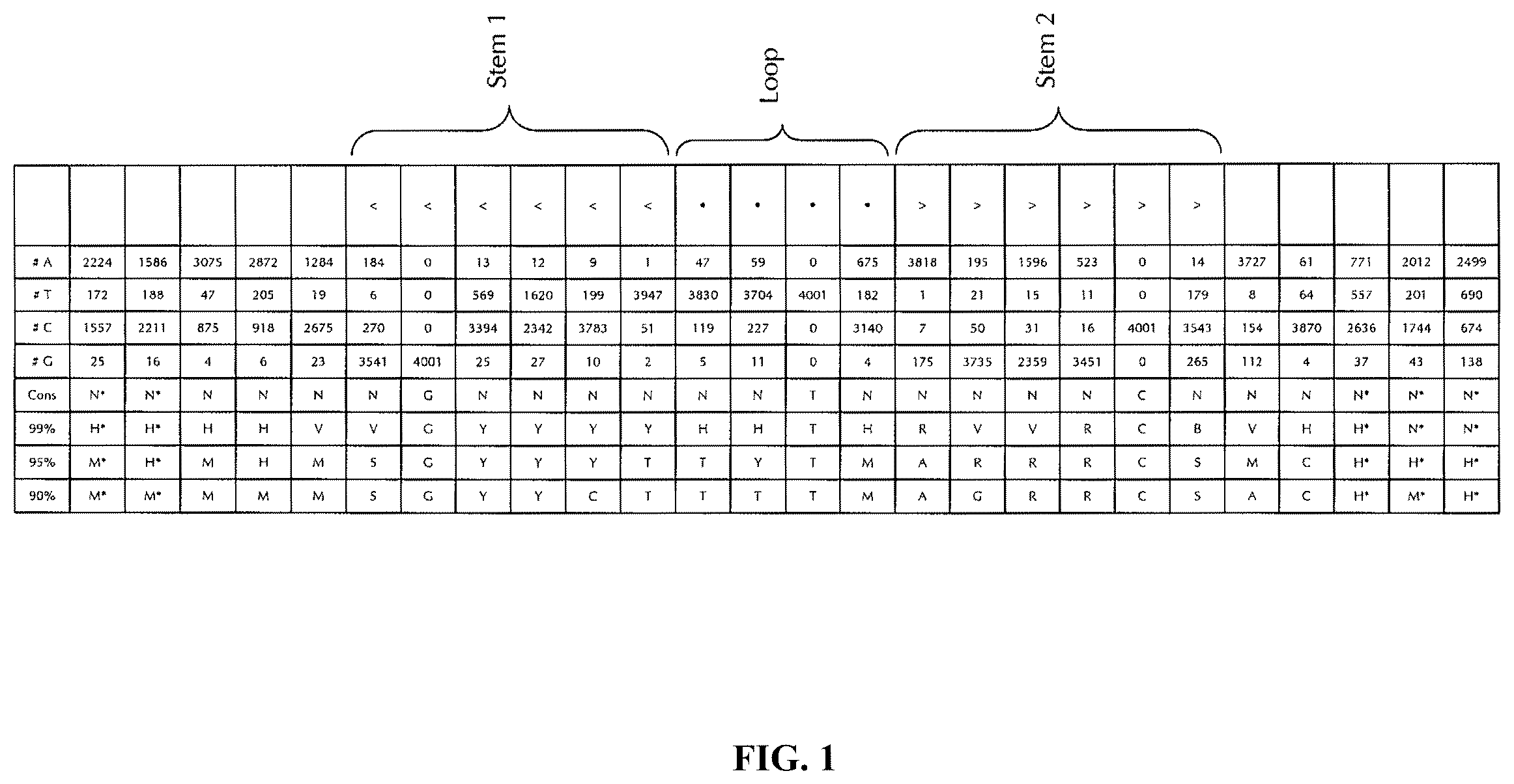
The only known exception to this rule are the replication-dependent histone mRNAs which terminate with a histone stem-loop instead of a poly(A) sequence. Exemplary histone stem-loop sequences are described in Lopez et al. (Dávila López, M., & Samuelsson, T. (2008), RNA (New York, N.Y.), 14(1), 1-10. doi:10.1261/rna.782308).
The stem-loops in histone pre-mRNAs are typically followed by a purine-rich sequence known as the histone downstream element (HDE). These pre-mRNAs are processed in the nucleus by a single endonucleolytic cleavage approximately 5 nucleotides downstream of the stem-loop, catalyzed by the U7 snRNP through base pairing of the U7 snRNA with the HDE.
Due to the requirement to package newly synthesized DNA into chromatin, histone synthesis is regulated in concert with the cell cycle. Increased synthesis of histone proteins during S phase is achieved by transcriptional activation of histone genes as well as posttranscriptional regulation of histone mRNA levels. It could be shown that the histone stem-loop is essential for all posttranscriptional steps of histone expression regulation. It is necessary for efficient processing, export of the mRNA into the cytoplasm, loading onto polyribosomes, and regulation of mRNA stability.
In the above context, a 32 kDa protein was identified, which is associated with the histone stemloop at the 3′-end of the histone messages in both the nucleus and the cytoplasm. The expression level of this stem-loop binding protein (SLBP) is cell-cycle regulated and is highest during S-phase when histone mRNA levels are increased. SLBP is necessary for efficient 3′-end processing of histone pre-mRNA by the U7 snRNP. After completion of processing, SLBP remains associated with the stem-loop at the end of mature histone mRNAs and stimulates their translation into histone proteins in the cytoplasm. (Dominski, Z. and W. F. Marzluff (2007), Gene 396(2): 373-90). Interestingly, the RNA binding domain of SLBP is conserved throughout metazoa and protozoa (Dávila Lopez, M., & Samuelsson, T. (2008), RNA (New York, N.Y.), 14(1), 1-10. doi:10.1261/rna.782308) and it could be shown that its binding to the histone stemloop sequence is dependent on the stem-loop structure and that the minimum binding site contains at least 3 nucleotides 5′ and 2 nucleotides 3′ of the stem-loop (Pandey, N. B., et al. (1994), Molecular and Cellular Biology, 14(3), 1709-1720 and Williams, A. S., & Marzluff, W. F., (1995), Nucleic Acids Research, 23(4), 654-662).
Even though histone genes are generally classified as either “replication-dependent”, giving rise to mRNA ending in a histone stem-loop, or “replacement-type”, giving rise to mRNA bearing a poly(A)-tail instead, naturally occurring mRNAs containing both a histone stem-loop and poly(A) or oligo(A) 3′ thereof have been identified in some very rare cases. Sanchez et al. examined the effect of naturally occurring oligo(A) tails appended 3′ of the histone stem-loop of histone mRNA during Xenopus oogenesis using Luciferase as a reporter protein and found that the oligo(A) tail is an active part of the translation repression mechanism that silences histone mRNA during oogenesis and its removal is part of the mechanism that activates translation of histone mRNAs (Sanchez, R. and W. F. Marzluff (2004), Mol Cell Biol 24(6): 2513-25).
Furthermore, the requirements for regulation of replication dependent histones at the level of pre-mRNA processing and mRNA stability have been investigated using artificial constructs coding for the marker protein alpha globin, taking advantage of the fact that the globin gene contains introns as opposed to the intron-less histone genes. For this purpose constructs were generated in which the alpha globin coding sequence was followed by a histone stem-loop signal (histone stem-loop followed by the histone downstream element) and a polyadenylation signal (Whitelaw, E., et al. (1986). Nucleic Acids Research, 14(17), 7059-7070; Pandey, N. B., & Marzluff, W. F. (1987). Molecular and Cellular Biology, 7(12), 4557-4559; Pandey, N. B., et al. (1990). Nucleic Acids Research, 18(11), 3161-3170).
Also, it was shown that the 3′ UTR of α-globin mRNA may be an important factor for the well-known stability of α-globin mRNA (Rodgers et al., Regulated α-globin mRNA decay is a cytoplasmic event proceeding through 3′-to-5′ exosome-dependent decapping, RNA, 8, pp. 1526-1537, 2002). The 3′ UTR of α-globin mRNA is obviously involved in the formation of a specific ribonucleoprotein-complex, the α-complex, whose presence correlates with mRNA stability in vitro (Wang et al., An mRNA stability complex functions with poly(A)-binding protein to stabilize mRNA in vitro, Molecular and Cellular biology, Vol 19, No. 7, July 1999, p. 4552-4560).
Irrespective of factors influencing mRNA stability, effective translation of the administered nucleic acid molecules by the target cells or tissue is crucial for any approach using nucleic acid molecules for gene therapy or genetic vaccination. Along with the regulation of stability, also translation of the majority of mRNAs is regulated by structural features like UTRs, 5′-cap and 3′-poly(A) tail. In this context, it has been reported that the length of the poly(A) tail may play an important role for translational efficiency as well. Stabilizing 3′-elements, however, may also have an attenuating effect on translation.
Further regulative elements, which may have an influence on expression levels, may be found in the 5′ UTR. For example, it has been reported that synthesis of particular proteins, e.g. proteins belonging to the translational apparatus, may be regulated not only at the transcriptional but also at the translational level. For example, translation of proteins encoded by so called ‘TOP-genes’ may be down-regulated by translational repression. Therein, the term ‘TOP-gene’ relates to a gene corresponding to an mRNA that is characterized by the presence of a TOP sequence at the 5′ end and in most cases by a growth-associated translation regulation (Iadevaia et al., All translation elongation factors and the e, f, and h subunits of translation initiation factor 3 are encoded by 5′-terminal oligopyrimidine (TOP) mRNAs; RNA, 2008, 14:1730-1736). In this context, a TOP sequence—also called the ‘5′-terminal oligopyrimidine tract’—typically consists of a C residue at the cap site, followed by an uninterrupted sequence of up to 13 or even more pyrimidines (Avni et al., Vertebrate mRNAs with a 5′-terminal pyrimidine tract are Candidates for translational repression in quiescent cells: characterization of the translational cis-regulatory element, Molecular and Cellular Biology, 1994, p. 3822-3833). These TOP sequences are reported to be present in many mRNAs encoding components of the translational machinery and to be responsible for selective repression of the translation of these TOP containing mRNAs due to growth arrest (Meyuhas, et al., Translational Control of Ribosomal Protein mRNAs in Eukaryotes, Translational Control. Cold Spring Harbor Monograph Archive. Cold Spring Harbor Laboratory Press, 1996, p. 363-388).
It is the object of the invention to provide nucleic acid molecules which may be suitable for application in gene therapy and/or genetic vaccination. Particularly, it is the object of the invention to provide artificial nucleic acid molecules, such as an mRNA species, which provide for increased protein production from said artificial nucleic acid molecules, preferably which exhibit increased translational efficiency. Another object of the present invention is to provide nucleic acid molecules coding for such a superior mRNA species which may be amenable for use in gene therapy and/or genetic vaccination. It is a further object of the present invention to provide a pharmaceutical composition for use in gene therapy and/or genetic vaccination. In summary, it is the object of the present invention to provide improved nucleic acid species which overcome the above discussed disadvantages of the prior art by a cost-effective and straight-forward approach.
The object underlying the present invention is solved by the claimed subject-matter.
For the sake of clarity and readability the following definitions are provided. Any technical feature mentioned for these definitions may be read on each and every embodiment of the invention. Additional definitions and explanations may be specifically provided in the context of these embodiments.
Adaptive immune response: The adaptive immune response is typically understood to be an antigen-specific response of the immune system. Antigen specificity allows for the generation of responses that are tailored to specific pathogens or pathogen-infected cells. The ability to mount these tailored responses is usually maintained in the body by “memory cells”. Should a pathogen infect the body more than once, these specific memory cells are used to quickly eliminate it. In this context, the first step of an adaptive immune response is the activation of naïve antigen-specific T cells or different immune cells able to induce an antigen-specific immune response by antigen-presenting cells. This occurs in the lymphoid tissues and organs through which naïve T cells are constantly passing. The three cell types that may serve as antigen-presenting cells are dendritic cells, macrophages, and B cells. Each of these cells has a distinct function in eliciting immune responses. Dendritic cells may take up antigens by phagocytosis and macropinocytosis and may become stimulated by contact with e.g. a foreign antigen to migrate to the local lymphoid tissue, where they differentiate into mature dendritic cells. Macrophages ingest particulate antigens such as bacteria and are induced by infectious agents or other appropriate stimuli to express MHC molecules. The unique ability of B cells to bind and internalize soluble protein antigens via their receptors may also be important to induce T cells. MHC-molecules are, typically, responsible for presentation of an antigen to T-cells. Therein, presenting the antigen on MHC molecules leads to activation of T cells which induces their proliferation and differentiation into armed effector T cells. The most important function of effector T cells is the killing of infected cells by CD8+ cytotoxic T cells and the activation of macrophages by Th1 cells which together make up cell-mediated immunity, and the activation of B cells by both Th2 and Th1 cells to produce different classes of antibody, thus driving the humoral immune response. T cells recognize an antigen by their T cell receptors which do not recognize and bind the antigen directly, but instead recognize short peptide fragments e.g. of pathogen-derived protein antigens, e.g. so-called epitopes, which are bound to MHC molecules on the surfaces of other cells.
Adaptive immune system: The adaptive immune system is essentially dedicated to eliminate or prevent pathogenic growth. It typically regulates the adaptive immune response by providing the vertebrate immune system with the ability to recognize and remember specific pathogens (to generate immunity), and to mount stronger attacks each time the pathogen is encountered. The system is highly adaptable because of somatic hypermutation (a process of accelerated somatic mutations), and V(D)J recombination (an irreversible genetic recombination of antigen receptor gene segments). This mechanism allows a small number of genes to generate a vast number of different antigen receptors, which are then uniquely expressed on each individual lymphocyte. Because the gene rearrangement leads to an irreversible change in the DNA of each cell, all of the progeny (offspring) of such a cell will then inherit genes encoding the same receptor specificity, including the Memory B cells and Memory T cells that are the keys to long-lived specific immunity.
Adjuvant/adjuvant component: An adjuvant or an adjuvant component in the broadest sense is typically a pharmacological and/or immunological agent that may modify, e.g. enhance, the effect of other agents, such as a drug or vaccine. It is to be interpreted in a broad sense and refers to a broad spectrum of substances. Typically, these substances are able to increase the immunogenicity of antigens. For example, adjuvants may be recognized by the innate immune systems and, e.g., may elicit an innate immune response. “Adjuvants” typically do not elicit an adaptive immune response. Insofar, “adjuvants” do not qualify as antigens. Their mode of action is distinct from the effects triggered by antigens resulting in an adaptive immune response.
Antigen: In the context of the present invention “antigen” refers typically to a substance which may be recognized by the immune system, preferably by the adaptive immune system, and is capable of triggering an antigen-specific immune response, e.g. by formation of antibodies and/or antigen-specific T cells as part of an adaptive immune response. Typically, an antigen may be or may comprise a peptide or protein which may be presented by the MHC to T-cells.
Artificial nucleic acid molecule: An artificial nucleic acid molecule may typically be understood to be a nucleic acid molecule, e.g. a DNA or an RNA, that does not occur naturally. In other words, an artificial nucleic acid molecule may be understood as a non-natural nucleic acid molecule. Such nucleic acid molecule may be non-natural due to its individual sequence (which does not occur naturally) and/or due to other modifications, e.g. structural modifications of nucleotides which do not occur naturally. An artificial nucleic acid molecule may be a DNA molecule, an RNA molecule or a hybrid-molecule comprising DNA and RNA portions. Typically, artificial nucleic acid molecules may be designed and/or generated by genetic engineering methods to correspond to a desired artificial sequence of nucleotides (heterologous sequence). In this context an artificial sequence is usually a sequence that may not occur naturally, i.e. it differs from the wild type sequence by at least one nucleotide. The term ‘wild type’ may be understood as a sequence occurring in nature. Further, the term ‘artificial nucleic acid molecule’ is not restricted to mean ‘one single molecule’ but is, typically, understood to comprise an ensemble of identical molecules. Accordingly, it may relate to a plurality of identical molecules contained in an aliquot.
Bicistronic RNA, multicistronic RNA: A bicistronic or multicistronic RNA is typically an RNA, preferably an mRNA, that typically may have two (bicistronic) or more (multicistronic) open reading frames (ORF). An open reading frame in this context is a sequence of codons that is translatable into a peptide or protein.
Carrier/polymeric carrier: A carrier in the context of the invention may typically be a compound that facilitates transport and/or complexation of another compound (cargo). A polymeric carrier is typically a carrier that is formed of a polymer. A carrier may be associated to its cargo by covalent or non-covalent interaction. A carrier may transport nucleic acids, e.g. RNA or DNA, to the target cells. The carrier may—for some embodiments—be a cationic component.
Cationic component: The term “cationic component” typically refers to a charged molecule, which is positively charged (cation) at a pH value typically from 1 to 9, preferably at a pH value of or below 9 (e.g. from 5 to 9), of or below 8 (e.g. from 5 to 8), of or below 7 (e.g. from 5 to 7), most preferably at a physiological pH, e.g. from 7.3 to 7.4. Accordingly, a cationic component may be any positively charged compound or polymer, preferably a cationic peptide or protein which is positively charged under physiological conditions, particularly under physiological conditions in vivo. A ‘cationic peptide or protein’ may contain at least one positively charged amino acid, or more than one positively charged amino acid, e.g. selected from Arg, His, Lys or Orn. Accordingly, ‘polycationic’ components are also within the scope exhibiting more than one positive charge under the conditions given.
5′-cap: A 5′-cap is an entity, typically a modified nucleotide entity, which generally ‘caps’ the 5′-end of a mature mRNA. A 5′-cap may typically be formed by a modified nucleotide, particularly by a derivative of a guanine nucleotide. Preferably, the 5′-cap is linked to the 5′-terminus via a 5′-5′-triphosphate linkage. A 5′-cap may be methylated, e.g. m7GpppN, wherein N is the terminal 5′ nucleotide of the nucleic acid carrying the 5′-cap, typically the 5′-end of an RNA. Further examples of 5′ cap structures include glyceryl, inverted deoxy abasic residue (moiety), 4′, 5′ methylene nucleotide, 1-(beta-D-erythrofuranosyl) nucleotide, 4′-thio nucleotide, carbocyclic nucleotide, 1,5-anhydrohexitol nucleotide, L-nucleotides, alpha-nucleotide, modified base nucleotide, threo-pentofuranosyl nucleotide, acyclic 3′, 4′-seco nucleotide, acyclic 3,4-dihydroxybutyl nucleotide, acyclic 3,5 dihydroxypentyl nucleotide, 3′-3′-inverted nucleotide moiety, 3′-3′-inverted abasic moiety, 3′-2′-inverted nucleotide moiety, 3′-2′-inverted abasic moiety, 1,4-butanediol phosphate, 3′-phosphoramidate, hexylphosphate, aminohexyl phosphate, 3′-phosphate, 3′ phosphorothioate, phosphorodithioate, or bridging or non-bridging methylphosphonate moiety.
Cellular immunity/cellular immune response: Cellular immunity relates typically to the activation of macrophages, natural killer cells (NK), antigen-specific cytotoxic T-lymphocytes, and the release of various cytokines in response to an antigen. In more general terms, cellular immunity is not based on antibodies, but on the activation of cells of the immune system. Typically, a cellular immune response may be characterized e.g. by activating antigen-specific cytotoxic T-lymphocytes that are able to induce apoptosis in cells, e.g. specific immune cells like dendritic cells or other cells, displaying epitopes of foreign antigens on their surface. Such cells may be virus-infected or infected with intracellular bacteria, or cancer cells displaying tumor antigens. Further characteristics may be activation of macrophages and natural killer cells, enabling them to destroy pathogens and stimulation of cells to secrete a variety of cytokines that influence the function of other cells involved in adaptive immune responses and innate immune responses.
DNA: DNA is the usual abbreviation for deoxy-ribonucleic-acid. It is a nucleic acid molecule, i.e. a polymer consisting of nucleotides. These nucleotides are usually deoxy-adenosine-monophosphate, deoxy-thymidine-monophosphate, deoxy-guanosine-monophosphate and deoxycytidine-monophosphate monomers which are—by themselves—composed of a sugar moiety (deoxyribose), a base moiety and a phosphate moiety, and polymerise by a characteristic backbone structure. The backbone structure is, typically, formed by phosphodiester bonds between the sugar moiety of the nucleotide, i.e. deoxyribose, of a first and a phosphate moiety of a second, adjacent monomer. The specific order of the monomers, i.e. the order of the bases linked to the sugar/phosphate-backbone, is called the DNA-sequence. DNA may be single stranded or double stranded. In the double stranded form, the nucleotides of the first strand typically hybridize with the nucleotides of the second strand, e.g. by A/T-base-pairing and G/C-base-pairing.
Epitope: Epitopes (also called ‘antigen determinant’) can be distinguished in T cell epitopes and B cell epitopes. T cell epitopes or parts of the proteins in the context of the present invention may comprise fragments preferably having a length of about 6 to about 20 or even more amino acids, e.g. fragments as processed and presented by MHC class I molecules, preferably having a length of about 8 to about 10 amino acids, e.g. 8, 9, or 10, (or even 11, or 12 amino acids), or fragments as processed and presented by MHC class II molecules, preferably having a length of about 13 or more amino acids, e.g. 13, 14, 15, 16, 17, 18, 19, 20 or even more amino acids, wherein these fragments may be selected from any part of the amino acid sequence. These fragments are typically recognized by T cells in form of a complex consisting of the peptide fragment and an MHC molecule, i.e. the fragments are typically not recognized in their native form. B cell epitopes are typically fragments located on the outer surface of (native) protein or peptide antigens as defined herein, preferably having 5 to 15 amino acids, more preferably having 5 to 12 amino acids, even more preferably having 6 to 9 amino acids, which may be recognized by antibodies, i.e. in their native form.
Such epitopes of proteins or peptides may furthermore be selected from any of the herein mentioned variants of such proteins or peptides. In this context antigenic determinants can be conformational or discontinuous epitopes which are composed of segments of the proteins or peptides as defined herein that are discontinuous in the amino acid sequence of the proteins or peptides as defined herein but are brought together in the three-dimensional structure or continuous or linear epitopes which are composed of a single polypeptide chain.
Fragment of a sequence: A fragment of a sequence may typically be a shorter portion of a full-length sequence of e.g. a nucleic acid molecule or an amino acid sequence. Accordingly, a fragment, typically, consists of a sequence that is identical to the corresponding stretch within the full-length sequence. A preferred fragment of a sequence in the context of the present invention, consists of a continuous stretch of entities, such as nucleotides or amino acids corresponding to a continuous stretch of entities in the molecule the fragment is derived from, which represents at least 20%, preferably at least 30%, more preferably at least 40%, more preferably at least 50%, even more preferably at least 60%, even more preferably at least 70%, and most preferably at least 80% of the total (i.e. full-length) molecule from which the fragment is derived.
G/C modified: A G/C-modified nucleic acid may typically be a nucleic acid, preferably an artificial nucleic acid molecule as defined herein, based on a modified wild-type sequence comprising a preferably increased number of guanosine and/or cytosine nucleotides as compared to the wild-type sequence. Such an increased number may be generated by substitution of codons containing adenosine or thymidine nucleotides by codons containing guanosine or cytosine nucleotides. If the enriched G/C content occurs in a coding region of DNA or RNA, it makes use of the degeneracy of the genetic code. Accordingly, the codon substitutions preferably do not alter the encoded amino acid residues, but exclusively increase the G/C content of the nucleic acid molecule.
Gene therapy: Gene therapy may typically be understood to mean a treatment of a patient's body or isolated elements of a patient's body, for example isolated tissues/cells, by nucleic acids encoding a peptide or protein. It typically may comprise at least one of the steps of a) administration of a nucleic acid, preferably an artificial nucleic acid molecule as defined herein, directly to the patient—by whatever administration route—or in vitro to isolated cells/tissues of the patient, which results in transfection of the patient's cells either in vivo/ex vivo or in vitro; b) transcription and/or translation of the introduced nucleic acid molecule; and optionally c) re-administration of isolated, transfected cells to the patient, if the nucleic acid has not been administered directly to the patient.
Genetic vaccination: Genetic vaccination may typically be understood to be vaccination by administration of a nucleic acid molecule encoding an antigen or an immunogen or fragments thereof. The nucleic acid molecule may be administered to a subject's body or to isolated cells of a subject. Upon transfection of certain cells of the body or upon transfection of the isolated cells, the antigen or immunogen may be expressed by those cells and subsequently presented to the immune system, eliciting an adaptive, i.e. antigen-specific immune response. Accordingly, genetic vaccination typically comprises at least one of the steps of a) administration of a nucleic acid, preferably an artificial nucleic acid molecule as defined herein, to a subject, preferably a patient, or to isolated cells of a subject, preferably a patient, which usually results in transfection of the subject's cells either in vivo or in vitro; b) transcription and/or translation of the introduced nucleic acid molecule; and optionally c) re-administration of isolated, transfected cells to the subject, preferably the patient, if the nucleic acid has not been administered directly to the patient.
Heterologous sequence: Two sequences are typically understood to be ‘heterologous’ if they are not derivable from the same gene. I.e., although heterologous sequences may be derivable from the same organism, they naturally (in nature) do not occur in the same nucleic acid molecule, such as in the same mRNA.
Humoral immunity/humoral immune response: Humoral immunity refers typically to antibody production and optionally to accessory processes accompanying antibody production. A humoral immune response may be typically characterized, e.g., by Th2 activation and cytokine production, germinal center formation and isotype switching, affinity maturation and memory cell generation. Humoral immunity also typically may refer to the effector functions of antibodies, which include pathogen and toxin neutralization, classical complement activation, and opsonin promotion of phagocytosis and pathogen elimination.
Immunogen: In the context of the present invention an immunogen may be typically understood to be a compound that is able to stimulate an immune response. Preferably, an immunogen is a peptide, polypeptide, or protein. In a particularly preferred embodiment, an immunogen in the sense of the present invention is the product of translation of a provided nucleic acid molecule, preferably an artificial nucleic acid molecule as defined herein. Typically, an immunogen elicits at least an adaptive immune response.
Immunostimulatory composition: In the context of the invention, an immunostimulatory composition may be typically understood to be a composition containing at least one component which is able to induce an immune response or from which a component which is able to induce an immune response is derivable. Such immune response may be preferably an innate immune response or a combination of an adaptive and an innate immune response. Preferably, an immunostimulatory composition in the context of the invention contains at least one artificial nucleic acid molecule, more preferably an RNA, for example an mRNA molecule. The immunostimulatory component, such as the mRNA may be complexed with a suitable carrier. Thus, the immunostimulatory composition may comprise an mRNA/carrier-complex. Furthermore, the immunostimulatory composition may comprise an adjuvant and/or a suitable vehicle for the immunostimulatory component, such as the mRNA.
Immune response: An immune response may typically be a specific reaction of the adaptive immune system to a particular antigen (so called specific or adaptive immune response) or an unspecific reaction of the innate immune system (so called unspecific or innate immune response), or a combination thereof.
Immune system: The immune system may protect organisms from infection. If a pathogen succeeds in passing a physical barrier of an organism and enters this organism, the innate immune system provides an immediate, but non-specific response. If pathogens evade this innate response, vertebrates possess a second layer of protection, the adaptive immune system. Here, the immune system adapts its response during an infection to improve its recognition of the pathogen. This improved response is then retained after the pathogen has been eliminated, in the form of an immunological memory, and allows the adaptive immune system to mount faster and stronger attacks each time this pathogen is encountered. According to this, the immune system comprises the innate and the adaptive immune system. Each of these two parts typically contains so called humoral and cellular components.
Immunostimulatory RNA: An immunostimulatory RNA (isRNA) in the context of the invention may typically be an RNA that is able to induce an innate immune response. It usually does not have an open reading frame and thus does not provide a peptide-antigen or immunogen but elicits an immune response e.g. by binding to a specific kind of Toll-like-receptor (TLR) or other suitable receptors. However, of course also mRNAs having an open reading frame and coding for a peptide/protein may induce an innate immune response and, thus, may be immunostimulatory RNAs.
Innate immune system: The innate immune system, also known as non-specific (or unspecific) immune system, typically comprises the cells and mechanisms that defend the host from infection by other organisms in a non-specific manner. This means that the cells of the innate system may recognize and respond to pathogens in a generic way, but unlike the adaptive immune system, it does not confer long-lasting or protective immunity to the host. The innate immune system may be, e.g., activated by ligands of Toll-like receptors (TLRs) or other auxiliary substances such as lipopolysaccharides, TNF-alpha, CD40 ligand, or cytokines, monokines, lymphokines, interleukins or chemokines, IL-1, IL-2, IL-3, IL-4, IL-5, IL-6, IL-7, IL-8, IL-9, IL-10, IL-11, IL-12, IL-13, IL-14, IL-15, IL-16, IL-17, IL-18, IL-19, IL-20, IL-21, IL-22, IL-23, IL-24, IL-25, IL-26, IL-27, IL-28, IL-29, IL-30, IL-31, IL-32, IL-ss, IFN-alpha, IFN-beta, IFN-gamma, GM-CSF, G-CSF, M-CSF, LT-beta, TNF-alpha, growth factors, and hGH, a ligand of human Toll-like receptor TLR1, TLR2, TLR3, TLR4, TLR5, TLR6, TLR7, TLR8, TLR9, TLR10, a ligand of murine Toll-like receptor TLR1, TLR2, TLR3, TLR4, TLR5, TLR6, TLR7, TLR8, TLR9, TLR10, TLR11, TLR12 or TLR13, a ligand of a NOD-like receptor, a ligand of a RIG-I like receptor, an immunostimulatory nucleic acid, an immunostimulatory RNA (isRNA), a CpG-DNA, an antibacterial agent, or an anti-viral agent. The pharmaceutical composition according to the present invention may comprise one or more such substances. Typically, a response of the innate immune system includes recruiting immune cells to sites of infection, through the production of chemical factors, including specialized chemical mediators, called cytokines; activation of the complement cascade; identification and removal of foreign substances present in organs, tissues, the blood and lymph, by specialized white blood cells; activation of the adaptive immune system; and/or acting as a physical and chemical barrier to infectious agents.
Cloning site: A cloning site is typically understood to be a segment of a nucleic acid molecule, which is suitable for insertion of a nucleic acid sequence, e.g., a nucleic acid sequence comprising an open reading frame. Insertion may be performed by any molecular biological method known to the one skilled in the art, e.g. by restriction and ligation. A cloning site typically comprises one or more restriction enzyme recognition sites (restriction sites). These one or more restrictions sites may be recognized by restriction enzymes which cleave the DNA at these sites. A cloning site which comprises more than one restriction site may also be termed a multiple cloning site (MCS) or a polylinker.
Nucleic acid molecule: A nucleic acid molecule is a molecule comprising, preferably consisting of nucleic acid components. The term nucleic acid molecule preferably refers to DNA or RNA molecules. It is preferably used synonymous with the term “polynucleotide”. Preferably, a nucleic acid molecule is a polymer comprising or consisting of nucleotide monomers which are covalently linked to each other by phosphodiester-bonds of a sugar/phosphate-backbone. The term “nucleic acid molecule” also encompasses modified nucleic acid molecules, such as base-modified, sugar-modified or backbone-modified etc. DNA or RNA molecules.
Open reading frame: An open reading frame (ORF) in the context of the invention may typically be a sequence of several nucleotide triplets which may be translated into a peptide or protein. An open reading frame preferably contains a start codon, i.e. a combination of three subsequent nucleotides coding usually for the amino acid methionine (ATG or AUG), at its 5′-end and a subsequent region which usually exhibits a length which is a multiple of 3 nucleotides. An ORF is preferably terminated by a stop-codon (e.g., TAA, TAG, TGA). Typically, this is the only stop-codon of the open reading frame. Thus, an open reading frame in the context of the present invention is preferably a nucleotide sequence, consisting of a number of nucleotides that may be divided by three, which starts with a start codon (e.g. ATG or AUG) and which preferably terminates with a stop codon (e.g., TAA, TGA, or TAG or UAA, UAG, UGA, respectively). The open reading frame may be isolated or it may be incorporated in a longer nucleic acid sequence, for example in a vector or an mRNA. An open reading frame may also be termed ‘protein coding region’.
Peptide: A peptide or polypeptide is typically a polymer of amino acid monomers, linked by peptide bonds. It typically contains less than 50 monomer units. Nevertheless, the term peptide is not a disclaimer for molecules having more than 50 monomer units. Long peptides are also called polypeptides, typically having between 50 and 600 monomeric units.
Pharmaceutically effective amount: A pharmaceutically effective amount in the context of the invention is typically understood to be an amount that is sufficient to induce a pharmaceutical effect, such as an immune response, altering a pathological level of an expressed peptide or protein, or substituting a lacking gene product, e.g., in case of a pathological situation.
Protein A protein typically comprises one or more peptides or polypeptides. A protein is typically folded into 3-dimensional form, which may be required for to protein to exert its biological function.
Poly(A) sequence: A poly(A) sequence, also called poly(A) tail or 3′-poly(A) tail, is typically understood to be a sequence of adenine nucleotides, e.g., of up to about 400 adenine nucleotides, e.g. from about 20 to about 400, preferably from about 50 to about 400, more preferably from about 50 to about 300, even more preferably from about 50 to about 250, most preferably from about 60 to about 250 adenine nucleotides. A poly(A) sequence is typically located at the 3′ end of an mRNA. In the context of the present invention, a poly(A) sequence may be located within an mRNA or any other nucleic acid molecule, such as, e.g., in a vector, for example, in a vector serving as template for the generation of an RNA, preferably an mRNA, e.g., by transcription of the vector.
Polyadenylation: Polyadenylation is typically understood to be the addition of a poly(A) sequence to a nucleic acid molecule, such as an RNA molecule, e.g. to a premature mRNA. Polyadenylation may be induced by a so called polyadenylation signal. This signal is preferably located within a stretch of nucleotides at the 3′-end of a nucleic acid molecule, such as an RNA molecule, to be polyadenylated. A polyadenylation signal typically comprises a hexamer consisting of adenine and uracil/thymine nucleotides, preferably the hexamer sequence AAUAAA. Other sequences, preferably hexamer sequences, are also conceivable. Polyadenylation typically occurs during processing of a pre-mRNA (also called premature-mRNA). Typically, RNA maturation (from pre-mRNA to mature mRNA) comprises the step of polyadenylation.
Restriction site: A restriction site, also termed ‘restriction enzyme recognition site’, is a nucleotide sequence recognized by a restriction enzyme. A restriction site is typically a short, preferably palindromic nucleotide sequence, e.g. a sequence comprising 4 to 8 nucleotides. A restriction site is preferably specifically recognized by a restriction enzyme. The restriction enzyme typically cleaves a nucleotide sequence comprising a restriction site at this site. In a double-stranded nucleotide sequence, such as a double-stranded DNA sequence, the restriction enzyme typically cuts both strands of the nucleotide sequence.
RNA, mRNA: RNA is the usual abbreviation for ribonucleic-acid. It is a nucleic acid molecule, i.e. a polymer consisting of nucleotides. These nucleotides are usually adenosine-monophosphate, uridine-monophosphate, guanosine-monophosphate and cytidine-monophosphate monomers which are connected to each other along a so-called backbone. The backbone is formed by phosphodiester bonds between the sugar, i.e. ribose, of a first and a phosphate moiety of a second, adjacent monomer. The specific succession of the monomers is called the RNA-sequence. Usually RNA may be obtainable by transcription of a DNA-sequence, e.g., inside a cell. In eukaryotic cells, transcription is typically performed inside the nucleus or the mitochondria. In vivo, transcription of DNA usually results in the so-called premature RNA which has to be processed into so-called messenger-RNA, usually abbreviated as mRNA. Processing of the premature RNA, e.g. in eukaryotic organisms, comprises a variety of different posttranscriptional-modifications such as splicing, 5′-capping, polyadenylation, export from the nucleus or the mitochondria and the like. The sum of these processes is also called maturation of RNA. The mature messenger RNA usually provides the nucleotide sequence that may be translated into an amino acid sequence of a particular peptide or protein. Typically, a mature mRNA comprises a 5′-cap, a 5′ UTR, an open reading frame, a 3′ UTR and a poly(A) sequence. Aside from messenger RNA, several non-coding types of RNA exist which may be involved in regulation of transcription and/or translation.
Sequence of a nucleic acid molecule: The sequence of a nucleic acid molecule is typically understood to be the particular and individual order, i.e. the succession of its nucleotides. The sequence of a protein or peptide is typically understood to be the order, i.e. the succession of its amino acids.
Sequence identity: Two or more sequences are identical if they exhibit the same length and order of nucleotides or amino acids. The percentage of identity typically describes the extent to which two sequences are identical, i.e. it typically describes the percentage of nucleotides that correspond in their sequence position with identical nucleotides of a reference-sequence. For determination of the degree of identity, the sequences to be compared are considered to exhibit the same length, i.e. the length of the longest sequence of the sequences to be compared. This means that a first sequence consisting of 8 nucleotides is 80% identical to a second sequence consisting of 10 nucleotides comprising the first sequence. In other words, in the context of the present invention, identity of sequences preferably relates to the percentage of nucleotides of a sequence which have the same position in two or more sequences having the same length. Gaps are usually regarded as non-identical positions, irrespective of their actual position in an alignment.
Stabilized nucleic acid molecule: A stabilized nucleic acid molecule is a nucleic acid molecule, preferably a DNA or RNA molecule that is modified such, that it is more stable to disintegration or degradation, e.g., by environmental factors or enzymatic digest, such as by an exo- or endonuclease degradation, than the nucleic acid molecule without the modification. Preferably, a stabilized nucleic acid molecule in the context of the present invention is stabilized in a cell, such as a prokaryotic or eukaryotic cell, preferably in a mammalian cell, such as a human cell. The stabilization effect may also be exerted outside of cells, e.g. in a buffer solution etc., for example, in a manufacturing process for a pharmaceutical composition comprising the stabilized nucleic acid molecule.
Transfection: The term ‘transfection’ refers to the introduction of nucleic acid molecules, such as DNA or RNA (e.g. mRNA) molecules, into cells, preferably into eukaryotic cells. In the context of the present invention, the term ‘transfection’ encompasses any method known to the skilled person for introducing nucleic acid molecules into cells, preferably into eukaryotic cells, such as into mammalian cells. Such methods encompass, for example, electroporation, lipofection, e.g. based on cationic lipids and/or liposomes, calcium phosphate precipitation, nanoparticle based transfection, virus based transfection, or transfection based on cationic polymers, such as DEAE-dextran or polyethylenimine etc. Preferably, the introduction is non-viral.
Vaccine: A vaccine is typically understood to be a prophylactic or therapeutic material providing at least one antigen, preferably an immunogen. The antigen or immunogen may be derived from any material that is suitable for vaccination. For example, the antigen or immunogen may be derived from a pathogen, such as from bacteria or virus particles etc., or from a tumor or cancerous tissue. The antigen or immunogen stimulates the body's adaptive immune system to provide an adaptive immune response.
Vector: The term ‘vector’ refers to a nucleic acid molecule, preferably to an artificial nucleic acid molecule. A vector in the context of the present invention is suitable for incorporating or harboring a desired nucleic acid sequence, such as a nucleic acid sequence comprising an open reading frame. Such vectors may be storage vectors, expression vectors, cloning vectors, transfer vectors etc. A storage vector is a vector which allows the convenient storage of a nucleic acid molecule, for example, of an mRNA molecule. Thus, the vector may comprise a sequence corresponding, e.g., to a desired mRNA sequence or a part thereof, such as a sequence corresponding to the open reading frame and the 3′ UTR of an mRNA. An expression vector may be used for production of expression products such as RNA, e.g. mRNA, or peptides, polypeptides or proteins. For example, an expression vector may comprise sequences needed for transcription of a sequence stretch of the vector, such as a promoter sequence, e.g. an RNA promoter sequence. A cloning vector is typically a vector that contains a cloning site, which may be used to incorporate nucleic acid sequences into the vector. A cloning vector may be, e.g., a plasmid vector or a bacteriophage vector. A transfer vector may be a vector which is suitable for transferring nucleic acid molecules into cells or organisms, for example, viral vectors. A vector in the context of the present invention may be, e.g., an RNA vector or a DNA vector. Preferably, a vector is a DNA molecule. Preferably, a vector in the sense of the present application comprises a cloning site, a selection marker, such as an antibiotic resistance factor, and a sequence suitable for multiplication of the vector, such as an origin of replication. Preferably, a vector in the context of the present application is a plasmid vector.
Vehicle: A vehicle is typically understood to be a material that is suitable for storing, transporting, and/or administering a compound, such as a pharmaceutically active compound. For example, it may be a physiologically acceptable liquid which is suitable for storing, transporting, and/or administering a pharmaceutically active compound.
3′-untranslated region (3′ UTR): A 3′ UTR is typically the part of an mRNA which is located between the protein coding region (i.e. the open reading frame) and the poly(A) sequence of the mRNA. A 3′ UTR of the mRNA is not translated into an amino acid sequence. The 3′ UTR sequence is generally encoded by the gene which is transcribed into the respective mRNA during the gene expression process. The genomic sequence is first transcribed into pre-mature mRNA, which comprises optional introns. The pre-mature mRNA is then further processed into mature mRNA in a maturation process. This maturation process comprises the steps of 5′ capping, splicing the pre-mature mRNA to excise optional introns and modifications of the 3′-end, such as polyadenylation of the 3′-end of the pre-mature mRNA and optional endo- or exonuclease cleavages etc. In the context of the present invention, a 3′ UTR corresponds to the sequence of a mature mRNA which is located 3′ to the stop codon of the protein coding region, preferably immediately 3′ to the stop codon of the protein coding region, and which extends to the 5′-side of the poly(A) sequence, preferably to the nucleotide immediately 5′ to the poly(A) sequence. The term “corresponds to” means that the 3′ UTR sequence may be an RNA sequence, such as in the mRNA sequence used for defining the 3′ UTR sequence, or a DNA sequence which corresponds to such RNA sequence. In the context of the present invention, the term “a 3′ UTR of a gene”, such as “a 3′ UTR of an albumin gene”, is the sequence which corresponds to the 3′ UTR of the mature mRNA derived from this gene, i.e. the mRNA obtained by transcription of the gene and maturation of the pre-mature mRNA. The term “3′ UTR of a gene” encompasses the DNA sequence and the RNA sequence of the 3′ UTR.
5′-untranslated region (5′ UTR): A 5′ UTR is typically understood to be a particular section of messenger RNA (mRNA). It is located 5′ of the open reading frame of the mRNA. Typically, the 5′ UTR starts with the transcriptional start site and ends one nucleotide before the start codon of the open reading frame. The 5′ UTR may comprise elements for controlling gene expression, also called regulatory elements. Such regulatory elements may be, for example, ribosomal binding sites or a 5′-Terminal Oligopyrimidine Tract. The 5′ UTR may be post-transcriptionally modified, for example by addition of a 5′-cap. In the context of the present invention, a 5′ UTR corresponds to the sequence of a mature mRNA which is located between the 5′ cap and the start codon. Preferably, the 5′ UTR corresponds to the sequence which extends from a nucleotide located 3′ to the 5′-cap, preferably from the nucleotide located immediately 3′ to the 5′ cap, to a nucleotide located 5′ to the start codon of the protein coding region, preferably to the nucleotide located immediately 5′ to the start codon of the protein coding region. The nucleotide located immediately 3′ to the 5′ cap of a mature mRNA typically corresponds to the transcriptional start site. The term “corresponds to” means that the 5′ UTR sequence may be an RNA sequence, such as in the mRNA sequence used for defining the 5′ UTR sequence, or a DNA sequence which corresponds to such RNA sequence. In the context of the present invention, the term “a 5′ UTR of a gene”, such as “a 5′ UTR of a TOP gene”, is the sequence which corresponds to the 5′ UTR of the mature mRNA derived from this gene, i.e. the mRNA obtained by transcription of the gene and maturation of the pre-mature mRNA. The term “5′ UTR of a gene” encompasses the DNA sequence and the RNA sequence of the 5′ UTR.
5′ Terminal Oligopyrimidine Tract (TOP): The 5′ terminal oligopyrimidine tract (TOP) is typically a stretch of pyrimidine nucleotides located at the 5′ terminal region of a nucleic acid molecule, such as the 5′ terminal region of certain mRNA molecules or the 5′ terminal region of a functional entity, e.g. the transcribed region, of certain genes. The sequence starts with a cytidine, which usually corresponds to the transcriptional start site, and is followed by a stretch of usually about 3 to 30 pyrimidine nucleotides. For example, the TOP may comprise 3, 4, 5, 6, 7, 8, 9, 10, 11, 12, 13, 14, 15, 16, 17, 18, 19, 20, 21, 22, 23, 24, 25, 26, 27, 28, 29, 30 or even more nucleotides. The pyrimidine stretch and thus the 5′ TOP ends one nucleotide 5′ to the first purine nucleotide located downstream of the TOP. Messenger RNA that contains a 5′ terminal oligopyrimidine tract is often referred to as 5′ TOP mRNA. Accordingly, genes that provide such messenger RNAs are referred to as TOP genes. TOP sequences have, for example, been found in genes and mRNAs encoding peptide elongation factors and ribosomal proteins.
TOP motif: In the context of the present invention, a TOP motif is a nucleic acid sequence which corresponds to a 5′ TOP as defined above. Thus, a TOP motif in the context of the present invention is preferably a stretch of pyrimidine nucleotides having a length of 3-30 nucleotides. Preferably, the TOP-motif consists of at least 3 pyrimidine nucleotides, preferably at least 4 pyrimidine nucleotides, preferably at least 5 pyrimidine nucleotides, more preferably at least 6 nucleotides, more preferably at least 7 nucleotides, most preferably at least 8 pyrimidine nucleotides, wherein the stretch of pyrimidine nucleotides preferably starts at its 5′ end with a cytosine nucleotide. In TOP genes and TOP mRNAs, the TOP-motif preferably starts at its 5′ end with the transcriptional start site and ends one nucleotide 5′ to the first purin residue in said gene or mRNA. A TOP motif in the sense of the present invention is preferably located at the 5′ end of a sequence which represents a 5′ UTR or at the 5′ end of a sequence which codes for a 5′ UTR. Thus, preferably, a stretch of 3 or more pyrimidine nucleotides is called “TOP motif” in the sense of the present invention if this stretch is located at the 5′ end of a respective sequence, such as the artificial nucleic acid molecule according to the present invention, the 5′ UTR element of the artificial nucleic acid molecule according to the present invention, or the nucleic acid sequence which is derived from the 5′ UTR of a TOP gene as described herein. In other words, a stretch of 3 or more pyrimidine nucleotides which is not located at the 5′-end of a 5′ UTR or a 5′ UTR element but anywhere within a 5′ UTR or a 5′ UTR element is preferably not referred to as “TOP motif”.
TOP gene: TOP genes are typically characterised by the presence of a 5′ terminal oligopyrimidine tract. Furthermore, most TOP genes are characterized by a growth-associated translational regulation. However, also TOP genes with a tissue specific translational regulation are known. As defined above, the 5′ UTR of a TOP gene corresponds to the sequence of a 5′ UTR of a mature mRNA derived from a TOP gene, which preferably extends from the nucleotide located 3′ to the 5′ cap to the nucleotide located 5′ to the start codon. A 5′ UTR of a TOP gene typically does not comprise any start codons, preferably no upstream AUGs (uAUGs) or upstream open reading frames (uORFs). Therein, upstream AUGs and upstream open reading frames are typically understood to be AUGs and open reading frames that occur 5′ of the start codon (AUG) of the open reading frame that should be translated. The 5′ UTRs of TOP genes are generally rather short. The lengths of 5′ UTRs of TOP genes may vary between 20 nucleotides up to 500 nucleotides, and are typically less than about 200 nucleotides, preferably less than about 150 nucleotides, more preferably less than about 100 nucleotides. Exemplary 5′ UTRs of TOP genes in the sense of the present invention are the nucleic acid sequences extending from the nucleotide at position 5 to the nucleotide located immediately 5′ to the start codon (e.g. the ATG) in the sequences according to SEQ ID NOs. 1-1363, 1435, 1461 and 1462.
In a first aspect, the present invention relates to an artificial nucleic acid molecule comprising:
•
• a. at least one 5′-untranslated region element (5′ UTR element) which comprises or consists of a nucleic acid sequence which is derived from the 5′ UTR of a TOP gene or which is derived from a variant of the 5′ UTR of a TOP gene; and • b. at least one open reading frame (ORF).
Preferably, the artificial nucleic acid molecule further comprises:
•
• c. at least one histone stem-loop.
Such an artificial nucleic acid molecule may be DNA or RNA. In case the artificial nucleic acid molecule is DNA it may be used for providing RNA, preferably an mRNA with a corresponding sequence as is described further below. The inventive artificial nucleic acid molecule is particularly useful in gene therapy and genetic vaccination because it may provide increased and/or prolonged protein production of the protein encoded by the open reading frame.
In this context, the term ‘5′ UTR element’ preferably refers to a nucleic acid sequence which represents a 5′ UTR of an artificial nucleic acid sequence, such as an artificial mRNA, or which codes for a 5′ UTR of an artificial nucleic acid molecule. Thus, preferably, a 5′ UTR element may be the 5′ UTR of an mRNA, preferably of an artificial mRNA, or it may be the transcription template for a 5′ UTR of an mRNA. Thus, a 5′ UTR element preferably is a nucleic acid sequence which corresponds to the 5′ UTR of an mRNA, preferably to the 5′ UTR of an artificial mRNA, such as an mRNA obtained by transcription of a genetically engineered vector construct. Preferably, a 5′ UTR element in the sense of the present invention functions as a 5′ UTR or codes for a nucleotide sequence that fulfils the function of a 5′ UTR. The term ‘5‘UTR element’ furthermore refers to a fragment or part of a 5′ UTR of an artificial nucleic acid sequence, such as an artificial mRNA, or which codes for a part or fragment of a 5′ UTR of an artificial nucleic acid molecule. This means that the 5′ UTR element in the sense of the present invention may be comprised in the 5′ UTR of an artificial nucleic acid sequence, such as an artificial mRNA, or which codes for a 5′ UTR of an artificial nucleic acid molecule.
According to the invention, the 5′ UTR element comprises or consists of a nucleic acid sequence that is derived from the 5′ UTR of a TOP gene or from a variant of the 5′ UTR of a TOP gene.
The term ‘a nucleic acid sequence which is derived from the 5′ UTR of a TOP gene’ preferably refers to a nucleic acid sequence which is based on the 5′ UTR sequence of a TOP gene or on a fragment thereof. This term includes sequences corresponding to the entire 5′ UTR sequence, i.e. the full length 5′ UTR sequence of a TOP gene, and sequences corresponding to a fragment of the 5′ UTR sequence of a TOP gene. Preferably, a fragment of a 5′ UTR of a TOP gene consists of a continuous stretch of nucleotides corresponding to a continuous stretch of nucleotides in the full-length 5′ UTR of a TOP gene, which represents at least 20%, preferably at least 30%, more preferably at least 40%, more preferably at least 50%, even more preferably at least 60%, even more preferably at least 70%, even more preferably at least 80%, and most preferably at least 90% of the full-length 5′ UTR of a TOP gene. Such a fragment, in the sense of the present invention, is preferably a functional fragment as described herein. A particularly preferred fragment of a 5′ UTR of a TOP gene is a 5′ UTR of a TOP gene lacking the 5′ TOP motif. The term ‘5′ UTR of a TOP gene’ preferably refers to the 5′ UTR of a naturally occurring TOP gene.
The terms ‘variant of the 5′ UTR of a TOP gene’ and ‘variant thereof’ in the context of a 5′ UTR of a TOP gene refers to a variant of the 5′ UTR of a naturally occurring TOP gene, preferably to a variant of the 5′ UTR of a vertebrate TOP gene, preferably to a variant of the 3′ UTR of a mammalian TOP gene, more preferably to a variant of the 3′ UTR of a human TOP gene. Such variant may be a modified 5′ UTR of a TOP gene. For example, a variant 5′ UTR may exhibit one or more nucleotide deletions, insertions, additions and/or substitutions compared to the naturally occurring 5′ UTR from which the variant is derived. Preferably, a variant of a 5′ UTR of a TOP gene is at least 40%, preferably at least 50%, more preferably at least 60%, more preferably at least 70%, even more preferably at least 80%, even more preferably at least 90%, most preferably at least 95% identical to the naturally occurring 5′ UTR the variant is derived from. Preferably, the variant is a functional variant as described herein.
The term “a nucleic acid sequence that is derived from a variant of the 5′ UTR of a TOP gene” preferably refers to a nucleic acid sequence which is based on a variant of a 5′ UTR sequence of a TOP gene or on a fragment thereof. This term includes sequences corresponding to the entire variant 5′ UTR sequence, i.e. the full length variant 5′ UTR sequence of a TOP gene, and sequences corresponding to a fragment of the variant 5′ UTR sequence of a TOP gene. Preferably, a fragment of a variant of the 5′ UTR of a TOP gene consists of a continuous stretch of nucleotides corresponding to a continuous stretch of nucleotides in the full-length variant 5′ UTR of a TOP gene, which represents at least 20%, preferably at least 30%, more preferably at least 40%, more preferably at least 50%, even more preferably at least 60%, even more preferably at least 70%, even more preferably at least 80%, and most preferably at least 90% of the full-length variant 5′ UTR of a TOP gene. Such a fragment of a variant, in the sense of the present invention, is preferably a functional fragment as described herein.
Thus, the 5′ UTR element of the artificial nucleic acid molecule may comprise or consist of a fragment of the 5′ UTR of a TOP gene or of a fragment of a variant of the 5′ UTR of a TOP gene or may comprise or consist of the entire 5′ UTR of a TOP gene or may comprise or consist of a variant of the 5′ UTR of a TOP gene.
The 5′ UTR element is preferably suitable for increasing protein production from the artificial nucleic acid molecule.
Preferably, the at least one 5′ UTR element is functionally linked to the ORF. This means preferably that the 5′ UTR element is associated with the ORF such that it may exert a function, such as a protein production increasing function for the protein encoded by the ORF or a stabilizing function on the artificial nucleic acid molecule. Preferably, the 5′ UTR element and the ORF are associated in 5′→3′ direction. Thus, preferably, the artificial nucleic acid molecule comprises the structure 5′-5′ UTR element-(optional)linker-ORF-3′, wherein the linker may be present or absent. For example, the linker may be one or more nucleotides, such as a stretch of 1-50 or 1-20 nucleotides, e.g., comprising or consisting of one or more restriction enzyme recognition sites (restriction sites).
Preferably, the 5′ UTR element and the at least one open reading frame are heterologous. The term ‘heterologous’ in this context means that the open reading frame and the 5′ UTR element are not occurring naturally (in nature) in this combination. Preferably, the 5′ UTR element is derived from a different gene than the open reading frame. For example, the ORF may be derived from a different gene than the 5′ UTR element, e.g. encoding a different protein or the same protein but of a different species etc. For example, the ORF does not encode the protein which is encoded by the gene from which the 5′ UTR element is derived.
In a preferred embodiment, the 5′ UTR element, preferably the artificial nucleic acid molecule, does not comprise a complete TOP-motif or 5′ TOP sequence. Thus, preferably, the 5′ UTR element, preferably the artificial nucleic acid molecule, does not comprise the complete TOP-motif of the TOP gene from which the nucleic acid sequence of the 5′ UTR element is derived. For example, the 5′ UTR element or the artificial nucleic acid molecule according to the present invention may comprise 1, 2, 3, 4, 5, 6, 7, 8, 9, 10 or more pyrimidine residues of the TOP-motif or 5′ TOP, preferably 1, 2, 3, 4, 5, 6, 7, 8, 9, 10 or more pyrimidine residues of the TOP-motif located at the 3′ side of the TOP-motif or 5′ TOP. For example, the 5′ UTR element may comprise or consist of a nucleic acid sequence which starts at its 5′ end with a pyrimidine residue that corresponds to residue 2, 3, 4, 5, 6, 7, 8, 9, 10 etc. of the TOP-motif or 5′ TOP of the TOP gene from which the nucleic acid sequence of the 5′ UTR element is derived.
It is particularly preferred that the 5′ UTR element, preferably the artificial nucleic acid molecule according to the present invention, does not comprise a TOP-motif or 5′ TOP. For example, the nucleic acid sequence of the 5′ UTR element which is derived from a 5′ UTR of a TOP gene starts at its 5′-end with a nucleotide located at position 1, 2, 3, 4, 5, 6, 7, 8, 9 or 10 downstream of the 5′ terminal oligopyrimidine tract (TOP) of the 5′ UTR of a TOP gene. Position 1 downstream of the 5′ terminal oligopyrimidine tract (TOP) is the first purine based nucleotide 3′ of the TOP-motif or the 5′ TOP. Accordingly, position 1 downstream of the 5′ terminal oligopyrimidine tract is the first nucleotide following the 3′-end of the 5′ terminal oligopyrimidine tract in 5′-3′-direction. Likewise, position 2 downstream of the 5′ TOP is the second nucleotide following the end of the 5′ terminal oligopyrimidine tract, position 3 the third nucleotide and so on.
Therefore, the 5′ UTR element preferably starts 5, 10, 15, 20, 25, 30, 40 or 50 nucleotides downstream of the transcriptional start site of the 5′ UTR of a TOP gene.
In some embodiments, the nucleic acid sequence of the 5′ UTR element which is derived from a 5′ UTR of a TOP gene terminates at its 3′-end with a nucleotide located at position 1, 2, 3, 4, 5, 6, 7, 8, 9 or 10 upstream of the start codon (e.g. A(U/T)G) of the gene or mRNA it is derived from. Thus, the 5′ UTR element does not comprise any part of the protein coding region. Thus, preferably, the only protein coding part of the inventive artificial nucleic acid molecule is provided by the open reading frame. However, the open reading frame is preferably derived—as said above—from a gene that is different to the gene the 5′ UTR element is derived from.
It is particularly preferred that the 5′ UTR element does not comprise a start codon, such as the nucleotide sequence A(U/T)G. Thus, preferably, the artificial nucleic acid molecule will not comprise any upstream AUGs (or upstream ATGs in case it is a DNA molecule). In other words, in some embodiments, it may be preferred that the AUG or ATG, respectively, of the open reading frame is the only start codon of the artificial nucleic acid molecule.
Additionally, it is preferred that the 5′ UTR element does not comprise an open reading frame. Thus, preferably, the artificial nucleic acid molecule will not comprise any upstream open reading frames.
The nucleic acid sequence which is derived from the 5′ UTR of a TOP gene is derived from a eukaryotic TOP gene, preferably a plant or animal TOP gene, more preferably a chordate TOP gene, even more preferably a vertebrate TOP gene, most preferably a mammalian TOP gene, such as a human or mouse TOP gene.
Preferably, the artificial nucleic acid molecule according to the present invention comprises a 5′ UTR element which comprises or consists of a nucleic acid sequence which is derived from the 5′ UTR of a TOP gene or which is derived from a variant of the 5′ UTR of a TOP gene, wherein the TOP gene is a plant or animal TOP gene, more preferably a chordate TOP gene, even more preferably a vertebrate TOP gene, most preferably a mammalian TOP gene, such as a human or mouse TOP gene and which optionally does not comprise the nucleotide sequence A(U/T)G and optionally does not comprise an open reading frame; at least one open reading frame (ORF); and optionally at least one histone-stem loop; wherein optionally the 5′ UTR element does not comprise a TOP motif and wherein optionally the 5′ UTR element starts at its 5′-end with a nucleotide located at position 1, 2, 3, 4, 5, 6, 7, 8, 9 or 10 downstream of the 5′ terminal oligopyrimidine tract (TOP) of the 5′ UTR of a TOP gene and wherein further optionally the 5′ UTR element which is derived from a 5′ UTR of a TOP gene terminates at its 3′-end with a nucleotide located at position 1, 2, 3, 4, 5, 6, 7, 8, 9 or 10 upstream of the start codon (A(U/T)G) of the gene or mRNA it is derived from.
For example, the 5′ UTR element comprises or consists of a nucleic acid sequence which is derived from a nucleic acid sequence selected from the group consisting of SEQ ID NOs. 1-1363, SEQ ID NO. 1435, SEQ ID NO. 1461 or SEQ ID NO. 1462, from the homologs of SEQ ID NOs. 1-1363, SEQ ID NO. 1435, SEQ ID NO. 1461 or SEQ ID NO. 1462, from a variant thereof, or a corresponding RNA sequence. The term “homologs of SEQ ID NOs. 1-1363, SEQ ID NO. 1435, SEQ ID NO. 1461 or SEQ ID NO. 1462, “refers to sequences of other species than Homo sapiens (human) or Mus musculus (mouse), which are homologous to the sequences according to SEQ ID NOs. 1-1363, SEQ ID NO. 1435, SEQ ID NO. 1461 or SEQ ID NO. 1462. For example, SEQ ID NO. 1 relates to a sequence comprising the 5′ UTR of Homo sapiens alpha 2 macroglobulin (A2M). A homolog of SEQ ID NO. 1 in the context of the present invention is any such sequence derived from an alpha 2 macroglobulin (A2M) gene or mRNA of another species than Homo sapiens (human), such as any vertebrate, preferably any mammalian alpha 2 macroglobulin (A2M) gene other than the human alpha 2 macroglobulin (A2M) gene, such as a mouse, rat, rabbit, monkey etc. alpha 2 macroglobulin (A2M) gene.
In a preferred embodiment, the 5′ UTR element comprises or consists of a nucleic acid sequence which is derived from a nucleic acid sequence extending from nucleotide position 5 (i.e. the nucleotide that is located at position 5 in the sequence) to the nucleotide position immediately 5′ to the start codon (located at the 3′ end of the sequences), e.g. the nucleotide position immediately 5′ to the ATG sequence, of a nucleic acid sequence selected from SEQ ID NOs. 1-1363, SEQ ID NO. 1435, SEQ ID NO. 1461 or SEQ ID NO. 1462, from the homologs of SEQ ID NOs. 1-1363, SEQ ID NO. 1435, SEQ ID NO. 1461 or SEQ ID NO. 1462, from a variant thereof, or a corresponding RNA sequence. It is particularly preferred that the 5′ UTR element is derived from a nucleic acid sequence extending from the nucleotide position immediately 3′ to the 5′-TOP to the nucleotide position immediately 5′ to the start codon (located at the 3′ end of the sequences), e.g. the nucleotide position immediately 5′ to the ATG sequence, of a nucleic acid sequence selected from SEQ ID NOs. 1-1363, SEQ ID NO. 1435, SEQ ID NO. 1461 or SEQ ID NO. 1462, from the homologs of SEQ ID NOs. 1-1363, SEQ ID NO. 1435, SEQ ID NO. 1461 or SEQ ID NO. 1462, from a variant thereof, or a corresponding RNA sequence.
In a preferred embodiment, the 5′ UTR element comprises or consists of a nucleic acid sequence which has an identity of at least about 40%, preferably of at least about 50%, preferably of at least about 60%, preferably of at least about 70%, more preferably of at least about 80%, more preferably of at least about 90%, even more preferably of at least about 95%, even more preferably of at least about 99% to a nucleic acid sequence extending from nucleotide position 5 to the nucleotide position immediately 5′ to the start codon (located at the 3′ end of the sequences), e.g. the nucleotide position immediately 5′ to the ATG sequence of a nucleic acid sequence, selected from SEQ ID NOs. 1-1363, SEQ ID NO. 1435, SEQ ID NO. 1461 or SEQ ID NO. 1462, or a corresponding RNA sequence, or wherein the at least one 5′ UTR element comprises or consists of a fragment of a nucleic acid sequence which has an identity of at least about 40%, preferably of at least about 50%, preferably of at least about 60%, preferably of at least about 70%, more preferably of at least about 80%, more preferably of at least about 90%, even more preferably of at least about 95%, even more preferably of at least about 99% to a nucleic acid sequence extending from nucleotide position 5 to the nucleotide position immediately 5′ to the start codon (located at the 3′ end of the sequences), e.g. the nucleotide position immediately 5′ to the ATG sequence of a nucleic acid sequence, selected from SEQ ID NOs. 1-1363, SEQ ID NO. 1435, SEQ ID NO. 1461 or SEQ ID NO. 1462, or a corresponding RNA sequence, wherein, preferably, the fragment is as described above, i.e. being a continuous stretch of nucleotides representing at least 20% etc. of the full-length 5′ UTR the fragment is derived from.
Preferably, the 5′ UTR element comprises or consists of a nucleic acid sequence which has an identity of at least about 40%, preferably of at least about 50%, preferably of at least about 60%, preferably of at least about 70%, more preferably of at least about 80%, more preferably of at least about 90%, even more preferably of at least about 95%, even more preferably of at least about 99% to a nucleic acid sequence extending from the nucleotide position immediately 3′ to the 5′ TOP to the nucleotide position immediately 5′ to the start codon (located at the 3′ end of the sequences), e.g. the nucleotide position immediately 5′ to the ATG sequence, of a nucleic acid sequence selected from SEQ ID NOs. 1-1363, SEQ ID NO. 1435, SEQ ID NO. 1461 or SEQ ID NO. 1462, or a corresponding RNA sequence, or wherein the at least one 5′ UTR element comprises or consists of a fragment of a nucleic acid sequence which has an identity of at least about 40%, preferably of at least about 50%, preferably of at least about 60%, preferably of at least about 70%, more preferably of at least about 80%, more preferably of at least about 90%, even more preferably of at least about 95%, even more preferably of at least about 99% to a nucleic acid sequence extending from the nucleotide position immediately 3′ to the 5′ TOP to the nucleotide position immediately 5′ to the start codon (located at the 3′ end of the sequences), e.g. the nucleotide position immediately 5′ to the ATG sequence, of a nucleic acid sequence selected from SEQ ID NOs. 1-1363, SEQ ID NO. 1435, SEQ ID NO. 1461 or SEQ ID NO. 1462, or a corresponding RNA sequence, wherein, preferably, the fragment is as described above, i.e. being a continuous stretch of nucleotides representing at least 20% etc. of the full-length 5′ UTR the fragment is derived from.
Preferably, the above defined fragments and variants (e.g. exhibiting at least 40% identity) of the sequences according to SEQ ID NOs. 1-1363, SEQ ID NO. 1435, SEQ ID NO. 1461 or SEQ ID NO. 1462, are functional fragments and variants as described herein.
Furthermore, the artificial nucleic acid molecule according to the present invention may comprise more than one 5′ UTR elements as described above. For example, the artificial nucleic acid molecule according to the present invention may comprise one, two, three, four or more 5′ UTR elements, wherein the individual 5′ UTR elements may be the same or they may be different. For example, the artificial nucleic acid molecule according to the present invention may comprise two essentially identical 5′ UTR elements as described above, e.g. two 5′ UTR elements comprising or consisting of a nucleic acid sequence which is derived from a nucleic acid sequence selected from the group consisting of SEQ ID NOs. 1-1363, SEQ ID NO. 1435, SEQ ID NO. 1461 or SEQ ID NO. 1462, from the homologs of SEQ ID NOs. 1-1363, SEQ ID NO. 1435, SEQ ID NO. 1461 or SEQ ID NO. 1462, from a variant thereof, or a corresponding RNA sequence or from functional variants thereof, functional fragments thereof, or functional variant fragments thereof as described above.
In a particularly preferred embodiment, the 5′ UTR element comprises or consists of a nucleic acid sequence which is derived from a 5′ UTR of a TOP gene encoding a ribosomal protein or from a variant of a 5′ UTR of a TOP gene encoding a ribosomal protein. Particularly preferred 5′ UTR elements comprise or consist of a nucleic acid sequence which are derived from a 5′ UTR of a TOP gene coding for a ribosomal protein selected from RPSA, RPS2, RPS3, RPS3A, RPS4, RPS5, RPS6, RPS7, RPS8, RPS9, RPS10, RPS11, RPS12, RPS13, RPS14, RPS15, RPS15A, RPS16, RPS17, RPS18, RPS19, RPS20, RPS21, RPS23, RPS24, RPS25, RPS26, RPS27, RPS27A, RPS28, RPS29, RPS30, RPL3, RPL4, RPL5, RPL6, RPL7, RPL7A, RPL8, RPL9, RPL10, RPL10A, RPL11, RPL12, RPL13, RPL13A, RPL14, RPL15, RPL17, RPL18, RPL18A, RPL19, RPL21, RPL22, RPL23, RPL23A, RPL24, RPL26, RPL27, RPL27A, RPL28, RPL29, RPL30, RPL31, RPL32, RPL34, RPL35, RPL35A, RPL36, RPL36A, RPL37, RPL37A, RPL38, RPL39, RPL40, RPL41, RPLP0, RPLP1, RPLP2, RPLP3, UBA52. Particularly preferred are nucleic acid sequences which are derived from a 5′ UTR of TOP genes vertebrate coding for ribosomal proteins, such as mammalian ribosomal proteins e.g. human or mouse ribosomal proteins.
For example, the 5′ UTR element comprises or consists of a nucleic acid sequence which is derived from a 5′ UTR of a nucleic acid sequence according to any of SEQ ID NOs: 170, 232, 244, 259, 1284, 1285, 1286, 1287, 1288, 1289, 1290, 1291, 1292, 1293, 1294, 1295, 1296, 1297, 1298, 1299, 1300, 1301, 1302, 1303, 1304, 1305, 1306, 1307, 1308, 1309, 1310, 1311, 1312, 1313, 1314, 1315, 1316, 1317, 1318, 1319, 1320, 1321, 1322, 1323, 1324, 1325, 1326, 1327, 1328, 1329, 1330, 1331, 1332, 1333, 1334, 1335, 1336, 1337, 1338, 1339, 1340, 1341, 1342, 1343, 1344, 1346, 1347, 1348, 1349, 1350, 1351, 1352, 1353, 1354, 1355, 1356, 1357, 1358, 1359, or 1360; a corresponding RNA sequence, a homolog thereof, or a variant thereof as described herein, preferably lacking the 5′ TOP motif. As described above, the sequence extending from position 5 to the nucleotide immediately 5′ to the ATG (which is located at the 3′ end of the sequences) corresponds to the 5′ UTR of said sequences.
Preferably, the 5′ UTR element comprises or consists of a nucleic acid sequence which has an identity of at least about 40%, preferably of at least about 50%, preferably of at least about 60%, preferably of at least about 70%, more preferably of at least about 80%, more preferably of at least about 90%, even more preferably of at least about 95%, even more preferably of at least about 99% to the 5′ UTR of a nucleic acid sequence according to any of SEQ ID NOs: 170, 232, 244, 259, 1284, 1285, 1286, 1287, 1288, 1289, 1290, 1291, 1292, 1293, 1294, 1295, 1296, 1297, 1298, 1299, 1300, 1301, 1302, 1303, 1304, 1305, 1306, 1307, 1308, 1309, 1310, 1311, 1312, 1313, 1314, 1315, 1316, 1317, 1318, 1319, 1320, 1321, 1322, 1323, 1324, 1325, 1326, 1327, 1328, 1329, 1330, 1331, 1332, 1333, 1334, 1335, 1336, 1337, 1338, 1339, 1340, 1341, 1342, 1343, 1344, 1346, 1347, 1348, 1349, 1350, 1351, 1352, 1353, 1354, 1355, 1356, 1357, 1358, 1359, or 1360; or a corresponding RNA sequence, preferably lacking the 5′ TOP motif, or wherein the at least one 5′ UTR element comprises or consists of a fragment of a nucleic acid sequence which has an identity of at least about 40%, preferably of at least about 50%, preferably of at least about 60%, preferably of at least about 70%, more preferably of at least about 80%, more preferably of at least about 90%, even more preferably of at least about 95%, even more preferably of at least about 99% to the 5′ UTR of a nucleic acid sequence according to SEQ ID NOs: 170, 232, 244, 259, 1284, 1285, 1286, 1287, 1288, 1289, 1290, 1291, 1292, 1293, 1294, 1295, 1296, 1297, 1298, 1299, 1300, 1301, 1302, 1303, 1304, 1305, 1306, 1307, 1308, 1309, 1310, 1311, 1312, 1313, 1314, 1315, 1316, 1317, 1318, 1319, 1320, 1321, 1322, 1323, 1324, 1325, 1326, 1327, 1328, 1329, 1330, 1331, 1332, 1333, 1334, 1335, 1336, 1337, 1338, 1339, 1340, 1341, 1342, 1343, 1344, 1346, 1347, 1348, 1349, 1350, 1351, 1352, 1353, 1354, 1355, 1356, 1357, 1358, 1359, or 1360; or a corresponding RNA sequence, wherein, preferably, the fragment is as described above, i.e. being a continuous stretch of nucleotides representing at least 20% etc. of the full-length 5′ UTR, preferably lacking the 5′ TOP motif. Preferably, the fragment exhibits a length of at least about 20 nucleotides or more, preferably of at least about 30 nucleotides or more, more preferably of at least about 40 nucleotides or more. Preferably, the fragment is a functional fragment as described herein.
Preferably, the 5′ UTR element comprises or consists of a nucleic acid sequence which is derived from a 5′ UTR of a TOP gene encoding a ribosomal Large protein (RPL) or from a variant of a 5′ UTR of a TOP gene encoding a ribosomal Large protein (RPL). For example, the 5′ UTR element comprises or consists of a nucleic acid sequence which is derived from a 5′ UTR of a nucleic acid sequence according to any of SEQ ID NOs: 67, 259, 1284-1318, 1344, 1346, 1348-1354, 1357, 1461 and 1462, a corresponding RNA sequence, a homolog thereof, or a variant thereof as described herein, preferably lacking the 5′ TOP motif.
Preferably, the 5′ UTR element comprises or consists of a nucleic acid sequence which has an identity of at least about 40%, preferably of at least about 50%, preferably of at least about 60%, preferably of at least about 70%, more preferably of at least about 80%, more preferably of at least about 90%, even more preferably of at least about 95%, even more preferably of at least about 99% to the 5′ UTR of a nucleic acid sequence according to any of SEQ ID NOs. 67, 259, 1284-1318, 1344, 1346, 1348-1354, 1357, and 1358 or a corresponding RNA sequence, preferably lacking the 5′ TOP motif, or wherein the at least one 5′ UTR element comprises or consists of a fragment of a nucleic acid sequence which has an identity of at least about 40%, preferably of at least about 50%, preferably of at least about 60%, preferably of at least about 70%, more preferably of at least about 80%, more preferably of at least about 90%, even more preferably of at least about 95%, even more preferably of at least about 99% to the 5′ UTR of a nucleic acid sequence according to SEQ ID NOs: 67, 259, 1284-1318, 1344, 1346, 1348-1354, 1357, 1461 and 1462 or a corresponding RNA sequence, wherein, preferably, the fragment is as described above, i.e. being a continuous stretch of nucleotides representing at least 20% etc. of the full-length 5′ UTR, preferably lacking the 5′ TOP motif. Preferably, the fragment exhibits a length of at least about 20 nucleotides or more, preferably of at least about 30 nucleotides or more, more preferably of at least about 40 nucleotides or more. Preferably, the fragment is a functional fragment as described herein.
In a particularly preferred embodiment, the 5′ UTR element comprises or consists of a nucleic acid sequence which is derived from the 5′ UTR of a ribosomal protein Large 32 gene (RPL32), a ribosomal protein Large 35 gene (RPL35), a ribosomal protein Large 21 gene (RPL21), an ATP synthase, H+ transporting, mitochondrial F1 complex, alpha subunit 1, cardiac muscle (ATP5A1) gene, an hydroxysteroid (17-beta) dehydrogenase 4 gene (HSD17B4), an androgen-induced 1 gene (AIG1), cytochrome c oxidase subunit VIc gene (COX6C), or a N-acylsphingosine amidohydrolase (acid ceramidase) 1 gene (ASAH1) or from a variant thereof, preferably from a vertebrate ribosomal protein Large 32 gene (RPL32), a vertebrate ribosomal protein Large 35 gene (RPL35), a vertebrate ribosomal protein Large 21 gene (RPL21), a vertebrate ATP synthase, H+ transporting, mitochondrial F1 complex, alpha subunit 1, cardiac muscle (ATP5A1) gene, a vertebrate hydroxysteroid (17-beta) dehydrogenase 4 gene (HSD17B4), a vertebrate androgen-induced 1 gene (AIG1), a vertebrate cytochrome c oxidase subunit VIc gene (COX6C), or a vertebrate N-acylsphingosine amidohydrolase (acid ceramidase) 1 gene (ASAH1) or from a variant thereof, more preferably from a mammalian ribosomal protein Large 32 gene (RPL32), a ribosomal protein Large 35 gene (RPL35), a ribosomal protein Large 21 gene (RPL21), a mammalian ATP synthase, H+ transporting, mitochondrial F1 complex, alpha subunit 1, cardiac muscle (ATP5A1) gene, a mammalian hydroxysteroid (17-beta) dehydrogenase 4 gene (HSD17B4), a mammalian androgen-induced 1 gene (AIG1), a mammalian cytochrome c oxidase subunit VIc gene (COX6C), or a mammalian N-acylsphingosine amidohydrolase (acid ceramidase) 1 gene (ASAH1) or from a variant thereof, most preferably from a human ribosomal protein Large 32 gene (RPL32), a human ribosomal protein Large 35 gene (RPL35), a human ribosomal protein Large 21 gene (RPL21), a human ATP synthase, H+ transporting, mitochondrial F1 complex, alpha subunit 1, cardiac muscle (ATP5A1) gene, a human hydroxysteroid (17-beta) dehydrogenase 4 gene (HSD17B4), a human androgen-induced 1 gene (AIG1), a human cytochrome c oxidase subunit VIc gene (COX6C), or a human N-acylsphingosine amidohydrolase (acid ceramidase) 1 gene (ASAH1) or from a variant thereof, wherein preferably the 5′ UTR element does not comprise the 5′ TOP of said gene.
Accordingly, in a particularly preferred embodiment, the 5′ UTR element comprises or consists of a nucleic acid sequence which has an identity of at least about 40%, preferably of at least about 50%, preferably of at least about 60%, preferably of at least about 70%, more preferably of at least about 80%, more preferably of at least about 90%, even more preferably of at least about 95%, even more preferably of at least about 99% to the nucleic acid sequence according to SEQ ID No. 1368, or SEQ ID NOs 1452-1460 or a corresponding RNA sequence, or wherein the at least one 5′ UTR element comprises or consists of a fragment of a nucleic acid sequence which has an identity of at least about 40%, preferably of at least about 50%, preferably of at least about 60%, preferably of at least about 70%, more preferably of at least about 80%, more preferably of at least about 90%, even more preferably of at least about 95%, even more preferably of at least about 99% to the nucleic acid sequence according to SEQ ID No. 1368, or SEQ ID NOs 1452-1460 wherein, preferably, the fragment is as described above, i.e. being a continuous stretch of nucleotides representing at least 20% etc. of the full-length 5′ UTR. Preferably, the fragment exhibits a length of at least about 20 nucleotides or more, preferably of at least about 30 nucleotides or more, more preferably of at least about 40 nucleotides or more. Preferably, the fragment is a functional fragment as described herein.
Preferably, the at least one 5′ UTR element exhibits a length of at least about 20 nucleotides or more, preferably of at least about 30 nucleotides or more, more preferably of at least about 40 nucleotides or more. However, it may be preferred if the 5′ UTR element of the artificial nucleic acid molecule is rather short. Accordingly, it may have a length of less than about 200, preferably less than 150, more preferably less than 100 nucleotides. For example, the 5′ UTR may have a length of less than about 25, 30, 35, 40, 45, 50, 55, 60, 65, 70, 80, 85, 90, 95, 100, 105, 110, 115, 120, 125, 130, 135, 140, 145, 150, 155, 160, 165, 170, 175, 180, 185, 190, 195, 200 nucleotides Preferably, the 5′ UTR element may have a length of about 20-25, 26-30, 31-35, 36-40, 41-45, 46-50, 51-55, 56-60, 61-65, 66-70, 71-80, 81-85, 86-90, 91-95, 96-100, 101-105, 106-110, 111-115, 116-120, 121-125, 126-130, 131-135, 136-140, 141-145, 146-150, 151-155, 156-160, 161-165, 166-170, 171-175, 176-180, 181-185, 186-190, 191-195, 196-200 or more nucleotides. For example, the 5′ UTR element may have a length of about 20, 26, 31, 36, 41, 46, 51, 56, 61, 66, 71, 81, 86, 91, 96, 101, 106, 111, 116, 121, 126, 131, 136, 141, 146, 151, 156, 161, 166, 171, 176, 181, 186, 191 or 196 nucleotides. Preferably, the 5′ UTR element may have a length from about 20, 30, 40 or more to less than about 200 nucleotides, more preferably from about 20, 30, 40 or more to less than about 150 nucleotides, most preferably from about 20, 30, 40 or more to less than about 100 nucleotides.
Preferred 5′ UTR elements are derived from a 5′ UTR of a TOP gene selected from RPSA, RPS2, RPS3, RPS3A, RPS4, RPS5, RPS6, RPS7, RPS8, RPS9, RPS10, RPS11, RPS12, RPS13, RPS14, RPS15, RPS15A, RPS16, RPS17, RPS18, RPS19, RPS20, RPS21, RPS23, RPS24, RPS25, RPS26, RPS27, RPS27A, RPS28, RPS29, RPS30, RPL3, RPL4, RPL5, RPL6, RPL7, RPL7A, RPL8, RPL9, RPL10, RPL10A, RPL11, RPL12, RPL13, RPL13A, RPL14, RPL15, RPL17, RPL18, RPL18A, RPL19, RPL21, RPL22, RPL23, RPL23A, RPL24, RPL26, RPL27, RPL27A, RPL28, RPL29, RPL30, RPL31, RPL32, RPL34, RPL35, RPL35A, RPL36, RPL36A, RPL37, RPL37A, RPL38, RPL39, RPL40, RPL41, RPLP0, RPLP1, RPLP2, RPLP3, RPLP0, RPLP1, RPLP2, EEF1A1, EEF1B2, EEF1D, EEF1G, EEF2, EIF3E, EIF3F, EIF3H, EIF2S3, EIF3C, EIF3K, EIF3EIP, EIF4A2, PABPC1, HNRNPA1, TPT1, TUBB1, UBA52, NPM1, ATP5G2, GNB2L1, NME2, UQCRB or from a variant thereof.
In some embodiments, the artificial nucleic acid molecule comprises a 5′ UTR element which comprises or consists of a nucleic acid sequence which is derived from the 5′ UTR of a vertebrate TOP gene, such as a mammalian, e.g. a human TOP gene, selected from RPSA, RPS2, RPS3, RPS3A, RPS4, RPS5, RPS6, RPS7, RPS8, RPS9, RPS10, RPS11, RPS12, RPS13, RPS14, RPS15, RPS15A, RPS16, RPS17, RPS18, RPS19, RPS20, RPS21, RPS23, RPS24, RPS25, RPS26, RPS27, RPS27A, RPS28, RPS29, RPS30, RPL3, RPL4, RPL5, RPL6, RPL7, RPL7A, RPL8, RPL9, RPL10, RPL10A, RPL11, RPL12, RPL13, RPL13A, RPL14, RPL15, RPL17, RPL18, RPL18A, RPL19, RPL21, RPL22, RPL23, RPL23A, RPL24, RPL26, RPL27, RPL27A, RPL28, RPL29, RPL30, RPL31, RPL32, RPL34, RPL35, RPL35A, RPL36, RPL36A, RPL37, RPL37A, RPL38, RPL39, RPL40, RPL41, RPLP0, RPLP1, RPLP2, RPLP3, RPLP0, RPLP1, RPLP2, EEF1A1, EEF1B2, EEF1D, EEF1G, EEF2, EIF3E, EIF3F, EIF3H, EIF2S3, EIF3C, EIF3K, EIF3EIP, EIF4A2, PABPC1, HNRNPA1, TPT1, TUBB1, UBA52, NPM1, ATP5G2, GNB2L1, NME2, UQCRB or from a variant thereof, wherein preferably the 5′ UTR element does not comprise a TOP motif or the 5′ TOP of said genes, and wherein optionally the 5′ UTR element starts at its 5′-end with a nucleotide located at position 1, 2, 3, 4, 5, 6, 7, 8, 9 or 10 downstream of the 5′ terminal oligopyrimidine tract (TOP) and wherein further optionally the 5′ UTR element which is derived from a 5′ UTR of a TOP gene terminates at its 3′-end with a nucleotide located at position 1, 2, 3, 4, 5, 6, 7, 8, 9 or 10 upstream of the start codon (A(U/T)G) of the gene it is derived from.
In a particularly preferred embodiment, the artificial nucleic acid molecule further comprises a histone stem-loop.
Accordingly, it is particularly preferred that the artificial nucleic acid molecule according to the present invention comprises:
•
• a. at least one 5′-untranslated region element (5′ UTR element) which comprises or consists of a nucleic acid sequence which is derived from the 5′ UTR of a TOP gene or which is derived from a variant of the 5′ UTR of a TOP gene as described above; • b. at least one open reading frame (ORF); and • c. at least one histone stem-loop.
The combination of a 5′ UTR element as described above with a histone stem-loop may have a particularly advantageous effect in providing prolonged and possibly also enhanced translation of an RNA molecule.
In the context of the present invention, such a histone stem-loop is typically derived from a histone gene and comprises an intramolecular base pairing of two neighbored entirely or partially reverse complementary sequences, thereby forming a stem-loop. A stem-loop can occur in single-stranded DNA or, more commonly, in RNA. The structure is also known as a hairpin or hairpin loop and usually consists of a stem and a (terminal) loop within a consecutive sequence, wherein the stem is formed by two neighbored entirely or partially reverse complementary sequences separated by a short sequence as sort of spacer, which builds the loop of the stem-loop structure.
The two neighbored entirely or partially reverse complementary sequences may be defined as e.g. stem-loop elements stem1 and stem2. The stem loop is formed when these two neighbored entirely or partially reverse complementary sequences, e.g. stem-loop elements stem1 and stem2, form base-pairs with each other, leading to a double stranded nucleic acid sequence comprising an unpaired loop at its terminal ending formed by the short sequence located between stem-loop elements stem1 and stem2 on the consecutive sequence. The unpaired loop thereby typically represents a region of the nucleic acid which is not capable of base pairing with either of these stem-loop elements. The resulting lollipop-shaped structure is a key building block of many RNA secondary structures. The formation of a stem-loop structure is thus dependent on the stability of the resulting stem and loop regions, wherein the first prerequisite is typically the presence of a sequence that can fold back on itself to form a paired double strand. The stability of paired stem-loop elements is determined by the length, the number of mismatches or bulges it contains (a small number of mismatches is typically tolerable, especially in a long double strand), and the base composition of the paired region. In the context of the present invention, optimal loop length is 3-10 bases, more preferably 3 to 8, 3 to 7, 3 to 6 or even more preferably 4 to 5 bases, and most preferably 4 bases.
Preferably, the at least one histone stem-loop is functionally associated to the ORF. This means that the at least one histone stem-loop is preferably positioned within the artificial nucleic acid molecule such that it is able to exert its function, for example, its function of increasing protein production from the ORF or stabilizing the artificial nucleic acid molecule.
Preferably, the histone stem-loop is located 3′ to the ORF. For example, the histone stem-loop may be connected to the 3′-end of the ORF directly or via a linker, for example via a stretch of nucleotides, such as 2, 4, 6, 8, 10 etc. nucleotides, e.g. comprising one or more restriction sites, or the histone stem-loop may be located within or between or downstream of other structures located 3′ to the ORF, such as within a 3′ UTR element, or between a poly(A) sequence and a poly(C) sequence, or down-stream of a poly(A) and/or a poly(C) sequence, or the histone stemloop may be located at the 3′-end of the artificial nucleic acid molecule. The term “located at the 3′-end” also includes embodiments, wherein the histone stem-loop is followed in 3′-direction by few nucleotides which remain, e.g., after a restriction enzyme cleavage.
Preferably, the 5′ UTR element and the histone stem-loop are chosen and positioned such that they exert at least an an additive, preferably a synergistic function on protein production from the ORF of the artificial nucleic acid molecule. Preferably, protein production from the ORF is increased at least in an additive, preferably in a synergistic way by the 5′ UTR element and the histone stem-loop. Thus, the protein amount of the protein encoded by the ORF, such as a reporter protein, e.g. luciferase, at a certain time point after initiation of expression of the ORF, e.g. after transfection of a test cell line, is at least the same, preferably higher than what would be expected if the protein production increasing effects of the 5′ UTR element and the histone stemloop were purely additive. The additive, preferably synergistic effect may, for example, be determined by the following assay. Four artificial nucleic acid molecules, e.g. mRNAs, comprising an ORF encoding, e.g. a reporter protein such as luciferase, are generated, i.e. (i) lacking a 5′ UTR element and a histone stem-loop (E0), (ii) containing a 5′ UTR element derived from a 5′ UTR of a TOP gene or of a variant thereof (E1), (iii) containing a histone stem-loop (E2), and (iv) containing both the 5′ UTR element and the histone stem-loop (E1E2). Expression of the ORF contained in the artificial nucleic acid molecules is initiated, for example, by transfecting a test cell line, such as a mammalian cell line, e.g. HELA cells, or primary cells, e.g.
HDF cells. Samples are taken at specific time points after initiation of expression, for example, after 6 hours, 24 hours, 48 hours, and/or 72 hours and the amount of protein produced by expression of the ORF contained in the artificial nucleic acid molecules is measured, for example, by an ELISA assay or a luciferase test, depending on the type of protein encoded by the ORF.
The predicted amount of protein at a certain time point after initiation of expression obtained by construct E1E2 if the effects of the 3′ UTR element and the 5′ UTR element were purely additive (PPA) may be calculated as follows: PPA x =( E 1 x −E 0 x )+( E 2 x −E 0 x )+ E 0 x , E0 is the amount of protein obtained for the construct E0 (lacking a 5′ UTR and a histone stemloop), E1 is the amount of protein obtained for the construct E1, E2 is the protein amount obtained for the construct E2, and x is the time point after initiation of expression. The effect on increasing protein production is additive if E1E2 x =PPA x , and synergistic in the sense of the present invention if E1E2 x >PPA x , wherein E1E2 x is the amount of protein obtained from construct E1E2 at time point x. Preferably, E1E2 is at least 1.0, more preferably at least 1.1, more preferably at least 1.3, more preferably at least 1.5, even more preferably at least 1.75 times PPA at a given time point post initiation of expression, such as 24 hours, 48 hours or 72 hours post initiation of expression.
Thus, in a preferred embodiment, the present invention provides an artificial nucleic acid molecule comprising (a.) at least one 5′ UTR element which comprises or consists of a nucleic acid sequence which is derived from the 5′ UTR of a TOP gene or which is derived from a variant of the 5′ UTR of a TOP gene as described above; (b.) at least one open reading frame (ORF); and (c.) at least one histone stem-loop as described herein, wherein the histone stem-loop and the 5′ UTR element act at least additively, preferably synergistically to increase protein production from the ORF, preferably wherein E1E2>PPA, preferably E1E2 is at least PPA, more preferably E1E2 is at least 1.1 times PPA, more preferably E1E2 is at least 1.3 times PPA, even more preferably wherein E1E2 is at least 1.5 times PPA at a given time point post initiation of expression of the ORF, for example 24 hours, preferably 48 hours post initiation of expression, wherein E1E2 and PPA are as described above.
Furthermore, it is preferred that the at least one histone stem-loop and the at least one 5′ UTR element have an at least additive, preferably a synergistic effect on total protein production from the artificial nucleic acid molecule in a certain time span, such as within 24 hours, 48 hours, or 72 hours post initiation of expression. The additive, preferably the synergistic effect may be determined as described above, with the difference that the area under the curve (AUC) for the amount of protein over time predicted for E1E2 if the effects are additive is compared to the actual AUC measured for E1E2.
In a preferred embodiment of the present invention, the inventive artificial nucleic acid molecule comprises or codes for (a.) at least one 5′ UTR element as described above, (b.) at least one open reading frame; and (c.) at least one histone stem-loop, preferably according to at least one of the following formulae (I) or (II):
wherein:
•
• stem1 or stem2 bordering element N 1-6 is a consecutive sequence of 1 to 6, preferably of 2 to 6, more preferably of 2 to 5, even more preferably of 3 to 5, most preferably of 4 to 5 or 5 N, wherein each N is independently from another selected from a nucleotide selected from A, U, T, G and C, or a nucleotide analogue thereof; • stem1 [N 0-2 GN 3-5 ] is reverse complementary or partially reverse complementary with element stem2, and is a consecutive sequence of between 5 to 7 nucleotides; • wherein N 0-2 is a consecutive sequence of 0 to 2, preferably of 0 to 1, more preferably of 1 N, • wherein each N is independently from another selected from a nucleotide selected from A, U, T, G and C or a nucleotide analogue thereof; • wherein N 3-5 is a consecutive sequence of 3 to 5, preferably of 4 to 5, more preferably of 4 N, • wherein each N is independently from another selected from a nucleotide selected from A, U, T, G and C or a nucleotide analogue thereof, and • wherein G is guanosine or an analogue thereof, and may be optionally replaced by a cytidine or an analogue thereof, provided that its complementary nucleotide cytidine in stem2 is replaced by guanosine; • loop sequence [N 0-4 (U/T)N 0-4 ] is located between elements stem1 and stem2, and is a consecutive sequence of 3 to 5 nucleotides, more preferably of 4 nucleotides; • wherein each N 3-5 is independent from another a consecutive sequence of 0 to 4, preferably of 1 to 3, more preferably of 1 to 2 N, wherein each N is independently from another selected from a nucleotide selected from A, U, T, G and C or a nucleotide analogue thereof; and wherein U/T represents uridine, or optionally thymidine; • stem2 [N 0-4 —CN 0-2 ] is reverse complementary or partially reverse complementary with element stem1, and is a consecutive sequence of between 5 to 7 nucleotides; • wherein N 3-5 is a consecutive sequence of 3 to 5, preferably of 4 to 5, more preferably of 4 N, • wherein each N is independently from another selected from a nucleotide selected from A, U, T, G and C or a nucleotide analogue thereof; • wherein N 0-2 is a consecutive sequence of 0 to 2, preferably of 0 to 1, more preferably of 1 N, • wherein each N is independently from another selected from a nucleotide selected from A, U, T, G or C or a nucleotide analogue thereof; and • wherein C is cytidine or an analogue thereof, and may be optionally replaced by a guanosine or an analogue thereof provided that its complementary nucleotide guanosine in stem1 is replaced by cytidine; • wherein stem1 and stem2 are capable of base pairing with each other forming a reverse complementary sequence, wherein base pairing may occur between stem1 and stem2, e.g. by Watson-Crick base pairing of nucleotides A and U/T or G and C or by non-Watson-Crick base pairing e.g. wobble base pairing, reverse Watson-Crick base pairing, Hoogsteen base pairing, reverse Hoogsteen base pairing or are capable of base pairing with each other forming a partially reverse complementary sequence, wherein an incomplete base pairing may occur between stem1 and stem2, on the basis that one ore more bases in one stem do not have a complementary base in the reverse complementary sequence of the other stem.
In the above context, a wobble base pairing is typically a non-Watson-Crick base pairing between two nucleotides. The four main wobble base pairs in the present context, which may be used, are guanosine-uridine, inosine-uridine, inosine-adenosine, inosine-cytidine (G-U/T, I-U/T, I-A and I-C) and adenosine-cytidine (A-C).
Accordingly, in the context of the present invention, a wobble base is a base, which forms a wobble base pair with a further base as described above. Therefore, non-Watson-Crick base pairing, e.g. wobble base pairing, may occur in the stem of the histone stem-loop structure according to the present invention.
In the above context, a partially reverse complementary sequence comprises maximally two, preferably only one mismatch in the stem-structure of the stem-loop sequence formed by base pairing of stem1 and stem2. In other words, stem1 and stem2 are preferably capable of (full) base pairing with each other throughout the entire sequence of stem1 and stem2 (100% of possible correct Watson-Crick or non-Watson-Crick base pairings), thereby forming a reverse complementary sequence, wherein each base has its correct Watson-Crick or non-Watson-Crick base pendant as a complementary binding partner. Alternatively, stem1 and stem2 are preferably capable of partial base pairing with each other throughout the entire sequence of stem1 and stem2, wherein at least about 70%, 75%, 80%, 85%, 90%, or 95% of the 100% possible correct Watson-Crick or non-Watson-Crick base pairings are occupied with the correct Watson-Crick or non-Watson-Crick base pairings and at most about 30%, 25%, 20%, 15%, 10%, or 5% of the remaining bases are unpaired.
According to a preferred embodiment of the invention, the at least one histone stem-loop sequence (with stem bordering elements) of the inventive nucleic acid sequence as defined herein comprises a length of about 15 to about 45 nucleotides, preferably a length of about 15 to about 40 nucleotides, preferably a length of about 15 to about 35 nucleotides, preferably a length of about 15 to about 30 nucleotides and even more preferably a length of about 20 to about 30 and most preferably a length of about 24 to about 28 nucleotides.
Furthermore, the at least one histone stem-loop sequence (without stem bordering elements) of the inventive artificial nucleic acid molecule as defined herein may comprise a length of about 10 to about 30 nucleotides, preferably a length of about 10 to about 20 nucleotides, preferably a length of about 12 to about 20 nucleotides, preferably a length of about 14 to about 20 nucleotides and even more preferably a length of about 16 to about 17 and most preferably a length of about 16 nucleotides.
Preferably, the inventive artificial nucleic acid molecule may comprise or code for (a.) at least one 5′ UTR element as described above; at least one open reading frame; and (c.) at least one histone stem-loop sequence according to at least one of the following specific formulae (Ia) or (IIa):
wherein N, C, G, T and U are as defined above.
Preferably, the inventive artificial nucleic acid molecule may comprise or code for (a.) at least one 5′ UTR element as described above; at least one open reading frame; and (c.) at least one histone stem-loop sequence according to at least one of the following specific formulae (Ib) or (IIb):
wherein N, C, G, T and U are as defined above.
Preferably, the inventive artificial nucleic acid molecule may comprise or code for (a.) at least one 5′ UTR element as described above; at least one open reading frame; and (c.) at least one histone stem-loop sequence according to at least one of the following specific formulae (Ic) to (Ih) or (IIc) to (IIh), shown alternatively in its stem-loop structure and as a linear sequence representing histone stem-loop sequences as generated according to Example 1:
•
• wherein in each of above formulae (Ic) to (Ih) or (IIc) to (IIh): • N, C, G, A, T and U are as defined above; • each U may be replaced by T; • each (highly) conserved G or C in the stem elements 1 and 2 may be replaced by its complementary nucleotide base C or G, provided that its complementary nucleotide in the corresponding stem is replaced by its complementary nucleotide in parallel; and/or • G, A, T, U, C, R, Y, M, K, S, W, H, B, V, D, and N are nucleotide bases as defined in the following Table:
abbreviation Nucleotide bases remark
G G Guanine
A A Adenine
T T Thymine
U U Uracile
C C Cytosine
R G or A Purine
Y T/U or C Pyrimidine
M A or C Amino
K G or T/U Keto
S G or C Strong (3H bonds)
W A or T/U Weak (2H bonds)
H A or C or T/U Not G
B G or T/U or C Not A
V G or C or A Not T/U
D G or A or T/U Not C
N G or C or T/U or A Any base
* Present or not Base may be present or not
In this context, it is particularly preferred that the histone stem-loop sequence according to at least one of the formulae (I) or (Ia) to (Ih) or (II) or (IIa) to (IIh) of the present invention is selected from a naturally occurring histone stem-loop sequence, more particularly preferred from protozoan or metazoan histone stem-loop sequences, and even more particularly preferred from vertebrate and mostly preferred from mammalian histone stem-loop sequences especially from human histone stem-loop sequences.
Further preferably, the histone stem-loop sequence according to at least one of the specific formulae (I) or (Ia) to (Ih) or (II) or (IIa) to (IIh) of the present invention is a histone stem-loop sequence comprising at each nucleotide position the most frequently occurring nucleotide, or either the most frequently or the second-most frequently occurring nucleotide of naturally occurring histone stem-loop sequences in metazoa and protozoa ( ), protozoa ( ), metazoa ( ), vertebrates ( ) and humans ( ) as shown in . In this context, it is particularly preferred that at least 80%, preferably at least 85%, or most preferably at least 90% of all nucleotides correspond to the most frequently occurring nucleotide of naturally occurring histone stemloop sequences.
Further preferably, the histone stem-loop sequence according to at least one of the specific formulae (I) or (Ia) to (Ih) of the present invention may be selected from following histone stem-loop sequences or corresponding RNA sequences (without stem-bordering elements) representing histone stem-loop sequences as generated according to Example 1:
(SEQ ID NO: 1403 according to formula (Ic))
VGYYYYHHTHRVVRCB
(SEQ ID NO: 1404 according to formula (Ic))
SGYYYTTYTMARRRCS
(SEQ ID NO: 1405 according to formula (Ic))
SGYYCTTTTMAGRRCS
(SEQ ID NO: 1406 according to formula (Ie))
DGNNNBNNTHVNNNCH
(SEQ ID NO: 1407 according to formula (Ie))
RGNNNYHBTHRDNNCY
(SEQ ID NO: 1408 according to formula (Ie))
RGNDBYHYTHRDHNCY
(SEQ ID NO: 1409 according to formula (If))
VGYYYTYHTHRVRRCB
(SEQ ID NO: 1410 according to formula (If))
SGYYCTTYTMAGRRCS
(SEQ ID NO: 1411 according to formula (If))
SGYYCTTTTMAGRRCS
(SEQ ID NO: 1412 according to formula (Ig))
GGYYCTTYTHAGRRCC
(SEQ ID NO: 1413 according to formula (Ig))
GGCYCTTYTMAGRGCC
(SEQ ID NO: 1414 according to formula (Ig))
GGCTCTTTTMAGRGCC
(SEQ ID NO: 1415 according to formula (Ih))
DGHYCTDYTHASRRCC
(SEQ ID NO: 1416 according to formula (Ih))
GGCYCTTTTHAGRGCC
(SEQ ID NO: 1417 according to formula (Ih))
GGCYCTTTTMAGRGCC
Furthermore, in this context, following histone stem-loop sequences (with stem bordering elements) as generated according to Example 1 according to one of specific formulae (II) or (IIa) to (IIh) and the corresponding RNA sequences are particularly preferred:
(SEQ ID NO: 1418 according to formula (IIc))
H*H*HHVVGYYYYHHTHRVVRCBVHH*N*N*
(SEQ ID NO: 1419 according to formula (IIc))
M*H*MHMSGYYYTTYTMARRRCSMCH*H*H*
(SEQ ID NO: 1420 according to formula (IIc))
M*M*MMMSGYYCTTTTMAGRRCSACH*M*H*
(SEQ ID NO: 1421 according to formula (IIe))
N*N*NNNDGNNNBNNTHVNNNCHNHN*N*N*
(SEQ ID NO: 1422 according to formula (IIe))
N*N*HHNRGNNNYHBTHRDNNCYDHH*N*N*
(SEQ ID NO: 1423 according to formula (IIe))
N*H*HHVRGNDBYHYTHRDHNCYRHH*H*H*
(SEQ ID NO: 1424 according to formula (IIf))
H*H*MHMVGYYYTYHTHRVRRCBVMH*H*N*
(SEQ ID NO: 1425 according to formula (IIf))
M*M*MMMSGYYCTTYTMAGRRCSMCH*H*H*
(SEQ ID NO: 1426 according to formula (IIf))
M*M*MMMSGYYCTTTTMAGRRCSACH*M*H*
(SEQ ID NO: 1427 according to formula (IIg))
H*H*MAMGGYYCTTYTHAGRRCCVHN*N*M*
(SEQ ID NO: 1428 according to formula (IIg))
H*H*AAMGGCYCTTYTMAGRGCCVCH*H*M*
(SEQ ID NO: 1429 according to formula (IIg))
M*M*AAMGGCTCTTTTMAGRGCCMCY*M*M*
(SEQ ID NO: 1430 according to formula (IIh))
N*H*AAHDGHYCTDYTHASRRCCVHB*N*H*
(SEQ ID NO: 1431 according to formula (IIh))
H*H*AAMGGCYCTTTTHAGRGCCVMY*N*M*
(SEQ ID NO: 1432 according to formula (IIh))
H*M*AAAGGCYCTTTTMAGRGCCRMY*H*M*
A particular preferred histone stem-loop sequence is the sequence according to SEQ ID NO: 1433 (CAAAGGCTCTTTTCAGAGCCACCA) or the corresponding RNA sequence.
Thus, in a particularly preferred embodiment, the artificial nucleic acid molecule according to the present invention comprises (a.) at least one 5′ UTR element as described above; (b.) at least one open reading frame; and (c.) at least one histone-stem loop which comprises or consists of a sequence having a sequence identity of at least about 75%, preferably of at least about 80%, preferably at least about 85%, more preferably at least about 90%, even more preferably at least about 95% to the sequence according to SEQ ID NO. 1433 or the corresponding RNA sequence, wherein preferably positions 6, 13 and 20 of the sequence having a sequence identity of at least about 75%, preferably of at least about 80%, preferably at least about 85%, more preferably at least about 90%, even more preferably at least about 95% to the sequence according to SEQ ID NO. 1433 or the corresponding RNA sequence are conserved, i.e. are identical to the nucleotides at positions 6, 13 and 20 of SEQ ID NO. 1433.
According to a further preferred embodiment, the inventive artificial nucleic acid molecule comprises or codes for at least one histone stem-loop sequence showing at least about 80%, preferably at least about 85%, more preferably at least about 90%, or even more preferably at least about 95% sequence identity with the not to 100% conserved nucleotides in the histone stem-loop sequences according to at least one of specific formulae (I) or (Ia) to (Ih) or (II) or (IIa) to (IIh) or with a naturally occurring histone stem-loop sequence.
Furthermore, the artificial nucleic acid molecule according to the present invention may comprise more than one histone stem-loop as described herein. For example, the artificial nucleic acid molecule according to the present invention may comprise one, two, three, four or more histone stem-loops, wherein the individual histone stem-loops may be the same or they may be different. For example, the artificial nucleic acid molecule according to the present invention may comprise two histone stem-loops, wherein each histone stem-loop sequence may be selected from the group consisting of SEQ ID NOs. 1391-1433.
In a particularly preferred embodiment, the present invention provides an artificial nucleic acid molecule comprising:
•
• a. at least one 5′-untranslated region element (5′ UTR element) which comprises or consists of a nucleic acid sequence which is derived from the 5′ UTR of a TOP gene or which is derived from a variant of the 5′ UTR of a TOP gene as described above; • b. at least one open reading frame (ORF); and • c. at least one histone stem-loop, wherein preferably the sequence of the histone stem-loop is selected from the group consisting of sequences according to formulae (I) or (Ia) to (Ih) or (II) or (IIa) to (IIh), such as a sequence selected from the group consisting of SEQ ID NOs: 1391-1433, preferably from the group consisting of SEQ ID NOs. 1403-1433.
Thus, for example, the artificial nucleic acid molecule according to the present invention may comprise at least one 5′ UTR element which is derived from the 5′ UTR of a sequence selected from the group consisting of SEQ ID NOs. 1-1363, SEQ ID NO. 1435, SEQ ID NO. 1461 or SEQ ID NO. 1462, from a homolog thereof, from a variant thereof, or from a corresponding RNA sequence, such as a 5′ UTR element which comprises or consists of a nucleic acid sequence which has an identity of at least about 40%, preferably of at least about 50%, preferably of at least about 60%, preferably of at least about 70%, more preferably of at least about 80%, more preferably of at least about 90%, even more preferably of at least about 95%, even more preferably of at least about 99% to a nucleic acid sequence extending from nucleotide position 5 to the nucleotide position immediately 5′ to the start codon (located at the 3′ end of the sequences), e.g. the nucleotide position immediately 5′ to the ATG sequence, of a nucleic acid sequence selected from SEQ ID NOs. 1-1363, SEQ ID NO. 1435, SEQ ID NO. 1461 or SEQ ID NO. 1462, or a corresponding RNA sequence, or at least one 5′ UTR element which comprises or consists of a fragment of a nucleic acid sequence which has an identity of at least about 40%, preferably of at least about 50%, preferably of at least about 60%, preferably of at least about 70%, more preferably of at least about 80%, more preferably of at least about 90%, even more preferably of at least about 95%, even more preferably of at least about 99% to a nucleic acid sequence extending from nucleotide position 5 to the nucleotide position immediately 5′ to the start codon (located at the 3′ end of the sequences), e.g. the nucleotide position immediately 5′ to the ATG sequence, of a nucleic acid sequence selected from SEQ ID NOs. 1-1363, SEQ ID NO. 1435, SEQ ID NO. 1461 or SEQ ID NO. 1462, or a corresponding RNA sequence, preferably lacking the 5′ TOP motif, wherein, preferably, the fragment is as described above, i.e. being a continuous stretch of nucleotides representing at least 20% etc. of the full-length 5′ UTR the fragment is derived from, (b.) at least one open reading frame, and (c.) at least one histone stem-loop sequence selected from the group consisting of SEQ ID NOs: 1391-1433, preferably from the group consisting of SEQ ID NOs: 1403-1433, preferably wherein the at least one histone histone-stem loop comprises or consists of a sequence having a sequence identity of at least about 75%, preferably of at least about 80%, preferably at least about 85%, more preferably at least about 90%, even more preferably at least about 95% to the sequence according to SEQ ID NO. 1433 or the corresponding RNA sequence, wherein preferably positions 6, 13 and 20 of the sequence having a sequence identity of at least about 75%, preferably of at least about 80%, preferably at least about 85%, more preferably at least about 90%, even more preferably at least about 95% to the sequence according to SEQ ID NO. 1433 or the corresponding RNA sequence are conserved, i.e. are identical to the nucleotides at positions 6, 13 and 20 of SEQ ID NO. 1433.
Furthermore, for example, the artificial nucleic acid molecule according to the present invention may comprise at least one 5′ UTR element which comprises or consists of a nucleic acid sequence which is derived from a 5′ UTR of a TOP gene encoding a ribosomal protein or from a variant of a 5′ UTR of a TOP gene encoding a ribosomal protein, e.g. which comprises or consists of a nucleic acid sequence which is derived from a 5′ UTR of a nucleic acid sequence according to any of SEQ ID NOs: 170, 232, 244, 259, 1284, 1285, 1286, 1287, 1288, 1289, 1290, 1291, 1292, 1293, 1294, 1295, 1296, 1297, 1298, 1299, 1300, 1301, 1302, 1303, 1304, 1305, 1306, 1307, 1308, 1309, 1310, 1311, 1312, 1313, 1314, 1315, 1316, 1317, 1318, 1319, 1320, 1321, 1322, 1323, 1324, 1325, 1326, 1327, 1328, 1329, 1330, 1331, 1332, 1333, 1334, 1335, 1336, 1337, 1338, 1339, 1340, 1341, 1342, 1343, 1344, 1346, 1347, 1348, 1349, 1350, 1351, 1352, 1353, 1354, 1355, 1356, 1357, 1358, 1359, or 1360, a corresponding RNA sequence, a homolog thereof, or a variant thereof as described herein, and at least one histone stem-loop sequence selected from the group consisting of SEQ ID NOs: 1391-1433, preferably from the group consisting of SEQ ID NOs: 1403-1433, preferably wherein the at least one histone-stem loop comprises or consists of a sequence having a sequence identity of at least about 75%, preferably of at least about 80%, preferably at least about 85%, more preferably at least about 90%, even more preferably at least about 95% to the sequence according to SEQ ID NO. 1433 or the corresponding RNA sequence, wherein preferably positions 6, 13 and 20 of the sequence having a sequence identity of at least about 75%, preferably of at least about 80%, preferably at least about 85%, more preferably at least about 90%, even more preferably at least about 95% to the sequence according to SEQ ID NO. 1433 or the corresponding RNA sequence are conserved, i.e. are identical to the nucleotides at positions 6, 13 and 20 of SEQ ID NO. 1433.
In a further embodiment, the artificial nucleic acid molecule according to the present invention may comprise at least one 5′ UTR element which comprises or consists of a nucleic acid sequence which is derived from a 5′ UTR of a TOP gene encoding a ribosomal Large protein or from a variant of a 5′ UTR of a TOP gene encoding a ribosomal Large protein, e.g. which comprises or consists of a nucleic acid sequence which is derived from a 5′ UTR of a nucleic acid sequence according to any of SEQ ID NOs: 67, 259, 1284-1318, 1344, 1346, 1348-1354, 1357, 1461 and 1462, a corresponding RNA sequence, a homolog thereof, or a variant thereof as described herein, and at least one histone stem-loop sequence selected from the group consisting of SEQ ID NOs: 1391-1433, preferably from the group consisting of SEQ ID NOs: 1403-1433, preferably wherein the at least one histone histone-stem loop comprises or consists of a sequence having a sequence identity of at least about 75%, preferably of at least about 80%, preferably at least about 85%, more preferably at least about 90%, even more preferably at least about 95% to the sequence according to SEQ ID NO. 1433 or the corresponding RNA sequence, wherein preferably positions 6, 13 and 20 of the sequence having a sequence identity of at least about 75%, preferably of at least about 80%, preferably at least about 85%, more preferably at least about 90%, even more preferably at least about 95% to the sequence according to SEQ ID NO. 1433 or the corresponding RNA sequence are conserved, i.e. are identical to the nucleotides at positions 6, 13 and 20 of SEQ ID NO. 1433.
As preferred example, the artificial nucleic acid molecule according to the present invention may comprise a 5′ UTR element which comprises or consists of a nucleic acid sequence which has an identity of at least about 90%, preferably of at least about 95%, even more preferably of at least about 99% to the nucleic acid sequence according to SEQ ID NO: 1368 or SEQ ID NOs: 1452-1460 and a histone stem-loop sequence selected from the group consisting of SEQ ID NOs: 1403-1433, e.g. according to SEQ ID NO: 1433, or wherein the histone histone-stem loop comprises or consists of a sequence having a sequence identity of about 90%, even more preferably at least about 95% to the sequence according to SEQ ID NO. 1433 or the corresponding RNA sequence, wherein positions 6, 13 and 20 of the sequence having a sequence identity of at least about 90%, even more preferably at least about 95% to the sequence according to SEQ ID NO. 1433 or the corresponding RNA sequence are conserved, i.e. are identical to the nucleotides at positions 6, 13 and 20 of SEQ ID NO. 1433.
In some embodiments, the histone stem-loop sequence according to component (c.) is not derived from a mouse histone gene, e.g. from mouse histone gene H2A614. In one embodiment, the artificial nucleic acid molecule of the invention neither contains a mouse histone stem-loop sequence nor contains mouse histone gene H2A614. Furthermore, in one embodiment, the inventive artificial nucleic acid molecule does not contain a stem-loop processing signal, more specifically, a mouse histone processing signal and, most specifically, does not contain mouse histone stem-loop processing signal H2kA614. Also, in one embodiment, the inventive nucleic acid molecule may contain at least one mammalian histone gene. However, in one embodiment, the at least one mammalian histone gene is not Seq. ID No. 7 of WO 01/12824.
Preferably, the inventive artificial nucleic acid molecule comprises no histone downstream element (HDE).
The term “histone downstream element (HDE)” refers to a purine-rich polynucleotide stretch of about 15 to 20 nucleotides 3′ of naturally occurring stem-loops, which represents the binding site for the U7 snRNA involved in processing of histone pre-mRNA into mature histone mRNA. For example in sea urchins the HDE is CAAGAAAGA (Dominski, Z. and W. F. Marzluff (2007), Gene 396(2): 373-90).
Preferably, the artificial nucleic acid molecule according to the present invention further comprises a poly(A) sequence or a poly(A) signal.
Therefore, it is particularly preferred that the inventive artificial nucleic acid molecule comprises or codes for (a.) at least one 5′ UTR element as described above, (b.) at least one open reading frame, preferably encoding a peptide or protein; (c.) at least one histone stem-loop as described herein, and (d.) a poly(A) sequence or a polyadenylation signal.
A polyadenylation signal is defined herein as a signal which conveys polyadenylation to a (transcribed) mRNA by specific protein factors (e.g. cleavage and polyadenylation specificity factor (CPSF), cleavage stimulation factor (CstF), cleavage factors I and II (CF I and CF II), poly(A) polymerase (PAP)).
Preferably, the polyadenylation signal comprises the consensus sequence NN(U/T)ANA, with N=A or U, preferably AA(U/T)AAA or A(U/T)(U/T)AAA. Such consensus sequence may be recognised by most animal and bacterial cell-systems, for example by the polyadenylationfactors, such as cleavage/polyadenylation specificity factor (CPSF) cooperating with CstF, PAP, PAB2, CFI and/or CFII. The polyadenylation signal is preferably located within the artificial nucleic acid molecule such that the above described machinery is able to effect polyadenylation of the artificial nucleic acid molecule. For example, the polyadenylation signal may be located less than about 50 nucleotides, more preferably less than about 30 nucleotides, most preferably less than about 25 nucleotides, for example 21 nucleotides, upstream of the 3′-end of the artificial nucleic acid molecule.
Additionally or alternatively to the polyadenylation signal, in some embodiments, the artificial nucleic acid molecule according to the present invention may further comprise a poly(A) sequence. The length of the poly(A) sequence may vary. For example, the poly(A) sequence may have a length of about 20 adenine nucleotides up to about 400 adenine nucleotides, such as about 20 adenine nucleotides up to about 300 adenine nucleotides, preferably about 40 to about 200 adenine nucleotides, more preferably about 50 to about 100 adenine nucleotides, such as about 60, 70, 80, 90 or 100 adenine nucleotides. The term about refers to a deviation of ±10%.
The poly(A) sequence is preferably located 3′ to the ORF. For example, the poly(A) sequence may be connected to the 3′-end of the ORF directly or via a linker, for example via a stretch of nucleotides, such as 2, 4, 6, 8, 10, 20 etc. nucleotides, such as via a linker of 1-50, preferably 1-20 nucleotides, e.g. comprising one or more restriction sites, or the poly(A) sequence may be located within or between or downstream of other structures located 3′ to the ORF, such as between a 3′ UTR element and a poly(C) sequence, or down-stream of a 3′ UTR element and/or a poly(C) sequence, or the poly(A) sequence may be located at the 3′-end of the artificial nucleic acid molecule. The term “located at the 3′-end” also includes embodiments, wherein the poly(A) sequence is followed in 3′-direction by few nucleotides which remain, e.g. after a restriction enzyme cleavage.
It is particularly preferred that the inventive artificial nucleic acid molecule comprises in 5′- to 3′-direction or codes in 5′- to 3′-direction for
•
• (a.) at least one 5′ UTR element derived from a TOP gene as described herein; • (b.) at least one open reading frame, preferably encoding a peptide or protein; • (c.) at least one histone stem-loop, optionally without a histone downstream element 3′ to the histone stem-loop, as described herein; and • (d.) a poly(A) sequence and/or a polyadenylation signal.
In another particularly preferred embodiment, the inventive nucleic acid molecule according to the present invention comprises in 5′- to 3′-direction or codes in 5′- to 3′-direction for:
•
• (a.) at least one 5′ UTR element derived from a TOP gene as described above; • (b.) at least one open reading frame, preferably encoding a peptide or protein; • (d.) a poly(A) sequence; and • (c.) at least one histone stem-loop as described herein.
Thus, the poly(A) sequence and the histone stem-loop of an artificial nucleic acid molecule according to the present invention may be positioned in any desired order from 5′ to 3′. Particularly, the poly(A) sequence may be located 5′ as well as 3′ of the histone stem-loop.
Accordingly, in one embodiment, the artificial nucleic acid molecule according to the present invention comprises
•
• (a.) at least one 5′-untranslated region element (5′ UTR element) which comprises or consists of a nucleic acid sequence which is derived from the 5′ UTR of a TOP gene or which is derived from a variant of the 5′ UTR of a TOP gene; • (b.) at least one open reading frame (ORF); • (c.) a histone stem-loop; and • (d.) a poly(A) sequence and/or a polyadenylation signal, wherein the poly(A) sequence is located 5′ or 3′ of the histone stem-loop.
In a further preferred embodiment, the artificial nucleic acid molecule according to the present invention further comprises a poly(C) sequence. A poly(C) sequence in the context of the present invention preferably consists of about 10 to about 200 cytidine nucleotides, more preferably of about 10 to about 100 cytidine nucleotides, more preferably of about 10 to about 50 cytidine nucleotides, even more preferably of about 20 to about 40 cytidine nucleotides, such as about 20, about 25, about 30, about 35, about 40, preferably about 30 cytidine nucleotides. The poly(C) sequence is preferably located 3′ to the ORF of the artificial nucleic acid molecule. For example, the poly(C) sequence may be connected to the 3′-end of the ORF directly or via a linker of a stretch of nucleotides, such as 2, 4, 6, 8, 10, 20 etc. nucleotides, such as via a linker of 1-50, preferably of 1-20 nucleotides, e.g. comprising one or more restriction sites, or the poly(C) sequence may be located within, between or downstream of any other structures located 3′ to the ORF. For example, the poly(C) sequence may be part of a 3′ UTR element or may be located between a poly(A) sequence and a histone stem-loop, or the poly(C) sequence may be located at the 3′-end of the artificial nucleic acid molecule. The term “located at the 3′-end” also includes embodiments, wherein the poly(C) sequence is followed in 3′-direction by a few nucleotides which remain, e.g., after a restriction enzyme cleavage. In a particularly preferred embodiment, the poly(C) sequence is located between a poly(A) sequence and a histone stem-loop.
In a particularly preferred embodiment, the poly(C) sequence is located 5′ to the histone stemloop.
Thus, in a particularly preferred embodiment, the artificial nucleic acid molecule according to the present application comprises the structure 5′-[ORF]-[optional linker]-[3′ UTR element]-[optional linker]-[poly(A) sequence]-[optional linker]-[poly(C) sequence]-[optional linker]-[histone stem-loop]-3′, wherein the optional linkers may be independently of each other present or absent and may be a stretch of 1-50 nucleotides, e.g. comprising one or more restriction sites.
In a further embodiment, the artificial nucleic acid molecule according to the present invention further comprises a 3′ UTR element. Thus, in some embodiments, the artificial nucleic acid molecule according to the present invention may comprise at least one 5′ UTR element as described above, at least one open reading frame, at least one histone stem-loop as described herein and at least one 3′ UTR element as described herein. Furthermore, in some embodiments, the artificial nucleic acid molecule according to the present invention may comprise at least one 5′ UTR element as described above, at least one open reading frame, at least one histone stemloop as described herein, at least one 3′ UTR element as described herein, and a poly(A) sequence and/or a polyadenylation signal as described herein. In some embodiments, the histone stemloop may be part of the 3′ UTR element.
The term ‘3′ UTR element’ refers to a nucleic acid sequence which comprises or consists of a nucleic acid sequence that is derived from a 3′ UTR or from a variant of a 3′ UTR. A 3′ UTR element in the sense of the present invention may represent the 3′ UTR of an mRNA, e.g., in the event that the artificial nucleic acid molecule is an mRNA, or it may represent a sequence in a nucleic acid construct, such as a vector construct, that when transcribed represents the 3′ UTR of the transcription product, such as the mRNA. Thus, in the sense of the present invention, preferably, a 3′ UTR element may be the 3′ UTR of an mRNA, preferably of an artificial mRNA, or it may be the transcription template for a 3′ UTR of an mRNA. Thus, a 3′ UTR element preferably is a nucleic acid sequence which corresponds to the 3′ UTR of an mRNA, preferably to the 3′ UTR of an artificial mRNA, such as an mRNA obtained by transcription of a genetically engineered vector construct. Preferably, the 3′ UTR element fulfils the function of a 3′ UTR or encodes a sequence which fulfils the function of a 3′ UTR. The term ‘3UTR element’ furthermore refers to a fragment or part of a 3′ UTR of an artificial nucleic acid sequence, such as an artificial mRNA, or which codes for a part or fragment of a 3′ UTR of an artificial nucleic acid molecule. This means that the 3′ UTR element in the sense of the present invention may be comprised in the 3′ UTR of an artificial nucleic acid sequence, such as an artificial mRNA, or which codes for a 3′ UTR of an artificial nucleic acid molecule.
In the context of the present invention, the 3′ UTR element may be derived from any 3′ UTR of a gene or from a variant thereof, such as from a 3′ UTR which is naturally associated with the ORF of the artificial nucleic acid molecule according to the present invention or any other 3′ UTR of a naturally occurring gene or of a variant thereof.
Preferably, the 3′ UTR element is functionally linked to the ORF. This means preferably that the 3′ UTR element is associated with the ORF such that it may exert a function, such as a stabilizing function on the expression of the ORF or a stabilizing function on the artificial nucleic acid molecule. Preferably, the ORF and the 3′ UTR element are associated in 5′→3′ direction. Thus, preferably, the artificial nucleic acid molecule comprises the structure 5′-ORF-(optional)linker-3′ UTR element-3′, wherein the linker may be present or absent. For example, the linker may be one or more nucleotides, such as a stretch of 1-50 or 1-20 nucleotides, e.g., comprising or consisting of one or more restriction enzyme recognition sites (restriction sites).
Preferably, the at least one 5′ UTR element and the at least one 3′ UTR element are functionally linked to the ORF. This means preferably that the 5′ UTR element and the 3′ UTR element are associated with the ORF such that they may exert a function, preferably in an additive, more preferably in a synergistic manner, such as a stabilizing function on the expression of the ORF, a protein production increasing function for the protein encoded by the ORF, or a stabilizing function on the artificial nucleic acid molecule. Preferably, the 5′ UTR element, the ORF, and the 3′ UTR element are associated in 5′→3′ direction. Thus, preferably, the artificial nucleic acid molecule comprises the structure 5′-5′ UTR element-(optional)linker-ORF-(optional)linker-3′ UTR element-3′, wherein the linker may be present or absent. For example, the linker may be one or more nucleotides, such as a stretch of 1-50 or 1-20 nucleotides, e.g., comprising or consisting of one or more restriction enzyme recognition sites (restriction sites).
In a particularly preferred embodiment, the 5′ UTR element and the 3′ UTR element are heterologous, e.g. preferably the 5′ UTR and the 3′ UTR are derived from different genes of the same or of different species. Preferably, the 3′ UTR is not derived from the TOP gene the 5′ UTR is derived from.
In a preferred embodiment, the 3′ UTR element is chosen such that it exerts at least an additive, preferably a synergistic function with the 5′ UTR element on the protein production from the ORF of the artificial nucleic acid molecule. Preferably, the protein production is increased in at least an additive, preferably a synergistic way by the 3′ UTR element and the 5′ UTR element. Thus, the protein amount of the protein encoded by the ORF, such as a reporter protein, e.g. luciferase, at a certain time point after initiation of expression of the ORF, e.g. after transfection of a test cell or cell line, is preferably at least the same, preferably higher than what would be expected if the protein production increasing effects of the 3′ UTR element and the 5′ UTR element were purely additive. The additive, preferably the synergistic effect may, for example, be determined by the following assay. Four artificial nucleic acid molecules, e.g. mRNAs, comprising an ORF encoding, e.g. a reporter protein such as luciferase, are generated, i.e. (i) lacking UTR elements (E0), (ii) containing a 5′ UTR element derived from a 5′ UTR of a TOP gene or of a variant thereof (E1), (iii) containing a test 3′ UTR element (E2), and (iv) containing both the 5′ UTR element and the test 3′ UTR element (E1E2). Expression of the ORF contained in the artificial nucleic acid molecules is initiated, for example, by transfecting a test cell line, such as a mammalian cell line, e.g. HELA cells, or primary cells, e.g. HDF cells. Samples are taken at specific time points after initiation of expression, for example, after 6 hours, 24 hours, 48 hours, and 72 hours and the amount of protein produced by expression of the ORF contained in the artificial nucleic acid molecules is measured, for example, by an ELISA assay or a luciferase test, depending on the type of protein encoded by the ORF. The predicted amount of protein at a certain time point after initiation of expression obtained by construct E1E2 if the effects of the 3′ UTR element and the 5′ UTR element were purely additive (PPA) may be calculated as follows: PPA x =( E 1 x −E 0 x )+( E 2 x −E 0 x )+ E 0 x ,
E0 is the amount of protein obtained for the construct E0 (lacking UTRs), E1 is the amount of protein obtained for the construct E1, E2 is the protein amount obtained for the construct E2, and x is the time point after initiation of expression. The effect on increasing protein production is additive if E1E2 x =PPA x and synergistic in the sense of the present invention if E1E2 x >PPA x , wherein E1E2 x is the amount of protein obtained from construct E1E2 at time point x. Preferably, E1E2 is at least 1.0, preferably at least 1.1, more preferably at least 1.3, more preferably at least 1.5, even more preferably at least 1.75 times PPA at a given time point post initiation of expression, such as 24 hours, 48 hours or 72 hours post initiation of expression.
Thus, in a preferred embodiment, the present invention provides an artificial nucleic acid molecule comprising (a.) at least one 5′ UTR element which comprises or consists of a nucleic acid sequence which is derived from the 5′ UTR of a TOP gene or which is derived from a variant of the 5′ UTR of a TOP gene; (b.) at least one open reading frame (ORF); (c.) at least one histone stem-loop, and at least one 3′ UTR element, wherein preferably the 3′ UTR element and the 5′ UTR element act at least additively, preferably synergistically to increase protein production from the ORF, preferably wherein E1E2>PPA, preferably E1E2 is at least 1.0 times PPA, preferably E1E2 is at least 1.1 times PPA, more preferably E1E2 is at least 1.3 times PPA, even more preferably wherein E1E2 is at least 1.5 times PPA at a given time point post initiation of expression of the ORF, for example 24 hours, preferably 48 hours post initiation of expression, wherein E1E2 and PPA are as described above.
Furthermore, it is preferred that the 3′ UTR element and the 5′ UTR element have at least an additive, preferably a synergistic effect on the total protein production from the artificial nucleic acid molecule in a certain time span, such as within 24 hours, 48 hours, or 72 hours post initiation of expression. The additive or the synergistic effect may be determined as described above, with the difference that the area under the curve (AUC) for the amount of protein over time predicted for E1E2 if the effects were purely additive is compared to the actual AUC measured for E1E2.
In a preferred embodiment, the 3′ UTR element comprises or consists of a nucleic acid sequence which is derived from the 3′ UTR of a stable mRNA or from a variant of the 3′ UTR of a stable mRNA. Thus, in a preferred embodiment, the 3′ UTR element comprises or consists of a sequence which is derived from a gene providing a stable mRNA or from a variant of a 3′ UTR of a gene providing a stable mRNA. The term “stable mRNA”, preferably refers to mRNAs which exhibit a longer half-life in mammalian cells than the average half-life of mRNA molecules in mammalian cells. Preferably, a stable mRNA in the sense of the present application refers to an mRNA which exhibits a half-life of more than 5 hours, preferably more than 8 hours, in a mammalian cell, such as in a mammalian cell line, e.g. in HELA cells, or in primary cells, e.g. in HDF cells, preferably determined by using a transcription inhibitor such as actinomycin D.
For example, the half-life of an mRNA in mammalian cells, such as HELA or HDF cells, may be determined by culturing the cells in presence of a transcription inhibitor, e.g. actinomycin D, 5,6-dichloro-1-β-D-ribofuranosylbenzimidazole (DRB), or α-amanitin, harvesting the cells at different time points after inhibition of transcription, and determining the amount of the mRNA present in the cell samples by methods well known to the person skilled in the art, e.g. by quantitative RT-PCR. The half-life of a particular mRNA may be calculated based on the amounts of the particular mRNA measured at the different time points post inhibition of transcription. Alternatively, pulse-chase methods, e.g. using radioactively labelled nucleotides, or constructs comprising inducible promoters may be used for determining the half-life of an mRNA in mammalian cells.
It is particularly preferred that the enhanced stability of a stable mRNA in the sense of the present invention is affected by its 3′ UTR. Thus, preferably, the 3′ UTR element comprises or consists of a nucleic acid sequence which is derived from the 3′ UTR of a stable mRNA which exhibits a half-life of more than 5 hours, preferably more than 8 hours, in a mammalian cell, such as in a mammalian cell line, e.g. in HELA cells, or in mammalian primary cells, such as HDF cells, preferably determined by using a transcription inhibitor such as actinomycin D, wherein the enhanced stability of said stable mRNA is effected by its 3′ UTR. The ability of a 3′ UTR for enhancing stability may be tested as described herein, e.g. by using a reporter open reading frame such as a luciferase encoding open reading frame. Alternatively, an artificial construct encoding the test stable mRNA may be generated, wherein the 3′ UTR of the stable mRNA is replaced with a reference 3′ UTR, such as a 3′ UTR of a short lived mRNA, e.g. a Myc 3′ UTR. The stability of the wild type stable mRNA and the 3′ UTR modified mRNA may be determined as described above. In the event the 3′ UTR modified mRNA exhibits a shorter half-life than the wild type stable mRNA, it may be concluded that a stability enhancing effect is exerted by the 3′ UTR of the stable mRNA.
In a particularly preferred embodiment, the 3′ UTR element comprises or consists of a nucleic acid sequence which is derived from a 3′ UTR of a gene selected from the group consisting of an albumin gene, an α-globin gene, a β-globin gene, a tyrosine hydroxylase gene, a lipoxygenase gene, and a collagen alpha gene, such as a collagen alpha 1(I) gene, or from a variant of a 3′ UTR of a gene selected from the group consisting of an albumin gene, an α-globin gene, a β-globin gene, a tyrosine hydroxylase gene, a lipoxygenase gene, and a collagen alpha gene, such as a collagen alpha 1(I) gene. In a particularly preferred embodiment, the 3′ UTR element comprises or consists of a nucleic acid sequence which is derived from a 3′ UTR of an albumin gene, preferably a vertebrate albumin gene, more preferably a mammalian albumin gene, most preferably a human albumin gene. In another particularly preferred embodiment, the 3′ UTR element comprises or consists of a nucleic acid sequence which is derived from a 3′ UTR of an α-globin gene, preferably a vertebrate α-globin gene, more preferably a mammalian α-globin gene, most preferably a human α-globin gene. For example, the 3′ UTR element may comprise or consist of the center, α-complex-binding portion of the 3′ UTR of an α-globin gene, such as of a human α-globin gene.
Preferably, the at least one 3′ UTR element comprises or consists of a nucleic acid sequence which is derived from the 3′ UTR of a vertebrate albumin gene, a vertebrate α-globin gene, a vertebrate β-globin gene, a vertebrate tyrosine hydroxylase gene, a vertebrate lipoxygenase gene, and a vertebrate collagen alpha gene, such as a vertebrate collagen alpha 1(I) gene, or from a variant thereof, preferably from the 3′ UTR of a mammalian albumin gene, a mammalian α-globin gene, a mammalian β-globin gene, a mammalian tyrosine hydroxylase gene, a mammalian lipoxygenase gene, and a mammalian collagen alpha gene, such as a mammalian collagen alpha 1(I) gene, or from a variant thereof, more preferably from the 3′ UTR of a human albumin gene, a human α-globin gene, a human β-globin gene, a human tyrosine hydroxylase gene, a human lipoxygenase gene, and a human collagen alpha gene, such as a human collagen alpha 1(I) gene, or from a variant thereof, even more preferably from the 3′ UTR of the human albumin gene according to GenBank Accession number NM_000477.5 or from a variant thereof. In a preferred embodiment, the 3′ UTR element is not derived from the 3′ UTR of a Xenopus albumin gene. Preferably, the 3′ UTR element does not comprise a poly(A) limiting element B (PLEB) of a 3′ UTR from a Xenopus albumin gene. Preferably, the 3′ UTR element does not consist of a PLEB of a 3′ UTR from a Xenopus albumin gene.
In one embodiment, the 3′ UTR element and the at least one open reading frame are heterologous, e.g. preferably the 3′ UTR element and the ORF are derived from different genes of the same or of different species. Preferably, the ORF does not encode an α-globin protein if the 3′ UTR element is derived from an α-globin gene. Preferably, the ORF does not encode a 3-globin protein if the 3′ UTR element is derived from a β-globin gene. Preferably, the ORF does not encode an albumin protein if the 3′ UTR element is derived from an albumin gene. Preferably, the ORF does not encode a tyrosine hydroxylase protein if the 3′ UTR element is derived from a tyrosine hydroxylase gene. Preferably, the ORF does not encode a lipoxygenase protein if the 3′ UTR element is derived from a lipoxygenase gene. Preferably, the ORF does not encode a collagen alpha protein if the 3′ UTR element is derived from a collagene alpha gene.
In one embodiment, the artificial nucleic acid molecule may consist of at least two sequence parts that are derivable from two different genes, the 5′ UTR element which is derivable from a TOP gene and the open reading frame and the 3′ UTR which may be derivable from the gene encoding the desired protein product. More preferably, the artificial nucleic acid molecule consists of three sequence parts that are derivable from three different genes: the 5′ UTR element which is derivable from a TOP gene, the open reading frame which is derivable from the gene encoding the desired gene product and the 3′ UTR element which may be derivable from a gene that relates to an mRNA with an enhanced half-life, for example a 3′ UTR element as defined and described below.
In some embodiments, the 3′ UTR element consists of a histone stem-loop. In some embodiments, the 3′ UTR element of the artificial nucleic acid molecule may comprise a histone stem-loop in addition to the nucleic acid sequence derived from the 3′ UTR of a gene, such as of a gene providing a stable mRNA, such as of an albumin gene, an α-globin gene, a β-globin gene, a tyrosine hydroxylase gene, a lipoxygenase gene, or a collagen alpha gene, such as a collagen alpha 1(I) gene as described above. Such artificial nucleic acid molecule according to the present invention, for example, may comprise in 5′-to-3′-direction a 5′ UTR element, an ORF, a 3′ UTR element, preferably comprising a polyadenylation signal, a histone stem-loop and an optional poly(A) sequence. It may also comprise in 5′-to-3′-direction a 5′ UTR element as described above, an ORF, a 3′ UTR element, e.g. comprising a polyadenylation signal, a poly(A) sequence and a histone stem-loop.
The term ‘a nucleic acid sequence which is derived from the 3′ UTR of a [ . . . ] gene’ preferably refers to a nucleic acid sequence which is based on the 3′ UTR sequence of a [ . . . ] gene or on a part thereof, such as on the 3′ UTR of an albumin gene, an α-globin gene, a β-globin gene, a tyrosine hydroxylase gene, a lipoxygenase gene, or a collagen alpha gene, such as a collagen alpha 1(I) gene, preferably of an albumin gene or an α-globin gene on a part thereof. This term includes sequences corresponding to the entire 3′ UTR sequence, i.e. the full length 3′ UTR sequence of a gene, and sequences corresponding to a fragment of the 3′ UTR sequence of a gene, such as an albumin gene, Oa-globin gene, β-globin gene, tyrosine hydroxylase gene, lipoxygenase gene, or collagen alpha gene, such as a collagen alpha 1(I) gene, preferably of an albumin or α-globin gene. A fragment in this context preferably consists of a continuous stretch of nucleotides corresponding to a continuous stretch of nucleotides in the full-length 3′ UTR, which represents at least 20%, preferably at least 30%, more preferably at least 40%, more preferably at least 50%, even more preferably at least 60%, even more preferably at least 70%, even more preferably at least 80%, and most preferably at least 90% of the full-length 3′ UTR. Such a fragment, in the sense of the present invention, is preferably a functional fragment as described herein. The term ‘3′ UTR of a [ . . . ] gene’ preferably refers to the 3′ UTR of a naturally occurring gene, such as of a naturally occurring albumin gene, α-globin gene, β-globin gene, tyrosine hydroxylase gene, lipoxygenase gene, or collagen alpha gene, such as a collagen alpha 1(I) gene, preferably of a naturally occurring albumin or α-globin gene.
The terms ‘variant of the 3′ UTR of a [ . . . ] gene’ and ‘variant thereof’ in the context of a 3′ UTR refers to a variant of the 3′ UTR of a naturally occurring gene, such as a naturally occurring albumin gene, a naturally occurring α-globin gene, a naturally occurring β-globin gene, a naturally occurring tyrosine hydroxylase gene, a naturally occurring lipoxygenase gene, or a naturally occurring collagen alpha gene, such as a collagen alpha 1(I) gene, preferably to a variant of the 3′ UTR of a vertebrate albumin gene, a vertebrate α-globin gene, a vertebrate 3-globin gene, a vertebrate tyrosine hydroxylase gene, a vertebrate lipoxygenase gene, and a vertebrate collagen alpha gene, such as a vertebrate collagen alpha 1(I) gene, preferably to a variant of the 3′ UTR of a mammalian albumin gene, a mammalian α-globin gene, a mammalian β-globin gene, a mammalian tyrosine hydroxylase gene, a mammalian lipoxygenase gene, and a mammalian collagen alpha gene, such as a mammalian collagen alpha 1(I) gene, or to a variant of the 3′ UTR of a human albumin gene, a human α-globin gene, a human β-globin gene, a human tyrosine hydroxylase gene, a human lipoxygenase gene, and a human collagen alpha gene, such as a human collagen alpha 1(I) gene. Such variant may be a modified 3′ UTR of a gene. For example, a variant 3′ UTR may exhibit one or more nucleotide deletions, insertions, additions and/or substitutions compared to the naturally occurring 3′ UTR from which the variant is derived. Preferably, a variant of a 3′ UTR is at least 40%, preferably at least 50%, more preferably at least 60%, more preferably at least 70%, even more preferably at least 80%, even more preferably at least 90%, most preferably at least 95% identical to the naturally occurring 3′ UTR the variant is derived from. Preferably, the variant is a functional variant as described herein. The term ‘a nucleic acid sequence which is derived from a variant of the 3′ UTR of a [ . . . ] gene’ preferably refers to a nucleic acid sequence which is based on a variant of the 3′ UTR sequence of a gene, such as on a variant of the 3′ UTR of an albumin gene, an α-globin gene, a β-globin gene, a tyrosine hydroxylase gene, a lipoxygenase gene, or a collagen alpha gene, such as a collagen alpha 1(I) gene, or on a part thereof as described above. This term includes sequences corresponding to the entire sequence of the variant of the 3′ UTR of a gene, i.e. the full length variant 3′ UTR sequence of a gene, and sequences corresponding to a fragment of the variant 3′ UTR sequence of a gene. A fragment in this context preferably consists of a continuous stretch of nucleotides corresponding to a continuous stretch of nucleotides in the full-length variant 3′ UTR, which represents at least 20%, preferably at least 30%, more preferably at least 40%, more preferably at least 50%, even more preferably at least 60%, even more preferably at least 70%, even more preferably at least 80%, and most preferably at least 90% of the full-length variant 3′ UTR. Such a fragment of a variant, in the sense of the present invention, is preferably a functional fragment of a variant as described herein.
The terms ‘functional variant’, ‘functional fragment’, and ‘functional fragment of a variant’ (also termed ‘functional variant fragment’) in the context of the present invention, mean that the fragment of the 5′ UTR or the 3′ UTR, the variant of the 5′ UTR or the 3′ UTR, or the fragment of a variant of the 5′ UTR or the 3′ UTR of a gene fulfils at least one, preferably more than one, function of the naturally occurring 5′ UTR or 3′ UTR of the gene of which the variant, the fragment, or the fragment of a variant is derived. Such function may be, for example, stabilizing mRNA and/or stabilizing and/or prolonging protein production from an mRNA and/or increasing protein production from an mRNA, preferably in a mammalian cell, such as in a human cell. It is particularly preferred that the variant, the fragment, and the variant fragment in the context of the present invention fulfil the function of stabilizing an mRNA, preferably in a mammalian cell, such as a human cell, compared to an mRNA comprising a reference 5′ UTR or lacking a 5′ UTR and/or a 3′ UTR, and/or the function of stabilizing and/or prolonging protein production from an mRNA, preferably in a mammalian cell, such as in a human cell, compared to an mRNA comprising a reference 5′ UTR or lacking a 5′ UTR and/or a 3′ UTR, and/or the function of increasing protein production from an mRNA, preferably in a mammalian cell, such as in a human cell, compared to an mRNA comprising a reference 5′ UTR or lacking a 5′ UTR and/or a 3′ UTR. A reference 5′ UTR may be, for example, a 5′ UTR naturally occurring in combination with the ORF. Furthermore, a functional variant, a functional fragment, or a functional variant fragment of a 5′ UTR or of a 3′ UTR of a gene preferably does not have a substantially diminishing effect on the efficiency of translation of the mRNA which comprises such variant of a 5′ UTR and/or such variant of a 3′ UTR compared to the wild type 5′ UTR and/or 3′ UTR from which the variant is derived. A particularly preferred function of a “functional fragment”, a “functional variant” or a “functional fragment of a variant” of the 3′ UTR of a gene, such as an albumin gene, α-globin gene, β-globin gene, tyrosine hydroxylase gene, lipoxygenase gene, or collagen alpha gene, such as a collagen alpha 1(I) gene, in the context of the present invention is the stabilization and/or prolongation of protein production by expression of an mRNA carrying the functional fragment, functional variant or functional fragment of a variant as described above. A particularly preferred function of a “functional fragment”, a “functional variant” or a “functional fragment of a variant” of the 5′ UTR in the context of the present invention is the protein production increasing function.
Preferably, the efficiency of the one or more functions exerted by the functional variant, the functional fragment, or the functional variant fragment, such as mRNA and/or protein production stabilizing efficiency and/or the protein production increasing efficiency, is at least 40%, more preferably at least 50%, more preferably at least 60%, even more preferably at least 70%, even more preferably at least 80%, most preferably at least 90% of the mRNA and/or protein production stabilizing efficiency and/or the protein production increasing efficiency exhibited by the naturally occurring 5′ UTR and/or 3′ UTR of which the variant, the fragment or the variant fragment is derived.
In the context of the present invention, a fragment or part of the 3′ UTR of a gene, such as an albumin gene, α-globin gene, β-globin gene, tyrosine hydroxylase gene, lipoxygenase gene, or collagen alpha gene, such as a collagen alpha 1(I) gene, or of a variant thereof preferably exhibits a length of at least about 40 nucleotides, preferably of at least about 50 nucleotides, preferably of at least about 75 nucleotides, more preferably of at least about 100 nucleotides, even more preferably of at least about 125 nucleotides, most preferably of at least about 150 nucleotides. Preferably, such fragment of the 3′ UTR of a gene or of a variant of the 3′ UTR of a gene is a functional fragment as described above.
In the context of the present invention, a fragment or part of the 5′ UTR of a TOP gene or of a variant thereof preferably exhibits a length of at least about 20 nucleotides, preferably of at least about 30 nucleotides, more preferably of at least about 50 nucleotides. Preferably, such fragment of the 5′ UTR of a TOP gene or of a variant of the 5′ UTR of a TOP gene is a functional fragment as described above.
In some embodiments, the 3′ UTR element of the artificial nucleic acid molecule according to the present invention comprises or consists of a “functional fragment”, a “functional variant” or a “functional fragment of a variant” of the 3′ UTR of a gene, such as of an albumin gene, α-globin gene, β-globin gene, tyrosine hydroxylase gene, lipoxygenase gene, or collagen alpha gene, such as a collagen alpha 1(I) gene, or of a variant thereof.
In some embodiments, the at least one 5′ UTR element of the artificial nucleic acid molecule according to the present invention comprises or consists of a “functional fragment”, a “functional variant” or a “functional fragment of a variant” of the 5′ UTR of a TOP gene.
Preferably, the 3′ UTR element of the artificial nucleic acid molecule according to the present invention increases the stability of the artificial nucleic acid molecule, e.g. increases the stability of an mRNA according to the present invention, compared to a respective mRNA (reference mRNA) lacking a 3′ UTR element. Preferably, the at least one 3′ UTR element of the artificial nucleic acid molecule according to the present invention increases the stability of protein production from the artificial nucleic acid molecule according to the present invention, e.g. from an mRNA according to the present invention, compared to a respective mRNA lacking a 3′ UTR element. Preferably, the at least one 3′ UTR element of the artificial nucleic acid molecule according to the present invention prolongs protein production from the artificial nucleic acid molecule according to the present invention, e.g. from an mRNA according to the present invention, compared to a respective mRNA lacking a 3′ UTR element. Preferably, the at least one 3′ UTR element of the artificial nucleic acid molecule according to the present invention increases the protein production from the artificial nucleic acid molecule according to the present invention, e.g. from an mRNA according to the present invention, compared to a respective mRNA lacking a 3′ UTR element. Preferably, the at least one 3′ UTR element of the artificial nucleic acid molecule according to the present invention does not negatively influence translational efficiency of an mRNA compared to the translational efficiency of a respective mRNA lacking a 3′ UTR element. The term ‘respective mRNA’ in this context means that—apart from the different 3′ UTR—the reference mRNA is comparable, preferably identical, to the mRNA comprising the 3′ UTR element.
Preferably, the at least one 5′ UTR element of the artificial nucleic acid molecule according to the present invention increases the stability of the artificial nucleic acid molecule, e.g. increases the stability of an mRNA according to the present invention, compared to a respective mRNA (reference mRNA) lacking a 5′ UTR element or comprising a reference 5′ UTR element, such as a 5′ UTR naturally occurring in combination with the ORF. Preferably, the at least one 5′ UTR element of the artificial nucleic acid molecule according to the present invention increases protein production from the artificial nucleic acid molecule according to the present invention, e.g. from an mRNA according to the present invention, compared to a respective mRNA lacking a 5′ UTR element or comprising a reference 5′ UTR element, such as a 5′ UTR naturally occurring in combination with the ORF. The term ‘respective mRNA’ in this context means that—apart from the different 5′ UTR—the reference mRNA is comparable, preferably identical, to the mRNA comprising the inventive 5′ UTR element.
Preferably, the histone stem-loop of the artificial nucleic acid molecule according to the present invention increases the stability of the artificial nucleic acid molecule, e.g. increases the stability of an mRNA according to the present invention, compared to a respective mRNA (reference mRNA) lacking a histone stem-loop. Preferably, the histone stem-loop of the artificial nucleic acid molecule according to the present invention increases protein production from the artificial nucleic acid molecule according to the present invention, e.g. from an mRNA according to the present invention, compared to a respective mRNA lacking a histone stem-loop. The term ‘respective mRNA’ in this context means that—apart from the histone stem loop—the reference mRNA is comparable, preferably identical, to the mRNA comprising the a histone stem-loop.
Preferably, the at least one 5′ UTR element and the at least one 3′ UTR element act synergistically to increase protein production from the artificial nucleic acid molecule according to the present invention, e.g. from an mRNA according to the present invention, as described above.
Preferably, the at least one 5′ UTR element and the histone stem-loop act synergistically to increase protein production from the artificial nucleic acid molecule according to the present invention, e.g. from an mRNA according to the present invention, as described above.
The term ‘stabilizing and/or prolonging protein production from an mRNA’ preferably means that the protein production from the mRNA is stabilized and/or prolonged compared to the protein production from a reference mRNA, e.g. lacking a 3′ UTR element.
‘Stabilized protein expression’ in this context preferably means that there is more uniform protein production from the artificial nucleic acid molecule according to the present invention over a predetermined period of time, such as over 24 hours, more preferably over 48 hours, even more preferably over 72 hours, when compared to a reference nucleic acid molecule, for example, lacking a 3′ UTR element. Thus, the level of protein production, e.g. in a mammalian system, from the artificial nucleic acid molecule comprising a 3′ UTR element according to the present invention, e.g. from an mRNA according to the present invention, preferably does not drop to the extent observed for a reference nucleic acid molecule. For example, the amount of a protein (encoded by the ORF) observed 6 hours after initiation of expression, e.g. 6 hours post transfection of the artificial nucleic acid molecule according to the present invention into a cell, such as a mammalian cell, may be comparable to the amount of protein observed 48 hours after initiation of expression, e.g. 48 hours post transfection. Thus, the ratio of the amount of protein encoded by the ORF, such as of a reporter protein, e.g., luciferase, observed at 48 hours post initiation of expression, e.g. 48 hours post transfection, to the amount of protein observed 6 hours after initiation of expression, e.g. 6 hours post transfection, is preferably above 0.4, preferably above 0.5, more preferably above 0.6, even more preferably above 0.7, e.g. between about 0.4 and about 4, preferably between about 0.65 and about 3, more preferably between about 0.7 and 2 for a nucleic acid molecule according to the present invention. Thus, in one embodiment, the present invention provides an artificial nucleic acid molecule as described above, wherein the ratio of the (reporter) protein amount observed 48 hours after initiation of expression to the (reporter) protein amount observed 6 hours after initiation of expression, preferably in a mammalian expression system, such as in mammalian cells, is preferably between about 0.4 and 4, preferably between about 0.65 and about 3, more preferably between about 0.7 and 2.
‘Increased protein expression’ in the context of the present invention may refer to increased protein expression at one time point after initiation of expression compared to a reference molecule or to an increased total protein production within a certain time period after initiation of expression. Thus, the protein level observed at a certain time point after initiation of expression, e.g. after transfection, of the artificial nucleic acid molecule according to the present invention, e.g. after transfection of an mRNA according to the present invention, for example, 24, 48, or 72 hours post transfection, or the total protein produced in a time span of, e.g. 24, 48 or 72 hours, is preferably higher than the protein level observed at the same time point after initiation of expression, e.g. after transfection, or the total protein produced within the same time span, for a reference nucleic acid molecule, such as a reference mRNA comprising a reference 5′ UTR element or lacking a 5′ UTR element and/or 3′ UTR element and/or a histone stem-loop. As set forth above, it is a particularly preferred function of the 5′ UTR element and the histone stemloop to effect an increase in protein production from the artificial nucleic acid molecule. Preferably, the increase in protein production effected by the 5′ UTR element and the histone stem-loop compared to a reference nucleic acid molecule lacking such 5′ UTR element and a histone stem-loop at a given time point post initiation of expression is at least 1.5-fold, more preferably at least 2-fold, more preferably at least 3-fold, more preferably at least 4-fold, more preferably at least 5-fold, even more preferably at least 10-fold, even more preferably at least 15-fold of the protein production observed for a reference nucleic acid molecule lacking the 5′ UTR element and a histone stem-loop. The same holds preferably for the total protein production in a given time period, for example in a time period of 24, 48 or 72 hours post initiation of expression.
Said increase in stability of the artificial nucleic acid molecule, said increase in stability of protein production, said prolongation of protein production and/or said increase in protein production is preferably determined by comparison with a respective reference nucleic acid molecule lacking a 5′ UTR element and/or a 3′ UTR element and/or a histone stem-loop, e.g. an mRNA lacking a 5′ UTR element and/or a 3′ UTR element and/or a histone stem-loop, or a reference nucleic acid molecule comprising a reference 5′ UTR element and/or a reference 3′ UTR element, such as a 3′ UTR and/or a 5′ UTR naturally occurring with the ORF or a 5′ UTR and/or a 3′ UTR of a reference gene.
The mRNA and/or protein production stabilizing effect and efficiency and/or the protein production increasing effect and efficiency of the variants, fragments and/or variant fragments of the 3′ UTR of an albumin gene as well as the mRNA and/or protein production stabilizing effect and efficiency and/or the protein production increasing effect and efficiency of the 3′ UTR element, the at least one 5′ UTR element, or the histone stem-loop of the artificial nucleic acid molecule according to the present invention may be determined by any method suitable for this purpose known to the skilled person. For example, artificial mRNA molecules may be generated comprising a coding sequence for a reporter protein, such as luciferase, and no 3′ UTR and/or no 5′ UTR and/or no histone stem-loop, a 5′ UTR derived from a TOP gene and/or a 3′ UTR derived from a gene as described above and/or a histone stem-loop as described above, a 5′ UTR derived from a reference gene and/or a 3′ UTR derived from a reference gene (i.e., a reference 3′ UTR or a reference 5′ UTR, such as a 5′ UTR or a 3′ UTR naturally occurring with the ORF), as 3′ UTR a variant of a 3′ UTR of a gene as described above, as 3′ UTR a fragment of a 3′ UTR of a gene as described above, or as 3′ UTR a fragment of a variant of a 3′ UTR of a gene as described above, as 5′ UTR a variant of a 5′ UTR of a TOP gene, as 5′ UTR a fragment of a 5′ UTR of a TOP gene, or as 5′ UTR a fragment of a variant of a 5′ UTR of a TOP gene. Such mRNAs may be generated, for example, by in vitro transcription of respective vectors such as plasmid vectors, e.g. comprising a T7 promoter and a sequence encoding the respective mRNA sequences. The generated mRNA molecules may be transfected into cells by any transfection method suitable for transfecting mRNA, for example they may be electroporated into mammalian cells, such as HELA or HDF cells, and samples may be analyzed certain time points after transfection, for example, 6 hours, 24 hours, 48 hours, and 72 hours post transfection. Said samples may be analyzed for mRNA quantities and/or protein quantities by methods well known to the skilled person. For example, the quantities of reporter mRNA present in the cells at the sample time points may be determined by quantitative PCR methods. The quantities of reporter protein encoded by the respective mRNAs may be determined, e.g., by ELISA assays or reporter assays such as luciferase assays depending on the reporter protein used. The effect of stabilizing protein expression and/or prolonging protein expression may be, for example, analyzed by determining the ratio of the protein level observed 48 hours post transfection and the protein level observed 6 hours post transfection. The closer said value is to 1, the more stable the protein expression is within this time period. Said value may also be above 1 if the protein level is higher at the later time point. Such measurements may of course also be performed at 72 or more hours and the ratio of the protein level observed 72 hours post transfection and the protein level observed 6 hours post transfection may be determined to determine stability of protein expression.
Preferably, the 3′ UTR element of the artificial nucleic acid molecule according to the present invention comprises or consists of a nucleic acid sequence which has an identity of at least about 40%, preferably of at least about 50%, preferably of at least about 60%, preferably of at least about 70%, more preferably of at least about 80%, more preferably of at least about 90%, even more preferably of at least about 95%, even more preferably of at least about 99%, most preferably of 100% to a nucleic acid sequence selected from SEQ ID NOs. 1369-1377 and 1434 and corresponding RNA sequences, wherein the variants of the sequences according to SEQ ID NOs. 1369-1377 and 1434 are preferably functional variants as described above. SEQ ID NOs. 1369, 1371 and 1434, variants thereof, and corresponding RNA sequences are particularly preferred.
The 3′ UTR element of the artificial nucleic acid molecule according to the present invention may also comprise or consist of a fragment of a nucleic acid sequence which has an identity of at least about 40%, preferably of at least about 50%, preferably of at least about 60%, preferably of at least about 70%, more preferably of at least about 80%, more preferably of at least about 90%, even more preferably of at least about 95%, even more preferably of at least about 99%, most preferably of 100% to the nucleic acid sequence according to SEQ ID No. 1369-1377 and 1434 and of corresponding RNA sequences, wherein the fragment is preferably a functional fragment or a functional variant fragment as described above. Preferably, the fragment is as described above, i.e. being a continuous stretch of nucleotides representing at least 20% etc. of the full-length 3′ UTR the fragment is derived from. Such fragment preferably exhibits a length of at least about 40 nucleotides, preferably of at least about 50 nucleotides, preferably of at least about 75 nucleotides, more preferably of at least about 100 nucleotides, even more preferably of at least about 125 nucleotides, most preferably of at least about 150 nucleotides.
For example, such fragment may exhibit a nucleic acid sequence according to SEQ ID Nos. 1378-1390, such as:
(SEQ ID No. 1378)
AAAAGCATCT CAGCCTACCA TGAGAATAAG AGAAAGAAAA
TGAAGATCAA AAGCTTATTC ATCTGTTTTT CTTTTTCGTT
GGTGTAAAGC CAACACCCTG TCTAAAAAAC ATAAATTTCT
TTAATCATTT TGCCTCTTTT CTCTGTGCTT CAATT
(SEQ ID No. 1379)
CATCACATTT AAAAGCATCT CAGCCTACCA TGAGAATAAG
AGAAAGAAAA TGAAGATCAA AAGCTTATTC ATCTGTTTTT
CTTTTTCGTT GGTGTAAAGC CAACACCCTG
(SEQ ID No. 1380)
AAAAGCATCT CAGCCTACCA TGAGAATAAG AGAAAGAAAA
TGAAGATCAA AAGCTTATTC ATCTGTTTTT CTTTTTCGTT
GGTGTAAAGC CAACACCCTG TCTAAAAAAC
(SEQ ID No. 1381)
CAGCCTACCA TGAGAATAAG AGAAAGAAAA TGAAGATCAA
AAGCTTATTC ATCTGTTTTT CTTTTTCGTT GGTGTAAAGC
CAACACCCTG TCTAAAAAAC ATAAATTTCT
(SEQ ID No. 1382)
TGAGAATAAG AGAAAGAAAA TGAAGATCAA AAGCTTATTC
ATCTGTTTTT CTTTTTCGTT GGTGTAAAGC CAACACCCTG
TCTAAAAAAC ATAAATTTCT TTAATCATTT
(SEQ ID No. 1383)
AGAAAGAAAA TGAAGATCAA AAGCTTATTC ATCTGTTTTT
CTTTTTCGTT GGTGTAAAGC CAACACCCTG TCTAAAAAAC
ATAAATTTCT TTAATCATTT TGCCTCTTTT
(SEQ ID No. 1384)
TGAAGATCAA AAGCTTATTC ATCTGTTTTT CTTTTTCGTT
GGTGTAAAGC CAACACCCTG TCTAAAAAAC ATAAATTTCT
TTAATCATTT TGCCTCTTTT CTCTGTGCTT
(SEQ ID No. 1385)
AAGCTTATTC ATCTGTTTTT CTTTTTCGTT GGTGTAAAGC
CAACACCCTG TCTAAAAAAC ATAAATTTCT TTAATCATTT
TGCCTCTTTT CTCTGTGCTT CAATTAATAA
(SEQ ID No. 1386)
ATCTGTTTTT CTTTTTCGTT GGTGTAAAGC CAACACCCTG
TCTAAAAAAC ATAAATTTCT TTAATCATTT TGCCTCTTTT
CTCTGTGCTT CAATTAATAA AAAATGGAAA
(SEQ ID No. 1387)
CAGCCTACCA TGAGAATAAG AGAAAGAAAA TGAAGATCAA
AAGCTTATTC ATCTGTTTTT CTTTTTCGTT GGTGTAAAGC
CAACACCCTG TCTAAAAAAC ATAAATTTCT TTAATCATTT
TGCCTCTTTT CTCTGTGCTT CAATTAATAA A
(SEQ ID No. 1388)
TGAAGATCAA AAGCTTATTC ATCTGTTTTT CTTTTTCGTT
GGTGTAAAGC CAACACCCTG TCTAAAAAAC ATAAATTTCT
TTAATCATTT TGCCTCTTTT CTCTGTGCTT CAATTAATAA
A
(SEQ ID No. 1389)
CTTTTTCGTT GGTGTAAAGC CAACACCCTG TCTAAAAAAC
ATAAATTTCT TTAATCATTT TGCCTCTTTT CTCTGTGCTT
CAATTAATAA A
(SEQ ID No. 1390)
AAGCTTATTC ATCTGTTTTT CTTTTTCGTT GGTGTAAAGC
CAACACCCTG TCTAAAAAAC or the corresponding RNA sequence, or a nucleic acid sequence which is at least 40%, preferably at least about 50%, preferably at least about 60%, preferably at least about 70%, more preferably at least about 80%, more preferably at least about 90%, even more preferably at least about 95%, even more preferably at least about 99% identical to said nucleic acid sequences or the corresponding RNA sequence. Thus, the at least one 3′ UTR element of the artificial nucleic acid molecule according to the present invention may comprise or consist of a nucleic acid fragment as described above. Obviously, the thymidine nucleotides comprised in the fragments according to SEQ ID Nos. 1378-1390 may be replaced by uridine nucleotides.
Preferably, said variants, fragments or variant fragments are functional variants, functional fragments, or functional variant fragments as described above, exhibiting at least one function of the nucleic acid sequence according to SEQ ID Nos. 1369-1377 and 1434, such as stabilization of the artificial nucleic acid molecule according to the invention, stabilizing and/or prolonging protein expression from the artificial nucleic acid molecule according to the invention, and/or increasing protein production, preferably with an efficiency of at least 40%, more preferably of at least 50%, more preferably of at least 60%, even more preferably of at least 70%, even more preferably of at least 80%, most preferably of at least 90% of the stabilizing efficiency and/or protein production increasing efficiency exhibited by the nucleic acid sequence according to SEQ ID Nos. 1369-1377 and 1434. Preferably, variants, fragments or variant fragments are functional variants, functional fragments, or functional variant fragments exhibit the function of acting synergistically with the 5′ UTR element to increase protein production from the artificial nucleic acid molecule.
Preferably, the 3′ UTR element of the artificial nucleic acid molecule according to the present invention exhibits a length of at least about 40 nucleotides, preferably of at least about 50 nucleotides, preferably of at least about 75 nucleotides, more preferably of at least about 100 nucleotides, even more preferably of at least about 125 nucleotides, most preferably of at least about 150 nucleotides. For example, the 3′ UTR may exhibit a length of about 50 to about 300 nucleotides, preferably of about 100 to about 250 nucleotides, more preferably of about 150 to about 200 nucleotides.
Furthermore, the artificial nucleic acid molecule according to the present invention may comprise more than one 3′ UTR elements as described above. For example, the artificial nucleic acid molecule according to the present invention may comprise one, two, three, four or more 3′ UTR elements, wherein the individual 3′ UTR elements may be the same or they may be different. For example, the artificial nucleic acid molecule according to the present invention may comprise two essentially identical 3′ UTR elements as described above, e.g. two 3′ UTR elements comprising or consisting of a nucleic acid sequence which is derived from the 3′ UTR of an albumin gene or an α-globin gene or from a variant of the 3′ UTR of an albumin gene or of an α-globin gene, such as a nucleic acid sequence according to SEQ ID No. 1369, 1371, 1376, or 1434, functional variants thereof, functional fragments thereof, or functional variant fragments thereof as described above.
In a preferred embodiment, the artificial nucleic acid molecule comprises (a.) at least one 5′ UTR element which comprises or consists of a nucleic acid sequence which is derived from the 5′ UTR of a TOP gene encoding a ribosomal protein as described above, for example, encoding a ribosomal Large protein, or from a variant thereof, (b.) at least one open reading frame, (c.) at least one histone stem-loop as described herein, such as at least one histone stem-loop according to SEQ ID NOs. 1391-1433, optionally (d.) a poly(A) sequence or a poly(A) signal, optionally (e.) a poly(C) sequence, and optionally (f.) at least one 3′ UTR element, preferably derived from a gene providing a stable mRNA, e.g., which comprises or consists of a nucleic acid sequence which is derived from the 3′ UTR of an albumin gene or an α-globin gene, such as a sequence selected from the group consisting of SEQ ID NOs: 1369, 1371, and 1434 or a variant thereof as described herein.
Preferably, the sequence of elements of the artificial nucleic acid molecule in 5′-to-3′-direction is 5′-[at least one 5′ UTR]—[ORF]-[optional at least one 3′ UTR]-[optional poly(A) sequence]-[optional poly(C) sequence]-[at least one histone stem-loop]-3′.
In a particularly preferred embodiment, the artificial nucleic acid molecule comprises (a.) at least one 5′ UTR element which comprises or consists of a nucleic acid sequence which is derived from the 5′ UTR of a ribosomal protein Large 32 gene (RPL32), a ribosomal protein Large 35 gene (RPL35), a ribosomal protein Large 21 gene (RPL21), an ATP synthase, H+ transporting, mitochondrial F1 complex, alpha subunit 1, cardiac muscle (ATP5A1) gene, an hydroxysteroid (17-beta) dehydrogenase 4 gene (HSD17B4), an androgen-induced 1 gene (AIG1), cytochrome c oxidase subunit VIc gene (COX6C), or a N-acylsphingosine amidohydrolase (acid ceramidase) 1 gene (ASAH1) or from a variant thereof, preferably from a vertebrate ribosomal protein Large 32 gene (RPL32), a vertebrate ribosomal protein Large 35 gene (RPL35), a vertebrate ribosomal protein Large 21 gene (RPL21), a vertebrate ATP synthase, H+ transporting, mitochondrial F1 complex, alpha subunit 1, cardiac muscle (ATP5A1) gene, a vertebrate hydroxysteroid (17-beta) dehydrogenase 4 gene (HSD17B4), a vertebrate androgen-induced 1 gene (AIG1), a vertebrate cytochrome c oxidase subunit VIc gene (COX6C), or a vertebrate N-acylsphingosine amidohydrolase (acid ceramidase) 1 gene (ASAH1) or from a variant thereof, more preferably from a mammalian ribosomal protein Large 32 gene (RPL32), a ribosomal protein Large 35 gene (RPL35), a ribosomal protein Large 21 gene (RPL21), a mammalian ATP synthase, H+ transporting, mitochondrial F1 complex, alpha subunit 1, cardiac muscle (ATP5A1) gene, a mammalian hydroxysteroid (17-beta) dehydrogenase 4 gene (HSD17B4), a mammalian androgen-induced 1 gene (AIG1), a mammalian cytochrome c oxidase subunit VIc gene (COX6C), or a mammalian N-acylsphingosine amidohydrolase (acid ceramidase) 1 gene (ASAH1) or from a variant thereof, most preferably from a human ribosomal protein Large 32 gene (RPL32), a human ribosomal protein Large 35 gene (RPL35), a human ribosomal protein Large 21 gene (RPL21), a human ATP synthase, H+ transporting, mitochondrial F1 complex, alpha subunit 1, cardiac muscle (ATP5A1) gene, a human hydroxysteroid (17-beta) dehydrogenase 4 gene (HSD17B4), a human androgen-induced 1 gene (AIG1), a human cytochrome c oxidase subunit VIc gene (COX6C), or a human N-acylsphingosine amidohydrolase (acid ceramidase) 1 gene (ASAH1) or from a variant thereof, wherein preferably the 5′ UTR element does not comprise the 5′ TOP of said gene, such as the sequence according to SEQ ID NO: 1368 or SEQ ID NOs 1452-1460 or a variant thereof, (b.) at least one open reading frame, (c.) at least one histone stem-loop, such as at least one histone stem-loop according to SEQ ID NOs. 1391-1433, optionally (d.) a poly(A) sequence and/or a poly(A) signal, optionally (e.) a poly(C) sequence, and optionally (f.) at least one 3′ UTR element which comprises or consists of a nucleic acid sequence which is derived from an albumin gene or an α-globin gene, such as a sequence selected from the group consisting of SEQ ID NOs: 1369, 1371, and 1434 or a variant thereof as described herein.
In a particularly preferred embodiment, the artificial nucleic acid molecule according to the present invention comprises:
•
• (a.) at least one 5′ UTR element which comprises or consists of a nucleic acid sequence which has an identity of at least about 40%, preferably of at least about 50%, preferably of at least about 60%, preferably of at least about 70%, more preferably of at least about 80%, more preferably of at least about 90%, even more preferably of at least about 95%, even more preferably of at least about 99% to the nucleic acid sequence according to SEQ ID No. 1368 or SEQ ID NOs. 1452-1460, or a corresponding RNA sequence, • (b.) at least one open reading frame, • (c.) at least one histone stem-loop as described herein, such as a histone stem-loop sequence according to any one of SEQ ID NOs. 1391-1433, preferably a histone stem-loop sequence having a sequence identity of at least about 75%, preferably of at least about 80%, preferably at least about 85%, more preferably at least about 90%, even more preferably at least about 95% to the sequence according to SEQ ID NO. 1433 or a corresponding RNA sequence, wherein preferably positions 6, 13 and 20 of the sequence having a sequence identity of at least about 75%, preferably of at least about 80%, preferably at least about 85%, more preferably at least about 90%, even more preferably at least about 95% to the sequence according to SEQ ID NO. 1433 or the corresponding RNA sequence are conserved, i.e. are identical to the nucleotides at positions 6, 13 and 20 of SEQ ID NO. 1433, • (d.) optionally, a poly(A) sequence or a poly(A) signal as described herein, • (e.) optionally, a poly(C) sequence, and • (f.) optionally, a 3′ UTR element, preferably a 3′ UTR element which is derived from a gene providing a stable mRNA, such as a 3′ UTR element which comprises or consists of a nucleic acid sequence which has an identity of at least about 40%, preferably of at least about 50%, preferably of at least about 60%, preferably of at least about 70%, more preferably of at least about 80%, more preferably of at least about 90%, even more preferably of at least about 95%, even more preferably of at least about 99%, most preferably of 100% to the nucleic acid sequence according to SEQ ID No. 1369, 1371, or 1434 or a corresponding RNA sequence.
Thus, in a particularly preferred embodiment, the present invention provides an artificial nucleic acid molecule comprising a 5′ UTR element which comprises or consists of a nucleic acid sequence which has an identity of at least about 90% to the nucleic acid sequence according to SEQ ID No. 1368 or SEQ ID NOs. 1452-1460, or a corresponding RNA sequence, a histone stem-loop comprising a sequence which has an identity of at least about 90% to the sequence according to SEQ ID NO. 1434 or a corresponding RNA sequence, optionally a poly(A) sequence and/or a poly(A) signal as described herein, optionally a poly(C) sequence, and optionally a 3′ UTR element which comprises or consists of a nucleic acid sequence which has an identity of at least about 90% to the nucleic acid sequence according to SEQ ID No. 1369, 1371 or 1434.
Preferably, the artificial nucleic acid molecule according to the present invention does not contain one or two or at least one or all but one or all of the components of the group consisting of: a sequence encoding a ribozyme (preferably a self-splicing ribozyme), a viral nucleic acid sequence, a histone stem-loop processing signal, in particular a histone stem-loop processing sequence derived from mouse histon H2A614 gene, a Neo gene, an inactivated promoter sequence and an inactivated enhancer sequence. Even more preferably, the nucleic acid according to the invention does not contain a ribozyme, preferably a self-splicing ribozyme, and one of the group consisting of: a Neo gene, an inactivated promotor sequence, an inactivated enhancer sequence, a histon stem-loop processing signal, in particular a histon-stem loop processing sequence derived from mouse histon H2A614 gene. Accordingly, the nucleic acid may in a preferred mode neither contain a ribozyme, preferably a self-splicing ribozyme, nor a Neo gene or, alternatively, neither a ribozyme, preferably a self-splicing ribozyme, nor any resistance gene (e.g. usually applied for selection). In an other preferred mode, the nucleic acid molecule of the invention may neither contain a ribozyme, preferably a self-splicing ribozyme, nor a histone stem-loop processing signal, in particular a histone stem-loop processing sequence derived from mouse histone H2A614 gene.
Furthermore, it is preferred that the inventive artificial nucleic acid molecule according to the present invention does not comprise an intron.
The artificial nucleic acid molecule according to the present invention may be RNA, such as mRNA, DNA, such as a DNA vector, or may be a modified RNA or DNA molecule. It may be provided as a double-stranded molecule having a sense strand and an anti-sense strand, for example, as a DNA molecule having a sense strand and an anti-sense strand.
The invention also provides an artificial nucleic acid molecule which is an mRNA molecule comprising a, 5′ UTR element, an open reading frame, a histone stem-loop as described herein, an optional 3′ UTR element as described herein and an optional poly(A) sequence.
The artificial nucleic acid molecule according to the present invention may further comprise a 5′-cap. The optional 5′-cap is preferably attached to the 5′-side of the 5′ UTR element.
The invention provides an artificial nucleic acid molecule which may be a template for an RNA molecule, preferably for an mRNA molecule, which is stabilised and optimized with respect to translation efficiency. In other words, the artificial nucleic acid molecule may be a DNA or RNA which may be used for production of an mRNA. The obtainable mRNA, may, in turn, be translated for production of a desired peptide or protein encoded by the open reading frame. If the artificial nucleic acid molecule is a DNA, it may, for example, be used as a double-stranded storage form for continued and repetitive in vitro or in vivo production of mRNA.
Potential transcription systems are in vitro transcription systems or cellular transcription systems etc. Accordingly, transcription of an artificial nucleic acid molecule according to the invention, e.g. transcription of an artificial nucleic acid molecule comprising a 5′ UTR element, an open reading frame, a histone stem-loop, a 3′ UTR element, and a polyadenylation-signal, may result in an mRNA molecule comprising a 5′ UTR element, an open reading frame, a histone stem-loop, a 3′ UTR element and a poly(A) sequence.
For example, the artificial nucleic acid molecule according to the present invention may comprise a nucleic acid sequence corresponding to the DNA sequence
(SEQ ID No. 1377)
CATCACATTT AAAAGCATCT CAGCCTACCA TGAGAATAAG
AGAAAGAAAA TGAAGATCAA AAGCTTATTC ATCTGTTTTT
CTTTTTCGTT GGTGTAAAGC CAACACCCTG TCTAAAAAAC
ATAAATTTCT TTAATCATTT TGCCTCTTTT CTCTGTGCTT
CAATTAATAA AAAATGGAAA GAATCTAGAT CTAAAAAAAA
AAAAAAAAAA AAAAAAAAAA AAAAAAAAAA AAAAAAAAAA
AAAAAAAAAA AAAAAA.
Transcription of such a sequence may result in an artificial nucleic acid molecule comprising a corresponding RNA sequence.
Such artificial RNA molecule may also be obtainable in vitro by common methods of chemical synthesis without being necessarily transcribed from a DNA progenitor.
In a particularly preferred embodiment, the artificial nucleic acid molecule according to the present invention is an RNA molecule, preferably an mRNA molecule comprising in 5′-to-3′-direction a 5′ UTR element as described above, an open reading frame, an optional 3′ UTR element as described above, an optional poly(A) sequence, an optional poly(C) sequence, and a histone stem-loop as described herein.
In some embodiments, the artificial nucleic acid molecule comprises further elements such as an IRES-motif. An internal ribosome entry side (IRES) sequence or IRES-motif may separate several open reading frames, for example if the artificial nucleic acid molecule encodes for two or more peptides or proteins. An IRES-sequence may be particularly helpful if the mRNA is a bi- or multicistronic RNA.
Furthermore, the artificial nucleic acid molecule may comprise additional 5′-elements such as a promoter or enhancer sequence. The promoter may drive and or regulate transcription of the artificial nucleic acid molecule according to the present invention, for example of an artificial DNA molecule according to the present invention.
In preferred embodiments, the invention provides artificial nucleic acid molecules, preferably mRNA molecules, comprising in 5′-to-3′-direction at least one of the following structures:
•
• 5′-cap—5′ UTR element—ORF—3′ UTR element—histone stem-loop—poly(A) sequence • 5′-cap—5′ UTR element—ORF—3′ UTR element—poly(A) sequence—histone stem-loop • 5′-cap—5′ UTR element—ORF—IRES—ORF—3′ UTR element—histone stem-loop—poly(A) sequence • 5′-cap—5′ UTR element—ORF—IRES—ORF—3′ UTR element—poly(A) sequence—histone stem-loop • 5′-cap—5′ UTR element—ORF—3′ UTR element—poly(A) sequence—poly(C) sequence—histone stem-loop • 5′-cap—5′ UTR element—ORF—IRES—ORF—3′ UTR element—poly(A) sequence—poly(C) sequence—histone stem-loop • 5′-cap—5′ UTR element—ORF—IRES—ORF—3′ UTR element—histone stem-loop—poly(A) sequence—poly(C) sequence
More preferably, the inventive artificial nucleic acid molecule comprises or codes for (a.) a 5′ UTR-element; (b.) an open reading frame, preferably encoding a peptide or protein; (c.) at least one histone stem-loop, optionally (d.) a poly(A) sequence and/or polyadenylation signal; (e.) optionally a poly(C) sequence; and (f.) optionally a 3′ UTR element, preferably for increasing the expression level of an encoded protein, wherein the encoded protein is preferably no histone protein, no reporter protein and/or no marker or selection protein, as defined above. The elements (c.) to (f) of the inventive artificial nucleic acid molecule may occur in the inventive artificial nucleic acid molecule in any sequence, i.e. the elements (a.), (b.), (c.), (d.), (e.) and (f) may, for example, occur in the sequence (a.), (b.), (c.), (d.), (e.) and (f), or (a.), (b.), (d.), (c.), (e.) and (f), or (a.), (b.), (c.), (d.), (f.) and (e.), or (a.), (b.), (d.), (c.), (f.) and (e.), or (a.), (b.), (e.), (d.), (c.) and (f.), or (a.), (b.), (e.), (d.), (f.) and (c.), or (a.), (b.), (c.), (f.), (e.) and (d.) etc., wherein further elements as described herein, may also be contained, such as a 5′-CAP structure, stabilization sequences, IRES sequences, etc. Each of the elements (a.) to (f) of the inventive artificial nucleic acid molecule, particularly b), may occur in di- or multicistronic constructs and/or each of the elements (a.), (c.) and (f.) may also be repeated at least once, preferably twice or more in the inventive artificial nucleic acid molecule. As an example, the inventive artificial nucleic acid molecule may comprise its sequence elements (a.), (b.), (c.) and optionally (d.) in e.g. the following order. In all cases the artificial nucleic acid molecule may additionally comprise one or more optional 3′ UTR element(s) and/or a poly(C) sequence as defined herein:
•
• 5′ UTR—ORF—histone stem-loop—3′; or • 5′ UTR—ORF—ORF—histone stem-loop—3′; or • 5′ UTR—ORF—IRES—ORF—histone stem-loop—3′; or • 5′ UTR—ORF—histone stem-loop—poly(A) sequence—3′; or • 5′ UTR—ORF—histone stem-loop—polyadenylation signal—3′; or • 5′ UTR—ORF—ORF—histone stem-loop—polyadenylation signal—3′; or • 5′ UTR—ORF—histone stem-loop—histone stem-loop—3′; or • 5′ UTR—ORF—histone stem-loop—histone stem-loop—poly(A) sequence—3′; or • 5′ UTR—ORF—histone stem-loop—histone stem-loop—polyadenylation signal—3′; or • 5′ UTR—ORF—histone stem-loop—poly(A) sequence—histone stem-loop—3′; or • 5′ UTR—ORF—poly(A) sequence—histone stem-loop—3′; or • 5′ UTR—ORF—poly(A) sequence—histone stem-loop—histone stem-loop—3′;etc.
It is preferred that the above sequences comprise a poly(C) sequence. Preferably, this poly(C) sequence is located 5′ to the histone stem-loop, preferably between the poly(A) sequence and the histone stem-loop sequence.
In this context, it is particularly preferred that the inventive artificial nucleic acid molecule comprises or codes for a) a 5′ UTR element, b) an open reading frame, preferably encoding a peptide or protein; c) at least one histone stem-loop, and d) a poly(A) sequence or polyadenylation sequence; preferably for increasing the expression level of an encoded protein, wherein the encoded protein is preferably no histone protein, no reporter protein (e.g. Luciferase, GFP, EGFP, 3-Galactosidase, particularly EGFP) and/or no marker or selection protein (e.g. alpha-Globin, Galactokinase and Xanthine:Guanine phosphoribosyl transferase (GPT)).
The open reading frame of the artificial nucleic acid molecule is not particularly limited. For example, the open reading frame may encode a protein or peptide that may be used for therapy of a disease. The particular choice of the protein or peptide depends on the disease to be treated and is not the subject of the invention. Accordingly, the artificial nucleic acid molecule may be for use in treatment of a disease that is treatable with the protein or peptide that is encoded by the open reading frame. The open reading frame may also encode a protein or peptide that may be used as an antigen for vaccination. Again, the particular choice of the protein or peptide depends on the disease or infection to be prevented. Accordingly, the artificial nucleic acid molecule may be for use in prevention of a disease by inducing a specific immune response.
However, the encoded protein is preferably no histone protein. In the context of the present invention, such a histone protein is typically a strongly alkaline protein found in eukaryotic cell nuclei, which package and order the DNA into structural units called nucleosomes. Histone proteins are the chief protein components of chromatin, act as spools around which DNA winds, and play a role in gene regulation. Without histones, the unwound DNA in chromosomes would be very long (a length to width ratio of more than 10 million to one in human DNA). For example, each human cell has about 1.8 meters of DNA, but wound on the histones it has about 90 millimeters of chromatin, which, when duplicated and condensed during mitosis, result in about 120 micrometers of chromosomes. More preferably, in the context of the present invention, such a histone protein is typically defined as a highly conserved protein selected from one of the following five major classes of histones: H1/H5, H2A, H2B, H3, and H4″, preferably selected from mammalian histone, more preferably from human histones or histone proteins. Such histones or histone proteins are typically organised into two super-classes defined as core histones, comprising histones H2A, H2B, H3 and H4, and linker histones, comprising histones H1 and H5.
In this context, linker histones, are preferably excluded from the scope of protection of the pending invention, preferably mammalian linker histones, more preferably human linker histones, are typically selected from H1, including H1F, particularly including H1F0, H1FNT, H1FOO, H1FX, and H1H1, particularly including HIST1H1A, HIST1H1B, HIST1H1C, HIST1H1D, HIST1H1E, HIST1H1T.
Furthermore, in some embodiments, core histones which are preferably excluded from the scope of protection of the pending invention, preferably mammalian core histones, more preferably human core histones, are typically selected from H2A, including H2AF, particularly including H2AFB1, H2AFB2, H2AFB3, H2AFJ, H2AFV, H2AFX, H2AFY, H2AFY2, H2AFZ, and H2A1, particularly including HIST1H2AA, HIST1H2AB, HIST1H2AC, HIST1H2AD, HIST1H2AE, HIST1H2AG, HIST1H2AI, HIST1H2AJ, HIST1H2AK, HIST1H2AL, HIST1H2AM, and H2A2, particularly including HIST2H2AA3, HIST2H2AC; H2B, including H2BF, particularly including H2BFM, H2BFO, H2BFS, H2BFWT H2B1, particularly including HIST1H2BA, HIST1H2BB, HIST1H2BC, HIST1H2BD, HIST1H2BE, HIST1H2BF, HIST1H2BG, HIST1H2BH, HIST1H2BI, HIST1H2BJ, HIST1H2BK, HIST1H2BL, HIST1H2BM, HIST1H2BN, HIST1H2BO, and H2B2, particularly including HIST2H2BE; H3, including H3A1, particularly including HIST1H3A, HIST1H3B, HIST1H3C, HIST1H3D, HIST1H3E, HIST1H3F, HIST1H3G, HIST1H3H, HIST1H3I, HIST1H3J, and H3A2, particularly including HIST2H3C, and H3A3, particularly including HIST3H3; H4, including H41, particularly including HIST1H4A, HIST1H4B, HIST1H4C, HIST1H4D, HIST1H4E, HIST1H4F, HIST1H4G, HIST1H4H, HIST1H4I, HIST1H4J, HIST1H4K, HIST1H4L, and H44, particularly including HIST4H4, and H5.
Preferably, the protein encoded by the open reading frame is no reporter protein (e.g. Luciferase, Green Fluorescent Protein (GFP), Enhanced Green Fluorescent Protein (EGFP), β-Galactosidase) and no marker or selection protein (e.g. alpha-globin, Galactokinase and Xanthine:guanine phosphoribosyl transferase (GPT)). Preferably, the artificial nucleic acid molecule of the invention does not contain a (bacterial) Neo gene sequence (Neomycin resistance gene).
Preferably, the ORF does not code for a protein selected from the group consisting of albumin proteins, α-globin proteins, β-globin proteins, tyrosine hydroxylase proteins, lipoxygenase proteins, and collagen alpha proteins.
In a preferred embodiment, the open reading frame does not code for human albumin, provided that the 3′ UTR element is identical to the 3′ UTR of human albumin. In some further embodiment, it is preferred that the open reading frame does not code for human albumin according to GenBank Accession number NM_000477.5 provided that the 3′ UTR element is identical to the 3′ UTR of human albumin. In some further embodiments, it is preferred that the open reading frame does not code for human albumin or variants thereof provided that the 3′ UTR element is a sequence which is identical to SEQ ID No. 1369 or to a corresponding RNA sequence.
Furthermore, in some embodiments, it is preferred that the open reading frame does not code for a reporter protein selected from the group consisting of globin proteins, luciferase proteins, GFP proteins or variants thereof, for example, variants exhibiting at least 70% sequence identity to a globin protein, a luciferase protein, or a GFP protein.
Preferably, the artificial nucleic acid molecule, preferably the open reading frame, is at least partially G/C modified. Thus, the inventive artificial nucleic acid molecule may be thermodynamically stabilized by modifying the G (guanosine)/C (cytidine) content of the molecule. The G/C content of the open reading frame of an artificial nucleic acid molecule according to the present invention may be increased compared to the G/C content of the open reading frame of a corresponding wild type sequence, preferably by using the degeneration of the genetic code. Thus, the encoded amino acid sequence of the nucleic acid molecule is preferably not modified by the G/C modification compared to the coded amino acid sequence of the particular wild type sequence. The codons of a coding sequence or a whole nucleic acid molecule, e.g. an mRNA, may therefore be varied compared to the wild type coding sequence, such that they include an increased amount of G/C nucleotides while the translated amino acid sequence is maintained. In respect to the fact that several codons code for one and the same amino acid (so-called degeneration of the genetic code), the most favourable codons for the stability can be determined (so-called alternative codon usage).
Depending on the amino acid to be encoded by the coding region of the inventive nucleic acid molecule as defined herein, there are various possibilities for modification of the nucleic acid sequence, e.g. the open reading frame, compared to its wild type coding region. In the case of amino acids which are encoded by codons which contain exclusively G or C nucleotides, no modification of the codon is necessary. Thus, the codons for Pro (CCC or CCG), Arg (CGC or CGG), Ala (GCC or GCG) and Gly (GGC or GGG) require no modification, since no A or U/T is present.
In contrast, codons which contain A and/or U/T nucleotides may be modified by substitution of other codons which code for the same amino acids but contain no A and/or U/T. For example
•
• the codons for Pro can be modified from CC(U/T) or CCA to CCC or CCG; • the codons for Arg can be modified from CG(U/T) or CGA or AGA or AGG to CGC or CGG; • the codons for Ala can be modified from GC(U/T) or GCA to GCC or GCG; • the codons for Gly can be modified from GG(U/T) or GGA to GGC or GGG.
In other cases, although A or (U/T) nucleotides cannot be eliminated from the codons, it is however possible to decrease the A and (U/T) content by using codons which contain a lower content of A and/or (U/T) nucleotides. Examples of these are:
The codons for Phe can be modified from (U/T)(U/T)(U/T) to (U/T) (U/T)C;
•
• the codons for Leu can be modified from (U/T) (U/T)A, (U/T) (U/T)G, C(U/T) (U/T) or C(U/T)A to C(U/T)C or C(U/T)G; • the codons for Ser can be modified from (U/T)C(U/T) or (U/T)CA or AG(U/T) to (U/T)CC, (U/T)CG or AGC; • the codon for Tyr can be modified from (U/T)A(U/T) to (U/T)AC; • the codon for Cys can be modified from (U/T)G(U/T) to (U/T)GC; • the codon for His can be modified from CA(U/T) to CAC; • the codon for Gln can be modified from CAA to CAG; • the codons for Ile can be modified from A(U/T)(U/T) or A(U/T)A to A(U/T)C; • the codons for Thr can be modified from AC(U/T) or ACA to ACC or ACG; • the codon for Asn can be modified from AA(U/T) to AAC; • the codon for Lys can be modified from AAA to AAG; • the codons for Val can be modified from G(U/T)(U/T) or G(U/T)A to G(U/T)C or G(U/T)G; • the codon for Asp can be modified from GA(U/T) to GAC; • the codon for Glu can be modified from GAA to GAG; • the stop codon (U/T)AA can be modified to (U/T)AG or (U/T)GA.
In the case of the codons for Met (A(U/T)G) and Trp ((U/T)GG), on the other hand, there is no possibility of sequence modification without altering the encoded amino acid sequence.
The substitutions listed above can be used either individually or in all possible combinations to increase the G/C content of the open reading frame of the inventive nucleic acid sequence as defined herein, compared to its particular wild type open reading frame (i.e. the original sequence). Thus, for example, all codons for Thr occurring in the wild type sequence can be modified to ACC (or ACG).
Preferably, the G/C content of the open reading frame of the inventive artificial nucleic acid molecule as defined herein is increased by at least 7%, more preferably by at least 15%, particularly preferably by at least 20%, compared to the G/C content of the wild type coding region. According to a specific embodiment at least 5%, 10%, 20%, 30%, 40%, 50%, 60%, more preferably at least 70%, even more preferably at least 80% and most preferably at least 90%, 95% or even 100% of the substitutable codons in the open reading frame of the inventive artificial nucleic acid molecule or a fragment, variant or derivative thereof are substituted, thereby increasing the G/C content of said open reading frame.
In this context, it is particularly preferable to increase the G/C content of the open reading frame of the inventive nucleic acid sequence as defined herein, to the maximum (i.e. 100% of the substitutable codons), compared to the wild type open reading frame.
Furthermore, the open reading frame is preferably at least partially codon-optimized. Codon-optimization is based on the finding that the translation efficiency may be determined by a different frequency in the occurrence of transfer RNAs (tRNAs) in cells. Thus, if so-called “rare codons” are present in the coding region of the inventive artificial nucleic acid molecule as defined herein, to an increased extent, the translation of the corresponding modified nucleic acid sequence is less efficient than in the case where codons coding for relatively “frequent” tRNAs are present.
Thus, the open reading frame of the inventive nucleic acid sequence is preferably modified compared to the corresponding wild type coding region such that at least one codon of the wild type sequence which codes for a tRNA which is relatively rare in the cell is exchanged for a codon which codes for a tRNA which is comparably frequent in the cell and carries the same amino acid as the relatively rare tRNA. By this modification, the open reading frame of the inventive artificial nucleic acid molecule as defined herein, is modified such that codons for which frequently occurring tRNAs are available may replace codons which correspond to rare tRNAs. In other words, according to the invention, by such a modification all codons of the wild type open reading frame which code for a rare tRNA may be exchanged for a codon which codes for a tRNA which is more frequent in the cell and which carries the same amino acid as the rare tRNA. Which tRNAs occur relatively frequently in the cell and which, in contrast, occur relatively rarely is known to a person skilled in the art; cf. e.g. Akashi, Curr. Opin. Genet. Dev. 2001, 11(6): 660-666. Accordingly, preferably, the open reading frame is codon-optimized, preferably with respect to the system in which the nucleic acid molecule according to the present invention is to be expressed, preferably with respect to the system in which the nucleic acid molecule according to the present invention is to be translated. Preferably, the codon usage of the open reading frame is codon-optimized according to mammalian codon usage, more preferably according to human codon usage. Preferably, the open reading frame is codon-optimized and G/C-content modified.
For further improving degradation resistance, e.g. resistance to in vivo degradation by an exo- or endonuclease, and/or for further improving protein production from the artificial nucleic acid molecule according to the present invention, the artificial nucleic acid molecule may further comprise modifications, such as backbone modifications, sugar modifications and/or base modifications, e.g., lipid-modifications or the like. Preferably, the transcription and/or the translation of the artificial nucleic acid molecule according to the present invention is not significantly impaired by said modifications.
Nucleotide analogues/modifications that may be used in the context of the present invention may be selected, for example, from 2-amino-6-chloropurineriboside-5′-triphosphate, 2-aminoadenosine-5′-triphosphate, 2-thiocytidine-5′-triphosphate, 2-thiouridine-5′-triphosphate, 4-thiouridine-5′-triphosphate, 5-aminoallylcytidine-5′-triphosphate, 5-aminoallyluridine-5′-triphosphate, 5-bromocytidine-5′-triphosphate, 5-bromouridine-5′-triphosphate, 5-iodocytidine-5′-triphosphate, 5-iodouridine-5′-triphosphate, 5-methylcytidine-5′-triphosphate, 5-methyluridine-5′-triphosphate, 6-azacytidine-5′-triphosphate, 6-azauridine-5′-triphosphate, 6-chloropurineriboside-5′-triphosphate, 7-deazaadenosine-5′-triphosphate, 7-deazaguanosine-5′-triphosphate, 8-azaadenosine-5′-triphosphate, 8-azidoadenosine-5′-triphosphate, benzimidazole-riboside-5′-triphosphate, N1-methyladenosine-5′-triphosphate, N1-methylguanosine-5′-triphosphate, N6-methyladenosine-5′-triphosphate, 06-methylguanosine-5′-triphosphate, pseudouridine-5′-triphosphate, or puromycin-5′-triphosphate, xanthosine-5′-triphosphate. Particular preference is given to nucleotides for base modifications selected from the group of base-modified nucleotides consisting of 5-methylcytidine-5′-triphosphate, 7-deazaguanosine-5′-triphosphate, 5-bromocytidine-5′-triphosphate, and pseudouridine-5′-triphosphate.
Further, lipid-modified artificial nucleic acid molecules may typically comprise at least one linker which is covalently linked with the artificial nucleic acid molecule, and at least one lipid which is covalently linked with this linker. Alternatively, a lipid-modified artificial nucleic acid molecule may comprise at least one artificial nucleic acid molecule as defined herein and at least one, preferably bifunctional lipid which is covalently linked, preferably without a linker, with that artificial nucleic acid molecule. According to a third alternative, a lipid-modified artificial nucleic acid molecule may comprise an artificial nucleic acid molecule as defined herein, at least one linker which is covalently linked with that artificial nucleic acid molecule, at least one lipid which is covalently linked with this linker, and additionally at least one, preferably bifunctional lipid which is covalently linked, preferably without a linker, with the artificial nucleic acid molecule.
In a further aspect, the present invention provides a vector comprising
•
• (a.) at least one 5′-untranslated region element (5′ UTR element) which comprises or consists of a nucleic acid sequence which is derived from the 5′ UTR of a TOP gene or which is derived from a variant of the 5′ UTR of a TOP gene; • (b.) at least one open reading frame and/or at least one cloning site; and • (c.) optionally, at least one histone stem-loop.
The cloning site may be suitable for accepting an open reading frame, i.e. an open reading frame coding for a protein or peptide to be expressed may be cloned into the vector via the cloning site.
The at least one 5′ UTR element, the at least one ORF, and the at least one optional histone stem-loop are as described herein for the artificial nucleic acid molecule according to the present invention. The cloning site may be any sequence that is suitable for introducing an open reading frame or a sequence comprising an open reading frame, such as one or more restriction sites.
Thus, the vector comprising a cloning site is preferably suitable for inserting an open reading frame into the vector. Preferably, it may be suitable for inserting an open reading frame between the 5′ UTR element and a desired 3′ structure such as a histone stem loop, a polyl(A) sequence, a polyadenylation signal and/or a 3′ UTR element, more preferably it is suitable for insertion 5′ to the 3′ structure and 3′ to the 5′ UTR element. For example the 3′ structure may comprise a histone stem-loop, a poly(A) sequence or a polyadenylation signal and/or a 3′ UTR element as described above. Thereby the histone stem loop, the poly(A) sequence and/or the polyadenylation signal and the 3′ UTR element may occur in any order that may be desired. Preferably, the cloning site or the ORF is located 5′ to the 3′ UTR structure, preferably in close proximity to the 5′-end of the histone stem-loop, poly(A) sequence, polyadenylation signal and/or a 3′ UTR element as described above. For example, the cloning site or the ORF may be directly connected to the 5′-end of the histone stem-loop, poly(A) sequence, polyadenylation signal and/or a 3′ UTR element or they may be connected via a stretch of nucleotides, such as by a stretch of 2, 4, 6, 8, 10, 20 etc. nucleotides as described above for the artificial nucleic acid molecule according to the present invention. Preferably, the cloning site or the ORF is located 3′ to the 5′ UTR element, preferably in close proximity to the 3′-end of the 5′ UTR element. For example, the cloning site or the ORF may be directly connected to the 3′-end of the 5′ UTR element or they may be connected via a stretch of nucleotides, such as by a stretch of 2, 4, 6, 8, 10, 20 etc. nucleotides as described above for the artificial nucleic acid molecule according to the present invention.
Preferably, the vector according to the present invention is suitable for producing the artificial nucleic acid molecule according to the present invention, preferably for producing an artificial mRNA according to the present invention, for example, by optionally inserting an open reading frame or a sequence comprising an open reading frame into the vector and transcribing the vector. Thus, preferably, the vector comprises elements needed for transcription, such as a promoter, e.g. an RNA polymerase promoter. Preferably, the vector is suitable for transcription using eukaryotic, prokaryotic, viral or phage transcription systems, such as eukaryotic cells, prokaryotic cells, or eukaryotic, prokaryotic, viral or phage in vitro transcription systems. Thus, for example, the vector may comprise a promoter sequence, which is recognizes by a polymerase, such as by an RNA polymerase, e.g. by a eukaryotic, prokaryotic, viral, or phage RNA polymerase. In a preferred embodiment, the vector comprises a phage RNA polymerase promoter such as an SP6 or T7, preferably a T7 promoter. Preferably, the vector is suitable for in vitro transcription using a phage based in vitro transcription system, such as a T7 RNA polymerase based in vitro transcription system.
The vector may further comprise a poly(A) sequence and/or a polyadenylation signal and/or a poly(C) sequence as described above for the artificial nucleic acid molecule according to the present invention.
The vector may be an RNA vector or a DNA vector. Preferably, the vector is a DNA vector. The vector may be any vector known to the skilled person, such as a viral vector or a plasmid vector. Preferably, the vector is a plasmid vector, preferably a DNA plasmid vector.
In a preferred embodiment, the vector according to the present invention comprises or codes for the artificial nucleic acid molecule according to the present invention.
Preferably, a vector according to the present invention comprises a sequence according to SEQ ID NOs. 1-1363, SEQ ID NO. 1435, SEQ ID NO. 1461, SEQ ID NO. 1462, or a sequence according to SEQ ID NOs. 1368 or 1452-1460, a fragment thereof as described above, or a corresponding RNA sequence, or a sequence having an identity of at least about 40%, preferably of at least about 50%, preferably of at least about 60%, preferably of at least about 70%, more preferably of at least about 80%, more preferably of at least about 90%, even more preferably of at least about 95%; even more preferably of at least about 99% to a sequence according to any one of SEQ ID NOs. 1-1363, SEQ ID NO. 1435, SEQ ID NO. 1461, SEQ ID NO. 1462, or a sequence according to SEQ ID NOs. 1368 or 1452-1460, a fragment thereof as described above, preferably a functional fragment thereof, or a corresponding RNA sequence.
Preferably, a vector according to the present invention comprises a sequence according to any one of SEQ ID Nos. 1369-1390 and 1434, a fragment thereof as described above or a corresponding RNA sequence, or a sequence having an identity of at least about 40%, preferably of at least about 50%, preferably of at least about 60%, preferably of at least about 70%, more preferably of at least about 80%, more preferably of at least about 90%, even more preferably of at least about 95%; even more preferably of at least about 99% to a sequence according to any one of SEQ ID Nos. 1369-1390 and 1434 or a fragment thereof as described above, preferably a functional fragment thereof, or a corresponding RNA sequence.
Preferably, a vector according to the present invention comprises a sequence according to any one of SEQ ID Nos. 1391-1433 or a corresponding RNA sequence, or a sequence having an identity of at least about 75%, preferably of at least about 80%, more preferably of at least about 85%, even more preferably of at least about 90%; even more preferably of at least about 95% to a sequence according to SEQ ID Nos. 1433 as described above or a corresponding RNA sequence.
Preferably, the vector is a circular molecule. Preferably, the vector is a double-stranded molecule, such as a double stranded DNA molecule. Such circular, preferably double stranded DNA molecule may be used conveniently as a storage form for the inventive artificial nucleic acid molecule. Furthermore, it may be used for transfection of cells, for example, cultured cells. Also it may be used for in vitro transcription for obtaining an artificial RNA molecule according to the invention.
Preferably, the vector, preferably the circular vector, is linearizable, for example, by restriction enzyme digestion. In a preferred embodiment, the vector comprises a cleavage site, such as a restriction site, preferably a unique cleavage site, located immediately 3′ to the open reading frame or—if present—to the histone stem-loop, or—if present—to the poly(A) sequence or the polyadenylation signal, or—if present—to the 3′ UTR element, or—if present—to the poly(C) sequence. Thus, preferably, the product obtained by linearizing the vector terminates at the 3′ end with the 3′-end of the open reading frame, or—if present—with the 3′-end of the histone stem loop, or—if present—with the 3′-end of the poly(A) sequence or the 3′-end of the polyadenylation signal, or—if present—with the 3′-end of a 3′ UTR element, plus some optional nucleotides, e.g. remaining from the restriction site after cleavage.
In a further aspect, the present invention relates to a cell comprising the artificial nucleic acid molecule according to the present invention or the vector according to the present invention. The cell may be any cell, such as a bacterial cell, insect cell, plant cell, vertebrate cell, e.g. a mammalian cell. Such cell may be, e.g., used for replication of the vector of the present invention, for example, in a bacterial cell. Furthermore, the cell may be used for transcribing the artificial nucleic acid molecule or the vector according to the present invention and/or translating the open reading frame of the artificial nucleic acid molecule or the vector according to the present invention. For example, the cell may be used for recombinant protein production.
The cells according to the present invention are, for example, obtainable by standard nucleic acid transfer methods, such as standard transfection methods. For example, the artificial nucleic acid molecule or the vector according to the present invention may be transferred into the cell by electroporation, lipofection, e.g. based on cationic lipids and/or liposomes, calcium phosphate precipitation, nanoparticle based transfection, virus based transfection, or based on cationic polymers, such as DEAE-dextran or polyethylenimine etc.
Preferably, the cell is a mammalian cell, such as a cell of a human subject, a domestic animal, a laboratory animal, such as a mouse or rat cell. Preferably the cell is a human cell. The cell may be a cell of an established cell line, such as a CHO, BHK, 293T, COS-7, HELA, HEK etc. cell, or the cell may be a primary cell, such as a HDF cell, preferably a cell isolated from an organism. In a preferred embodiment, the cell is an isolated cell of a mammalian subject, preferably of a human subject. For example, the cell may be an immune cell, such as a dendritic cell, a cancer or tumor cell, or any somatic cell etc., preferably of a mammalian subject, preferably of a human subject.
In a further aspect, the present invention provides a pharmaceutical composition comprising the artificial nucleic acid molecule according to the present invention, the vector according the present invention, or the cell according to the present invention. The pharmaceutical composition according to the invention may be used, e.g., as a vaccine, for example, for genetic vaccination. Thus, the ORF may, e.g., encode an antigen to be administered to a patient for vaccination. Thus, in a preferred embodiment, the pharmaceutical composition according to the present invention is a vaccine. Furthermore, the pharmaceutical composition according to the present invention may be used, e.g., for gene therapy.
Preferably, the pharmaceutical composition further comprises one or more pharmaceutically acceptable excipients, vehicles, fillers and/or diluents. In the context of the present invention, a pharmaceutically acceptable vehicle typically includes a liquid or non-liquid basis for the inventive pharmaceutical composition. In one embodiment, the pharmaceutical composition is provided in liquid form. In this context, preferably, the vehicle is based on water, such as pyrogen-free water, isotonic saline or buffered (aqueous) solutions, e.g phosphate, citrate etc. buffered solutions. The buffer may be hypertonic, isotonic or hypotonic with reference to the specific reference medium, i.e. the buffer may have a higher, identical or lower salt content with reference to the specific reference medium, wherein preferably such concentrations of the afore mentioned salts may be used, which do not lead to damage of mammalian cells due to osmosis or other concentration effects. Reference media are e.g. liquids occurring in “in vivo” methods, such as blood, lymph, cytosolic liquids, or other body liquids, or e.g. liquids, which may be used as reference media in “in vitro” methods, such as common buffers or liquids. Such common buffers or liquids are known to a skilled person. Ringer-Lactate solution is particularly preferred as a liquid basis.
One or more compatible solid or liquid fillers or diluents or encapsulating compounds suitable for administration to a patient may be used as well for the inventive pharmaceutical composition. The term “compatible” as used herein preferably means that these components of the inventive pharmaceutical composition are capable of being mixed with the inventive nucleic acid, vector or cells as defined herein in such a manner that no interaction occurs which would substantially reduce the pharmaceutical effectiveness of the inventive pharmaceutical composition under typical use conditions.
The pharmaceutical composition according to the present invention may optionally further comprise one or more additional pharmaceutically active components. A pharmaceutically active component in this context is a compound that exhibits a therapeutic effect to heal, ameliorate or prevent a particular indication or disease. Such compounds include, without implying any limitation, peptides or proteins, nucleic acids, (therapeutically active) low molecular weight organic or inorganic compounds (molecular weight less than 5000, preferably less than 1000), sugars, antigens or antibodies, therapeutic agents already known in the prior art, antigenic cells, antigenic cellular fragments, cellular fractions, cell wall components (e.g. polysaccharides), modified, attenuated or de-activated (e.g. chemically or by irradiation) pathogens (virus, bacteria etc.).
Furthermore, the inventive pharmaceutical composition may comprise a carrier for the artificial nucleic acid molecule or the vector. Such a carrier may be suitable for mediating dissolution in physiological acceptable liquids, transport and cellular uptake of the pharmaceutical active artificial nucleic acid molecule or the vector. Accordingly, such a carrier may be a component which may be suitable for depot and delivery of an artificial nucleic acid molecule or vector according to the invention. Such components may be, for example, cationic or polycationic carriers or compounds which may serve as transfection or complexation agent.
Particularly preferred transfection or complexation agents in this context are cationic or polycationic compounds, including protamine, nucleoline, spermine or spermidine, or other cationic peptides or proteins, such as poly-L-lysine (PLL), poly-arginine, basic polypeptides, cell penetrating peptides (CPPs), including HIV-binding peptides, HIV-1 Tat (HIV), Tat-derived peptides, Penetratin, VP22 derived or analog peptides, HSV VP22 (Herpes simplex), MAP, KALA or protein transduction domains (PTDs), PpT620, prolin-rich peptides, arginine-rich peptides, lysine-rich peptides, MPG-peptide(s), Pep-1, L-oligomers, Calcitonin peptide(s), Antennapedia-derived peptides (particularly from Drosophila antennapedia), pAntp, pIsl, FGF, Lactoferrin, Transportan, Buforin-2, Bac715-24, SynB, SynB(1), pVEC, hCT-derived peptides, SAP, or histones.
Furthermore, such cationic or polycationic compounds or carriers may be cationic or polycationic peptides or proteins, which preferably comprise or are additionally modified to comprise at least one—SH moiety. Preferably, a cationic or polycationic carrier is selected from cationic peptides having the following sum formula (III): {(Arg) l ;(Lys) m ;(His) n ;(Orn) o ;(Xaa) x }; formula (III) wherein l+m+n+o+x=3-100, and 1, m, n or o independently of each other is any number selected from 0, 1, 2, 3, 4, 5, 6, 7, 8, 9, 10, 11, 12, 13, 14, 15, 16, 17, 18, 19, 20, 21-30, 31-40, 41-50, 51-60, 61-70, 71-80, 81-90 and 91-100 provided that the overall content of Arg (Arginine), Lys (Lysine), His (Histidine) and Orn (Ornithine) represents at least 10% of all amino acids of the oligopeptide; and Xaa is any amino acid selected from native (=naturally occurring) or non-native amino acids except of Arg, Lys, His or Orn; and x is any number selected from 0, 1, 2, 3, 4, 5, 6, 7, 8, 9, 10, 11, 12, 13, 14, 15, 16, 17, 18, 19, 20, 21-30, 31-40, 41-50, 51-60, 61-70, 71-80, 81-90, provided, that the overall content of Xaa does not exceed 90% of all amino acids of the oligopeptide. Any of amino acids Arg, Lys, His, Orn and Xaa may be positioned at any place of the peptide. In this context cationic peptides or proteins in the range of 7-30 amino acids are particular preferred.
Further, the cationic or polycationic peptide or protein, when defined according to formula {(Arg) l ;(Lys) m ;(His) n ;(Orn) o ;(Xaa) x }(formula (III)) as shown above and which comprise or are additionally modified to comprise at least one—SH moeity, may be, without being restricted thereto, selected from subformula (IIIa): {(Arg) l ;(Lys) m ;(His) n ;(Orn) o ;(Xaa′) x (Cys) y } subformula (IIIa) wherein (Arg) l ;(Lys) m ;(His) n ;(Orn) o ; and x are as defined herein, Xaa′ is any amino acid selected from native (=naturally occurring) or non-native amino acids except of Arg, Lys, His, Orn or Cys and y is any number selected from 0, 1, 2, 3, 4, 5, 6, 7, 8, 9, 10, 11, 12, 13, 14, 15, 16, 17, 18, 19, 20, 21-30, 31-40, 41-50, 51-60, 61-70, 71-80 and 81-90, provided that the overall content of Arg (Arginine), Lys (Lysine), His (Histidine) and Orn (Ornithine) represents at least 10% of all amino acids of the oligopeptide. Further, the cationic or polycationic peptide may be selected from subformula (IIIb): Cys 1 {(Arg) l ;(Lys) m ;(His) n ;(Orn) o ;(Xaa) x }Cys 2 subformula (IIIb) wherein empirical formula {(Arg) l ;(Lys) m ;(His) n ;(Orn) o ;(Xaa) x }(formula (III)) is as defined herein and forms a core of an amino acid sequence according to (semiempirical) formula (III) and wherein Cys 1 and Cys 2 are Cysteines proximal to, or terminal to (Arg) l ;(Lys) m ;(His) n ;(Orn) o ;(Xaa) x .
Further preferred cationic or polycationic compounds, which can be used as transfection or complexation agent may include cationic polysaccharides, for example chitosan, polybrene, cationic polymers, e.g. polyethyleneimine (PEI), cationic lipids, e.g. DOTMA: [1-(2,3-sioleyloxy)propyl)]-N,N,N-trimethylammonium chloride, DMRIE, di-C14-amidine, DOTIM, SAINT, DC-Chol, BGTC, CTAP, DOPC, DODAP, DOPE: Dioleyl phosphatidylethanol-amine, DOSPA, DODAB, DOIC, DMEPC, DOGS: Dioctadecylamidoglicylspermin, DIMRI: Dimyristo-oxypropyl dimethyl hydroxyethyl ammonium bromide, DOTAP: dioleoyloxy-3-(trimethylammonio)propane, DC-6-14: O,O-ditetradecanoyl-N-(atrimethylammonioacetyl)diethanolamine chloride, CLIP1: rac-[(2,3-dioctadecyloxypropyl)(2-hydroxyethyl)]-dimethylammonium chloride, CLIP6: rac-[2(2,3-dihexadecyloxypropyloxymethyloxy)ethyl]trimethylammonium, CLIP9: rac-[2(2,3-dihexadecyloxypropyloxysuccinyloxy)ethyl]-trimethylammonium, oligofectamine, or cationic or polycationic polymers, e.g. modified polyaminoacids, such as β-aminoacid-polymers or reversed polyamides, etc., modified polyethylenes, such as PVP (poly(N-ethyl-4-vinylpyridinium bromide)), etc., modified acrylates, such as pDMAEMA (poly(dimethylaminoethyl methylacrylate)), etc., modified Amidoamines such as pAMAM (poly(amidoamine)), etc., modified polybetaaminoester (PBAE), such as diamine end modified 1,4 butanediol diacrylate-co-5-amino-1-pentanol polymers, etc., dendrimers, such as polypropylamine dendrimers or pAMAM based dendrimers, etc., polyimine(s), such as PEI: poly(ethyleneimine), poly(propyleneimine), etc., polyallylamine, sugar backbone based polymers, such as cyclodextrin based polymers, dextran based polymers, chitosan, etc., silan backbone based polymers, such as PMOXA-PDMS copolymers, etc., blockpolymers consisting of a combination of one or more cationic blocks (e.g. selected from a cationic polymer as mentioned above) and of one or more hydrophilic or hydrophobic blocks (e.g polyethyleneglycole); etc.
In this context, it is particularly preferred that the inventive artificial nucleic acid molecule or the inventive vector is complexed at least partially with a cationic or polycationic compound, preferably cationic proteins or peptides. Partially means that only a part of the inventive artificial nucleic acid molecule or the inventive vector is complexed with a cationic or polycationic compound and that the rest of the inventive artificial nucleic acid molecule or the inventive vector is in uncomplexed form (“free”). Preferably the ratio of complexed nucleic acid to: free nucleic acid is selected from a range, of about 5:1 (w/w) to about 1:10 (w/w), more preferably from a range of about 4:1 (w/w) to about 1:8 (w/w), even more preferably from a range of about 3:1 (w/w) to about 1:5 (w/w) or 1:3 (w/w), and most preferably the ratio of complexed nucleic acid to free nucleic acid is selected from a ratio of about 1:1 (w/w).
The pharmaceutical composition according to the present invention may optionally further comprise one or more adjuvants, for example, adjuvants for stimulating the innate immune system or for enhancing cellular uptake of the artificial nucleic acid molecule or vector. In this context, an adjuvant may be understood as any compound, which is suitable to initiate or increase an immune response of the innate immune system, i.e. a non-specific immune response. In other words, when administered, the inventive pharmaceutical composition preferably elicits an innate immune response due to the adjuvant, optionally contained therein. Preferably, such an adjuvant may be an adjuvant supporting the induction of an innate immune response in a mammal. Such an adjuvant may be, for example, an immunostimulatory nucleic acid, i.e. a nucleic acid that may bind to a Toll-like-receptor or the like, preferably an immunostimulatory RNA.
Such adjuvants, preferably such immunostimulatory nucleic acids, may induce an innate, i.e. unspecific, immune response which may support a specific, i.e. adaptive, immune response to the peptide or protein, i.e. the antigen, encoded by the artificial nucleic acid molecule of the pharmaceutical composition, preferably the vaccine.
The inventive pharmaceutical composition may also additionally comprise any further compound, which is known to be immunostimulating due to its binding affinity (as ligands) to human Toll-like receptors TLR1, TLR2, TLR3, TLR4, TLR5, TLR6, TLR7, TLR8, TLR9, TLR10, or due to its binding affinity (as ligands) to murine Toll-like receptors TLR1, TLR2, TLR3, TLR4, TLR5, TLR6, TLR7, TLR8, TLR9, TLR10, TLR11, TLR12 or TLR13.
Further additives which may be included in the inventive pharmaceutical composition are, e.g., emulsifiers, such as, for example, Tween®; wetting agents, such as, for example, sodium lauryl sulfate; colouring agents; taste-imparting agents, pharmaceutical carriers; tablet-forming agents; stabilizers; antioxidants; preservatives etc.
The pharmaceutical composition according to the present invention preferably comprises a “safe and effective amount” of the components of the pharmaceutical composition, particularly of the inventive nucleic acid sequence, the vector and/or the cells as defined herein. As used herein, a “safe and effective amount” means an amount sufficient to significantly induce a positive modification of a disease or disorder as defined herein. At the same time, however, a “safe and effective amount” preferably avoids serious side-effects and permits a sensible relationship between advantage and risk. The determination of these limits typically lies within the scope of sensible medical judgment.
In a further aspect, the present invention provides the artificial nucleic acid molecule according to the present invention, the vector according to the present invention, the cell according to the present invention, or the pharmaceutical composition according to the present invention for use as a medicament, for example, as vaccine (in genetic vaccination) or in gene therapy.
The artificial nucleic acid molecule according to the present invention, the vector according to the present invention, the cell according to the present invention, or the pharmaceutical composition according to the present invention are particularly suitable for any medical application which makes use of the therapeutic action or effect of peptides, polypeptides or proteins, or where supplementation of a particular peptide or protein is needed. Thus, the present invention provides the artificial nucleic acid molecule according to the present invention, the vector according to the present invention, the cell according to the present invention, or the pharmaceutical composition according to the present invention for use in the treatment or prevention of diseases or disorders amenable to treatment by the therapeutic action or effect of peptides, polypeptides or proteins or amenable to treatment by supplementation of a particular peptide, polypeptide or protein. For example, the artificial nucleic acid molecule according to the present invention, the vector according to the present invention, the cell according to the present invention, or the pharmaceutical composition according to the present invention may be used for the treatment or prevention of genetic diseases, autoimmune diseases, cancerous or tumour-related diseases, infectious diseases, chronic diseases or the like, e.g., by genetic vaccination or gene therapy.
In particular, such therapeutic treatments which benefit from a stable, prolonged and/or increased presence of therapeutic peptides, polypeptides or proteins in a subject to be treated are especially suitable as medical application in the context of the present invention, since the 5′ UTR element in particular in combination with a histone stem-loop provides for increased protein expression from the ORF of the inventive nucleic acid molecule. Thus, a particularly suitable medical application for the artificial nucleic acid molecule according to the present invention, the vector according to the present invention, the cell according to the present invention, or the pharmaceutical composition according to the present invention is vaccination, for example against infections or tumours. Thus, the present invention provides the artificial nucleic acid molecule according to the present invention, the vector according to the present invention, the cell according to the present invention, or the pharmaceutical composition according to the present invention for vaccination of a subject, preferably a mammalian subject, more preferably a human subject. Preferred vaccination treatments are vaccination against infectious diseases, such as bacterial, protozoal or viral infections, and anti-tumour-vaccination. Such vaccination treatments may be prophylactic or therapeutic.
Depending on the disease to be treated or prevented, the ORF may be selected. For example, the open reading frame may code for a protein that has to be supplied to a patient suffering from total lack or at least partial loss of function of a protein, such as a patient suffering from a genetic disease. Additionally, the open reading frame may be chosen from an ORF coding for a peptide or protein which beneficially influences a disease or the condition of a subject. Furthermore, the open reading frame may code for a peptide or protein which effects down-regulation of a pathological overproduction of a natural peptide or protein or elimination of cells expressing pathologically a protein or peptide. Such lack, loss of function or overproduction may, e.g., occur in the context of tumour and neoplasia, autoimmune diseases, allergies, infections, chronic diseases or the like. Furthermore, the open reading frame may code for an antigen or immunogen, e.g. for an epitope of a pathogen or for a tumour antigen. Thus, in preferred embodiments, the artificial nucleic acid molecule or the vector according to the present invention comprises an ORF encoding an amino acid sequence comprising or consisting of an antigen or immunogen, e.g. an epitope of a pathogen or a tumour-associated antigen, a 5′ UTR element as described above, preferably a histone stem-loop as described herein, and optional further components, such as a 3′ UTR element and/or a poly(A) sequence and/or a poly(C) sequence etc. as described herein.
In the context of medical application, in particular, in the context of vaccination, it is preferred that the artificial nucleic acid molecule according to the present invention is RNA, preferably mRNA, since DNA harbours the risk of eliciting an anti-DNA immune response and tends to insert into genomic DNA. However, in some embodiments, for example, if a viral delivery vehicle, such as an adenoviral delivery vehicle is used for delivery of the artificial nucleic acid molecule or the vector according to the present invention, e.g., in the context of gene therapeutic treatments, it may be desirable that the artificial nucleic acid molecule or the vector is a DNA molecule.
The artificial nucleic acid molecule according to the present invention, the vector according to the present invention, the cell according to the present invention, or the pharmaceutical composition according to the present invention may be administered orally, parenterally, by inhalation spray, topically, rectally, nasally, buccally, vaginally or via an implanted reservoir. The term parenteral as used herein includes subcutaneous, intravenous, intramuscular, intra-articular, intra-synovial, intrasternal, intrathecal, intrahepatic, intralesional, intracranial, transdermal, intradermal, intrapulmonal, intraperitoneal, intracardial, intraarterial, and sublingual injection or infusion techniques.
Preferably, the artificial nucleic acid molecule according to the present invention, the vector according to the present invention, the cell according to the present invention, or the pharmaceutical composition according to the present invention is administered parenterally, e.g. by parenteral injection, more preferably by subcutaneous, intravenous, intramuscular, intra-articular, intra-synovial, intrasternal, intrathecal, intrahepatic, intralesional, intracranial, transdermal, intradermal, intrapulmonal, intraperitoneal, intracardial, intraarterial, sublingual injection or via infusion techniques. Particularly preferred is intradermal and intramuscular injection. Sterile injectable forms of the inventive pharmaceutical composition may be aqueous or oleaginous suspension.
These suspensions may be formulated according to techniques known in the art using suitable dispersing or wetting agents and suspending agents.
The artificial nucleic acid molecule according to the present invention, the vector according to the present invention, the cell according to the present invention, or the pharmaceutical composition according to the present invention may also be administered orally in any orally acceptable dosage form including, but not limited to, capsules, tablets, aqueous suspensions or solutions.
The artificial nucleic acid molecule according to the present invention, the vector according to the present invention, the cell according to the present invention, or the pharmaceutical composition according to the present invention may also be administered topically, especially when the target of treatment includes areas or organs readily accessible by topical application, e.g. including diseases of the skin or of any other accessible epithelial tissue. Suitable topical formulations are readily prepared for each of these areas or organs. For topical applications, the artificial nucleic acid molecule according to the present invention, the vector according to the present invention, the cell according to the present invention, or the pharmaceutical composition according to the present invention may be formulated in a suitable ointment suspended or dissolved in one or more carriers.
In one embodiment, the use as a medicament comprises the step of transfection of mammalian cells, preferably in vitro transfection of mammalian cells, more preferably in vitro transfection of isolated cells of a subject to be treated by the medicament. If the use comprises the in vitro transfection of isolated cells, the use as a medicament may further comprise the (re)administration of the transfected cells to the patient. The use of the inventive artificial nucleic acid molecules or the vector as a medicament may further comprise the step of selection of successfully transfected isolated cells. Thus, it may be beneficial if the vector further comprises a selection marker. Also, the use as a medicament may comprise in vitro transfection of isolated cells and purification of an expression-product, i.e. the encoded peptide or protein from these cells. This purified peptide or protein may subsequently be administered to a subject in need thereof.
The present invention also provides a method for treating or preventing a disease or disorder as described above comprising administering the artificial nucleic acid molecule according to the present invention, the vector according to the present invention, the cell according to the present invention, or the pharmaceutical composition according to the present invention to a subject in need thereof.
Furthermore, the present invention provides a method for treating or preventing a disease or disorder comprising transfection of a cell with an artificial nucleic acid molecule according to the present invention or with the vector according to the present invention. Said transfection may be performed in vitro or in vivo. In a preferred embodiment, transfection of a cell is performed in vitro and the transfected cell is administered to a subject in need thereof, preferably to a human patient. Preferably, the cell which is to be transfected in vitro is an isolated cell of the subject, preferably of the human patient. Thus, the present invention provides a method of treatment comprising the steps of isolating a cell from a subject, preferably from a human patient, transfecting the isolated cell with the artificial nucleic acid molecule according to the present invention or the vector according to the present invention, and administering the transfected cell to the subject, preferably the human patient.
The method of treating or preventing a disorder according to the present invention is preferably a vaccination method and/or a gene therapy method as described above.
As described above, the 5′ UTR element, preferably, the histone stem-loop, and optionally the poly(A)sequence and/or the 3′ UTR element are capable of increasing protein production from an artificial nucleic acid molecule, such as an mRNA or vector, comprising these elements and an ORF, preferably in an at least additive, preferably in a synergistic manner. Thus, in a further aspect, the present invention relates to a method for increasing protein production from an artificial nucleic acid molecule comprising the step of associating the artificial nucleic acid molecule, preferably an ORF contained within the artificial nucleic acid molecule, with (i) at least one 5′-untranslated region element (5′ UTR element) which comprises or consists of a nucleic acid sequence which is derived from the 5′ UTR of a TOP gene or which is derived from a variant of the 5′ UTR of a TOP gene as described above, preferably (ii) at least one histone stem-loop as described herein, and optionally one or more further elements, such as a poly(A)sequence and/or polyadenylation signal, and/or a poly(C) sequence, and/or a 3′ UTR element, which comprises or consists of a nucleic acid sequence derived from the 3′ UTR of a chordate gene, preferably a vertebrate gene, more preferably a mammalian gene, most preferably a human gene, or from a variant of the 3′ UTR of a chordate gene, preferably a vertebrate gene, more preferably a mammalian gene, most preferably a human gene as described above.
Associating the artificial nucleic acid molecule or the vector with a 5′ UTR element and preferably a histone stem-loop as well as optional further elements in the context of the present invention preferably means functionally associating or functionally combining an artificial nucleic acid molecule, e.g. comprising an ORF, such as an mRNA or a vector, with the 5′ UTR element and optionally the histone stem-loop and/or the poly(A) sequence and/or the 3′ UTR element. This means that the artificial nucleic acid molecule, preferably the ORF contained within the artificial nucleic acid molecule, the 5′ UTR element and preferably the histone stemloop and the optional further elements, such as the poly(A)sequence and/or the 3′ UTR element as described above, are associated or coupled such that the function of the 5′ UTR element and the histone stem-loop and the optional further elements, e.g. protein production increasing function, is exerted. Typically, this means that the 5′ UTR element and the histone stem-loop and optionally the poly(A)sequence and/or the 3′ UTR element are integrated into the artificial nucleic acid molecule, preferably into the mRNA molecule or the vector, such that the open reading frame is positioned between the 5′ UTR element and the optional histone stem-loop and the optional poly(A)sequence and/or the optional 3′ UTR element.
The product of said method is preferably the artificial nucleic acid molecule according to the present invention or the vector according to the present invention. Thus, e.g. the nature and sequence of the elements, such as the 5′ UTR element, the histone stem-loop, the poly(A) sequence, the polyadenylation signal, the poly(C) sequence, and the 3′ UTR element are as described above for the artificial nucleic acid molecule according to the present invention or the vector according to the present invention.
In a further aspect, the present invention provides the use of at least one 5′-untranslated region element (5′ UTR element) which comprises or consists of a nucleic acid sequence which is derived from the 5′ UTR of a TOP gene or which is derived from a variant of the 5′ UTR of a TOP gene as described above, preferably at least one histone stem-loop, and optionally further elements, such as a poly(A)sequence and/or a polyadenylation signal, and/or a poly(C) signal), and/or a 3′ UTR element which comprises or consists of a nucleic acid sequence derived from the 3′ UTR of a chordate gene, preferably a vertebrate gene, more preferably a mammalian gene, most preferably a human gene, or from a variant of the 3′ UTR of a chordate gene, preferably a vertebrate gene, more preferably a mammalian gene, most preferably a human gene as described above for increasing protein production from an artificial nucleic acid molecule, such as an mRNA or a vector.
The use according to the present invention preferably comprises associating the artificial nucleic acid molecule with the 5′ UTR element, preferably the histone stem-loop and optional further elements, such as a poly(A)sequence or 3′ UTR element etc., as described above.
The compounds and ingredients of the inventive pharmaceutical composition may also be manufactured and traded separately of each other. Thus, the invention relates further to a kit or kit of parts comprising an artificial nucleic acid molecule according to the invention, a vector according to the present invention, a cell according to the invention, and/or a pharmaceutical composition according to the invention. Preferably, such kit or kit of parts may, additionally, comprise instructions for use, cells for transfection, an adjuvant, a means for administration of the pharmaceutical composition, a pharmaceutically acceptable carrier and/or an pharmaceutically acceptable solution for dissolution or dilution of the artificial nucleic acid molecule, the vector, the cells or the pharmaceutical composition.
The following Figures, Sequences and Examples are intended to illustrate the invention further. They are not intended to limit the subject-matter of the invention thereto.
: shows the histone stem-loop consensus sequence generated from metazoan and protozoan stem-loop sequences (as reported by Dávila López, M., & Samuelsson, T. (2008), RNA (New York, N.Y.), 14(1), 1-10. doi:10.1261/rna.782308). 4001 histone stem-loop sequences from metazoa and protozoa were aligned and the quantity of the occurring nucleotides is indicated for every position in the stem-loop sequence. The generated consensus sequence representing all nucleotides present in the sequences analyzed is given using the single-letter nucleotide code. In addition to the consensus sequence, sequences are shown representing at least 99%, 95% and 90% of the nucleotides present in the sequences analyzed.
: shows the histone stem-loop consensus sequence generated from protozoan stem-loop sequences (as reported by Dávila López, M., & Samuelsson, T. (2008), RNA (New York, N.Y.), 14(1), 1-10. doi:10.1261/rna.782308). 131 histone stem-loop sequences from protozoa were aligned and the quantity of the occurring nucleotides is indicated for every position in the stem-loop sequence. The generated consensus sequence representing all nucleotides present in the sequences analyzed is given using the single-letter nucleotide code. In addition to the consensus sequence, sequences are shown representing at least 99%, 95% and 90% of the nucleotides present in the sequences analyzed.
: shows the histone stem-loop consensus sequence generated from metazoan stem-loop sequences (as reported by Dávila López, M., & Samuelsson, T. (2008), RNA (New York, N.Y.), 14(1), 1-10. doi:10.1261/rna.782308). 3870 histone stem-loop sequences from metazoa were aligned and the quantity of the occurring nucleotides is indicated for every position in the stem-loop sequence. The generated consensus sequence representing all nucleotides present in the sequences analyzed is given using the single-letter nucleotide code. In addition to the consensus sequence, sequences are shown representing at least 99%, 95% and 90% of the nucleotides present in the sequences analyzed.
: shows the histone stem-loop consensus sequence generated from vertebrate stem-loop sequences (as reported by Dávila López, M., & Samuelsson, T. (2008), RNA (New York, N.Y.), 14(1), 1-10. doi:10.1261/rna.782308). 1333 histone stem-loop sequences from vertebrates were aligned and the quantity of the occurring nucleotides is indicated for every position in the stem-loop sequence. The generated consensus sequence representing all nucleotides present in the sequences analyzed is given using the single-letter nucleotide code. In addition to the consensus sequence, sequences are shown representing at least 99%, 95% and 90% of the nucleotides present in the sequences analyzed.
: shows the histone stem-loop consensus sequence generated from human ( Homo sapiens ) stem-loop sequences (as reported by Dávila López, M., & Samuelsson, T. (2008), RNA (New York, N.Y.), 14(1), 1-10. doi:10.1261/rna.782308). 84 histone stem-loop sequences from humans were aligned and the quantity of the occurring nucleotides is indicated for every position in the stem-loop sequence. The generated consensus sequence representing all nucleotides present in the sequences analyzed is given using the single-letter nucleotide code. In addition to the consensus sequence, sequences are shown representing at least 99%, 95% and 90% of the nucleotides present in the sequences analyzed.
shows the nucleotide sequence of a Photinus pyralis luciferase encoding nucleic acid molecule PpLuc(GC)—ag—A64. This artificial construct does not comprise a 5′ UTR element or a histone stem loop. The coding region for PpLuc(GC) is depicted in italics. The sequence depicted in corresponds to SEQ ID No. 1364.
shows the nucleotide sequence of RPL32—PpLuc(GC)—ag—A64—C30—histoneSL. The 5′ UTR of human ribosomal protein Large 32 lacking the 5′ terminal oligopyrimidine tract was inserted 5′ of the ORF. A histoneSL was appended 3′ of A64 poly(A). The coding region for PpLuc(GC) is depicted in italics. The 5′ UTR element sequence and the histone stem-loop sequence are underlined. The sequence depicted in corresponds to SEQ ID No. 1365.
shows that the combination of the 5′ UTR element derived from the 5′ UTR of the TOP gene RPL32 and a histone stem-loop increases protein production from mRNA strongly. The effect of the combination of the 5′ UTR element and the histone stem-loop on luciferase expression from mRNA was examined. To this end, different mRNAs were transfected into human dermal fibroblasts (HDF) by lipofection.
Luciferase levels were measured at 24 hours after transfection. Luciferase was clearly expressed from mRNA having neither 5′ UTR element nor histoneSL. Strikingly however, the combination of 5′ UTR element and histoneSL strongly increased the luciferase level. The magnitude of the rise in luciferase level due to combining 5′ UTR element and histoneSL in the same mRNA indicates that they are acting synergistically. Data are graphed as mean RLU±SD (relative light units±standard deviation) for duplicate transfections. RLU are summarized in Example 5.1.
shows the nucleotide sequence of PpLuc(GC)—ag—A64—histoneSL. A histoneSL was appended 3′ of A64 poly(A). The coding region for PpLuc(GC) is depicted in italics. The histone stem-loop sequence is underlined. The sequence depicted in corresponds to SEQ ID No. 1464.
shows the nucleotide sequence of rpl32—PpLuc(GC)—ag—A64. The 5′ UTR of human ribosomal protein Large 32 lacking the 5′ terminal oligopyrimidine tract was inserted 5′ of the ORF. The coding region for PpLuc(GC) is depicted in italics. The 5′ UTR element sequence is underlined. The sequence depicted in corresponds to SEQ ID No. 1463.
shows the nucleotide sequence of rpl32—PpLuc(GC)—ag—A64 histoneSL. The 5′ UTR of human ribosomal protein Large 32 lacking the 5′ terminal oligopyrimidine tract was inserted 5′ of the ORF. A histoneSL was appended 3′ of A64 poly(A). The coding region for PpLuc(GC) is depicted in italics. The 5′ UTR element sequence and the histone stem-loop sequence are underlined. The sequence depicted in corresponds to SEQ ID No. 1480.
is a graphical representation of the effect of the 5′ UTR element derived from the 5′ UTR of the TOP gene RPL32, the histone stem-loop, and the combination of the 5′ UTR element and the histone stem-loop on luciferase expression from mRNA. A variety of mRNAs were transfected into human dermal fibroblasts (HDF) by lipofection. Luciferase levels were measured at 8, 24, and 48 hours after transfection. Both, either the histone stem-loop or the 5′ UTR element increase luciferase levels compared to mRNA lacking both these elements. Strikingly, the combination of 5′ UTR element and histone stem-loop further strongly increases the luciferase level, much above the level observed with either of the individual elements, thus acting synergistically. Data are graphed as mean RLU±SEM (relative light units±standard error) for triplicate transfections. RLU are summarized in Example 5.2.
shows the nucleotide sequence of rpl32—PpLuc(GC)—albumin7—A64—C30—histoneSL. The albumin7 3′ UTR element replaced the alpha-globin 3′ UTR element in the construct shown in (which contains the rpl32 5′ UTR element). The 5′ UTR element sequence is underlined. The sequence depicted in corresponds to SEQ ID No. 1481.
shows the nucleotide sequence of rpl35—PpLuc(GC)—albumin7—A64—C30—histoneSL. The 5′ UTR of human ribosomal protein Large 35 lacking the 5′ terminal oligopyrimidine tract replaced the rpl32 5′ UTR element in the construct shown in . The 5′ UTR element sequence is underlined. The sequence depicted in corresponds to SEQ ID No. 1436.
shows the nucleotide sequence of rpl21—PpLuc(GC)—albumin7—A64—C30—histoneSL. The 5′ UTR of human ribosomal protein Large 21 lacking the 5′ terminal oligopyrimidine tract replaced the rpl32 5′ UTR element in the construct shown in . The 5′ UTR element sequence is underlined. The sequence depicted in corresponds to SEQ ID No. 1437.
shows the nucleotide sequence of atp5a1—PpLuc(GC)—albumin7—A64—C30—histoneSL. The 5′ UTR of human ATP synthase, H+ transporting, mitochondrial F1 complex, alpha subunit 1 lacking the 5′ terminal oligopyrimidine tract replaced the rpl32 5′ UTR element in the construct shown in . The 5′ UTR element sequence is underlined. The sequence depicted in corresponds to SEQ ID No. 1438.
shows the nucleotide sequence of HSD17B4—PpLuc(GC)—albumin7—A64—C30—histoneSL. The 5′ UTR of human hydroxysteroid (17-beta) dehydrogenase 4 lacking the 5′ terminal oligopyrimidine tract replaced the rpl32 5′ UTR element in the construct shown in . The 5′ UTR element sequence is underlined. The sequence depicted in corresponds to SEQ ID No. 1439.
shows the nucleotide sequence of AIG1—PpLuc(GC)—albumin7—A64—C30—histoneSL. The 5′ UTR of human androgen-induced 1 lacking the 5′ terminal oligopyrimidine tract replaced the rpl32 5′ UTR element in the construct shown in . The 5′ UTR element sequence is underlined. The sequence depicted in corresponds to SEQ ID No. 1440.
shows the nucleotide sequence of COX6C—PpLuc(GC)—albumin7—A64—C30—histoneSL. The 5′ UTR of human cytochrome c oxidase subunit VIc lacking the 5′ terminal oligopyrimidine tract replaced the rpl32 5′ UTR element in the construct shown in . The 5′ UTR element sequence is underlined. The sequence depicted in corresponds to SEQ ID No. 1441.
shows the nucleotide sequence of ASAH1—PpLuc(GC)—albumin7—A64—C30—histoneSL. The 5′ UTR of human N-acylsphingosine amidohydrolase (acid ceramidase) 1 lacking the 5′ terminal oligopyrimidine tract replaced the rpl32 5′ UTR element in the construct shown in . The 5′ UTR element sequence is underlined. The sequence depicted in corresponds to SEQ ID No. 1442.
is a graphical representation of the effect of the 5′ UTR element derived from the TOP genes RPL32, RPL35, RPL21, ATP5A1, HSD17B4, AIG1, COX6C and ASAH1 on luciferase expression from mRNA. The mRNAs were transfected into human dermal fibroblasts (HDF) by lipofection. Luciferase levels were measured at 24, 48, and 72 hours after transfection. The 5′ UTR elements strongly increase luciferase levels compared to mRNA lacking a 5′ UTR element. Data are graphed as mean RLU±SEM (relative light units±standard error) for triplicate transfections. RLU are summarized in Example 5.3.
shows the nucleotide sequence of rpl35—PpLuc(GC)—ag—A64. The 5′ UTR of human ribosomal protein Large 35 lacking the 5′ terminal oligopyrimidine tract replaced the rpl32 5′ UTR element in the construct shown in . The coding region for PpLuc(GC) is depicted in italics. The 5′ UTR element sequence is underlined. The sequence depicted in corresponds to SEQ ID No. 1466.
shows the nucleotide sequence of rpl21—PpLuc(GC)—ag—A64. The 5′ UTR of human ribosomal protein Large 21 lacking the 5′ terminal oligopyrimidine tract replaced the rpl32 5′ UTR element in the construct shown in . The coding region for PpLuc(GC) is depicted in italics. The 5′ UTR element sequence is underlined. The sequence depicted in corresponds to SEQ ID No. 1467.
shows the nucleotide sequence of atp5al—PpLuc(GC)—ag—A64. The 5′ UTR of human ATP synthase, H+ transporting, mitochondrial F1 complex, alpha subunit 1 lacking the 5′ terminal oligopyrimidine tract replaced the rpl32 5′ UTR element in the construct shown in . The coding region for PpLuc(GC) is depicted in italics. The 5′ UTR element sequence is underlined. The sequence depicted in corresponds to SEQ ID No. 1468.
shows the nucleotide sequence of HSD17B4—PpLuc(GC)—ag—A64. The 5′ UTR of human hydroxysteroid (17-beta) dehydrogenase 4 lacking the 5′ terminal oligopyrimidine tract replaced the rpl32 5′ UTR element in the construct shown in . The coding region for PpLuc(GC) is depicted in italics. The 5′ UTR element sequence is underlined. The sequence depicted in corresponds to SEQ ID No. 1469.
shows the nucleotide sequence of AIG1—PpLuc(GC)—ag—A64. The 5′ UTR of human androgen-induced 1 lacking the 5′ terminal oligopyrimidine tract replaced the rpl32 5′ UTR element in the construct shown in . The coding region for PpLuc(GC) is depicted in italics. The 5′ UTR element sequence is underlined. The sequence depicted in corresponds to SEQ ID No. 1470.
shows the nucleotide sequence of COX6C—PpLuc(GC)—ag—A64. The 5′ UTR of human cytochrome c oxidase subunit VIc lacking the 5′ terminal oligopyrimidine tract replaced the rpl32 5′ UTR element in the construct shown in . The coding region for PpLuc(GC) is depicted in italics. The 5′ UTR element sequence is underlined. The sequence depicted in corresponds to SEQ ID No. 1471.
shows the nucleotide sequence of ASAH1—PpLuc(GC)—ag—A64. The 5′ UTR of human N-acylsphingosine amidohydrolase (acid ceramidase) 1 lacking the 5′ terminal oligopyrimidine tract replaced the rpl32 5′ UTR element in the construct shown in . The coding region for PpLuc(GC) is depicted in italics. The 5′ UTR element sequence is underlined. The sequence depicted in corresponds to SEQ ID No. 1472.
shows the nucleotide sequence of rpl35—PpLuc(GC)—ag—A64 histoneSL. The 5′ UTR of human ribosomal protein Large 35 lacking the 5′ terminal oligopyrimidine tract replaced the rpl32 5′ UTR element in the construct shown in . The coding region for PpLuc(GC) is depicted in italics. The 5′ UTR element sequence and the histone stemloop sequence are underlined. The sequence depicted in corresponds to SEQ ID No. 1473.
shows the nucleotide sequence of rpl21—PpLuc(GC)—ag—A64 histoneSL. The 5′ UTR of human ribosomal protein Large 21 lacking the 5′ terminal oligopyrimidine tract replaced the rpl32 5′ UTR element in the construct shown in . The coding region for PpLuc(GC) is depicted in italics. The 5′ UTR element sequence and the histone stemloop sequence are underlined. The sequence depicted in corresponds to SEQ ID No. 1474.
shows the nucleotide sequence of atp5al—PpLuc(GC)—ag—A64 histoneSL. The 5′ UTR of human ATP synthase, H+ transporting, mitochondrial F1 complex, alpha subunit 1 lacking the 5′ terminal oligopyrimidine tract replaced the rpl32 5′ UTR element in the construct shown in . The coding region for PpLuc(GC) is depicted in italics. The 5′ UTR element sequence and the histone stem-loop sequence are underlined. The sequence depicted in corresponds to SEQ ID No. 1475.
shows the nucleotide sequence of HSD17B4—PpLuc(GC)—ag—A64 histoneSL. The 5′ UTR of human hydroxysteroid (17-beta) dehydrogenase 4 lacking the 5′ terminal oligopyrimidine tract replaced the rpl32 5′ UTR element in the construct shown in . The coding region for PpLuc(GC) is depicted in italics. The 5′ UTR element sequence and the histone stem-loop sequence are underlined. The sequence depicted in corresponds to SEQ ID No. 1476.
shows the nucleotide sequence of AIG1—PpLuc(GC)—ag—A64 histoneSL. The 5′ UTR of human androgen-induced 1 lacking the 5′ terminal oligopyrimidine tract replaced the rpl32 5′ UTR element in the construct shown in . The coding region for PpLuc(GC) is depicted in italics. The 5′ UTR element sequence and the histone stemloop sequence are underlined. The sequence depicted in corresponds to SEQ ID No. 1477.
shows the nucleotide sequence of COX6C—PpLuc(GC)—ag—A64 histoneSL. The 5′ UTR of human cytochrome c oxidase subunit VIc lacking the 5′ terminal oligopyrimidine tract replaced the rpl32 5′ UTR element in the construct shown in . The coding region for PpLuc(GC) is depicted in italics. The 5′ UTR element sequence and the histone stem-loop sequence are underlined. The sequence depicted in corresponds to SEQ ID No. 1478.
shows the nucleotide sequence of ASAH1—PpLuc(GC)—ag—A64 histoneSL. The 5′ UTR of human N-acylsphingosine amidohydrolase (acid ceramidase) 1 lacking the 5′ terminal oligopyrimidine tract replaced the rpl32 5′ UTR element in the construct shown in . The coding region for PpLuc(GC) is depicted in italics. The 5′ UTR element sequence and the histone stem-loop sequence are underlined. The sequence depicted in corresponds to SEQ ID No. 1479.
is a graphical representation of the effect of 5′ UTR elements derived from 5′ UTRs of the TOP genes RPL35, RPL21, ATP5A1, HSD17B4, AIG1, COX6C and ASAH1, the histone stem-loop, and the combination of 5′ UTR elements and histone stem-loop on luciferase expression from mRNA. The different mRNAs were transfected into human dermal fibroblasts (HDF) by lipofection. Luciferase levels were measured at 8, 24, and 48 hours after transfection. Both, either the histone stem-loop or the 5′ UTR elements increase luciferase levels compared to mRNA lacking both these elements. Strikingly, the combination of 5′ UTR elements and histone stem-loop further strongly increases the luciferase level, much above the level observed with either of the individual elements, thus acting synergistically. Data are graphed as mean RLU±SEM (relative light units±standard error) for triplicate transfections. The synergy between 5′ UTR elements and histone stem-loop is summarized in example 5.4.
shows the nucleotide sequence of mrpl21—PpLuc(GC)—albumin7—A64—C30—histoneSL. The 5′ UTR of murine ribosomal protein Large 21 lacking the 5′ terminal oligopyrimidine tract replaced the rpl32 5′ UTR element in the construct shown in . The 5′ UTR element sequence is underlined. The sequence depicted in corresponds to SEQ ID No. 1443.
shows the nucleotide sequence of mrpl35A—PpLuc(GC)—albumin7—A64—C30—histoneSL. The 5′ UTR of murine ribosomal protein Large 35A lacking the 5′ terminal oligopyrimidine tract replaced the rpl32 5′ UTR element in the construct shown in . The 5′ UTR element sequence is underlined. The sequence depicted in corresponds to SEQ ID No. 1444.
is a graphical representation of the effect of the 5′ UTR elements derived from 5′ UTRs of mouse TOP genes on luciferase expression from mRNA. mRNAs containing either a mouse or a human 5′ UTR element were transfected into human dermal fibroblasts (HDF) by lipofection. Luciferase levels were measured at 24, 48, and 72 hours after transfection. Mouse 5′ UTR elements strongly increase luciferase levels compared to mRNA lacking a 5′ UTR element, similarly as the human 5′ UTR element. Data are graphed as mean RLU±SEM (relative light units±standard error) for triplicate transfections. RLU are summarized in Example 5.5.
•
• SEQ ID No. 1-1363. 1435, and 1461-1462 sequences comprising 5′ UTRs of TOP genes • SEQ ID No. 1364 PpLuc(GC)—ag—A64 ( ) • SEQ ID No. 1365 RPL32—PpLuc(GC)—ag—A64—C30—histoneSL ( ) • SEQ ID No. 1366 fragment of the 5′ UTR of human ribosomal protein Large 32 • SEQ ID No. 1367 fragment of the 5′ UTR of human ribosomal protein Large 32 • SEQ ID No. 1368 5′ UTR of human ribosomal protein Large 32 lacking the 5′ terminal oligopyrimidine tract • SEQ ID No. 1369 Human albumin 3′ UTR • SEQ ID No. 1370 3′ UTR of Homo sapiens hemoglobin, alpha 1 (HBA1) • SEQ ID No. 1371 3′ UTR of Homo sapiens hemoglobin, alpha 2 (HBA2) • SEQ ID No. 1372 3′ UTR of Homo sapiens hemoglobin, beta (HBB) • SEQ ID No. 1373 3′ UTR of Homo sapiens tyrosine hydroxylase (TH) • SEQ ID No. 1374 3′ UTR of Homo sapiens arachidonate 15-lipoxygenase (ALOX15) • SEQ ID No. 1375 3′ UTR of Homo sapiens collagen, type I, alpha 1 (COL1A1) • SEQ ID No. 1376 albumin7 3′ UTR • SEQ ID No. 1377 Human albumin 3′ UTR+poly(A) sequence • SEQ ID No. 1378 Human albumin 3′ UTR fragment 1 • SEQ ID No. 1379 Human albumin 3′ UTR fragment 2 • SEQ ID No. 1380 Human albumin 3′ UTR fragment 3 • SEQ ID No. 1381 Human albumin 3′ UTR fragment 4 • SEQ ID No. 1382 Human albumin 3′ UTR fragment 5 • SEQ ID No. 1383 Human albumin 3′ UTR fragment 6 • SEQ ID No. 1384 Human albumin 3′ UTR fragment 7 • SEQ ID No. 1385 Human albumin 3′ UTR fragment 8 • SEQ ID No. 1386 Human albumin 3′ UTR fragment 9 • SEQ ID No. 1387 Human albumin 3′ UTR fragment 10 • SEQ ID No. 1388 Human albumin 3′ UTR fragment 11 • SEQ ID No. 1389 Human albumin 3′ UTR fragment 12 • SEQ ID No. 1390 Human albumin 3′ UTR fragment 13 • SEQ ID NO. 1391 Sequence according to formula (Ic) • SEQ ID NO. 1392 Sequence according to formula (IIc): • SEQ ID NO. 1393 Sequence according to formula (Id): • SEQ ID NO. 1394 Sequence according to formula (IId) • SEQ ID NO. 1395 Sequence according to formula (Ie) • SEQ ID NO. 1396 Sequence according to formula (IIe) • SEQ ID NO. 1397 Sequence according to formula (If) • SEQ ID NO. 1398 Sequence according to formula (IIf) • SEQ ID NO. 1399 Sequence according to formula (Ig) • SEQ ID NO. 1400 Sequence according to formula (IIg) • SEQ ID NO. 1401 Sequence according to formula (Ih) • SEQ ID NO. 1402 Sequence according to formula (IIh) • SEQ ID NO. 1403 Sequence according to formula (Ic) • SEQ ID NO. 1404 Sequence according to formula (Ic) • SEQ ID NO. 1405 Sequence according to formula (Ic) • SEQ ID NO. 1406 Sequence according to formula (Ie) • SEQ ID NO. 1407 Sequence according to formula (Ie) • SEQ ID NO. 1408 Sequence according to formula (Ie) • SEQ ID NO. 1409 Sequence according to formula (If) • SEQ ID NO. 1410 Sequence according to formula (If) • SEQ ID NO. 1411 Sequence according to formula (If) • SEQ ID NO. 1412 Sequence according to formula (Ig) • SEQ ID NO. 1413 Sequence according to formula (Ig) • SEQ ID NO. 1414 Sequence according to formula (Ig) • SEQ ID NO. 1415 Sequence according to formula (Ih) • SEQ ID NO. 1416 Sequence according to formula (Ih) • SEQ ID NO. 1417 Sequence according to formula (Ih) • SEQ ID NO. 1418 Sequence according to formula (IIc) • SEQ ID NO. 1419 Sequence according to formula (IIc) • SEQ ID NO. 1420 Sequence according to formula (IIc) • SEQ ID NO. 1421 Sequence according to formula (IIe) • SEQ ID NO. 1422 Sequence according to formula (IIe) • SEQ ID NO. 1423 Sequence according to formula (IIe) • SEQ ID NO. 1424 Sequence according to formula (IIf) • SEQ ID NO. 1425 Sequence according to formula (IIf) • SEQ ID NO. 1426 Sequence according to formula (IIf) • SEQ ID NO. 1427 Sequence according to formula (IIg) • SEQ ID NO. 1428 Sequence according to formula (IIg) • SEQ ID NO. 1429 Sequence according to formula (IIg) • SEQ ID NO. 1430 Sequence according to formula (IIh) • SEQ ID NO. 1431 Sequence according to formula (IIh) • SEQ ID NO. 1432 Sequence according to formula (IIh) • SEQ ID NO. 1433 Example histone stem-loop sequence • SEQ ID NO. 1434 Center, α-complex-binding portion of the 3′ UTR of an α-globin gene • SEQ ID NO. 1435 ATP synthase lipid-binding protein, mitochondrial (atp5g2) • SEQ ID NO. 1436 RPL35—PpLuc(GC)—albumin7—A64—C30—histoneSL ( ) • SEQ ID NO. 1437 RPL21—PpLuc(GC)—albumin7—A64—C30—histoneSL ( ) • SEQ ID NO. 1438 ATP5A1—PpLuc(GC)—albumin7—A64—C30—histoneSL ( ) • SEQ ID NO. 1439 HSD17B4—PpLuc(GC)—albumin7—A64—C30—histoneSL ( ) • SEQ ID NO. 1440 AIG1—PpLuc(GC)—albumin7—A64—C30—histoneSL ( ) • SEQ ID NO. 1441 COX6C—PpLuc(GC)—albumin7—A64—C30—histoneSL ( ) • SEQ ID NO. 1442 ASAH1—PpLuc(GC)—albumin7—A64—C30—histoneSL ( ) • SEQ ID NO. 1443 mRPL21—PpLuc(GC)—albumin7—A64—C30—histoneSL ( ) • SEQ ID NO. 1444 mRPL35A—PpLuc(GC)—albumin7—A64—C30—histoneSL ( ) • SEQ ID NO. 1445 RPL35—PpLuc(GC)—A64—C30—histoneSL • SEQ ID NO. 1446 RPL21—PpLuc(GC)—A64—C30—histoneSL • SEQ ID NO. 1447 ATP5A1—PpLuc(GC)—A64—C30—histoneSL • SEQ ID NO. 1448 HSD17B4—PpLuc(GC)—A64—C30—histoneSL • SEQ ID NO. 1449 AIG1—PpLuc(GC)—A64—C30—histoneSL • SEQ ID NO. 1450 COX6C—PpLuc(GC)—A64—C30—histoneSL • SEQ ID NO. 1451 ASAH1—PpLuc(GC)—A64—C30—histoneSL • SEQ ID NO. 1452 5′ UTR of human ribosomal protein Large 35 (RPL35) lacking the 5′ terminal oligopyrimidine tract • SEQ ID NO. 1453 5′ UTR of human ribosomal protein Large 21 (RPL21) lacking the 5′ terminal oligopyrimidine tract • SEQ ID NO. 1454 5′ UTR of human ATP synthase, H+ transporting, mitochondrial F1 complex, alpha subunit 1, cardiac muscle (ATP5A1) lacking the 5′ terminal oligopyrimidine tract • SEQ ID NO. 1455 5′ UTR of human hydroxysteroid (17-beta) dehydrogenase 4 (HSD17B4) lacking the 5′ terminal oligopyrimidine tract • SEQ ID NO. 1456 5′ UTR of human androgen-induced 1 (AIG1) lacking the 5′ terminal oligopyrimidine tract • SEQ ID NO. 1457 5′ UTR of human cytochrome c oxidase subunit VIc (COX6C) lacking the 5′ terminal oligopyrimidine tract • SEQ ID NO. 1458 5′ UTR of human N-acylsphingosine amidohydrolase (acid ceramidase) 1 (ASAH1) lacking the 5′ terminal oligopyrimidine tract • SEQ ID NO. 1459 5′ UTR of mouse ribosomal protein Large 21 (mRPL21) lacking the 5′ terminal oligopyrimidine tract • SEQ ID NO. 1460 5′ UTR of mouse ribosomal protein large 35A (mRPL35A) lacking the 5′ terminal oligopyrimidine tract • SEQ ID NO. 1461 Mouse ribosomal protein Large 21 (mRPL21) • SEQ ID NO. 1462 Mouse ribosomal protein large 35A (mRPL35A) • SEQ ID NO. 1463 RPL32—PpLuc(GC)—ag—A64 ( ) • SEQ ID NO. 1464 PpLuc(GC)—ag—A64—histoneSL ( ) • SEQ ID NO. 1465 PpLuc(GC)—albumin7—A64—C30—histoneSL • SEQ ID NO. 1466 RPL35—PpLuc(GC)—ag—A64 ( ) • SEQ ID NO. 1467 RPL21—PpLuc(GC)—ag—A64 ( ) • SEQ ID NO. 1468 atp5al—PpLuc(GC)—ag—A64 ( ) • SEQ ID NO. 1469 HSD17B4—PpLuc(GC)—ag—A64 ( ) • SEQ ID NO. 1470 AIG1—PpLuc(GC)—ag—A64 ( ) • SEQ ID NO. 1471 COX6C—PpLuc(GC)—ag—A64 ( ) • SEQ ID NO. 1472 ASAH1—PpLuc(GC)—ag—A64 ( ) • SEQ ID NO. 1473 RPL35—PpLuc(GC)—ag—A64—histoneSL ( ) • SEQ ID NO. 1474 RPL21—PpLuc(GC)—ag—A64—histoneSL ( ) • SEQ ID NO. 1475 atp5al—PpLuc(GC)—ag—A64—histoneSL ( ) • SEQ ID NO. 1476 HSD17B4—PpLuc(GC)—ag—A64—histoneSL ( ) • SEQ ID NO. 1477 AIG1—PpLuc(GC)—ag—A64—histoneSL ( ) • SEQ ID NO. 1478 COX6C—PpLuc(GC)—ag—A64—histoneSL ( ) • SEQ ID NO. 1479 ASAH1—PpLuc(GC)—ag—A64—histoneSL ( ) • SEQ ID NO. 1480 RPL32—PpLuc(GC)—ag—A64—histoneSL ( ) • SEQ ID NO. 1481 RPL32—PpLuc(GC)—albumin7—A64—C30—histoneSL ( )
Examples
1. Preparation of DNA-Templates
A vector for in vitro transcription was constructed containing a T7 promoter followed by a GC-enriched sequence coding for Photinus pyralis luciferase (PpLuc(GC)) and an A64 poly(A) sequence.
The poly(A) sequence was followed by a restriction site used for linearization of the vector before in vitro transcription. mRNA obtained from this vector accordingly by in vitro transcription is designated as “PpLuc(GC)—A64”.
This vector was modified to include untranslated sequences 5′ or 3′ of the open reading frame. In summary, vectors comprising the following mRNA encoding sequences have been generated:
•
• SEQ ID No. 1364 PpLuc(GC)—ag—A64 ( ) • SEQ ID No. 1365 RPL32—PpLuc(GC)—ag—A64—C30—histoneSL ( ): • SEQ ID NO. 1436 RPL35—PpLuc(GC)—albumin7—A64—C30—histoneSL ( ) • SEQ ID NO. 1437 RPL21—PpLuc(GC)—albumin7—A64—C30—histoneSL ( ) • SEQ ID NO. 1438 ATP5A1—PpLuc(GC)—albumin7—A64—C30—histoneSL ( ) • SEQ ID NO. 1439 HSD17B4—PpLuc(GC)—albumin7—A64—C30—histoneSL ( ) • SEQ ID NO. 1440 AIG1—PpLuc(GC)—albumin7—A64—C30—histoneSL ( ) • SEQ ID NO. 1441 COX6C—PpLuc(GC)—albumin7—A64—C30—histoneSL ( ) • SEQ ID NO. 1442 ASAH1—PpLuc(GC)—albumin7—A64—C30—histoneSL ( ) • SEQ ID NO. 1443 mRPL21—PpLuc(GC)—albumin7—A64—C30—histoneSL ( ) • SEQ ID NO. 1444 mRPL35A—PpLuc(GC)—albumin7—A64—C30—histoneSL ( ) • SEQ ID NO. 1445 RPL35—PpLuc(GC)—A64—C30—histoneSL • SEQ ID NO. 1446 RPL21—PpLuc(GC)—A64—C30—histoneSL • SEQ ID NO. 1447 ATP5A1—PpLuc(GC)—A64—C30—histoneSL • SEQ ID NO. 1448 HSD17B4—PpLuc(GC)—A64—C30—histoneSL • SEQ ID NO. 1449 AIG1—PpLuc(GC)—A64—C30—histoneSL • SEQ ID NO. 1450 COX6C—PpLuc(GC)—A64—C30—histoneSL • SEQ ID NO. 1451 ASAH1—PpLuc(GC)—A64—C30—histoneSL • SEQ ID NO. 1463 RPL32—PpLuc(GC)—ag—A64 ( ) • SEQ ID NO. 1464 PpLuc(GC)—ag—A64—histoneSL ( ) • SEQ ID NO. 1465 PpLuc(GC)—albumin7—A64—C30—histoneSL • SEQ ID NO. 1466 RPL35—PpLuc(GC)—ag—A64 ( ) • SEQ ID NO. 1467 RPL21—PpLuc(GC)—ag—A64 ( ) • SEQ ID NO. 1468 atp5al—PpLuc(GC)—ag—A64 ( ) • SEQ ID NO. 1469 HSD17B4—PpLuc(GC)—ag—A64 ( ) • SEQ ID NO. 1470 AIG1—PpLuc(GC)—ag—A64 ( ) • SEQ ID NO. 1471 COX6C—PpLuc(GC)—ag—A64 ( ) • SEQ ID NO. 1472 ASAH1—PpLuc(GC)—ag—A64 ( ) • SEQ ID NO. 1473 RPL35—PpLuc(GC)—ag—A64—histoneSL ( ) • SEQ ID NO. 1474 RPL21—PpLuc(GC)—ag—A64—histoneSL ( ) • SEQ ID NO. 1475 atp5a1—PpLuc(GC)—ag—A64—histoneSL ( ) • SEQ ID NO. 1476 HSD17B4—PpLuc(GC)—ag—A64—histoneSL ( ) • SEQ ID NO. 1477 AIG1—PpLuc(GC)—ag—A64—histoneSL ( ) • SEQ ID NO. 1478 COX6C—PpLuc(GC)—ag—A64—histoneSL ( ) • SEQ ID NO. 1479 ASAH1—PpLuc(GC)—ag—A64—histoneSL ( ) • SEQ ID NO. 1480 RPL32—PpLuc(GC)—ag—A64—histoneSL ( ) • SEQ ID NO. 1481 RPL32—PpLuc(GC)—albumin7—A64—C30—histoneSL ( ) 2. In Vitro Transcription
The DNA-template according to Example 1 was linearized and transcribed in vitro using T7-Polymerase. The DNA-template was then digested by DNase-treatment. mRNA transcripts contained a 5′-CAP structure obtained by adding an excess of N7-Methyl-Guanosine-5′-Triphosphate-5′-Guanosine to the transcription reaction. mRNA thus obtained was purified and resuspended in water.
3. Luciferase Expression by mRNA Lipofection
Human dermal fibroblasts (HDF) were seeded in 24 well plates at a density of 5×10 4 cells per well. The following day, cells were washed in opti-MEM and then transfected with 50 ng per well of Lipofectamine2000-complexed PpLuc-encoding mRNA in opti-MEM. As a control, mRNA not coding for PpLuc was lipofected separately. mRNA coding for Renilla reniformis luciferase (RrLuc) was transfected together with PpLuc mRNA to control for transfection efficiency (20 ng of RrLuc mRNA per well). 90 minutes after start of transfection, opti-MEM was exchanged for medium. 24, 48, 72 hours after transfection, medium was aspirated and cells were lysed in 200 μl of lysis buffer (25 mM Tris, pH 7.5 (HCl), 2 mM EDTA, 10% glycerol, 1% Triton X-100, 2 mM DTT, 1 mM PMSF). Lysates were stored at −20° C. until luciferase activity was measured.
Alternatively, HDF were seeded in 96 well plates one to three days before transfection at a density of 10+ cells per well. Immediately before lipofection, cells were washed in opti-MEM. Cells were lipofected with 25 ng of PpLuc-encoding mRNA per well complexed with Lipofectamine2000. In some experiments, mRNA coding for Renilla reniformis luciferase (RrLuc) was transfected together with PpLuc mRNA to control for transfection efficiency (2.5 ng of RrLuc mRNA per well). 90 minutes after start of transfection, opti-MEM was exchanged for medium. At various time points post transfection, medium was aspirated and cells were lysed in 100 μl of lysis buffer (Passive Lysis Buffer, Promega). Lysates were stored at −80° C. until luciferase activity was measured.
4. Luciferase Measurement
Luciferase activity was measured as relative light units (RLU) in a BioTek SynergyHT plate reader. PpLuc activity was measured at 15 seconds measuring time using 50 μl of lysate and 200 μl of luciferin buffer (75 μM luciferin, 25 mM Glycylglycin, pH 7.8 (NaOH), 15 mM MgSO 4 , 2 mM ATP). RrLuc activity was measured at 15 seconds measuring time using 50 μl of lysate and 200 μl of coelenterazin buffer (40 μM coelenterazin in phosphate buffered saline adjusted to 500 mM NaCl).
Alternatively, luciferase activity was measured as relative light units (RLU) in a Hidex Chameleon plate reader. PpLuc activity was measured at 2 seconds measuring time using 20 μl of lysate and 50 μl of luciferin buffer (Beetle-Juice, PJK GmbH). RrLuc activity was measured at 2 seconds measuring time using 20 μl of lysate and 50 μl of coelenterazin buffer ( Renilla -Juice, PJK GmbH).
Results
5.1 the Combination of 5′ UTR Elements Derived from 5′ UTRs of TOP Genes and Histone Stem-Loop Increases Protein Expression Strongly.
To investigate the effect of the combination of a 5′ UTR element derived from a 5′ UTR of a TOP gene and a histone stem-loop (histoneSL) on protein expression from mRNA, mRNAs with different UTRs were synthesized: mRNAs either lacked both 5′ UTR element and histoneSL, or contained both 5′ UTR element and histoneSL. Luciferase-encoding mRNAs or control mRNA were transfected into human dermal fibroblasts (HDF). Luciferase levels were measured at 24 hours after transfection (see following Table 1 and ).
TABLE 1
mRNA RLU at 24 hours
control RNA 588
PpLuc(GC) - ag - A64 12246
RPL32 - PpLuc(GC) - ag - 319840
A64 - C30 - histoneSL
Luciferase was clearly expressed from mRNA having neither 5′ UTR element nor histoneSL. Strikingly however, the combination of 5′ UTR element and histoneSL strongly increased the luciferase level. The magnitude of the rise in luciferase level due to combining 5′ UTR element and histoneSL in the same mRNA indicates that they are acting synergistically. 5.2 The combination of 5′ UTR elements derived from 5′ UTRs of TOP genes and histone stem-loop increases protein expression from mRNA in a synergistic manner.
To investigate the effect of the combination of a 5′ UTR element derived from a 5′ UTR of a TOP gene and histone stem-loop on protein expression from mRNA, mRNAs with different UTRs were synthesized: mRNAs either lacked both 5′ UTR element and histone stem-loop, or contained either a 5′ UTR element or a histone stem-loop, or both 5′ UTR element and histone stem-loop. Luciferase-encoding mRNAs were transfected into human dermal fibroblasts (HDF). Luciferase levels were measured at 8, 24, and 48 hours after transfection (see following Table 2 and ).
TABLE 2
RLU at 8 RLU at 24 RLU at 48
mRNA hours hours hours
PpLuc(GC)-ag-A64 13110 25861 14362
PpLuc(GC)-ag-A64-histoneSL 88640 97013 57026
rpl32-PpLuc(GC)-ag-A64 155654 212245 102528
rpl32-PpLuc(GC)-ag-A64-histoneSL 301384 425825 161974
Luciferase was clearly expressed from mRNA having neither 5′ UTR element nor histone stemloop. Both, either the histone stem-loop or the 5′ UTR element increased luciferase levels compared to mRNA lacking both these elements. Strikingly however, the combination of 5′ UTR element and histone stem-loop further strongly increased the luciferase level, much above the level observed with either of the individual elements. The magnitude of the rise in luciferase level due to combining 5′ UTR element and histone stem-loop in the same mRNA demonstrates that they are acting synergistically.
The synergy between 5′ UTR element and histone stem-loop was quantified by dividing the signal from mRNA combining both elements by the sum of the signal from mRNA lacking both elements plus the rise in signal effected by the 5′ UTR element plus the rise in signal effected by the histone stem-loop. This calculation was performed for the three time points individually and for total protein expressed from 0 to 48 hours calculated from the area under the curve (AUC) (see following Table 3).
TABLE 3
RLU predicted
rpl32 histoneSL RLU Δ RLU (additive) synergy
8 h
− − 13110
− + 88640 75530
+ − 155654 142544
+ + 301384 231184 1.30
24 h
− − 25861
− + 97013 71152
+ − 212245 186384
+ + 425825 283397 1.50
48 h
− − 14362
− + 57026 42664
+ − 102528 88166
+ + 161974 145192 1.12
AUC 0-48 hours
− − 846881
− + 3688000 2841119
+ − 7343000 6496119
+ + 14080000 10184119 1.38
The synergy thus calculated specifies how much higher the luciferase level from mRNA combining 5′ UTR element and histone stem-loop is than would be expected if the effects of 5′ UTR element and histone stem-loop were purely additive. This result confirms that the combination of 5′ UTR element and histone stem-loop effects a markedly synergistic increase in protein expression.
5.3 5′ UTR Elements Derived from 5′ UTRs of TOP Genes Increase Protein Expression from mRNA.
To investigate the effect of 5′ UTR elements derived from 5′ UTRs of TOP genes on protein expression from mRNA, mRNAs with one of different 5′ UTR elements were synthesized. In addition, mRNAs contained the albumin7 3′ UTR element. Luciferase-encoding mRNAs were transfected into human dermal fibroblasts (HDF). Luciferase levels were measured at 24, 48, and 72 hours after transfection (see following Table 4 and ).
TABLE 4
5′UTR RLU at 24 hours RLU at 48 hours RLU at 72 hours
none 114277 121852 68235
rpl32 332236 286792 114148
rpl35 495917 234070 96993
rpl21 563314 352241 156605
atp5a1 1000253 538287 187159
HSD17B4 1179847 636877 299337
AIG1 620315 446621 167846
COX6C 592190 806065 173743
ASAH1 820413 529901 198429
Luciferase was clearly expressed from mRNA lacking a 5′ UTR element. Strikingly however, all 5′ UTR elements strongly increased the luciferase level.
5.4 the Combination of 5′ UTR Elements Derived from 5′ UTRs of TOP Genes and Histone Stem-Loop Increases Protein Expression from mRNA in a Synergistic Manner.
To investigate the effect of the combination of 5′ UTR elements derived from the 5′ UTRs of TOP genes and histone stem-loop on protein expression from mRNA, mRNAs with different UTRs were synthesized: mRNAs either lacked both 5′ UTR element and histone stem-loop, or contained a histone stem-loop, or contained one of different 5′ UTR elements derived from 5′ UTRs of TOP genes, or contained both one of different 5′ UTR elements and a histone stem-loop. In addition, mRNAs contained the alpha-globin 3′ UTR element. Luciferase-encoding mRNAs were transfected into human dermal fibroblasts (HDF). Luciferase levels were measured at 8, 24, and 48 hours after transfection (see ). Luciferase was clearly expressed from mRNA having neither 5′ UTR element nor histone stem-loop. The histone stem-loop increased the luciferase level. All 5′ UTR elements also increased the luciferase level. Strikingly however, the combinations of 5′ UTR element and histone stem-loop further strongly increased the luciferase level, much above the level observed with either of the individual elements. The magnitude of the rise in luciferase level due to combining 5′ UTR element and histone stem-loop in the same mRNA demonstrates that they are acting synergistically.
The synergy between 5′ UTR element and histone stem-loop was quantified by dividing the signal from mRNA combining both elements by the sum of the signal from mRNA lacking both elements plus the rise in signal effected by the 5′ UTR element plus the rise in signal effected by the histone stem-loop. This calculation was performed for total protein expressed from 0 to 48 hours calculated from the area under the curve (AUC) (see following Table 5).
TABLE 5
TOP 5′UTR Synergy with histone stem-loop
35L 2.50
21L 3.25
atp5a1 3.00
HSD17B4 3.55
AIG1 1.52
COX6C 3.19
The synergy thus calculated specifies how much higher the luciferase level from mRNA combining 5′ UTR element and histone stem-loop is than would be expected if the effects of 5′ UTR element and histone stem-loop were purely additive. The luciferase level from mRNA combining 5′ UTR element and histone stem-loop was up to more than three times higher than if their effects were purely additive. This result confirms that the combination of 5′ UTR element and histone stem-loop effects a markedly synergistic increase in protein expression.
5.5 5′ UTR elements derived from 5′ UTRs of mouse TOP genes increase protein expression from mRNA.
To investigate the effect of TOP 5′ UTR elements derived from 5′ UTRs of mouse TOP genes on protein expression from mRNA, mRNAs with two different mouse 5′ UTR elements were synthesized. In addition, mRNAs contained the albumin7 3′ UTR element. Luciferase-encoding mRNAs were transfected into human dermal fibroblasts (HDF). For comparison, mRNA containing the human rpl32 5′ UTR element was transfected. Luciferase levels were measured at 24, 48, and 72 hours after transfection (see following Table 6 and ).
TABLE 6
5′UTR RLU at 24 hours RLU at 48 hours RLU at 72 hours
none 114277 121852 68235
rpl32 332236 286792 114148
mrpl21 798233 351894 139249
mrpl35A 838609 466236 174949
Luciferase was clearly expressed from mRNA lacking a 5′ UTR element. Both mouse 5′ UTR elements strongly increased the luciferase level, similarly as the human 5′ UTR element.
Sequences:
Homo sapiens alpha-2-macroglobulin (A2M):
(Seq ID No: 1)
gctccttctttctg
caacatg
Homo sapiens acyl-CoA dehydrogenase, C-4 to C-12 straight chain
(ACADM):
(Seq ID No: 2)
ggctctctttccgcgctgcggtcagcctcggcgtcccacagagagggccagaggtggaaa
cgcagaaaaccaaaccaggactatcagagattgcccggagaggggatg
Homo sapiens arylsulfatase E (chondrodysplasia punctata 1)
(ARSE):
(Seq ID No: 3)
cttcctcttcttgatcggggattcaggaaggagcccaggagcagag
gaagtagagagagagacaacatg
Homo sapiens Bruton agammaglobulinemia tyrosine kinase
(BTK):
(Seq ID No: 4)
tgtccttcctctctggactgtaagaatatgtctccagggccag
tgtctgctgcgatcgagtcccaccttccaagtcctggcatctcaatgcatctgggaagc
tacctgcattaagtcaggactgagcacacaggtgaactccagaaagaagaagctatg
Homo sapiens complement component 2 (C2):
(Seq ID No: 5)
tgac
cttttccctcccgcggctctctacctctcgccgcccctagggaggacaccatg
Homo sapiens cyclin-dependent kinase 4 (CDK4):
(Seq ID No: 6)
gggcctctctagcttgcggcctgtgtctatggtcgggccctctgcgtccagctgctccg
gaccgagctcgggtgtatggggccgtaggaaccggctccggggccccgataac
gggccgcccccacagcaccccgggctggcgtgagggtctcccttgatctgagaatg
Homo sapiens
cytochrome P450, family 17, subfamily A, polypeptide
1 (CYP17A1):
(Seq ID No: 7)
agctcttctactccactgctgtctatcttgcctgccggcacc
cagccaccatg
Homo sapiens endoglin (ENG):
(Seq ID No: 8)
cttcctctacccggttgg
caggcggcctggcccagccccttctctaaggaagcg
catttcctgcctccctgggccggccgggctggatg
Homo sapiens excision repair cross-complementing rodent repair
deficiency, complementation group 3 (ERCC3):
(Seq ID No: 9)
tcttctctctgctgctgtagctgccatg
Homo sapiens excision repair cross-complementing rodent repair
deficiency, complementation group 5 (ERCC5):
(Seq ID No: 10)
ctgtctttcttccgggaggcggtgacagctgctgagacgtgttgcagccagag
tctctccgctttaatgcgctcccattagtgccgtcccccactggaaaac
cgtggcttctgtattatttgccatctttgttgtgtaggag
cagggagggcttcctcccggggtcctaggcggcggtgcagtccgtcgtagaagaatt
agagtagaagttgtcggggtccgctcttaggacgcagccgcctcatg
Homo sapiens ferritin, light polypeptide (FTL):
(Seq ID No: 11)
cgtcccctcgcagttcggcggtcccgcgggtctgtctcttgcttcaacagtgtttggacg
gaacagatccggggactctcttccagcctccgaccgccctccgatttcctctccgcttgc
aacctccgggaccatcttctcggccatctcctgcttctgggacctgccagcaccgttttt
gtggttagctccttcttgccaaccaaccatg
Homo sapiens galactosylceramidase (GALC):
(Seq ID No: 12)
ccgcctccctgggcgccggagtcatgtgacccacacaatg
Homo sapiens gap junction protein, alpha 1, 43 kDa (GJA1):
(Seq ID No: 13)
ttttctttcattagggggaaggcgtgaggaaagtaccaaacagcagcggag
ttttaaactttaaatagacaggtctgagtgcctgaactt
gccttttcattttacttcatcctccaaggagttcaatcacttggcgtgacttcac
tacttttaagcaaaagagtggtgcccaggcaacatg
Homo sapiens gap junction protein, beta 1, 32 kDa (GJB1):
(Seq ID No: 14)
cattctctgggaaagggcagcagcagccaggtgtggcag
tgacagggaggtgtgaatgaggcaggatg
Homo sapiens glucose-6-phosphate isomerase (GPI):
(Seq ID No: 15)
cgctccttcctcctcggctcgcgtctcactcagtgtaccttctagtcccgccatg
Homo sapiens
hydroxyacyl-CoA dehydrogenase/3-ketoacyl-CoA thiolase/
enoyl-CoA hydratase (trifunctional
protein), alpha subunit (HADHA):
(Seq ID No: 16)
ctgtcctcttcagctcaa
gatg
Homo sapiens hydroxyacyl-CoA dehydrogenase/3-ketoacyl-CoA
thiolase/enoyl-CoA hydratase (trifunctional
protein), beta subunit (HADHB):
(Seq ID No: 17)
gggccctttctgggcag
gacccgccccttggtcccgcagagccttggtacttggacctgaaccttgctccga
gagggagtcctcgcggacgtcagccaagattccagaatg
Homo sapiens complement factor H (CFH):
(Seq ID No: 18)
cttccttttgcag
caagttctttcctgcactaatcacaattcttggaagaggagaactggacgtt
gtgaacagagttagctggtaaatgtcctcttaaaagatccaaaaaatg
Homo sapiens sarcoglycan, gamma
(35 kDa dystrophin-associated glycoprotein) (SGCG):
(Seq ID No: 19)
agccctttctccagggacagttgctgaagcttcatcctttgctctcattctg
taagtcatagaaaagtttgaaacattctgtctgtggtagagctcgggccagctgtag
ttcattcgccagtgtgcttttcttaatatctaagatg
Homo sapiens lipase A, lysosomal acid, cholesterol esterase
(LIPA):
(Seq ID No: 20)
ggtcccctatccgcaccccggcccctgagagctggcactgcgactcgaga
cagcggcccggcaggacagctccagaatg
Homo sapiens lipoprotein lipase (LPL):
(Seq ID No: 21)
ccccctcttcctcctcctcaagggaaagctgcccacttctagctgccctgccatcccctt
taaagggcgacttgctcagcgccaaac
cgcggctccagccctctccagcctccggctcagccggctcatcagtcggtccgcgcctt
gcagctcctccagagggacgcgccccgagatg
Homo sapiens mutL homolog 1, colon cancer, nonpolyposis type 2
( E. coli ) (MLH1):
(Seq ID No: 22)
ggctcttctggcgccaaaatg
Homo sapiens Niemann-Pick disease, type C1 (NPC1):
(Seq ID No: 23)
cttccttcctgaccggcgcgcg
cagcctgctgccgcggtcagcgcctgctcctgctcctccgctcctcctgcgcggggtgct
gaaacagcccggggaagtagagccgcctccggggagcccaaccagccgaac
gccgccggcgtcagcagccttgcgcggccacagcatg
Homo sapiens peroxisomal biogenesis factor 12 (PEX12):
(Seq ID No: 24)
gcgcctctcttccgccaggcatcccagaggtcctggtggtttcatttccgggtgcggctt
ctgtcataaagcggagacctcccttcaaacgtggcgtcgtgggttgttt
gcgcctcgcctggggtcagcgagcaaggacgggcgcgggcggggatactcaaa
gccaacagctggagtcagcccttgtgtcccgggctcacagtggcac
gactgaatcctcagagtcggctggcttttgagctctcacgattggggag
gagggggcgtttctggttcgcagctccagag
gattgcgttccttcccccatacctgtcccccacagtcacgctctgccctgacgtgcag
catttgacaagttaccccctcgccacatactacttccacccacgtccgagttaacttt
gttcttaaccttcttgagactaccctcggcctccaggtctttttttcccag
ttcatttttgcccataagattgagtttcgagtttcagatatcatgcagaaagtttac
ctttaagactgagcacccatctgatactcttcctcccgaaaaagttcatgctcacgaga
gagtttgtgggaaaagtgaaagccagtacacgcaggaaactatg
Homo sapiens peroxisomal biogenesis factor 6 (PEX6):
(Seq ID No: 25)
cgctccttcaccctcctcgttggtgtcctgtcaccatg
Homo sapiens phosphofructokinase, muscle (PFKM):
(Seq ID No: 26)
gagccttctt
gtcagcatctgttagtggaggttgggaagcctctcctccttccccctccctcttt
gcctccac
ctggctcctccccatgttcgtccatcacccctcccccctttcccaaggacaatctgcaa
gaaagcagcggcggaggagagctaagactaaaagagtggatcatg
Homo sapiens serpin peptidase inhibitor, clade A (alpha-
1 antiproteinase, antitrypsin), member 1 (SERPINA1):
(Seq ID No: 27)
ctgtctcctcagcttcaggcaccaccactgacctgggacagtgaatcgacaatg
Homo sapiens phosphatase and tensin homolog (PTEN):
(Seq ID No: 28)
agttctctcctctcggaagctgcagccatgatggaagtttgagagttgagccgctgtgag
gcgaggccgggctcaggcgagggagatgagagacggcggcggccgcggcccggagcccct
ctcagcgcctgtgagcagccgcgggggcagcgccctcggggagccggccggcctgcggcg
gcggcagcggcggcgtttctcgcctcctcttcgtcttttctaaccgtgcagcctcttcct
cggcttctcctgaaagggaaggtggaagccgtgggctcgggcgggagccggctgaggcgc
ggcggcggcggcggcacctcccgctcctggagcgggggggagaagcggcggcggcggcgg
ccgcggcggctgcagctccagggagggggtctgagtcgcctgtcaccatttccagggctg
ggaacgccggagagttggtctctccccttctactgcctccaacacggcggcggcggcggc
ggcacatccagggacccgggccggttttaaacctcccgtccgccgccgccgcaccccccg
tggcccgggctccggaggccgccggcggaggcagccgttcggaggattattcgtcttctc
cccattccgctgccgccgctgccaggcctctggctgctgaggagaagcaggcccagtcgc
tgcaaccatccagcagccgccgcagcagccattacccggctgcggtccagagccaagcgg
cggcagagcgaggggcatcagctaccgccaagtccagagccatttccatcctgcagaaga
agccccgccaccagcagcttctgccatctctctcctcctttttcttcagccacaggctcc
cagacatg
Homo sapiens solute carrier family 3 (cystine,
dibasic and neutral amino acid transporters, activator
of cystine, dibasic and neutral amino acid transport), member
1 (SLC3A1):
(Seq ID No: 29)
cctcccttactgcaggaaggcactccgaagacataagtcggtga
gacatg
Homo sapiens aldehyde dehydrogenase 3 family, member A2
(ALDH3A2):
(Seq ID No: 30)
ccgcctcccactccccagcgcccccggaccgtgcagttctctgcag
gaccaggccatg
Homo sapiens bleomycin hydrolase (BLMH):
(Seq ID No: 31)
gtttctcccagcctcagcctccccgccgccgccgccgccgccgccgccgagccggtttcc
tttttccggcgctccgggtgcgagagacaggtcgggccccctaggcagcgagccg
cagcgcaatcccggcgctcgcccaaggaccctggaagctaccgttaccccgccggg
cagcgtgggcgccatg
Homo sapiens cathepsin K (CTSK):
(Seq ID No: 32)
cctcctcctcttacccaaattttccagccgatcactggagctgacttccg
caatcccgatggaataaatctagcacccctgatggtgtgcccacacttt
gctgccgaaacgaagccagacaacagatttccatcagcaggatg
Homo sapiens GM2 ganglioside activator (GM2A):
(Seq ID No: 33)
gcttctttgcg
taaccaatactggaaggcatttaaaggcacctctgccgccacagaccttgcag
ttaactccgccctgacccacccttcccgatg
Homo sapiens hydroxysteroid (17-beta) dehydrogenase 4
(HSD17B4):
(Seq ID No: 34)
ccgcctcctcctgtcccgcagtcggcgtccagcggctctgctt
gttcgtgtgtgtgtcgttgcaggccttattcatg
Homo sapiens neutrophil cytosolic factor 2 (NCF2):
(Seq ID No: 35)
ctctctctgcttctttccttttctctctcatggtagggttatgagtcagttgccaaaagg
tggggacatttcctgatgcatttgcaacactgagaagttatcttaagggaggctgggccc
cattctactcatctggcccagaaagtgaacaccttgggggccactaaggcagccctgcta
ggggagacgctccaacctgtcttctctctgtctcctggcagctctcttggcctcctagtt
tctacctaatcatg
Homo sapiens 3-oxoacid CoA transferase 1 (OXCT1):
(Seq ID No: 36)
cagcctcctcctgcctcaccgcccgaagatg
Homo sapiens sulfite oxidase (SUOX):
(Seq ID No: 37)
ccgccccttctcgagaactcg
cagagctgggctggtaaaattgcagtgctgaagacactggacccg
caaaaggctgtccctcccaaacctgggattctgggctcactgagttcacctgcgag
tcagccctacctgcactgctctggtctagtacaaacaggctgctggcattgagggac
ggagtctccaactcctggcctctagcagtcctcctgtgtaggtctcccaaagtgctag
tgtgtccggaattggtgggttcttggtctcactgacttcaagaatgaagccgcg
gaccctcgcagtctgctacaatg
Homo sapiens albumin (ALB):
(Seq ID No: 38)
ttttctcttctgtcaacccca
cacgcctttggcacaatg
Homo sapiens arylsulfatase A (ARSA):
(Seq ID No: 39)
ctccctctagcgccttccccccggcccgactccgctggtcagcgccaagtgacttac
gcccccgaccctgagcccggaccgctaggcgaggaggatcagatctccgctcga
gaatctgaaggtgccctggtcctggaggagttccgtcccagoccgcggtctcccgg
tactgtcgggccccggccctctggagcttcaggaggcggccgtcagggtcggggag
tatttgggtccggggtctcagggaagggcggcgcctgggtctgcggtatcggaaa
gagcctgctggagccaagtagccctccctctcttgggacagacccctcggtcccatg
Homo sapiens elastin (ELN):
(Seq ID No: 40)
ctccctccctctttccctcacagccgac
gaggcaacaattaggctttggggataaaacgaggtgcggagagcgggctgggg
catttctccccgagatg
Homo sapiens hemoglobin, alpha 2 (HBA2):
(Seq ID No: 41)
cactcttctggtcccca
cagactcagagagaacccaccatg
Homo sapiens hexosaminidase B (beta polypeptide) (HEXB):
(Seq ID No: 42)
cttcctctgatccgggccgggcgggaagtcgggtcccgaggctccggctcggcagac
cgggcggaaagcagccgagcggccatg
Homo sapiens mannosidase, alpha, class 2B, member 1
(MAN2B1):
(Seq ID No: 43)
cggcctttccagggccggggaaccccaggaggaagctgctgagccatg
Homo sapiens recombination activating gene 2 (RAG2):
(Seq ID No: 44)
cac
tctctttacagtcagccttctgcttgccacagtcatagtgggcagtcag
tgaatcttccccaagtgctgacaattaatacctggtttagcggcaaagattcaga
gaggcgtgagcagcccctctggccttcagacaaaaatctacgtaccatcagaaactatg
Homo sapiens CD53 molecule (CD53):
(Seq ID No: 45)
tctccttttacacaaatagccccg
gatatctgtgttaccagccttgtctcggccacctcaaggataatcac
taaattctgccgaaaggactgaggaacggtgcctggaaaagggcaagaatatcacgg
catg
Homo sapiens Fc fragment of IgG, low affinity IIIa, receptor
(CD16a) (FCGR3A):
(Seq ID No: 46)
tggtccctttagggctccggatatctttggtgacttgtc
cactccagtgtggcatcatg
Homo sapiens interleukin 1, beta (IL1B):
(Seq ID No: 47)
aaac
ctcttcgaggcacaaggcacaacaggctgctctgggattctcttcagccaatcttcatt
gctcaagtgtctgaagcagccatg
Homo sapiens CD4 molecule (CD4):
(Seq ID No: 48)
ctgtctctcttcatttaagcac
gactctgcagaaggaacaaagcaccctccccactgggctcctggtt
gcagagctccaagtcctcacacagatacgcctgtttgagaagcagcgggcaagaaagac
gcaa
gcccagaggccctgccatttctgtgggctcaggtccctactggctcaggcccctgcctcc
ctcggcaaggccacaatg
Homo sapiens serpin peptidase inhibitor, Glade A (alpha-
1 antiproteinase, antitrypsin), member 5 (SERPINA5):
(Seq ID No: 49)
agccctctgccctttctgagcccgagggactgccacctccactgtgtgcacactcagc
tacgggacacatttcaggtatccaaggcagcagaggtgag
tgggtcccccgagctctgtgaccttatgctccacactaactctgg
cagagcctccgtttcctcatagaacaaagaacagccaccatg
Homo sapiens vitronectin (VTN):
(Seq ID No: 50)
tgccctccttccctgtctctgcctctccctcccttcctcaggcatcagagcgga
gacttcagggagaccagagcccagcttgccaggcactgagctagaagccctgccatg
Homo sapiens aldehyde dehydrogenase 9 family, member A1
(ALDH9A1):
(Seq ID No: 51)
ccgcccctcccgcggccccgcccctcccgcggcccgtcagcctctgccgcg
gagctgcgtccgccactcatg
Homo sapiens annexin A1 (ANXA1):
(Seq ID No: 52)
cttcctttaaaatcc
tataaaatcagaagcccaagtctccactgccagtgtgaaatcttcagagaa
gaatttctctttagttctttgcaagaaggtagagataaagacactttttcaaaaatg
Homo sapiens
ATPase, Na+/K+ transporting, alpha 1 polypeptide
(ATP1A1):
(Seq ID No: 53)
ttttctctctgattctccagcgacaggacccggcgccgggcactgag
caccgccaccatg
Homo sapiens
ATPase, Na+/K+ transporting, alpha 2 polypeptide
(ATP1A2):
(Seq ID No: 54)
ctttctctgtctgccagggtctccgactgtcccagac
gggctggtgtgggcttgggatcctcctggtgacctctcccgctaaggtccctcagccac
tctgccccaagatg
Homo sapiens calcium channel, voltage-dependent, beta 3 subunit
(CACNB3):
(Seq ID No: 55)
ccctccttcgcgctctctcgctccctgccgccgcccgcagggctgcggggctcggtggca
tctcccgggcgcggcccgcagtcctt
gcccctgcctccgggccgctcccgcccccggcgccgctcgctcccccgacccg
gactcccccatg
Homo sapiens cholinergic receptor, nicotinic, alpha 7 (neuronal)
(CHRNA7):
(Seq ID No: 56)
gtgcctctgtggccgcaggcgcaggcccgggcgacagccga
gacgtggagcgcgccggctcgctgcagctccgggactcaacatg
Homo sapiens
cytochrome P450, family 51, subfamily A, polypeptide
1 (CYP51A1):
(Seq ID No: 57)
gcttctctcgttccgtcgattgggaggagcggtggcgac
ctcggccttcagtgtttccgacggagtgaatg
Homo sapiens glutamate decarboxylase 1 (brain, 67 kDa)
(GAD1):
(Seq ID No: 58)
atctctctcttctcctggcgctcgcgtgcgagagggaactagcgagaac
gaggaagcagctggaggtgacgccgggcagattacgcctgtcagggccgagccgagcg
gatcgctgggcgctgtgcagaggaaaggcgggagtgcccggctcgctgtcg
cagagccgagcctgtttctgcgccggaccagtcgaggactctggacag
tagaggccccgggacgaccgagctgatg
Homo sapiens gamma-glutamyl carboxylase (GGCX):
(Seq ID No: 59)
aattctcctggcggcctccgttcagacgcggcagctgtgacccacctgcctcctccg
cagagcaatg
Homo sapiens glutamate receptor, metabotropic 3 (GRM3):
(Seq ID No: 60)
tcccctctttccccaacctcctccctctcttctactccacccctccgttttcccac
tccccactgactcggatgcctggatgttctgccaccgggcagtggtccagcgtg
cagccgggagggggcaggggcagggggcactgtgacaggaagctgcgcgcacaagtt
ggccatttcgagggcaaaataagttctcccttggatttggaaaggacaaagccagtaa
gctacctcttttgtgtcggatgaggaggaccaaccatgagccagagcccgggtg
caggctcaccgccgccgctgccaccgcggtcagctccagttcctgccaggagtt
gtcggtgcgaggaattttgtgacaggctctgttagtctgttcctcccttattt
gaaggacaggccaaagatccagtttggaaatgagagaggactagcatgacacatt
ggctccaccattgatatctcccagaggtacagaaacaggattcatgaagatg
Homo sapiens guanylate cyclase 1, soluble, alpha 3
(GUCY1A3):
(Seq ID No: 61)
ggttcctttggggtgatcaaagagggagacacagacacagagagacaaaggcaaggagga
ctgtctgggagccacgcgggcgatacagtttccgaggcacgccgcgtcccgcctagcctg
ttgaacaggtagacatgagcgacccaagctgcggatttgcgaggcgcgccctggagctgc
tagagatccggaagcacagccccgaggtgtgcgaagccaccaagtcaagttcctaacgag
tcttcagaggaggcagcaggaagctcagagagctgcaaagcaaccgtgcccatctgtcaa
gacattcctgagaagaacatacaagaaagtcttcctcaaagaaaaaccagtcggagccga
gtctatcttcacactttggcagagagtatttgcaaactgattttcccagagtttgaacgg
ctgaatgttgcacttcagagaacattggcaaagcacaaaataaaagaaagcaggaaatct
ttggaaagagaagactttgaaaaaacaattgcagagcaagcagttgcagcaggagttcca
gtggaggttatcaaagaatctcttggtgaagaggtttttaaaatatgttacgaggaagat
gaaaacatccttggggtggttggaggcacccttaaagattttttaaacagcttcagtacc
cttctgaaacagagcagccattgccaagaagcaggaaaaaggggcaggcttgaggacgcc
tccattctatgcctggataaggaggatgattttctacatgtttactacttcttccctaag
agaaccacctccctgattcttcccggcatcataaaggcagctgctcacgtattatatgaa
acggaagtggaagtgtcgttaatg
Homo sapiens 3-hydroxy-3-methylglutaryl-CoA reductase
(HMGCR):
(Seq ID No: 62)
ggctccttccgctccgcgactgcgttaactg
gagccaggctgagcgtcggcgccggggttcggtggcctctagtgagatctggag
gatccaaggattctgtagctacaatg
Homo sapiens IMP (inosine 5′-monophosphate) dehydrogenase 2
(IMPDH2):
(Seq ID No: 63)
aggtctctgcggcgcggtcctcggagacacgcggcggtgtcctgtgtt
ggccatg
Homo sapiens leukotriene A4 hydrolase (LTA4H):
(Seq ID No: 64)
acttcctttcccggcgtgcaccgcgaatccctcctcctcttctttac
ctctctccctcctcctcaggttctctatcgacgagtctggtagctgagcgttgggctg
taggtcgctgtgctgtgtgatcccccagagccatg
Homo sapiens neuropeptide Y receptor Y1 (NPY1R):
(Seq ID No: 65)
ccttctttaa
taagcaggagcgaaaaagacaaattccaaagaggattgttcagttcaagggaatgaa
gaattcagaataattttggtaaatggattccaatatggggaataagaataa
gctgaacagttgacctgctttgaagaaacatactgtccatttgtctaaaa
taatctataacaaccaaaccaatcaaaatg
Homo sapiens pyruvate dehydrogenase (lipoamide) beta (PDHB):
(Seq ID No: 66)
cggcccctctgttgtcgtttggcagcggatagaggacacgaccaagatg
Homo sapiens ribosomal protein L36a-like (RPL36AL):
(Seq ID No: 67)
cttccctttcctgttaggcgagagctgcgaaaggcga
gagctgcgaagggccaggtgtcgggcgctgtttctcgttttcatcatataga
caaaacagccctgctgcaaagatg
Homo sapiens ATPase, Ca++ transporting, type 2C, member 1
(ATP2C1):
(Seq ID No: 68)
gcttcttctcacgccgggagcaggctcccgcctcgcac
cgctgccccgcgag
cagctcctcttctcccgaggcgcgcggggcgcccccgcgagccccgcggctga
gaccccgcagcctggaggagggctgtccggggcttt
ggatgctgctgctaggggtggtgggagcagccgtgggacgcgtggccgg
gagcgggggtgacagcctgggattccgggggcttctcttcctt
gtcctcctcctctcctctctattcccagtgtggccgtggctgacactaaagacttt
gtagccatcaacccgagtgcagtttcgatggaaaatg
Homo sapiens UDP-glucose pyrophosphorylase 2 (UGP2):
(Seq ID No: 69)
ccgcctctttcattgaagaaatttaagttcgtgtggttttaccttttccgggagtctcca
gctggccctcatttgtgtccggagctcaggagttcccaaaccgactcagtcgcaccaagt
ttccgtcttttggaattggggaaggagtttctttctttcttttcttttttcttgagccag
ttttaatcgctttgaataaatactcccttaagtagttaaatataggaggagaaagaatac
atcggttgttaaagcaggagaggaagagagacctgccctgtagcgtgactcctctagaaa
aaaaaaaaaaaagccggagtattttactaagcccctaaaatg
Homo sapiens ATPase, Na+/K+ transporting, beta 1 polypeptide
(ATP1B1):
(Seq ID No: 70)
cctcctcctgctcctgccttggctcctccgccgcgcgtctcgcac
tccgagagccgcagcggcagcggcgcgtcctgcctgcagagagccaggccggagaa
gccgagcggcgcagaggacgccagggcgcgcgccgcagccacccaccctccggac
cgcggcagctgctgacccgccatcgccatg
Homo sapiens glycoprotein M6B (GPM6B):
(Seq ID No: 71)
ctgtctttatggaccag
taggcagagcgaaattgacgctgacaagacttttgcatcttggaagggactg
taatctactgtagtgaagaacagagcctctcaatcagacgggtgtaaataagagac
ggaggggagtccaaaagaaaaggaagaggaggaaaaacaagtgtgtgttggggg
gaacagggggaaaagcatttttggtggatggtatg
Homo sapiens wntless homolog ( Drosophila ) (WLS):
(Seq ID No: 72)
gctcctttaa
gcgtccacaggcggcggagcggccacaatcacagctccgggcattgggg
gaacccgagccggctgcgccgggg
gaatccgtgcgggcgccttccgtcccggtcccatcctcgccgcgctccagcac
ctctgaagttttgcagcgcccagaaaggaggcgaggaaggagggagtgtgtgagag
gagggagcaaaaagctcaccctaaaacatttatttcaaggagaaaa
gaaaaagggggggcgcaaaaatg
Homo sapiens flavin containing monooxygenase 3 (FMO3):
(Seq ID No: 73)
ttttctctttcaaactgcccagacggttggacaggacgtagacacacagaagaaaa
gaagacaaagaacgggtaggaaaattaaaaaggttaccatg
Homo sapiens multiple C2 domains, transmembrane 1 (MCTP1):
(Seq ID No: 74)
cagcctcttttgccggtattcagtgaagaaagcaagtctaaatatgcagttctctcac
tggagtgaaagatgttttgttcatttctaatcaactatg
Homo sapiens structural maintenance of chromosomes 4 (SMC4):
(Seq ID No: 75)
ccgcctctcggcgagcccgccctcttctgaagaggcgtttctggaccac
tgagccccgcctcccactgtgagcggaaccctac
cgtttttaaaaaaatctttttcaaaacttgccaggttgtctttccaaatatttttaa
taatagtgctgctgctgtagaccacagagaaaagaatccctcgctcttccttttcac
ttagtagaaacttctaccgcgtaggtcccgccaggagttcgcgcatgcgcag
gagcgacaataagatggcggtgataatcgccgcactttttttcaaattagtg
gatcccagaaatcattgcgcgcatttgtaacgaatttccgttcgagttt
gtattttaggcgccattttcgagtgaaggacccggagccgaaacaccggtaggagcggg
gaggtgggtactacacaaccgtctccagccttggtctgagtggactgtcctgcagcgac
catg
Homo sapiens GLE1 RNA export mediator homolog (yeast)
(GLE1):
(Seq ID No: 76)
tggccttcccggcggctgattcgagggcttgtttggtcagaaggggggcgtcagagaagc
tgccccttagccaaccatg
Homo sapiens tripartite motif containing 6 (TRIM6):
(Seq ID No: 77)
gag
tctttcggcctgggtggaggacgcggctgcttcaagtcctt
ggctctgatccaggccacagattccaggattctacaggcaggaaacatctta
gaaatcagggttgggcaggcaggagccaggagagtagctacaatg
Homo sapiens ecotropic viral integration site 2A (EVI2A):
(Seq ID No: 78)
tatccttttttactgcagatttactttaaggctcatattctccaagtc
tattctgctttaaaaagaagacaagaaaagaagtggtttatcaaaatcac
gttataatcagattttgaccaagcattttgtaagtatacaaatgtcagccaatgacata
taacaaccatttcttataaaaccttgatgttcaaaagcctgactagcagtggcatccatg
Homo sapiens heterogeneous nuclear ribonucleoprotein L
(HNRNPL):
(Seq ID No: 79)
tgctcttttcgatccgggacggccggtcaggctcgccgccgagctgga
gaactacgatgacccgcacaaaacccctgcctccccagtt
gtccacatcaggggcctgattgacggtgtggtggaagcagaccttgtggaggcctt
gcaggagtttggacccatcagctatgtggtggtaatg
Homo sapiens mitochondrial translational initiation factor 2
(MTIF2):
(Seq ID No: 80)
cattcttccgggtccagaaggtgatctccgcccgtgctcagaatccaggggcccggggct
gtagattccttgacaaggatatcctagcggcgaaacaacaccgtactgggagtcagaac
gtctgggttctagtcttgactgccattaactagcggtatgacattggagaagctttttt
gacccttctggatttccgtttccttttctgtaaaatgaggagcttggaagatccg
gaaaatgaggcccataggaaacaagtgacttgctgagtccagataacac
tgactgtcagagagaaacatg
Homo sapiens
nuclear factor of kappa light polypeptide gene enhancer
in B-cells inhibitor, zeta (NFKBIZ):
(Seq ID No: 81)
tggcctcctctt
gccacgaggtcagacggcgagttcttaga
gaaaaaggctgcttagctgctgcttatcatgtaac
ctcaaaaggaaactgatcgtctttctcatgctgtcacgtactt
gggttattatcgctgattacagctggaaacaattgatttgctcttacgtattt
gtgtgacttgactcttcaaacacaaaggttaacaggaa
gatctcgagggccctggctgaacttcaccttttggctttctt
ggcctgatgctgaactctcgaggttgagccccatatg
Homo sapiens
v-erb-b2 erythroblastic leukemia viral oncogene homolog
3 (avian) (ERBB3):
(Seq ID No: 82)
atccctccccg
gactccggctccggctccgattgcaatttgcaacctccgctgccgtcgccgcag
cagccaccaattcgccagcggttcaggtggctctt
gcctcgatgtcctagcctaggggcccccgggccggactt
ggctgggctcccttcaccctctgcggagtcatg
Homo sapiens podoplanin (PDPN):
(Seq ID No: 83)
ccgcctcctcgggagagataaatg
Homo sapiens ribonucleotide reductase M1 (RRM1):
(Seq ID No: 84)
gcgccccttt
gtgcgtcacgggtggcgggcgcgggaaggggatttggattgttgcgcctctgctctgaa
gaaagtgctgtctggctccaactccagttctttcccctgagcagcgcctggaac
ctaacccttcccactctgtcaccttctcgatcccgccggcgctttagagccgcag
tccagtcttggatccttcagagcctcagccactagctgcgatg
Homo sapiens solute carrier family 2 (facilitated
glucose transporter), member 4 (SLC2A4):
(Seq ID No: 85)
gcgtcttttcccccagccccgctccaccagatccgcgggagccccac
tgctctccgggtccttggcttgtggctgtgggtcccatcgggcccgccctcgcac
gtcactccgggacccccgcggcctccgcaggttctgcgctccaggccggagtcaga
gactccaggatcggttctttcatcttcgccgcccctgcgcgtccagctcttctaagac
gagatg
Homo sapiens steroid-5-alpha-reductase, alpha polypeptide 1
(3-oxo-5 alpha-steroid delta 4-dehydrogenase alpha 1)
(SRD5A1):
(Seq ID No: 86)
aaccctttctgcagagtcccggcagtgcgggactccgg
tagccgcccctccggtagccgcccctcctgcccccgcgccgccgccctatatgtt
gcccgccgcggcctctggggcatggagcacgctgcccagccctggcgatg
Homo sapiens thromboxane A synthase 1 (platelet) (TBXAS1):
(Seq ID No: 87)
gttcccttttctacctgcagagcacggttcccataagggcggcga
gatcagcctcctgtctcatctggaagaccaccactctggggtctcagaggaatg
Homo sapiens transketolase (TKT):
(Seq ID No: 88)
ctatctctgtgtgtccgcgtgtgcgcccggtccccgcctgccgcaccatg
Homo sapiens
tumor necrosis factor receptor superfamily, member
1A (TNFRSF1A):
(Seq ID No: 89)
cctcctcctccagctcttcctgtcccgctgttgcaacac
tgcctcactcttcccctcccac
cttctctcccctcctctctgctttaattttctcagaattctctggactgaggctccag
ttctggcctttggggttcaagatcactgggaccaggccgtgatctctatgcccgag
tctcaaccctcaactgtcaccccaaggcacttgggacgtcctggacagaccgag
tcccgggaagccccagcactgccgctgccacactgccctgagcccaaatgggggagtga
gaggccatagctgtctggcatg
Homo sapiens tubulin, beta 2A class IIa (TUBB2A):
(Seq ID No: 90)
ag
gtctctgcgcagcccagcccgccggtccacgccgcgcac
cgctccgagggccagcgccacccgctccgcagccggcaccatg
Homo sapiens actin, beta (ACTB):
(Seq ID No: 91)
tcgccttt
gccgatccgccgcccgtccacacccgccgccagctcaccatg
Homo sapiens adenylosuccinate synthase (ADSS):
(Seq ID No: 92)
ggctccttcttcctctgcatgtggctggcggccgcagagcagttcagttcgctcac
tcctcgccggccgcctctccttcgggctctcctcgcgtcactggagccatg
Homo sapiens alanyl (membrane) aminopeptidase (ANPEP):
(Seq ID No: 93)
cgttctctgcctggcctgaggctccctgagccgcctccccaccatcaccatg
Homo sapiens beaded filament structural protein 1, filensin
(BFSP1):
(Seq ID No: 94)
gcctcctttctttctcagcccagacctggccctctggagagggtttt
ggagtcctgggtaggcagggtacctcaggcagcaggcagcacacctt
ggatgtgagctgaatggattttcaaatttcacagaaggagcctccatgctgga
gaaagtatgtatg
Homo sapiens basic transcription factor 3 (BTF3):
(Seq ID No: 95)
cggcctccctttagctgccatctt
gcgtccccgcgtgtgtgcgcctaatctcaggtggtccacccgagaccccttgagcac
caaccctagtcccccgcgcggccccttattcgctccgacaagatg
Homo sapiens
complement component 1, q subcomponent binding protein
(C1QBP):
(Seq ID No: 96)
ttgtcctttgcatctgcacgtgttcgcagtcgtttccgcgatg
Homo sapiens calsequestrin 1 (fast-twitch, skeletal muscle)
(CASQ1):
(Seq ID No: 97)
tttcctttcttaatatggcgatgagctcttaggccagtgtggggac
cggggctgaggtgccctggacactggaggagggggagggaaggagcccctgg
gagcctggggtagaagtgtaggaggtgggaggattccggcccg
catggagctgtcctggcctcagaaggttatccgtctctcctgccaaccatggaga
catatttagacaggaccaggtggggactgaggggtgccaatttcaggggg
cagctccggttccctccccgccccctgctcctattcctccacctgaccctttttccctt
ggctctgtcggcagtttctccaggacccagcagtgccctctgtccac
tgctctgggccattccccaatcccccctcccacttgagcccctaactcagaatctgg
gacccaggggcccctccctaccccagctaacctcttctggaccagga
gagccaacccagatcccactacctccatg
Homo sapiens caveolin 3 (CAV3):
(Seq ID No: 98)
gtctctctgcccctctctgccccaagtattttcagccccagccggccacacagctcg
gatctcctcctgtggatccccccagctctgcgatg
Homo sapiens serpin peptidase inhibitor, clade H
(heat shock protein 47), member 1, (collagen
binding protein 1) (SERPINH1):
(Seq ID No: 99)
aggtctttggctttttttggcggagctggggcgccctccggaagcgtttccaactttcca
gaagtttctcgggacgggcaggagggggtggggactgccatatatagatcccgggagcag
gggagcgggctaagagtagaatcgtgtcgcggctcgagagcgagagtcacgtcccggcgc
tagcccagcccgacccaggcccaccgtggtgcacgcaaaccacttcctggccatg
Homo sapiens CD68 molecule (CD68):
(Seq ID No: 100)
tttcctcctttccaaga
gagggctgagggagcagggttgagcaactggtgcagacagcctagctggacttt
gggtgaggcggttcagccatg
Homo sapiens cell division cycle 20 homolog ( S. cerevisiae )
(CDC20):
(Seq ID No: 101)
gggtccctttctgtcccctgagcac
cgtcgcctcctttcctccagggctccgtaggcaccaactg
caaggacccctccccctgcgggcgctcccatg
Homo sapiens cadherin 13, H-cadherin (heart) (CDH13):
(Seq ID No: 102)
gagcctctcctcaaagcctggctcccacggaaaatatgctcagtgcagccgcgtg
catgaatgaaaacgccgccgggcgcttctagtcggacaaaatg
Homo sapiens regulator of chromosome condensation
(RCC1) and BTB (POZ) domain containing protein 2 (RCBTB2):
(Seq ID No: 103)
cgctcccttcgtttccgtctcggccgggcacccgagcg
catcccgccgaggccgggccgtttcagggg
gaggcgccaactcatcgcggcgccgggcccctgaccgtgcagtaaccgctacccag
gaggcggagcggacaaggctccggcctgcgaggagtcacattaactttgctctagaaga
caactttacaaggatctaaaaggaacaggattaaagatgactgaa
tactgggttccagaaatttaaaacaatcagcttagcaaatcatatattcttctgtg
gagctgagaattgatgtccgctcttccccgtgatttggaactttccaatcccaga
gaaaagttgacaaagggactgcccaggactgagtccatatg
Homo sapiens cold inducible RNA binding protein (CIRBP):
(Seq ID No: 104)
ccccccctcactcgcgcgttaggaggctcgggtcgttgtggtgcgctgtcttcccgctt
gcgtcagggacctgcccgactcagtggccgccatg
Homo sapiens LIM domain binding 2 (LDB2):
(Seq ID No: 105)
cctcctctcctctccctctcctctcctgctatagagggctccgacagcag
ttcccagccagcgtgttcagcctgcctgcctgcctgcctctgtgtgtgtgtgagcgtgtg
tgcgtgcgtctactttgtactgggaagaacacagcccatgtgctctgcatggac
gttactgatactctgtttagcttgattttcgaaaagcaggcaagatg
Homo sapiens chloride channel, nucleotide-sensitive, 1A
(CLNS1A):
(Seq ID No: 106)
ctgcctcttccagggcgggcggtgtggtgcacgcatt
gctgtgctccaactccctcagggcctgtgttgccgcactctgctgctatg
Homo sapiens collapsin response mediator protein 1 (CRMP1):
(Seq ID No: 107)
cctcctccttctcccgccctcctcgccgatccgggcggtgctggcagccg
gagcggcggcgggcgggccgagcagccggggcagccgcgcgtgggcatccac
gggcgccgagcctccgtccgtgtctctatccctcccgggccttt
gtcagcgcgcccgctgggagcggggccgagagcgccggttccagtcagacagccccg
caggtcagcggccgggccgagggcgccagagggggccatg
Homo sapiens catenin (cadherin-associated protein), delta 1
(CTNND1):
(Seq ID No: 108)
ttgcctttggctgggtgcaacttccattttaggtgttggatctgagggg
gaaaaaaaagagagagggagagagagagaaagaagagcaggaaagatcccgaaaggag
gaagaggtggcgaaaaatcaactgccctgctggatttgtctttctcagcacctt
ggcgaagccttgggtttctttcttaaaggactgatttttagaactccacattt
gaggtgtgtggcttttgaagaaaatgtatgtactgacgggaaaaggaggataa
gcaagtcgaatttttgtcttacgctctctccttcctgcttcctcctt
gctgtggtggctgggatgcttcttccatgattttttgaatcta
gactgggctgttctctgtgttaaaccaatcagttgcgaccttctcttaacag
tgtgaagtgagggggtctctctccctccttctccttcctctgtgattcac
cttcctttttaccctgccctgcggcggctccgccccttaccttcatg
Homo sapiens diacylglycerol kinase, alpha 80 kDa (DGKA):
(Seq ID No: 109)
ccgtcccctccagcccagctcgggctccagctccagcgccggcgcttcagctgcgac
cgcgagccctctcaagcaagatataacttccccaagtcacacagtggtatcagagctaa
gaatgggacccagatatgactgatctagttctgttccaaaaccgtgctgtatta
tattaacgcctaccctctgaagaggtccaagcaacggaagtactactacgaa
gctgcctttctggccatccttgagaaaaatagacagatgagttcctgccagtgag
tccctaggcctccatctctctcccttgctgtaccaccttcaccac
catccatgcgaccccaagagccttaatgactctagaagagactccaggcaggggaa
gctgaaaggacctttcactccctacttttggccagggccttctgtgccacctgccaa
gaccagcaggcctaccctctgaagaggtccaagcaacggaagtactactacgaa
gctgcctttctggccatccttgagaaaaatagacagatg
Homo sapiens aspartyl-tRNA synthetase (DARS):
(Seq ID No: 110)
cgatctttctg
gagccgcacctccacgcggagtccgagcgcgtgtgctgagaccccagggtcgg
gagggcggagactgggagggagggagaagcccctttggcctgccttacggaa
gcctgcgagggagggtggtgtccactgcccagttccgtgtcccgatg
Homo sapiens dynein, cytoplasmic 1, intermediate chain 2
(DYNC1I2):
(Seq ID No: 111)
agttcttctcgatcgtgtcagtttgtaaggcgagggcggaagttggat
tcctggcctgagaatattaggcgtagttttccagtttttggcaaagcggaaa
tacttaaggcccctgggttgactgggttctttgttttatctaccggcttctgctttac
gacaggtcacaaacatg
Homo sapiens dedicator of cytokinesis 1 (DOCK1):
(Seq ID No: 112)
tttcctccccatcctgtcgcggctcgaaaggaatggaaaatggcggcctagacgcggag
tttcctgcccgacccgcggcggctccggcggcgccatg
Homo sapiens dihydropyrimidinase-like 2 (DPYSL2):
(Seq ID No: 113)
ctctctcttttttttccgccctagctggggctgtgttggaggagaggaagaaagagaga
cagaggattgcattcatccgttacgttcttgaaatttcctaatagcaagaccagcgaa
gcggttgcacccttttcaatctt
gcaaaggaaaaaaacaaaacaaaacaaaaaaaacccaagtccccttcccggcagttttt
gccttaaagctgccctcttgaaattaattttttcccaggagagagatg
Homo sapiens developmentally regulated GTP binding protein 2
(DRG2):
(Seq ID No: 114)
tgttctctttggcttccgggcgcacgctactctgtcgccgccgtcagaccg
gaattgccggtgccgccgccaccgctgtctgtgcgcccacctctgctgctaccatg
Homo sapiens
eukaryotic translation elongation factor 1 alpha
1 (EEF1A1):
(Seq ID No: 115)
cgttctttttcgcaacgggttt
gccgccagaacacaggtgtcgtgaaaactacccctaaaagccaaaatg
Homo sapiens
eukaryotic translation elongation factor 1 gamma
(EEF1G):
(Seq ID No: 116)
tctcctctttccccctcccttctctcccgggcggcttactttgcgg
cagcgccgagaaccccaccccctttctttgcggaatcaccatg
Homo sapiens
eukaryotic translation initiation factor 2, subunit
3 gamma, 52 kDa (EIF2S3):
(Seq ID No: 117)
atttccttcctcttttggcaacatggcgggc
Homo sapiens eukaryotic translation initiation factor 4B
(EIF4B):
(Seq ID No: 118)
gggtcttttgcgttctctttccctctcccaacatg
Homo sapiens
eukaryotic translation initiation factor 4 gamma,
2 (EIF4G2):
(Seq ID No: 119)
tattcttttgaagattcttcgttgtcaagccgccaaagtg
Homo sapiens epithelial membrane protein 1 (EMP1):
(Seq ID No: 120)
cttcccctcagtgcggtcacatacttccagaagagcggaccagggctgctgccagcac
ctgccactcagagcgcctctgtcgctgggacccttcagaactctcttt
gctcacaagttaccaaaaaaaaaagagccaacatg
Homo sapiens fibrillarin (FBL):
(Seq ID No: 121)
cgctcttttccacgtgcgaaagccccg
gactcgtggagttgtgaacgccgcggactccggagccgcacaaaccagggctcgccatg
Homo sapiens exostoses (multiple)-like 2 (EXTL2):
(Seq ID No: 122)
ctgtccctt
gctccaggcgctcactttgcgggcggcactttttccaggttgttaatccagctaatgga
gaaggatagatgcacgctacttggtttagaaaaaaaaacaaaaatgagcaaacgagac
gccccttccgttttatgataactaagctgcagggaaataaatcggctggccctactg
caatctactgcactcgagaaacatcacagaaaattctttgatttatcttaa
tagtgacaagtgagcctgcttctgtcaattactgaagctataaggagat
tttttaaaaattaaacttcaacacaatg
Homo sapiens solute carrier family 37 (glucose-
6-phosphate transporter), member 4 (SLC37A4):
(Seq ID No: 123)
ccgcctctgttcaggacactgggtccccttggagcctccccaggcttaatgattgtccag
aaggcggctataaagggagcctgggaggctgggtggaggagggagcagaaaaaacccaac
tcagcagatctgggaactgtgagagcggcaagcaggaactgtggtcagaggctgtgcgtc
ttggctggtagggcctgctcttttctaccatg
Homo sapiens GDP dissociation inhibitor 2 (GDI2):
(Seq ID No: 124)
agccctcccctcctcgctccctcccctcctctccccgcccag
ttcttctcttcccgtctgaggtggcggtcggtctcgcctt
gtcgccagctccattttcctctctttctcttcccctttccttcgcgcccaa
gagcgcctcccagcctcgtagggtggtcacggagcccctgcgccttttcctt
gctcgggtcctgcgtccgcgcctgccccgccatg
Homo sapiens
UDP-Gal:betaGlcNAc beta 1,4-galactosyltransferase,
polypeptide 1 (B4GALT1):
(Seq ID No: 125)
cacccttcttaaagcggcggcgggaagatg
Homo sapiens GDP-mannose 4,6-dehydratase (GMDS):
(Seq ID No: 126)
ggccctccctgcac
ggcctcccgtgcgcccctgtcagactgtggcggccggtcgcgcggtgcgctctccctccc
tgcccgcagcctggagaggcgcttcgtgctgcacacccccgcgttcctgccggcac
cgcgcctgccctctgccgcgctccgccctgccgccgaccgcacgcccgccgcgggacatg
Homo sapiens histone deacetylase 2 (HDAC2):
(Seq ID No: 127)
ggccccctcctcgcgagttggtgccgctgccacctccgattccgagctttcggcac
ctctgccgggtggtaccgagccttcccggcgccccctcctctcctcccac
cggcctgcccttccccgcgggactatcgcccccac
gtttccctcagcccttttctctcccggccgagccgcggcggcagcagcagcagcagcag
cagcaggaggaggagcccggtggcggcggtggccggggagcccatg
Homo sapiens protein arginine methyltransferase 2 (PRMT2):
(Seq ID No: 128)
gggccttcccggctgacggcctgcgtgcactgcgcttgcgcgggtt
gagggcggtggctcaggctcctggaaaggaccgtccacccctccgcgctggcggtgtg
gacgcggaactcagcggagaaacgcgattgagagcagtgtgtggattacactatcactg
gaaaaatacgaattgagaagaaggaaaagactggaagatgcagacctt
ggttcctgttagtggaaacactgtaaggtcccagaaatggaaaagaaaatgaaa
taaatcagcagttatgaggcagagcctaagagaactatg
Homo sapiens immunoglobulin (CD79A) binding protein 1
(IGBP1):
(Seq ID No: 129)
gttcctctctccccaagatg
Homo sapiens
eukaryotic translation initiation factor 3, subunit
E (EIF3E):
(Seq ID No: 130)
actcccttttctttggcaagatg
Homo sapiens activated leukocyte cell adhesion molecule (AL-
CAM):
(Seq ID No: 131)
gtccctctactcagagcagcccggagaccgctgccgccgctgccgctgctaccaccgctg
ccacctgaggagacccgccgcccccccgtcgccgcctcctgcgagtccttcttagcacct
ggcgtttcatgcacattgccactgccattattattatcattccaatacaaggaaaataaa
agaagataccagcgaaaagaaccgcttacacctttccgaattactcaagtgtctcctgga
aacagagggtcgttgtccccggaggagcagccgaagggcccgtgggctggtgttgaccgg
gagggaggaggagttgggggcattgcgtggtggaaagttgcgtgcggcagagaaccgaag
gtgcagcgccacagcccaggggacggtgtgtctgggagaagacgctgcccctgcgtcggg
acccgccagcgcgcgggcaccgcggggcccgggacgacgccccctcctgcggcgtggact
ccgtcagtggcccaccaagaaggaggaggaatatg
Homo sapiens acyloxyacyl hydrolase (neutrophil) (AOAH):
(Seq ID No: 132)
ttttctttatcctgcagtctttacctcagcagaaccgcacac
cacagactccctccagctctttgtgtgtggctctctcagggtccaacaagagcaa
gctgtgggtctgtgagtgtttatgtgtgcttttattcacttcacac
ttattgaaaagtgtgtatgtgagagggtggggtgtgtgtgtcaaagagagtgaggaaga
gaaggagagagagatcaattgattctgcagcctcagctccagcatccctcagttgg
gagcttccaaagccgggtgatcacttggggtgcatagctcggagatg
Homo sapiens ADP-ribosylation factor 1 (ARF1):
(Seq ID No: 133)
ccgccccttacccggcgtgccccgcgcccggaggcgctgac
gtggccgccgtcagagccgccatcttgtgggagcaaaaccaacgcctggctcggagcag
cagcctctgaggtgtccctggccagtgtccttccacctgtccacaagcatg
Homo sapiens ADP-ribosylation factor 6 (ARF6):
(Seq ID No: 134)
gcgccttttccggcagcggcggcggcagaactgggaggaggagttggaggccg
gagggagcccgcgctcggggcggcggctggaggcagcgcaccgagttcccgcgag
gatccatgacctgacggggccccg
gagccgcgctgcctctcgggtgtcctgggtcggtggggagcccagtgctcg
caggccggcgggcgggccggagggctgcagtctccctcgcggtgagaggaaggcggag
gagcgggaaccgcggcggcgctcgcgcggcgcctgcggggggaagggcag
ttccgggccgggccgcgcctcagcagggcggcggctcccagcgcag
tctcagggcccgggtggcggcggcgactggagaaatcaagtt
gtgcggtcggtgatgcccgagtgagcggggggcctgggcctctgcccttag
gaggcaactcccacgcaggccgcaaaggcgctctcgcggccga
gaggcttcgtttcggtttcgcggcggcggcggcgttgttggctgaggggacccgg
gacacctgaatgcccccggccccggctcctccgacgcgatg
Homo sapiens ras homolog family member A (RHOA):
(Seq ID No: 135)
cgccctcccgccgccgcccgccctcgctctctcgcgc
taccctcccgccgcccgcggtcctccgtcggttctctcgttagtccac
ggtctggtcttcagctacccgccttcgtctccgagtttgcgactcgcggac
cggcgtccccggcgcgaagaggctggactcggattcgttgcctgagcaatg
Homo sapiens ras homolog family member G (RHOG):
(Seq ID No: 136)
cggcctcccgctctcacttccttctcgagcccggagccgctgccgccgcccccagctccc
ccgcctcggggagggcaccaggtcactgcagccagaggggtccagaagagagaggaggca
ctgcctccactacagcaactgcacccacgatg
Homo sapiens
ATP synthase, H+ transporting, mitochondrial F1 complex,
O subunit (ATP5O):
(Seq ID No: 137)
ctctcttcccactcgggtttgaccta
cagccgcccgggagaagatg
Homo sapiens B lymphoid tyrosine kinase (BLK):
(Seq ID No: 138)
ccac
ctctgtctgctgccggcagaaagccacaagccatgaaaactgattgagatgagaa
gaattcatctgggactggcttttgctttaggatggtgttggaagttgctcgtt
gtcgctaggagcctgctccactgtaagggtgtcaggatctgaagagc
tatggtgaaacaccactgaagcattgccaaggatg
Homo sapiens B-cell translocation gene 1, anti-proliferative
(BTG1):
(Seq ID No: 139)
gcatctcttcgcctctcggagctggaaatgcagctattga
gatcttcgaatgctgcggagctggaggcggaggcagctggggaggtccgagcgatgtgac
caggccgccatcgctcgtctcttcctctctcctgccgcctcctgtctcgaaaa
taacttttttagtctaaagaaagaaagacaaaagtagtcgtccgcccctcac
gccctctcttcctctcagccttccgcccggtgaggaa
gcccggggtggctgctccgccgtcggggccgcgccgccgagccccagccgccccgggccg
cccccgcacgccgcccccatg
Homo sapiens calcium modulating ligand (CAMLG):
(Seq ID No: 140)
cggcctctag
tcatcgccctcgcagcggcggccaacatcaccgccactgccacccctcccagactgtg
gacgggaggatg
Homo sapiens calnexin (CANX):
(Seq ID No: 141)
aggcctcttggttctgcggcacgtgac
ggtcgggccgcctccgcctctctctttactgcggcgcggggcaaggtgtgcgggcgg
gaaggggcacgggcacccccgcggtccccgggaggctagagatcatg
Homo sapiens calpain 2, (m/II) large subunit (CAPN2):
(Seq ID No: 142)
cgac
ctttctctgcgcagtacggccgccgggaccgcagcatg
Homo sapiens caveolin 1, caveolae protein, 22 kDa (CAV1):
(Seq ID No: 143)
gcgcctttttttccccccatacaatacaagatcttccttcctcagttcccttaaa
gcacagcccagggaaacctcctcacagttttcatccagccacgggccagcatg
Homo sapiens CD1d molecule (CD1D):
(Seq ID No: 144)
cgacctctttgcagctcg
cacagctaagggcgagggcgcccttcggcagaagcagcaaaccgccggcaa
gcccagcgaggagggctgccggggtctgggcttgggaattggctggcacccagcg
gaaagggacgtgagctgagcggcgggggagaagagtgcgcaggtcagagggcggcgcg
cagcggcgctccgcgaggtccccacgccgggcgatatg
Homo sapiens CD22 molecule (CD22):
(Seq ID No: 145)
tctcctttt
gctctcagatgctgccagggtccctgaagagggaagacacgcggaaacaggctt
gcacccagacacgacaccatg
Homo sapiens CD37 molecule (CD37):
(Seq ID No: 146)
cttcctctttt
ggggttcttcctttctctctcagctctccgtctctctttctctctcagcctctttctttc
tccctgtctcccccactgtcagcacctcttctgtgtggtgagtggaccgcttaccccac
taggtgaagatg
Homo sapiens CD38 molecule (CD38):
(Seq ID No: 147)
gcctctctctt
gctgcctagcctcctgccggcctcatcttcgcccagccaaccccgcctggagccctatg
Homo sapiens CD48 molecule (CD48):
(Seq ID No: 148)
cggcctttttctagccaggctctcaactgtctcctgcgttgctgggaagttctg
gaaggaagcatg
Homo sapiens chromogranin B (secretogranin 1) (CHGB):
(Seq ID No: 149)
cttcctttccgcacaggggccgccgagcggggccatg
Homo sapiens chloride channel, voltage-sensitive 3 (CLCN3):
(Seq ID No: 150)
ttccccttccgtgggtcagggccggtccggtccggaacctgcagcccctttcccag
tgttctagttcgcccgtgacccggaataatgagcaaggagggtgtggtgggttgaaa
gccatcctactttactcccgagttagagcatggattcagttttagtcttaagggg
gaagtgagattggagatttttatttttaattttgggcagaagcaggtt
gactctagggatctccagagcgagaggatttaacttcatgttgctcccgtgttt
gaaggaggacaataaaagtcccaccgggcaaaattttcgtaacctctgcggtagaaaac
gtcaggtatcttttaaatcgcgatagttttcgctgtgtcaggctttcttcggtg
gagctccgagggtagctaggttctaggtttgaaacagatgcagaatccaaaggcagcg
caaaaaacagccaccgattttgctatgtctctgagctgcgagataatcagacagc
taaatg
Homo sapiens colipase, pancreatic (CLPS):
(Seq ID No: 151)
ttccccttccgtgggtcagggccggtccggtccggaacctgcagcccctttcccag
tgttctagttcgcccgtgacccggaataatgagcaaggagggtgtggtgggttgaaa
gccatcctactttactcccgagttagagcatggattcagttttagtcttaagggg
gaagtgagattggagatttttatttttaattttgggcagaagcaggtt
gactctagggatctccagagcgagaggatttaacttcatgttgctcccgtgttt
gaaggaggacaataaaagtcccaccgggcaaaattttcgtaacctctgcggtagaaaac
gtcaggtatcttttaaatcgcgatagttttcgctgtgtcaggctttcttcggtg
gagctccgagggtagctaggttctaggtttgaaacagatgcagaatccaaaggcagcg
caaaaaacagccaccgattttgctatgtctctgagctgcgagataatcagacagc
taaatg
Homo sapiens cytochrome c oxidase subunit IV isoform 1
(COX4I1):
(Seq ID No: 152)
ctacccttttccgctccacggtgacctccgtgcggccgggtgcgggcg
gagtcttcctcgatcccgtggtgctccgcggcgcggccttgctctcttccggtcgcgg
gacaccgggtgtagagggcggtcgcggcgggcagtggcggcagaatg
Homo sapiens cytochrome c oxidase subunit VIIc (COX7C):
(Seq ID No: 153)
ctttcttttcagtccttgcgcaccggggaacaaggtcgtgaaaaaaaaggtcttggtgag
gtgccgccatttcatctgtcctcattctctgcgcctttcgcagagcttccagcagcgg
tatg
Homo sapiens activating transcription factor 2 (ATF2):
(Seq ID No: 154)
cagccttttcctccaggggtgctttgtaaacacggctgtgctcagggctcgcgggtgac
cgaaaggatcatgaactagtgacctggaaagggtactagatggaaacttga
gaaaggactgcttattgataacagctaaggtattcctggaagcagagtaaataaa
gctcatggcccaccagctagaaagtattcttgccatgagaaaaagaatgtga
taagttattcaacttatg
Homo sapiens casein kinase 1, alpha 1 (CSNK1A1):
(Seq ID No: 155)
agatccctttcccagagtgctctgcgccgtgaagaagcggctcccggggactggggg
cattttgtgttggctggagctggagtaacaagatggcgtcgtccgcggag
tgacaggggtccctctgggccggagccggcggcagtggtggcagcgg
tatcgccgccctagctcaccgcgccccttttccagcccgcgacgtcgccgcgcaa
gcgaggcagcggcggccgccgagaaacaagtggcccagcctggtaaccgccgagaa
gcccttcacaaactgcggcctggcaaaaagaaac
ctgactgagcggcggtgatcaggttcccctctgctgattctgggccccgaaccccgg
taaaggcctccgtgttccgtttcctgccgccctcctccgtagccttgcctagtgtag
gagccccgaggcctccgtcctcttcccagaggtgtcggggctt
ggccccagcctccatcttcgtctctcaggatg
Homo sapiens catenin (cadherin-
associated protein), beta 1, 88 kDa (CTNNB1):
(Seq ID No: 156)
aa
gcctctcggtctgtggcagcagcgttggcccggccccgggagcggagagcgaggg
gaggcggagacggaggaaggtctgaggagcagcttcagtccccgccgagccgccaccg
caggtcgaggacggtcggactcccgcggcgggaggagcctgttcccctgagggtattt
gaagtataccatacaactgttttgaaaatccagcgtggacaatg
Homo sapiens dCMP deaminase (DCTD):
(Seq ID No: 157)
ccgcctcctcccccgacttccttccctgagcacggcggcggcggggacgagcac
cggcctgcgcgcggagccggcaccggatgacccaacatg
Homo sapiens damage-specific DNA binding protein 1, 127 kDa
(DDB1):
(Seq ID No: 158)
ctgtcttttcgcttgtgtccctctttctagtgtcgcgctcgagtcccgac
gggccgctccaagcctcgacatg
Homo sapiens desmin (DES):
(Seq ID No: 159)
ctgtctcccctcgccgcatccac
tctccggccggccgcctgcccgccgcctcctccgtgcgcccgccagcctcgcccgcgccg
tcaccatg
Homo sapiens deoxyhypusine synthase (DHPS):
(Seq ID No: 160)
cgttccctacttcctgtgctcttgcggagacgcgcgcgtcggggtttaac
gcgtttctgggccgccgtaagcccggcctaggggcagctttgactcgagagccggc
tataggcgcatg
Homo sapiens dihydrolipoamide S-acetyltransferase (DLAT):
(Seq ID No: 161)
caccctttcggatgcctcccctagaaccctaccactttccacccctttccgtctgttatt
tctcccaaacttgcgcccgcacaggcccctctggaacactcctgccccgtagtgcccctc
gtccccgctccgtagagaaagagcgtgcgtgccgcgcatttctggcctggggagcgggtg
gagtaaacctgcgggaaccattttacgacaacgtgcggctgtgcggtgtggctgacggca
acgccgctgctcttggagaggtcactccggagacggcgttggttttggggtgtggggggt
tggtggcactatg
Homo sapiens down-regulator of transcription 1, TBP-binding
(negative cofactor 2) (DR1):
(Seq ID No: 162)
ccttccctggcatctggagggaccaccgtt
gccgcgtcttcggcttccacgatctgcgttcgggctacgcggccacggcggcagccac
tgcgactcccactgtgcctggctctgtccatattag
ttcccaggcggccgtcgccgttccagcagcggcagcggcagcggcagcggcg
gacatgttgtgaggcggcggcgcgggtgtctgaaggatggtttggccgaggcggcgg
caacggctgctggcggcggcggcagcggcagcggggcctcgggctctata
gagccgagcccgctgggtacccgcccggtaccgcggcgaggccagtgcccctggatctt
gcctctgctccgacgccgttggggaccagttaggcgacagcgcccgcccctctgag
gagacacgaaggtggttccccagccgctcaaatttccggaccac
cgcgctttcccctcctcagcctgggctgtgctctctctagaatcctcgggcccccac
tttcttcccaaactcatcctaaatctctcacacacgcgagtgttcccagccctcaa
gccagctgctcctccgttcattttctgcaccctcttcgcaaagcaccccccgggatcac
tctccgagggcgactttttgagaaatctcggtggagtagtggaccagagctggggag
tttttaaaagccggggcgcgagaaacaggaaggtactatg
Homo sapiens endothelin receptor type A (EDNRA):
(Seq ID No: 163)
ttttctttttcgtgcgagccctcgcgcgcgcgtacagtcatcccgctggtctgac
gattgtggagaggcggtggagaggcttcatccatcccacccggtcgtcgccggg
gattggggtcccagcgagacctccccgggagaagcagtgcccaggaggttttctgaa
gccggggaagctgtgcagccgaagccgccgccgcgccggagcccgggacac
cggccaccctccgcgccacccaccctcgccggctccggcttcctctggcccaggcgccgc
gcggacccggcagctgtctgcgcacgccgagctccacggtgaaaaaaaagtgaaggtg
taaaagcagcacaagtgcaataagagatatttcctcaaatttgcctcaagatg
Homo sapiens
eukaryotic translation elongation factor 1 alpha
2 (EEF1A2):
(Seq ID No: 164)
cagtccctctggctgagacctcggctccggaatcactg
cagcccccctcgccctgagccagagcaccccgggtcccgccagcccctcacactcccag
caaaatg
Homo sapiens eukaryotic translation elongation factor 2
(EEF2):
(Seq ID No: 165)
cgttctcttccgccgtcgtcgccgccatcctcggcgcgactcgcttctttcggttctac
ctgggagaatccaccgccatccgccaccatg
Homo sapiens eukaryotic translation initiation factor 4A2
(EIF4A2):
(Seq ID No: 166)
ctgtcttttcagtcgggcgctgagtggtttttcggatcatg
Homo sapiens egf-like module containing, mucin-like, hormone
receptor-like 1 (EMR1):
(Seq ID No: 167)
gtttcttttctttgaatgacagaactacag
cataatg
Homo sapiens enolase 2 (gamma, neuronal) (ENO2):
(Seq ID No: 168)
gcgcctcctccgcccgccgcccgggagccgcagccgccgccgccactgccac
tcccgctctctcagcgccgccgtcgccaccgccaccgccaccgccactaccac
cgtctgagtctgcagtcccgagatcccagccatcatg
Homo sapiens esterase D (ESD):
(Seq ID No: 169)
ccgccttttacttcggcccgcttcttctggtcactccgccaccgtagaatcgcctac
catttggtgcaagcaaaaagcaatcagcaattggacaggaaaagaatg
Homo sapiens Finkel-Biskis-Reilly murine sarcoma virus
(FBR-MuSV) ubiquitously expressed (FAU):
(Seq ID No: 170)
cttcctctttctcgactccatcttcgcggtagctgggaccgccgttcagtcgccaatatg
Homo sapiens Friend leukemia virus integration 1 (FLI1):
(Seq ID No: 171)
ctgtctctttcgctccgctacaacaacaaacgtgcacaggggagtgaggg
cagggcgctcgcagggggcac
gcagggagggcccagggcgccagggaggccgcgccgggctaatccgaaggggctgcgagg
tcaggctgtaaccgggtcaatgtgtggaatattggggggctcggctgcagacttggc
caaatg
Homo sapiens fibromodulin (FMOD):
(Seq ID No: 172)
gccccttttcacaatatttgattag
gaatttggggcgggaccctggtctggcacaggcacgcacactctcag
tagactctttcactcctctctctcttcctctctcacac
gttctccaacccaaggaggccagacagagggacgtggtcac
tctctgaaaagttcaacttgagagacaaaatg
Homo sapiens ferritin, heavy polypeptide 1 (FTH1):
(Seq ID No: 173)
cgttcttcgccgagagtcgtcggggtttcctgcttcaacagtgcttggac
ggaacccggcgctcgttccccaccccggccggccgcccatagccagccctccgtcac
ctcttcaccgcaccctcggactgccccaaggcccccgccgccgctccagcgccgcg
cagccaccgccgccgccgccgcctctccttagtcgccgccatg
Homo sapiens glyceraldehyde-3-phosphate dehydrogenase
(GAPDH):
(Seq ID No: 174)
cgctctctgctcctcctgttcgacagtcagccgcatcttctttt
gcgtcgccagccgagccacatcgctcagacaccatg
Homo sapiens glycyl-tRNA synthetase (GARS):
(Seq ID No: 175)
caccctctctg
gacagcccagggccgcaggctcatg
Homo sapiens glutamic-oxaloacetic transaminase 2, mitochondrial
(aspartate aminotransferase 2) (GOT2):
(Seq ID No: 176)
ctgtccttaccttcagcaggagccggttccctgtgtgtgtgtccgctcgccctctgctcc
gtcctgcggctgcccactgccctcctacggtccaccatg
Homo sapiens
general transcription factor IIF, polypeptide 1,
74 kDa (GTF2F1):
(Seq ID No: 177)
gcgcctcttccggttac
cttttcccagcgccagaggcgcctagggttggggtcctcgctcaggcacaga
gacccgacaccgagcggcggcttccccgggatcgagggacgcgcacgccagaggagac
gaaaggaacccgggtcggaccagatcggaaccactgaccattgcccatg
Homo sapiens glycogen synthase 1 (muscle) (GYS1):
(Seq ID No: 178)
cggcctccttctgcctaggtcccaacgcttcggggcaggggtgcggtcttgcaa
taggaagccgagcgtcttgcaagcttcccgtcgggcaccagctactcggccccg
caccctacctggtgcattccctagacacctccggggtccctacctggagatccccg
gagccccccttcctgcgccagccatg
Homo sapiens major histocompatibility complex, class I, C
(HLA-C):
(Seq ID No: 179)
cattctccccagaggccgagatg
Homo sapiens
major histocompatibility complex, class II, DP beta
1 (HLA-DPB1):
(Seq ID No: 180)
gctccctttagcgagtccttcttttcctgactg
cagctcttttcattttgccatccttttccagctccatg
Homo sapiens 3-hydroxy-3-methylglutaryl-CoA synthase 1
(soluble) (HMGCS1):
(Seq ID No: 181)
ctgtcctttcgtggctcac
tccctttcctctgctgccgctcggtcacgcttgctctttcaccatg
Homo sapiens hippocalcin (HPCA):
(Seq ID No: 182)
ccgccttccctgcgcag
tcggtgtctccgcgtcgctgggtgggacttggctcggcggccatg
Homo sapiens hydroxysteroid (17-beta) dehydrogenase 2
(HSD17B2):
(Seq ID No: 183)
ctcccttctt
gactctctgttcacagaactcaggctgcctccagccagcctttgcccgctagactcac
tggccctgagcacttgaaggtgcagcaagtcactgagaatg
Homo sapiens heat shock 60 kDa protein 1 (chaperonin)
(HSPD1):
(Seq ID No: 184)
ctgtccctcactcgccgccgacgacctgtctcgccgagcgcacgcctt
gccgccgccccgcagaaatg
Homo sapiens intercellular adhesion molecule 3 (ICAM3):
(Seq ID No: 185)
ccgccttttcccctgcctgcccttcgggcacctcaggaaggcaccttcctctgtca
gaatg
Homo sapiens inositol polyphosphate-1-phosphatase (INPP1):
(Seq ID No: 186)
cgtcctctggccgcgcctgcggccgcacgcccagcgcccctcgcctaacctcgcgcccgg
gccgcgcctcctcctcctcctgctccccgccgcttccgtttctcgagggaaaggctgctg
cctcctgctctgtcctcatccccggcttagctgacggcccagagggtgggtgccaattcc
accagcagctgcaactgaaaagcaaggttcagaaatg
Homo sapiens interferon regulatory factor 2 (IRF2):
(Seq ID No: 187)
gtttcctctccttgttttgctttcgatctggactgttctcaggcaagccggggag
taacttttagttttgctcctgcgattattcaactgac
gggctttcatttccatttcacataccctagcaacacttataccttgcggaatt
gtattggtagcgtgaaaaaagcacactgagagggcaccatg
Homo sapiens inter-alpha-trypsin inhibitor heavy chain 2
(ITIH2):
(Seq ID No: 188)
ttttcttcttttttcttctttcttaaagcgaactg
tactcctctgctgttcctttgaacttggttcagtaggaagaagtga
tatcctccccagaccatctgctttggggagcttggcaaaactgtccagcaaaatg
Homo sapiens karyopherin (importin) beta 1 (KPNB1):
(Seq ID No: 189)
ccgccttcctccctccctcgctccctccctgcgcgccgcctctcac
tcacagcctcccttccttctttctccctccgcctcccgagcac
cagcgcgctctgagctgcccccagggtccctcccccgccgccagcagcccattt
ggagggaggaagtaagggaagaggagaggaaggggagccggaccgactacccaga
cagagccggtgaatgggttt
gtggtgacccccgccccccaccccaccctcccttcccacccgacccccaacccccatccc
cagttcgagccgccgcccgaaaggccgggccgtcgtcttaggaggag
tcgccgccgccgccacctccgccatg
Homo sapiens karyopherin alpha 3 (importin alpha 4) (KPNA3):
(Seq ID No: 190)
ctctccccctcctccccctcccgctccaagattcgccgccgccgccgccgcagccgcag
gagtagccgccgccggagccgcgcgcagccatg
Homo sapiens keratin 19 (KRT19):
(Seq ID No: 191)
gctcctcccgcgaatcg
cagcttctgagaccagggttgctccgtccgtgctccgcctcgccatg
Homo sapiens laminin, beta 1 (LAMB1):
(Seq ID No: 192)
attcccttcttt
gggctcgggggctcccggagcagggcgagagctcgcgtcgccggaaaggaagacgggaa
gaaagggcaggcggctcggcgggcgtcttctccactcctctgccgcgtccccgtggctg
cagggagccggcatg
Homo sapiens ribosomal protein SA (RPSA):
(Seq ID No: 193)
ctgtcttttccgtgc
tacctgcagaggggtccatacggcgttgttctggattcccgtcg
taacttaaagggaaattttcacaatg
Homo sapiens lymphocyte cytosolic protein 1 (L-plastin)
(LCP1):
(Seq ID No: 194)
ttttctttcctggctgatgatttgtcattctagtcacttcctgcctt
gtgaccacacacccaggcttgacaaagctgttctgcagatcagaaa
gaaggggttcctggtcatacaccagtactaccaaggacagcttttttcctgcaa
gatctgttacctaaagcaataaaaaatg
Homo sapiens lectin, galactoside-binding, soluble, 1
(LGALS1):
(Seq ID No: 195)
ccatctctctcgggtggagtcttctgacagctggtgcgcctgcccgggaacatcctcctg
gactcaatcatg
Homo sapiens SH2 domain containing 1A (SH2D1A):
(Seq ID No: 196)
ttctctcttttttgcacatctggctgaactgggagtcaggtggttgactt
gtgcctggctgcagtagcagcggcatctcccttgcacag
ttctcctcctcggcctgcccaagagtccaccaggccatg
Homo sapiens mannosidase, alpha, class 2A, member 1
(MAN2A1):
(Seq ID No: 197)
tgttcctttcccctccgcttctctgac
ctagctgcgcggccccggcccgggagctgccgaacccgcgcctcccctgggtgaggag
gacacgcctgccctcgtcgagaaaacttttcctgccgactcagttggggcggcggtgg
caggaagtgcgggcagcgacctctcctccgcctgccccgcgcgccctgccg
gaggtcggcgctgagcttgcgatcaagtttgtgggggccccccttcccagtt
gccggcgagtctcgcctcgagaggggcgcccgaccccggggagggcgg
caggccagggcgaaggccaagggcgtgtggtggcgccggagactaggtgcggag
caaggcggggactcgcacccgcatccgagagcgcggaggtcgcgcagcccggga
gaagggagcctccggcggctgcttcctagagtccacagtgcgctgtctccttt
ggctgaggagagtgtcctggccccgagtctatcgaggaaaatg
Homo sapiens myelin basic protein (MBP):
(Seq ID No: 198)
ccgcctcttttcccga
gatgccccggggagggaggacaacaccttcaaagacaggccctctgagtccgac
gagctccagaccatccaagaagacagtgcagccacctccgagagcctggatgtgatg
Homo sapiens melanocortin 1 receptor (alpha
melanocyte stimulating hormone receptor) (MC1R):
(Seq ID No: 199)
cattcttcccaggacctcagcgcagccctggcccaggaaggcaggagacagaggccag
gacggtccagaggtgtcgaaatgtcctggggacctgagcagcagccaccagggaa
gaggcagggagggagctgaggaccaggcttggttgtgagaatccctgagcccaggcgg
tagatgccaggaggtgtctggactggctgggccatgcctgggctgac
ctgtccagccagggagagggtgtgaggg
cagatctgggggtgcccagatggaaggaggcaggcatgggg
gacacccaaggccccctggcagcaccatgaactaagcaggacacctggaggggaa
gaactgtggggacctggaggcctccaacgactccttcctgcttcctggacaggactatg
Homo sapiens malic enzyme 1, NADP(+)-dependent, cytosolic
(ME1):
(Seq ID No: 200)
gggcctttcccagtgcggccgccgccgccacagctgcagtcagcac
cgtcaccccagcagcatccgccgcctgcac
cgcgcgtgcggcccgccccggcctgaccccgccgccgaacccggcgccagccatg
Homo sapiens myocyte enhancer factor 2C (MEF2C):
(Seq ID No: 201)
agctctctgctcgctctgctcgcagtcacagacacttgagcacacgcgtacacccagaca
tcttcgggctgctattggattgactttgaaggttctgtgtgggtcgccgtggctgcatgt
ttgaatcaggtggagaagcacttcaacgctggacgaagtaaagattattgttgttatttt
ttttttctctctctctctctcttaagaaaggaaaatatcccaaggactaatctgatcggg
tcttccttcatcaggaacgaatgcaggaatttgggaactgagctgtgcaagtgctgaaga
aggagatttgtttggaggaaacaggaaagagaaagaaaaggaaggaaaaaatacataatt
tcagggacgagagagagaagaaaaacggggactatg
Homo sapiens mannosyl (alpha-
1,3-)-glycoprotein beta-1,2-N-acetylglucosaminyltransferase
(MGAT1):
(Seq ID No: 202)
agcccttcttggggaagtcagctacccagcagcctgtag
tcctcggctacccaccctcaccgcctggggtcccatggtgagacagctgggtggg
catcaggcttctgcagagggccaggccggagggagctgggcgagggag
tggggctggctcctggcttgcaccggcctcgtggaatccaggcctcagac
ctgatcgctggcgaaactggctctgtgcgctg
gagcccctggtcttctgcgtctgtcctcctcccggccagactttactcctggctcagcga
caggtatttgctatggaagagctgtccctccctcccctcggtgggcctgggtccac
ctccacctcctcttcaggtccgcaccttcctcccctttaaaacaccagccgggcg
cagacccgttctaggcttttccatggtgcttccgccaaagcttgtgaccgag
tccttcccgcctagggctggtgggcctcccctgctgg
taggtctctcttcgctttctttactcagaactgaagctctcattccccacccac
caaggaaaaacaaaagggaagaagccacagctggccccggcttgctttgg
cacaggtgtttccccccggccccccgtcggg
caccctggttcctgttctgtccctgccccac
gcgaccctggggctcccacccgggctcctcagcctcccctgggttggggtggggg
gactggctcccagcccttggcctagggtttggtgaacgcctttcctg
gactgcgggcccacttcaggcgcggctccaggctgggcagctgcgctg
gagggccgagggcaggggtggggtcgggcgtccaccctcagggttgcgccagggagccg
gaaagccgactcccgaagttggggtcctgggaaaacttgggtcctgggttgactgagaa
gcggcggggaaaggaggcgggccaggaggagggggcctggcggac
gccggccggggggcggggcgcggcggggctgtcggtcacgcccctcag
tccgccccgccccgccccgcctgccggggaagggccacgtt
gcccgcccggccgtccggccccggcgcgccgcagaaagggctggcgag
tcgaaaggcgaggcggccgcggcagcgcttgggacgcgcctgggcac
cgggctcgctccctgcgccccggagcaggccaagttcggggccaggacgtcgggaggac
ctggtgcatggctgcctcctaatcccatagtccagaggaggcatccctaggactgcggg
caagggagccgggcaagcccagggcagccttgaac
cgtcccctggcctgccctccccggtgggggccaggatg
Homo sapiens
mitogen-activated protein kinase kinase kinase 11
(MAP3K11):
(Seq ID No: 203)
ctgcctcccgcccccggggccaaagtacaaagggaggaggaa
gaagggagcggggtcggagccgtcggggccaaaggagacggggccaggaacaggcag
tctcggcccaactgcggacgctccctccaccccctgcgcaaaaagacccaaccggagtt
gaggcgctgcccctgaaggccccaccttacacttggcgggggccg
gagccaggctcccaggactgctccagaaccgagggaagctcgggtccctccaa
gctagccatggtgaggcgccggaggccccggggccccacccccccggcctgaccacac
tgccctgggtgccctcctccagaagcccgagatgcggggggccgggagacaacac
tcctggctccccagagaggcgtgggtctggggctgagggccagggcccg
gatgcccaggttccgggactagggccttggcagccagcgggggtggggaccacggg
cacccagagaaggtcctccacacatcccagcgccggctcccggccatg
Homo sapiens membrane protein, palmitoylated 1, 55 kDa
(MPP1):
(Seq ID No: 204)
ccgccttctccgcagccccgcaggccccgggccctgtcattcccagcgctgccctgtctt
gcgttccagtgttccagcttctgcgagatg
Homo sapiens v-myc myelocytomatosis viral oncogene homolog
(avian) (MYC):
(Seq ID No: 205)
ggccctttataatgcgagggtctggacggctgag
gacccccgagctgtgctgctcgcggccgccac
cgccgggccccggccgtccctggctcccctcctgcctcgagaaggg
cagggcttctcagaggcttggcgggaaaaagaacggagggagggatcgcgctgag
tataaaagccggttttcggggctttatctaactcgctgtagtaattccagcga
gaggcagagggagcgagcgggcggccggctagggtggaagagccgggcgag
cagagctgcgctgcgggcgtcctgggaagggagatccggagcgaa
tagggggcttcgcctctggcccagccctcccgctgatcccccagccagcggtccg
caacccttgccgcatccacgaaactttgcccatagcagcgggcgggcactttgcactg
gaacttacaacacccgagcaaggacgcgactctcccgacgcggggaggc
tattctgcccatttggggacacttccccgccgctgccag
gacccgcttctctgaaaggctctccttgcagctgcttagacgctg
Homo sapiens nuclear cap binding protein subunit 1, 80 kDa
(NCBP1):
(Seq ID No: 206)
tggcctctcggttccgcggcgcaccggagggcagcatg
Homo sapiens necdin homolog (mouse) (NDN):
(Seq ID No: 207)
cttcctctccag
gaatccgcggagggagcgcaggctcgaagagctcctggacgcagaggccctgccctt
gccagacggcgcagacatg
Homo sapiens NADH dehydrogenase (ubiqui-
none) 1 beta subcomplex, 5, 16 kDa (NDUFB5):
(Seq ID No: 208)
ccttcttcctcctgcccgtagtagccatg
Homo sapiens NADH dehydrogenase (ubiqui-
none) Fe-S protein 4, 18 kDa (NADH-coenzyme Q reductase)
(NDUFS4):
(Seq ID No: 209)
ccgtcctttcatcctggcgtttgcctgcagcaagatg
Homo sapiens
nuclear factor of kappa light polypeptide gene enhancer
in B-cells 2 (p49/p100) (NFKB2):
(Seq ID No: 210)
tgccccttccccggccaa
gcccaactccggatctcgctctccaccggatctcacccgccacacccg
gacaggcggctggaggaggcgggcgtctaaaattctgggaagcagaacctggccg
gagccactagacagagccgggcctagcccagagacatg
Homo sapiens non-metastatic cells 2, protein
(NM23B) expressed in (NME2):
(Seq ID No: 211)
gcccctcctccgccgccggctcccgggtgtggtggtcgcac
cagctctctgctctcccagcgcagcgccgccgcccggcccctccagcttcccggaccatg
Homo sapiens nucleophosmin (nucleolar
phosphoprotein B23, numatrin) (NPM1):
(Seq ID No: 212)
gcgtcctttccctggtgtgattccgtcctgcgcggttgttctctggagcagcgttctttt
atctccgtccgccttctctcctacctaagtgcgtgccgccacccgatg
Homo sapiens 5′-nucleotidase, ecto (CD73) (NT5E):
(Seq ID No: 213)
cattccttttgtagaaaaacccgtgcctcgaatgaggcgagactcagagag
gacccaggcgcggggcggacccctccaattccttcctcgcgcccccgaaagagcggcg
caccagcagccgaactgccggcgcccaggctccctggtccggccgggatgcggccgg
tacccgctccccgccgggaacaacctctccactcttcctg
cagggagctggtgccagccgacagccgcgccagggccgctccgggtaccagggtcg
gatcgggtgacgtcgcgaacttgcgcctggccgccaagccggcctccaggctgaa
gaaggacccgccccggccttgacccgggccccgcccctccagccggggcac
cgagccccggccctagctgctcgcccctactcgccggcac
tcgcccggctcgcccgctttcgcacccagttcacgcgccacagctatg
Homo sapiens phosphatidylethanolamine binding protein 1
(PEBP1):
(Seq ID No: 214)
gcgtcttcccgagccag
tgtgctgagctctccgcgtcgcctctgtcgcccgcgcctggcctaccgcggcac
tcccggctgcacgctctgcttggcctcgccatg
Homo sapiens poly(A) binding protein, cytoplasmic 1
(PABPC1):
(Seq ID No: 215)
gcttccccttctccccggcggttagtgctgagagtgcggag
tgtgtgctccgggctcg
gaacacacatttattattaaaaaatccaaaaaaaatctaaaaaaatcttttaaaaaaccc
caaaaaaatttacaaaaaatccgcgtctcccccgccgga
gacttttattttttttcttcctcttttataaaataacccggtgaagcagccgagac
cgacccgcccgcccgcggccccgcagcagctccaagaaggaaccaagagac
cgaggccttcccgctgcccggacccgacaccgccaccctcgctccccgccggcagccgg
cagccagcggcagtggatcgaccccgttctgcggccgttgagtag
ttttcaattccggttgatttttgtccctctgcgctt
gctccccgctcccctccccccggctccggcccccagccccggcac
tcgctctcctcctctcacggaaaggtcgcggcctgtggccctgcgggcagccgtgccga
gatg
Homo sapiens proprotein convertase subtilisin/kexin type 2
(PCSK2):
(Seq ID No: 216)
cgctctttctctccggtacacacagctccccacattcg
cacccctgcccgcgcgccgggccgcctgactgcacggcttcccctccagccagatgctg
gagaacacacactgattcgctgctttccaagaccctgttcagtctctttctctata
caaagatttttttaaaaactatatataagaattctttatttgcaccctccctccgag
tcccctgctccgccagcctgcgcgcctcctagcaccacttttcactcccaaagaaggatg
Homo sapiens phosphogluconate dehydrogenase (PGD):
(Seq ID No: 217)
gggtctttccctcactcgtcctccgcgcgtcgccgctcttcggttctgctctgtccgccg
ccatg
Homo sapiens phosphoglucomutase 1 (PGM1):
(Seq ID No: 218)
cgctcccctttcccctcccgccggacctgccaggaggtgggctggcgcg
gagggagggccctgtcccctgtccctttaaggaggagggccaaacgccggcctagag
tgcggcgtagcccccacccgccgtgccctcaccccagagcagctg
cagcctcagccggccgcccctccgccagccaagtccgccgctctgacccccggcag
caagtcgccaccatg
Homo sapiens solute carrier family 25 (mitochondrial
carrier; phosphate carrier), member 3 (SLC25A3):
(Seq ID No: 219)
cggcctctgtgagccgcaacctttccaagggagtggtt
gtgtgatcgccatcttagggagtgagtgtggccgggccttctcctgtggcgggtgtggg
gagcggagcccagagctcctgtggggccgctgctttggcggtgggcccagccgggag
cagcctctttcgaaggccgccgtgacctcttcaagggcgtggagacgg
gaaggaaaaggccccggttggggttccagggcgccggtaacgttaaccggcgcctt
gcctgtcctctaaccgtcgctccctcctcccctagaaagatg
Homo sapiens pim-1 oncogene (PIM1):
(Seq ID No: 220)
cctcccctttactcctggctgcggggcgagccgggcgtctgctg
cagcggccgcggtggctgaggaggcccgagaggagtcggtggcagcggcggcggcgg
gaccggcagcagcagcagcagcagcagcagcagcaaccac
tagcctcctgccccgcggcgctgccgcacgagccccac
gagccgctcaccccgccgttctcagcgctgcccgaccccgctggcgcgccctcccgccgc
cagtcccggcagcgccctcagttgtcctccgactcgccctcggccttccgcgccagccg
cagccacagccgcaacgccacccg
cagccacagccacagccacagccccaggcatagccttcgg
cacagccccggctccggctcctgcggcagctcctctgggcac
cgtccctgcgccgacatcctggaggttgggatg
Homo sapiens pyruvate kinase, muscle (PKM2):
(Seq ID No: 221)
ggatctcttcgtctttgcagcgtagcccgagtcggtcagcgccggaggtgagcggtg
caggaggctacgccatcagtccccaccaagggccagtcgcccggctagtgcg
gaatcccggcgcgccggccggccccgggcacgcaggcagggcggcgcag
gatccagggcgtctgggatgcagtggagctcagagagaggagaacggctcctcac
gcctggggcctgctcttcagaagtccccagcgccgttccttccagatcaggacctcag
cagccatg
Homo sapiens pleiomorphic adenoma gene-like 1 (PLAGL1):
(Seq ID No: 222)
cggcctcctcggcgcagccatcctcttggctgccgcgggcggcaaagcccacggcatctg
ccatttgtcattcagcccgtcggtaccgccccgagccttgatttagacacggctggggcg
tgctctggcctcactctccgggcgggtgctggacggacggacggacggggcagccgtgct
cacagctcagcagcgcggggccttggcgcgcggggcgcttccccgggtcgccgtcatggc
cgcggaggtggcacgcccgagcggcctcgcctgagctccgggggtcgtcgccccgcaggg
attgctgtcacgtctaatgtggctgctgcctcgtgtcacatctgaaactcatctgtacct
cacttagaaagtggttctgattagacaagacttttcgttgcagtcgacagaaacctaatg
ggaccattgaagaattccaaacaggtatttgcataggaatcagaggagttaatcttgtct
cttctcacaggtttgaatcttcagacaaacttctgggaggactcggtccctgcctcgcag
cagatgttccctgtcactcagtaggcatatg
Homo sapiens phospholipase D2 (PLD2):
(Seq ID No: 223)
tgctctcttggctccggaacccccgcgggcgctggctccgtctgccagggatg
Homo sapiens proteolipid protein 2 (colonic
epithelium-enriched) (PLP2):
(Seq ID No: 224)
cccccttcccggccagacggcggg
caagacagctgggtgtacagcgtcctcgaaaccacgagcaagtgag
cagatcctccgaggcaccagggactccagcccatgccatg
Homo sapiens pinin, desmosome associated protein (PNN):
(Seq ID No: 225)
cag
tcctttcgcgcctcggcggcgcggcatagcccggctcggcctgtaaagcagtctcaa
gcctgccgcagggagaagatg
Homo sapiens phosphoribosyl pyrophosphate amidotransferase
(PPAT):
(Seq ID No: 226)
ggtccttccacgtgctttcggcggcgacatg
Homo sapiens
protein phosphatase 1, catalytic subunit, gamma isozyme
(PPP1CC):
(Seq ID No: 227)
tgttcttctcgtggttccagtggggagagaaggag
gaagtagggagcggggtggcaggggggggacccgccgcggctgctgccaccgccgccac
caccgcctctgctcgtggcgtgggaaaggaggtgtgag
tcccgggcgcgagccggcggcggcgccgctgcgggagggtcggcggtgggaaggcgatg
Homo sapiens protein phosphatase 1, regulatory subunit 8
(PPP1R8):
(Seq ID No: 228)
cggtcttccagtttcccggcgtgcttagggcgcgccaaatgggagggg
gagacgcaagatg
Homo sapiens protein phosphatase 6, catalytic subunit
(PPP6C):
(Seq ID No: 229)
cggcctccgccgctgccgccgccgctgctacagccgccgccgccgctgtt
gccgcggcttgttattcttaaaatg
Homo sapiens protein kinase C substrate 80K-H (PRKCSH):
(Seq ID No: 230)
ctttctttctgcagcaggaaccgcggctgctggacaagaggggtgcggtggatactgac
ctttgctccggcctcgtcgtgaagacacagcgcatctccccgctg
taggcttcctcccacagaacccgtttcgggcctcagagcgtctggtgagatg
Homo sapiens mitogen-activated protein kinase 6 (MAPK6):
(Seq ID No: 231)
cgccccctcttcctcgccctctctcgcgggtcggggttacatggcggcgactgcggcaaa
gcgagagcctcggagacgccgctgccgccagcacagccggagacctgagccgacactggg
ggcagtccgcgagccccgcactctctcgatgagtcggagaagtcccgttgtatcagagta
agatggacggtagctttgattgtgattgtggtgagctggagccacctgatcactaacaaa
agacatcttctgttaaccaacagccgccagggcttcctgttgaaataaatatatagcaac
aaaggaaaaaaagaagcaaaacggaaatagtgcttaccagcaccttagaatgatgctgct
caggaccagtccaacactgaatgtatctgcactgtgaggagaatgttcatagaagcctgt
tgtgtgcatatttattcacatttttgttaaatgttaaatcgtttagcacggtaatctgag
tgcacagtatgtcatttcattccgtttgagtttcttgttttcgttaaatgtctgcagagt
tgctgcccctttcttgaactatgagtactgcaatctttttaattctcaatatgaatagag
ctttttgagctttaaatctaaggggaactcgacaggcctgtttggcatatgcaatgaaca
tcaagaaaccatcttgctgtggaagcataattatttttcttctccctttttgaaagatct
ttccttttgatgccagttttcttccttgtttacacaagttcaatttgaaaggaaaaggca
atagtaagggtttcaaaatg
Homo sapiens phosphoribosyl pyrophosphate synthetase 2
(PRPS2):
(Seq ID No: 232)
cctccccttccctacatctagccgccgcgctttcccgctcccgcagcag
cagcctcccgcgtcgctgtcgctgttgcctccgccac
ctcctccgccgccgcgcgcccctcggagttccgcgccccaccatg
Homo sapiens
phosphoribosyl pyrophosphate synthetase-associated
protein 1 (PRPSAP1):
(Seq ID No: 233)
ttgcctctggctctgaggcggcggcgccgggcgctgcgaaggctcggccgctgtag
tcagtggtgtggggtgcgcaagggcacggacctcggagctctccccgcttgcgccgag
tttctcagcgccttccccacccaaaccggggtctcgcagtcggaagcactcagagtg
cagccccgcgcggggccggtcgtaaccgcgccgcgggccggacgatg
Homo sapiens proteasome (prosome,
macropain) subunit, beta type, 5 (PSMB5):
(Seq ID No: 234)
ag
ttctttctgcccacactagacatg
Homo sapiens proteasome (prosome,
macropain) 26S subunit, non-ATPase, 13 (PSMD13):
(Seq ID No: 235)
tgttcttctgtgccgggggtcttcctgctgtcatg
Homo sapiens protein tyrosine phosphatase, receptor type, N
(PTPRN):
(Seq ID No: 236)
cagcccctctggcaggctcccgccagcgtcgctgcggctccggcccgg
gagcgagcgcccggagctcggaaagatg
Homo sapiens RAB3A, member RAS oncogene family (RAB3A):
(Seq ID No: 237)
ctccctttgcaggacgtcacggaggactg
caggggcctgagccgctgctgccgccgccgccgcgcagccccacatcaacgcac
cggggtcctgtcaccgccaccgccaaaaaagtcaccgccgctagggtcgccgtt
gcatcggtgcagggcaagatg
Homo sapiens
RNA binding motif, single stranded interacting protein
2 (RBMS2):
(Seq ID No: 238)
ctctctctctctctctctcgctcgttccctaacattaaaga
gaaaatg
Homo sapiens
reticulocalbin 1, EF-hand calcium binding domain
(RCN1):
(Seq ID No: 239)
gcgcccctctgctccggctcggggcgggcactggcggagggactggccag
tcccctcctccgcgccggccccaaccctgtcgctgccgccgcgctccgag
tccccattcccgagctgccgctgtt
gtcgctcgctcagcgtctccctctcggccgccctctcctcgggacgatg
Homo sapiens radixin (RDX):
(Seq ID No: 240)
ccgccttttcccgcg
gaggcgccgagcggccatattgcg
gagctgtctgcggtggcggcggcgcctctcgtctcccgcggcccagcgctcgcaccac
cgcttctccctccctgtcgcagccgcgccgccgcgcagcgccccagccacac
gccggcgggcagaagccgcccgctctccggaaagtgataacagaattcattgaagtgga
gaatttttaaagaaggtaacaaaaagagaaagaaaatg
Homo sapiens replication factor C (activator 1) 1, 145 kDa
(RFC1):
(Seq ID No: 241)
tcgccttcttgcacttcgcgggagaagttgtt
ggcgcgaatggatcctgagcctcgataacagattcctcaac
cggcccacccgccagccagccagcgccttcatcctggggctgcgatg
Homo sapiens ring finger protein 4 (RNF4):
(Seq ID No: 242)
gcatctttctcgag
gagctctcctgggcggctgaagaaggagcttcttctccggag
tgcgccggcggtggcgcctgcggacctaactagctccaggttaggccgagctttgcgg
gaaagcagcggacttgaaaatactggaaatctgtccggatccaaattattttgcaa
gccagatgagtaaccagagggcatgaaaggttgagaacatttgacttccctgcaaac
cttggtatagatcacttccttttctgtaggaaaggaaaggcaccaaagagcacaatg
Homo sapiens ribophorin I (RPN1):
(Seq ID No: 243)
tgctcttcccggtcatg
Homo sapiens ribosomal protein S27a (RPS27A):
(Seq ID No: 244)
cgttcttccttttcgatccgccatctgcggtggagccgccaccaaaatg
Homo sapiens secreted and transmembrane 1 (SECTM1):
(Seq ID No: 245)
cttcctttagcgtgaaccgcgggtgcggtgcctcccgtgaaaataataaattcac
cgtcacgcttgttgtgaacgcgggtggttcccgaaacttggaggcttcccg
taaacccagctccttcctcatctgg
gaggtgggtcccgcgcgggtccgccgcctcctccctggcccctccctctcgtgtctttca
ttttcctggggctccggggcgcggagaagctgcatcccagaggagcgcgtccaggagcg
gacccgggagtgtttcaagagccagtgacaaggaccaggggcccaagtcccaccagc
catg
Homo sapiens small glutamine-rich tetratricopeptide repeat
(TPR)-containing, alpha (SGTA):
(Seq ID No: 246)
ctttcttttgcg
caggcgtcgcgccctggggccggggccgggcggcaccgcggtgcgcaagcgcaac
cgtcggtgggtcggggatcggtcgcctgagaggtatcacctcttctgggctcaagatg
Homo sapiens
SH3 domain binding glutamic acid-rich protein like
(SH3BGRL):
(Seq ID No: 247)
agttctccttccaccttcccccacccttctctgccaac
cgctgtttcagcccctagctggattccagccattgctg
cagctgctccacagcccttttcaggacccaaacaaccgcagccgctgttcccaggatg
Homo sapiens solute carrier family 1 (glutamate/
neutral amino acid transporter), member 4 (SLC1A4):
(Seq ID No: 248)
cgccctcctacttccccgtctgcgtccgcgttcgcggctcccgttt
gcatcatccccgtctgcgtccgcgttcgcggctcccgttt
gcatcatctccagccggcggctgctccagggaggctgggcgcgatcctctccgcccgcgg
ctccaacccgcactctgcgcctctcctcgcctttctcgcac
ctgctcctgcgccaggcccggagacccccggggcggcttcccagaacctgcggag
cacaactggccgaccgacccattcattgggaaccccgtcttttgccagagcccac
gtcccctgccacctctagctcggagcggcgtgtagcgccatg
Homo sapiens
small nuclear RNA activating complex, polypeptide
2, 45 kDa (SNAPC2):
(Seq ID No: 249)
ctgcctctttctgagcggcatg
Homo sapiens sorting nexin 1 (SNX1):
(Seq ID No: 250)
ctatctctcga
taaagttgttgttgcggcttccgccgcgggtggaagaagatg
Homo sapiens signal recognition particle 54 kDa (SRP54):
(Seq ID No: 251)
ctatctctcatctttccgctcttagctgggagtgctccgcctagtcac
ttttcttaaggtggctcgtcgaggcctgacttcttccccgaaatcacgtccctaga
cagcctcctattttaccactaactttactcctgcagttattcagcggtag
gaaactgaaaccaaaaaccagtgtaagcaagtaaacatctaaactgtttcag
gagccgcgtagaaggaacgcggcggtgtgccccggaagcggaagtagattctcctata
gaaaggctggactacgcggagtggtgacgtttcctcattgggcggaaggttcgctgg
cactccgttggtcttccagctggtgggagttgacgacgtggtgctgggcgttgg
gaccctactttatctagttcgggaagttgggttgtggggtcat
acctgtctgtctgctcccagctttcttgggtttcttccgac
ggcgtggggcctcgctaaggaattcccggcccctcagggccac
ggctttagcggtgtcttttgcgagttcttcgtaagtacatcttaaagctgtcaagatg
Homo sapiens signal sequence receptor, beta (translocon-
associated protein beta) (SSR2):
(Seq ID No: 252)
cggtctttcggatgctgac
gctctcttcctgtctttgtggctccggaaaggcgtttgggatgccaacgatg
Homo sapiens
signal transducer and activator of transcription
6, interleukin-4 induced (STAT6):
(Seq ID No: 253)
ttttctttttggtggtggtggtg
gaaggggggaggtgctagcagggccagccttgaactcgctggacagagctacagac
ctatggggcctggaagtgcccgctgagaaagggagaagacagcagaggggtt
gccgaggcaacctccaagtcccagatcatg
Homo sapiens suppressor of Ty 4 homolog 1 ( S. cerevisiae )
(SUPT4H1):
(Seq ID No: 254)
tgttcttcccatcggcgaagatg
Homo sapiens transcription factor 7
(T-cell specific, HMG-box) (TCF7):
(Seq ID No: 255)
ggtccttcccctaaaacttggcactgccgatactcccagcccgttccttcccaagtcagg
aacttgcaggggaccccttggcaattctttttctctcaagagcagacagccttcagtccc
agccgctgccagggctggtgtgtctgacccagctgtggtttttccaggcctgaaggcccc
ggagtgcaccagcggcatg
Homo sapiens TEA domain family member 4 (TEAD4):
(Seq ID No: 256)
cagtctcctccccgaggtgccggtggccccgccgccac
tccctccggctccctccctcccgccgcggcgcgcatctcattccagccctcattccgcg
cattccagcgtcctcctcgcacactcgaggccagggggcgggagggccg
cagctccggcgccgccgcgtcccgccaggtgagaggcgcccgcgcccgccg
cacccgccggcgccctcacgggccgcgcgccccacgccgccgcagccgac
cgctcgcgccgcgtgctcggctgctcttttctttccgccgcccgcgttcccgcctt
ggacctctgcgctccgacgcgctccgtcccgac
ctctggcttccctccgcgctccggcgctgctcgctgcccctctcccgcttccctcctgtc
cgccccgcgctcccctcctcgctcccggttgactcactcctccaggaa
tagggatccccgtgttttcccgtcagtcccattctgg
gaaaactcctccctccgcgcgctccgctccgctccgctgggcgcac
cggggccggtcggcgcggggtgggcttggccccgcggccccgccttcac
tgcgccgcccgtcggccccggccggagcccggctctgcgcgctgac
gccctgtcgtccccgcagaacgatcgccgcggccggaagagttggcgctcggggcg
gactccttggaactggcttagcgcacccatcccaccttcccgcaccctgggaccggtcg
gaacgagctgattgcccgctacatcaagctccggacagggaagacccgcaccaggaa
gcaggtctccagccacatccaggtgctggctcgtcgcaaagctcgcga
gatccaggccaagctaaaggaccaggcagctaaggacaaggccctgcagagcatg
Homo sapiens G protein-coupled receptor 137B (GPR137B):
(Seq ID No: 257)
ttttctttcctccagtctcggggctgcaggctgagcgcgatgcgcgga
gacccccgcgggggcggcggcggccgtgagccccgatg
Homo sapiens tumor protein, translationally-controlled 1
(TPT1):
(Seq ID No: 258)
cggccttttccgcccgctcccccctccccccgagcgccgctccggctgcac
cgcgctcgctccgagtttcaggctcgtgctaagctagcgccgtcgtcgtctcccttcag
tcgccatcatg
Homo sapiens ubiquitin A-52 residue ribosomal protein
fusion product 1 (UBA52):
(Seq ID No: 259)
ctatcttctttttcttcagcgaggcggccgagctgacg
caaacatg
Homo sapiens ubiquinol-cytochrome c reductase core
protein II (UQCRC2):
(Seq ID No: 260)
cggcctccgccaccatcttgctttcctttaatccggcagtgac
cgtgtgtcagaacaatcttgaatcatg
Homo sapiens ubiquitin specific peptidase 1 (USP1):
(Seq ID No: 261)
ctgcctttcgtgtctctgcagcgtggagactggaaccggcaatttcaaaggacgccacgt
tcaatcgcagcgctggcgcgggcggaggctaaaacacgggggtcctgagactgaggaaaa
cgcgccaagttcccctcggtggcggagtgctaaagaccctagcggttcaggcgttcggcg
agcggggccgctgcttgttgcgctcctggctctcccggggcgggcgcagatgggcgccgc
tcccgggatgtagttggtgttggtgcaagacgggagcgagcggcggtcggggttcccgct
cttgggagcggatggtcactcccccgcggggagggcgagccgaccagattttcctggggc
cggggacccggcgggctcggggcagggactcacctgtcgcacccacactcattcgggttg
gacttgccggcgtcaccgccgcggacttcgctttgggccatgaccagatataattggtga
ttacaactttcctctataaattaactcttgacactccttgggatttgaagaaaaaaatg
Homo sapiens voltage-dependent anion channel 2 (VDAC2):
(Seq ID No: 262)
gtgtctccttcacttcgccctccagctgctggagctgcagcccgac
cgcgagcgtgccaagcggcttcagcagctagcggagcggtggcggcggcccccctcag
gacaccaccagattcccctcttcccgcggcctcgccatg
Homo sapiens vimentin (VIM):
(Seq ID No: 263)
gcctcttctccgggagccagtccgcgccac
cgccgccgcccaggccatcgccaccctccgcagccatg
Homo sapiens very low density lipoprotein receptor (VLDLR):
(Seq ID No: 264)
ccccctccccgctgctcaccccgctctccggccgccgccggtgcgggtgctccgctac
cggctcctctccgttctgtgctctcttctgctctcggctccccaccccctctcccttccc
tcctctccccttgcctcccctcctctgcagcgcctgcattattttctgcccg
caggctcggcttgcactgctgctgcagcccggggaggtggctgggtgggtggggagga
gactgtgcaagttgtaggg
gagggggtgccctcttcttccccgctcccttcccccgccaactccttcccctccttctcc
ccctttcccctccccgcccccaccttcttcctcctttcggaaggactggtaactt
gtcgtgcggagcgaacggcggcggcggcggcggcggcggcaccatccaggcgggcac
catg
Homo sapiens wingless-type MMTV integration site
family, member 10B (WNT10B):
(Seq ID No: 265)
agtcctttgctcgccggcttgctagctctctcgatcac
tccctcccttcctccctcccttcctcccggcggccgcggcggcgctggggaa
gcggtgaagaggagtggcccggccctggaagaatgcggctctgacaaggg
gacagaacccagcgcagtctccccacggtttaagcagcactagtgaa
gcccaggcaacccaaccgtgcctgtctcggaccccgcacccaaaccactg
gaggtcctgatcgatctgcccaccggagcctccgggcttcgacatg
Homo sapiens CCHC-type zinc finger, nucleic acid
binding protein (CNBP):
(Seq ID No: 266)
cagcctctaccttgcgagccgtcttccccaggcctgcgtccgag
tctccgccgctgcgggcccgctccgacgcggaagatctgactgcagccatg
Homo sapiens zinc finger protein 43 (ZNF43):
(Seq ID No: 267)
gggccttt
gtctctggctgcagttggagctctgcgtctcgtcttcgttcttctgtgtcctctgctgct
agaggtccagcctctgtggctctgtgacctgcgggtattgggggatccacagctaagac
gccaggaccccccggaagcctagaaatg
Homo sapiens zinc finger protein 74 (ZNF74):
(Seq ID No: 268)
cagtccttttgtgggagtccggtctgtccacttgccggtccctcagaccgtcggcggtct
ctgtccgcttcgggacctgtccgctggtcgctccgcgtccgatggctcctggccgcggaa
ccttaggcctggccctggtctccgagcgcgggttcgccgggaggagcgtgtggcgggggt
gtgccggggcgtgagtgcgccgagcatggggctgagcctggtgtggggagtgggtatctg
cggagccggcctgaaccccacctcagccgggcgcggggagggggctccgtgcgtgtgatc
gtgcagctgtgagcgcgtggccgccccgcggggctccgctgcaggcccctcagccccagg
agcagtactcgctcttcagggcctgccctggatcctggaggctacacagctgcccactcc
tcctggggaggctgccgtggaggccatg
Homo sapiens zinc finger protein 85 (ZNF85):
(Seq ID No: 269)
gggccttt
gtctctcgctgcagcctgagctctaggtcttgttttccctgcttt
gtgttttctgctcgtggacgcccagcctctgtggccctgtggcctgcaggtattggga
gatccacagctaagacgccgggaccccctggaagcctagaaatg
Homo sapiens zinc finger protein 91 (ZNF91):
(Seq ID No: 270)
gggccttt
gtctctcgctgccgccggagtttccaggtctcgacttcac
tgctctgtgtcctctgctccaggaggcccagcctgtgtggccctgtgacctg
caggtattggagagccacagctaagatg
Homo sapiens zinc finger protein 141 (ZNF141):
(Seq ID No: 271)
gggtcttt
gcgtctggctactaccagaccgcgggttaggggcttcatctctctgcgttctcagtt
gtgggaggccttggtgattcggccacagcctcagcctccgtcgctctgtgacctgcggg
tattggatgattggtagctaagactcccgaatacttcagaagtggggaaatg
Homo sapiens zinc finger protein 205 (ZNF205):
(Seq ID No: 272)
tgttctttctagctctgaaatagaaaatg
Homo sapiens transmembrane protein 187 (TMEM187):
(Seq ID No: 273)
ctcccttttcggagatttgaatttcccccagcgaggcgagtgaggcgaaatacccg
tatggtgatagctggccttttcgcgccaatactgaaaaaggcagaac
gttcctccgctggcgccagccaatcagcaggactcctgccttccttcggggcaaggtcg
cagcatctgcctcggaaatcacgaaatcacggggcttctttctgctggctcagccgg
gaggcccagagtgttctgcagaggctgcgtattgaaggctgctctctgaa
gctccctgccccaggtcacgccgccggttccagatg
Homo sapiens histone cluster 2, H2be (HIST2H2BE):
(Seq ID No: 274)
acttcttttcttggctaagccgcgtttgtactgtgtcttaccatg
Homo sapiens solute carrier family 25 (mitochondrial
carrier; oxoglutarate carrier), member 11 (SLC25A11):
(Seq ID No: 275)
ccgcctttgcgctgcgcgcctgcgcccgcgccggcttccagcgggtgtcggacctga
gagctggaggggcgtgcgcgcgccctcgctctgttgcgcgcgcggtgtcacctt
gggcgcgagcggggccgcgcgcgcacgggacccggagccgagggccattgagtggcgatg
Homo sapiens tyrosylprotein sulfotransferase 2 (TPST2):
(Seq ID No: 276)
cctcccccttccccggctggggcggctggagagccgggagtcgctgggtgcgtggggctg
cctcgccgcgtctcgccacgggctctgccagcagacagccttggcacacaggcacaaggg
ctggagcccagagatgagagtgcccaagggagatgtgagcctggcgggctgcccgctaac
ctgtcgctgaagccccagaagcgggccctcaggccaggcctaccctgcctccggcccag
catg
Homo sapiens sorbin and SH3 domain containing 2 (SORBS2):
(Seq ID No: 277)
aagcctcttttatacatctcttcagggaagagagaagcaatgggcatgttagtata
caatgatcacagccacgcaggcctgcaagctgccttttggacaggctgtt
gactgccgttccaattagctgattggagaatgtggaatgcagagtgataatgctgcata
tctgctatcaggcagcagcaaaggtttttgtcttgggaaggcaagctttccctgcaa
tattatctcagcagctccctagctgcttaccctgaaaacgagggatccaaac
ggagggtgttgcactctgctaacgctggtcctgtgcgtggctgtggcatatgagcgg
caggtctgaaaaagcaggtgtgtgctgggacgggcactggactggaacgcaggcggac
gctctcgggtttacctgcttcctgttaacagattgtgggctcccagggcatatgtctg
cacgctgaggccgaggcggagaaggggcttcctgagcgtcccagtacactgacagaga
cacttggattggacttaatcttaaacctctggagttcaagac
cttttaaaaagggctaaataaacaatctctacatgtaaaaggccactgactcc
tacttcctctgtatagagcaactgttgaactcagctgcctgtaggaaaactgaa
gactttaataacaaactctccaaggtgaaaatg
Homo sapiens G protein-coupled receptor 65 (GPR65):
(Seq ID No: 278)
gtttctcttcttgacttgatgcaggcacagatttatcaagctcctcag
tcaacaaacacatcaccggaagaaatatggaaggaaaggaattttaaaaggaaatac
caatctctgtgcaaacaaagccttgtatattcatgtttgcaccaatctactgtgagat
ttatgaagaaaaacaaattgcggacaactctctatgtacacttacaaatgcctcagtt
gatgcttgtgggctgtttgtcagcgttctgtga
taatgaacacatggacttctgtttattaaattcagttgacccctttagccaattgccag
gagcctggatttttacttccaactgctgatatctgtgtaaaaatt
gatctacatccaccctttaaaagcattgatgaattaattagaactttagacaacaaa
gaaaaattgaaaaagaattctcagtaaaagcgaattcgatgttcaaaacaaactacaaa
gagacaagacttctctgtttactttctaagaactaatataattgctac
cttaaaaaggaaaaaatg
Homo sapiens nipsnap homolog 1 ( C. elegans ) (NIPSNAP1):
(Seq ID No: 279)
gggccttcctgcaacctttgcggctccaacatg
Homo sapiens inhibitor of kappa light polypeptide gene
enhancer in B-cells, kinase complex-associated protein
(IKBKAP):
(Seq ID No: 280)
gcttctttgcagcgcttcagcgttttcccctggagggcgcctccatcctt
ggaggcctagtgccgtcggagagagagcgggagccgcggacagagacgcgtgcg
caattcggagccgactctgggtgcggactgtgggagctgactctggg
tagccggctgcgcgtggctggggaggcgaggccggacgcacctctgttt
gggggtcctcagagattaatgattcatcaagggatagttgtacttgtctcgtgg
gaatcacttcatcatg
Homo sapiens COP9 constitutive photomorphogenic homolog
subunit 3 ( Arabidopsis ) (COPS3):
(Seq ID No: 281)
ctgccttcgccgctcgggccgcccgggggaaaacatg
Homo sapiens pirin (iron-binding nuclear protein) (PIR):
(Seq ID No: 282)
ccgcctcctctaggccgccggccgcgaagcgctgagtcacggtgaggctactg
gacccacactctcttaacctgccctccctgcac
tcgctcccggcggctcttcgcgtcacccccgccgctaaggctccaggtgccgctaccg
cagcgtgagtacctggggctcctgcaggggtccactagccctccatcctc
tacagctcagcatcagaacactctctttttagactccgatatg
Homo sapiens THO complex 5 (THOC5):
(Seq ID No: 283)
ccttccttacttccggttctc
tatggtgcgcgggcaagctttgctccgcctccggcag
tggcttactcccggtgccaggttcttggagctgtgaggaggaacaaccatg
Homo sapiens RuvB-like 1 ( E. coli ) (RUVBL1):
(Seq ID No: 284)
gggccttt
gcaaaattgccctagtaacggccgcatggtaactcaggcgccgggcgcac
tgtcctagctgctggttttccacgctggttttagctcccggcgtctgcaaaatg
Homo sapiens Kruppel-like factor 7 (ubiquitous) (KLF7):
(Seq ID No: 285)
tttcctttttagttgactgaaacaaaacaaaacaaaagggccactg
gatgtctgccttcttggggggtgagccaga
cagactgacaaacaaacagccccaactgtgttcgggggagggtttcgcctcccgtttt
gcccggcagcagcagcatg
Homo sapiens USO1 vesicle docking protein homolog (yeast)
(USO1):
(Seq ID No: 286)
gctccccttttgccttcaaccttcgagccgccacgtaatgccac
gtccccgcgcatgcgcatcttggccgctgctggcggctgtttccgggcttagagggctg
gagtggccgccgagttggaggcggtggtggcagcagtaggagtgtgtagagtgcgg
gattgggggccaggccctgcggagggcgggggaagttgtcttcttttttttccg
gaggggccggtaaacctggtggctgaacggcaagatg
Homo sapiens unc-5 homolog C ( C. elegans ) (UNC5C):
(Seq ID No: 287)
cccccttttggcccctgcctttggagaaagtggagtgtggcgcttggtt
gtcgttatttcttcggactgcttcgcggtgcacggattcagcttctgcccag
tggggctttcagctgtttgcgcgtctctctgtccccctcccctccccccggcacac
ctctgtctacgatg
Homo sapiens RNA terminal phosphate cyclase domain 1
(RTCD1):
(Seq ID No: 288)
gcttcttccgctttctcgtcaggctcctgcgccccaggcatgaac
caaggtttctgaactactgggcgggagccaacgtctcttctttctcccgctctggcg
gaggctttgtcgctgcgggctgggccccagggtgtcccccatg
Homo sapiens eukaryotic translation initiation factor 3,
subunit A (EIF3A):
(Seq ID No: 289)
ggctccttcctttccgtctctggccggctgggcgcgggcgactgctggcgaggcgcgtgg
gaccttacgctggttccccttcgtctcctctcccggcccgggccactagagagttcgctg
acgccgggtgagctgagcctgccgccaagatg
Homo sapiens eukaryotic translation initiation factor 3,
subunit D (EIF3D):
(Seq ID No: 290)
gtttcctcttttcctggtttctcaagagtgctgctgctaac
gcggtccccggcacgcaccatctgttgccatcccggccggccgaggccattgcagat
tttggaagatg
Homo sapiens eukaryotic translation initiation factor 3,
subunit F (EIF3F):
(Seq ID No: 291)
ccgcctccttctttctcgacaagatg
Homo sapiens eukaryotic translation initiation factor 3,
subunit G (EIF3G):
(Seq ID No: 292)
cgctctctggccgggcttgggctgcgtggagaatactttttg
cgatg
Homo sapiens eukaryotic translation initiation factor 3,
subunit H (EIF3H):
(Seq ID No: 293)
gtttctctttcttcctgtctgcttggaaagatg
Homo sapiens eukaryotic translation initiation factor 3,
subunit I (EIF3I):
(Seq ID No: 294)
aaaccttttccggtcttactcacgttgcggccttcctcgcgtca
cagccgggatg
Homo sapiens eukaryotic translation initiation factor 3,
subunit J (EIF3J):
(Seq ID No: 295)
ctccctctcacacacgctcacacccggctcgagatg
Homo sapiens poly(A) binding protein, cytoplasmic 4 (inducible
form) (PABPC4):
(Seq ID No: 296)
ccgcctctctccgccccgggtcgctgccgcctccgccgctttcgggcttcgcagcctgag
gaaaaaaagagaaaaagataaaaaaaatctgaaaacgcttcaaaatcctgaaaaaaaaaa
aggaaaagaaaaaacgaatcctcggagaacccgcggggaagtcactttcgtacgcttccg
gcctgccccgcgcccgccgccgcagcgcttggcgtccgtcggtctccgtccgtcggtccg
ggggtgagccgcccgcccggcccgccgtgccctccccccgctcgggccccgagccccgcg
ccccgcgcctgccccggcgcaccacgtgtccgtgctgcccttcgccgcccgcccggggct
cgccgagtcggcgcccacaaagatttggtttccctctgccccggcggttgtaatcttaaa
ccgccggagcccgaggcctatatttatagagaaacgcgtgtccccgaggccgccgtgggc
agcgtccggtcgcctcttaaaggatttttacccttcggaaggggattccccgtttaattt
ttttcctactttgattttttgaaatttggagcttcgcaccaggaccgcggagaagtgcaa
agtcgcggggagggccgtattgtgcggagagccttttgtctgcggtgctgcggccgtggg
agccggcccccgcctcccgtttccgtcccgtctccaagcccgccgactccagctcgtcct
cgccgcgccggtgccacctgtgagccgcggcgcgggcccgggctccgaaggcgccccttt
gtcctgcggcgggcccgataagaagtcctcctggcggggctcggggtggtggggggcggg
gagatg
Homo sapiens receptor-interacting serine-threonine kinase 2
(RIPK2):
(Seq ID No: 297)
agctctttcgcggcgctacggcgttggcaccagtctctagaaaa
gaagtcagctctggttcggagaagcagcggctggcgtgggccatccggg
gaatgggcgccctcgtgacctagtgttgcggggcaaaaagggtctt
gccggcctcgctcgtgcaggggcgtatctgggcgcctgagcgcggcgtgggagccttgg
gagccgccgcagcagggggcacacccggaaccggcctgagcgcccgggaccatg
Homo sapiens neuropilin 1 (NRP1):
(Seq ID No: 298)
ctttcttttctccaagac
gggctgaggattgtacagctctaggcggagttggggctcttcggatcgcttagat
tctcctctttgctgcatttccccccacgtcctcgttctcccgcgtctgcctgcg
gacccggagaagggagaatg
Homo sapiens guanine monphosphate synthetase (GMPS):
(Seq ID No: 299)
tggtcttctctcccgcggcgctggggcccgcgctccgctgctgtt
gctccattcggcgcttttctggcggctggctcctctccgctgccggctgctcctcgac
caggcctccttctcaacctcagcccgcggcgccgacccttccgg
caccctcccgccccgtctcgtactgtcgccgtcaccgccgcggctccggccctggccc
cgatg
Homo sapiens far upstream element (FUSE) binding protein 1
(FUBP1):
(Seq ID No: 300)
ttttctttctttcttagctgttagctgagaggaagtctctgaacaggcgg
cagcggctcttatagtgcaaccatg
Homo sapiens eukaryotic translation initiation factor 2B,
subunit 5 epsilon, 82 kDa (EIF2B5):
(Seq ID No: 301)
gatccttttt
gtcccctactgcgtgcggtggcagcttccttgcggaagtggtgaccgtgagagaagaa
gatg
Homo sapiens eukaryotic translation initiation factor 2,
subunit 2 beta, 38 kDa (EIF2S2):
(Seq ID No: 302)
gtttcctttcgctgatgcaagagcctag
tgcggtggtgggagaggtatcggcagggg
cagcgctgccgccggggcctggggctgacccgtctgacttcccgtccgtgccgagcccac
tcgagccgcagccatg
Homo sapiens adaptor-related protein complex 1, sigma 2
subunit (AP1S2):
(Seq ID No: 303)
cctcccctctccgcctaa
gcctgccctatgccagccgggtgtcctccccacagcaccacggcttctcttcctcag
cacggcgacaggggcttccccttcgccgccgccgccgccgccggccaa
gctccgccgcgcccgcggcccgcggccgccatg
Homo sapiens suppression of tumorigenicity 13 (colon
carcinoma) (Hsp70 interacting protein) (ST13):
(Seq ID No: 304)
cgcccccttctgcgcggtcacgccgagccagcgcctgggcctggaaccgggccgtagccc
ccccagtttcgcccaccacctccctaccatg
Homo sapiens solute carrier family 7 (cationic
amino acid transporter, y+ system), member 7 (SLC7A7):
(Seq ID No: 305)
ctccctttcttaaatgcttggggtgagagagaagagaggctagggtggggcatggag
gacacagagagagagagtgctgtgtattccttccccgc
tactgtcctgtcctcagctaacttgctctgggacagcttccccagggctacagatactg
cactcagctgactgtcctttcttctgggcccctggtcccagagcagagctgacaaagga
gattcctgagagagcaccttcttatcacagaaagtgctgagccaa
gagctcctagctgccccttttgcagatgtgaagggccagtgaacctt
ggacccagatggttgcttaatactcctttccccctccctcactccttccttt
gcgggctgcctcacctcctccacccttcttgcttaaatccataggcattt
gtctggccttcccttttactgctggctgggaaggaggagcatcagaccacagatcctg
gaaggcacttctctccctgactgctgctcacactgccgtgagaacctgcttatatccag
gaccaaggaggcaatgccaggaagctggtgaagggtttcctctcctccaccatg
Homo sapiens paired box 2 (PAX2):
(Seq ID No: 306)
ctcccttttctcctcaagtcctgaagttgagtttgagaggcgacac
ggcggcggcggccgcgctgctcccgctcctctgcctccccatg
Homo sapiens 5-aminoimidazole-4-carboxamide ribonucleotide for
myltransferase/IMP cyclohydrolase (ATIC):
(Seq ID No: 307)
agccctcctacctgcg
cacgtggtgccgccgctgctgcctcccgctcgccctgaacccagtgcctgcagccatg
Homo sapiens ATP synthase, H+ transporting, mitochondrial
F1 complex, alpha subunit 1, cardiac muscle (ATP5A1):
(Seq ID No: 308)
ccttcttt
gcggctcggccattttgtcccagtcagtccggaggctgcggctgcagaagtac
cgcctgcggagtaactgcaaagatg
Homo sapiens cyclin G1 (CCNG1):
(Seq ID No: 309)
cggccccttcggctccgagctgaccctgatcagggccgagtt
gtctcggcggcgctgccgaggcctccacccaggacag
tccccctccccgggcctctctcctcttgcctacgagtcccctctcctcg
taggcctctcggatctgatatcgtggggtgaggtgagcaggcccggggagggtggttac
cgctgaggagctgcagtctctgtcaagatg
Homo sapiens cadherin 16, KSP-cadherin (CDH16):
(Seq ID No: 310)
agctctcttcttgcttggcagctggaccaagggagccagtcttgggcgctg
gagggcctgtcctgaccatg
Homo sapiens cyclin-dependent kinase inhibitor 1B
(p27, Kip1) (CDKN1B):
(Seq ID No: 311)
ttttcttcttcgtcagcctcccttccaccgccatattgggccactaaaaaaagggggctc
gtcttttcggggtgtttttctccccctcccctgtccccgcttgctcacggctctgcgact
ccgacgccggcaaggtttggagagcggctgggttcgcgggacccgcgggcttgcacccgc
ccagactcggacgggctttgccaccctctccgcttgcctggtcccctctcctctccgccc
tcccgctcgccagtccatttgatcagcggagactcggcggccgggccggggcttccccgc
agcccctgcgcgctcctagagctcgggccgtggctcgtcggggtctgtgtcttttggctc
cgagggcagtcgctgggcttccgagaggggttcgggctgcgtaggggcgctttgttttgt
tcggttttgtttttttgagagtgcgagagaggcggtcgtgcagacccgggagaaagatg
Homo sapiens chimerin (chimaerin) 2 (CHN2):
(Seq ID No: 312)
tctcctcttcttcctttgtgtgtgcgcgagcggagttggggcggagggagaagggg
gaggtcgctctgtctgtccgtctcccgccgcctctgcccggtc
tactcgaagtgcggcgggagaggcgggagcccaggagagggtgcgg
gagctggcggggcggctcggagctgccaggacgccctggtcccagccgcgcacaggg
gagcgtggacggcagaggggctcggcgggagccga
gatccgcccgtcccggctgcccctcggcctccctctgctcccac
ctaccccctgacacccatagaaaagcgtgcaaaggcgcggagcgggacggaaac
cacaaataaatagcggcggcggcagcgcgtcatctggtggagcaggaagtg
caggcagagtccggaggctggtgctttctgcgcgtccccaggacttt
gccatgggctgggggccgcggaggctgcgagcggccgggcgaggg
cagcggcggcggcgtccgcaccggggctgagcgagcagcgacgcgaggggcgcgcgga
gatg
Homo sapiens citrate synthase (CS):
(Seq ID No: 313)
gggcctccttgag
gaccccgggctgggcgccgccgccggttcgtc
tactctttccttcagccgcctcctttcaacctt
gtcaacccgtcggcgcggcctctggtgcagcggcggcggctcctgttcctgccg
cagctctctccctttcttacctccccaccagatcccgga
gatcgcccgccatggctttacttactgcggccgcccggctcttgggaac
caaggcacccagtggcaagtactagctgagcatttgggagatgcttgtcttactt
ggctgttgcttctcctgctgctggggaaaaggaatgcatcttgtcttgttctt
gcagcccggcatgccagtgcttcctccacgaatttgaaagacatattggctgacctga
tacctaaggagcaggccagaattaagactttcaggcagcaacatggcaagac
ggtggtgggccaaatcactgtggacatg
Homo sapiens cathepsin S (CTSS):
(Seq ID No: 314)
atttcttttcaagtcaatt
gaactgaaatctccttgttgctttgaaatcttagaagagagcccac
taattcaaggactcttactgtgggagcaactgctggttctatcacaatg
Homo sapiens deoxynucleotidyltransferase, terminal (DNTT):
(Seq ID No: 315)
cagtctccctcccttctggagacaccaccagatgggccagccagaggcagcag
cagcctcttcccatg
Homo sapiens dual specificity phosphatase 3 (DUSP3):
(Seq ID No: 316)
cgctctccgcctcgcttgctcctgccgggcgtgcagggccccgccgccgccatg
Homo sapiens coagulation factor II (thrombin)
receptor-like 2 (F2RL2):
(Seq ID No: 317)
catcctttccctgcggaggaccagggcaagtttcctgcctgcacggcacaggagagcaaa
cttctacagacagaccaaggcttccatttgctgctgacacatggaactgaggtgaaattg
tgctccatgattttacagatttcataacgtttaagagacgggactcaggtcatcaaaatg
Homo sapiens Fc fragment of IgG, receptor, transporter, alpha
(FCGRT):
(Seq ID No: 318)
cgtcctctcagcatg
Homo sapiens guanylate binding protein 2, interferon-inducible
(GBP2):
(Seq ID No: 319)
ttacctctttttcttgtctctcgtcaggtctctgacattgacagagcctg
gacgttggaggaagccccaggacgttggaggggtaaagtaaaagtccacagttac
cgtgagagaaaaaagagggagaaagcagtgcagccaaactcggaagaaaagagaggag
gaaaaggactcgactttcacattggaacaaccttctttccag
tgctaaaggatctctgatctggggaacaacaccctggacatg
Homo sapiens G protein pathway suppressor 1 (GPS1):
(Seq ID No: 320)
cgctctttctcccttcagcagccagccagctctgtgtcagggtcggggggtg
cagaaagtcaggacagaatg
Homo sapiens general transcription factor IIF, polypeptide 2,
30 kDa (GTF2F2):
(Seq ID No: 321)
gttcctcttttcctcggttcccagtgttctgg
caggtaaggaacgccggctcttcgcctctcagcgcggcttgtcctttgttccggac
gcccgctcctcagccctgcggctcctggggtcgctgctgcatcccgcacgcctccac
cggctgcagacccatg
Homo sapiens glycogenin 1 (GYG1):
(Seq ID No: 322)
cgctccctcccggtgccggcttctctgagtcaccaac
ctgaggctgccccggccgcctgcgcacccggcagcaccatg
Homo sapiens heat shock 70 kDa protein 9 (mortalin) (HSPA9):
(Seq ID No: 323)
agctctttgccgtcggagcgcttgtttgctgcctcgtactcctccatttatccgccatg
Homo sapiens iron-responsive element binding protein 2
(IREB2):
(Seq ID No: 324)
cttccttctttcctcccttgccag
tccgcctgtcttcctccccgtcttccctgcccggcctcccccttcttcccccgctggccc
cctccccggagggataatatggtctccggcgatg
Homo sapiens origin recognition complex, subunit 1 (ORC1):
(Seq ID No: 325)
ccaccttcttttcatttctagtgagacacacgctttggtcctggctttcggcccgtag
ttgtagaaggagccctgctggtgcaggttagaggtgccgcatcccccg
gagctctcgaagtggaggcggtaggaaacggagggcttgcggctagccggaggaa
gctttggagccggaagccatg
Homo sapiens RAB1A, member RAS oncogene family (RAB1A):
(Seq ID No: 326)
cattcctttctttcgattacccgtggcgcggagagtcagggcggcggctgcggcagcaag
ggcggcggtggcggcggcggcagctgcagtgacatg
Homo sapiens cytohesin 2 (CYTH2):
(Seq ID No: 327)
gagtcttttcagcgctgag
gactggcgctgaggaggcggcggtggctcccggggcgttt
gagcgggctcacccgagcccgcgggccaacgcggatccaggcccgactggcgggac
cgccccggattccccgcgggccttcctagccgccatg
Homo sapiens COP9 constitutive photomorphogenic homolog
subunit 2 ( Arabidopsis ) (COPS2):
(Seq ID No: 328)
atttctcctccccctcccggccaagatg
Homo sapiens solute carrier family 9 (sodium/
hydrogen exchanger), member 3 regulator 1 (SLC9A3R1):
(Seq ID No: 329)
ggtcctctctcggctcctcgcggctcgcggcggccgacggttcctgggacacctgctt
gcttggcccgtccggcggctcagggcttctctgctgcgctcccggttcgctggacgg
gaagaagggctgggccgtcccgtcccgtccccatcg
gaaccccaagtcgcgccgctgacccgtcgcagggcgagatg
Homo sapiens peptidase (mitochondrial processing) beta
(PMPCB):
(Seq ID No: 330)
ctaccttccttctagcagaaatg
Homo sapiens RAB3D, member RAS oncogene family (RAB3D):
(Seq ID No: 331)
cggcccttcctccgccttctgggcggagcccgcgcgggatccgggtggctg
caggctgctggcttctgcggctgcggggtcggggtcgcggccagggccaagccg
cagcgagttcacaggcggaacccctgcaggcggcgccccctacgcgaggtcacccctgg
gaaggagcgcagcccacccggcccctccgcatccgagcaggac
gcccgtctcctctccctgaggatttcaggtctccctgtcccaggaggcttgtgccaa
gatg
Homo sapiens ATP-binding cassette, sub-family B (MDR/TAP):
(Seq ID No: 332)
tcttctctcggttcctctttcctcgctcaagatg
Homo sapiens N-acylsphingosine amidohydrolase (acid
ceramidase) 1 (ASAH1):
(Seq ID No: 333)
ggctcttctttgcctctgctggagtccggggag
tggcgttggctgctagagcgatg
Homo sapiens cytochrome c oxidase subunit VIc (COX6C):
(Seq ID No: 334)
ttttcctttagtcaggaaggacgttggtgttgaggttagcatacgtatcaaggacag
taactaccatg
Homo sapiens COX15 homolog, cytochrome c oxidase assembly
protein (yeast) (COX15):
(Seq ID No: 335)
gcttctcttttccttggcggaggagggagac
cacagagccctgggttgtggaagaggtggctgttccctgtcatcagtatg
Homo sapiens c-src tyrosine kinase (CSK):
(Seq ID No: 336)
cccccttcccccgcctttcttccctccgcgacccgggccgtgcgtccgtccccctgcctc
tgcctggcggtccctcctcccctctccttgcacccatacctctttgtaccg
caccccctggggacccctgcgcccctcccctcccccctgaccgcatggaccgtcccg
caggccgctgatgccgcccgcggcgaggtggcccggaccgcagtgccccaaga
gagctctaatggtaccaagtgacaggttggctttactgtgactcggggac
gccagagctcctgagaagatg
Homo sapiens versican (VCAN):
(Seq ID No: 337)
gagcctttctggggaa
gaactccaggcgtgcggacgcaacagccgagaacattaggtgttgtggacaggagctgg
gaccaagatcttcggccagccccgcatcctcccgcatcttccagcaccgtcccg
caccctccgcatccttccccgggccaccacgcttcctatgtgacccgcctgggcaac
gccgaacccagtcgcgcagcgctgcagtgaattttccccccaaactgcaataa
gccgccttccaaggccaagatg
Homo sapiens dystroglycan 1 (dystrophin-
associated glycoprotein 1) (DAG1):
(Seq ID No: 338)
gcgcctcttaggctt
ggcggtggcggcggcggcagcttcgcgccgaatccccggg
gagcggcggtggcggcgtcctggggccaggaggagcgaacac
ctgccgcggtcctcccgccggcgctgggctctgtgtgctccgggatggagcaggtgtg
cagagggtgagaacccagctctgggaccaagtcacttgcttccttacttagcaagac
tatcgacttgagcaaacttggacctgggatg
Homo sapiens DEAD (Asp-Glu-Ala-Asp) box helicase 5 (DDX5):
(Seq ID No: 339)
ccccctcttttggttacagacgtgagggctctttggagacgtaaacatctccgag
tggcgagggtgggcggggctgggcttgggaaagggcggggtggcttgcttgaggtgtg
gaaagaccagaagaaggtgaggtcaagagagtg
cagaatgaggcattccaatggtgggtgggccctgacctgagagagtggcgcggg
gaggggtgaaagcgcggcgatcctggaacgccagcgggcgttgcggcc
tatgcgcgaggggcggggcgattaggtcatagagcggctcccagcgttccctgcggcg
taggaggcggtccagactataaaagcggctgccggaaagcggccggcac
ctcattcatttctaccggtctctagtagtg
cagcttcggctggtgtcatcggtgtccttcctccgctgccgcccccg
caaggcttcgccgtcatcgaggccatttccagcgacttgtcgcacgcttttctata
tacttcgttccccgccaaccgcaaccattgacgccatg
Homo sapiens desmoplakin (DSP):
(Seq ID No: 340)
gctcctctgcgccctt
gccgccctccgagccacagctttcctcccgctcctgcccccggcccgtcgccgtctccgc
gctcgcagcggcctcgggagggcccaggtagcgagcagcgacctcgcgagccttccg
cactcccgcccggttccccggccgtccgcctatcctt
ggccccctccgctttctccgcgccggcccgcctcgcttatgcctcggcgctgagccgctc
tcccgattgcccgccgacatg
Homo sapiens glutamyl-prolyl-tRNA synthetase (EPRS):
(Seq ID No: 341)
cttcctttcgcggggtcctccgtagttctggcacgagccaggcgtactgacaggtggac
cagcggactggtggagatg
Homo sapiens acyl-CoA synthetase long-chain family member 4
(ACSL4):
(Seq ID No: 342)
gctcctcctcgtcccagcgctagcgggcacgcggttcctttttgcgagctttccgagtgc
caggcgccggccggctgcgaagacgcggtgggccgcccctccgattgaaatcacagaaga
tattcgtgttcttcttaagagaaaaagaggacattttagctttctcagttgaaggcgtac
tttattgtcggcttccaaagattactaacttttatctgtatcactaagattgaactgcct
tggctgtactgctattcttactgctgcttctattattgccttcttcagcacaataaggct
ttcaaaagccaaagaataacaagaaataagcaccattttagaagcctttccactatg
Homo sapiens fibroblast activation protein, alpha (FAP):
(Seq ID No: 343)
tggtccttttcaacggttttcacagatccagtgacccacgctctgaagacagaatt
agctaactttcaaaaacatctggaaaaatg
Homo sapiens UDP-N-acetyl-alpha-D-galactosamine:polypeptide N-
acetylgalactosaminyltransferase 3 (GalNAc-T3) (GALNT3):
(Seq ID No: 344)
ctgcctctccaggcaacgcgggaggcccagcgggaaggcaggaggcggcggcggaggag
gagctctactgagccgcaactgtggcgacagcaaccggagtcgcagccgccgccacctg
cacctggcgcctagcccac
gtccagcgcctgcccggccgccgcttcccgccaccctgccctgcccacccgccaggtact
accattaaagataccttcttctcagcaaatctatgataaaaaatataagtaacagaa
gaagaaataactgttatttgtcaagtgacaagcttttaatgtcagaatg
Homo sapiens glypican 3 (GPC3):
(Seq ID No: 345)
acgtctcttgctcctcagggccac
tgccaggcttgccgagtcctgggactgctctcgctccggctgccac
tctcccgcgctctcctagctccctgcgaagcaggatg
Homo sapiens interleukin enhancer binding factor 2, 45 kDa
(ILF2):
(Seq ID No: 346)
acgcctcttcagttgtctgctactcagaggaaggggcggtt
ggtgcggcctccattgttcgtgttttaaggcgccatg
Homo sapiens nucleosome assembly protein 1-like 1 (NAP1L1):
(Seq ID No: 347)
gggtcttttttagcgccatctgctcgcggcgccgcctcctgctcctcccgctgctgctgc
cgctgccgccctgagtcactgcctgcgcagctccggccgcctggctccccatactag
tcgccgatatttggagttcttacaacatg
Homo sapiens asparaginyl-tRNA synthetase (NARS):
(Seq ID No: 348)
cgctctctgatgcaacgccggaatcgcggaaaccgccggtgcacgttggagtcataa
gacggcgtcggtgttgcagtctgtgtccttggaggtgaccagggccactgcaggcatg
Homo sapiens NADH dehydrogenase (ubiquinone)
1 alpha subcomplex, 10, 42 kDa (NDUFA10):
(Seq ID No: 349)
cgtcccctt
gggtccttgatcctgagctgaccgggtagccatg
Homo sapiens NADH dehydrogenase (ubiquinone)
Fe—S protein 2, 49 kDa (NADH-coenzyme Q reductase)
(NDUFS2):
(Seq ID No: 350)
ttctccttcccgcagtctgcagccggagtaagatg
Homo sapiens NADH dehydrogenase (ubiquinone)
Fe—S protein 5, 15 kDa (NADH-coenzyme Q reductase)
(NDUFS5):
(Seq ID No: 351)
catcctttacggcaggcgtccgcgtcgctagctagtcgttctgaa
gcggcggccagagaagagtcaagggcacgagcatcgggtagccatg
Homo sapiens phosphoenolpyruvate carboxykinase 2
(mitochondrial) (PCK2):
(Seq ID No: 352)
ccctcctttttaa
gcgcctcccgccagcctctgctgtggctcgcttcgccgcgctccctccttccccgccttc
catacctccccggctccgctcggttcctggccaccccgcagcccctgcccaggtgccatg
Homo sapiens serpin peptidase inhibitor, clade B (ovalbumin),
member 6 (SERPINB6):
(Seq ID No: 353)
ctcccttcgcgctccggacgggcgacgg
tagctcgagacccgggactccgcccgcctccccgcgagtattt
gaggtccggggcggctccggcgcctctgcccgccgttctgctcgctcgctccccgctctg
gagtctgccatcatg
Homo sapiens Rab geranylgeranyltransferase, alpha subunit
(RABGGTA):
(Seq ID No: 354)
ttctctcctcagacttcaagggctaccactggacccttcccctgtctt
gaaccctgagccggcaccatg
Homo sapiens Rab geranylgeranyltransferase, beta subunit
(RABGGTB):
(Seq ID No: 355)
ctctctcctttccctgttagacatg
Homo sapiens small nuclear ribonucleoprotein polypeptide A
(SNRPA):
(Seq ID No: 356)
agttctctccgcacgcgggctggagaagcgggtcctacgcacgctttgtt
gtcgcgctttgcctccgtccttgcccctactcccgccttacctgacttccttttcggag
gaagatccttgagcagccgacgttgggacaaaggatttgga
gaaacccagggctaaagtcacgtttttcctcctttaagacttacctcaacacttcactc
catg
Homo sapiens sterol regulatory element binding transcription
factor 2 (SREBF2):
(Seq ID No: 357)
cgccctttctgtgcggcgcccgggcgcaac
gcaaacatggcggcgggtggcacccgtcggtgaggcggtgccgggcgggggtt
gtcgggtgtcatgggcggtggcgacggcaccgcccccgcgtctccctgagcgggacgg
cagggggggcttctgcgctgagccgggcgatg
Homo sapiens translin (TSN):
(Seq ID No: 358)
ctgccctttggac
gcgcgcctcggttccgaacgcagcggacggcgcctcaggcagcgcggcg
gacagcccgtcctccggcgcgccgcgagcctcggaggaccctagcgacggtcgtggcg
taagaccggggggacgcggcggtagcggcggccgttgcgattgattgcgctggtt
gcctgcggcgtccacttccttggccgcccttgctacactggctgattgttgtg
cagccggcgccatg
Homo sapiens Fanconi anemia, complementation group G
(FANCG):
(Seq ID No: 359)
ccaccctttctcgaggctgtggcctccgcgagagccgagcgggccgcaccgccggccgtg
cgactgccccagtcagacacgaccccggcttctagcccgcctaagcctgtttggggttgc
tgactcgtttcctccccgagtttcccgcgggaactaactcttcaagaggaccaaccgcag
cccagagcttcgcagacccggccaaccagaggcgaggttgagagcccggcgggccgcggg
gagagagcgtcccatctgtcctggaaagcctgggcgggtggattgggaccccgagagaag
caggggagctcggcggggtgcagaagtgcccaggcccctccccgctggggttgggagctt
gggcaggccagcttcacccttcctaagtccgcttctggtctccgggcccagcctcggcca
ccatg
Homo sapiens DEAD (Asp-Glu-Ala-Asp) box polypeptide 39B
(DDX39B):
(Seq ID No: 360)
ttccctccttcgtcgctgtt
gctgccgccatacgcgctctccctgtttagctcttctgttagaaatagtatcttt
gttttcctttgctgttcctcaatcccctactcttcaccccttgttttcacctatttt
gcgagaacccatccagatcccccttcccttcttcccctgccggcccagttatg
Homo sapiens RAB11A, member RAS oncogene family (RAB11A):
(Seq ID No: 361)
ccgccctttcgctcctcggccgcgcaatg
Homo sapiens SPARC-like 1 (hevin) (SPARCL1):
(Seq ID No: 362)
agctctttcccttttggtttgcaagcactgcctgtaaagccctcgcatga
gaggccagcctgctagggaaatccaggaatctgcaacaaaaacgatgacagtctgaaa
tactctctggtgccaacctccaaattctcgtctgtcacttcagacccccactagtt
gacagagcagcagaatttcaactccagtagacttgaatatgcctctgggcaaagaa
gcagagctaacgaggaaagggatttaaagagtttttcttgggtgttt
gtcaaacttttattccctgtctgtgtgcagaggggattcaacttcaatttttctgcag
tggctctgggtccagccccttacttaaagatctggaaagcatg
Homo sapiens cyclin B2 (CCNB2):
(Seq ID No: 363)
ctcccttttcag
tccgcgtccctccctgggccgggctggcactcttgccttccccgtccctcatg
Homo sapiens cytochrome c oxidase subunit VIIa polypeptide 2
like (COX7A2L):
(Seq ID No: 364)
ggtccttctctggggcggtcgcgttggcagcggatgcgggaagc
cggactctgggcgtcatg
Homo sapiens lysophosphatidic acid receptor 2 (LPAR2):
(Seq ID No: 365)
cgccctctcagcaacccgcacagggcgcacccggacgctctaccgctcccgccgcag
tcgccgggccatgggcctcgagcccgccccgaacccccgcgagcccgcctt
gtctgcggcgtgactggaggcccagatg
Homo sapiens adaptor-related protein complex 4, mu 1 subunit
(AP4M1):
(Seq ID No: 366)
cgttcttttgttccggggccgcagggcgggg
caggcccgactttcgccgtcttcttgtctactctccagaacggccatg
Homo sapiens budding uninhibited by benzimidazoles 3 homolog
(yeast) (BUB3):
(Seq ID No: 367)
cttcctctccgcctccttcgcctagcctgcgagtgttctgagggaagcaaggaggcggcg
gcggccgcagcgagtggcgagtagtggaaacgttgcttctgaggggagcccaagatg
Homo sapiens DEAD (Asp-Glu-Ala-Asp) box helicase 21 (DDX21):
(Seq ID No: 368)
ctacctcttcctctccacgcggttgagaagaccggtcggcctgggcaacctgcgctgaa
gatg
Homo sapiens solute carrier family 33 (acetyl-
CoA transporter), member 1 (SLC33A1):
(Seq ID No: 369)
tgctctctgccgcatt
gatagcagcgagagctggaggtgttgggtcgggagaccagccgttcgatcccgccg
caggtaggagctggtttccatcctggcaccacggcacacac
ctccagcctcgagcccggcgctgctgcccgggggtctccttcaggctctttgac
gccgttccagggggcacctatccaggcatcctctgggcctctagccagag
gactggctcccggcttcagcactccgggctgcagtaa
gaagtgcccttatcgctctgagccctgccaccatcccgtgaaccac
cgaaaccctggtccagcgcgacagccttggacctgggactggacggatccaaaac
gctcagcctcggccccccacagacggggctctgcatcgtctctgatatg
Homo sapiens G protein-coupled receptor 37 like 1 (GPR37L1):
(Seq ID No: 370)
tgctcttcctgggctggctgtctcctgctcatccagccatg
Homo sapiens neuronal regeneration related protein homolog
(rat) (NREP):
(Seq ID No: 371)
ctgtctttctagcatgttgccctttttcaaccacattt
gtgtttcaggtgtagagaggagagagagtgaacagggagcggggcttttgtctgtt
ggtctccctggactgaagagagggagaatagaagcccaagactaagattctcaaaatg
Homo sapiens vesicle-associated membrane protein 3
(cellubrevin) (VAMP3):
(Seq ID No: 372)
gcttctctgctgaccctctctcgtcgccgctgccgccgccg
cagctgccaaaatg
Homo sapiens synaptosomal-associated protein, 29 kDa
(SNAP29):
(Seq ID No: 373)
cctccttctgtttcccagaccgagagccgcgccggcaccatg
Homo sapiens lon peptidase 1, mitochondrial (LONP1):
(Seq ID No: 374)
ccccctcttctccgcgtaggcccagctccctgaagcggctgtttcgagccac
gcgcccatcgggtaccgaggcacgcgccgggcgtcacgtgcgtttcgcggcgagcg
gaaatgacgcgagttgtgtgagccgccagtatggccgggctatg
Homo sapiens kinesin family member 3B (KIF3B):
(Seq ID No: 375)
ctgtctctccccatccggggcagcggg
gaatggctgagccaggggttcgccgcccccgccgccgccgccgccgccgccgccgccgcc
gccgcccgctttcggctcgggcctcaggaccgtagcatcctgagacattttgaatt
gacacttctcaagatttgactggatcagagttcatcatg
Homo sapiens transmembrane 9 superfamily member 2 (TM9SF2):
(Seq ID No: 376)
cttcctttatctctggcggccttgtagtcgtctccgagactccccacccctccttccctc
ttgaccccctaggtttgattgccctttccccgaaacaactatcatg
Homo sapiens cytosolic iron-sulfur protein assembly 1
(CIAO1):
(Seq ID No: 377)
gagcctctgtcggccgcggaagcctggagtgggcggtacgcagac
gcgcgcggtgagacccgctgtctgctcagcggactctgcccgcccccac
ctccccctgcgtcgggccgacatg
Homo sapiens GRB2-related adaptor protein 2 (GRAP2):
(Seq ID No: 378)
caccctctttcagagtggtacatggaagacagcacaaagtg
gatccatactctgaaatgcagtaactctgatgcttgaatttgtctcccttctt
gccagaaaggattctaataactcggtgtcaaagccaaga
cataaactcaaccccttctcttccaaaagcttcacgttacagcatg
Homo sapiens leupaxin (LPXN):
(Seq ID No: 379)
gtacctttctcggggtgtctgcg
taactgcccagacttgccttggtttggtcagatgacacctcctctgg
gactggctagccagcgttcatg
Homo sapiens SH3-domain binding protein 5 (BTK-associated)
(SH3BP5):
(Seq ID No: 380)
tttcctctgctccgccgcggccggaggtatccg
catcggcgagctgcgtctcccgggtgtcggccccggcggctccccgac
cgtgcccggctgtggcgaggcggctccagcccagcctgtgg
cagccgcgacccccggggcgctccggagcccactgcgcggcgcgcgtgccggctgcctg
catg
Homo sapiens phosphatidylinositol glycan anchor biosynthesis,
class B (PIGB):
(Seq ID No: 381)
ctttcttccgccttaggaaggtggcggccagggatg
Homo sapiens lipopolysaccharide-induced TNF factor (LITAF):
(Seq ID No: 382)
cggcccttttctcggggcgcccgagaggccagctcagacctcccggctcgacaggcggcg
cgggcggcggtgagtgcggcgcggggacgccggggcgcggggaccagcgggagacagcgg
ggggccggtggcgccagcacctgctgggggccccgggcactgagcccttggctggggcct
cctgggatgccagggggcgcgggtcgggtcgcgggcatcgaggcgcggcggagggcgtgg
gggcccggccggggcggggtccggcctcccagcgctggtcccggccgcgtctccggttgg
gttcagctcctgcgtcccagagtggcccgatcgcgcgtggcggggtcgtccggcccccac
ccgaacgagcgcccttcgcggcccgccgcgtccccctccccggagaggacggcccctggg
ctttttagaaaaaggcgcgattctctctagtgactcaggttgagatttccagaaatatcc
cccgggggttcagaaacaaaaccaaaacaaacaaaaaaaccccaacgaattcccaaatgc
tatttgccaaacatttgacttctaggggcgcgggtacccgcgtttctctccctgcccccg
cgacttcgcgcaagatccgggaaggacacccgaggcccctgggagaccctggggaggtga
aaatcagagagcgaagcgggccgtggcccctaggcctgacccctccccgcggggtaaggc
gggcaccccgcgagcgcaggggtcctcttactgctgatggcacccagctctgggcccaga
cgccgctcaccgtccaccgccggtgctgggtaaaatg
Homo sapiens etoposide induced 2.4 mRNA (EI24):
(Seq ID No: 383)
ccaccccttcggctctgggccccgcctcgtggtgccggctggttcttcgcgctcgcccga
cttcccagcggccccgtgcggcccgggcatgcccagtgcgggcg
cagcggccccggccctggaagcgccccggcggagctggcctgcggtgggctagggg
cagggccggagccgcggcggcggagctgtggatccttcatgatgagagatttggg
gacacttctctctcctgtgtgtagttgatagtttggtggtgaagagatg
Homo sapiens chromosome 14 open reading frame 2 (C14orf2):
(Seq ID No: 384)
tgacctttccgagttggctgcagattt
gtggtgcgttctgagccgtctgtcctgcgccaagatg
Homo sapiens peroxiredoxin 6 (PRDX6):
(Seq ID No: 385)
attcctccgcgcgctgg
gacaggctgcttcttcgccagaaccaaccggttgctt
gctgtcccagcggcgccccctcatcaccgtcgccatg
Homo sapiens solute carrier family 29 (nucleoside
transporters), member 1 (SLC29A1):
(Seq ID No: 386)
ctctcttccgcccggcggcccacac
cggtcaggcccggcgcgggctgcgctctccagctgtggctatggccccagccccga
gatgaggagggagagaactaggggcccgcaggcctgggaatttccgtcccccac
caagtccggatgctcactccaaagtctcag
caggcccctgagggagggagctgtcagccagggaaaaccgagaacaccatcaccatg
Homo sapiens heterogeneous nuclear ribonucleoprotein F
(HNRNPF):
(Seq ID No: 387)
cgaccttcctgccgggccgggcggtccgaggctgctggagtgccgtgag
caggccgcgggaacgtcgccgtcacctt
gtctcggggcctcggcgctgcttcccgccaaaacacgtttac
cgcgcgcccgggcctcccaccttgcggaagggaccccaccaccacttggatttctgtt
gcaggttgagaacaaaaacatgcacctggagtttccccggagccctctgcgtggtt
gagcttcggtggaatttcggggctcttggctgccagccgcgcttgcctggtag
caacagaaaccagtcctgctcgcctccgtggacatttcattac
catccagaagtgtctcccactgaaggcatccgtggttgtttttaagccacaaaaaa
gccacacccaagatcacctgacacccaccctgacaagtgtccatg
Homo sapiens islet cell autoantigen 1, 69 kDa (ICA1):
(Seq ID No: 388)
ccgcccctttccctcgccttcggctgacgctgacgtcggatgagtgatccggagggac
gctccgaccgcggccgggaggctcctgggggccggggctccgaggttataa
tataacttatcctctcatgcttttttcctgccccttctccccaaatcatcaacaa
tagaagaagaagaaaacatg
Homo sapiens PWP2 periodic tryptophan protein homolog
(yeast) (PWP2):
(Seq ID No: 389)
gtgtctctgtgggcggccgccgggttgagctgcggcacacgtg
cgacggccgtgatg
Homo sapiens glutaminyl-tRNA synthetase (QARS):
(Seq ID No: 390)
gtttcttttag
tttccggtgtctctgcaatg
Homo sapiens stearoyl-CoA desaturase (delta-9-desaturase)
(SCD):
(Seq ID No: 391)
cggcctctgtctcctccccctcccgcccttacctccacgcgggac
cgcccgcgccagtcaactcctcgcactttgcccctgcttggcagcgga
taaaagggggctgaggaaataccggacacggtcacccgtt
gccagctctagcctttaaattcccggctcggggacctccacgcac
cgcggctagcgccgacaaccagctagcgtgcaaggcgccgcggctcagcgcgtac
cggcgggcttcgaaaccgcagtcctccggcgaccccgaactccgctccg
gagcctcagccccctggaaagtgatcccggcatccgagagccaagatg
Homo sapiens fragile X mental retardation, autosomal homolog 1
(FXR1):
(Seq ID No: 392)
cggcctttgcggttccaacatg
Homo sapiens musculin (MSC):
(Seq ID No: 393)
tagccttttcaaaaggcgcagcttac
cgcggtgcgcgcggattctggacttgggcgccaactcgtagtccac
gctccccggggtcagcagaggggcgctcacgctctcgccacccac
ctcgctttctcaccccgcgcttcccggcctgggtttttagtcttcctt
ggagcgctctctggcctccgcctccgccagggagcggaaggcggagacagcga
gactggccaggggggaggaaagaggacgcgtgtgggcaagggggacaacgggatg
Homo sapiens RNA binding motif protein 8A (RBM8A):
(Seq ID No: 394)
cgacctttcccctctgcgacagtttcccgaggtacctagtgtctgagcggca
cagacgagatctcgatcgaaggcgagatg
Homo sapiens heparan sulfate (glucosamine)
3-O-sulfotransferase 1 (HS3ST1):
(Seq ID No: 395)
ggtcctctgcgccctgg
cagccaggagtcgccgccacgaccgccgggtctcag
tgggtgcctgcgccttctccccgcccgcctgccccgggccatccagaaacttgctc
tacccgccgcgggtgctcggcagtgctgcccatggcccagcccaggagcc
tatttagggcgccggacgggctggacagaggcgcggctcagtaattgaaggcctgaaac
gcccatgtgccactgactaggaggcttccctgctgcggcac
ttcatgacccagcggcgcgcggcccagtgaagccaccgtggtgtccagcatg
Homo sapiens solute carrier family 12 (potassium/
chloride transporters), member 6 (SLC12A6):
(Seq ID No: 396)
ctgtctctt
gtaggcagggatcacagtctgaaacgacagcaaggaa
gaggtaggcagggaaaactaactggaaggaagtttaaatacagaaagag
caaagtattatctaactataacaatg
Homo sapiens apelin receptor (APLNR):
(Seq ID No: 397)
cttcctccagggtctgga
gaacccagaggcagctcctcctgagtgctgggaaggactctggg
catcttcagcccttcttactctctgaggctcaagccagaaattcaggctgcttgcagag
tgggtgacagagccacggagctggtgtccctgggaccctctgcccgtcttctctccac
tccccagcatg
Homo sapiens calpain 1, (mu/I) large subunit (CAPN1):
(Seq ID No: 398)
cgctcttcctggttgggccctgccctgagctgccaccgggaagccagcctcagggactgc
agcgacccccaaacacccctcccccaggatg
Homo sapiens cyclin C (CCNC):
(Seq ID No: 399)
cttcctttcgccgtcgccgccgcggagcg
gagtcgagccgagctgatttgatcgaggagcgcggttaccggacgggctgggtc
tatggtcgctccgcgggccgctccgccggctggtgcttttttatcagggcaa
gctgtgttccatg
Homo sapiens glutamate dehydrogenase 1 (GLUD1):
(Seq ID No: 400)
cttcctccctagtcgcggggagtctgagaaagcgcgcctgtttcgcgaccatcacgcac
ctcccctccgcttgtggccatg
Homo sapiens guanine nucleotide binding protein-like 1
(GNL1):
(Seq ID No: 401)
cctccttcctcgccgccggggcgccctctcggtgccactggctctcac
gtgccagtagcccaccccgcatcatcctctcgcctcgctcctggagggaagtgacta
tatctcccccgtccgccttccatcgccgccgcggcgg
taattctgtcgggcccgcccgctgacgtcac
ctgctagccccgcctcctctagggtcccgggcccctgcggcgggggctgccccgggggg
cagtcagttgaggcggcgggagctcggcggagggcgggccaggtgactggtccgggc
catg
Homo sapiens lysophosphatidic acid receptor 4 (LPAR4):
(Seq ID No: 402)
aggcctttttgtgtcctgtttgctaaaggcatgcgggctacagcattcaagagagggag
tcgttaacaaagggaaagagataaatgtaaataa
gctcacatttacagaatgagcggtttgcagtaaaaagctgcggcagcccagagtctgc
tactttaggctgggctaacctttccctg
taaaaaaaaaaaaaaaaaaaaaaaaaaaaaaatggataaaaatatgcac
ttccaaagggcgagttgcccatttacatgtttattagctaattatctacaggcatcag
cacattctctcatctagcacactctttcttggggaggaaaatatttcctaccggtcca
tagtgtcagagtggtgaacccctgcagccagcaggcctcctgaaaaaaaagtccatg
Homo sapiens G protein-coupled receptor kinase 5 (GRK5):
(Seq ID No: 403)
gctcctctttgcagagggggaaactcttgggctgagagcaggaataatgcgg
taggcaaggcgggctgctggctcccccggctccggcagcagcggcggcagcccgag
cagcggcagcagcagcggcagcaccccaggcgctgacagccccgccggccggctccgtt
gctgaccgccgactgtcaatg
Homo sapiens glutamic-pyruvate transaminase (alanine
aminotransferase) (GPT):
(Seq ID No: 404)
agccctttctgtccctcccag
tgaggccagctgcggtgaagagggtgctctcttgcctggagttccctctgctac
ggctgccccctcccagccctggcccactaagccagacccagctgtcgccattcccac
ttctggtcctgccacctcctgagctgccttcccgcctggtctgggtagagtcatg
Homo sapiens hydroxyacyl-CoA dehydrogenase (HADH):
(Seq ID No: 405)
gggtctcctcgctgtcgccgccgctgccacaccatg
Homo sapiens high density lipoprotein binding protein
(HDLBP):
(Seq ID No: 406)
tcttctcctttaccaagatggcggcttgtccctgtttcgccacagttcctaccttatgag
ctcggttttcttatgcttataagagtggaacagcaaaagctgg
caggctgacagaggcggcctcaggacggaccttctggctactgaccgtttt
gctgtggttttcccggattgtgtgtaggtgtgagatcaaccatg
Homo sapiens histidine triad nucleotide binding protein 1
(HINT1):
(Seq ID No: 407)
gttcctcccttcttccgagcctctcctctggccgccgcgcgggagagagg
ccgagatg
Homo sapiens heat shock 70 kDa protein 1A (HSPA1A):
(Seq ID No: 408)
ctacctttttcgagagtgactcccgttgtcccaaggcttcccagagcgaacctgtg
cggctgcaggcaccggcgcgtcgagtttccggcgtccggaaggaccgagctcttctcgcg
gatccagtgttccgtttccagcccccaatctcagagcggagccgacagagag
cagggaaccggcatg
Homo sapiens nucleolin (NCL):
(Seq ID No: 409)
cagtctttcgcctcag
tctcgagctctcgctggccttcgggtgtacgtgctccgggatcttcag
cacccgcggccgccatcgccgtcgcttggcttcttctggactcatctgcgccactt
gtccgcttcacactccgccgccatcatg
Homo sapiens nuclear factor, interleukin 3 regulated
(NFIL3):
(Seq ID No: 410)
ccgcccctttctttctcctcgccggcccgagagcaggaacacgataac
gaaggaggcccaacttcattcaataaggagcctgacggatttatcccagacgg
tagaacaaaaggaagaatattgatggattttaaaccagagtttttaaagagcttgagaa
tacggggaaattaatttgttctcctacacacatagatagggtaaggttgtttctgatg
Homo sapiens protein phosphatase 1, regulatory subunit 3C
(PPP1R3C):
(Seq ID No: 411)
cagtctctcccagcgaccgccgcgggggcaaggcctg
gagctgtggttcgaatttgtg
caggcagcgggtgctggcttttagggtccgccgcctctctgcctaatg
Homo sapiens protein tyrosine phosphatase, non-receptor type
14 (PTPN14):
(Seq ID No: 412)
agttctttccaactttttctcggcggagtgagcgcagcgggcgcagactcgggggcaggt
tgctgtgcttctccgggctcagccgcctgctctcctggctcaggtcctcggggagcccta
gacagacatcaagtggccactggcgctccttcccctcccagctgagccatcctccccggc
ctcctcgggcgggacagccccgtgcttaggtttttctccttttctcccccggtgcgcctc
tgctcggactctcgcgccgggatcgcggcggaaacctccctcccctttcgcctcctgcgg
ctccttcccttcgcccctcctccgccagtcactggaatcaattccgtggggaatcggctc
cgccgccgcgaaggacagcctttccgcgcgggactccggggcgccacgggggccatgtaa
gcagctatcttccagagggccacactgggcatggacacccttttccctgcctggaggagc
acaggtgatagtgtaattttccagtcacgaaactgctaaggccatctcaggggcgtgtgc
gccaggataggcgggcggcgtccgaggaccacatagccatg
Homo sapiens selenoprotein P, plasma, 1 (SEPP1):
(Seq ID No: 413)
ctttcttttaagttgataacaatcagctcaggggtttgctctgcttgcaaggtcactgca
agaatgaacattgaactttggactatacctgaggggtgaggtaaacaacaggactataaa
tatcagagtgtgctgctgtggctttgtggagctgccagagtaaagcaaaga
gaaaggaagcaggcccgttggaagtggttgtgacaaccccagcaatg
Homo sapiens serine hydroxymethyltransferase 2 (mitochondrial)
(SHMT2):
(Seq ID No: 414)
agctcttctcgcgcatgcgttctccgaac
ggtcttcttccgacagcttgctgccctagaccagagttggtggctggac
ctcctgcgacttccgagttgcgatg
Homo sapiens tyrosine kinase with immunoglobulin-like and EGF-
like domains 1 (TIE1):
(Seq ID No: 415)
tttcctcttcctccccagcaccgacccacactgac
caacacaggctgagcagtcaggcccacag
catctgaccccaggcccagctcgtcctggctggcctgggtcggcctctggagtatg
Homo sapiens coiled-coil domain containing 6 (CCDC6):
(Seq ID No: 416)
cctcctttccccagcccgccgcggccatg
Homo sapiens nuclear receptor coactivator 4 (NCOA4):
(Seq ID No: 417)
ggacctttcgcactcgggtcaggggtaaagcagcctgtcgcttgccgggcagc
tggtgagtcggtgacctggcctgtgaggagcagtgaggagaatg
Homo sapiens chromatin assembly factor 1, subunit B (p60)
(CHAF1B):
(Seq ID No: 418)
gtgcctctgactgtccgggtccctccagcatttt
gcagctttctcctgtcttgaagaagtagaacggtgcccgagaaac
gtttttccccttcgagactcaggaggatgaaagtcatcacttgtgaaatagcctgg
cacaacaaggagcccgtgtacagcctggacttccagcatg
Homo sapiens 3′-phosphoadenosine 5′-phosphosulfate synthase 1
(PAPSS1):
(Seq ID No: 419)
agccccgccccgctcgctggcctgccctcctcttgctaccctcccggcg
cagagaaccccggctgctcagcgcgctccgcggtcatg
Homo sapiens Fas apoptotic inhibitory molecule 3 (FAIM3):
(Seq ID No: 420)
tgccctcctcttgctaccctcccggcgcaga
gaaccccggctgctcagcgcgctccgcggtcatg
Homo sapiens N-acetylated alpha-linked acidic dipeptidase 2
(NAALAD2):
(Seq ID No: 421)
cagcctcctgccagcgcgctctctgtttctctgcagccccgaa
gctcgcgaatgtagcaggcgccccaagctcggtcctcaagaagccatggcg
gaatccaggggccgtctgtacctttggatgtgcttggctgctgcgctgg
catctttcctgatgggatttatggtgggtaagt
Homo sapiens abl-interactor 1 (ABI1):
(Seq ID No: 422)
ctgtctctttaacgcgagag
gaagcgatgcagaggggtggaaaatg
Homo sapiens potassium voltage-gated channel, Isk-related
family, member 3 (KCNE3):
(Seq ID No: 423)
cttccttttctgccttctctcctgctttctagctctgggctttcccagctccgaagtcaa
tactgagatcccagatgtgtccagagacatcctgaagaggctcgggggtggag
gagccttagtgtgtccacaaagggactcctgaaactgactgagagccagt
Homo sapiens target of myb1 (chicken)-like 1 (TOM1L1):
(Seq ID No: 424)
ggccctctggcgctaccatg
Homo sapiens ubiquitin-like modifier activating enzyme 2
(UBA2):
(Seq ID No: 425)
cgcccttcccccacccgcttccggccgcggctcggttctcccgcctccgcctccgccgcg
gctcgtggttgtcccgccatg
Homo sapiens scavenger receptor class B, member 2 (SCARB2):
(Seq ID No: 426)
ctccctccttgcagttggatccctggcgggtgcggcccggcccggcccgtgagcggcg
cacagaatg
Homo sapiens insulin induced gene 1 (INSIG1):
(Seq ID No: 427)
actcctcctttcccccgccccgcctccgttcgga
gagccggcgggcgggcgcctctcggccaggaagcgcctcttggacgcgtgtgaccgatg
Homo sapiens kinesin family member C3 (KIFC3):
(Seq ID No: 428)
aggcctcttctgaggctctaggtgccccagtagcagggccttctgcagcaaggccgg
gaactgctgcaccattggtgtgttttaccttaagggactccaggcagcttccttgctgg
gaagatattcatttgctggggtggggctgggggtgcagaggtaggaagtgctgtggcta
gaaggcggcctggccagcgagtaggtggtggagcgagtgagagcgtgtgcgctg
taaacagtgtgagtgcatg
Homo sapiens LIM domain kinase 2 (LIMK2):
(Seq ID No: 429)
aggcctcttctgaggctctaggtgccccagtagcagggccttctgcagcaaggccgggaa
ctgctgcaccattggtgtgttttaccttaagggactccaggcagcttccttgctgggaag
atattcatttgctggggtggggctgggggtgcagaggtaggaagtgctgtggctagaagg
cggcctggccagcgagtaggtggtggagcgagtgagagcgtgtgcgctgtaaacagtgtg
agtgcatgtgcgccagcgcgtgcaaggacacggtaagggatgtacatgtattgtctcgtg
agtaagagcttgtgtgtgtgttgggatgggaagacacgtactggtatgagagcccgcgtg
agaagtgtatgtgtgagtactcgcgtggaagttttgcactcgggtttgaggctgtgcaaa
agtacgcatggctcaccaggtgtggggctgtgtgggctgcctcgtgtgtgccagcccgtg
tgcaggcctgttttgtgagagccttcagggaacgcatgagcacgtgtgccagtgcgagtg
cgggacgcggggaggcgggagagaccgagtgggaggccccgcgaaggagtgggagtggga
gtgggagtgccggcgggagacctgcgggggcgcgcccgggctgacgcgtgcgcgccagtg
cgcgtgagtgcgggcgcgcgccgccgccccccgccggggtcggagccggttgccatggga
acgcgccgcggcccgagttaatcatttcctgtggaaagtgtgcgggaggggcgcgagcgg
gctggccgaggaggaggcggcggcgtggagctgcctcctgccggcgggccgggccgggcc
gagccccgggcgctgcggcgacgcctggatcctgcctccgccaggccggctgcctggtgc
cccgaggaggctgctgagccccaggccatg
Homo sapiens lectin, mannose-binding, 1 (LMAN1):
(Seq ID No: 430)
cctcctccgcgttccagaatccaagatg
Homo sapiens MRE11 meiotic recombination 11 homolog A
( S. cerevisiae ) (MRE11A):
(Seq ID No: 431)
cgttctctcccgcggaattcaggtttac
ggccctgcgggttctcagaggcaagttcagaccgtgttgttttcttttcac
ggatcctgccctttcttcccgaaaagaagacagcctt
gggtcgcgattgtggggcttcgaagagtccagcagtgggaatttctagaattt
ggaatcgagtgcattttctgacatttgagtacagtacccaggggttcttggagaagaac
ctggtcccagaggagcttgactgaccataaaaatg
Homo sapiens nascent polypeptide-associated complex alpha
subunit (NACA):
(Seq ID No: 432)
cttccttctgcaacaggcgtgggtcac
gctctcgctcggtctttctgccgccatcttggttccgcgttccctgcacag
taagtactttctgtgccgctactgtctatccgcagccatccgcctttctttcgggctaa
gccgccccggggactgagagttaaggagagttggaggctttactgggccacagggttcc
tactcgcccctgggcctccggacaaaatggggtctgcggttggtgtcctggcaaaa
gcagggtagaagggctgcggggcgggcccagaatccgagcctgcagagatgggagcag
ttgcagtgttgagggcggaagaggagtgcgtcttgttttgggaactgcttcacag
gatccagaaaaggaaatg
Homo sapiens claudin 11 (CLDN11):
(Seq ID No: 433)
cgcccttcgccgctgagctcg
cagcctccggcgcccacctccacctccag
tgtcccgcctcgggccgtcgccctccagcggctcgcgagcgtgggagacgtacctggg
caggcactgtccagcccaggcccaggcacagccgtgaggggcgaggcacggg
gacatcctggcggccaccatg
Homo sapiens retinoblastoma binding protein 4 (RBBP4):
(Seq ID No: 434)
ccgcccctcccgcaacgctcgaccccaggattcccccggctcgcctgcccgccatg
Homo sapiens acyl-CoA synthetase medium-chain family member 3
(ACSM3):
(Seq ID No: 435)
ccctcttctttagactgccacgaggaaaaagcagatgtga
gaactcaaggttcagggctgctcttctaagaaacaagtctgcca
taatctccatctgtgttggaatctgttaactaatgaactggtctctgtg
caaatcctgagtgctaaagcttccaacaagactgatg
Homo sapiens syndecan binding protein (syntenin) (SDCBP):
(Seq ID No: 436)
cgctctcttacactcgggcctcagaagtccgtgccagtgaccg
gaggcggcggcggcgagcggttccttgtgggctagaagaatcctgcaaaaatg
Homo sapiens serum/glucocorticoid regulated kinase 1 (SGK1):
(Seq ID No: 437)
agtccttctcattccttgcccccgcccaaggctctcttcaccttccccgcgggggtcctc
tcgttttctgtctcccaaatgctggcttcccgcctttcctcccccgcttatttacttaat
taaggccctggggctgcaccccaccggcagctccttcgggggtgtggccgaagagctccg
agggcggggctgaccgagccatattcgggcgtggccggtggtgattggtgagggcggggc
ctgccgcagggggcggggcctgcaggtttggcccccgcagggagcgcagctggcgccgct
gggagctggtggcgcggcgcaggtcccggccgagtgtggcgcagcagtggcggcgcttcc
cattcgccatgcgccgggggtgggtgcccgaaggttgcatgatggaatttgaacattact
tcaagaggttttgtattttggattagttaattgggtttgtcctctgctgactgtttcttc
ggatgcattttttggtgtgctcttgagggattaaatg
Homo sapiens Wolf-Hirschhorn syndrome candidate 2 (WHSC2):
(Seq ID No: 438)
cgtccttccggctctcggctttgccacaaagcttcccgaagacgcggccgctacccgga
gacgcggtcgccacccagaagcgctctcccgggaagccccgctcgtgggaccgcgccac
ctgcgccgcctctgcggcccgcagcccgacgggcgccgccatgtt
ggggtcctagcgagggacgcgtaggtgtcttcataagatg
Homo sapiens nuclear receptor subfamily 1, group H, member 3
(NR1H3):
(Seq ID No: 439)
cagtccttttgcaagagctgctaagagcgctgggtaaggagaggaaggg
gagagacatggaacttggctggtctgcagggaaatgccactgttttggccgggag
tagggggcgggagtggcgggagagggggtggccggctggggaggagccagcctggtgga
gaagctgccctgtgggcgggggtgaggaggggagggctgtggtcaccaggcag
gaaggaggggtggcctgacccctcggcagtccctcccctcagcctttccccaaattgc
tacttctotggggctccaggtcctgcttgtgctcagctccagctcactggctggccac
cgagacttctggacaggaaactgcaccatcctcttctcccagcaagggggctccaga
gactgcccacccaggaagtctggtggcctggggatttggtgggtctgctccttag
Homo sapiens glypican 6 (GPC6):
(Seq ID No: 440)
cctcctttctccttccctctt
gcctccagtgactgtctccaggatttctctcttcctatttcaggag
gactctcacaggctcccacagcctgtgttaagctgaggtttcccctagatctcg
tatatccccaacacatacctccacgcacacacatccccaagaacctcgagctcacac
caacagacacacgcgcgcatacacactcgctctcgcttgtccatctccctcccgggg
gagccggcgcgcgctcccacctttgccgcacactccggcgagccgagcccg
cagcgctccaggattctgcggctcggaactcg
gattgcagctctgaacccccatggtggttttttaaacac
ttcttttccttctcttcctcgttttgattgcaccgtttccatctgggggctagaggag
caaggcagcagccttcccagccagcccttgttggctt
gccatcgtccatctggcttataaaagtttgctgagcgcag
tccagagggctgcgctgctcgtcccctcggctggcagaagggggtgacgctggg
cagcggcgaggagcgcgccgctgcctctggcgggctttcggcttgaggggcaaggtgaa
gagcgcaccggccgtggggtttaccgagctggatttgtatgttgcaccatg
Homo sapiens peptidylprolyl isomerase F (PPIF):
(Seq ID No: 441)
cggccttctgggcgcgcgcgacgtcagtttgag
ttctgtgttctccccgcccgtgtcccgcccgacccgcgcccgcgatg
Homo sapiens ARP1 actin-related protein 1 homolog A, centractin
alpha (yeast) (ACTR1A):
(Seq ID No: 442)
agttccttccccagaaggaga
gattcctctgccatg
Homo sapiens tripartite motif containing 28 (TRIM28):
(Seq ID No: 443)
ggctctttctgcgagcgggcgcgcgggcgagcggttgtgcttgtgctt
gtggcgcgtggtgcgggtttcggcggcggctgaggaagaagcgcgggcggcgccttcgg
gaggcgagcaggcagcagttggccgtgccgtagcagcgtcccgcgcgcggcggg
cagcggcccaggaggcgcgtggcggcgctcggcctcgcggcggcggcggcgg
cagcggcccagcagtt
ggcggcgagcgcgtctgcgcctgcgcggcgggccccgcgcccctcctccccccctgggcg
cccccggcggcgtgtgaatg
Homo sapiens aminoadipate-semialdehyde synthase (AASS):
(Seq ID No: 444)
cggccttccatcccagtttcttctaggaattcggagcctcccctgcagcgactcggaa
gattcgaggcggcgggggacaagtcggcgccccagagcggacgagtcaccaggtgtcaa
gatg
Homo sapiens cornichon homolog ( Drosophila ) (CNIH):
(Seq ID No: 445)
ccgcctttctccgctggcaacggcgccgctccccgctcctcctccccagccatg
Homo sapiens M-phase phosphoprotein 10
(U3 small nucleolar ribonucleoprotein) (MPHOSPH10):
(Seq ID No: 446)
ctcccttcccttgcatgctgcattgtgtcgggagttgctgacagccatg
Homo sapiens ubiquitin specific peptidase like 1 (USPL1):
(Seq ID No: 447)
ccgccttcctagtggagacgcgagtgggggaggagcagtccgaggggaacgtgggtt
gaacgttgcaactagggtggagatcaagctggaacaggagttccgatcgacccggtac
caagaaggggagtgcccgcggcagggttcattgaaaaaatccttagtga
tattgacatgtctcaagtgacataaattagccaatgactcggaatg
Homo sapiens solute carrier family 23 (nucleobase
transporters), member 1 (SLC23A1):
(Seq ID No: 448)
tggccttt
gtcaagtcatcccctcttctcctcaggaactgctcaaacctgtgccccaaagatg
Homo sapiens splicing factor 3b, subunit 4, 49 kDa (SF3B4):
(Seq ID No: 449)
ggatctctttcgccatg
Homo sapiens DnaJ (Hsp40) homolog, subfamily A, member 2
(DNAJA2):
(Seq ID No: 450)
ctgtctccctcggcctgtgccgccgccgacgccgctt
gtgggcccgactccgctctgtctgcttcgccaccttctccccgagcac
tgcccggccggccgccatg
Homo sapiens calicin (CCIN):
(Seq ID No: 451)
catcctctcttccaccctctcttctccctggtcaaccgctctgcaaacaac
catcaatctgatcccacaggcctgagaaagtctgctctccagtac
ctgctgctgatctgtttcagccgacaagaggcaccatg
Homo sapiens mannosidase, beta A, lysosomal (MANBA):
(Seq ID No: 452)
ctgcctttcgatctctccacatctcggtggcgcgggatctcaagatg
Homo sapiens microtubule-associated protein 1B (MAP1B):
(Seq ID No: 453)
aatcctttctcctgccgcagtggagaggagcggccggagcgagacac
ttcgccgaggcacagcagccggcaggatg
Homo sapiens malate dehydrogenase 1, NAD (soluble) (MDH1):
(Seq ID No: 454)
gagccttttctcgctaacaccgctcgccctctccgagtcagttccgcggtagaggtgac
ctgactctctgaggctcattttgcagttgttgaaattgtccccgcagttttcaatcatg
Homo sapiens microfibrillar-associated protein 1 (MFAP1):
(Seq ID No: 455)
gtttctctatcagtcgcgcagctgtgttcgcggactcaggtg
gaaggaatttcttctcttcgttgacgttgctggtgttcactgtttggaattag
tcaagtttcgggaatcaccgtcgctgccatcaacatg
Homo sapiens chaperonin containing TCP1, subunit 3 (gamma)
(CCT3):
(Seq ID No: 456)
ggttctctctctccagaaggttctgccggttcccccagctctggg
tacccggctctgcatcgcgtcgccatg
Homo sapiens tubulin, alpha 1a (TUBA1A):
(Seq ID No: 457)
caacctctcctcttcgtctccgccatcagctcggcagtcgcgaagcagc
aaccatg
Homo sapiens CD164 molecule, sialomucin (CD164):
(Seq ID No: 458)
ctttctcccgaacgccagcgctgaggacacgatg
Homo sapiens cysteine-rich secretory protein 3 (CRISP3):
(Seq ID No: 459)
ctctctctgcaccttccttctgtcaatagatg
Homo sapiens SMYD family member 5 (SMYD5):
(Seq ID No: 460)
cggcctccatgtgcgac
gtgttctccttctgcgtgggcgtggcgggccgcgcgcgggtctccgtg
gaagtccgtttcgtgagcagcgccaaggtgaggtcggggcgggtcctgccgg
gagcctctccccagtccggccatg
Homo sapiens kelch repeat and BTB (POZ) domain containing 10
(KBTBD10):
(Seq ID No: 461)
ctgcctttttacagctagacctgtgtgctg
caaggagctaaggccttcagtgtccccttccttacccaggtttctcacagaatg
Homo sapiens aldo-keto reductase family 1, member A1 (aldehyde
reductase) (AKR1A1):
(Seq ID No: 462)
ccgccccttgcaccgcccacgtggccagcgccacctgcctcattgtgcccaggagttctc
caaacccgcgctgcggagtgagtgaccaagttccggccagttcgacctcgaggatccaga
ggtggagacggtactacctcccagctctgttttccatccccttcaggtccttcctcggga
ggcggcgaaggcggtccaccctgcgcgtgatcctttatgcccggcccctgcccctccctc
cgggtggaacttccccctcaccgccagacttaagctgaggatcgttggatctctggcggg
gtgcagaactgagcccaggccacagtaccctattcacgctctgtgcttgtgccaaggttt
caagtgatcctcccgcctcagcctgcccaggtgctgagattacatgtatgagccactgca
cctggaaaggagccagaaatgtgaagtgctagctgaaggatgagcagcagctagccaggc
aaagggggcaatg
Homo sapiens TRK-fused gene (TFG):
(Seq ID No: 463)
tgttcttcccccacctgccac
gtacagagcccaagttctcgctaggcttgtt
gggtcagcgcgattggccggggcccgcgcgagcctgcgagcgaggtgcggcggtcgcgaa
gggcaaccgagggggccgtgaccaccgcctccccgcgacgccccagtccag
tggcctcgcgtccgcccattcagcggagacctgcggagaggcggcggccgcggcctccg
caagccgtctttctctagagttgtatatatagaacatcctggagtccaccatg
Homo sapiens 3′(2′), 5′-bisphosphate nucleotidase 1 (BPNT1):
(Seq ID No: 464)
catccttctcaaaagacttattgacagtgccaaagctcggtactggacacaac
gagggacctgggtctacgataacgcgcttttgctcctcctgaagtgtctttggtccaac
gttgttccagagtgtaccatg
Homo sapiens guanine nucleotide binding protein (G protein):
(Seq ID No: 465)
ttttctctctctctttcactgcaaggcggcggcaggagaggttgtggtgctag
tttctctaagccatccagtgccatcctcgtcgctgcagcgacacac
gctctcgccgccgccatg
Homo sapiens major histocompatibility complex, class II, DM
alpha (HLA-DMA):
(Seq ID No: 466)
caccctctcggggagggagttggggaagctgggttggctgggtt
ggtagctcctacctactgtgtggcaagaaggtatg
Homo sapiens transmembrane protein 50B (TMEM50B):
(Seq ID No: 467)
tctccttcctgcgcgcgcgcctgaagtcggcgtgggcgtttgaggaagctgggatacag
catttaatgaaaaatttatgcttaagaagtaaaaatg
Homo sapiens lactoperoxidase (LPO):
(Seq ID No: 468)
cagtctttcctgctaa
gcctcagcgtctcctccaa
gccacatcaaaatctttccttctgggcctttcccagaagtgaattcttgctg
gaaggtataaaagaccagctcctccaagcagagcaactccctggctgccgtgaaaaga
caaggcactgggcagtgatg
Homo sapiens NEL-like 2 (chicken) (NELL2):
(Seq ID No: 469)
ctgcctttacaaca
gagggagacgatggactgagctgatccgcaccatg
Homo sapiens nucleobindin 1 (NUCB1):
(Seq ID No: 470)
cgccctctgcggtgaaggaga
gaccacactgccatg
Homo sapiens paired box 9 (PAX9):
(Seq ID No: 471)
aagcctctttcatcggggcacagacttccttttacttcttccttttgccctctcgcctcc
tcctcctgggaagaagcggaggcgccggcggtcggccgggatagcaacaggccgggccac
tgaggcggtgcggaaagtttctgtctgggagtgcggaactggggccgggttggtgtactg
ctcggagcaatg
Homo sapiens cyclin-dependent kinase 16 (CDK16):
(Seq ID No: 472)
cgccctttattcttgctcggcctcgccacagagag
caaatcagattggctgggcgacaacctcaaagggcggggctgcacacgttcactacgg
gaatgaggtagcggtggagggggcagttgggcggggataggccgtcctagctaaggtgg
taaaggccaataactcttcaggctgcctctcctcgaaaagtcatcttctcgcgaac
ctttaaaatgccttcctccccaagcacctcaagggactagaactgagtgcttcattt
gtcttttttcctccttgcaaaagtcccgtttgccaccatggggatgtaccaagtgagac
cgagtagggggaacgagtggtgattgacgcgccaggttactggccactgctcac
ctaggcgctagcaaacttctgccaagatcggaactgagtactaaacagcctccacag
ttctccctggtgccgtctccggcttggcgccg
catcctcctctgggctcgcgatggccgcgtcccctcccgctgcggacgggtcctttgg
tacatg
Homo sapiens serpin peptidase inhibitor, clade E (nexin,
plasminogen activator inhibitor type 1), member 2 (SERPINE2):
(Seq ID No: 473)
ctgcctctttccggctgtgaccctcctcgccgccgccgctt
ggctgcgtcctccgactccccgcgccgccgagaccaggctcccgctccggttgcggccg
caccgccctccgcggccgccccctggggatccagcgagcgcggtcgtccttggtg
gaaggaaccatg
Homo sapiens pancreatic lipase-related protein 1 (PNLIPRP1):
(Seq ID No: 474)
aactcctttccccctgctgtgacgtacaggtgaggtaaacag
tactgaagtccagggcgtcggtgctcactgctctggcaatgcccggtga
gactgaattatgtttaaatttattgtagatg
Homo sapiens peripherin (PRPH):
(Seq ID No: 475)
ggctccttcccagcccccggcctagctctgcgaacggtgactgcccatccttggccg
caatg
Homo sapiens RAD21 homolog ( S. pombe ) (RAD21):
(Seq ID No: 476)
gacccttttcccctccccgggccacccagcccgcccaactcccagcggagag
caaggttttcttctgttttcatagccagccagaacaatg
Homo sapiens signal sequence receptor, delta (SSR4):
(Seq ID No: 477)
ttttcttttcctctaggcagagaagaggcgatg
Homo sapiens tissue factor pathway inhibitor (lipoprotein-
associated coagulation inhibitor) (TFPI):
(Seq ID No: 478)
ctccctcttt
gctctaacagacagcagcgactttaggctggataatagtcaaattcttac
ctcgctctttcactgctagtaagatcagattgcgtttctttcag
ttactcttcaatcgccagtttcttgatctgcttctaaaagaagaagtagagaaga
taaatcctgtcttcaatacctggaaggaaaaacaaaataacctcaactccgtttt
gaaaaaaacattccaagaactttcatcagagattttacttagatg
Homo sapiens ubiquinol-cytochrome c reductase binding protein
(UQCRB):
(Seq ID No: 479)
gcttctctttctggtcaaaatg
Homo sapiens mitogen-activated protein kinase kinase kinase 12
(MAP3K12):
(Seq ID No: 480)
ccgccttttgtgctgcggccgcggagcccccgagggcccagtgttcac
catcataccaggggccagaggcgatg
Homo sapiens sushi-repeat containing protein, X-linked
(SRPX):
(Seq ID No: 481)
tggtctcttcggtctcctgccgcccccgggaa
gcgcgctgcgctgccgaggcgagctaagcgcccgctcgccatg
Homo sapiens aminopeptidase puromycin sensitive (NPEPPS):
(Seq ID No: 482)
ccccctctccctccctcctt
gcgggccctcctccccttccctcccctccgcccccttccccg
taggcagcccgcccgccagtccgcccgcac
cgcctccttcccagcccctagcgctccggctgggtctctcccccgccccccaggctcccc
cggtcgctctcctccggcggtcgcccgcgctcggtggatg
Homo sapiens fibulin 5 (FBLN5):
(Seq ID No: 483)
tcgccttctgcccgggcgctcg
cagccgagcgcggccggggaagggctctcctcccagcgccgagcactgggccctgg
cagacgccccaagattgttgtgaggagtctagccagttggtgagcgctgtaatctgaac
cagctgtgtccagactgaggccccatttgcattgtttaacatactta
gaaaatgaagtgttcatttttaacattcctcctccaatt
ggtttaatgctgaattactgaagagggctaagcaaaaccaggtgctt
gcgctgagggctctgcagtggctgggaggaccccggcgctctccccgtgtcctctccac
gactcgctcggcccctctggaataaaacacccgcgagccccgagggcccagag
gaggccgacgtgcccgagctcctccgggggtcccgcccgcgagctttcttctcgccttcg
catctcctcctcgcgcgtcttggacatg
Homo sapiens lysophospholipase I (LYPLA1):
(Seq ID No: 484)
cgctcttccttccgcttgcgctgtgagctgaggcggtgtatg
Homo sapiens high mobility group nucleosomal binding domain 4
(HMGN4):
(Seq ID No: 485)
tcgtcttctctgtcttagggctggtgctggccctgcccac
gcctagggctccggcgcgtcacgggcctcagctgggattcccgcgcccctcggac
ggccacgagactcggacatctttccaggaacagcgtgaggaggacagaa
gcacccaacaggactgctcaagccacctgcgaacactgctgctaccatg
Homo sapiens eukaryotic translation initiation factor 3,
subunit M (EIF3M):
(Seq ID No: 486)
agttcccttttccggtcggcgtggtcttgcgagtggag
tgtccgctgtgcccgggcctgcaccatg
Homo sapiens Sec23 homolog A ( S. cerevisiae ) (SEC23A):
(Seq ID No: 487)
cctcctcttgacgtggcagaggcggcgccagccatg
Homo sapiens cartilage associated protein (CRTAP):
(Seq ID No: 488)
cgtcctctttcctttccttctccctccccttttcccttccttcgtcccttccttccttcc
tttcgccgggcgcgatg
Homo sapiens vesicle amine transport protein 1 homolog
( T. californica ) (VAT1):
(Seq ID No: 489)
ccgcccctcccgctggatcccg
cagccgcggctcttcccgacgcgttccgccttccccagctgtgcac
tctccatccagctgtgcgctctcgtcgggagtcccagccatg
Homo sapiens importin 7 (IPO7):
(Seq ID No: 490)
gcttctctttcctttcgcgccggtt
gccgctgcggagcgcggcgggtccatgtgcgcagtgagtggcgctattcctggcccag
tagcacccgagccccgggtttgaccgagtccgcgctgcgatg
Homo sapiens ATG7 autophagy related 7 homolog
( S. cerevisiae ) (ATG7):
(Seq ID No: 491)
gctcctttgcgcacgcgcgccgcttcccagtgg
caagcgcgggcaggaccgcgttgcgtcatcggggcgcgcgcctcagaga
gagctgtggttgccggaagttgagcggcggtaagtgagccgcggcgggcgagggtgtag
tggggtcttgctgggccggttttggaggcctggag
tcaaggggcgagctcgccagggagggcgagggtcacagcaagtctcag
gatcctcctctgccagtttctgggtggtccttcctcctccagggactcactgat
tccggctggcgcccttcgtctgtagccgcgtcccctcagactggttcag
tccggggtcttctgacttggaagctcgtgctgat
ttcctaagtcagcccctcctgtcctcttggtaggcagtgctcagaatcttcagtgtt
ggaacacgggagatgggacatttggattcccagcctggctgtgtctggattt
gctgtctctggcacgttccttccccatctaagctgcttttccatctgcaaaatgg
gaatgataatccgccatttgtttaagtgaggaggttaaataagtttactttctgagaaa
gaagattctcgattccttggttacagggttagaaactaatg
Homo sapiens dynactin 2 (p50) (DCTN2):
(Seq ID No: 492)
cgctcccttt
gccgccgccttagcccgggacccgaacccagcctctcccctacccgaacac
cggccccggctccaccgaggcccgggtcccccagcccgtctcgccgccgccatg
Homo sapiens acidic (leucine-
rich) nuclear phosphoprotein 32 family, member B
(ANP32B):
(Seq ID No: 493)
agcccccttttccctccatggtttctctccgctcccgtgagtaactt
ggctccgggggctccgctcgcctgcccgcacgccgcccgccacccaggac
cgcgccgccggcctccgccgctagcaaacccttccgacggccctcgctgcgcaagccgg
gacgcctctcccccctccgcccccgccgcggaaagttaagtttgaagaggggggaa
gaggggaacatg
Homo sapiens protein C receptor, endothelial (PROCR):
(Seq ID No: 494)
acttctcttttccctagactgcagccagcggagcccgcagccggcccgagccag
gaacccaggtccggagcctcaacttcaggatg
Homo sapiens actin related protein 2/3 complex, subunit 1A,
41 kDa (ARPC1A):
(Seq ID No: 495)
cgctccctctgggcttccgtcctccgcccgcgcccgacggagcctgttcgcgtcgactgc
ccagagtccgcgaatcctccgctccgagcccgtccggactcccccgatcccagctttctc
tcctttgaaaacactaagaataatg
Homo sapiens chaperonin containing TCP1, subunit 4 (delta)
(CCT4):
(Seq ID No: 496)
aggcccccttctccgcctccgcctcctcccgacgccggcgccgctttctg
gaaggttcgtgaaggcagtgagggcttaccgttattacac
tgcggccggccagaatccgggtccatccgtccttcccgagccaacccagacacagcg
gagtttgccatg
Homo sapiens Niemann-Pick disease, type C2 (NPC2):
(Seq ID No: 497)
gcttctttcccgagcttggaacttcgttatccgcgatg
Homo sapiens phosphoribosylaminoimidazole carboxylase,
phosphoribosylaminoimidazole succinocarboxamide
synthetase (PAICS):
(Seq ID No: 498)
acccctcttttctagagttctgcctcgcttcccggcgcggtcgcagccctcagcccac
ttaggataatg
Homo sapiens ST6 (alpha-
N-acetyl-neuraminy1-2,3-beta-galactosyl-1,3)-N-acetylgalac-
tosaminide alpha-2,6-sialyltransferase 2 (ST6GALNAC2):
(Seq ID No: 499)
ctcccttctgcctgggacgtcagcggacggggcgctcgcgggccggggctgtatg
Homo sapiens polymerase (RNA) III
(DNA directed) polypeptide C (62 kD) (POLR3C):
(Seq ID No: 500)
aagccctttccgaggatggcaaaggatctgggaatgcttctccaaagatatgtggatgga
cgaaataggtctctggtgatactgaggcggggtggggacggggaggcaaagacttggctt
cttaggaattggaagaaataagtaaacaatgtttggtagcaatttgtaataaggaagtaa
tcataaaattaactacgtccgtttctgattgtgtcaactttgtcaaggagtagaagttta
agaattgaatactgtcctgcaaacaacgtaacctcatctcctgtttgacacaccctgttg
agaagcagtcctttacctcctaaatttctttttcgaaattatcatttcctttatggactg
agaataacactgcctgttcactcccaccgagctgtgaacagtgaccttaattcttccaag
cagggaagtgtagaaactaaggtctgtgacagaccgcaaaatcatctcccaatctttaag
gaaaatcagaatcacgcataatcccatagagataaatttgatgcatagtcttttcctatg
catacatttttcctttttttttacaataattgaatttttatattttttcagcttgcttct
gtcacttaatatattatgagtaattttttttggttttttttgttttggagacagaatctc
gcactgtcgcccgggttggagtgcagtggcgcgatctcggctcactgcaacctctgcctc
ccggcttcaagcgattctcctgtctcagcctccctagtagctgggattacaggcacccgc
caccacgcccagctaatttttttgtgtgtttttagtagagaaggggtttcactatattgg
ccaggctggtctcaaactcctgacctcatgatacgcccacctcggtctcccaaagtgcta
ggattacaggcctgagccaccgcgccagcctattatgaataattttctacatgaatacgc
atcgtactaaataactttaaatgttggtgtagtatgccattgtatgggtatggcatcatt
tattgttagacgttagattgtttccactaagtcggtattataaagagaactaatgacttc
attattattagctttttctttctttggacacaatatccaaaaagaaattgttgtttcaaa
gatatgcaagatttttaaggctttttgatatgtattgtcaaattgccctccagaaagaat
acatgaatttacactcagcagctctgcttccagcgtgaaagactttctattgtaccattt
tggtgttttttccctagctctcagactccccagtacaatg
Homo sapiens influenza virus NS1A binding protein
(IVNS1ABP):
(Seq ID No: 501)
gtgtctcccggtcgcgcgtg
gaggtcggtcgctcagagctgctgggcgcag
tttctccgcctgctgcttcggcgcggctgtatcggcgagcgagcgagttcccgcgag
ttctcggtggcgctcccccttcctttcagtctccacggactggcccctcgtccttc
tacttgaccgctcccgtcttccgccgccttctggcgctttccgttgggccgat
tcccgcccgcttcctcctgcttcccatcgaagctcta
gaaatgaatgtttccatctcttcagagatgaaccagat
tatgatgcatcattatcacagaagaaattcgtgtctatagcttttaaggacttgat
tacatcattttcaagcctgatagttttggaatcaccattagagcttaagacacac
ctgccttcatttcaaccacctgtcttcataccctgacgaagtgcaccttttaacac
tcctttgtccttggattacttaagagttcccagaaatacatttgccaccaacagag
tagccaaatttataaggaaaaatg
Homo sapiens thioredoxin interacting protein (TXNIP):
(Seq ID No: 502)
acccctctttttctccaaaggagtgcttgtggagatcggatcttttctccagcaatt
gggggaaagaaggctttttctctgaattcgcttagtgtaaccagcggcg
tatattttttaggcgccttttcgaaaacctagtagttaatattcattt
gtttaaatcttattttatttttaagctcaaactgcttaagaatac
cttaattccttaaagtgaaataattttttgcaaaggggtttcctcgattt
ggagctttttttttcttccaccgtcatttctaactcttaaaaccaactcagttccat
catg
Homo sapiens ecotropic viral integration site 2B (EVI2B):
(Seq ID No: 503)
ttttcctttcttagccaaatcaccaaaatgtccagttagaacaagaatttagcattctg
caaaagaagttaacagctgagataacgaggaaatattctgaaatg
Homo sapiens guanine nucleotide binding protein
(G protein), alpha inhibiting activity polypeptide 3
(GNAI3):
(Seq ID No: 504)
ggttcttctgggcgctaagggagctgacggagagggccaccgcccagcaa
tagacggtgcctcagcctgccgagccgcagtttccgtggtgtgagtgag
tccgggcccgtgtcccctctcccgccgccgccatg
Homo sapiens polymerase (DNA directed), eta (POLH):
(Seq ID No: 505)
cggcccttcgcagcgggcgcgctgtcagacctcagtctggcggctgcatt
gctgggcgcgccgctctcgtctgatccctgctggggacggttgcccgggcag
gatcctttacgatcccttctcggtttctccgtcgtcacagggaa
taaatctcgctcgaaactcactggaccgctcctagaaaggcgaaaagatattcag
gagcccttccattttccttccagtaggcaccgaacccagcattttcggcaac
cgctgctggcagttttgccaggtgtttgttaccttgaaaaatg
Homo sapiens solute carrier family 2 (facilitated
glucose transporter), member 1 (SLC2A1):
(Seq ID No: 506)
cgctctctggcaagaggcaagaggtagcaacagcgagcgtgccggtcgctagtcgcgggt
ccccgagtgagcacgccagggagcaggagaccaaacgacgggggtcggagtcagagtcgc
agtgggagtccccggaccggagcacgagcctgagcgggagagcgccgctcgcacgcccgt
cgccacccgcgtacccggcgcagccagagccaccagcgcagcgctgccatg
Homo sapiens zinc finger protein 138 (ZNF138):
(Seq ID No: 507)
gggtcttt
gtctcgctgcagcgggtgctgcaggtctggccttcacttttctgcgtcctcttactccta
gaggcccagcctctgtggcgctgtgatctggttattgggagattcacagctaagac
gccaggatcccccggaagcctagaaatg
Homo sapiens ubiquitin specific peptidase 3 (USPS):
(Seq ID No: 508)
ctttctttgacgcaagggctcgagacgcagccgccgtcggccgagcgcccggctagaa
gcgacaccagacggagcctccggagttcctccgcccccacctcgccgggtcctg
gagccgcagtcctcccagctgccctcctcgtggccatg
Homo sapiens influenza virus NS1A binding protein
(IVNS1ABP):
(Seq ID No: 509)
ctgtcttttctccagtttgagcgggggtgtcgggagcaggcgga
gagctttcctgcgaggctgtggaagcagtgaacactcttctcagcggctcgcctcccag
cagtgctattttttgccatccgccctcacccccagcacacgcgctcgcacacacac
gcacgcacgcacacacacacacacacacactcacacagagacctctctgggtttcttt
gccttgagtctcccggggctgtgagaagccaggcgcatctcaaaccgagctgg
cagctccaggctccggagccatgccctgcacggaccctcgtctttaccacgctcctgag
gaatgaaaggaacccagggaccctcagaaggcagcagtgatgcggaccaaccccccg
gagcctgcacccttccgagggccataggcgacccagggaactggaga
gagctccagaaaggaaatcccagctttcccaaagtccctgtggatgctgacaaaagga
gacctgaatttttggaagagcctgtactaggttacccggctgcagagtgat
tttcccctccggcactgactctccccctccaacccccagccgtccagagtaccatgaa
gaattatg
Homo sapiens guanine nucleotide binding protein
(G protein), beta 5 (GNB5):
(Seq ID No: 510)
ttccctctccgctgcgtccccgcgcgaagatg
Homo sapiens chaperonin containing TCP1, subunit 8 (theta)
(CCT8):
(Seq ID No: 511)
cttcctccgcggtcttccgagcggtcgcgtgaactgcttcctgcaggctgg
ccatg
Homo sapiens prostaglandin E synthase 3 (cytosolic)
(PTGES3):
(Seq ID No: 512)
cgctctttccgcgcggtg
cattctggggcccgaggtcgagcccgccgctgccgccgtcgcctgagggaagcgagaa
gaggccgcgaccggagagaaaaagcggagtcgccaccggagagaagtcgactccctag
cagcagccgccgccagagaggcccgcccaccagttcgcccgtccccctgccccgttca
caatg
Homo sapiens zinc finger protein 266 (ZNF266):
(Seq ID No: 513)
ttttcttcctggtggcgtttgggcttaatacagctttggcgaggtcggatgacgggtggg
agccagcggtggaaggggtggcgaaagtaccggtttgccccaggccgccgaggggcctcc
ttagagagaccttgcctgctccgctcgcgtccgccggggccgcgcgggtcctcctggcgc
cgccaggttcaaaaagccactcgagttgtcactgcgacggccctgggccaggagccgttt
cgggatctgtcaaacaacgagttttcgtcgttcgaatcaggttgactggtccttcatccc
cccaatctcccgtacctggcgagtccagctcgtcgcggcaatgctaagaaaagagtgata
tgcaagctgagaccaaaaatatggtatgatttagccatactgaaggggaaggaaataaga
gctgggcaaagcattctgtgaattggctgactccacttctatggtgagagagaggagtgc
atcaaagattactcccagtagagatggtttcagcatgttggccagtctggtctcagactc
ctgacctcaagtgatccacccacctcggcctcccaaaatgctgggattacaggtataagc
cactgtgcctggccaaagataccgttaaccctggataaagagaatggaggttacctctgt
ccgtgtagattcctaagctgtcctggagtgatccttggagtaaaggaaaggtgctttgaa
gcacattcagccatcagccctgtgggatggcagccactgatttgtcctatggtctttaca
gggacccagtctgccttcaagaaaagacagaagtagaaagggtggtggctgactgtctga
caaattgttatcaggtatgcaggaagtatatccttctccaaaatatcatacttgcatcac
caggtagacacatttccttctacacagaattatcttcagagcttcttaaagcaaataaag
cctgcttcaaggactgagtccctagtcgaattcccggaaggagtggagcctgtcatattg
tgtttatctagcatctgctcaagagtgtgctgcagtggagggaaatcagatgacctccca
gtctggttgtgttacatacaatcatgtgtaagaagtgccattcaagccgtgtcactggag
gggactgacagtgagattcagtgacttttgatgatctggctgtggacttcaccccagaag
aatggactttactggacccaactcagagaaacctctacagagatgtgatg
Homo sapiens methylenetetrahydrofolate dehydrogenase
(NADP+ dependent) 2, methenyltetrahydrofolate cyclohydrolase
(MTHFD2):
(Seq ID No: 514)
gcttccctcccggcgcagtcaccggcgcggtctatg
Homo sapiens chemokine (C-C motif) receptor 9 (CCR9):
(Seq ID No: 515)
cttcctttctcgtgttgttatcgggtagctgcctgctcagaacccacaaa
gcctgcccctcatcccaggcagagagcaacccagctctttccccagacactga
gagctggtggtgcctgctgtcccagggagagttgcatcgccctccacagagcaggctt
gcatctgactgacccaccatg
Homo sapiens heat shock 105 kDa/110 kDa protein 1 (HSPH1):
(Seq ID No: 516)
cctccccttttgggtcggtagttcagcgccggcgccggtgtgcgagccgcggcagag
tgaggcaggcaacccgaggtgcggagcgacctgcg
gaggctgagccccgctttctcccagggtttcttatcagccagccgccgctgtccccgggg
gagtaggaggctcctgacaggccgcggctgtctgtgtgtccttctgagtgtcagag
gaacggccagaccccgcgggccggagcagaacgcggccagggcagaaagcggcggcag
gagaagcaggcagggggccggaggacgcagaccgagacccgaggcggaggcggac
cgcgagccggccatg
Homo sapiens StAR-related lipid transfer
(START) domain containing 10 (STARD10):
(Seq ID No: 517)
tggtcctttcttttatgattcacaaggaatgaccctcttcatcgcctctcctaattcagt
cctcacaacagtccttttacaaatgggacaacaggttagaggaagtcaggcagatttcca
gcatcatagagagtaaaggaccagggaaggatcaggattcaaggactgcacccaggctct
gcttccagcttgctgtgtgactttgggtaattttgttcccttagggaactgagctttctc
atttgtaaatgcaaacaggctgttgggaggatcaaatgagatccaggggtgaaaacagct
tagtttactttcaggaatttacccacgcggtatataaaggcaaaatattattatagtcag
gtgattgtagattgaggaacccatttcctcattctgcaaattgcaaacctgagggcccaa
agagggacaggggcttgccccaggtctcagcaggctgtgagcaagagctaaagcctaatc
ctcctgcctttgggcctggagcccttccttgtaccccaggggtcagtgtctttgttggat
acaggcttagattgactgactgtaccctgagaacctaggggagtccctgttcccaattct
tctcctacccccaccttggcctgatggaggaagaccctgctgtgttgagatgagcaccag
agccaagaagctgaggaggatctggagaattctggaggaagaggagagtgttgctggagc
tgtacagaccctgcttctcaggtcccaggaaggtggcgtcagcatctgcagccgcgtcga
cgttgtcggagcctccgcggaggacccaggagagccggactaggaccagggccctgggcc
tccccacactccccatg
Homo sapiens UTP14, U3 small nucleolar ribonucleoprotein,
homolog A (yeast) (UTP14A):
(Seq ID No: 518)
ctttccttcggcttccgttcttggtccatgtgaga
gaagctggctgctgaaatg
Homo sapiens SUB1 homolog ( S. cerevisiae ) (SUB1):
(Seq ID No: 519)
ggttctctgtcagtcgcgagcgaacgaccaagagggtgttcgactgcta
gagccgagcgaagcgatg
Homo sapiens minichromosome maintenance complex component 5
(MCM5):
(Seq ID No: 520)
ccgcctcttgtttttcccgcgaaactcggcggctgagcgtggaggttctt
gtctcccctggtttgtgaagtgcggaaaaccagaggcgcagtcatg
Homo sapiens RNA binding motif (RNP1, RRM) protein 3 (RBM3):
(Seq ID No: 521)
tactctttatcaatcgtcttccggcgcagccccgtccctgtttttt
gtgctcctccgagctcgctgttcgtccgggttttttacgttttaatttccaggactt
gaactgccatg
Homo sapiens KDEL
(Lys-Asp-Glu-Leu) endoplasmic reticulum protein retention
receptor 1 (KDELR1):
(Seq ID No: 522)
ctccccctctcgctctcctccctcttcccggctccagctccgccgccagctccagccttt
gctccccctcccaaagtcccctccccggagcggagcgcac
ctagggtccctcttccgtccccccagcccagctacccgttcagaccagcagcctcggggg
gcacccccccgccagcctgcctccctcccgctcagccctgccagggttccccagccatg
Homo sapiens StAR-related lipid transfer
(START) domain containing 3 (STARD3):
(Seq ID No: 523)
agatcttcttccgctctgaggcgctactgaggccgcggagccggactgcggtt
ggggcgggaagagccggggccgtggctgacatggag
cagccctgctgctgaggccgcgccctccccgccctgaggtgggggcccaccaggatg
Homo sapiens heterogeneous nuclear ribonucleoprotein A0
(HNRNPA0):
(Seq ID No: 524)
cggcctctttgtgtggtgcccagataggggagcggaggtggcggcggcggcggtagcggt
ggccttggttgtcttccagtctcctcggctcgccctttagccggcaccgctccccttccc
tcccccttcctctcttccttccttccctccccttccctttttcccttccccgtcggtgag
cggcgggggtggctccagcaacggctgggcccaagctgtgtagaggccttaaccaacgat
aacggcggcgacggcgaaacctcggagctcgcagggcgggggcaaggcccgggccttgga
gatg
Homo sapiens chromobox homolog 1 (CBX1):
(Seq ID No: 525)
ggctctttt
gttcggctgaggggagggccgttggccggggcctgcggtacgccgcttcagtgagggac
gccactgcggccacccggcttgctgccttcctgggcgccactcccccaggcgacccgac
gcgacgcgccagcagcgcagcaccgattcctctcgggctctt
gggcgctgctctgaggtgaggagcccgctggaggcgggagagctgggg
gagggggcgcggcggcggcggcggcgggagccctgcgtgagggaac
gcgctttcgaggcggaggttaggagcggg
gagcgcgcccgggtccagcgtcctgcttctccgcttcccgcgctgagctcttcgcctgtc
gctgaggcgtcggtgccagctgcgtgaaggatgga
gagggcggggcgcgaatcctgagccagagactgagtgcttgggggtgggccgagcactt
gggggccgctcttcggggcccgggtggtctggaacaatgttgctt
ggctgggcggctgcgggatagggcggaaggggacaggcttgaggcttgga
taggcgtgaggaggcgcatacgaccgcacaacccgaggtttgtaactgtattcggaa
gacgccgggtccggctgggactgccagaggaacctggctttgcaggactacggaggag
taacgtcgagtgaattggaagagggcccagggccgcacaagcagcgtcaccctttacac
cagaaagctggcgggcactatg
Homo sapiens myeloid/lymphoid or mixed-lineage leukemia
(trithorax homolog, Drosophila); translocated to, 11
(MLLT11):
(Seq ID No: 526)
cgcccttcttaggaggggctgcattgcagggggagag
tgaactgacagactcagtcactgaagagggaaaaggagtgagaagacaaagccgtcaaa
gccccaacagctttgtatttctccagcccggcgcagaccccggagctcccgaggcac
tccctccatctttggaacacgccagtaattgattgataacaggaagctatg
Homo sapiens interferon-induced protein 44-like (IFI44L):
(Seq ID No: 527)
ttttctttctttcctagagtctctgaagccacagatctcttaa
gaactttctgtctccaaaccgtggctgctcgataaatcagacagaacag
ttaatcctcaatttaagcctgatctaacccctagaaacagatatagaacaatg
Homo sapiens cyclin I (CCNI):
(Seq ID No: 528)
acttcttcctcccttcccctctcttcccctccctccccagccttccccgcgagcggacgc
ggcagcgcctctgtctcgctttttcttatttttcccccctttcccctttctttttttttt
tttcttttcttttctcccctccccccctttcaccatttcccctcggaggcgctttccccg
ggcaggggcagagccggtctcaccccccgcctctccccggcccccgccgccctatggcga
gagggagccccctcccaacccgggctcgagcggcggcggcctcaggccgggggtcatcat
ggaactaattcgctgaccgacccagcggccgcagccgtgcgtcccgctcgagcgccagcg
cccgcgcccgcgccccccgatccgcttcccctttctccctcctcagttggccgagtcgtc
ccgcgcgcaccgcctccgcgcgcctatgagaatgaggtggtaacgggcccccggatgacc
ccgcgtcaccactgtgaggcctacagctctgccggggaggaggaggaggaggaagaggag
gagaaggtagctacagcaagctgggtagcaggcagatccaaaggatatcatg
Homo sapiens methionyl aminopeptidase 2 (METAP2):
(Seq ID No: 529)
cattccctcgcgctctctcgggcaacatg
Homo sapiens leukocyte immunoglobulin-like receptor, subfamily
B (with TM and ITIM domains), member 4 (LILRB4):
(Seq ID No: 530)
gtctcttt
gtcctgccggcactgaggactcatccatctgcacagctggggcccctgggaggagacgc
catg
Homo sapiens destrin (actin depolymerizing factor) (DSTN):
(Seq ID No: 531)
gggtctctcggtcccgcagccgtgaggaggacggtctgcat
actcgctgcccgccggctccctcccccgcgtccctgcgaccgccgcggcgaagatg
Homo sapiens eukaryotic translation initiation factor 2D
(EIF2D):
(Seq ID No: 532)
gggcccttttcgcggccgggccccagcatggctgcccccac
ggctgagggcctggcagctgctgcgccctcgctttctt
gacattccctggcttctgtgctctcttccccaggccaccccagcagacatg
Homo sapiens histamine N-methyltransferase (HNMT):
(Seq ID No: 533)
ctgtctttctcagaaaaccaaatatg
Homo sapiens ras-related C3 botulinum toxin substrate 1
(rho family, small GTP binding protein Rac1) (RAC1):
(Seq ID No: 534)
gtttctctgcagttttcctcagctttgggtggtggccgctgccgggcatcggcttccag
tccgcggagggcgaggcggcgtggacagcggccccggcacccagcgccccgccgcccg
caagccgcgcgcccgtccgccgcgccccgagcccgccgcttcc
tatctcagcgccctgccgccgccgccgcggcccagcgagcggccctgatgcaggccatca
agtgtgtggtggtgggagacggaaacaagaatctcagtgtaacccgag
caaaatcgcgcgtctcagcgttgcttgtatagagctgtaggtaaaacttgcc
tactgatcagttacacaaccaatgcatttcctggagaatatatccctactgtcttt
gacaattattctgccaatgttatg
Homo sapiens signal recognition particle 72 kDa (SRP72):
(Seq ID No: 535)
tcgtctcctccaagatg
Homo sapiens zinc finger protein 33B (ZNF33B):
(Seq ID No: 536)
ccgcctttccttttgtttgtctcacgttttgcgtgggaggcggtcccgggat
ttcaggggtctaccggctctcttatggcgaatgcaacccgaagagagagtgagctg
tatcttcagagttgtctccgtctttccaagaacagaacaaaatg
Homo sapiens zinc finger protein 16 (ZNF16):
(Seq ID No: 537)
gcctcctttccaa
gcgcgacccgttgaggtccttgtcatg
Homo sapiens zinc finger protein 33A (ZNF33A):
(Seq ID No: 538)
ccgcctttccttttgtttttctcaggttttgcgtgggaggcggtcccgggatttcaaggg
tctacgcgcttttctatggcgaatgcaacccgacgagggagtgggctgtatcttcagagt
tgtctccgtctttccaagaacagaacaaaatg
Homo sapiens butyrophilin, subfamily 3, member A3 (BTN3A3):
(Seq ID No: 539)
ctttctttttcctttcttcggaatgagagactcaaccataatagaaagaatggagaac
tattaaccaccattcttcagtgggctgtgattttcagaggggaatactaa
gaaatggttttccatactggaacccaaaggtaaagacactcaaggacagacatttttgg
cagagctgctcactccttgctcagctcagttttctgtgctt
ggaccctctgggcccatcctggccatg
Homo sapiens butyrophilin, subfamily 2, member A2 (BTN2A2):
(Seq ID No: 540)
ctctttgggatgctttgttgtctggtggtgactgtgcccatgggtgagttgtatcg
gaaaatcgtcatgtgaggatcagaggggaaaa
gaaaacagaggcctctggtctctgcctgccctgggtgctcatg
Homo sapiens nudix (nucleoside
diphosphate linked moiety X)-type motif 21 (NUDT21):
(Seq ID No: 541)
acgcctcctcttgcgctgtcctgttaatggcgggcagtagccgctgaggggattgcaga
taaccgcttcccgcacggggaaagtctaccctgcctgccac
tttctgctcgccgtcagcgccggagctcgccagcatg
Homo sapiens stathmin-like 2 (STMN2):
(Seq ID No: 542)
tgctctttctctagcac
ggtcccactctgcagactcagtgccttattcag
tcttctctctcgctctctccgctgctgtagccggaccctttgccttcgccac
tgctcagcgtctgcacatccctacaatg
Homo sapiens katanin p60 (ATPase containing) subunit A 1
(KATNA1):
(Seq ID No: 543)
caccctcttccgccgctcccgcccagcgacctcgctcccggggcgac
gccccgcgtgcgccagagtcgccgaggtcgtccccggcaccg
gaagtgaccctggcgggtttgtcttcaaattctcggcgagcaggagccgcgccgg
caggtggtgttgacgattgaactgggcagtactggggccgtgagcggagag
caaagtgggctggactgggtcaggccctccttcctcgctgccgggatctccac
tccgccaatcccctgtgcctggcgttgggcggtttcccgaggagcttgggccgccg
cagcttacagttgaacatg
Homo sapiens butyrophilin, subfamily 3, member A2 (BTN3A2):
(Seq ID No: 544)
ctttctctttttcctttcttccggatgagaggctaagccataatagaaagaatgga
gaattattgattgaccgtctttattctgtgggctctgattctccaatgggaatac
caagggatggttttccatactggaacccaaaggtaaagacactcaaggacaga
catttttggcagagcatagatg
Homo sapiens CLK4-associating serine/arginine rich protein
(CLASRP):
(Seq ID No: 545)
cggcctttcatttccgcttccggtgcgggccgcgcgcgagcg
cagcggtgggaggcggcgaccagccggttgaggccccaggcttggcctcaccacaatg
Homo sapiens clathrin, light chain A (CLTA):
(Seq ID No: 546)
ctccctcctggcgcttgtcctcctctcccagtcggcaccacagcggtggctgccgggcgt
ggtgtcggtgggtcggttggtttttgtctcaccgttggtgtccgtgccgttcagttgccc
gccatg
Homo sapiens NADH dehydrogenase (ubiquinone)
flavoprotein 1, 51 kDa (NDUFV1):
(Seq ID No: 547)
gcgtctctatcgcgccag
ttcctcagcctcagtgctatgaaggtgacagcgtgaggtgacccatctggcccgccg
cgatg
Homo sapiens signal sequence receptor, gamma (translocon-
associated protein gamma) (SSR3):
(Seq ID No: 548)
gggcctttgcccgcctt
ggcggccggctctacgttccctgttctcgcctgcagctccgccatg
Homo sapiens valosin containing protein (VCP):
(Seq ID No: 549)
gcttcccttccgatgattcggctcttctcggctcagtctcagcgaagcgtctgcgac
cgtcgtttgagtcgtcgctgccgctgccgctgccactgccactgccacctcgcg
gatcaggagccagcgttgttcgcccgacgcctcgctgccggtgggaggaagcga
gagggaagccgcttgcgggtttgtcgccgctgctcgcccaccgcctggaa
gagccgagccccggcccagtcggtcgcttgccaccgctcg
tagccgttacccgcgggccgccacagccgccggccgggagaggcgcgcgccatg
Homo sapiens zinc finger protein 195 (ZNF195):
(Seq ID No: 550)
gggccttt
gtcccgacagagctccacttcctgtccccgcggctctgtgtcccctgctagccg
taggtcgtgtgacccgcaggcaccgggagatccagaagtgaaacgccaggctctctg
gaggccaggagatg
Homo sapiens testis-specific kinase 2 (TESK2):
(Seq ID No: 551)
cag
tctttcgcggcccgggagctcagcagagctaccagctgccctgttggcttcgctggtcg
gatcgtcctcctggccccgccaaacaggcggggg
gagcggccccgactgtggggccatggcagtag
tctcctcgttcgccgccgccgctagcctagctgag
tcgccggcttctgcgctaggggctcccaccgcctccgcaggctaaggagccgctgccac
caacgagctgtgagggttactatgctccctctttgccgccgtctcctcctctt
gcccgcgcaggcacccctctggctgctcagtcctgcctcagtgtcaaaccagaaga
gaagtaaaattcaacaaaaatttatgtgtggagttccttcttaaaagaa
gaaaaaagtgattatttagactatg
Homo sapiens family with sequence similarity 107, member A
(FAM107A):
(Seq ID No: 552)
agccctccttgctagtctgggacttcccggtggagtgaggaacccag
caacacgctcctgacttcccttcccaaggactcgacctgagaaggacacagcag
tctctgaatttcatgctctcctctttgatgtgaagaaaatgaaaagctgaacagttgtg
gaactgtggatagagttagacaataaggccgccatg
Homo sapiens serine/threonine kinase receptor associated
protein (STRAP):
(Seq ID No: 553)
ccctccctccctttccctccctcgtcgactgttgcttgctggtcgcagactccctgaccc
ctccctcacccctccctaacctcggtgccaccggattgcccttcttttcctgttgcccag
cccagccctagtgtcagggcgggggcctggagcagcccgaggcactgcagcagaagagag
aaaagacaacgacgaccctcagctcgccagtccggtcgctggcttcgccgccgccatg
Homo sapiens mitochondrial ribosomal protein L3 (MRPL3):
(Seq ID No: 554)
ctttctttccgtcgcagagagcatcggccggcgaccgttccggcggccatt
gcgaaaacttccccacggctactgcgtccacgtggcggtggcgtggggactccctgaaa
gcagagcggcagggcgcccggaagtcgtgagtcgagtcttcccgggctaatccatg
Homo sapiens zinc fingers and homeoboxes 1 (ZHX1):
(Seq ID No: 555)
ctcccttccccctccgcccccggacggccgctggggcgcgcgcctctcctcg
cacccccaccctgagtccccacactccgcggggccaccgagctgctgaggccccttt
gcgggcccgccgagcggttccgggtttagggttcacaggtcagagtt
gactccctgaaaagtgcagccggtttgaaatgcaagatggcggcggcgtggcgctga
gaggcgcggcggcccctgcaggagaagacagactgctgctttggacctgttgg
taatgatggcctgagctaaacatctaactagaagggatacccttccatttcaaa
gaacagaatgctaaggaagctgtggcaagtgattggagtt
gtgcttcaaaaatttcagaaattcagcagtattttatctgccaacaataa
gctctttacttgattgcaccatgagaaagctgctaatgagacttgttgag
cacaaaaatggacttgaagaaccaaaagccattgttttcaaatgaagaacactgaacag
ttttaagcctcgatgctttttaatcaccactgagcttttcctcataacatcagaatg
Homo sapiens calcium binding protein P22 (CHP):
(Seq ID No: 556)
ccttccttccctccctccttccctcctgtcgccgtctcttctggcgccgctgctcccg
gaggagctcccggcacggcgatg
Homo sapiens ecdysoneless homolog (Drosophila) (ECD):
(Seq ID No: 557)
ctttctctcaggatttccgctggcttcaggttccggtcaggcgtcgg
gacagagcctgatccaggcttcggcggccggtggcagctctcgatcagctctcgcag
tcggagaggcggctaaggaaaggtgccacagcagagacgcgaaggagaggccctagaac
cttttcaaagaagaatg
Homo sapiens V-set and immunoglobulin domain containing 4
(VSIG4):
(Seq ID No: 558)
gagcctctttggtagcaggaggctggaagaaaggacagaagtagctctgg
ctgtgatg
Homo sapiens prohibitin 2 (PHB2):
(Seq ID No: 559)
tgccctttctttcgccagccttac
gggcccgaaccctcgtgtgaagggtgcagtacctaagccggagcgggg
tagaggcgggccggcacccccttctgacctccagtgccgccggcctcaagatcagacatg
Homo sapiens signal transducer and activator of transcription
1, 91 kDa (STAT1):
(Seq ID No: 560)
ctgccttttctcctgccgggtagtttcgctttcctgcgcagagtctgcggaggggctcgg
ctgcaccggggggatcgcgcctggcagaccccagaccgagcagaggcgacccagcgcgct
cgggagaggctgcaccgccgcgcccccgcctagcccttccggatcctgcgcgcagaaaag
tttcatttgctgtatgccatcctcgagagctgtctaggttaacgttcgcactctgtgtat
ataacctcgacagtcttggcacctaacgtgctgtgcgtagctgctcctttggttgaatcc
ccaggcccttgttggggcacaaggtggcaggatg
Homo sapiens heat shock protein 90 kDa alpha (cytosolic),
class B member 1 (HSP90AB1):
(Seq ID No: 561)
agctctctcgagtcac
tccggcgcagtgttgggactgtctgggtatcggaaagcaagcctacgttgctcac
tattacgtataatccttttcttttcaagatg
Homo sapiens cancer susceptibility candidate 3 (CASC3):
(Seq ID No: 562)
cgttctccgtaagatg
Homo sapiens nuclear cap binding protein subunit 2, 20 kDa
(NCBP2):
(Seq ID No: 563)
gcttctctgcactatg
Homo sapiens non-POU domain containing, octamer-binding (NO-
NO):
(Seq ID No: 564)
cgctcttttctcgggacgggagaggccgtgtagcgtcgccgttactccgagga
gataccagtcggtagaggagaagtcgaggttagagggaactgggaggcacttt
gctgtctgcaatcgaagttgagggtgcaaaaatg
Homo sapiens lectin, galactoside-binding, soluble, 9
(LGALS9):
(Seq ID No: 565)
atttctttgttaagtcgttccctctacaaaggacttcctag
tgggtgtgaaaggcagcggtggccacagaggcggcggagagatg
Homo sapiens chaperonin containing TCP1, subunit 5 (epsilon)
(CCT5):
(Seq ID No: 566)
cggtctccgccggttggggggaagtaattccggttgttgcaccatg
Homo sapiens haloacid dehalogenase-like hydrolase domain
containing 1 (HDHD1):
(Seq ID No: 567)
cttcctcctcgcccccacccagacccagaaggcgccaccatg
Homo sapiens glutamate dehydrogenase 2 (GLUD2):
(Seq ID No: 568)
cttccttcctagtcgcggggagtctgagaaagcgcacctgttccgcgaccgtcac
gcacccctcctccgcctgccgcgatg
Homo sapiens general transcription factor IIIC, polypeptide 3,
102 kDa (GTF3C3):
(Seq ID No: 569)
ggttctctgtcccggttcctggggttgcacagacagaccct
gtaaacatg
Homo sapiens general transcription factor IIIC, polypeptide
5, 63 kDa (GTF3C5):
(Seq ID No: 570)
gggtccctcgctggctagtaggagagactggtgcttgccccgcccggtggactaactcgc
ttaattttaaataaaaagtcgaggacacggcggtcgttttcccgaagacatgggccctcc
catgggccatttgctccctggaggccctcgcgtcttgctgagcccggggagttaggatga
cgcgagcggtgagggagcccggaacgattccttcgcggaacaattgaggcgaggcctttg
ggagtactttgtgggacggaccctggcgggccctgccagacgcacagggatg
Homo sapiens ancient ubiquitous protein 1 (AUP1):
(Seq ID No: 571)
ccgccttcccaagagcccctgcggccgggcgcgaaaatggcggcggcggcgac
ggccgggcgctcctgaagcagcagttatg
Homo sapiens coatomer protein complex, subunit gamma 2
(COPG2):
(Seq ID No: 572)
cggccttcctgcagcctcttccgctcgccggctgcggcgcctgggac
ggttgcggtgggtctgggcgctgggaagtcgtccaagatg
Homo sapiens apoptosis antagonizing transcription factor
(AATF):
(Seq ID No: 573)
cggtctctggcggagtcggggaatcggatcaaggcgagaggatccgg
cagggaaggagcttcggggccgggggttgggccgcacatttacgtgcgcgaagcggag
tggaccgggagctggtgacgatg
Homo sapiens integrator complex subunit 6 (INTS6):
(Seq ID No: 574)
tctcctctttctccaccacctcgggccccggtgtccccggccagcactatg
Homo sapiens F-box and leucine-rich repeat protein 4
(FBXL4):
(Seq ID No: 575)
tcttccttccgggtcgcgctaggccgggcttgcggcggttgtgccg
catctagagagtcggggagccgcccccg
cacccaggccttctcgcgctgcctggtcgctggtgaa
gcccgcggcgcgcgcctctcccggaccctgcagggtaaaagaatgtcacatgtcag
catttgtacctgaagtcagcatgcaaagttcagggtacctggatgaatgccaactttt
gcatttcccatgtgtatcctgtgaccattctatctgggaacatccttcaaagag
ttcatgcatcttactgaggacacctgaccttttgaagcttcataattcacatctagatg
Homo sapiens guanine nucleotide binding protein
(G protein), gamma 3 (GNG3):
(Seq ID No: 576)
gctccttctag
catccttcatccttcaggtaccagccatccagacagtgcttgagctgcagaaactga
gaccagacctctggcctggccctccccaggggcctcctttcgtatagtcactgcttctg
catcagatactttcagctgcaactccctactgggtgggg
cacccatttcaggcagaaggttttggtaccctccactgaccctacacccagggctgc
tactgccgcttgtggcttcaggatg
Homo sapiens histidyl-tRNA synthetase 2, mitochondrial
(putative) (HARS2):
(Seq ID No: 577)
aggccttttgttcctgtcccggaaagccggcgtcctgccgcg
cgatg
Homo sapiens interleukin enhancer binding factor 3, 90 kDa
(ILF3):
(Seq ID No: 578)
cctcctcctcctcttctcgccattgcagttggacccagcagcccggcgcg
caccgcgtggcttttgggggcagaccccggcgggctgtggcag
gagggcggcggcggcggctgcggtcgaagaaggggacgccgacaagagtt
gaagtattgataacaccaaggaactctatcacaatttgaaaagataagcaaaagttt
gatttccagacactacagaagaagtaaaaatg
Homo sapiens polymerase I and transcript release factor
(PTRF):
(Seq ID No: 579)
gtttcctctgctctccgctctcgcccgctagctctcctcccttccgctcctgcttctctc
cgggtctcccgctccagctccagccccacccggccggtcccgcacggctccgggtagc
catg
Homo sapiens 5′-3′ exoribonuclease 2 (XRN2):
(Seq ID No: 580)
tgccctctgccgctgctcccgtctctttggttac
gctcgtcagccggtcggccgccgcctccagccgtgtgccgctatg
Homo sapiens 2-hydroxyacyl-CoA lyase 1 (HACL1):
(Seq ID No: 581)
ccgcctcttccttcccgttgtttaaggcagttggttgccctcctgtccgtcagaggtg
cagtaccagaggtggcgtgctgccgatttcgcgtttgccttgctggatgattccgctt
gtttgccggctgcgtgagtgcttagagcttttcggtggaagatg
Homo sapiens zinc finger protein 346 (ZNF346):
(Seq ID No: 582)
ggctctctac
cggtgagggtttgcggggaagatg
Homo sapiens microtubule-associated protein, RP/EB family,
member 3 (MAPRE3):
(Seq ID No: 583)
cagtctctgtgcgttgaagccggagac
cgcggcggcctcagcgaggaccctccgccccggagccgccggccggagccg
cagcctctgccgcagcgcccccgccacctgtcccctccccctccgcctccgccg
gagccgcctcgtgcactctggggtatg
Homo sapiens splicing factor 3b, subunit 3, 130 kDa (SF3B3):
(Seq ID No: 584)
gtgcctttttccgccgcgcgccaccagaatgtccctgtcttgaggtctaatggcggac
gccagtatgttggagttggtggtggcttaagttttgaagggaggtagcatccgttgga
tatccacaccatccttctcgctgcaggctttcttggactccgtactgttggtgtaac
caaggcctggaggtctgggtggctcaggtttcctgcagccatg
Homo sapiens spondin 2, extracellular matrix protein
(SPON2):
(Seq ID No: 585)
ctgcctctcgctggaggccaggccgtgcagcatcgaagacaggag
gaactggagcctcattggccggcccggggcgccggcctcgggcttaaa
taggagctccgggctctggctgggacccgac
cgctgccggccgcgctcccgctgctcctgccgggtgatg
Homo sapiens solute carrier family 13 (sodium/
sulfate symporters), member 4 (SLC13A4):
(Seq ID No: 586)
ttttcttttctgctttgcaggcccaggctcaaggcaaattataagtagggaaccaatttg
agggaaagacatgtgaacagagttaaggtaccacgtcctgggagcgaccagcagccccac
ctgaagtccgcatgcaactctgacaagctcaggtgcttgttttaaggaaaggggctacta
gagtcttaccaacagcgagcccaggtgggagatgaaacaggtactccccaaaataggtca
tccgagggaggaaaactgatggagagcacaatgtgctctgagcgtttttaatgtttttaa
gcttttaaatgatttcttcaaggccgagcagcagcagcaaaggtgtggcttaaaggatta
agggggtttctgctgacacctagaatgaagttactctattactaatcaagccgagaggag
gcccactatgcccccgtttatcatcctttcccagttcctttttgctggtcacaaaacgat
gctcatcaatcccacctaaagcaggaggccaggagcccagcctcttgtagaaacagcgag
ggtataactgccctcccgttctgcccccaagacgaaggaggactctcggaagccaagaaa
ggtttaagaagtctttctggatagagagcagtgcccaggcaggaagcctttcgccggcag
agcggggtccaaggacgagctggagaggacagaggcgcgatg
Homo sapiens PRP6 pre-mRNA processing factor 6 homolog
( S. cerevisiae ) (PRPF6):
(Seq ID No: 587)
attcctttccttcctagccttggtcgtcgccgc
caccatg
Homo sapiens eukaryotic translation initiation factor 3,
subunit K (EIF3K):
(Seq ID No: 588)
ccacctcttcctgttcccgtccttgaggacgccgtgccgggtcag
tgttagcctccagccctggttgtggaaggcgacagaagtcatg
Homo sapiens ataxin 10 (ATXN10):
(Seq ID No: 589)
ccccctcccccgcggcgccgtctcctcctcccgcctgaggcgagtctgggctcagccta
gagctctccggcggcggcgcagcttcagggcagcgcgggctg
cagcggcggcggcggttagggctgtgtagggcgaggcctcccccttcctcctcgccatcc
tactcctccctcctcgtcatcctcccccttcgtcctcctcgccttcctcctcctcgtcag
gctcgacccagctgtgagcggcaagatg
Homo sapiens secretogranin III (SCG3):
(Seq ID No: 590)
cttccttcctcac
ttcctctgcaggagggagcgagagtaaagctacgccctggcgcgcag
tctccgcgtcacaggaacttcagcacccacagggcggacagcgctcccctctacctgga
gacttgactcccgcgcgccccaaccctgcttatcccttgaccgtcgagtgtcaga
gatcctgcagccgcccag
tcccggcccctctcccgccccacacccaccctcctggctcttcctgtttttactcctcct
tttcattcataacaaaagctacagctccaggagcccagcgccgggctgtgacccaa
gccgagcgtggaagaatg
Homo sapiens polymerase (DNA directed), mu (POLM):
(Seq ID No: 591)
cttccttccgtctcgctcggagtttccctctgcgttcgctccgcgctgctg
gaggctgtcgtcccaatg
Homo sapiens epsin 1 (EPN1):
(Seq ID No: 592)
cctccttctgtt
gcttcccgtctcctcggcggctcccctcccccgcccggctctccgcgccccttctgggcg
gcggggcggcggagccgtcggcgtgcggccctcctt
gcgttcgtgcgtgcgcccgtggcccggcgcacgtcccgcgacaccgaggccgagcgggg
cagggggctgaccgccatgaccccccagagcccggcgtgagggggccga
gatgcggtgacctgccagcacctgccgcagccttcgtccgggag
tcgccccatctctccacgcatcggggccctgtgccccttgctgctgcagccgggcac
catg
Homo sapiens Sec61 alpha 1 subunit ( S. cerevisiae )
(SEC61A1):
(Seq ID No: 593)
gtgtctctcggcggagctgctgtgcagtggaacgcgctgggccgcggg
cagcgtcgcctcacgcggagcagagctgagctgaagcgggacccggagcccgag
cagccgccgccatg
Homo sapiens Obg-like ATPase 1 (OLA1):
(Seq ID No: 594)
cgttctctcctccttcctccccgcctccagctgccggcaggacctttctctcgctgccgc
tgggaccccgtgtcatcgcccaggccgagcacgatg
Homo sapiens sorting nexin 12 (SNX12):
(Seq ID No: 595)
ag
gcctctgtcccccaccccctttccccggtcccaggctctccttcggaaagatg
Homo sapiens LAG1 longevity assurance homolog 2
( S. cerevisiae ) (LASS2):
(Seq ID No: 596)
cggcctttttttcccggctgggctcgggctcagctcgactgggctcggcgggcggcggcg
gcggcgccggcggctggcggag
gagggagggcgagggcgggcgcgggccggcgggcgggcggaagagggagga
gaggcgcggggagccaggcctcggggcctcggagcaaccacccgagcagacggag
tacacggagcagcggccccggccccgccaacgctgccgccggctactccctctt
gatgccctcccctttgcccctcactcaggatg
Homo sapiens cytohesin 4 (CYTH4):
(Seq ID No: 597)
tcatcttttcccca
gaggcgtcggaatg
Homo sapiens transportin 2 (TNPO2):
(Seq ID No: 598)
aattctctctcttt
ggctccctccttccgcgcgagtctctggagaagccgcagcgcgagtt
gccgccgctgctgcccggggccgggtaagtgggcctcactcagagcccgaccctctt
ggccccggcttgcgtcgacccccgccgggcac
cgagcctgcgccgcgcgcggcccgggcgtcggggccgcgcccgaccgggaaaggccgg
gaagccggttgggcccgatcctcctggcagctagaacgggccgggcgggggaggggg
gaaccgagcagagcttagggggtggggcctcggagccaggccatgtcggggctcctcaa
gaagagggccagtgggactgctggggtcgggctggaggggatctgattgggggaa
gcgtctggggactgcttggggcctgattgggggacgtcgcgaggatcggcttgcctt
gcgccatg
Homo sapiens makorin ring finger protein 1 (MKRN1):
(Seq ID No: 599)
gggcctttgctgtgtgggataaacagtaatg
Homo sapiens vinculin (VCL):
(Seq ID No: 600)
ctgtctcttcgccggttcccggccccgtg
gatcctacttctctgtcgcccgcggttcgccgccccgctcgccgccgcgatg
Homo sapiens DEAH (Asp-Glu-Ala-His) box polypeptide 38
(DHX38):
(Seq ID No: 601)
cctccttttcctgcccccagactagaggcgggatgtag
tctcttaggctaagagtgattggtcacaaggagactcg
gaagtgtctgatcagagccccagaggaggccttgagagcctgttggcgtac
cgttccacacttggatccaggaatcgggcgtgttccaggctgctctctatggtagcttt
gggcggatagagggggcgcgcaaagtattaagggacaa
taatggccgctttcaaggtgtggattttggctccttgagcctgtctgagcgaggggtgg
cagcgccggcgccccagaatccgggacagaagggtcccaagagtcgcgcttggtgaga
gaaatcccagatcctgtgatg
Homo sapiens osteoglycin (OGN):
(Seq ID No: 602)
catcctctaagcttttaaatattgcttcgatggtctgaatttttatttccagggaaaaag
agagttttgtcccacagtcagcaggccactagtttattaacttccagtcaccttgatttt
tgctaaaatg
Homo sapiens NIN1/RPN12 binding protein 1 homolog
( S. cerevisiae ) (NOB1):
(Seq ID No: 603)
gctcccctctcacgcagccaacatg
Homo sapiens nudix (nucleoside
diphosphate linked moiety X)-type motif 5 (NUDT5):
(Seq ID No: 604)
catccttttagcaccgcgagaggcgccggtgtttcgagccgtggcaccgg
catcggctgacactgctgcctccagctag
ttatttcgtcctcttccgttcttcacccctacaccttggaggtgaacttctcac
ctgagggctgtaaagactcgtttgaaaatg
Homo sapiens WD repeat domain 91 (WDR91):
(Seq ID No: 605)
cgtccctcaccgcac
cacccctaaagacgctagcgctgcgatg
Homo sapiens nuclear transcription factor Y, gamma (NFYC):
(Seq ID No: 606)
gggcctctgcattgcccgactccgtaggagcgcgggggcggctcctgctcttcctg
gactcctgagcagagttgtcgagatg
Homo sapiens protein phosphatase 2, regulatory subunit A,
alpha (PPP2R1A):
(Seq ID No: 607)
ccgcccttccttcttctcccagcattgccccccccacgtttcag
cacagcgctggccgcagtctgacaggaaagggacggagccaagatg
Homo sapiens vesicle-associated membrane protein 2
(synaptobrevin 2) (VAMP2):
(Seq ID No: 608)
ccatctttccgtcccgggcagccagcgccagtcg
gagccagcgcgagccgccgccgccatcac
tgccgctgccaagtcctccacccgctgcccccgccatg
Homo sapiens transmembrane protein 5 (TMEM5):
(Seq ID No: 609)
gat
tctctttccgcccgctccatggcggtggatgcctgactggaagcccgagtgggatg
Homo sapiens UDP-GlcNAc:betaGal beta-1,3-N-
acetylglucosaminyltransferase 3 (B3GNT3):
(Seq ID No: 610)
aactctttcttcggctcgcgagctgagaggag
caggtagaggggcagaggcgggactgtcgtctgggggagccgcccag
gaggctcctcaggccgaccccagaccctggctggccaggatg
Homo sapiens SEC11 homolog A ( S. cerevisiae ) (SEC11A):
(Seq ID No: 611)
gcgccctttcccctgccggtgtcctgctcgccgtccccgccatg
Homo sapiens RUN and SH3 domain containing 1 (RUSC1):
(Seq ID No: 612)
ctccctccccgcgccccgtcctctcccgccctacaggccctagcagggcaggcgggaggt
gagcgcggccatcccgctcccggagttccgggatcctggagtccgtagttcgtggtcctt
cgccggtgtccccggagcccagcggctgtggatg
Homo sapiens aryl hydrocarbon receptor interacting protein-
like 1 (AIPL1):
(Seq ID No: 613)
cctccctttctcctgcagccatg
Homo sapiens tumor necrosis factor, alpha-induced protein 8
(TNFAIP8):
(Seq ID No: 614)
cctccttttctcccgccggctctaacccgcgctt
ggctaaggtccgcgggaacccgtgagccaccgagagagcaga
gaactcggcgccgccaaacagcccagctcgcgcttcagcgtcccggcgccgtcgcgccac
tcctccgatg
Homo sapiens staphylococcal nuclease and tudor domain
containing 1 (SND1):
(Seq ID No: 615)
gcgtctctttcgctccgtgtcccgctgctgctcctgtgagcgcccggcgag
tccgtcccgtccaccgtccgcagctgg
tagccagcctgcccctcgcctcgactccctttcaccaacaccgacacccacattgacac
ctccagtccggccagccgctccactcgttgcctttgcatctccacacatg
Homo sapiens DNA segment on chromosome 4
(unique) 234 expressed sequence (D4S234E):
(Seq ID No: 616)
cgccctctttt
ggtcgccccctccccaacccagcactaaggagcaccctgctctggtctccgccac
cacccagcgcctcctggacccatccccccaaacccttgaacgtcctcag
gacccccaggtgagcgcggcgcgctgcgggcggggaccctctctgcacctccccg
cacccctgggggtcgctctgtccctacggtccccgcctcccctttctcctttctaa
gcgcctcgcgcccaggccgccgcccggggtggcgcagcccg
cagccctcccgctccgggcgccctccgccgctccga
gaccccctgggggcgcgtcctctcccgctcccctgttccctcccccggctcagggcgggc
gcgtggtcccaggggaggctcccgcccagccccgcactccttt
gtgcggccgggcgggcgctgcgtcaaggtggaggcgcggccacacgcgcg
cacccacccgcgcgcacccagcccccgggagaggcaggaagggaggcggcggcgcgag
gaggagggagcggccgtg
gagcccaatcgttcgctccccttcccgggtccgcgcgcggcgccgcctccgccatt
gctgcgagcaggagcaggagacgcggagctcggagcgctcagctgacctgccg
gagccgggcgtgggctgcagcctcggagctcccggaacgatg
Homo sapiens growth hormone inducible transmembrane protein
(GHITM):
(Seq ID No: 617)
acgtcctttcgatgttgcgtcatgcagtgcgccggag
gaactgtgctctttgaggccgacgctaggggcccg
gaagggaaactgcgaggcgaaggtgaccggggaccgagcatttcagatctgctcgg
tagacctggtgcaccaccaccatg
Homo sapiens stress-associated endoplasmic reticulum protein
1 (SERP1):
(Seq ID No: 618)
tttccttcctctttcactccgcgctcacggcggcggccaaagcggcggcgacggcggcgc
gagaacgacccggcggccagttctcttcctcctgcgcacctgccccgctcggtcagtcag
tcggcggccggcgcccggcttgtgctcagacctcgcgcttgcggcgcccaggcccagcgg
ccgtagctagcgtctggcctgagaacctcggcgctccggcggcgcgggcaccacgagccg
agcctcgcagcggctccagaggaggcaggcgagtgagcgagtccgaggggtggccggggc
aggtggtggcgccgcgaagatg
Homo sapiens ADP-ribosylation factor interacting protein 1
(ARFIP1):
(Seq ID No: 619)
cggtctcctcacttccggcttcgctgctcttggttctggttctg
gaggctgggttgagaggtcgccggtccgactgtcctcggcggttggtcagtgtgaattt
gtgacagctgcagttgctccccgcccccgagcagccgaggagtctaccatg
Homo sapiens tumor necrosis factor receptor superfamily,
member 21 (TNFRSF21):
(Seq ID No: 620)
ccgccccttcggcgccaccac
gtgtgtccctgcgcccggtggccaccgactcagtccctcgccgaccagtctgggcagcg
gaggagggtggttggcagtggctggaagcttcgctatgggaagttgttccttt
gctctctcgcgcccagtcctcctccctggttctcctcagccgctgtcggaggagag
cacccggagacgcgggctgcag
tcgcggcggcttctccccgcctgggcggccgcgccgctggg
caggtgctgagcgcccctagagcctcccttgccgcctccctcctctgcccggccgcag
cagtgcacatggggtgttggaggtagatgggctcccggcccgggaggcggcggtg
gatgcggcgctgggcagaagcagccgccgat
tccagctgccccgcgcgccccgggcgcccctgcgagtccccggttcagccatg
Homo sapiens sushi-repeat containing protein, X-linked 2
(SRPX2):
(Seq ID No: 621)
ccccctcttctgcagcagacggactgag
ttcctctaatccctgtgttccttctcccccatctttctaaaacccttctctgagagag
gaataactatagcttcagggataatatagctttaaggaaacttttggcagatgtggac
gtcgtaacatctgggcagtgttaacagaatcccggaggccgggacagaccaggagccac
tcgttctaggaatgttaaagtagaaggttttttccaattgatgagaggagcagagag
gaaggagaaagaggaggagagagaaaaagggcacaaaatacca
taaaacagatcccatatttctgcttcccctcacttttagaagttaatt
gatggctgacttctgaaagtcactttcctttgccctgg
tacttcaggccatatacatcttttcttgtctccataatcctccctttcaaggatg
Homo sapiens HIV-1 Tat specific factor 1 (HTATSF1):
(Seq ID No: 622)
ac
ctccctttctctgctcagctccagcgtcatttcggcctcttag
ttcttctgaaccctgctcctgagctaggtaggaaacatg
Homo sapiens trafficking protein particle complex 2
(TRAPPC2):
(Seq ID No: 623)
gggtctcttccgcggaaactgacattgcgtttccgttgtcggcctcccactgcaggagcc
atatattgaagaccatg
Homo sapiens UDP-N-acetyl-alpha-D-galactosamine:polypeptide
N-acetylgalactosaminyltransferase 5 (GalNAc-T5) (GALNT5):
(Seq ID No: 624)
ccaccttttcttgggcttgtaggaaggtggacatgggctcccggagacaagacaagtga
tatgttgaactgttcggtggctggaatcaactgctcctggagtgacctaaggccag
tgtttatcagaacttagccagggccagccaagcaggcacagatgctctgc
tatgaaatgccacgcaggcagagactgacaagcggtaggaactgagctttcccctt
ggactgctgcttcctgctgtgttcaggggagggggtcactttctgg
caactctgctgctgctgctgctgctgctgctacttcagcttcctctccactcaaggtaa
gcaggctaagggagggcaggctgctagggaaagctttgtaccatg
Homo sapiens transmembrane protein 97 (TMEM97):
(Seq ID No: 625)
tggcccctcttctcacatcagcgggtccaggcccaaccgacagactatg
Homo sapiens EH-domain containing 2 (EHD2):
(Seq ID No: 626)
cgtcctccccgctccgggccccacccggctcagacggctccggacgggaccgcgag
cacaggccgctccgcgggcgcttcggatcctcgcgg
gaccccaccctctcccagcctgcccagcccgctgcagccgccagcgcgccccgtcgg
cagctctccatctgcacgtctctccgtgaaccccgtgagcggtgtgcagccaccatg
Homo sapiens tubulin tyrosine ligase-like family, member 4
(TTLL4):
(Seq ID No: 627)
cgccctcttcttccagactctcggtctgtccgctgggggcgcgcgcggtgtgtgg
caggcggcagcggcgctggcggccgagtgcgcttgtcacgcgtggcggtgcgtggtt
gctaggggcgcctgaggctgccgggtagcccagcaggccgagggaggaagtagcgtg
gagccggtgccgagccggggcgaagctggatcccctagatagactgtcttcaagctcac
tgatattttcctctgcttgatccattgtgctgttgagagcctctag
taaatttttcagactgacagacttcaaggatgcagctgctactaccggaggtgtgtgg
caccttacctcagcaaggccatgagaccgtgtggccatgatgtgggcccctcatg
Homo sapiens basic leucine zipper and W2 domains 1 (BZW1):
(Seq ID No: 628)
acctctccctcctcctggcgttagttccggtcgcagaggagacaccgccgcagtt
gccggtacatcggggatttctggctctttcctcttcgccttaaattcgggtgtcttt
tatg
Homo sapiens centrosomal protein 57 kDa (CEP57):
(Seq ID No: 629)
ttgccctttctgtgtaagctgtgagcgtaggcggccctgagggggtgtgtt
gcaggggtttccaagcccagcaccagcaccctt
gcccttttccatcaggggttcagcctagggtccccgctggtgggcggctcccgagtctt
ggagaagagcacgagaacctagaccgcccccgaagtgcggagaccccctggg
caggctgaaagatg
Homo sapiens family with sequence similarity 115, member A
(FAM115A):
(Seq ID No: 630)
ctgccctttgcctcctgggcggagaagctgcttcctcctgggaacaaccgcctcccgctc
ctagcaggttgctactgccccgaacccgcgctgcagggaacagcggggcaaacagtgagt
ggggttcagcgtagactctggaccaggagaggcccgcggtgaccgaggcctgggccccgg
aaaccaatagagccatg
Homo sapiens ATG13 autophagy related 13 homolog
( S. cerevisiae ) (ATG13):
(Seq ID No: 631)
agccctctttcaccccccccccccggccattac
cgaagcggatgaaaacaaacactaacgatggcggcgccgggaagcgac
cggctgctgggcttaaggcgggagtgaccgcttaaccagtgagggaagcactgaa
gagcgccagtcgacgtgggtgcgacaactcgcggagtcttaggagcaaaac
gtctggggcctgcgagccaggacccttctgaagccttaggtgtctatcggcgacgtg
tacggtcactgcagctccggagcgcggaaccctcagccag
gaggcgcggctggtcggtcccaggtcccggcctccgtaatgagagcccggaaccac
tctttgtgccgcagcttcgcagcatcttggactcaagtgat
tctcctgcctcagcctcctgagtagctgggactacagattcctataggcaatg
Homo sapiens sorting nexin 17 (SNX17):
(Seq ID No: 632)
ccgccttcccacatcg
gatcgcagggctcccaaaatggcgagtgaggctgcggggactcgctgagcagcg
gagggggagcgtgcagagccgctgcggccctcacagtccg
gagcccggccgtgccgtgccgtagggaacatg
Homo sapiens phytanoyl-CoA 2-hydroxylase interacting protein
(PHYHIP):
(Seq ID No: 633)
cgttctttctcccttctctgcctctctctcctccacgctgctttgat
ttcgctcttgcctctcttcttgcgctgctcagctgggaacatcgtctcaccaggggcag
cagcgacgcgctgcacagccagacaggagctggctgcggggcatggaagcagcctcctt
ggcagccgggagaggagcaagcgcacgccac
tgcccgtgacccaggcgtccggctgctgtcccctgccggggagctcatccac
gcagaggtctctccctgtcctccctgcgagcttttcctctgcagagcccagtg
gagccagtccccacaggagacaaccctgacgggagcatg
Homo sapiens translocase of outer mitochondrial membrane 20
homolog (yeast) (TOMM20):
(Seq ID No: 634)
cggcctttctgtgttcctggcccgcggccgtcgggtgtgagctgcgccgac
cgctctgagggttcgtggcccaccgctccttcgcggtccctgccgccaccgtccac
gctcagcgttgtagagaagatg
Homo sapiens KIAA0141 (KIAA0141):
(Seq ID No: 635)
cggcctttctagccgctgtcccaagggtt
ggtctcgcgctttcggctgcgagctctctgtggtgctggcagcgacatg
Homo sapiens janus kinase and microtubule interacting protein
2 (JAKMIP2):
(Seq ID No: 636)
ctccctcctttaaacagcttctccgggtctcagcatgggcttccagggcagcgattgagg
agaccttaccaaggagcaccacacagtagatgctgagacatcgtactccaggataagaaa
cagtaacatggcagcacctgcttgaaagaaattaaaaaccaacagactccatttagaaag
gaacaatg
Homo sapiens EPM2A (laforin) interacting protein 1
(EPM2AIP1):
(Seq ID No: 637)
cctcctctccccttgcggcctttctaacgttggccctgctcttgtgg
cctcccgcagaatg
Homo sapiens centrosomal protein 170 kDa (CEP170):
(Seq ID No: 638)
cggtcttt
gccgttaccgctatgtgtggggcgtgtgtggaataacgttattgcccagcg
gagctgagggccccggagctcgaccgcagcggcagcgacgacaacagcggcgacgac
gacgacgacgaggtggggggaggacggcgtgcgagagactcacgggacgcgac
gcgccccgcctcccccgtccggtccctctctccacggtaaggggatgacgtagcttt
gccaaagacttagaagctaagcagaaaatg
Homo sapiens suppressor of Ty 7 ( S. cerevisiae )-like
(SUPT7L):
(Seq ID No: 639)
aggcctctcgaggtccagacagccgcccagcccgctctgcgacgcag
cagtgaatagtgtggtacctccttgtctcggttcaggtccagac
ctccccgtcttccggctgccctgaacgtcaggcgacctcag
gaccctgtgattggcgcctgcgccggcggaccgtgaccgaggaaacccctg
gagggacttgggcattccttgggctccgtgcctgttcttcgtgctcctttcggg
caaggatctcacattatcagtctttgaccgacacagaatgcctggcatttga
taaatgtttgttgaacttgaagagacatatggacaatg
Homo sapiens non-SMC condensin I complex, subunit D2
(NCAPD2):
(Seq ID No: 640)
ttttccttttcatttcagcctgactgccggaatcagagccgcgggtga
gatccccagccctgtgagcctgtaggagtagaatg
Homo sapiens ring finger protein 10 (RNF10):
(Seq ID No: 641)
ggttctttga
gatgctgtttggcgactcgtcgccattcccggag
caggtcggcctcggcccaggggcgagtatccgttgctgtgtcggagacactag
tccccgacaccgagacagccagccctctcccctgcctcgcggcggga
gagcgtgtccggccggccggccggcggggctcgcgcaac
ctccctcgcctccccttcccccgcagcctccgccccgccaggcccggcccg
gactcccgagccccggcctcctcgtcctcggtcgccgctgccgccgggcttaacagcccc
gtccgccgcttctcttcctagtttgagaa
gccaaggaaggaaacagggaaaaatgtcgccatgaaggccgagaac
cgctgccgccgccgacccccgccggccctgaac
gccatgagcctgggtccccgccgcgcccgctccgctccgactgccgtcgccgccgaggcc
cccgttgatg
Homo sapiens PAN2 poly(A) specific ribonuclease subunit
homolog ( S. cerevisiae ) (PAN2):
(Seq ID No: 642)
agcccttcttgattggaagaagcgcctcg
gaccccggtccttggcgccgtagtggttaggttgagccctaggcgtggggga
gaactggggaaactggaatttcccgcggagctgacagcgctt
gcgctccccctactcgttctaattccacgcgctccaaaatatccgccatgga
gaaatcttggccaggatgtccattctaggcccatcggtgctgtcttgctgaaggtt
gggtcaggcatctaaagggactgtggtaagggagggtgtgacacaggtgtaa
gctgccatcgtcatcatg
Homo sapiens CD302 molecule (CD302):
(Seq ID No: 643)
gctcctctccggccgcg
cagccgctgccgcccacccgcacccgccgtcatg
Homo sapiens NSA2 ribosome biogenesis homolog
( S. cerevisiae ) (NSA2):
(Seq ID No: 644)
gactctttcctgtcccggcctgcgtggtgtgggcttgtgggtctttga
gacccgaaaattgagagcgttttcgcac
tccagcggctgctcctggcggctctgcggccgtcaccatg
Homo sapiens DIS3 mitotic control homolog ( S. cerevisiae )
(DIS3):
(Seq ID No: 645)
acgccttttgctggaagagcgctgctggggttaggattctgcgcggcgagg
caagatg
Homo sapiens caspase recruitment domain family, member 8
(CARD8):
(Seq ID No: 646)
cctcctctgcgagcgttatttcaaaagaagttgagaaccagagaaac
cgacctaaggggattctcccatttggcccgtcctaccctaaagtcaccac
ctgctgcttttctggagcgcttaccagtgaccaagaggaacagaacacagag
cagcctggcagtgtccaagcaacaagcctccgctcctccttcctg
caccctggggctcctgaaactcacatgggtaaaaaagatacagtaaagacataaatac
cacatttgacaaatg
Homo sapiens epsin 2 (EPN2):
(Seq ID No: 647)
ccgcctctcgagcgctgccggtggccg
cagcggcgcacccacgccggcccggaggagcagagtgttcatttctgtgtcgggcacag
tgctaagtgctgggtgctcactggtgatgaggcagatgaaggttaccaaacttgtg
gacaggagcctcatatcagagacgtggacctcactg
tagcctggtcatggcttccagcttttcgaatctgaggctccaaaggaggaaatgac
cattcagggatcttactccagcttgattacggagactgaaccttcatagggtgcgcac
ttaccaaggacaggaaggtttctctgtttgaagggctttaaacttataacaaagaaaa
taaaaatg
Homo sapiens pyridoxal-dependent decarboxylase domain
containing 1 (PDXDC1):
(Seq ID No: 648)
ccgcctctcaaccatcaggttcggcagcccgcggcgccgcctgg
cagctcctcctcttctccgccccgccggccgcgggcgcgggggac
gtcagcgctgccagcgtggaaggagctgcggggcgcgggaggaggaagtagagcccgg
gaccgccaggccaccaccggccgcctcagccatg
Homo sapiens nicotinamide nucleotide adenylyltransferase 2
(NMNAT2):
(Seq ID No: 649)
ccttcctttctccctctgcagacacaacgagacacaaaaaga
gaggcaacccctagaccaccgcgaaggacccatctgcaccatg
Homo sapiens mitochondrial ribosomal protein S27 (MRPS27):
(Seq ID No: 650)
tgttccttttggtacgctccaagatg
Homo sapiens leucine-rich repeats and calponin homology
(CH) domain containing 1 (LRCH1):
(Seq ID No: 651)
tcccctccttccagcgcctttcggtggagcactgcggcac
tcagcccgagctgccgttttcccctcgcggggaacgctgtgacccccccgcag
gagcggcggggcggggtgggggggcccgggagaagatg
Homo sapiens PAS domain containing serine/threonine kinase
(PASK):
(Seq ID No: 652)
gctcctttccgtggtgtgtagccggcttggcgtgaccctcgcctgatccagttgttagag
ttggaagcttggcagttggcctcccttcttcccatg
Homo sapiens megalencephalic leukoencephalopathy with
subcortical cysts 1 (MLC1):
(Seq ID No: 653)
cttcctttcctagttgggttctgacagctccgaggcag
tggtttacacaaccaacacgaaacatttctacgatccacccgattcctcccctcattga
tattcaggaagcagctctccttcccctgccttcagctcaagtttgctgagctttt
gtttcatttgtgaatacttcttgctggaagtccctcacccagagaccagtgctcccaac
ggcagagcagcgggggagataaagaactggtgacacgtggctgtacattcag
cacagctgtggtgtccccaagtgccatg
Homo sapiens RRS1 ribosome biogenesis regulator homolog
( S. cerevisiae ) (RRS1):
(Seq ID No: 654)
ctttcttttccggattgggcatcccggcatctg
cacgtggttatgctgccggagtttgggccgccactgtaggaaaagtaacttcagctg
cagccccaaagcgagtgagccgagccggagccatg
Homo sapiens formin binding protein 4 (FNBP4):
(Seq ID No: 655)
cgctctctgctcgcgcttgggctcgcgatg
Homo sapiens peptidylprolyl isomerase domain and WD repeat
containing 1 (PPWD1):
(Seq ID No: 656)
gcgccttttctgacgatgcgaacaacatg
Homo sapiens sorting and assembly machinery component 50
homolog ( S. cerevisiae ) (SAMM50):
(Seq ID No: 657)
ccgccttctgccctcagcagcagac
gctctgtcccgcccgggcagctctgcgaggcagcggctggagagggaaccatg
Homo sapiens Yip1 domain family, member 3 (YIPF3):
(Seq ID No: 658)
gcttctcctttttgtgttccggccgatcccacctctcctcgaccctggacgtctac
cttccggaggcccacatcttgcccactccgcgcgcggggctagcgcgggtttcagcgac
gggagccctcaagggacatg
Homo sapiens tectonin beta-propeller repeat containing 1
(TECPR1):
(Seq ID No: 659)
caccctcttgcccggtccccgggagggccggtccgctcctcccggac
gccgaggacctaccaccgcgacttcgccccgcccggcgcgggcccag
gaccctgatgtcgcttttgaacagcccctgcacctggcagccagcgagctactgtag
taggcattgccgactgtttgcataccggatgggagtgacagtgtaatagaaaaacaa
gcaagaaaccttttaggtaggactcctaaggctcagaggaagttacctccagccgctgc
catg
Homo sapiens DDB1 and CUL4 associated factor 12 (DCAF12):
(Seq ID No: 660)
ccttccctttcccggctcaagtccttcctctctctttcctttctttccgcctatcttttt
tctgctgccgctccgggtccgggccattttccgggccgggcgcactaaggtgcgcggccc
cggggcccagtatatgacccgccgtcctgctatccttcgcttcccccgccccatgtggct
gcggggccgcggcggcgctgcccactatg
Homo sapiens chromosome 3 open reading frame 17 (C3orf17):
(Seq ID No: 661)
ccgcctttcgtaagtccccccgcctcgcatg
Homo sapiens LETM1 domain containing 1 (LETMD1):
(Seq ID No: 662)
caac
ctcttctctcccgcttctctcgctgtgaagatg
Homo sapiens chordin-like 2 (CHRDL2):
(Seq ID No: 663)
ctcccttctgctggac
cttccttcgtctctccatctctccctcctttccccgcgttctctttccac
ctttctcttcttcccaccttagacctcccttcctgccctcctttcctgcccac
cgctgcttcctggcccttctccgaccccgctctagcagcagac
ctcctggggtctgtgggtt
gatctgtggcccctgtgcctccgtgtccttttcgtctcccttcctcccgactccgctccc
ggaccagcggcctgaccctggggaaaggatg
Homo sapiens CCR4-NOT transcription complex, subunit 10
(CNOT10):
(Seq ID No: 664)
actcctctagccggaacctgggggcccggagccggggtaggcacagag
ttgtcctcggaggtccaggacagcggccagcccggcggcgggagtcagggccacgccac
ctgcagggaagaacccgagtcgaagcgggaagatg
Homo sapiens THUMP domain containing 3 (THUMPD3):
(Seq ID No: 665)
cttcctctt
gcagttgaggccggcgccgagccggacttcaggcggatctcgtggcggagcccatctt
gctccctctcccaggcctttacccgctccctaggattcccgggccctgtaggtgggag
ttgggagacgacagtactgcttttaaagagacagtgttagggatcttggaa
gcacagccaacatg
Homo sapiens nipsnap homolog 3A ( C. elegans ) (NIPSNAP3A):
(Seq ID No: 666)
gctcctttccactcgggaaaccttcagaggagtctcagaaaggacac
ggctggctgcttttctcagcgccgaagccgcgccatg
Homo sapiens CAP-GLY domain containing linker protein 3
(CLIP3):
(Seq ID No: 667)
gcccctccctctccgcccccaccccctgtcggcgtctgggcctcgtccccttctctctgt
ctcccttgcctcccccatcacgtcccctgacaccgacaccccattgctcccacag
tctccccagtctccactttggtccccagcgctgtctgcccgaggattt
gcctgaaggctgcccccaactctgcacccgccccccgagggccaccgaggaccatg
Homo sapiens ring finger protein 167 (RNF167):
(Seq ID No: 668)
cacccttcccgaagtttttctgtcac
ctgtgttaggctccgtcccctttccgcgttttatccccgtaccagaaaaggata
catttagtgcctcccacccagctccactaaacgggttggatatctcattctttgagtt
ggtgttccttccccggcgcccccatgtagctgggaagtgggacctgggggtggtt
ggacccctgggatcctaaaggaggggcagggagggcgcagaactccgcttctgctcctt
gctaccaggacgcgcggcctcctcagcctctttcctcccgctgccatg
Homo sapiens polymerase (RNA) II
(DNA directed) polypeptide M (POLR2M):
(Seq ID No: 669)
cgttcttccgggaaaatggcgactcccgctcgtgccccggagtcaccgccgtccgcggat
ccggcgctag
tagcggggcctgccgaggaagccgagtgcccgccgccgcgccagcctcagcccgcgca
gaatg
Homo sapiens dihydroxyacetone kinase 2 homolog
( S. cerevisiae ) (DAK):
(Seq ID No: 670)
tcgcctctttccgccagcgcccgcaggacccg
gatgagagcgcacgcttcggggtctccgggaagtcgcggcgccttcggatgtggcg
gatgcggccgtgagccggcgggggaggtgctgctgctgcctccactg
tactcagacccaggtagcacaggattgtccatcctccagcagctcagtgcaac
ggtgtgaactcagcctgtttcagagcctccacaccatg
Homo sapiens RNA polymerase II associated protein 1 (RPAP1):
(Seq ID No: 671)
cgatctctgcggggcaagatggcggcgcccagacaggcctggagcacggatgaataa
gagggaacccccacacggagacactgctggagagagtcgtactggggaggcagctggag
cagcaagatg
Homo sapiens torsin A interacting protein 1 (TOR1AIP1):
(Seq ID No: 672)
cctcctctttggtgcctccagccaggaggcgggagcgatccacag
cagctgacccagctcaggcactgcctctctcacagccctcaagacacac
catgggcccagaggcaggtttgctacacagcagcgacgac
gcaggcggcggccccagcgactcgcaactgcctccctgaccacagcggccac
cgcccaacacccccgagaagccatcgccaccaccggcaggagaacctagggtccataaa
gccatcttcgcgatcgactaaagctacgtcaacaactatg
Homo sapiens SERPINE1 mRNA binding protein 1 (SERBP1):
(Seq ID No: 673)
ccccctctctcggcccggccatcttgtgggaagagctgaagcaggcgctctt
ggctcggcgcggcccgctgcaatccgtggaggaacgcgccgccgagccaccatcatg
Homo sapiens N-acetyltransferase 9 (GCN5-related, putative)
(NAT9):
(Seq ID No: 674)
caccctttctgcgggggacgatttcgtcggtggtaggctgctaccatg
Homo sapiens ribosomal L1 domain containing 1 (RSL1D1):
(Seq ID No: 675)
gcgcctcttcacgaggtggaaacaagatg
Homo sapiens SH3 domain containing, Ysc84-like 1
( S. cerevisiae ) (SH3YL1):
(Seq ID No: 676)
cttcctcttcctgggcagcctcgggacggggcg
ccgcggccgggcgggcagcatg
Homo sapiens methylmalonic aciduria (cobalamin
deficiency) cblD type, with homocystinuria (MMADHC):
(Seq ID No: 677)
acttcctttgcctgctcaccgccagcgtaggtgctaccac
cgctgccgtcgccgccgccattttgatggcaggaagagtccggttctgggacagctg
gagacagtggtggtgactgaaataactttaccaaaggaaagctattttgcgaac
tatcttctccagcggagatg
Homo sapiens glioma tumor suppressor candidate region gene 2
(GLTSCR2):
(Seq ID No: 678)
agttcttcctttgacaagatg
Homo sapiens DDB1 and CUL4 associated factor 8 (DCAF8):
(Seq ID No: 679)
cagtcttctcgagcacatcgtcgcaaacggggccggaaagcgtggcag
cgcaggcgcaagcgcagagagcggaggcggtggtggtggcggccgctggccagttcctt
cagtgaatctacagacctattttctcaggagctcagcctggccttacttcagtga
taaaaggaggaaaggctggctacagcaaacatcattcaagatg
Homo sapiens UBX domain protein 1 (UBXN1):
(Seq ID No: 680)
ctttcttctcgtcggtgttcccggctgctatagagccgggtgagagagcgag
cgcccgtcggcgggtgtcgagggcgggttgcctcgcgct
gacccttcccgccctccttctcgtcacacaccaggtccccgcggaag
ccgcggtgtcggcgccatg
Homo sapiens antizyme inhibitor 1 (AZIN1):
(Seq ID No: 681)
ccgccttctcacac
tttcaggctct
gatcgcggccgcagtttttccttttttcttctgccgtcgccttctctgcctcttct
catcctttctcgctctgctgctctgcagtgtgacgagtccgaatcctcttcccacccag
cccgcgcctttcttcttttgcctgcgctgttctatttctccttcggccgccgccgccac
tgctgcacacagctggtgtcggtgccgcgcttttacccccaagtcgttcccgcagcc
tatggcccaggccgccttgggtatttctgctcaaggtaaccacatccctctt
taaaaattccgccgaaaaagagaagacgctttacccgactctttgggccgttatct
cacggcgaactttctgaccaagtatacaactacccagagggcctaggagaagtgctgta
tagagagcagttcgacttcaacgctgagccaccttgggaacctagctgatgatag
gggggttccatctcccaacttgtccatggaggtcttcacttcagaaatccaagactca
tattcatccagcttggtgtcaagtgggctgttgctgccagaattatcttgtgattattt
gagagatgtatcagtttcttctgaagtacaatcaactgtagaagcctttgtag
cagtttgttgcatattctaaggacccagacatag
gcttggtggcccgtctcttgtctttcctggtttatgactttcggctttgtg
gaatacggctgagatg
Homo sapiens cell division cycle 40 homolog ( S. cerevisiae )
(CDC40):
(Seq ID No: 682)
gcctcttcttcttccgccctggcagggtctccgca
gaagatttgttgccgtcatg
Homo sapiens stathmin-like 3 (STMN3):
(Seq ID No: 683)
gcgcctctccag
cctccgcaggcccaaccgccgccagcaccatg
Homo sapiens nudix (nucleoside
diphosphate linked moiety X)-type motif 13 (NUDT13):
(Seq ID No: 684)
tttcctcttttgtgctgattcctgaggactaggaaggtgccccgaaaagaattcagaga
cctgacaatg
Homo sapiens calcium homeostasis modulator 2 (CALHM2):
(Seq ID No: 685)
ctctcttttctggagttagattagtctgaagccgccaccagccccaggcccccgtgcaga
agaaaagcgggagggaacggcggaggccgccgctgccctgcaccgccctcctggaggcca
cttggagagtccggccccgaggaggccatggccacaagtgcccacagctggccccaggtt
gccagcgtcgctacagcccagaccaaggcagaataatctccggatgagctggtggcaccg
ctgagcctttggtctcaccagggcttcctgttgctggcaggcggggtggagcggagctgc
tgggaggctgctggataggagaggggtcacggctgcggaagaggaggttcttcgggacac
ccgtggatggacacggcaaggaaacaccaggccaaccacagctggggataaaatagcaca
accacaccctgccgtccagcgcctcccagcctgtgccccttcctagtaccaccagcaacc
atcaatcccgtctcctcctgcctcctctcctgcaatccaccccgccacgactatcgccat
g
Homo sapiens NMD3 homolog ( S. cerevisiae ) (NMD3):
(Seq ID No: 686)
tcttctctgtggcggagacagccaggttggcagctgacgggacagccggggtc
tattttgttgcgggttttcagcaaatccagggctggtctggaggcgcgaaaact
taaggcatacagaacgatg
Homo sapiens ATPase, H+ transporting, lysosomal 50/57 kDa, V1
subunit H (ATP6V1H):
(Seq ID No: 687)
gcgcctctgtcattc
tactgcggccgccctggcttccttctacctgtgcggccctcaacgtctccttggtgcgg
gacccgcttcactttcggctcccggagtctccctccactgctcagacctctggacct
gacaggagacgcctacttggctctgacgcggcgccccag
cccggctgtgtccccggcgccccggaccac
cctccctgccggctttgggtgcgttgtggggtcccgaggattcgcgagatttgtt
gaaagacattcaagattacgaagtttagatg
Homo sapiens DPH5 homolog ( S. cerevisiae ) (DPH5):
(Seq ID No: 688)
gggccttttctctgcacggagccggcgcttttgcagttgcttctgcg
gaaaggtggtagttaagaatttgtaaaggccagagaactacctacgattctctcag
cggtctctcttctcctcaagtttgaaatg
Homo sapiens polymerase (RNA) I polypeptide D, 16 kDa
(POLR1D):
(Seq ID No: 689)
cctcctccctccttccgtcctccgcgccttccgtcggtcggtccttgcttcctgcttcgc
ctccgcgcctcgcgctatgggacagagcccccgatccgccagcaccacctgaggatcca
gaaaccgccccagcgatg
Homo sapiens HMP19 protein (HMP19):
(Seq ID No: 690)
ctgtcctttcagcaccacaag
ctcgggctgaggagggaggactcctggccgtcctcctcctcttcaaattggctt
gaatcttctctgaccccccacgagtgcagcacagtctgggaagaaaggcgtaaggatg
Homo sapiens adiponectin receptor 1 (ADIPOR1):
(Seq ID No: 691)
gcgccccttccggcgcggggagggcgct
gaagatcggggccgctcggccgcaggccgcctccagcgccgcgggatgtagcgcgggg
gaccgcggcccccagcagagcccgcctgcccggcttgtctaccatcagagggaga
tctctgccccctggggctgagagaccccaacctttccccaagctgaag
ctgcagggtattgaggtaccagccagatg
Homo sapiens SH3-domain GRB2-like endophilin B1 (SH3GLB1):
(Seq ID No: 692)
ttttcccttgggacccgggtccacacggcggggtcgcccgtccatctccggctcgcccgc
ggggcccatcgtcgacgttagcggccgttctccgagccgactgacccatccttggcgctg
ccgccgcgcgcttgttctcctccctcgccccgccttcatcctccccgttcacggaaacga
cagctgcggctgcggggctggcgccgcctccctccacctaccacgtctgccctcgccgct
ctagccctgcgccccagcccggccgcggcacctccgcctcgccgccgctaggtcggccgg
ctccgcccggctgccgcctaggatg
Homo sapiens anterior pharynx defective 1 homolog A
( C. elegans ) (APH1A):
(Seq ID No: 693)
gtcccctcttcggcttccgtagaggaagtggcgcg
gaccttcatttggggtttcggttcccccccttccccttccccggggtctgggggt
gacattgcaccgcgcccctcgtggggtcgcgttgccaccccacgcggactccccag
ctggcgcgcccctcccatttgcctgtcctggtcaggcccccaccccccttcccacct
gaccagccatg
Homo sapiens RNA binding motif protein, X-linked 2 (RBMX2):
(Seq ID No: 694)
ctgcctttcccgggcgctgattcctgagtgctgagcgcgaacccgaggagatg
Homo sapiens family with sequence similarity 82, member B
(FAM82B):
(Seq ID No: 695)
atctcctttagccccgcccgcctccgtagctgcct
gaagtagtgcagggtcagcccgcaagttgcaggtcatg
Homo sapiens UTP11-like, U3 small nucleolar ribonucleoprotein,
(yeast) (UTP11L):
(Seq ID No: 696)
tgatcttttccaaggctgtacagacatg
Homo sapiens chromosome 14 open reading frame 166
(C14orf166):
(Seq ID No: 697)
cgccctctcgccgcgtcgccggtgcctgcgcctcccgctccac
ctcgcttcttctctcccggccgaggcccgggggaccagagcgagaagcggggaccatg
Homo sapiens transmembrane emp24 protein transport domain
containing 5 (TMED5):
(Seq ID No: 698)
gcttctctttcggagggagtgttcgccgccgccgcggccgc
cacctggagtttcttcagactccagatttccctgtcaaccacgaggagtccagagag
gaaacgcggagcggagacaacagtacctgacgcctctttcagcccgggatcgccccag
cagggatg
Homo sapiens coatomer protein complex, subunit zeta 1
(COPZ1):
(Seq ID No: 699)
gtttcttttgcggctccacgtcggcaccagctgcggggcaagat
Homo sapiens mitochondrial ribosomal protein S16 (MRPS16):
(Seq ID No: 700)
ggttctttctgtgtttgttctctgccctgccaaggccgtagag
ctggtgcgtgcgggtagcggggctctccgaggagccgcacgccggcggcaccatg
Homo sapiens charged multivesicular body protein 3 (CHMP3):
(Seq ID No: 701)
ctacctccttttccgcgggccccgcccaggcggctgcccgtgacctgcctgggcgcgggg
aactgaaagccggaaggggcaagacgggttcagttcgtcatggggctgtttggaaagacc
caggagaagccgcccaaagaactgatatccaaagagaagaagaaaaagtgaaacgatctg
tgaaagatgctgccaagaagggccagaaggatgtctgcatagttctggccaaggagatg
Homo sapiens RNA binding motif protein 7 (RBM7):
(Seq ID No: 702)
cgaccttttggccaggttagggagggggcgacgctgagatg
Homo sapiens eukaryotic translation initiation factor 3,
subunit L (EIF3L):
(Seq ID No: 703)
cgctctttccggcggtgctcgcaagcgaggcagccatg
Homo sapiens zinc finger protein 706 (ZNF706):
(Seq ID No: 704)
ccttcctttccctccggcgtcctctcccggccctctcgcgctgcac
tgtctctccgacgcaagactgtcccggcccggatatg
Homo sapiens androgen-induced 1 (AIG1):
(Seq ID No: 705)
cgccctccttgccgcccag
ccggtccaggcctctggcgaacatg
Homo sapiens interleukin-1 receptor-associated kinase 4
(IRAK4):
(Seq ID No: 706)
cgccccttcgcggcgcttcctagttcggctggttcttctgtcgccggctt
cagcagcccgcgcccgggcaggaatagaagatg
Homo sapiens transmembrane protein 66 (TMEM66):
(Seq ID No: 707)
cgttccttcgccgccgccaggggtagcggtgtagctgcgcagcgtcgcgcgcgctac
cgcacccaggttcggcccgtaggcgtctggcagcccggcgccatcttcatcgagcgc
catg
Homo sapiens carboxypeptidase Q (CPQ):
(Seq ID No: 708)
ccgcctctcggccccgcggcctggccggcaagcagggctgcagtcacggggcggcgcg
gagggccccagcccagtcaggggtgtggccgccgccaccgtaaggctaggccgcgagct
tagtcctgggagccgcctccgtcgccgccgtcagagccgccctatcagattatct
taacaagaaaaccaactggaaaaaaaaatg
Homo sapiens hydroxysteroid (17-beta) dehydrogenase 12
(HSD17B12):
(Seq ID No: 709)
cgctcttttcattcacgaaggtagtgaggcctagtggaaagccatg
Homo sapiens protein phosphatase methylesterase 1 (PPME1):
(Seq ID No: 710)
cctcccctcgatg
Homo sapiens HemK methyltransferase family member 1 (HEMK1):
(Seq ID No: 711)
ccccctttccggcaggctactgggctccgcccacacacctcccggcctggttcctaaacg
ccagctcggagcaatccccttgggctggagccaaatccctgctgtgattttaaggaagac
cggcaggtccgggcccccaagggtcaaccccacacacatccccgcactttcctgtatgca
ggcctgcgagcgtagagggagtggaattcacagcctccccacccatccgcaggggtctcc
tgggaggaacccaccagcgataggaacactgaagctgggctacggcgtccgcccgagcct
tttcttaaaggcgccgaccccggaagcggggcgtccgagggagcgcgcgacgggccacgc
acgtccgggcgtccagttcggggcagcttctccggctggtgggtgggtggggcagccttt
caggcagggtggcaaccaactatatctgaggaccagagccattttggggcaccagagctt
gtgacctctccatctccacccagctgggtccaggggccactctcagcactcacctcagca
gctgacatcataaagcagacttgggaacctggaagcactctggagaacctttccctgaga
catg
Homo sapiens N(alpha)-acetyltransferase 38, NatC auxiliary
subunit (NAA38):
(Seq ID No: 712)
cgccctttcagttctgcttgctgtcggcaccgctgcgttacccg
gaaccgccgggccgaacagcatg
Homo sapiens cleavage and polyadenylation specific factor 3,
73 kDa (CPSF3):
(Seq ID No: 713)
ggttcttccttttttatttaccggtggctgtgcttccaatttag
gaagaccccggcgacctgttcctcacccccgcttcgccctcacactttcgggatg
Homo sapiens dynactin 4 (p62) (DCTN4):
(Seq ID No: 714)
tcgcctcctccctccccaa
gatg
Homo sapiens hydroxysteroid (17-beta) dehydrogenase 11
(HSD17B11):
(Seq ID No: 715)
gttcctccttgctctcgcccctactctttctggtgttagatcgagc
taccctctaaaagcagtttagagtggtaaaaaaaaaaaaaaacacaccaaacgctcg
cagccacaaaagggatg
Homo sapiens YTH domain family, member 2 (YTHDF2):
(Seq ID No: 716)
tag
tctttccaggtgttagtcgaaac
ctcgtggtgcgaccctggtcgtcccaaaccccctaggccttaatcctggggcggtggggg
cggggaggccgtgagcacggcttccgctcctccaatccgccagagggcg
cagcggccggcctctcccttcccggggttcttcgcgccgggccccttccgcgtgggtgag
tgaatgtgagag
tcagcgctcgcgccgcgcgcgccgcccgcctccgctgttcggcgctctgctttaggcggt
ggggggcgggcgcgcgcgtaaaagcatagagacgggcattgagctcttgggcta
gagcgtcgccgagtcggagccg
gagcctgagccgcgcgctgtgtctccgctgcgtccgccgaggcccccgag
tgtcagggacaaaagcctccgcctgctcccg
cagccggggctcatctgccgccgccgccgcgctgaggagag
ttcgccgccgtcgccgcccgtgaggatctgagagccatg
Homo sapiens tubulin, epsilon 1 (TUBE1):
(Seq ID No: 717)
agctctctag
cagagcgccgttgctgggggaatgcagaagcggccgcgggctagcaagctcccg
gagccggcggcgcaccaccatg
Homo sapiens ubiquitin interaction motif containing 1
(UIMC1):
(Seq ID No: 718)
cctccttttcttcctcagcgggtccgcggcccgctactctccgggaggggcgcttcccga
cgccaaggtaggcctctcccgacgccggggcggcccttcctgatgccggggtgtgtctct
cgcgacgcgggggtgggctccggacgccggggctggccttgccgaagtcgggggtgggtc
cctccggacgccgaagtgggctcgggatgcggggctgggaccctcccgattccggggcgg
attccggacgccgggaccggccattactggtgccgggttgggcttctccagatgccgggg
ctgggtccttcccaaggttgagacaaaaggatg
Homo sapiens TNF receptor-associated protein 1 (TRAP1):
(Seq ID No: 719)
ccgccccttcccatcgtgtacggtcccgcgtggctgcgcgcggcgctctgggag
tacgacatg
Homo sapiens cereblon (CRBN):
(Seq ID No: 720)
cagcctcctttgcgggtaaacagacatg
Homo sapiens ribosomal L24 domain containing 1 (RSL24D1):
(Seq ID No: 721)
cttcctctcaagcttggcgtttgtttggtggggttacacgcgggttcaacatg
Homo sapiens leucine carboxyl methyltransferase 1 (LCMT1):
(Seq ID No: 722)
taccctcttctgtt
gctttctccctgtggctcgcgccgtcccccgccgcccgtcgaccccgcttccatgtccct
ggcggacacagctcccaggaacctccacgcccatggccactaggcagagggaatcctc
tatcacctcctgctgttccacctcgagctgcgacgcagacgacgagggcgtgcgcgg
cacctgcgaagatg
Homo sapiens RAB14, member RAS oncogene family (RAB14):
(Seq ID No: 723)
cccccttcttttgtggtccggcccattgcgagggtgacaggaaaccctgtg
cagggagcgccgccatcttggaccagcccgaggaagatactgagggagcacaggagcag
tcaccgctgccactgctactgccgctactgctgccggcgcgtctgcac
ctctcggcctgccagtgtacctgccggcgcctcggtcgac
cgcccccgccccctctcccgctgcgtccgcactcctgttcctggtcctgac
gcccccctcccgcccggaaagctgcccagccaccagcaaccccccagtgccaccatg
Homo sapiens Enah/Vasp-like (EVL):
(Seq ID No: 724)
cttccttttcctgttt
ggttttaagtaggctataaaaatcaagtt
gctgtcttcagagggtctgtggtcctctgatcaacataggctggtgggagtacag
gactcgcctcctcagggttccctgtgctgccacttttcagccatg
Homo sapiens LIM domain and actin binding 1 (LIMA1):
(Seq ID No: 725)
ctctcttcccctctccctctccctctgccgggtggatgctttctccatgtgg
caaggctgtaactgttcacagctgtctgaaacagcagtggaccaggagcagcttggag
ttttaactttcattttacaaagaacaacatgtttgaatgtttcag
caggcaagttataactggcatctacttcttgttcttctagaacac
cgaaaatctctcccagcactttagaaaggggaccctgactgtgttaaagaagaagtgg
gagaacccagggctgggagcagagtctcacacagactctctacggaacagcagcactga
gattaggcacagagcagaccatcctcctgctgaagtgacaagccacgctgcttctg
gagccaaagctgaccaagaagaacaaatccaccccagatctagactcaggtcac
ctcctgaagccctcgttcagggtcgatatccccacatcaaggacggtgaggatcttaaa
gaccactcaacagaaagtaaaaaaatg
Homo sapiens ubiquitin-fold modifier conjugating enzyme 1
(UFC1):
(Seq ID No: 726)
gtttctcttgcgccctggtccaagatg
Homo sapiens coatomer protein complex, subunit beta 1
(COPB1):
(Seq ID No: 727)
cacccccttccacgtcagccaaggactctggagccgccgccgccgctgctgcggttcata
gccggagtagacggagccgcagtagacggatccgcggctgcaccaaaccactgcccctcg
gagcctggtagtgggccacaa
gcccccagtcccagaggcgtggtgggtcgggcagagtcggaagaactggctttctagctg
gaagatgcggaaggggagcgactaggccgcttgcgtctgggcctggcagaagggaccgga
ttttctggcatccttaaatcttgtgtcaaggattggttataatataaccagaaaccatg
Homo sapiens transmembrane protein 9 (TMEM9):
(Seq ID No: 728)
gggtctttt
gcggctgcagcgggcttgtaggtgtccggctttgctggcccagcaagcctgataagcatg
Homo sapiens shisa homolog 5 ( Xenopus laevis ) (SHISA5):
(Seq ID No: 729)
ctttctttttctccaaaaggggaggaaattgaaactgagtggcccacgatgggaa
gaggggaagcccaggggtacaggaggcctctgggtgaaggcagaggctaacatg
Homo sapiens transmembrane protein 69 (TMEM69):
(Seq ID No: 730)
gtgcctttccagtggacctgggctgttgttgcggttgttttccttctctccgtgcaac
gctggcaagtctcaaagtcgccacagaaacatgcccctgattcag
tgcctctgcttagctgtaacatgttaatcagaactacctggcatcttcctgaacaa
gactttcaataggggccagtatg
Homo sapiens kelch repeat and BTB (POZ) domain containing 4
(KBTBD4):
(Seq ID No: 731)
agatcttcttccgggcggacgtggagccggaagcggaggttccgggctc
cgggatg
Homo sapiens pipecolic acid oxidase (PIPOX):
(Seq ID No: 732)
cgtcctttagccgg
gagcctgtctttgcttgcctttgcctttgaggctctgtggctgtggggctgagtggcat
catg
Homo sapiens blocked early in transport 1 homolog
( S. cerevisiae )-like (BET1L):
(Seq ID No: 733)
agctctttccccgcgactgcgccac
gtctgaggcggctgtggccgcgtcggtgtccgcgtcgaggagccggggcagggcacgatg
Homo sapiens zinc finger protein 581 (ZNF581):
(Seq ID No: 734)
ttctctctttcggccggcgccgccagttcctgggg
cacacccagaggtccccttctcgccgccgcctgcaactgcgaggg
tagcccggggccgcttggagtcgcccggacctgagaggctgctgcac
tgggcctcagccagccctccggatg
Homo sapiens armadillo repeat containing, X-linked 1
(ARMCX1):
(Seq ID No: 735)
cgtccttctaatcctagtcttcgtttggtccggttgcactcttcctatagcccagagggc
gagagggcctgtggcctgggggaaggaggacgaggttctgcctggatcccagcagtagga
cgctgtgccatttgggaacaaaggaatagtctgcctggaatccctgcagatcttggggcc
ggaggccagtccaacccttggagcaggaagaaacgcaaagttgtcaagaaccaagtcgag
ctgcctcagagccggcccgcagtagctgcagactccgcccgcgacgtgtgcgcgcttctc
tgggccagagcgagcctgttttgtgctcgggttaagagatttgtcccagctataccatg
Homo sapiens spastic paraplegia 21 (autosomal
recessive, Mast syndrome) (SPG21):
(Seq ID No: 736)
cggcctcccgcacgcaccgcgcagcctgctgtgcccgtgggtcccgag
tgctccgccgcccgccccgacccgggcccagccgcctccacggcccgcgctcgtactg
gagcgaagagcggcctcctgaaggaggggaagggacgtgggggcggccacggcaggat
taacctccatttcagctaatcatg
Homo sapiens staufen, RNA binding protein, homolog 1
( Drosophila ) (STAU1):
(Seq ID No: 737)
tctcccttttttccttcttccttcccctcctcgccgccac
cgcccaggaccgccggccgggggacgagctcggagcagcagccagagtttattaaccac
ttaacctctcagaactgaacaaagacaacattgttcctggaac
gccctctttttaaaaaagaaagcataacccctactgtagaactaaatgcactgtgcatg
Homo sapiens adducin 2 (beta) (ADD2):
(Seq ID No: 738)
cggccttttgtcagcgcg
cagggccaggagagctctcatttcctcccagcctcgtgcgg
gaaatggctttaattctgacggcagggctgtgagggactagcgggaacccgagcctttt
gtcaaggaactgcggcgtcggtggccagtcatccccgccgccgcggagccgctgcac
tgctgggggatctcccagcagctctgacgagcgcgggctgcagcatgggcagaaaac
gctgccctgcagattagctgggtggattttttaagcgcaccccaccccccaaaccca
taaaataacaaaaccaacccgcagtggccgaccggagatagctaagatgccgcgcag
gagtttccacctggatgtttgaggttgtgtagatgtggccggcacccttgagagtg
gagctagggggtgcagactgagcagtgaacagaaggagcctt
ggacagggctgggccagcctcccgagttccaggagcgaattgcaaacccaccgg
gaaaatg
Homo sapiens WD repeat domain 1 (WDR1):
(Seq ID No: 739)
ccgccttccggctccag
tccccgggctcggcctcggcgaggtgtaattcgcagcgcgggccggccccg
gaggctctcggcgagcgcggcgcggtaacaagtgggcgaggatg
Homo sapiens family with sequence similarity 20, member A
(FAM20A):
(Seq ID No: 740)
cgacctctacttccac
ctctggccccaagtacagcgccagctgcggcctcgggagcgcccgcgggggtgcccgtg
caccggccgcgcctcctccctggcgcgggactcggccgcagctgcctcggaccccgg
cacgatcgtgcacaacttttcccgaaccgagccccggactgaaccggctggcgg
cagccacagcgggtcgagctccaagttgcaggccctcttcgcccacccgctgtacaac
gtcccggaggagccgcctctcctgggagccgaggactcgctcctggccagccag
gaggcgctgcggtattaccggaggaaggtggcccgctggaacaggcctcag
ttcctgcttttgaaaggaagagggggagtctgtgacccctgaggcctcctt
gcaactctgttttccaagctttgcacatcttccgaatttcttcttcaaagtc
taccctaatgaaatatcagacaattttccaagtgtgcttcatgaacttctgg
gaggtgcttcacagtttctgcaaatgattgattgaattttcactttgaaaaaa
tatactttaaggcgacacaagatg
Homo sapiens kelch domain containing 4 (KLHDC4):
(Seq ID No: 741)
ttttctttcctggtgtcccgtcgcggcttgggacccggcaagatg
Homo sapiens calcium channel flower domain containing 1
(CACFD1):
(Seq ID No: 742)
tgctccctctcccacaaggcagcgcgccggctcggacgcggccggctac
cgagccctttgtgagggctgtgagctgcgcctgacggtggcaccatg
Homo sapiens zinc finger, CCHC domain containing 8 (ZCCHC8):
(Seq ID No: 743)
gaatcttttccacagcccaaaatg
Homo sapiens kelch-like 24 ( Drosophila ) (KLHL24):
(Seq ID No: 744)
gtttccttt
gttgtgagctgcggcagagactggtggctggaggagacgccggcgctggagag
tgcgctgcgccgcccgccgctgagggaccgcggggttagccactgctggctgcttccag
tgttcgccgagaggtaccgggggtgacagctccgggaccggccgaaaggcgaggaac
cggtgtggaaattaaaagaacacacatattttgactggggctttgatcaac
caaatgctaaaaagccacataaagaagatccctaatagtcatttctcaacaattata
tagtcaactgatgtaacaatg
Homo sapiens FtsJ homolog 3 ( E. coli ) (FTSJ3):
(Seq ID No: 745)
ctccccctttccaccatg
Homo sapiens dymeclin (DYM):
(Seq ID No: 746)
gcttccctcttctctcgccgcctcctggcctccgcaccgacgcggcccgggctg
gagccgagccggggccgagctgcaggccggaccggagccggatctgtacccgctgagac
gtggaaacatggaggcctgagccggtgtgcgccac
ctgggctgcggcggcgacagcgacttctcctgacccctctgccaccctcccatccgtccg
cgggtccgtggagctggagcagatcccccagccggctgagacaggttgtctttt
ggaaatgcaggtttaaggacaaattatctgcttaagctagaagatg
Homo sapiens zinc finger protein 280D (ZNF280D):
(Seq ID No: 747)
cctcctctttctcctcctcctcagggctccagtcaggccgatccgctccgctcac
ggaaggaaaacagaaataacttgctggcttgtctggag
tcacatgtacttaggtgacaatttacagaaagtcatctctgcagcttgatg
Homo sapiens ankyrin repeat domain 10 (ANKRD10):
(Seq ID No: 748)
cgttccttt
gtgctgcggcggcggcttctcgagtcctccccgac
gcgtcctctaggccagcgagccccgcgctctccggtgacggaccatg
Homo sapiens SWT1 RNA endoribonuclease homolog
( S. cerevisiae ) (SWT1):
(Seq ID No: 749)
ctctcctttggcttggggctccggagttgccac
tgccgccggcgctggtaagcttttcaggatg
Homo sapiens leucine rich repeat containing 49 (LRRC49):
(Seq ID No: 750)
tgacctctttcgggtctctttgaatctccgctgtagcgtcacctggaaggcagatctaac
agagaacctggactgtctcctatcatg
Homo sapiens F-box and leucine-rich repeat protein 12
(FBXL12):
(Seq ID No: 751)
ccgccttctggacttggtcttagttcccagtcgcggccaaatcac
gcctcagccacctcccgcaagcctctcactgcctcagccacgctttccaggctggtttct
ggtccccatccgcggctggtccggccctgggaccgaatcacttcccagcgagaggaaggt
caaatttctcgaccggctacgggaaggtcgcggccgccgccctgtcagccgcctcggcgc
ccccaggacccctcgggtctctttaaccggaagcggaagtgcgtgtcggcgggatcatg
Homo sapiens WD repeat domain 55 (WDR55):
(Seq ID No: 752)
cagtccttctcagcatg
Homo sapiens zinc finger protein 3 (ZNF3):
(Seq ID No: 753)
cgttcttt
gttctgtccccggtgtgtgggtctgtgacagggtccaacagggcctggtccgtgtccggt
cccccaaatctgtcgtccctgcccccaggcattgg
catcaacaaaagtcagaattcccgggaacttgaacagaggctgctaaattcccag
taattgctcctttggccttctagggactgacttcaaagaaggaaggaaa
gaatcaggcagtgcttcctcattctcttttaaaacccgcttcccgctgagtctg
cacccaggagaccagagagcaccttgcccttccatg
Homo sapiens tetratricopeptide repeat domain 27 (TTC27):
(Seq ID No: 754)
ggttcttctcctaggcggaagccagaccaga
gagcgtgcgtgtttttcccagggtgccccgcgctgctgttatggccgcctcctt
gaggtagtatccgcacatggaattctagggccgcaggtgtatttacgg
taactgtcgccactagatttcagcgcctttggactctcctgttttcactttcttttgtt
gactcccgtgtggccctcgtgggagcctgttttggctgcagcggtgtctggggtgatg
Homo sapiens THUMP domain containing 1 (THUMPD1):
(Seq ID No: 755)
gtttctctttcctctcagtttgcgcacaccatg
Homo sapiens ankyrin repeat and KH domain containing 1
(ANKHD1):
(Seq ID No: 756)
tgctcttctcgttcccgagatcagcggcggcggtgaccgcgag
tgggtcggcaccgtctccggctccgggtgcgaacaatg
Homo sapiens syntabulin (syntaxin-interacting) (SYBU):
(Seq ID No: 757)
cctcctcctggacggcggcagcggcggcgcgaggagccggcgggcagcggcgcgatg
Homo
sapiens coiled-coil-helix-coiled-coil-helix domain containing
3 (CHCHD3):
(Seq ID No: 758)
gcgccttctccttgcttctgggggtcgtggcctt
gctcccgctgtgcgggaaaagaatccaggcccttccac
gcgcgtgtgggtgcgggggccccgaagtgctcgtggttccccgctaggtctccgctgggg
caggaaccggaatcatg
Homo sapiens HAUS augmin-like complex, subunit 4 (HAUS4):
(Seq ID No: 759)
cctccttcgtcgcggcctctagtgcactttcggctccttccccttcccgggcctttcagc
ttggtctttccgggcctcgcttcccccagcccctgcgcccggcccgaacgagaggttccg
gagccccggcgcgggcgggttctggggtgtagacgctgctggccagcccgccccagccga
ggttctcggcaccgccttgagagcttcagctgccccaggattagaatcccaagaaaatca
aatg
Homo sapiens solute carrier family 41, member 3 (SLC41A3):
(Seq ID No: 760)
ccgcctctttcccgccgccgcctgggaggg
gacccgggctgccaggcgcccagctgtgcccagatg
Homo
sapiens phosphatidylinositol glycan anchor biosynthesis,
class V (PIGV):
(Seq ID No: 761)
cttcctttccagcctcccgccctcgtctgcttccggccctgtggcctggtggggctctg
caggctccctcgggagtggtccttgggccgtggcccctctgg
gaggcctgagggagctcaatcctggtagcaacacccctgaattcctggtggtgaaag
gatg
Homo sapiens poly (ADP-ribose) polymerase family, member 16
(PARP16):
(Seq ID No: 762)
agttcctttatccctgggcccaac
ctccccgccgacccgcggtccaggcctcggtctctctcttcggcggcgagccgcggccca
gaccccggcagaggacacttgtcggcac
gttctcacccctgtcatctcagccccctgcctagctccaccccaggcttgg
gaacccggcccctgacggcccattgtccgcgggcccagcccccgcgctgaacgcac
gctcgcccttgcccctaaccagcgcgtctaccccggcaacgcgcagtgacctgggatg
Homo sapiens thioredoxin-like 4B (TXNL4B):
(Seq ID No: 763)
gtttcttttctgcgcttgtgcgttttctgttcggtttccttcccgctagcggggccac
gagggttgctaggcaacagcccctgggtgacttggtcttagggtcctgtccggctt
ggggctgatgaaaggagctgtccgcgcccgggctcttccgagaagtggtt
gctgacagccacaaagtgaaagggagtgaggcggcgtggacgagtaaggagtgacag
tgaggattcacatttgggttatttcaagatg
Homo sapiens slingshot homolog 3 ( Drosophila ) (SSH3):
(Seq ID No: 764)
cgtccttcctggtcctgcgggtccaggactgtccgcggggtt
gagggaaggggccgtgcccggtgccagcccaggtgctcgcggcctggctccatg
Homo sapiens zinc finger protein 692 (ZNF692):
(Seq ID No: 765)
ctccctctggggcgcgggcctcagttccgggctacagcagccgacgccgagaggcac
cgtttcttcttaaaagagaaacgctgcgcgcgcgaggtgggcccctgtcttccag
cagctccgggcctgctcgctaggcccgggaggcgcaggcgcaggcgcag
tgggggtgagggcgcgtgggggcgcacagcctctggtgcacatg
Homo sapiens tRNA-histidine guanylyltransferase 1-like
( S. cerevisiae ) (THG1L):
(Seq ID No: 766)
tggccctttcctttccgcgtgtagaatg
Homo sapiens solute carrier family 25, member 38 (SLC25A38):
(Seq ID No: 767)
tctccccttctacagagttcctccggcgcttcctccaccccgggatacacagaacctcat
ctcctacggtgctgaagcctgcagcagggcaggatgggcaggagagcagagccgcggagt
ctgcggcgcgggtgaagagcggcgcgtaattcccgcagcaagattgttccgcgcccgcag
cccctggactagcaggatccgaaccccggcggctgcgtgcttataggcgcagacgtcaga
gagcccgcggcttaaagcgcgtcgcctggctagcgccaccccctagccttcttcaaggcc
tccagggctgggcccaagcgcccgtcgacggcaccctgggcccagaggactcgcgggcct
catctccaatg
Homo sapiens WD repeat domain 13 (WDR13):
(Seq ID No: 768)
agttctttctga
tagcaggcagccatcttgcctggagcctgagaaagggaggagagacagaaggaac
cggcgacagtggtctcagggccgctccggggggcctcaagaaccggaggcagccccg
gaggtggtccccgatcccgggctatgctcttggatctgagaagggaaggcg
gagggcggcggggacaagatgggtggagaatgtcaagcaaggaatgctaggcgggg
gaggggcgttgctatggcgactggg
gaggggcggtgtctgttctgaatcgctgtgtgtcacccgggcgctgcccaggaaggg
cagggctggggtgatgaccatggtaacacccgggggggag
ttcgtgacatctccggcgcggagggactcgatgtctatggcaatggtcgcctggtg
gaagggacggaactagatcccttcgctcgggacgctcacattccaggcccttgtcctg
caggctgccgcgggcggacacgccagaggaggaggccggggaatg
Homo sapiens chromosome 1 open reading frame 123 (C1orf123):
(Seq ID No: 769)
ccgccttttacgacgcgccggaaagcaacggcaagggcggcagccagcaccgggcgga
gagggctaccatg
Homo sapiens chromosome 20 open reading frame 11 (C20orf11):
(Seq ID No: 770)
ctgcctccttctactcgggcgccccggcggccgccacctctccccagcccagga
gaggctgcggagccgcagccgcccagaccgcgcagcgcgggaggcaggttccgcac
gaaataaatcagaatg
Homo sapiens zinc finger protein 446 (ZNF446):
(Seq ID No: 771)
ttcccctttt
ggggacagatcccgaagttcgagcatccctcgga
taggccgggtgtcaggcctggtctctcaggcccgtccaggcccatcttgacgattccaa
gaccacccccttgagcaagaatg
Homo sapiens mitofusin 1 (MFN1):
(Seq ID No: 772)
ccgccctttgccac
tccccctgcctcctctccgcctttaacttctcgggaagatgaggcagtttgg
catctgtggccgagttgctgttgccgggtgatagttggagcggagacttagcataatg
Homo sapiens phosphotyrosine interaction domain containing 1
(PID1):
(Seq ID No: 773)
agtcctctcgcagctgcgccaggacagccggcgcgcggccgtgcccacaagttgccggca
gctgagcgccgcgcctcctcctgctcgcagccccctacgcccacccggcggcggtggcca
gcgccaggacgcacatcccgcggacaccgaccccagatgtaaagcgggaccccagcccct
cgccccccggcgcgatcgacagtctcgccagcgtctcctctgccaaaacccagggctgga
agatgtggcagccggccacggagcgcctgcaggagagatttgcagacacagaagcggcac
agagaaggccattgtgaagatcaaggcagaaaccggagttatggcatcataagccaag
gaatg
Homo sapiens pleckstrin homology domain interacting protein
(PHIP):
(Seq ID No: 774)
tttcctcctcctcctcctccgcctccgccgccgttgcttgaatggtggagccgaagctcg
gctcgtgaacacacactgacagctatagggcaggcggcggcaccgtccccgcttcccctc
ggcggcggggtgtcccgtcggcggccctgaagtgacccataaacatg
Homo sapiens LIM and senescent cell antigen-like domains 2
(LIMS2):
(Seq ID No: 775)
tggcctttttt
gggcgtctccctgctccgcggcccgggctggcgggcgggcgctcggctggcggctgcag
cagcagagggagacccgcggcaaccccggcaacccagggctcggcgtcgctgccaccatg
Homo sapiens SCY1-like 2 ( S. cerevisiae ) (SCYL2):
(Seq ID No: 776)
aggtcttttag
tctttttccccctcccttactcttcgtccccggtccctcccctccccacccctttccttc
tagctccgacgtttgcggccgcgggggcggcggaggatatggagtaaagccagagtcag
tggccaggcacgaaggcagagcaggaacagccaggaggcgtttattaggggggcggggg
gaaagagccccagcaccgcccctcctggaagaaggaagaggtaagtgaccggccgccgg
caccgaccgacctccctcaccggcggctctctcgcctgggctcccggagccggcgag
gagggaatggag
gactcgcgcccgggttaggcctcccagggccgctcaggctggtgggtgtt
gcctggtgacgggcctgccggcggccggccgggcgatcggcggtcggcgcccgcgcaaa
gcggggctggacgagcagcgagctccggggagcggatccgagagggccgag
tcctcgaaagaggccttgaggcgacgggagacccgggatcgaagtcagctgccg
gagggagagccccccatgccggctcgagagctcgggtttcggtggtggagaacgtag
tacctttcggggacattggacactactctaggaccgggtaactataactacccaa
tattgcagccatg
Homo sapiens ring finger protein 31 (RNF31):
(Seq ID No: 777)
caccctctctcctagtacttcctgttctcggctaaccctggcgctgggccgggggctg
gagagtgaccgtggtctgagtgacctggggcggctgcgtgggccggggtgggcctcaaa
gccgggcaccagacgg
gaggggcggcgctcgggccgcgcgctgcccgcgccgggtcctggcgggcggcgaggctgg
ggctgactcctgcctcaggatg
Homo sapiens mediator complex subunit 9 (MED9):
(Seq ID No: 778)
cgac
ctctggctaacctacccccggagccatg
Homo sapiens ATP5S-like (ATP5SL):
(Seq ID No: 779)
cggccccttccggttacgaaac
cttagcaagatg
Homo sapiens GPN-loop GTPase 2 (GPN2):
(Seq ID No: 780)
tctccttttgcgcgacacggtctcagctgttccgcctgaggcgagtgacgctggccgcca
acgaggtatacgtactgggaccctcgccctcagtctcgtctccggcgcggctacctgccc
cgttttccctgtgagttgacctgctccgggccgcgggccgccaatg
Homo sapiens transmembrane protein 48 (TMEM48):
(Seq ID No: 781)
cggtctcctg
tacgccctagactaggggccgccatctccatg
Homo
sapiens ankyrin repeat and zinc finger domain containing
1 (ANKZF1):
(Seq ID No: 782)
ttgtcctcttcgctgctccgtagtgacggggattgttgtgtt
gcagaaatccggcaatcgacctgaggacttgcgagccgctcagctcccgggacgttt
ggagctgctgctaaataatttctgctcagccatg
Homo sapiens notchless homolog 1 ( Drosophila ) (NLE1):
(Seq ID No: 783)
ggctctttctcctccacgtggggacgcaggatg
Homo sapiens cell division cycle associated 8 (CDCA8):
(Seq ID No: 784)
cgctctctctcactggcacagcgaggttttgctcagcccttgtctcgggaccg
cagcctccgccgagcgccatg
Homo sapiens polymerase (RNA) III
(DNA directed) polypeptide E (80 kD) (POLR3E):
(Seq ID No: 785)
cgctcccccccac
gtgtccgccggagtttctccaccagcaacatggccgccgcctgagagga
gagccgggccgccgccgtctctgcagcccgcgggtaactgggccgtt
gccgccgtccgcgctcggcccccgcggaga
gatcgagctgaaggactgcgcggctggctctcctctagtatg
Homo sapiens armadillo repeat containing 1 (ARMC1):
(Seq ID No: 786)
gagcctttgcccgccagcgccttcgctctttggctccctgagttagtccggttgctt
gcgatcgccgcggccggggctgcgaaccgaagggctcgctccgcgccgcctgggtctc
tacctcatccgtaggtgtggccctgatggtgtggcaggctctggactcctaaagctctg
gagcgaatttaagattttattcatgtgcatggcatagaagatg
Homo sapiens transmembrane protein 33 (TMEM33):
(Seq ID No: 787)
ccgtctttctg
gaaacaccgctttgatctcggcggtgcgggacaggtac
ctcccggctgctgcgggtgccctggatccagtcggctgcaccaggcgagcga
gacccttccctggtggaggctcagagttccggcagggtg
catccggcctgtgtgtggcgcgaggcagggaagccgg
tacccgggtcctggccccagcgctgac
gttttctctcccctttcttctctcttcgcggttgcggcgtcgcagacgctag
tgtgagcccccatg
Homo sapiens pyridoxamine 5′-phosphate oxidase (PNPO):
(Seq ID No: 788)
ccttccttccccggggtagaagtccagggtgagaaatt
ggttccgaactcaaaggaacccagtgccgggccacagccgggtcac
gtggccggcggccccccatg
Homo sapiens golgi phosphoprotein 3-like (GOLPH3L):
(Seq ID No: 789)
attccttctctgcatcgaaggatcaggaagtttgtgctctctgcgtggctaagtttttca
cctactaggacgggggtggggtggggagaacaggtgtccttctaaaatacagcacaagct
acagcctgcgtccagccataacccaggagtaacatcagaaacaggtgagaatg
Homo sapiens regulator of chromosome condensation
(RCC1) and BTB (POZ) domain containing protein 1 (RCBTB1):
(Seq ID No: 790)
cgctcctcctcttcgctgccggtgggcaccgccgctcgctcgcacttctgcgcccatt
ggagcttcggagatccctgcggtcccgcgggacggcgcggcagcagctgacctcgcaga
caggatcttgctctcttgcccagactggaatacagtggtgtgaacacggctcactg
cagcctcaacctcctggactcagagatgtcggcttatttataggaattgcttgaa
gccagagtcatg
Homo sapiens leprecan-like 1 (LEPREL1):
(Seq ID No: 791)
cgtccctttaa
gagcggctggccaggcacggcctccgcctctcagtacgcggagcgccggcggtcac
ctggggctcgcggagcggccagatcgcggcggag
tcggcgcgcttccccgagggaaggtgggagaggggacccggacgcgaggtgccccgaa
gccctctcgagcgtaaccgtcccgcgcctctctgaggcggaggatg
Homo sapiens hedgehog acyltransferase (HHAT):
(Seq ID No: 792)
ctgtctctt
ggctcaggcttggaggcctccgagcagcaacatcgtcccaattataccccgttggag
catcttcagatcttccactcttttcacaacgcaatcaaaatcttcgtacccatttt
gcagtagtgatctctgtaagttgctttacaattcataaagtttattctattt
gatcttcactctaatttacaaagaaaagcagggaagtctatttctgttttacagaggtg
tacagggaggctcacaggggctaagttcacacagtaagccctcgaagctgccagggctg
caaagcccaccctctttccaccgcaccgaactacctcctttcgcctacaaaac
gtaggtggggaccactggtgttggaatgacggcccacctcgag
tttcaggtgacttccactctgcaattaacttgcaggcagccccagacctg
caatgaacacacgggtgggggagagatatgcacgccagggtcagtgggaac
caacagccgaggggtgagcggggctaggggccccgggccgccggcggggcaaac
gcggttcagaaacgcaggccgcgctctggcccgccccctgcagcagcac
ggcctgctcgccatcgcccggagagcgccgcgggttcccgagtccgggcgcg
gagggcgcgcgggcacggcggcaggggcgtgctcggaggac
gcgcgctgcgctgctcctccaaagggcagctccgggggaaagagggtggcgtcccggg
gaagcccgcagccgccgccgatgtcgctgggactcggaagtgccgaaagaggggtgtt
gggaactcgcggcgcgcgtgaacgttgccgtcgccgccgcccgggacagcccgga
gaaactctcagcgtaggcatcgggaaccttcgtgccaaggagccatg
Homo sapiens chromosome 11 open reading frame 57 (C11orf57):
(Seq ID No: 793)
cctcctttttctcccaaaccacttcttcccccctaccccccgccacgcgaggctgcggcg
cacggtatgggtgtgtttgtgtgtatttgtgtggggagggcgtttggagggaaggttacc
gggagctccgaggccgctggggaacagggatcccggtgacaaagatggggatatttcctc
tgtcttccacttggaaacctcaacccccgcttcaggctccctagatactttctggggccc
aaccgaaggccgtagccatccaaagcgttcccagcctttctggggagtgaaacttacccc
cggggttcgtcctagaggagcgtgagcggggaatgcccaggtcaaccgggctgtccgaat
tccgccccggctcagcctccggcctcagtccgggagagagatctgcctgtcggtctgggc
tgggggaaacgcggcagtggcctgggccacaggtgagggcagagtaaccagtgggaaggc
tgcgttttcacgaaggactcgggtgaagctgcagagctgcctttgagccctgactccttg
gcttcctgggtcggaggagatcttgtaatggagtggttcttcgtctcactagcaagatgc
ctgatttcctcaggatcaagggattgaagaatg
Homo sapiens high mobility group 20A (HMG20A):
(Seq ID No: 794)
agtccttcgccg
cattggggcaaaataatcccttcatttttgtgaaggtaccgtggaaaa
tatttcatttttcttctcaccggagcaattgtaaatgctatgcggtaagaggagttac
ctgtggaaaggtggttaagagattaggtaaagaaaaggaaaggacaccaaaa
taaagtgctgcggaagaatttttgtccagctgtgagacgacgag
tgcgtgaagtgaaggcgattgagaggggctgagggaattgtcctctgtg
gaagggactttcttttggccctaggccccttcctgcccctgtcgtcagcagagtctc
tacaaggaagataacggactgtaaaattctataaagcaaagctacacatcacttgacac
catacaccatcttggttacataatgaagagagatg
Homo
sapiens checkpoint with forkhead and ring finger domains,
E3 ubiquitin protein ligase (CHFR):
(Seq ID No: 795)
atgtctctt
gacagcggcggcggcgcagccggttccgggttcggcgcggggcggggatgtgaatcc
cgatg
Homo sapiens nucleoporin 133 kDa (NUP133):
(Seq ID No: 796)
ccatctcttcccttaggtgtttaagttccgcgcgcaggccaggctgcaacctgac
ggccagatccctcgctgtcctagtcgctgctccttggagtcatg
Homo sapiens CNDP dipeptidase 2 (metallopeptidase
M20 family) (CNDP2):
(Seq ID No: 797)
cttccttccaagaaccttcgagatctgcggtct
ggggtctggttgaaagatg
Homo sapiens oxoglutarate dehydrogenase-like (OGDHL):
(Seq ID No: 798)
gcaccccttccgcgcagccccctgacctgcagcctccggacctcgctgcagcgcg
gacccggcccgcccgcccgaatg
Homo sapiens transmembrane protein 30A (TMEM30A):
(Seq ID No: 799)
ccgcctcttccgctctacagcg
gaggtggctgtggcggtggcgctggtggctgcggcggcggcggcgg
cagcggcgctcgagcggttcctgtcagggtcagccggcgggccccctgggtggtccac
ctgcaaatcgcggagcggcgccccagggatcgatg
Homo sapiens elongation protein 2 homolog ( S. cerevisiae )
(ELP2):
(Seq ID No: 800)
gcgtctcttgtttgtgcggctgaccagttggcgacatg
Homo sapiens WD repeat domain 12 (WDR12):
(Seq ID No: 801)
cgttcttttctttgtatttccgcctctcgcctctctctaaaagccgcagttagaggcgag
atttaggaaaaacctctgccgagtgagcctctggttgggaatatgtatgagaaaaaaaaa
ctggcaaggcgttagtcaagcaaagctgaaggcagaggaaatttgatatctggctggagt
ctagaggatttaatgcaaataagatactctgagggcagcgtggcaaaaaaagactacaat
tcccggtggtcacagcgtttgagaagcgatgctttctgagacttgtagtaactaggagct
gtgtttgaactatccaggctcaggacagcctcttgaaaaaaaattttttattaataaagc
ggatttgagtgggatctttttcctaatcgattacgggcccacacgtatgggaagaattct
aacaatgattaaagggacatgctacctttacgactatccttttctaatcgatgactccta
aatctaggagtaggtagtcgatgtttgtggtctgggcgtctgtagaagggcaacctcgtg
ctttctgcagaggagaccggagggcagaaggcagagtccaggcttagactgcagttcctc
gcttacctgtgcagtctaattttgagctgcctctttgtagtcttaaaaggcaggagcttc
gtgttgtgggtctgctaacccgtacgtttccgtgggcaagtcgtgtgtactcctcgc
catg
Homo sapiens tetratricopeptide repeat domain 17 (TTC17):
(Seq ID No: 802)
cgacctcttcaagatggcgggcgccgga
gactagcttccgcttccggtgtgagcggcccggccgggggggcaagatg
Homo sapiens proline rich 11 (PRR11):
(Seq ID No: 803)
ttttctttatggcgtggga
gaggccacagcccggactccatcgactcccccggctcttagactaaaatcatg
Homo sapiens TBC1 domain family, member 23 (TBC1D23):
(Seq ID No: 804)
ctccctctttcttcccctctggggaagctcagtgctggacttccgaagaccttttac
gacattgagtctcggagttggtctcagcgccggatccacttttcggcaaagtgacgtg
gacgtcaacagcaatg
Homo sapiens leucine rich repeat neuronal 3 (LRRN3):
(Seq ID No: 805)
gctcctctctggggagtggagggtgttcagttattaatgaccgctgagcaggcagcac
catgtcagtgtgacaactgatcgggtgaacgatgcaccactaaccac
catggaaacaaggaaaaataaagccagctcacaggatctctcttcactggattga
gagcctcagcctgccgactgagaaaaagagttccaggaaaaagaaggaatcccggctg
cagcctcctgccttcctttatattttaaaatagagagataagattgcgtgcatgtgtg
catatctatagtatatattttgtacactttgttacacagacacacaaatgcac
ctatttataccgggcaagaacacaaccatgtgattatctcaaccaaggaactgag
gaatccagcacgcaaggacatcggaggtgggctagcactgaaactgcttttcaa
gcatcatgctgctattcctgcaaatactgaagaagcatgggatttaaa
tattttacttctaaataaatgaattactcaatctcctatgaccatctatacat
actccaccttcaaaaagtacatcaatattatatcattaaggaaatagtaac
cttctcttctccaatatgcatgacatttttggacaatgcaattgtggcactggcac
ttatttcagtgaagaaaaactttgtggttctatggcattcatcatttgacaaatgcaa
gcatcttccttatcaatcagctcctattgaacttactagcactgactgtg
gaatccttaagggcccattacatttctgaagaagaaagctaagatg
Homo sapiens MIS18 binding protein 1 (MIS18BP1):
(Seq ID No: 806)
ggccctctctccgcgcggagccgagccggaactgcggcag
tctctccctgccaggctcttcatccaaggtttctgtggatcccttctgaagttc
tatctgaaaattgcgcttaagtgaattttctgttagaagaacttggttgctactttctt
gtcaagatg
Homo sapiens LMBR1 domain containing 1 (LMBRD1):
(Seq ID No: 807)
ccgcccctttaacctttagggtgcgcgggtgcagtatatctcgcgctctctcccctttcc
ccctcccctttccccaccccgggcgctcaggttggtctggaccggaagcgaagatg
Homo sapiens ST6 (alpha-
N-acetyl-neuraminyl-2,3-beta-galactosyl-1,3)-N-
acetylgalactosaminide alpha-2,6-sialyltransferase 1
(ST6GALNAC1):
(Seq ID No: 808)
cttcctctagaacccgacccaccaccatg
Homo sapiens spermatogenesis associated 7 (SPATA7):
(Seq ID No: 809)
gctcctcttttccagtcctccactgccggggctgggcccggccgcgggaaggac
cgaaggggatacagcgtgtccctgcggcggctgcaagaggactaagcatg
Homo sapiens docking protein 5 (DOK5):
(Seq ID No: 810)
cctcctccttcctcctcctcctcctccttcttctcctccttctcggccgggag
gaggcagggctggatccctcagccgccgccgctcctcctcctggcaggccggccgcg
gagtcagctgac
gccggcgctccagcctcgcctccccgcgccgcgctctgcgctccccgaaagtggctg
caagccggccgcccactgtcagggttggggggacaga
gaaagtgatgtgcgccttctaaagcctcgcccagcgccgccgaagcagcttcac
ctctccaactttctcccaccgactgcttgtctt
gaccctgccctccaccctccccagagccacttcgggtgcgcgctcttggg
taaagggggggtcaccggctgtctgggatg
Homo sapiens glycosyltransferase 8 domain containing 1
(GLT8D1):
(Seq ID No: 811)
tctcctccatcgcctgcagtaagggcggccgcggcgagcctttgaggg
gaacgacttgtcggagccctaaccaggggtatctctgagcctggtgggatccccg
gagcgtcacatcactttccgatcacttcaaagtggttaaaaactaatattta
tatgacagaagaaaaagatg
Homo sapiens cullin-associated and neddylation-dissociated 1
(CAND1):
(Seq ID No: 812)
tggccttttgccctagggagcgagtgcggagcgagtgggagcgagac
ggccctgagtggaagtgtctggctccccgtagaggcccttctgtac
gccccgccgcccatgagctcgttctcacgcgaacagcgccgtcgttaggctggctctg
tagcctcggcttaccccgggacaggcccacgcctcgccagggaggggg
cagcccgtcgaggcgcctccctagtcagcgtcggcgtcgcgctgcgaccctggaagcgg
gagccgccgcgagcgagaggaggagctccagtggcggcggcggcggcggcagcgg
cagcgggcagcagctccagcagcgccagcaggcgggatcgaggccgtcaacatg
Homo
sapiens BRICK1, SCAR/WAVE actin-nucleating complex subunit
(BRK1):
(Seq ID No: 813)
cgctcttcctcaggcggcggccatg
Homo sapiens zinc finger CCCH-type containing 15 (ZC3H15):
(Seq ID No: 814)
cggtcttcctcctcgtcctgccgcagggccagaacccctgacggtattcagctgcgcg
taagtctggccggtgccatctgtctccgcaatg
Homo sapiens polo-like kinase 1 substrate 1 (PLK1S1):
(Seq ID No: 815)
cggtctccttcggcaaccccggccgaacggccacccagaggctgtgctgagctggcgcag
cggcagcagcatg
Homo sapiens dysbindin (dystro-
brevin binding protein 1) domain containing 2 (DBNDD2):
(Seq ID No: 816)
gtttctttcctacgcagccgctcctgccgccgtggtcgctggagcttt
gcctctctaggccggcagcgcctctcctccatggtcctgtctgtcagcgctgttttgg
gagcccgccggtgaggccgggccacgctcagacacttcgatcgtcgagtctgtcac
tgggcatg
Homo sapiens KIAA1704 (KIAA1704):
(Seq ID No: 817)
gattctttttggatagggttgac
gttcgtggatagactcatatctgtgaccagtgtccgccaccgcggatg
Homo sapiens solute carrier family 25, member 37 (SLC25A37):
(Seq ID No: 818)
ccccctccctgcccacctcctgcagcctcctgcgccccgccgagctggcggatg
Homo sapiens myoneurin (MYNN):
(Seq ID No: 819)
cgtcctcccaagatggcggagacagag
tgaagaaactgtgttccccccttgggttgctatcgatcaagggtaaaattccattctga
tatcaaaatg
Homo sapiens vacuolar protein sorting 33 homolog B (yeast)
(VPS33B):
(Seq ID No: 820)
gcttctttttctggtagaaggcggggttctcctcgtacgctgcggag
tctctgcggggtgtagaccggaatcctgctgacgggcagagtg
gatcagggagggagggtcgagacacggtggctgcaggtctgaga
caaggctgctccgaggtagtagctctcttgcctggaggtggccattcattcctggag
tgctgctgaggagcgagggcccatctggggtctctg
gaagtcggtgcccaggcctgaaggatagcccccctt
gcgcttccctgggctgcggccggccttctcagaac
gaagggcgtccttccaccccgcggcgcaggtgaccgctgccatg
Homo sapiens zinc finger, C4H2 domain containing (ZC4H2):
(Seq ID No: 821)
aggcctctccaagcccctaccgcacaggctcatagccccaagcccggaggaggtggc
tacattgtgtctattgtatcccttggctggtgtatttgtacatctctcgggac
gtgaaattgacagtgaaaagtatg
Homo sapiens BAI1-associated protein 2-like 1 (BAIAP2L1):
(Seq ID No: 822)
cttcctctggcggcgtccggccgcttctcctctgctcctcgaa
gaaggccagggcggcgctgccgcaagttttgacattttcgcagcggagacgcgcgcggg
cactctcgggccgacggctgcggcggcggccgaccctccagagccccttag
tcgcgccccggccctcccgctgcccggagtccggcggccac
gaggcccagccgcgtcctcccgcgcttgctcgcccggcggccgcagccatg
Homo sapiens solute carrier family 25, member 40 (SLC25A40):
(Seq ID No: 823)
cgtccttctcgcgcctcgctctggccctgcaggttgtgtttccgcctctaccccgcctcc
attccgttgctctctcagtctcagacccgggctctcggtccgccgcttcaggtcttggcg
cagcctcagagagttggcgcggctctgtgttgaccaaacctagtggatgcagttagcgcc
ggagcccggccccgcccgtcaccagggttattcccgccttctaggtttgccaggactgcc
ggccctgcagctgccttctgccccaggtttttggctactgatgttacaaacaataaaata
ttggagcatagagttgaagaacagactcaaaccaggtttttatttaattagt
taaaaatatg
Homo sapiens protocadherin alpha subfamily C, 2 (PCDHAC2):
(Seq ID No: 824)
tttccttttccctccccctggagctgtagcggcagcagcagcaggaa
gccgagccgggttgagcgactcggaggcgagcggaggagctggaatatggggag
tcagcgaggacggtggggccaggagcccttgggagggcctac
ggagggagcggccccaggcgctttctagagcgtgagcggtgggggagcaggcg
cagggtggcacgagcggaggcggggcccgggcgtggggcacggctggggaa
gctgccgcctccggccctgcccggctgcctccgccgcggccagtggctatg
Homo sapiens chondroitin polymerizing factor 2 (CHPF2):
(Seq ID No: 825)
gttcctttttgggttagctttggcagtattgagttttacttcctcctctttttagtg
gaagacagaccataatcccagtgtgagtgaaattgattgtttcatttattaccgtttt
ggctgggggttagttccgacaccttcacagttgaagagcaggcagaaggagtt
gtgaagacaggacaatcttcttggggatgctggtcctggaa
gccagcgggcctcgctctgtctttggcctcatt
gaccccaggttctctggttaaaactgaaagcc
tactactggcctggtgcccatcaatccattgatccttgaggctgtgcccctgggg
cacccacctggcagggcctaccaccatg
Homo sapiens thioredoxin-related transmembrane protein 3
(TMX3):
(Seq ID No: 826)
gcttctcttccgctccgggtcggctccgtttccctttccgggcggg
caggcggcggaccccagtgtctttatccctcttttgcacagtcagcttctg
cagctctcccgggctagcatg
Homo sapiens ras homolog family member F (in filopodia)
(RHOF):
(Seq ID No: 827)
cgacctcttggctccgctagtgcccggcgcgccgccgccagtgctgcgggc
tccgggcaatg
Homo sapiens amyloid beta
(A4) precursor protein-binding, family B, member 1 interacting
protein (APBB1IP):
(Seq ID No: 828)
ctttctctcaggaaactccactcccaactgacaggtgctatttccagccagtcctatgct
gttgcaaatagtgagtccatgaatgccctctgccgtgtgcattacttattttcatcagca
gatcttcgtaacacactcctggaagtgggatgacggggtcaaaaggcgaatccatacata
agttaaatagatattgctcaattctcttccacggggttcagaccattttggatttctacg
agcaatgaagacagtgctattcctctacaccctggccggccaactgagcgtggttaaacg
tggggagggaggagggtgaggttaccaacctgatggttgagaaagggcctccgcccagcg
cgcccttcctccacccccacccgagagacagctgaactccggccgggacgcgcgtgttgc
cagtccagccctgcaccgcgtcccctgagggcgggctgcaggcggccgggaagccttgca
caaccggcccaaaagaggaagcccagaaagtgctgaagtaaacactttgggagaccgttg
caacataaagcggcctctcagtctttggtggaaccatcactaggccccaatcccttagtc
cctcttgcgtcgaggctgcaaaatggttccattcgccaggagacgctcctgagagaaggg
cgcgcgcggcacaggggccttccttgcacctcggagcaaagcagctcggatagcgccaca
cgtctgcgcgctgcgtgggaagggcagggctgacagcacttcctccccggggcagcgacc
tggagcccgggtgcggcagtctgcaccgcgcgtcgctttcccggccggagtctcgccgcc
ttcccgcgccccgcagcgccccgcagagcagtcgagatg
Homo sapiens roundabout, axon guidance receptor, homolog 4
( Drosophila ) (ROBO4):
(Seq ID No: 829)
ccttccctcttcactgtgagctcagagcagcag
gacaaagtgctcgggacaaggacatagggctgagagtagccatg
Homo
sapiens translocase of outer mitochondrial membrane 7 homolog
(yeast) (TOMM7):
(Seq ID No: 830)
acctcctttccctttcggattcccgacgctgtggtt
gctgtaaggggtcctccctgcgccacacggccgtcgccatg
Homo
sapiens major histocompatibility complex, class II, DR alpha
(HLA-DRA):
(Seq ID No: 831)
ttttcttttattcttgtctgttctgcctcactcccgagctc
tactgactcccaacagagcgcccaagaagaaaatg
Homo sapiens protein arginine methyltransferase 8 (PRMT8):
(Seq ID No: 832)
cctcctctactatctcggtatcaccaaacccttgccggctcttatg
Homo sapiens adducin 3 (gamma) (ADDS):
(Seq ID No: 833)
ctgcctcttatgaagcaa
tactagagaggaaaaacaaaacccattcctttaagaaagattccgcctcctctcataa
gcaagcgcctaatggtaattgtagagtttactaagtcaaacacttactactcagcatt
gagagaa
gctgctgctgctaatgctgctgctgctgctgccgccgccgccgctgctgctgctgctgtt
ggtctgaggctgcagtaggtttctgtgcagcattgcagaatccacacctaga
gaacagaagacacagacacgtacgtctactacccttgttagaaggaagcttt
ggatcttcggtggataacaagagtaatccacagacttaaaacatg
Homo sapiens BarH-like homeobox 1 (BARHL1):
(Seq ID No: 834)
agccctttt
ggatctaatgcgcagaggaggtt
ggcccagagctcccgggctcccccaaggctgaactccgtccaaggtgcccg
caggctccctgcccgccttccccatgccagcccgcagctaggggcagggg
cagcggcggctggggttgggggtgggtggggagcttttggggaggacaggtcgcagctt
ggctatg
Homo sapiens intraflagellar transport 46 homolog
( Chlamydomonas ) (IFT46):
(Seq ID No: 835)
ttatctttttgcctagcgactgacaacaggctggttgctt
ggcgtggaatcctaaagtggcctggctttgagactggagtga
gaccccagccctaggctggggttctttccattatagaggagacggattcagaagggc
tacagaccaaggttgttgaaaaccagacatatgatgagcgtctagagattaac
gactccgaagaggttgcaagtatttatactccaaccccaagacac
caaggacttcctcgttctgcccatcttcctaacaaggctatg
Homo sapiens carbonic anhydrase X (CA10):
(Seq ID No: 836)
cccccttttcgggag
gagggaggcagggacttgcaggcaagagttgcacctggtctaggaacctgcagagaaaa
gaactctggggtaagtagtgttctggcactggcacggaaaggggtaaagggtgggggg
catgagagggacgaaatggagagggcagggaatgaattatgcaaaaaaatctccaa
tatttcgcagcggagggagagcacagcacagcactcccaggatgag
tcctgcctgggtctcccgcgccgaacccgcagcacgaagttctttttaagaaga
gaaactcgaaaatcctggagggtaacagaggcagccagggcggggcggagtgcg
gaggcggctgccagggactggggccgaggcggcggccaaggtggcctgaa
gctgtgacacccagcctcctcctcctcctcctcatggccgcgctcagcctcac
ctccccgcccgggcctcctgcctccgcccccgggtgccgggctgcggagctgacgctgg
gacgcccggcggcggcgaggacgctcacctggccaa
gcctccttctcctcctccccctcccgcccccacctgtcctcctcctctctgagttgg
gaagcgtagggatccgtaggcgaggaaataacgacccctgcagttgtattgcg
gaaaatctcgacagcggcgctagttgcgggcgatggaa
gccaggcaactgggggttctggggagttcaggaaaatagcagaggagcag
gaagggcgcgcgcgacctggagagtctgtgtgcccccaccgcgccccag
tccccggggcccagcccttcccctcggcgccctggacgcactgccggaacccggctga
gaggctgcaggctgcgcgcggacctggggagcagggagggtcggcg
gaggctgccggcggctggcggtttcgggcaa
taatccctgcctctctttctctgtgtgtctgctgtgtctgctccttccccgccccccg
gaagcaggagaagaactgccccggagcgcagcagccaccctccgac
catgccccggtgaggggggcggacttcgagggcaacttgccgcg
gactgcctgggcttagccagcgagctacgcgctcccgggagcccggaattgcacggcg
cagcccggcggggggctatcgtctatgtcttcttggggcgccagac
gaatcggggtctcgtttttgctggaagagcccagtgtt
ggtggcttcaggtggctgctgccgccgccgccgccgccgccgctgctag
tgcggtttccgccgctggtgcgaagagaagagacacgcgagcggggagac
ctccaaggcagcgaggcatcggacatgtgtcagcacatctggggcg
cacatccgtcgagcccgaggggagatttgccggaacaattcaaactgcga
tattgatcttgggggtgactgtccctggccggctgtcgggtgggagtgcgagtgtgcac
tcgctcggaagtgtgtgcgagtgtg
tatgtgtgtgtgccgtgtcgggctccccccttccccccgttttcccgtcgag
tgatgcacttggaatgagaatcagaggatg
Homo sapiens dual specificity phosphatase 22 (DUSP22):
(Seq ID No: 837)
cctcctccctgtaacatgccatagtgcgcctgcgaccacac
ggccggggcgctagcgttcgccttcagccaccatg
Homo sapiens olfactomedin-like 3 (OLFML3):
(Seq ID No: 838)
gttccttctactctgg
caccactctccaggctgccatg
Homo sapiens phosphoribosyl transferase domain containing 1
(PRTFDC1):
(Seq ID No: 839)
ccgtcttcccttcccgcgttccccgggagaaacatg
Homo sapiens translocase of outer mitochondrial membrane 22
homolog (yeast) (TOMM22):
(Seq ID No: 840)
cctcctttccgcttccggtgtccccta
cagtcatg
Homo sapiens arrestin, beta 1 (ARRB1):
(Seq ID No: 841)
gctcctcctgctggctggg
gattttccagcctgggcgctgacgccgcggacctccctgcgaccgtcgcggaccatg
Homo sapiens cytokine induced apoptosis inhibitor 1 (CIA-
PIN1):
(Seq ID No: 842)
cctcctctcgcgagaggcgcaaggcgtggagtcgacggctggagagaa
gccgggagcgagcccaggcggcagtcttgattcccttttggccagcag
tttttaggtctgtcagtactgcactgcaagaatg
Homo sapiens leucine zipper transcription factor-like 1
(LZTFL1):
(Seq ID No: 843)
taccctccttccccattttctgtggtccaac
taccctcggcgatcccaggcttggcggggcac
cgcctggcctctcccgttcctttaggctgccgccgctgcctgccgccatg
Homo sapiens phospholipid scramblase 4 (PLSCR4):
(Seq ID No: 844)
agccctcccttccgcgcgcttactttgtttataactt
gaaaaatcctctccgtctcccttccctgcctcctttcctttccctttcctctgccag
tacaactagacccggcgtctggcgtccccggtgcccagcattctgcggggcaggcggat
taattggaattcttcaaaatg
Homo
sapiens ectonucleoside triphosphate diphosphohydrolase 7
(ENTPD7):
(Seq ID No: 845)
cctccttccggctgggcaaggggccgcggggagcagctcgggactgaac
cgagaggtgccgaaggaaccggcgggccgcttgatcccgctgcagacgtagga
gatgcctgggacaaggaggccaccttctcagggcaaaagaaaaa
gaaggtgacaggcgttgagaccaccgaagggaacccatg
Homo
sapiens fascin homolog 3, actin-bundling protein, testicular
( Strongylocentrotus purpuratus ) (FSCN3):
(Seq ID No: 846)
agttctctctgg
gaacatctggtgggtactacaggccctattccaggccctatggcctgtggaacctcac
cacgggggggagggctgggccagacggagacatcacctgtggtgtcagccccatg
Homo sapiens X-prolyl aminopeptidase (aminopeptidase
P) 1, soluble (XPNPEP1):
(Seq ID No: 847)
cctccttcgcgccggcccttccgcgggtgatcagctggtctgcgctcccctgac
gtgggctggggcacgtcaccgccgaatg
Homo sapiens REX4, RNA exonuclease 4 homolog ( S. cerevisiae )
(REXO4):
(Seq ID No: 848)
gggtctcttccggagtcttttcctggac
ggggtccctgcggtgggtgtgtttcggcctggcctgggcaggcgctt
gtgctgccagggcgccgggcccggg
gaggccggggtctcgggtggccgccggcccaggcgctggacggcagcaggatg
Homo sapiens LYR motif containing 4 (LYRM4):
(Seq ID No: 849)
ttttctttccaaaatg
Homo sapiens DEAD (Asp-Glu-Ala-Asp) box polypeptide 24
(DDX24):
(Seq ID No: 850)
ggttcttcactcgcgactgacggagctgcggtggcgtctccacacgcaac
catg
Homo sapiens transmembrane protein 159 (TMEM159):
(Seq ID No: 851)
ccttcttcctcttgttcctcctcctgcctctcttcgcttcgcctgcaaac
gcggtgggggctgctcggcggtcaggagcaggttaccctccgtctgcatgcccac
catcaaggtatgaggatggtagaagctctcgtcgaaccagatggatgaagaccactaac
ggcttttgtttcctctggtaacagcaagagacagagcgacatgagagattggac
cgcgggctgcactggagaatttactggtaggataattcatccctaaaga
gattgaagtgagcttcagaatg
Homo sapiens NDRG family member 4 (NDRG4):
(Seq ID No: 852)
cggcctccgcccctg
cagccgcgggcacgcggaggggctcctggctgcccgcacctg
cacccgcgcgtcggcggcgccgaagccccgctccccgcctgcgcgtctgtctcgtccg
catctccgcggcctcctgctccacgacgtgaccatg
Homo
sapiens pre-B-cell leukemia homeobox interacting protein
1 (PBXIP1):
(Seq ID No: 853)
ttttcttctcgggctgcaaacaaagggaagcctgcaacaagttaa
gctgaagaccgaagcaagagctggttcaggtggcagccacagcagcctcagggac
ctcagcaactatg
Homo sapiens twisted gastrulation homolog 1 ( Drosophila )
(TWSG1):
(Seq ID No: 854)
ctgtctctttaaggtgcccgaggctcgcgggcgctgcgctgaggggac
ggcgggaggcgcggcctggcctcgcactcaaagccgccg
cagcgcgccccgggctcggccgacccggcggggatctaggggtgggcgacttcgcgg
gaccgtggcgcatgtttcctgggagttactgatcatcttctttgaagaaacatg
Homo sapiens zinc finger protein 286A (ZNF286A):
(Seq ID No: 855)
gtccccttt
gtgaggcccgggatgggaggtgcccggttcccccagggacagcttcaagcgg
tagggacagacatctgag
gacccagcctcagggatgctgtccccgggcttccaggctccagcgccgtag
gactgaggcagactccacggtgagaaaga
gacccgatctaacccaggcctttcatcagagcccaggagggaaggcaggaagtgggac
cacgaggcccggggggcttctaactcgtctggccagggagatctgaattggggtgaa
gagcagaatctccagaacaaggaggaggtggtgatcatg
Homo sapiens S100 calcium binding protein A14 (S100A14):
(Seq ID No: 856)
gctcctcctgtctt
gtctcagcggctgccaacagatcatgagccatcagctcctctggggccagc
tataggacaacagaactctcaccaaaggaccagacacagtgggcaccatg
Homo sapiens ANKHD1-EIF4EBP3 readthrough (ANKHD1-EIF4EBP3):
(Seq ID No: 857)
tgctcttctcgttcccgagatcagcggcggcggtgaccgcgagtgggtcggcac
cgtctccggctccgggtgcgaacaatg
Homo sapiens KIAA1143 (KIAA1143):
(Seq ID No: 858)
ctgtctttacccagagctaccatg
Homo sapiens neuroligin 4, X-linked (NLGN4X):
(Seq ID No: 859)
ctctctttttctt
gcagaaccgtctctctcccttctctgtctcttagcacagagctcttattcagccac
tagcttggcccttcctgcttcaattgtaatgcttgttctgcccgtccacagac
tattggcggcagaaacaacgaatttcctccaaactaggcggtgttggtggctctt
gcattcctctggatgaggaaatctagttggggggttccagaaggg
gaaggctcctgggctttcaatacatcctcctgaatcatacctcgtttcgggttcccta
gaaaaatctggacgtgtaaaaagaactcttaacggccgatgcagctcttccaaa
gctaaggctgccttggagttttcataagaaattgtccctggaggtgtt
ggatgatcacagcttccttggagcattgcagttgctggaatccagtttcaggat
taagggagggctgcctccttgcaatgggctgccaagaaaacggctgtgctt
gttcttaacctcaggctctgtctgtgatcagtctgagagtctctcccaggtc
tactgctccctggaaagccctatctctctgcaggctcgcctctgggctttgtctcctt
ggagccacatcactgggacagctgtggatgtggatgcagatttgaaccatg
Homo sapiens mitochondrial antiviral signaling protein
(MAVS):
(Seq ID No: 860)
ccgcctcctcgctgcgg
gaagggtcctgggccccgggcggcggtcgccaggtctcagggccgggggtacccgag
tctcgtttcctctcag
tccatccacccttcatggggccagagccctctctccagaatctgagcagcaatg
Homo sapiens serine incorporator 1 (SERINC1):
(Seq ID No: 861)
ctgtctccatctt
gtctgtatccgctgctcttgtgacgttgtggagatg
Homo sapiens KIAA1324 (KIAA1324):
(Seq ID No: 862)
cctcccctttttttccgccttctgccagcagaagcagcagccgcagcacctgagccgc
tactgccgctcactcaggacaacgctatg
Homo sapiens synaptotagmin IV (SYT4):
(Seq ID No: 863)
ggacctccctcttt
gcctcctccctgttccaggagctggtgccctgggctctgcgctgtt
gttttcagcgctccgaaagccggcgcttgagatccaggcaagtgaatccagccaggcag
ttttcccttcagcacctcggacagaacacgcagtaaaaaatg
Homo
sapiens pyruvate dehyrogenase phosphatase catalytic subunit
2 (PDP2):
(Seq ID No: 864)
cttccttctggagctgggtcctgactagggac
cgcctgggtgaggtgaggacctggtggccgcagttgtggcactgtgcg
caggcgctgaactgaccggacggagcgggcggctgtggcctcgccagctggtttaaaaa
tatccttttttgctgaaggaacacatttgctggtatagtttcagaatg
Homo sapiens gephyrin (GPHN):
(Seq ID No: 865)
ctatcctttcctctcagtcctgccatctagctgccttgggtctcgcgctccgcagagcgt
tccgacactctccggcctcgttctgccgcctccgcgcgctctccccgtgcggccaccgcg
ccccccaagcttgcctccttcttgccggacttggggccgcgcgccctgactccttcccct
cccgcggacccgcgcactcccggcgcggcctctcccccacgcaggccaccgtgcactctg
tggcctccccctccttccccgctctcctcgcgcttctctggctccctagctgtcgcgctc
tcctcggcgagcgcgctcccggcccgcgcgctccgggctccggtttctcccggctcctgt
cagtgcggtgactgcgctgggaaacatg
Homo sapiens deltex homolog 2 ( Drosophila ) (DTX2):
(Seq ID No: 866)
ccttctcctgagagtcggagccacagccagagccctgcccaggccgagccggagctg
cagcccgagcgcggtggtgccctcagccccgtcctctt
gtcctcctcagcctcggtgccttggaatttgtgtcgctgagtcagcaagcctttcagat
ttgcccggtttttgttgtttgtggtttgtatcaagatgg
gaactcaaacaagtcattcctcctaaggagctggtgtcttcatccagaagggacagttt
gtgccagctctccagagagaaaaggatctggtactgttctggagtggcctgtagcaga
cactgaaccaccagccagctgcatttgttgtcctggaagtcattgccaactctgccag
tcacactggggtccccagagaagtcaagatctgccggaggcgctgggcaatgaccccgg
gactccaggccagaggggtctgaagctgtttgggaaagcagcgggactccttgggaa
gatg
Homo sapiens melanoma antigen family E, 1 (MAGEE1):
(Seq ID No: 867)
ctgcctttttcaccacctctaatttcagcttcagcagttgcttggaactttggttctgg
cagcagcagcaacatcattaccgctagcggcagttttgtgccgaggcacctacacac
ctcccgtcctctctgccagatcgcgggcctgtcggtgtctgctcctacacgccaac
gccggtgggcaggaccatg
Homo sapiens G protein-coupled receptor 107 (GPR107):
(Seq ID No: 868)
cgccctttcaccccggacgtgggcgggagaggaagcggctggtgatgctg
gaacaaacatg
Homo sapiens PDZ and LIM domain 1 (PDLIM1):
(Seq ID No: 869)
cgctctttctccgacagctgccgggggtgccctgcaa
gctgttccgcgcgtcctgcccgtctgtccccgcgggtcgtcgcccgccacagccgcgc
catg
Homo sapiens thymosin beta 10 (TMSB10):
(Seq ID No: 870)
cgctcttttgtttctt
gctgcagcaacgcgagtgggagcaccaggatctcgggctcggaacgagactgcac
ggattgttttaagaaaatg
Homo sapiens phospholipid scramblase 1 (PLSCR1):
(Seq ID No: 871)
agacccttttcagacccttttccggctgacttctgagaaggttgcgcag
cagctgtgcccggcagtctagaggcgcagaagaggaa
gccatcgcctggccccggctctctggaccttgtctcgctcgggagcggaaacagcgg
cagccagagaactgttttaatcatg
Homo
sapiens eukaryotic translation elongation factor 1 beta 2
(EEF1B2):
(Seq ID No: 872)
gggtcctttttcctctcttcagcgtggggcgcccacaattt
gcgcgctctctttctgctgctccccagctctcggatacagccgacaccatg
Homo sapiens pyrophosphatase (inorganic) 1 (PPA1):
(Seq ID No: 873)
ggctctctccttgtcagtcggcgccgcgtgcgggctggtggctctgtggcagcggcggcg
gcaggactccggcactatg
Homo
sapiens X-ray repair complementing defective repair in
Chinese hamster cells 5 (double-strand-break rejoining)
(XRCC5):
(Seq ID No: 874)
ggctctttccgctatctgccgcttgtccaccggaagcgagttgcgacac
ggcaggttcccgcccggaagaagcgaccaaagcgcctgaggaccggcaacatg
Homo sapiens GATA zinc finger domain containing 1 (GATAD1):
(Seq ID No: 875)
gatccctttcccagtcctgcttcccag
tgcctcgggccagggaatcctggcctccgcctgcggagccggcg
gaacccgcttcccgcctccacggggcagcgccagcggcctggtcctttcaccgg
cagctccgtgccgacgctctcaccgctcttcctatcgccgggagtggcgggccgac
cagggggcggccgggctac
cgtccgccattcccgtgtctctgcgcccgcgggggccgcccgagccggccaccatg
Homo sapiens enolase-phosphatase 1 (ENOPH1):
(Seq ID No: 876)
ccgccttttccag
ttccaggtgtgcagaagtgtcctctccccacgcgcggcgggctgcactt
ggtcgctggctccgagatcgcgcggggccgccggaagcccaagacggtaccgggggccg
cagccgcagccggcgccgccctccgccctccccaacagcaggccgagtcccgtag
catccggtagggaaatg
Homo
sapiens regulation of nuclear pre-mRNA domain containing
1B (RPRD1B):
(Seq ID No: 877)
agctctttccgggggcccggggaactactctcctt
gcctcgctctgtctccttcgaagtgctctgcgcgaggttcagagcggccgccgcctccaa
agggacggttttctagagctccgacgcctctcggtgcccctctgctccggccctt
gccctttgacctcgctctcgcggcagggtgagaggtcgggtggccatctt
gtggcggcggcgcgggcggctgttactgcggagacccatcccctcccccttctcg
cacccctggcagtctgtcagtcggtaaaaagtcccg
cagcctgtcaggtgaggccccggcctcgtgccgtcgctcttcccgccgcac
tgggcggcccaggccgctccctgccgggcctcactgccgccaccatg
Homo sapiens family with sequence similarity 60, member A
(FAM60A):
(Seq ID No: 878)
ctatctttctagacaaggcagttgaggaggagggagcgcttgagggg
gactggcctggcgtgcactccgcacctcggggacattattgcgcgtggaac
ggctgcttttggaaggcacaacttcctgaatggaccatgactcccaccaaa
gatccctgtctctgattcaccaaacagcttcaaccctgaaaccaggacgagaagtt
gacaacatctgagtggacagctaattgacctaagacttcagaccagac
tattgcccagaagaaaagatg
Homo sapiens MID1 interacting protein 1 (MID1IP1):
(Seq ID No: 879)
gggccttttatctcggtgctgccgggggaggcgggaggaggagacaccaggggtggccct
gagcgccggcgacacctttcctggactataaattgagcacctgggatgggtagggggcca
acgcagtcaccgccgtccgcagtcacagtccagccactgaccgcagcagcgcccttgcgt
agcagccgcttgcagcgagaacactgaattgccaacgagcaggagagtctcaaggcgcaa
gaggaggccagggctcgacccacagagcaccctcagccatcgcgagtttccgggcgccaa
agccaggagaagccgcccatcccgcagggccggtctgccagcgagacgagagttggcgag
ggcggaggagtgccgggaatcccgccacaccggctatagccaggcccccagcgcgggcct
tggagagcgcgtgaaggcgggcatccccttgacccggccgaccatccccgtgcccctgcg
tccctgcgctccaacgtccgcgcggccaccatg
Homo sapiens transmembrane protein 35 (TMEM35):
(Seq ID No: 880)
ctctcccttt
gtcattctagctgcctgctgcctccg
cagcgtccccccagctctccctgtgctaactgcctgcaccttggacagagcgggtgcg
caaatcagaaggattagttgggacctgccttggcgaccccatg
Homo sapiens Fc fragment of IgG, low affinity IIa, receptor
(CD32) (FCGR2A):
(Seq ID No: 881)
cttcctcttttctaagcttgtctcttaaaacccactggacg
ttggcacagtgctgggatg
Homo sapiens tribbles homolog 2 ( Drosophila ) (TRIB2):
(Seq ID No: 882)
ctttctctttttgtttggcttctaacgcgttgggactgag
tcgccgccgtgagctccccgaagactgcacaaactac
cgcgggctcctccgccccgtctgcgattcggaagccggcctgggggtcgcgtcgg
gagccctggcgctgcagctccgcaccttagcagcccgggtactcatccagatccac
gccggggacacacacacagagtaactaaaagtgcggcgattctg
cacatcgccgactgctttggggtaacaaaaagacccgagttgcctgccgaccgag
gacccccgggagccgggctcggagcagacgaggtatccggcggcgcccattt
gggggcttctaactctttctccac
gcagcccctcttctgtcccctcccctctcgctcccttttaaaatcagtggcac
cgaggcgcctgcagccgcactcgccagcgactcatctctccagcgggttttttttt
gtttgtcgtgtgcgatcctcacactcatg
Homo sapiens family with sequence similarity 3, member A
(FAM3A):
(Seq ID No: 883)
cgtcctctccgggggcggagcgggtcggcgggcctgacagggaac
ctccctgaccgagcccacgtctccccacggccagagaaatctccggcccggcccg
catcgccagcccccaggcccggaggaacggcccgagcccaggagaac
cacatcttcgtcccagccccggaggctcctgtgggcaagatcgtgagccaac
gggttcctgaggcccctcctggccaggcagggtttccccgcgcgtttccgag
gagccctgcctggccgggcggctggacaaacaggtcgtagcac
cgatcgcgcccgcccccagcaggggtcccgcacaggctt
gcccctgacccccacccaaacctgtccttccgctttgcccccaaacagtgcactt
gccggcggtcccaacccagcaggagaagtggacatg
Homo sapiens exocyst complex component 4 (EXOC4):
(Seq ID No: 884)
ggctctccccgcgtccaagatg
Homo sapiens ELOVL fatty acid elongase 5 (ELOVL5):
(Seq ID No: 885)
gcgccttcctcttcccatcgcgcgggtcctagccaccggtgtctccttctacatccgcct
ctgcgccggctgccacccgcgctccctccgccgccgccgccttgctgctgctcaaagctg
ctgccgccccttgggctaaaaggttttcaaatg
Homo sapiens apolipoprotein B mRNA editing enzyme, catalytic
polypeptide-like 3G (APOBEC3G):
(Seq ID No: 886)
ctttctctttccctttgcaattgcctt
gggtcctgccgcacagagcggcctgtctttatcagaggtccctctgccagggg
gagggccccagagaaaaccagaaagagggtgagagactgaggaagataaa
gcgtcccagggcctcctacaccagcgcctgagcaggaagcgggaggggccatgactac
gaggccctgggaggtcactttagggagggctgtcctaaaaccagaagcttggag
cagaaagtgaaaccctggtgctccagacaaagatcttagtcgggactagccggccaag
gatg
Homo sapiens gamma-aminobutyric acid (GABA) B receptor, 1
(GABBR1):
(Seq ID No: 887)
gctcctcctcctcccctccgtcggtcagtcagtccgcgaggagag
tccgcggtggcggcgacggtggcgagagccgcgggggccgtaggaagccaac
cttccctgcttctccggggccctcgccccctcctccccacaaaatcagggatggaggcgc
ctccccggcaccctcttagcagccctccccaggaaaagtgtcccccctgagctcctaac
gctccccaacagctacccctgccccccacgccatg
Homo sapiens cofilin 2 (muscle) (CFL2):
(Seq ID No: 888)
cctccttctcctcccag
tgccacagagccgaagcccgagctgccgccgcagccacagccgagggcactatg
Homo sapiens DEAH (Asp-Glu-Ala-His) box polypeptide 35
(DHX35):
(Seq ID No: 889)
tgaccttttaccccaacatg
Homo
sapiens resistance to inhibitors of cholinesterase 8 homo
log A ( C. elegans ) (RIC8A):
(Seq ID No: 890)
ccgccttccccggcgcgccatg
Homo sapiens FK506 binding protein 10, 65 kDa (FKBP10):
(Seq ID No: 891)
ag
ttctttgtagtgcctccctcagactctaacacactcagcctggccccctcctcc
tattgcaaccccctcccccgctcctcccggccaggccagctcag
tcttcccagcccccattccacgtggaccagccagggcgggggtagggaaagaggacag
gaagagggggagccagttctgggaggcggggggaaggaggtt
ggtggcgactccctcgctcgccctcactgccggcggtcccaactccaggcaccatg
Homo sapiens small ArfGAP 1 (SMAP1):
(Seq ID No: 892)
cctcctcccgttccagctgccgctgccgcttcctgggctgag
tccgcccgcggtcccggcggcgccaggtgcgttcac
tctgcccggctccagccagcgtccgccgccgccg
tagctgccccaggctccccgccccgctgccgagatg
Homo sapiens chromosome 14 open reading frame 93 (C14orf93):
(Seq ID No: 893)
cctcctttttgcacacacacgaatacaaagagccatacgaccttcggatgccggaaggtc
cttctgaatcccttccctgttccttaggttgcactagtcgggggttccatgctggggggc
agaaggaatgctctctaccgtctgaaaccgttcatcaggaaggccttgatttgtgatgtg
ctaggagagcacaggatctgcaaatagaaggcacctgtctcccttctgcaggccgaggag
aggccgccatggactgtgtgcttcttcatggcttgtttactcttctttcacagaccctac
agcttggggcctgggctcctctgaccatcctcattgagaaaggaaagtgagtccagagaa
gttgatgcttcctacctgttggagcggcccagcagtgtaagcgtggttgttactgcccca
tccgccatg
Homo sapiens brevican (BCAN):
(Seq ID No: 894)
cgccctcttccgaatgtcctgcggccccagcctctcctcacgctcgcgcag
tctccgccgcagtctcagctgcagctgcaggactgagccgtgcacccggagga
gacccccggaggaggcgacaaacttcgcagtgccgcgacccaaccccagccctggg
tagcctgcagcatg
Homo sapiens H2.0-like homeobox (HLX):
(Seq ID No: 895)
cggcctctcttcctcag
tgcgggcggagaagcgaaagcggatcgtcctcggctgccgccgccttctccgg
gactcgcgcgcccctccccgcgcgcccacccacccagtccggctggactgcgg
cagccgcgcggctcaccccggcaggatg
Homo
sapiens v-rel reticuloendotheliosis viral oncogene homolog
A (avian) (RELA):
(Seq ID No: 896)
ccgcctctggcgaatggctcgtctgtagtgcac
gccgcgggcccagctgcgaccccggccccgcccccgggaccccggccatg
Homo sapiens zinc finger protein 277 (ZNF277):
(Seq ID No: 897)
cctcccttttcttttctgccgggtaatg
Homo
sapiens globoside alpha-1,3-N-acetylgalactosaminyltransferase
1 (GBGT1):
(Seq ID No: 898)
cttcctcttttctgtctggcccgcggccccgctgcctgccctgctccaggctccac
ctgcgccgccgatcgcccgggtatcgcgggggcccaggccagctgag
tccgttttccgcgccggggtggcgcccctccaaccgtcctaacgccgggccggcag
caaggagtgttcctgggacctcagagaccaggctcagagcctgacatccctgcgaggg
gacagcctcatccgcccaggccagtgggggtctctacaagtgcccaggctcaggtg
cagcccccagcaatg
Homo
sapiens FXYD domain containing ion transport regulator 6
(FXYD6):
(Seq ID No: 899)
ggtcctcctgggagtctcggaggggaccggctgtgcagacgccatg
Homo sapiens nuclear RNA export factor 3 (NXF3):
(Seq ID No: 900)
tcctctc
tatgcttggggaaggaacttcctgtaagcaaggcttgaggcttgctctcgccttcgtcag
cagccctcctcaatcttctccaaactcccgtccccaggccacacagattctcctcaaga
gagccctataaggacattggtaaaatg
Homo sapiens chromosome 14 open reading frame 133
(C14orf133):
(Seq ID No: 901)
attcccttccgcccccttctctaagctgcacagcctgaatagaagggctggtccagcggc
ggcggaggctggcgctgtcctgagagggagggctctgtgcggaagagtcagggcgaccct
tgggcgctggagtacgcttgggactggggctgcgagtgagcaccagcgattggttcggaa
gcggacatttggttcagaacgagcatttaactctgccagggatccgctgggctctgacga
ctgcggtagatccatggcttcctggacgttcacccgtagagtcatcctagcttaactctt
gttccctggtctcagttcacaagcctcacctgtatcttcctggctcggaagataattgaa
accaagtctgacttctcaatg
Homo sapiens X-prolyl aminopeptidase (aminopeptidase
P) 3, putative (XPNPEP3):
(Seq ID No: 902)
ctttctcttcccgacgcgtgag
ttaggccgtaatg
Homo sapiens death inducer-obliterator 1 (DIDO1):
(Seq ID No: 903)
ggccctctggcaagatggctgctgcggaggcgttggagcgcggaaatctggaaccgg
gatggcgacgtctacactgagtcggaggcgaaggagcttactccacgg
gaacagcctctagataatctgagttgttgaaaatacgaagcctgttactcgtgaacag
tggctgacaacagtgttgttgtgagcctggctgtctgctt
ggacccagaggtttcgtctgccagggtttttggttgtatttaggat
ttcagggaaaagtgtccaagctttcagtgttggagcaggtatg
Homo sapiens PERP, TP53 apoptosis effector (PERP):
(Seq ID No: 904)
cggcctcttcgcttttgtggcggcgcccgcgctcgcaggccac
tctctgctgtcgcccgtcccgcgcgctcctccgacccgctccgctccgctccgctcggcc
ccgcgccgcccgtcaacatg
Homo sapiens tubulointerstitial nephritis antigen-like 1
(TINAGL1):
(Seq ID No: 905)
tcctctcttgactttgagcgtccggcggtcgcagagccaggaggcg
gaggcgcgcgggccagcctgggccccagcccacaccttcaccagggcccaggagccac
catg
Homo sapiens eukaryotic translation initiation factor 4H
(EIF4H):
(Seq ID No: 906)
ggttcctctcggagcggagacggcaaatg
Homo sapiens non-SMC condensin I complex, subunit G (NCAPG):
(Seq ID No: 907)
ccccctctcgcgggaattatttgaacgttcgagcggtaaa
tactccctggggctgtcatagaagactactcggagagcgctgcctctgggtt
ggcgggctggcaggctgtagccgagcgcgggcaggactcgtcccgg
cagggttccagagccatg
Homo sapiens MMS19 nucleotide excision repair homolog
( S. cerevisiae ) (MMS19):
(Seq ID No: 908)
tatcccctcccacggtctctagttcgcgttatg
Homo sapiens DnaJ (Hsp40) homolog, subfamily C, member 1
(DNAJC1):
(Seq ID No: 909)
ctgcctctacagctgtgtgtaggcctgggggcgagggtcttcggaac
gtagcgctggctgcggccccgcccgcctacccacccgcccgtccgg
cagccggctcccgccgcctccgcgctctgtctggggccagccac
ctggcgggccgctccggtgcgcctgcccgcgcttttcac
tgacaggcgctgttccccacagccagcgccgcccgccacgtcccagctctcggccaac
ggagctgcgcggcgggtgacctttccgagcccagcgcgatg
Homo sapiens stimulated by retinoic acid gene 6 homolog
(mouse) (STRA6):
(Seq ID No: 910)
ctaccctttcatctctgcaactccttcctccctgggcctcccttctggtgtgtctgtggg
tctgtctaggtgggcttgggaaaggggaaggaaggggcgtctctttaggcagctcagact
ggacaagccttcttt
gaaaatggtcctttgaacacacgcctgctggtggttggtcagacagatgcgccagcgg
gagccccggggccccaaggggacagctatctctgcaggaccagtgcgatg
Homo sapiens 5-azacytidine induced 2 (AZI2):
(Seq ID No: 911)
cagccccttttccggctgagagctcatccacacttccaatcactttccggag
tgcttcccctccctccggcccgtgctggtcccgacggcgggcctgggtctcgcgcgcg
tattgctgggtaac
gggccttctctcgcgtcggcccggcccctcctgcctcggctcgtccctccttccagaac
gtcccgggctcctgccgagtcagaagaaatgggactccctccgcgacgtgcccggag
cagctcccttcgctgtggaagcggcggtgtcttcgaagaaaccggaa
gcccgtggtgacccctggcgacccggtttgttttcggtccgtttccaaacac
taaggaatcgaaactcggcggccttgggggcggccctacgtagcctggcttctggttgt
catg
Homo sapiens polymerase (RNA) I polypeptide E, 53 kDa
(POLR1E):
(Seq ID No: 912)
acgccttttccggcccg
cagcgcggcctgggctcccgcgtgtttaaaagtgcgctt
gtggctgctgctgtcttaactcctgtgcttggcggacagacaggcgagatg
Homo sapiens mitochondrial ribosomal protein S25 (MRPS25):
(Seq ID No: 913)
agtcctttctcgtcgctgctcggctcgcggcccgtggggtcggccccgccaccgtt
gccgccatg
Homo sapiens TRM2 tRNA methyltransferase 2 homolog A
( S. cerevisiae ) (TRMT2A):
(Seq ID No: 914)
cggcctccgccgcacgcgctggcggactaagag
tggctggcgaagcgagcggccggcgcgggcccctggcgggcgggcggtacagccccaa
gcctgagacccggacctgagcatcgcaggttcgagtcccgccccgcctggggcgaa
gccgggggtggcggcgacctcgcggcgttgcaccggctctgtgagcac
ctcccctctgagcacttcccttgtgacaggccacttcccttgtgacaggcccaggac
gaggtggccaggcggcccccatggcgtccctggtctaggcggagaaccgcctgggcgatg
Homo sapiens lipid phosphate phosphatase-related protein
type 2 (LPPR2):
(Seq ID No: 915)
ccctccctccacctcggagtctgcgcggcgcggccaggcccggccgaccgcgtctcggtc
ttcgcgtctgccagcctggctggcagtccgtctgtccatcccgccgcgccggggcagtct
aggcggagcgggggctcaggcggcggcggcctcgacgcgagtgagtgtcgtggttggggt
gctggacccagagtgcctaccctcgcctgcctgggcctcagtttccacatctgcacaatg
ggggtgaccatccctgccctgctggctgccaggagcggctgtgagtcttcaggcgtggat
gcagcctgggggaagccatagggcgctttcacaggcctggccttcaccatg
Homo sapiens chromosome 11 open reading frame 1 (C11orf1):
(Seq ID No: 916)
gaaccttttttcacctcgtctgaaatg
Homo
sapiens microtubule associated monoxygenase, calponin and
LIM domain containing 1 (MICAL1):
(Seq ID No: 917)
cgccctcccacccgctcagac
ctggttgccagcccaacaggaagcggcccctcccggcttcggagccgccgccac
tcatctctgcccagctgctgccctccccaggaggcctccatg
Homo sapiens kinesin light chain 2 (KLC2):
(Seq ID No: 918)
gctcctttaaggcagcgaacgggccaagagaagcgtgtttcgccccctccgacgccac
cgaggtagcggcttcacctttaaggcggcgcgggggctgctgggaaggccggcgg
gatggaggcggcgggaccggctcgcgggtgcgggtccgggtgaagcgg
gaggcagccagagtcggagccgggcccgagcaccaggcg
caggcccggcgcccgcctgcccgcaccctcgtcctcacagacgccacagccatg
Homo sapiens DNA cross-link repair 1B (DCLRE1B):
(Seq ID No: 919)
acttcctttttctgcccactctgg
taacttattgctctgctgggctctttcccttagggtctctggccctgttcttgccccag
catgacttttatcgggacgccgttgtggaagcctcacgcaggagccctgcccccgtgga
gaagatcccactggtgactccaaccctaccaccatg
Homo sapiens armadillo repeat containing, X-linked 5
(ARMCX5):
(Seq ID No: 920)
gctcctcccactgccgttgtgggtaacgcggacgtggaagaac
ctcgtctgcggaggaaaaggtagatgttaaatggtaactacgcgcgaggttctgag
gagccctgggaacaggaaggagaaaagaataccaaaagtgacaacagtttgccaatcg
cagtctttaatctgataaagcggttatctcgtcttgagtcccaggtgccgag
tcaatccccatacacagccgccgccattgcctcgagtcctt
gtgtctgactgtctgttcctgctgctgtatgacacagcacctcgaggcaaggaaataa
gaaaactgcctctgatccaagcagagaaggtctgcctgtagatctgctgtagggctt
gtcaccattggaagcaaggtcctacttcagtggcagatctggtggccttggag
tggctgaagaccaccaccctccacagggctgggcccatgcacagccatccttccctac
cttgagtgagcttcctctgcatgttttctatatcactggcagagcctgtagtt
ggaaaggggacagagtgactactggactttgtgtgaaaacaccaaccgg
gacaaaacttcagtcaaggctgagacgggtgggggtatataacttgtccttac
gttaaacttggaacatg
Homo sapiens chromosome 12 open reading frame 43 (C12orf43):
(Seq ID No: 921)
aatcctttgcggtggttcaagatg
Homo sapiens vacuolar protein sorting 33 homolog A
( S. cerevisiae ) (VPS33A):
(Seq ID No: 922)
ggtcctcccgtaggaaccggcggactcggtt
ggcgttgtggggcagggggtggtggagcaagatg
Homo sapiens arginine/serine-rich coiled-coil 2 (RSRC2):
(Seq ID No: 923)
gggcctcctcgcctttgtgccatccgggtctctcgcgcgagcgatttagtctgaggcgaa
gcttcggagcggccggtactgttgaaagcgacaagtggaggcgccgctctagcggccggg
actctgaactatggcggctagtgatacagagcgagatggactagccccagaaaagacatc
accagatagagataagaaaaaagagcagtcagaagtatctgtttctcctagagcttcaaa
acatcattattcaagatcacgatcaaggtcaagagaaagaaaacgaaagtcagataatga
aggaagaaaacacaggagccggagcagaagcaaagagcgtgcttatgcgcgaagagactg
aactgaagacgctgcagactcagatagcaaaataataagcctacttcatgataagggaag
aagacatgaatccaaagataaatcctctaagaaacataagtctgaggaacataatgacaa
agaacattcttctgataaaggaagagagcgactaaattcatctgaaaatggtgaggacag
gcacaaacgcaaagaaagaaagtcatcaagaggcagaagtcactcaagatctaggtctcg
tgaaagacgccatcgtagtagaagcagggagcggaagaagtctcgatccaggagtaggga
gcggaagaaatcgagatccagaagcagagagaggaagaaatcgagatccagaagcaggga
aagaaaacggcggatcaggtctcgttcccgctcaagatcaagacacaggcataggactag
aagcaggagtaggacaaggagtaggagtcgagatagaaagaagagaattgaaaagccgag
aagatttagcagaagtttaagccggactccaagtccacctcccttcagaggcagaaacac
agcaatg
Homo sapiens integrator complex subunit 3 (INTS3):
(Seq ID No: 924)
ccgccttcccaccccccgcccttccactatggccgcttctgtgtggtgtggggagac
gctggtcctccccgtcctcccatagcgcttattgcctcaccctcaccccctaggggccg
gatccaaaggcgctgcactccccaagccttggggcatcagccaggaaggtttcctac
ctcctaattcaggggcaggactcctcttttccccccacggggaaaa
gaggcagaaacttaggggtttccctcctttcttagggtcagacgctcttagggtccac
ttcttcaggggcggaagcctctcctacccttcccataggggcacaggcctttaccccac
tgtacttcggagccaacgcctttccctcagcactgccaccccagagtcaggacccagag
gactgtgccttcgcccccaacgcaggcgcggccttttggagaggagggaggagtgga
gaggacaggggcccttgctctcccctccccaacttgttcctcttgccccccag
tccctggcaatccagagatcccgatatctaggactgtccatccatccactccctgac
cttttcccggctcctggctgcagccatg
Homo sapiens spermatogenesis associated, serine-rich 2
(SPATS2):
(Seq ID No: 925)
tctcctttcctcttctcagacccgggagcgtccgggacgcggagcccg
gagctggggcgacgaggcgattgcgggggcctgggctagctgctggctaccaatattc
tactttctgtctctatgaatgtgactaccctggttacctcatataatctccctg
gaaaaggagacatgaatgtctgcaatgatacttcctgacaagaagttgatacaa
gaaaaggaaaggagattaacagctagtgagcagaatttcgaacagcaggatttcg
tattttttgcttccaactgcacacttccgttgcccacttttaaatcagagatac
ctacactcaaaacccagacaaggcaaaaggatacttttcttgtatattttttga
gatcgaagaaacgacaatg
Homo sapiens fibroblast growth factor receptor 1 (FGFR1):
(Seq ID No: 926)
ccgcccctttcacctcctggctccctcccgggcgatccgcgcccctt
gggtctcccctcccttccctccgtccgcgtctcctgcgccccctccctgcgctcgtcccg
ccgctcttcccgccgcccaacttttcctccaactcgcgctcgg
gagctggcgaggcggcggcggctcctcaggtcagtttgaaaaggaggatcgagctcac
tgtggagtatccatggagatgtggagccttgtcaccaacctctaactgcagaactgg
gatg
Homo sapiens FUN14 domain containing 2 (FUNDC2):
(Seq ID No: 927)
ctccctcttccgctgccgccgtgggaatg
Homo sapiens ganglioside induced differentiation associated
protein 1-like 1 (GDAP1L1):
(Seq ID No: 928)
cctccttctttcctgcctctgattccgggctgtcatg
Homo sapiens chromosome 19 open reading frame 43 (C19orf43):
(Seq ID No: 929)
agtcctttgcgcggcacctggcgacaaaatg
Homo sapiens MIS12, MIND kinetochore complex component,
homolog ( S. pombe ) (MIS12):
(Seq ID No: 930)
ccctctcttctccaccagccaacgtccgggaaaaacgag
taagtacaggttccttctgccaatccccgccggccacagctaactttcccgcccggcccc
tttctgtcataattgaggtgtccacaaccagccaatcaggaacgcgagag
tatcccgcgtttgctttcgctcgccgaggcgcgtatcagtcggaattttggg
gagccaaccgcgccgtctgtccctggcaagccagcggcggtttaaaggaggtggcgg
gaagcctgtgtgtgcttcaaatcgtcaccctcatggtcgctccggtaagtgctgcgggg
cagcattttctctgaggaggagcggggacgggcgagactggcataa
gcgtcttcgcgagggagcaaggcggcctgtgggtcggcctcaccccggcctccgac
ctgaagatcccagcatgcagcgcgggcgcggggcccgacggaagccgggagccggccg
gaagcagttcctgcgctctggcttctgggtcctgtcctgcgcgatcgcggggtcttaga
cagctcaactcgccgagatgacctgggcacctctgcgttgaatcggcaaa
tactgatcaagccgcatttattctgctctcaggaactctaagtctagcagagaa
gatgaggcggtagaagttcatcaatggcttggctggaggacaagcaaattgaggacatt
ggcaacggagtgatcaaaatgatagatcatgaggcctaaaatgaataaggaaagaaga
gaagtggcagaggctgagaacagaaagagagggtggaggggctgtaaatcttgaa
gattagggtataatatgagtatatgggtaagaattggaagaattgtgtaggaggcag
tagtcaaaaagtagaagcagtttggaagagtagttacaaatatcaa
gagccaggtggctaaaaggtggagctataggtcattgaagctcaagaaactgag
tctctagggcattggttaagtcatctgtctagacttcaaagttgtctaggatga
taattcagaagactgatctgtgccaaagtcacaggtttttcac
gactgaaaacaacatagcaaaataagccaagatg
Homo sapiens DEAD (Asp-Glu-Ala-Asp) box polypeptide 50
(DDX50):
(Seq ID No: 931)
cttcctttcacgctgtcgctgcccgtaggtggttgtggccactgtgcccg
gagggaggcggcggtggccagtaatg
Homo sapiens chromosome 7 open reading frame 25 (C7orf25):
(Seq ID No: 932)
cggcctctgcgtgcacgcgcctgcgtgctcgcgctcgcggttctggcgctgccggaa
taatgctgacagcatg
Homo sapiens KxDL motif containing 1 (KXD1):
(Seq ID No: 933)
ccgccctttcctgtcgtgacttaacgcacgcaagcggctccagggtacgtccccgccac
gcgcgctcgcaggatcggtgcgtggtgacgtttcgccggcgcgggcgccatcccggaa
gcgcgagcaaggccgccagatgtgcaggcagcggaggaggagaaagagatg
Homo sapiens defective in sister chromatid cohesion 1 homolog
( S. cerevisiae ) (DSCC1):
(Seq ID No: 934)
acttctttcttgcccgccaagcccgcagccacccgggcgcggcgggactcctagacccgg
cgctgcgatg
Homo sapiens zinc finger protein 426 (ZNF426):
(Seq ID No: 935)
cgttccttttgtgacgccggctgtgagcgcctgagagtctttttgcctttcagagttaag
gcctcactggcctgggaaaataattgctgccttttgcatccgcgttggctccgtccccag
gatcttcccggttcagggacctggcgatttctgagtgttccggaatcccaataaccctgt
ttaaagaggaatggagattgccactgtccatttagattaatgaggtgtcctgaagtgatg
gtgacatcaatgaaaggagggttctgacacgttctcacctcgcgggatg
Homo sapiens TATA box binding protein
(TBP)-associated factor, RNA polymerase I, D, 41 kDa (TAF1D):
(Seq ID No: 936)
caacccttttcttccgcacggttggaggaggtcggctggttatcgggagtt
ggagggctgaggtcgggagggtggtgtgtacagagctctaggacaccaggccag
tcgcgggttttgggccgaggcctgggttacaagcagcaagtgcgcggttggggccac
tgcgaggccgttttagaaaactgtttaaaacaaagagcaattgatg
Homo sapiens PHD finger protein 1 (PHF1):
(Seq ID No: 937)
ccgcctcctcctcctgccgctgccgctgctttggctgctgcgtcat
acgccccagagccgccgggacggaggggctgggcctggggaccccccggcctccgcctg
cacgcccccccacgcccggacgtgccctctccgcgcgggggactcgcctaggtctcc
tacgtctgcccctgcccggctcccggcggccccagctgtcaccggcccccccaggatg
caatg
Homo sapiens family with sequence similarity 134, member A
(FAM134A):
(Seq ID No: 938)
cccccttccgcctgacgcgcccccggcggcggccgcg
cagccctggctcctcgcgggctcgggcggcggctgcggcggggctatg
Homo
sapiens membrane bound O-acyltransferase domain containing
7 (MBOAT7):
(Seq ID No: 939)
ccgcctcctttccggagcccgtctgttccccttcgggtccaaa
gcttttggctcctccttgttccgagcccgaaggcccgccccttcacgtactcg
gagctcggatcccagtgtggacctggactcgaatcccgtt
gccgactcgcgctctcggcttctgctccggggcttcttccctgcccgcccggggccctga
ccgtggcttcttccccggcctgatctgcgcagcccggcgggcgcccagaaggag
caggcggcgcgggggcgcgctgggcgggggaggcgtggccggagctgcggcggcaa
gcgggctgggactgctcggccgcctcctgcccggcgagcagctcagaccatg
Homo sapiens major facilitator superfamily domain containing
11 (MFSD11):
(Seq ID No: 940)
acgccccttttttgctcagccgtcagccccgtctccgtctgaagagtgcttctgccctca
tttgcctctccctgtgaccccggccccctcagactccgctgcgtcgtctctcggccccgt
ccagccgttcctgactgctcttcgccggagtccgcttcccaaccccctttcgccagagcc
cgagagctccgtcggctctgcgtcctggcggattgtcagtggcttcgccccgaggagagc
tgactgccctgggctgctgcctccggcagagctgagccaaaatg
Homo sapiens thiamine triphosphatase (THTPA):
(Seq ID No: 941)
ctcccttccccctctgtgggtcccgcgaggagactctcgggctttgaggtgagacctgaa
gttccgctggccggtagtgtagcaggaaagggcaggtcctcccgggtcgtgagccagtag
cctcctggggtggcaaggtgtagagaggggggcgttgaaaggacacccgctacccggcct
gctttctaggggtctctttggattgaggacatcagcagcagtggaagggattttactgga
gacctgtcactgtcagagccttaaaatatcaccgacggggccttaatgtcaccgaggtag
agagaaaagggcagtagccctagagactattgcgacacag
tgtgcccctcataagtttttccagggaggggttctgtactgagttgacgccccag
gagctgagcaccaggctttgcatccttgggaactcagcaaacgtttgttcagccaatt
gcaggtagcatg
Homo sapiens acyl-CoA synthetase short-chain family member 3
(ACSS3):
(Seq ID No: 942)
tactcccttccctcaggccccaggaagttgcaagagtaccatttgtcg
cacactcggggaccgcgggtggccggaggagatg
Homo sapiens chromosome 6 open reading frame 211 (C6orf211):
(Seq ID No: 943)
gctcctccttcgcggcggtaccgcctctgtttctgcggcgattgaacagccgagcttt
gcggccgggatcgcggaaagtgatg
Homo sapiens transmembrane protein 204 (TMEM204):
(Seq ID No: 944)
atttcctctctgctgagagccagggaaggcgagctctgcgcacacgggcgtccctgcag
cagccactctgctttccaggaccggccaactgccctg
gaggcatccacacaggggcccaggcagcacagaggagctgtgaacccgctccacac
cggccaccctgcccggagcctggcactcacagcaggccggtgctaaggag
tgtggcgcgggctcgactcccactgctgccggcctcccgagtgactctgttttccac
tgctgcaggcgagaagaggcacgcgcggcacaggccggcctccgcttcccgggaagac
ggcgcactcctggccctgggttcttgctgctgcccaccctctgctccctgg
gatgggccccgaggcgagcagcttcagcacaggcctggccctgctccaggtgcag
gaaggaggataaggccgggccgagaggcggcacacctggac
catcccatgggcctccgcccgcgccgccccgaggatgag
tggtgatgtcctctagccacccctagcagcgtcggctctccctggacgtgcggccgcg
gactgggacttggctttctccggataagcggcggcaccggcgtcagcgatg
Homo sapiens DEAR (Asp-Glu-Ala-His) box polypeptide 40
(DHX40):
(Seq ID No: 945)
tcgtctttcccctcccatctcctcagatcggtggacgtgctcgcctccac
tcggggccaggtctatg
Homo sapiens importin 4 (IPO4):
(Seq ID No: 946)
cctccccttttcggcccag
tagcggcggctcagttgctgccatg
Homo sapiens N-acetyltransferase 10 (GCN5-related) (NAT10):
(Seq ID No: 947)
ccttctctttcggagttgttccgtgctcccacgtgcttccccttctccactggctgg
gatcccccgggctcggggcgcagtaataatttttcaccatg
Homo sapiens lin-28 homolog A ( C. elegans ) (LIN28A):
(Seq ID No: 948)
aaccctttgccttcggacttctccggggccagcagccgcccgaccaggggcccggggcca
cgggctcagccgacgaccatg
Homo
sapiens CAP-GLY domain containing linker protein family,
member 4 (CLIP4):
(Seq ID No: 949)
cggcctttcctccgcgcccccgcgtccccagccggccgctccgagaggacccggag
gaggcaggtggctttctagaagatg
Homo sapiens zinc finger, AN1-type domain 1 (ZFAND1):
(Seq ID No: 950)
ccgccccttacggcgccggagagatg
Homo sapiens GTPase, IMAP family member 6 (GIMAP6):
(Seq ID No: 951)
cctccctttttctacttccgaggctgcaaagtgcaacagcagactcttctgactcag
gaaggccggtgctcctacccacttcctgttcctccatctccagcggacac
tgctctttcaagggcaggtctccagcccagctctctgaaaacattttgctgaaaa
tataagcaaacatcggccttgtcctccttgtgttcatacactgtggaa
gcttttctctgcctcctccgtgagagtgcgtggccgggagaccagaaac
gtggtcctttctcttgcctgtgagctggtgcagagatg
Homo sapiens thioredoxin domain containing 15 (TXNDC15):
(Seq ID No: 952)
cttcctccggctggcagcacgactcgcgtagccgtgcgccgattgcctctcggcctggg
caatg
Homo sapiens asparagine-linked glycosylation 9, alpha-1,2-
mannosyltransferase homolog ( S. cerevisiae ) (ALG9):
(Seq ID No: 953)
aattcttttttccccaggcttgccatg
Homo sapiens glutathione S-transferase, C-terminal domain
containing (GSTCD):
(Seq ID No: 954)
acttccctttttccggtccgccggattatgaatgac
ggccggcgcgagtattttccacataaggtggctgtcgtttttctcctggcgtotgtg
gaggcgagtggtctgcgggcagcagctcccagaggcagccttggaattccagctcg
gactgggcgggaaggcgcaggcggcccaggtcgccgacacgctcac
gcaccctccctgcctggccgcgcctctgcgaccaggtgacccaatgaaagaagaaaatg
Homo sapiens CXADR-like membrane protein (CLMP):
(Seq ID No: 955)
actcctttttctttccaaacagggaaaagtgttccacgaagcgg
tagcgcctttccgcctcgcgttttcctccctgaccctggtcccggctcccgtccgggcgc
cagctggtggggcgagcgccgggagcccatctgcccccaggggcac
ggggcgcggggccggctcccgcccggcacatggctgcagccacctcgcgcg
caccccgaggcgccgcgcccagctcgcccgaggtccgtcggaggcgcccggccgccccg
gagccaagcagcagctgagcggggaagcgcccgcgtccggggatcgggatg
Homo sapiens nonhomologous end-joining factor 1 (NHEJ1):
(Seq ID No: 956)
cctcctcttgcggtggggggaaagcggcctcttactctaggcctttcggtttgcgcgagc
gggcaggaaagcgtgcgtgcggctaagagagtgggcgctctcgcggccgctgacgatg
Homo sapiens gametogenetin binding protein 2 (GGNBP2):
(Seq ID No: 957)
cctccttcttccactccccgcggcgcgagcggctgactgcccgtagaggaaac
gacattcggagctgcgctcccgcccaggccggccctgacgcgggcctcgtcagccag
taacagggagcagaggtgggagttagcgaggcgaccacgaaaacggtgaaggtcggaac
cgacagcctcctccgagaagggcaggagctgggaggaggcggcagcggcggcgg
cagaaacagcagcggcggcggcggcggcagctgggaggaggtggtgacggtggcaacgg
cagcgtcggggacgatg
Homo sapiens zinc finger protein 672 (ZNF672):
(Seq ID No: 958)
ctttctcttttagccccgcctgcttcccggctccagctggggccggagaggctgag
tggttggtacgctgctcgctggcctcccagtcttcccagcaaccggtgacac
tgcccgcgccagactgaccactagccgacgcgggcgagagggacaggagcgtgac
ctccccatcccgaggggccggacgctcgggcgcctccccgctccccccactcg
gaggccgcgcgcgccgttagccccttcctcgctcccccgccccagtcccgcagtccgg
gaggcgggggtcggcagccggctgagtgggaaccgcgcggtgtctgaggaggcag
tcggcgaccggtttccacttcaagcgtgacccttttgcctgtgggatgagctccag
catggggtgaggtacagaagagagacttgaagagcgtgccttgggactcaa
gcgccaaacctgtaccctagcgagtgtcctactccgcatccg
taatggaaggaaatgcacatcttactccagaggcacaagaggaggacatcccatgcggc
tactcctgcccagcgtggtggggcagcagaagctccagagcccagacttgcaggctcac
ggtgcagggtgaacctggccacagctcaccctggaacagccacaatgtctgcccctta
gagaagaaccctgaaatcagaccagtttttgcggcctccccctttcctctctgttacag
tgccctttccaggccttaagagaagtaaaacttagctgcagcgccaggaggtg
gaccccagagtgtgagtggcacgcttccctgtgaacccgtcctcaccatg
Homo sapiens N(alpha)-acetyltransferase 60, NatF catalytic
subunit (NAA60):
(Seq ID No: 959)
ccgcctccgtcccggctgcggcccctgccggttacataactcgtt
gcgggctccgcgcggtcccacttcccggctcccttcgcctccag
gatgcgctgagccctacaacacccccagcggccgccggctcccccacgaggtgtgaatg
Homo sapiens transcription elongation factor A (SII)-like 4
(TCEAL4):
(Seq ID No: 960)
tgccctctgtccccgcggctgggtctcgtctgctccggttcctgggctcctaattctt
ggtccagcttcttccaggtcagtgtgcgggccttccacgctgccagcggaacactg
gaatggcggaaggggaacgggtctgcgcgtctgttgttcccagcgctctgcgaa
gcctgaaaaggaggagcaacctgtccagaatccccgcaggacaggaaaaggaggg
gaaatctcgacatg
Homo sapiens progestin and adipoQ receptor family member VI
(PAQR6):
(Seq ID No: 961)
tcccctttgtctccccactccccgcccaggcctggcccgcctgcctggccactcttcctc
catcagcctggctggcagcagccttggactccgcccgtggagccctgggcctgttgaccc
accagcttaggagcacccaccaagctctgggtaaggaagctcaccttctggggctcttct
gggaaaatagaggtcaacgtggaggtaccaggccaccatgctcagtctcaagctgcccca
acttcttcaagtccaccaggtcccccgggtgttctgggaagatggcatcatgtctggcta
ccgccgccccaccagctcggctttggactgtgtcctcagctccttccagatgaccaacga
gacggtcaacatctggactcacttcctgcccacctggtgaggggaggctctgccccaggc
cgcggccttgagctcagagggggtacccaggcgggcagggaccgtccaggcccacgggct
gcagcggcagtcgcgggggtccgcggcggcctgagcacgcgcccgccgcaggtacttcct
gtggcggctcctggcgctggcgggcggccccggcttccgtgcggagccgtaccactggcc
gctgctggtcttcctgctgcccgcctgcctctaccccttcgcgtcgtgctgcgcgcacac
cttcagctccatg
Homo sapiens DENN/MADD domain containing 2D (DENND2D):
(Seq ID No: 962)
catccttcttgctcaaccactgggtgcacaggatggaaacttctattccctctctg
gaagacagcgcgtggcttggcttcacagagttgtggctggagaccgaa
gcagcccctttctcaggcttactgtcaccagtctgtctgtgttaggggagaggggag
tccgctctgtcctgaaggcccagagatg
Homo sapiens family with sequence similarity 188, member A
(FAM188A):
(Seq ID No: 963)
ccttcttctttcctgcctcaccttccaattcgttt
gccgccgccgtcccgcagctgctgtttccggagttgccccttccccatgttccgggg
caggagtccgcaaagcgaagatccgcccgccggttcctcatcatg
Homo sapiens neurensin 2 (NRSN2):
(Seq ID No: 964)
ccgcctttgctcggcggagacag
caggcagagagatgaggaaactgagacccagaaaggtggaagcacttgtctaaggtcac
gcctccaggaagcagtgtgtccacgactccag
tccaagtggtcaggctccagagcccacagtcccaggggtccatg
Homo sapiens tripartite motif containing 46 (TRIM46):
(Seq ID No: 965)
agccctcctcacacccccactgggctcctgcattaagcccggggttcgcagccg
cagccgggatcgggcacccaggggcgggcgggcacggtagggccatg
Homo sapiens target of EGR1, member 1 (nuclear) (TOE1):
(Seq ID No: 966)
catcctctctgggaatttaccgatgcccagaacgcccttctttcccccacac
gaccctctcctagtctaactcctgggcgtgctttaagctcagctcaggcagcgtcac
cttctctggaaagcccaaacccagccaccccactacccgctacccgcggcccac
gctgatgaagacagcagaacacggaggccccgcgttcccgccgcgagagcaggaga
gaaagattacctcccgcgagctctagcgcgcccggctttccggcgcac
tccagggggcgtggctcgggtccacccgggctgcgagccggcagcacaggccaa
taggcaattagcgcgcgccaggctgccttccccgcgccggacccgggacgtctgaac
ggaagttcgacccatcggcgacccgacggcga
gaccccgccccatccccgactgcctgaaccgcgccaggagacggaccgcaagtccagcg
tacccacagacgactcaggcgggagacgagcggtgtcatg
Homo sapiens DBF4 homolog B ( S. cerevisiae ) (DBF4B):
(Seq ID No: 967)
cgttcttttaggggtggagccggcaggaaatttaaactgaagccgcggccgaaaacgcca
agagattgatgctgtagctgccctgagataaccaggactgtggaatcgggaa
gagctcatggagctcgcgaatgtaatacggaggcctctgaggaaggagtac
ggaggccgagaaggagccggcatttgatg
Homo sapiens myc target 1 (MYCT1):
(Seq ID No: 968)
atttccttttatg
Homo sapiens myosin XIX (MYO19):
(Seq ID No: 969)
ggttcctttcctcactgcacgctctt
gcccctcctcttttctctcctgcccgtgttcttcccgccgcctgac
ctggcccgcccgcctttccagtctggccgggcgggggcctgaagcacggcggctcgggcc
gtgggaccgtgttcacaccctttccagaaattcttggctggtaaccgcgaaaccgactgg
agcaggagctgggagaactggagaaaactgctctaatctcacttgactccagctaggagc
tgatgctgcatcgtaataacatttgcagagcgctttcacaggcgctggagtgacttgtct
gagattcctccagaactgagccctttgttggaaccataccccagcccatggtcccatgac
taggtggatagtactccttgtacctcctgcaacccagaaccctggctgaccactttgaag
gaggatg
Homo sapiens KIAA0226-like (KIAA0226L):
(Seq ID No: 970)
cctcccctttctgctgttaccgggagcgcggtggccacggaacgctgcccg
gagccgcgcgagggaggacccgacgcgcggcgtttacccagcgcagcgttccac
cgctcgggtttggctggataaaataaaaaatggggatattgacctcctgtcactactg
catggactttgatggtttccaatcattactttctcctctgtgtcaatctgcctcttcga
gaaattcatactcctgaatagctctccagacccccagctggccatgtggtgag
ttcagggcccaaatcaagtagtaccagcaatcagggaactcctatctgtttt
gaatggattcacaccagccacaagcctggaaagatg
Homo sapiens MUS81 endonuclease homolog ( S. cerevisiae )
(MUS81):
(Seq ID No: 971)
ctccctcttcccccgccccgccctgggccaggtgttcgaatcccgactccagaactggcg
gcgtcccagtcccgcgggcgtggagcgccggaggacccgccctcgggctcatg
Homo sapiens zinc finger protein 430 (ZNF430):
(Seq ID No: 972)
gggccttt
gtccctcgctgtggcctgagctccaggtctcgtcttcagcgctctgtgtcctctgctcct
agaggtccaggctctgtggccctgtgacccgcaggtattgggagatctacagctaagac
gccaggaacccctggaagcctagaaatg
Homo sapiens mutS homolog 5 ( E. coli ) (MSH5):
(Seq ID No: 973)
gctcctttt
gcaggctcgtggcggtcggtcagcggggcgttctcccacctg
tagcgactcaggttactgaaaaggcgggaaaacgctgcgatggcggcagctgggggag
gaggaagataagcgcgtgaggctggggtcctggcgcgtggttggcagaggcagaga
cataagacgtgcac
gactcgccccacagggccctcagaccccttccttccaaaggagcctccaagctcatg
Homo sapiens proline rich 3 (PRR3):
(Seq ID No: 974)
gccccttcctcac
taccctccaaatcccgctgcagccattgccgcagacacgatg
Homo sapiens sirtuin 2 (SIRT2):
(Seq ID No: 975)
cgccctttaccaacatggctgctgac
gccacgccttctgggactcgtagtccggtcctcgcgcgctttcttac
ctaactggggcgctctgggtgttgtacgaaagcgcgtctgcggccgcaatgtctgctga
gagttgtagttctgtgccctatcacggccactcccatttctggtgccgtcacgg
gacagagcagtcggtgacaggacagagcagtcggtgacgggacacagtggttggtgac
gggacagagcggtcggtgacagcctcaagggcttcagcaccgcgcccatgg
cagagccagaccgactcagattcagactctgagggaggagccgctggtggagaagca
gacatg
Homo sapiens KIAA1715 (KIAA1715):
(Seq ID No: 976)
ttgtctctctgtcagtggcggctgctgcctgctctggaggcaggctgggcggtggcggcc
gagactggcgggggtggacgcccgggccgggctgcgcccgcttctt
gcagctgtgaattcctttggacaattgatgatatttatcattgtgcccagtttc
tacaaataaaagatg
Homo sapiens proline-rich transmembrane protein 1 (PRRT1):
(Seq ID No: 977)
ctgccttcatctctccatctctgcgctgctgccggctgcgccatccag
cacccagactccagcaccggccgaggacccccactccggctg
cagggaccctgtcccagcgagaccgcaggcatg
Homo sapiens t-complex 1 (TCP1):
(Seq ID No: 978)
ccgccccttccccggagcctcac
ttccgtcacagtcctgtttctctccctgtt
gtccctgcctctttttccttcccgccgtgccccgcggccgggccggggcagccgggaa
gcgggtggggtggtgtgttacccagtagctcctgggacatcgctcgggtacgctccac
gccgtcgcagccactgctgtggtcgccggtcggccgaggggccgcgatactggtt
gcccgcggtgtaagcagaattcgacgtgtatcgctgccgtcaagatg
Homo sapiens Yip1 domain family, member 5 (YIPF5):
(Seq ID No: 979)
cgttcttt
ggccctgtgacacgtagcaacggggctggttcagggtctgaaacagagtttgggggtt
gtttgggattagtgaagctactgcctttgccgccagcgcagcctcagagtttgat
tatttgcaatg
Homo sapiens glucose-fructose oxidoreductase domain
containing 2 (GFOD2):
(Seq ID No: 980)
cctccctttccagagcccccagttccttagaaac
caggcggcgcgttcccggtggcggcgccctggactcccgggcccgcg
catccccgccagccttccttaaggcggatgggtggcccccgagaccccgtcg
gacccatggtttccagtgcagcgcggagtgggcgatgccagcgtgccag
gagccatgtctgaccaggacgtttggaagatcatatccatgccagaggctcttgtgag
gagatgagttggtaaagagagaggctgggatg
Homo sapiens apolipoprotein L, 2 (APOL2):
(Seq ID No: 981)
ttccctttcgaattccagggtatatctgggaggccggaggacgtgtctggttattacaca
gatgcacagctggacgtgggatccacacagctcagaacagttggatcttgctcagtctct
gtcagaggaagatcccttggacaagaggaccctgccttggtgtgagagtgagggaagagg
aagctggaacgagggttaaggaaaaccttccagtctggacagtgactggagagctccaag
gaaagcccctcggtaacccagccgctggcaccatg
Homo sapiens microtubule-associated protein 4 (MAP4):
(Seq ID No: 982)
ccgcctccctgcgccccgcccctccggctagctcgctggctcccggctcctcccgac
gtctcctacctcctcac
ggctcttcccggcgctctcctggctcccttctgccccagctccgtctcggcggcggcggg
cagttgcagtggtgcagaatg
Homo sapiens exonuclease NEF-sp (LOC81691):
(Seq ID No: 983)
cttccttcttt
gccaggcagacgcccgttgtagccgttggggaaccgttgagaatccgccatg
Homo sapiens ST6 (alpha-
N-acetyl-neuraminyl-2,3-beta-galactosyl-1,3)-N-acetyl-
galactosaminide alpha-2,6-sialyltransferase 5 (ST6GALNAC5):
(Seq ID No: 984)
ctgtctctaatctctg
caacagccgcgcttcccgggtcccgcggctcccgcgcgcgatctgccgcggccggctgct
gggcaaaaatcagagccgcctccgccccattacccatcatggaaaccctccag
gaaaaagtggccccggacgcgcgagcctgaggattctgcacaaaagaggtgcccaaaatg
Homo sapiens heterogeneous nuclear ribonucleoprotein A1
(HNRNPA1):
(Seq ID No: 985)
tgctcctttctgcccgtggacgccgccgaagaa
gcatcgttaaagtctctcttcaccctgccgtcatg
Homo sapiens zinc finger protein 93 (ZNF93):
(Seq ID No: 986)
gggtccttt
gtctctcggtgcagccggagctccaggtctcctcttcactactctgtgtcctgtgctcc
tacaggcccagcctctgtggccctgtgacctgcaggtattgggagatccacagctaaga
caccaggacccctggaagcctagaaatg
Homo sapiens N-terminal EF-hand calcium binding protein 3
(NECAB3):
(Seq ID No: 987)
cggcctctagccacaccgagtccgccgcggcgtccagggtcggcag
caaccgcagccgagcccgagcgggtggcggcgccatg
Homo sapiens splicing factor 3b, subunit 5, 10 kDa (SF3B5):
(Seq ID No: 988)
cattcttctgcgacggcgcggacctggagcttccgcgcggtggcttcactctcctg
taaaacgctagagcggcgagttgttacctgcgtcctctgacctgagagcgaaggggaaa
gcggcgagatg
Homo sapiens INO80 complex subunit B (INO80B):
(Seq ID No: 989)
gtcccctttcctcgcaggacctcatg
Homo sapiens polyamine modulated factor 1 binding protein 1
(PMFBP1):
(Seq ID No: 990)
ctttcttcctcttggcttatattagggataggggatgtggttt
gttacaaaggatgagtattttgatagcttctcattccttgaactattctg
caggtttataacaaagctcagaaaatactaaaggttaaaggagaattga
gagctgccaaggaaatg
Homo sapiens pseudouridylate synthase 3 (PUS3):
(Seq ID No: 991)
cttcctttctcggaaacgcggcgcggccggctgccggaaaacagggcagacctgtatggt
tcgtttattcctggggttgtcatatcatg
Homo sapiens heterogeneous nuclear ribonucleoprotein D
(AU-rich element RNA binding protein 1, 37 kDa) (HNRNPD):
(Seq ID No: 992)
tattcttttttagtgcagcgggagagagcgggagtgtgcgccgcgcgagagtgg
gaggcgaagggggcaggccagggagaggcgcaggagcctttgcagccac
gcgcgcgccttccctgtcttgtgtgcttcgcgaggtagagcgggcgcgcgg
cagcggcggggattactttgctgctagtttcggttcgcggcagcggcgggtgtag
tctcggcggcagcggcggagacactagcactatg
Homo sapiens GABA(A) receptor-associated protein like 1
(GABARAPL1):
(Seq ID No: 993)
atttctccatctggctctcctctacctccaggcaggctcacccga
gatccccgccccgaaccccccctgcacactcggcccagcgctgttgcccccggagcg
gacgtttctgcagctattctgagcacaccttgacgtcggctgagggagcgg
gacagggtcagcggcgaaggaggcaggccccgcgcggggatctcggaagccctgcggtg
catcatg
Homo sapiens chromosome 22 open reading frame 13 (C22orf13):
(Seq ID No: 994)
ccttcctttccccagtgttgagcgcggtctcgcctccgcttcctcctcac
tccgcctgccggctgggaaactagggcaccagtacgatagttccggcaccggaaaa
gagggctgatgactgggcccgggggccgccgcaacgacccttggggccggcaaa
gagccagagagggtgctcacacttccaagcaccccacaccaaggacaggctggacgg
caaggcggagacgcggggcttgggccctcagaccggggacagcaggaggtt
gggccaagggccaggacttcccgtcacaatttcatttgttgatcccggcac
cgccaggtaaggggggccctgagtgaggctaggtatctggtacgga
taaagttaggtatagagtagagcggctgcccgctcagggttatccctaaagacagtt
ggaggagagttgcttggggcctcggggatgcactgggcgggatcagggcttacacctag
gactggcaaaagagcgggacccggcagaggcggggcttgccgaagggacgagcctc
tattcaggaaatgcacgagctttggggcggggctcaaa
gaaaggggcggggcttccggggcccgcgtcctggtgagctgcgcgtctgcgcgag
gattgggcgagagggtggggccactcaacgctgaggcggcgaatggccggag
cagacttaaatcaagaggctggggacctctaagatcaaagttt
ggggcggggcctaaggagggggcggggcctccagattcgagacctg
gaagggctggggcggcgcttggggcggccctgccgccgcctcccgttctcccctccg
cagcggcggcggtggcggagaaggaactcgacacgcaccgac
cgccctcccgccccagccgaagcggaagctg
tagcccgctctgggccggggccatgggcgccccgcgccgcccgggtcatg
Homo sapiens lon peptidase 2, peroxisomal (LONP2):
(Seq ID No: 995)
ggctctttttgacagcccccagtgcgaaaggctgccagcatg
Homo sapiens RNA binding motif protein 4B (RBM4B):
(Seq ID No: 996)
ggttctctctgacgtgggagccgccgtcgctgccgccacccggaggctcttgtcaggatg
Homo sapiens protocadherin alpha 3 (PCDHA3):
(Seq ID No: 997)
aggtctttctccacaaaagaaataacagcgtgcattacgtattcagatactgctttgctt
catcctctctaaaatttaacaccgaggagtttaagaaatgaaga
taaggaactcgaattatttttaaactttggatcaatgtaaaggcaatctaatattt
ggaaaatacttgcaatg
Homo sapiens RAB34, member RAS oncogene family (RAB34):
(Seq ID No: 998)
gcctctccttgggccccttctctccccctttcccctccctgctggttcctgg
catcgccagatgctgcgcagcagtctccgattccccatcac
caattcggctggcgtctccgagaccgcggactcccgtagggtccccgtggccccgagtt
gtagtcgggacaccccggccgcgggtgatcgtcgggtctccac
gcgcccgggtcgctgacgcggatccggcctcggcgccttctcagggcgccctg
caaggccgcaggcaggatg
Homo sapiens cell division cycle associated 7 (CDCA7):
(Seq ID No: 999)
gctcctcctgctgtgggaccgctgaccgcgcggctgctccgctctccccgctccaa
gcgccgatctgggcacccgccaccagcatg
Homo sapiens ArfGAP with GTPase domain, ankyrin repeat and
PH domain 3 (AGAP3):
(Seq ID No: 1000)
gggtcttttaggagagcactgctgcagccggcagtgga
gagcctgggcagggagacagggagaaaactccggcagcagggtggtctctagggctgac
ctcggagcctggggacaggggagcctatgccgcactgaaggcgggacgctgtaagcgag
gagcagctgggcctgggcggactcctcggccaatcagcctcggtcagcag
caccctcaggcgcagggcactgtttgggcattgcctaga
gatccgacaccccgcccagatcagcgcagggaggcgaaagcgacagccgggcgcgggag
gagaccaggg
cagctgtcccctccgcgagggtggccctcgaggcaatgcgggtgggggctggtgag
gaggcggaagggccgaggctgagtgggaggggccggggcgccagggctg
gagcgcgcggctcgggggtggaggctg
cagagccagcgagcgagcgaggggcgggggcgcccgggccggcgcgcag
gaggggcgggggcggcggggaggggggctcgggctgcgtgtgccg
gagccggcgggggcggcggtgcgtgcgcatgacgcggggg
gagggcctgggccgcgcgctcccggtcccgttgttgttgccgctg
gaggctgctccgaggcagcgggatcacggcgctgggaagcgctcgg
cagcggcggccacagcgtgcgcggcggcgcctcctggcctcggcctccggcccccggccc
ccggctccatgcgctagccccgcgccgccagcccagtag
tcccggccccgccagccccgcgctcccgctcgccgctgccgccgccgccgccgccgccgc
ctccgccgcgccgccccgggcccgcctcgggccccacggctccgaagccatg
Homo sapiens potassium channel tetramerisation domain
containing 10 (KCTD10):
(Seq ID No: 1001)
ctgcctctctcagtccgggtttggagactcctgcgtcctc
cgacttttcatg
Homo sapiens cyclin B1 (CCNB1):
(Seq ID No: 1002)
cattctctgcgaccggcagccgccaatgggaagggagtgagtgccacgaacaggccaata
aggagggagcagtgcggggtttaaatctgaggctaggctggctcttctcggcgtgctgcg
gcggaacggctgttggtttctgctgggtgtaggtccttggctggtcgggcctccggtgtt
ctgcttctccccgctgagctgctgcctggtgaagaggaagccatg
Homo sapiens eukaryotic translation initiation factor 2A,
65 kDa (EIF2A):
(Seq ID No: 1003)
gtttctctttccgggacaacatg
Homo sapiens protocadherin gamma subfamily B, 7 (PCDHGB7):
(Seq ID No: 1004)
cagcctctagcctgggattccctgcgcagccaacaacagaaaagaaaac
cagctcccacacagaggctcccggctgcgcagaccttgcccagcacac
cagattgccagctccgagacccgg
gactcctcctgtcctgggccgaatgctcttttagcgcggtagagtgcac
tttctccaactggaaaagcggggacccagcgagaacccgagcgaacgatg
Homo sapiens acyl-CoA dehydrogenase family, member 11
(ACAD11):
(Seq ID No: 1005)
ggctctttcggcttccttcctcgctgggccggctaaacccggccgcag
cagcaccggggtgataagtgtccagggcaggaggccagcgatgttgccttgctaac
cgggtatctaagagaaacagggtctttttattcttaggctcgacagtctgac
ggccctttttctgaacgggaccctgcaggtcttccgcctgctgttgcattaaattt
gggggtggaagaggcttctgcgttgttccttacccgcaacgatgaccatggcttt
gccttctttaaaattgaggcctccaactctgacgctgactggagaatt
gaaacccgaacacacattgggctcttttggcacttgactagagctaaaacctcgggat
tcagcgggcaagcgttgctcagcaacggcgcgtaggctgtgtgcggttggctg
gagccagaccccaccccggcctcggcccatgctctagaggggacgtt
gccccaatcctgaaggacttcggcactcgagacctgtggatgccgcgtt
gctgtggcctgcgggggtgatcatg
Homo sapiens zinc finger, CCHC domain containing 7 (ZCCHC7):
(Seq ID No: 1006)
ccgtccctctacgcgttttggttcccggttggtgcttcctgttcgcagctgcggcac
ttcaaggttactgactttttatg
Homo sapiens zinc finger, MYND-type containing 12 (ZMYND12):
(Seq ID No: 1007)
gggcctttctggacttggactccttgggagtcgtttctcggccatttgacccgtgg
gacttgtgggttttgtgctgctttttctttctttcttccccttttccaacttcag
caatacacccagatgttagtcgagtcacgtcccgccgccctctgcccttgaaatgctgg
caagtacgcagccccgcgatcgtcacgtgacgccggggttcagcgtatccttgctggg
caaccgtcttagagaccagcactgctggctgcaccatg
Homo sapiens forty-two-three domain containing 1 (FYTTD1):
(Seq ID No: 1008)
cgctccctcggtgcggcgggctgcgtgcgcgagtgggaggtgg
caggcctgcgactccggccttgtccgcgcccgctctcggcgcgacgtctccagccatg
Homo sapiens SH3-domain GRB2-like (endo-
philin) interacting protein 1 (SGIP1):
(Seq ID No: 1009)
ctccctttctctcagcatcttcttggtagcctgcctgtaggtgaagaagcaccagcagca
tccatggcctgtcttttggcttaacacttatctcctttggctttgacagcggacggaata
gacctcagcagcggcgtggtgaggacttagctgggacctggaatcgtatcctcctgtgtt
ttttcagactccttggaaattaaggaatgcaattctgccaccatg
Homo sapiens GTPase activating Rap/RanGAP domain-like 3
(GARNL3):
(Seq ID No: 1010)
cagccctttttgcaaatg
Homo sapiens DCN1, defective in cullin neddylation 1, domain
containing 5 ( S. cerevisiae ) (DCUN1D5):
(Seq ID No: 1011)
gagcctcttgctt
gctgtgactggtggagctgccgcgctgtccgcgttatctcctcccggtgagaacgaac
cgcagtgtccaccggcgaggagccagccctgtcccggtcagagaaagacgacgagga
tacctgg
gagcgggcggcggccgggctgggccgcgccggtgcgggctggcgactctgctcctccgct
tgctgctgtctctgggaactgggtgccagcgctgaggggcttccagcg
gacagggacccccttccccggctcccctgcccaccctgccggggagggcggaagatg
Homo sapiens alkB, alkylation repair homolog 7 ( E. coli )
(ALKBH7):
(Seq ID No: 1012)
tgccctctctcatgaccccgctccgggattatg
Homo sapiens nitric oxide associated 1 (NOA1):
(Seq ID No: 1013)
ccgccccttt
ggagctacttcctcatg
Homo sapiens BTB (POZ) domain containing 10 (BTBD10):
(Seq ID No: 1014)
tcgcctcttcgcattgtgagctctcgcggtaagaggctgaggagccggcctgcaac
ctgccggggcggctccgctacgcgcagccgcctcagtggcttcctccacagccac
ctccggagggatctggctgaggaggaagtggaggtgtcactggccccggccttt
gccccaatcttgtgtgggcactgaagggggactacaggttcgagagttatgggtgc
tacatgtgtgctttcagagcagtagtgtgaggaagcttggagtgggatg
Homo sapiens zinc finger protein 397 (ZNF397):
(Seq ID No: 1015)
cggtcttt
gtggcttgcagctcggggtgggtggctcatttcctggccgctcctgggcttcgcggaaa
gaagagattactcacactccttcgcaagcacagaaccagttgtactgagcttttt
gctaagctgtttcagccaagaatg
Homo sapiens mitochondrial ribosomal protein L45 (MRPL45):
(Seq ID No: 1016)
gctcccttcccggcggcctttgcgggaacaagatg
Homo sapiens AKT1 substrate 1 (proline-rich) (AKT1S1):
(Seq ID No: 1017)
cttccttctccatattgtatactggaattgaagccaaggaggtaccattttgctcgaggg
catggcctaagccggtcagctaaggccatgttaatacggggctgtcccatctctctgcgg
ggcgcgacagctggaagagccgaacggataagagaagaggaggtgagaggagctgtacac
cacaagaggcactgagggactcaggataacgggatgaagccgtcagtgcccccagaaacg
aagcggccccggacgaatttctgagtcaccgtcgcgagaaagcgggctgagccgccattt
tgaagcctggcaaaccgaagcaagaaatgctgccgtgttggatctttgccagccttcgtg
ccgaatgggagcaggttggagggagggagagccaatatacactatgggctgattaagccc
ggttggctgccatgttgttaacgagcaccgatttcctctacttttgtcgaagaagtttat
tgtgggtcagggacgtcaggtcgcttgccttcgtttactgtggtcatgattgagcatatg
aggacggccattattgttgggggcaaatggaaatgctctaggcggggccatttttcttag
gggcaagctgtcgtcacccttgtcaactggttcggatgaagcccctgtggccgccatctt
gatctcgggcggccccgataagggaggcggagtgtgcggagaggaggcggggcaactgcg
cggacgtgacgcaaggcgccgccatgtcttttgagggcggtgacggcgccgggccggcca
tgctggctacgggcacggcgcggatg
Homo sapiens transmembrane protein 101 (TMEM101):
(Seq ID No: 1018)
ctgccctttcccaagatg
Homo sapiens eukaryotic translation elongation factor 1 delta
(guanine nucleotide exchange protein) (EEF1D):
(Seq ID No: 1019)
ggccctccctttcatcagtcttcccgcgtccgccgattcctcctcctt
ggtcgccgcgtccttggctggcgttagagacagggtttcaacgtgttagccag
gatggtctcagtctccagaccctgtgatccgcccgcctcggcctcccaaagtgttgg
gattacaggtgtgagccaccgtgcctggccgaggctccttcttttatg
Homo sapiens ADP-ribosylation factor GTPase activating
protein 2 (ARFGAP2):
(Seq ID No: 1020)
cgccctccccgccgtggattggcccgcggcgg
gacccgtcagccgcggttgtgtctgggaaggagagaaaatg
Homo sapiens junctophilin 4 (JPH4):
(Seq ID No: 1021)
atttctctcctccctgggggtctcagtg
catctccttctcctctctgcctgcctcctccctcaccgaagggttagcg
gacacccatccttttctgcttggggaccccaccaccacccgcaacac
tgccgctgtctcttcttcaccgtatccttctc
tacccaccctcttctctcttctcttctccctgcccctttaaatctgcctggcccagcctc
ccccgtgatgctgggatggagcaaacattgatttgtgctgggatggaatcggaatttt
gatttatttttcctctcccaaccataagaagaaaaaaataataaaaacaccccctctt
gagagccccctcccccttt
gcatccagctcccagctcttcttccctatctccatccaaggcagat
tttttcccctacactattctcatcttcccccacccttgccactac
ctcgcccccccacccagcctgctcctccagctggggagagaggggactctccg
gactcccccacctttcctctctgggttggagcagtctctccggaaggggagggggctt
ggcttgtccgggcgaggtgggagtggaggtatcctgccatggatgctgtgccggg
gaggcagcctgagccccagcccacatgagacgccgaagaaccgggg
cagaggggtcctgacagcagccagggaaacgggtgccctacgat
tctgcccagccccctctcaggacccccaaactgccatccacactcgacac
ttcggggttctagccactcag
gatgagggtccggccctgcctgccctcgctggggcccccccgcccggccccggtctaact
gcccccgccccgaggcctcgcccggctccaaggcccccagcaggctctccagtcccag
gatgcgctgagccgccggggggctgaggccgcgccaactacatgcatg
Homo sapiens embryonal Fyn-associated substrate (EFS):
(Seq ID No: 1022)
ttttctttctcctcctccaaccttggcggaggccac
gactcaggcgccacagctgggggctagaggccgcggaccatggtgcggggcagccac
cgctgaagtcagcaaaaccgagcctggcctgaggcaggctgcgcgggaggccaaagc
catg
Homo sapiens GH3 domain containing (GHDC):
(Seq ID No: 1023)
cgctccttctttctggccggatgtgtgctgagacccagag
tcacccaggggtctccgtcacgtgccaggagtaggcagaagtgggctgtgacagatcag
gaaacagagctcagtgcagcccactaaattgctcagggccctacagctaacaagcgg
cagaggcaggatctgcactcaggagctgcttggagatg
Homo sapiens acrosin binding protein (ACRBP):
(Seq ID No: 1024)
ggctctctctgcggcttggcccgttagaggcggcttgtgtccacgggacgcgggcg
gatcttctccggccatg
Homo sapiens jagunal homolog 1 ( Drosophila ) (JAGN1):
(Seq ID No: 1025)
ag
ttctcttcacggagccgcgcggctgcgggggcgcaaatagggtcagtgggccgctt
ggcggtgtcgttgcggtaccaggtccgcgtgaggggttcgggggttctgggcaggca
caatg
Homo sapiens ligand of numb-protein X 1, E3 ubiquitin
protein ligase (LNX1):
(Seq ID No: 1026)
gttcctttcctgggcatcagcttgcctgctctcagcctaa
gctctctcgccaaccgtggtggctccttgcgttcctacatcctctcatctga
gaatcagagagcataatcttcttacgggcccgtgatttattaac
gtggcttaatctgaaggttctcagtcaaattctttgtgatctactgattgtggggg
catggcaaggtttgcttaaaggagcttggctggtttgggccctt
gtagctgacagaaggtggccagggagaaggcagcacactgctcggagaatg
Homo sapiens cyclin-dependent kinase 2 interacting protein
(CINP):
(Seq ID No: 1027)
tctccttctacggatatctgtggaccttatg
Homo sapiens splA/ryanodine receptor domain and SOCS box
containing 2 (SPSB2):
(Seq ID No: 1028)
gcttctttccgcccggctccttcagaggcccggcgac
ctccagggctgggaagtcaaccgagctcccttccaggtcaatccaaactg
gagctcaactttcagaagagaaagacgccccagcaagcctctttcggggag
tcctctagctcctcacctccatg
Homo sapiens Berardinelli-Seip congenital lipodystrophy 2
(seipin) (BSCL2):
(Seq ID No: 1029)
cctcctcctttcctccctctactctgacacagcacttag
cacctgaatcttcgtttctctcccagggaccctccattttccatatccag
gaaaatgtgatgcgccacaggtatcagcgtctggatcgccacttcac
gttttagccacaagtgactcagtggaagatccagagtcaacagaggctcgtcaggaa
gatg
Homo sapiens tubulin, alpha 1c (TUBA1C):
(Seq ID No: 1030)
caccctttcactacttctcccccggactccttggtagtctgttagtgggagatccttgtt
gccgtcccttcgcctccttcaccgccgcagaccccttcaagttctagtcatg
Homo sapiens 1-acylglycerol-3-phosphate O-acyltransferase 9
(AGPAT9):
(Seq ID No: 1031)
tttccttcctctcttcccttcgcagaggtgag
tgccgggctcggcgctctgctcctggagctcccgcgggactgcctggg
gacagggactgctgtggcgctcggccctccactgcggacctctcctgag
tgggtgcgccgagtcatg
Homo sapiens 1-acylglycerol-3-phosphate O-acyltransferase 1
(lysophosphatidic acid acyltransferase, alpha) (AGPAT1):
(Seq ID No: 1032)
gcccctttctttccttcgcttcctcttttagagaatgtccggattgctattggacttt
ggagcgtatggctccaaatcaactcattggctaaaacttgac
ggaaaatggtggttaggtggccagaatg
Homo sapiens abhydrolase domain containing 14B (ABHD14B):
(Seq ID No: 1033)
cggcctcttcccagcgttcctcctccggccccaggtcaccgccagcac
gcgcctgcttcccgtctgcgcgagtccacgcagctccccagatcaagaa
gctgaggccccaggttacacactaaagtaaatggcagaggcagaaataacac
ctatgtcctcctgaccccaaggcatgttcttaaagttctggaaacctcctg
gaggcttccttgctgctcctctgggactgccaccctggg
cagggtgttctgtggcccctcatcatcgtggttttgaaccacaggcccttcaccag
cacagcagcagcaggcatg
Homo sapiens protein tyrosine phosphatase, non-receptor type
5 (striatum-enriched) (PTPN5):
(Seq ID No: 1034)
catcctcccgccagcctgcccgcctgctcgccggcgcccggagcccgctctggccgctt
gctttttgctgagaaagcttcctgccctggaagatggcacccttccccatccagacac
cttgggaatg
Homo sapiens carbonyl reductase 4 (CBR4):
(Seq ID No: 1035)
cttcctccttttcac
ggcgtcttgcattactattgtgcggctgcaggaggtgtcgagcggcgttattttttttt
gcggtttgcctttttttttcttttttttttttttggaaccgcggttgtttaaaa
gcctgagggaacctggagaggggctcccactccctaccctctttcctccgagttt
gtgactccgagatg
Homo sapiens zinc finger CCCH-type containing 10 (ZC3H10):
(Seq ID No: 1036)
ggctctttgtcgaagctagaggaccggcaggcggcagcagcaactacggcggcggcgg
cagaacccagcagcgatgtggaggtggagacccacaggagccccggacttcacctgagc
tacctcagtggtcaccaagagtggcaagataaagaaaaccctgagttgggcgggaccag
gatg
Homo sapiens poly (ADP-ribose) polymerase family, member 10
(PARP10):
(Seq ID No: 1037)
ccgtctttcagtttcacttttgttttcctgctcccagcagggttaggcttgctgaggggc
aggcacaggagtcctggctgagctcatggcctgaggctgcctagcggccacggggaatg
Homo sapiens RNA pseudouridylate synthase domain containing
4 (RPUSD4):
(Seq ID No: 1038)
ccgcccttccttgtaagatg
Homo sapiens family with sequence similarity 73, member B
(FAM73B):
(Seq ID No: 1039)
ctgcccttccgcagcgatggcatcccgggtgag
tatcggccccggccgagcccccaaggcgggcgggcagcgcggcagggccgggactt
gagcggaggaccgagtaggcgcaggtgtccgggcccaacaggaccag
gaaggtgtcggggttggaatgagtgggtacccgggccggggacggtgcga
gagggtgccttgcttgggagcggaacgagaaggtactt
gggtcagggaggtgatgcccgggcctggaacgtggcggggattggagcaggcgcg
caggtacccgatccgaggcggggagagcacccgggatggaaggag
caggcgtgcgggccgtgagcggcgccagagggtacctggctctgtg
gaggggccctctggtatgtgtgtccctgtccttctggggcgtggatggtgcctgg
gacccagctggcaaccagttgaagacgttctccttggaagctcttggccctgag
gactttgcctggggcattggccctgccatg
Homo sapiens protein phosphatase 1, regulatory subunit 15B
(PPP1R15B):
(Seq ID No: 1040)
gcgtctcttccggcgtctaggggggtgtcctgccggcgcgcgggccctgcggccatttt
gggcttcgcttccaccgcaccagccggcctacccagtccttccggtatcgcgtt
gctcaggggcttttcaaccctctgtcagtcggaaaaccatcgccgaggccgtggggg
gactcctatccatggtgttgaagcgtcgagccgactagggaacctccttccccgccag
gatggaagtcgcatcagtcgccgcc
tattgcgcgggctgttcttccctgtgttctgccgcccgctgccg
cattcgctgccctctgtggcttttctgctggctcgaagatcggcctggagcagcgac
gccaccgctgggcaaggccgagactctgtaggcttcctccgaatcccgtcgac
ctccagccgctgagcgccgcggccctacctgagagactgtcaagaaaaaggagatg
Homo sapiens family with sequence similarity 104, member A
(FAM104A):
(Seq ID No: 1041)
ccctctcttcgcggagcggcgccgcgtagcttccatccgccagctgc
catg
Homo sapiens PRP38 pre-mRNA processing factor 38
(yeast) domain containing A (PRPF38A):
(Seq ID No: 1042)
agccctttacactac
ggtgtttccggcttcaagatggtcgcctaagctgtttagtgaaacttcttccac
ctttctccattcctctaggtgctttttctgaacctg
gatgtgaggcattaaaggatccgacggaaatagaattgaaggcattctaaaatg
Homo sapiens synaptotagmin-like 1 (SYTL1):
(Seq ID No: 1043)
cctcctccgtgtgggg
cagctgctggctgggctgcctgttgagtcagccttcttccctcac
ggctcttctcccggtccctgaaactcggctgccaggggagctggagccac
ctgcgaaggtgtcctcccatactggacccctacaggaagctccgtgtgcccagctgggg
cacagccccagctgatg
Homo sapiens ubiquitin associated and SH3 domain containing
B (UBASH3B):
(Seq ID No: 1044)
gctccttttcctttttgatccattcaaaaattactcatt
gcaaattcccggactgctaggcgaggagagggaagggggcggaggagacagggctactg
caggcgcagagctgggggcagccgggggcccgagtggctgaggctggtcccg
cagcggccgcttgccggcgttctggctcctgtggcctcaccaggaagcgtcagag
tcccgacactggggaagctcg
gagcgccgcctccgctgccgccgcctcctgcctggctctgggtccccgagccccctcccc
tggcccagcccgactccctcctccttcccgaac
catccggctcgggctccttccctggcgatggctggccgctgagccatg
Homo sapiens transmembrane protein 241 (TMEM241):
(Seq ID No: 1045)
ccgtctctgggcggctgctgccgctgccgctgctgctgctgcgggggtcgggcggcggcc
aggggatttgggcaggcaccgtggatccccgagaaggggacgagttgacagatg
Homo sapiens ataxia, cerebellar, Cayman type (ATCAY):
(Seq ID No: 1046)
gagcctctgccagccctgagctgggaagaagcagctacctcggaggcagggcgcg
caggcgggcggcgatgagagggggcgcagccgcagccccgcgctggggagcccac
cgctaaccctgcaccccacccacccctgcacaaaagagctggcgggcgctggccac
gtcgccctgggtgaccttcctcggatgcagaatccgcccctgcgag
catcctcttcctcctaggctctgaaggccoggggagcgtgagcgatgcccagctg
cacccgggcagggctcgcctttgtttgccagtaaggaggagaggctgtctcagctg
cagaggggtcatccctgcttcaagccagtgcctcttcccagctcccatg
Homo sapiens ELL associated factor 1 (EAF1):
(Seq ID No: 1047)
attcctctctcacccccacgcagaggagagaacttgcttctg
gacccgggtgggtgccggctcggctctccttgtcttccagagcggtggcccggaa
gcacagtcctcccagacgccagcgccagaagctcggatcgcggctgcaccggga
gagcgccgatctgggtgcgaggcaggtgcggggccatg
Homo sapiens tripartite motif containing 5 (TRIM5):
(Seq ID No: 1048)
gttcctctaggaaaattcctttgtgcagatcaggcccgtggattggtgag
tgaatcctaaccacgtcttccctggcctgtcttcactcttctccccagaatcaccac
ttctgcactggtgtctgaaggtgtattgagtgattttgtggagggcagaagtag
gaagtctttgggacaaaactgtatttaccttgggatctgtgaacaagaggaacctcag
cagccaggacaggcaggagcagtggaatagctactatg
Homo sapiens wingless-type MMTV integration site family,
member 3A (WNT3A):
(Seq ID No: 1049)
cgccctctcgcgcggcgatg
Homo sapiens chromosome 16 open reading frame 45 (C16orf45):
(Seq ID No: 1050)
ctccctccctgcagcccgcaacgggaatggagtaaagggagacccgtcgacctggccac
ggggatcagcgatg
Homo sapiens zinc finger protein 502 (ZNF502):
(Seq ID No: 1051)
cattcttccggtttcagaagttaaggctggtgtcctggccccagtccacctctgggagcg
cctgcgccgctccgcggagagtccgtggatctcacagtgaaaaatgtttgctgacccttg
acattgacaaactgctgacagctcagatgatccatgattggaaggatgtggtcatcacca
agatgtctttctttctccggttcccagttttccagacctgaagtgttttccaatcaaa
gcgaagagacgatctgtggatg
Homo sapiens armadillo repeat containing 6 (ARMC6):
(Seq ID No: 1052)
ggctctcttgcgcaagcgcgctgtccgcttcttctgggcggacgctctg
gaggcaaaacatttccctgctgggggcggcgaccaccgtgagcgtcccggaaggggcgg
caaagacgcctccgtcgcgcacgaggtggcctcgttggctttacctt
ggttcgcggtcgtccttggttatcgtgagcgtccgcgagtctctgggaggccaa
gcctaggggcgccacagcgcctgcgcgcgtacggcggccggaaggggcta
gaggcggctccctgggtgacaaccgcgcgccccacctttccccacgtggccgcgaagacc
ggctcaggagcatctatcggctgcacgccaacatcaacacaggcgaagatg
Homo sapiens post-GPI attachment to proteins 3 (PGAP3):
(Seq ID No: 1053)
gctcctcccccggcggcgagccagggagaaaggatg
Homo sapiens histone cluster 3, H2a (HIST3H2A):
(Seq ID No: 1054)
tgccctctt
gtttttagtctcgcttttcggttgccgttgtcttttttccttgactcggaaatg
Homo sapiens ethanolaminephosphotransferase 1
(CDP-ethanolamine-specific) (EPT1):
(Seq ID No: 1055)
ggctctcctaccttctcggg
cagcccagtctttgccatccttgcccagccggtgtggtgcttgtgtgtcacagcctt
gtagccgggagtcgctgccgagtgggcgctcagttttcgggtcgtcatg
Homo sapiens F-box and leucine-rich repeat protein 5
(FBXL5):
(Seq ID No: 1056)
ccgcctctgccccgcggcgagggtgtctatgga
gaggcggcggccgcggctgctgaggcggaggctgaggcag
tggcgatggcgccctttcctgaagaagtggacgtcttcaccgccccacactggcg
gatgaagcagctggtggggctctactgcgacaagctttctaaaac
caatttttccaacaacaacgatttccgtgctcttctgcagtctttgtatgc
tactttcaaggagttcaaaatgcatgagcagattgaaaatgaatacattattggttt
gcttcaacaacgcagccagaccatttataatgtacattctgacaataaactctccga
gatgcttagcctctttgaaaagggactgaagaatgttaagcctactactgttgactg
gaagccttaccaataacataaaacaatcgaataacaattatttcatgtatta
tatgtaaaatatatatactggattcttacagtaagaatgaatatgaacag
ttaaattatgcaaaacaactgaaagagagattggaggcttttacaagagat
tttcttcctcacatg
Homo sapiens major histocompatibility complex, class II, DP
alpha 1 (HLA-DPA1):
(Seq ID No: 1057)
ctgcctccactcggcctcagttcctcatcactgttcctgtgctcacagtcatcaattata
gaccccacaacatg
Homo sapiens secretory carrier membrane protein 1 (SCAMP1):
(Seq ID No: 1058)
tcgtctctctctctgcgcctgggtcgggtgggtgacgccgagagccagagagatg
Homo sapiens chromosome 15 open reading frame 57 (C15orf57):
(Seq ID No: 1059)
ccgcccctcccgatttcctccgggctacaggcgacagagctgagccaa
gcgtttactgggcagctgttacggtaagtgaggaggggctggggtgcccagcgtttt
ggatctcccactctggcccggccccggaataccacatagaggccttgggacctgat
tcatcccgtccagacagccctagagacctgagcgactgaggcctgggatctggacgccg
gaatttcctgcgtggttctggacgccctgccctgggctcagattccaaatg
Homo sapiens WD repeat and FYVE domain containing 2 (WDFY2):
(Seq ID No: 1060)
cctcctcttgtagtggcgccggcttgcatcccaggtcgtggcggttttggtgcctgaagc
agggagcgcggagtcgttcccgagagaggcggccaggctatgctcgccggtttccggcgt
tccgctccggccagccagagtctctgtctcaac
ctgtgtccgtgctccagcagtctcctcagcccggccccgcggcgcggtt
ggcggcggcgccccaggcgcgccccctcctccgatg
Homo sapiens topoisomerase (DNA) I, mitochondrial (TOP1MT):
(Seq ID No: 1061)
cgctctttcccggaggctggcagatg
Homo sapiens intraflagellar transport 122 homolog
( Chlamydomonas ) (IFT122):
(Seq ID No: 1062)
ctttccctttcggacatgcgcgctcggagcaaggcgccctcg
cactcagcttaccgcgcatgtacgttgccaggggtaacgcaggtagccaaagtggctt
gtggagtggcgaccgttagtgaggcggttgctgagacagacgctgaggcgggtaggag
gagcccgagccgtaagggaagccgtgatg
Homo sapiens mitochondrial ribosomal protein L53 (MRPL53):
(Seq ID No: 1063)
agttcttccggggcggaggtcaccatg
Homo sapiens T-cell activation RhoGTPase activating protein
(TAGAP):
(Seq ID No: 1064)
ccgccccttcgcttataatgcagagcatgtgaagggagac
cggctcggtctctctctctcccagtggactagaaggagcagagag
ttatgctgtttctcccattctttacagctcaccggatgtaaaagaactctggctaga
gaccctccaaggacagaggcacagccacacgggagtgaaatccacccctggacag
tcagccgcaatactgatgaagctgagaagcagccacaatgcttcaaaaacactaaac
gccaataatatggagacactaatcgaatgtcaatcagagggtga
tatcaaggaacatcccctgttggcatcatgtgagagtgaagacagtattt
gccagctcattggacattctcactattctatgccttaaaggcccttcaacggaaggga
tattcaggagagcagccaacgagaaagcccgtaaggagctgaaggag
gagctcaactctggggatgcggtggatctggagaggctccccgtgcac
ctcctcgctgtggtctttaaggacttcctcagaagtatcccccggaagctactttcaa
gcgacctctttgaggagtggatg
Homo sapiens phosphoserine aminotransferase 1 (PSAT1):
(Seq ID No: 1065)
ggtcctccttggctgactcaccgccctggccgccgcaccatg
Homo sapiens CD97 molecule (CD97):
(Seq ID No: 1066)
ccccctccttcataaagtcctggcctcgggacagcctgcacagctgcctagcctgtggag
acgggacagccctgtcccactcactctttcccctgccgctcctgccggcagctccaac
catg
Homo sapiens protein tyrosine phosphatase, non-receptor type
2 (PTPN2):
(Seq ID No: 1067)
cgctctccccggatcgtgcggggcctgagcctctccgccggcg
caggctctgctcgcgccagctcgctcccgcagccatg
Homo sapiens chromosome 20 open reading frame 112
(C20orf112):
(Seq ID No: 1068)
gcccctctccccgggcagccgcggcggcagcagcagcagcagcagctggagctgtggggc
tgtcaccgccgcccgccccgctcactcgcggatcccgaccgcccatctccgcctcgcttc
cagcccaggatgagacttctgtgagcagcgaggattttgatatg
Homo sapiens APEX nuclease (multifunctional
DNA repair enzyme) 1 (APEX1):
(Seq ID No: 1069)
cacccttctttgtgctcgggttag
gaggagctaggctgccatcgggccggtgcagatacggggttgctcttttgctcataa
gaggggcttcgctggcagtctgaacggcaagcttgagtcaggacccttaattaa
gatcctcaattggctggagggcagatctcgcgagtagggcaacgcggtaaaaa
tattgcttcggtgggtgacgcggtacagctgcccaagggcgttcgtaacgggaatg
Homo sapiens intermediate filament family orphan 1 (IFFO1):
(Seq ID No: 1070)
tttcctcttgagccatcatgcacatctgactgcagccccagcgagcccttccttcctt
gtctgactgctcttcttctcgatttcttcttgttctgccttctcggttt
gcagccctgacccccgctgtgtgtctggccctt
ggtgactgtccgtgtttctgttcctgtcatt
gtaactgtgacttttctctctgtctgcccccccttcc
tactggttcatgcttctcccccattcccaccctctctgcccggcctcccgctcccgccct
ttctcctcatgcacccggcctcgtctctgtagtctctgcactt
gtctcccattaaggtcccatccatg
Homo sapiens neuralized homolog 2 ( Drosophila ) (NEURL2):
(Seq ID No: 1071)
cagtcttcctcccgccccttctttggtccctacggac
ctggggggcggtggcggtcaatgccgggtcaaggtccgcgggcctcgcagatcg
tagcccgggcgcacgcgatcagatgatcctgttgtggacggctaagttgtaggcgg
gatggctgagaaagcggcgctaggacccccgggcagaggctcggggaagggag
tcaggggggaaatgccttacaaggtcgccttgcggtcaccatcatt
gcccgccgcccaaaatagcccccggcgccagctggcctgccctatggccgagagatg
Homo sapiens drebrin 1 (DBN1):
(Seq ID No: 1072)
ctccctctttccctccctcctcctccgtccgcccgtccgtccgcgcgtctgtccgttcgg
cccggtccggcccgaagcatg
Homo sapiens WW domain containing adaptor with coiled-coil
(WAC):
(Seq ID No: 1073)
cagcctcccttatttagtccgcgatggcttccctcgcgccccaccgtcctcttccggaag
gcggctccctccctgcgcagcccggagcccctgagatcagcctcgagcaggcgcccgagc
gagactatccctaaacgggaacggcggtggccgactcgcgagtgaggaaaagaaggaaag
ggcagactggtcgcgaagagaagatccaggcctcagaggaggagaaaggccggagccagc
cgaggtttgccgagggcggtgttccggacccgcgcggtgcggggaggaaggccgagggtg
ggagaggaggggcccggcggaaactgccgaggtttcccgaaggcggcagcgtccgagttg
cccggatgtagttggtggagcggcagcggcggcaccagcggcggcggcggcggcgggagg
aggaggaggagaagaaggaccaggcggcggcagcagcggcggcggcggggggaggagggg
aggaggcggcggagcaggaggaggagaaggcggaggaggcagtcgctctccgcggggctg
agccggacgcgtcgtcttgcccccctccccccggttcgcggtgccgccgtgtagttggcg
ccgctgccccggctgagagtgagcgtggtgtcgacggagggagatggcccgggagcgccg
gcgccagtaactgggagctgatgagagtcgccgagggcgcgccgggcccaggtgccgggg
ctgcccgccgcccgccgccgccgccgcctgcgcgcccgcccgcctttcgcggccgctctc
ccccctccccgacacacactcacaggccgggcattgatg
Homo sapiens kelch-like 6 ( Drosophila ) (KLHL6):
(Seq ID No: 1074)
cgctccttcag
tctcgatg
Homo sapiens GTPase, IMAP family member 1 (GIMAP1):
(Seq ID No: 1075)
cagccttctgcactcacagccgaagggaaagcagcaggttggggcttctt
gtggccaacttcagagcctgtcaccaggaaaggtaagcatg
Homo sapiens RAB24, member RAS oncogene family (RAB24):
(Seq ID No: 1076)
cgccctctagccccctcccgcgggagtcgcggcgctgcgggtaggagccgggttgcgg
gagaccccaggttcggttgggattcccagccagaacggagcttaagccggg
caggcgagcgaatgacggagtagcgagctgcacggcggcgtgctgcgctgttgaggac
gctgtcccgcgcgctcccaggccgccccgaggcttggggtcttcgaagga
taatcggcgcccggggccgaacagcgggggcacacggggcgctgccgaagtg
caaggccacggccagagctcgagcccgacgcgctgtctggagtcgtaggaccctgac
gtggctgaagcggccccgggagcatg
Homo sapiens adaptor-related protein complex 2, alpha 1
subunit (AP2A1):
(Seq ID No: 1077)
agccctccccgcggccggctcggctcctt
ggcgctgcctggggtcctttccgcccggtccccgctt
gccagcccccgctgctctgtgccctgtccggccaggcctggagccgacaccaccgccat
catg
Homo sapiens copine IV (CPNE4):
(Seq ID No: 1078)
ctccctcttttctcag
taccctcctctttactctccgagttaactgagagccgac
ctgacatctccaacattttcaccctcttcccccacccccatcaccgagaatggag
tcagggtttccggagagaccgaactctgctctcagcacctttcccagccgctgtt
gctaaactgacctcggaggacgagaggggaaggaggtgcgacgccccttacatcag
tacataactaccacaccaaccacctccacttcaaagccggatttt
gcatcctgggggcgggacagacctcgtcccgggctgaattctctctccactcttcga
gattggcacacccagaatg
Homo sapiens synaptosomal-associated protein, 25 kDa
(SNAP25):
(Seq ID No: 1079)
ctgtctttccttccctccctgctcggcggctccaccacagttgcaacctgcagaggcccg
gagaacacaaccctcccgagaagcccaggtccagagccaaacccgtcactgaccccccag
cccaggcgcccagccactccccaccgctaccatg
Homo sapiens cAMP responsive element binding protein 3-like
4 (CREB3L4):
(Seq ID No: 1080)
aggtctcttgactctttccgccttt
gtttacaaccctgccatgatctccctcttgcaaaagcgagggc
tacagaacaggcattcaggagtcctgtgctccag
tcacagccttttctgttcttcagctaggagacaccaaaccctcaggaagatttacta
tagctaagagaaaactgcagcagaaagggcgcggctacctacttcttaaattccgttt
gtggaccctcagactcttagtcccctactcccagatacagcggccctac
cgtggctcctggcaaggtggcatccacttttgtagtaagcatg
Homo sapiens leucine-rich pentatricopeptide repeat
containing (LRPPRC):
(Seq ID No: 1081)
ctgtccttctggcggagcgtgcttcccgctgcggggacgttcgagcaatg
Homo sapiens zinc finger protein 418 (ZNF418):
(Seq ID No: 1082)
cgttctctgg
tagcgaccattttggttaatgttgggtgtgtttctgcggtttgtgaggtga
gaggcgctggagctatgggtccgaaccgcggtgtctgaacccagaaggtgaagag
tccttcttgctgcacagaggcagatcttaggccccgtaacggcgcccgccgctcccgg
cagtgctttccccgcgtactcgg
gatggcggcggccgcgctgaggctcccggctcaggcatcatctggctgcaaagaaga
gaacacactgtgtttgagggaggaggaaggaggatcagagtttaaactcctgccataatg
Homo sapiens tetratricopeptide repeat domain 14 (TTC14):
(Seq ID No: 1083)
gtttcttccgcttcctgtaccacccggctcaagtagcggacacggaacagggaac
tatcagcccgtcggcctccgggccctgcattctctagccatg
Homo sapiens BMP binding endothelial regulator (BMPER):
(Seq ID No: 1084)
agcccttttcgactgtgagctgcggcagctgagcagaggcggcggcgcgggacctgcag
tcgccagggattccctccaggtgacgatg
Homo sapiens zinc finger protein 384 (ZNF384):
(Seq ID No: 1085)
cccccttttcgtttccggcgctcccgccttctctccgcagagctcttctctgagcctgtt
ggggggagggaggggggcgtggaggaactggggttcgcgggagcacgagctgcagcacca
cttccgggtgagtgcaaggggagggcagcaaggagggggggccacccactacctcgcgcc
cccgccctgcgggtgtctcgcgcgcgttccgtgcgtgtgagtgtgtgggtctgtctcgct
ccagaagtgcgtgcccgcgcgctgcgccttgcgctttttcccctccctcgccccttcctg
gtcctcccaccctcctcggctccctcctttcccagcaaacgccgcccctcccgcgccctg
gctcaggctctggcgccgccgcagccgtcgccgcccgaaagttcaggagccctggaaagg
agaaggaataagacggcaggaggaagagagagagagggtagaatg
Homo sapiens RAD51-like 3 ( S. cerevisiae ) (RAD51L3):
(Seq ID No: 1086)
ctctcctttctcctccggcagccagcgcgcctgtgtcctctctaggaaggggtaggggag
gggcgtctggagaggaccccccgcgaatgcccacgtgacgtgcag
tccccctggggctgttccggcctgcggggaacatg
Homo sapiens CD99 molecule-like 2 (CD99L2):
(Seq ID No: 1087)
gctcctcctcccgctcctcctcggcctccccttcgggcgctctcgcgctaactgtgctcc
tccggggccctccgcctgctcccagccatg
Homo sapiens glucosamine-6-phosphate deaminase 2 (GNPDA2):
(Seq ID No: 1088)
gcgcctttatctgcatccgggtccgtgggattcgcgctccac
tggtcagctggggtcgctctcgggtggttgggtgttgctt
gttcccgctgttccagcgtcgaagaaccattgggtctgccggtttgaacttgttctg
gaagctgtgcgtcaccgtaatg
Homo sapiens methionyl-tRNA synthetase 2, mitochondrial
(MARS2):
(Seq ID No: 1089)
ccgcctcctccgcttgcggccggtctgcaccatg
Homo sapiens chromosome 12 open reading frame 57 (C12orf57):
(Seq ID No: 1090)
tttcctttccgctcccaggggcgttgggaacggttgtaggac
gtggctctttattcgtgagttttccatttacctccgctgaacctagagcttcagac
gccctatg
Homo sapiens tRNA-yW synthesizing protein 3 homolog
( S. cerevisiae ) (TYW3):
(Seq ID No: 1091)
ggaccttttcggccaccgctcgcttcaa
tatggctgcccccagggagagacgaggctaccatgaaggagccgagcgcagaccctgag
tccgtcacccatg
Homo sapiens Sp1 transcription factor (SP1):
(Seq ID No: 1092)
ctccctcctccttacccccccctccctgtccggtccgggttcgctt
gcctcgtcagcgtccgcgtttttcccggccccccccaacccccccggacag
gacccccttgagcttgtccctcagctgccaccatg
Homo sapiens histidine triad nucleotide binding protein 3
(HINT3):
(Seq ID No: 1093)
cgccctctagtggcagccggttttgaggccggcctccggcttt
gaagttcctcaccgcgtctccttccctctccccaaagcctggatcac
cgcccagcgtcaggcgaggggcgacgtctcgaggtaaaacggaggaggtgcgggacgcg
gagactgcgcgggcccggtagccctgga
gaggccgaggctctaggccgcgaggggcgggtgcaatg
Homo sapiens M-phase specific PLK1 interacting protein
(MPLKIP):
(Seq ID No: 1094)
agttctctgcggagggccggttgatacagttccggtgggagaac
gcggctgcgaggttttcggctttggctcctgatatg
Homo sapiens palmitoyl-protein thioesterase 2 (PPT2):
(Seq ID No: 1095)
cacccttccccccgccaccgtgggttccagacttgggataagtaaacagcgggtggagcg
aggcctacggacccaggccaggtgggagtctgcactcttcaaggggcctgggctgctgct
cacgggtattaaagaactccgcgttgttcatggctgaggcgatgcattaggaagatcctg
gacctagagaacaagtcccccgaacgctgagttggaggcgggacttcgggtgcgcgttgg
cgggagcatg
Homo sapiens BCL2-like 14 (apoptosis facilitator) (BCL2L14):
(Seq ID No: 1096)
aagcctcttttcaggctgagtcctaaacctgaagaaagttta
gagcctggggctctaaactacctgagtctttccaaacgacaagccaagaagacctgtt
gaaagtttcctcttaagtttcgtggagagagactcaggtatagaaa
tatccttactgccacctgacctgaagcagaagaaatcacagacagcttccagac
caggcccaacatg
Homo sapiens galactose mutarotase (aldose 1-epimerase)
(GALM):
(Seq ID No: 1097)
acgccccttctcctgtaaacttgggtcgcctctagcttagcgagcgctg
gagtttgaagagcgggcagtggctgcacacgccaaactttccctatg
Homo sapiens carboxymethylenebutenolidase homolog
( Pseudomonas ) (CMBL):
(Seq ID No: 1098)
cttccttcccttccccgactttgcagat
ttctcttcccccaggcctccctcctccacctctccgccccctccgggctt
ggctctcccaggaggctacgactggagccactggtcccgcag
gatccccgcgtcctcggtcgccgcgtccacgtccctctcgcgtccccgcccggcgccac
gccgcctcctctgggttcggcctccgcgcggtgcagcgcagtctcaggccgcgggacaa
gcccgacttaaatctctgcaatg
Homo sapiens chromosome 7 open reading frame 31 (C7orf31):
(Seq ID No: 1099)
cgtccttctcccgcccccgcccctgcctgccagctccaccgggccgtaggtgcggac
gacctcaaaattcctcggcccgcgaaggccgccagctgcggggaggggaggg
gaggcgcggtcccg
cagcgcccccaggctcatgtcccaggtatgtccagacccccgaggcaccgcttgcaggg
cagtgacagcccgtgaggctcggcctcgacccctggcacccttggtcccagctac
gccggctcctggccttcccccaagtccgagagagaggtgggattctccccgacgcagtt
ggaaaccgggaatcccctttagggtcccgttcgtgctgcactactgactccaccatctg
caaagggattcttgtccagaatccccgaaggctttaggacagcgcttattttgtt
gaatgaagagtctctaattttcggaaagaccacaggctaaaagtcaagtt
gtgcctttttagccaagaagcatg
Homo sapiens secretory carrier membrane protein 5 (SCAMP5):
(Seq ID No: 1100)
cggcctttcggcagccgaacggccgcggcagttcaggacaaagaggtgtggg
caggccactgggccagctggtaacatcatg
Homo sapiens mitogen-activated protein kinase 10 (MAPK10):
(Seq ID No: 1101)
tgctcctttcggttgccatagcaaccccattccccaagccctctgtccgtctcctctggt
aggttccacaatggtacaggcagcatcacgctgcacaatggtttccaggcagtgaaagag
ggtgattcagcaagccactcttcttctattttctttaacctccccttcactttttatttt
tatgggggtgggtggtgcttgctatatgcttacctttttcttttcttttttcatttttac
aaatttccttttttgtcctcacccctcaattcctaggggcttgagtgagtttaagattgg
gttttcttggaaatcacctgtccatcgttaattttaaacaatctccatatctccaaagaa
tctcttccatgttagtctggaatgtggttaatgaaaaacaagtagggaggatttctgggg
caaacactgccggatcaggatcgtagttctcaggcacggaatggctagtgtgagaaacac
caacagcaggcccatctcagatcttcactatggcaacttatgcaagaaactgttgaatta
gacccgtttcctatagatgagaaaccatacaagctgtggtatttatgagcctccatttct
tatactactgcagtgaaccaacattggatgtgaaaattgccttttgtcaggtgtgtgttc
cttacaggtaaaacaagggattcgataaacaagtggatgtgtcatatattgccaaacatt
acaacatg
Homo sapiens beta-site APP-cleaving enzyme 2 (BACE2):
(Seq ID No: 1102)
cgtcctccccgccgccgccggtcccggtgcgcgcccatccctgcccg
cagccccgcgcgccggccgagtcgctgagccgcggctgccggacgggacgggac
cggctaggctgggcgcgccccccgggccccgccgtgggcatg
Homo sapiens SWI/SNF related, matrix associated, actin
dependent regulator of chromatin, subfamily d, member 1
(SMARCD1):
(Seq ID No: 1103)
acgccttttccgctagtcgccccgctctatccca
tagtctcgctgccctgagcctcccgtgccggccggccggccgggg
gaacaggcgggcgctcggggggcgctcggggggcggggggag
ttccggttccggttctttgtgcggctgcatcggcggctccgggaagatg
Homo sapiens family with sequence similarity 175, member A
(FAM175A):
(Seq ID No: 1104)
cgtcctcttgtgtagcctgaggcggcggtagcatg
Homo sapiens adenosine deaminase domain containing 1 (testis-
specific) (ADAD1):
(Seq ID No: 1105)
aggcctcttttgaaa
gatgcggccctgaccctgtgaacctcgcgcagagcggcctgaagcgagaggtt
gaggctgggaggtgagaaaatg
Homo sapiens acyl-CoA synthetase short-chain family member 2
(ACSS2):
(Seq ID No: 1106)
gcccctctacggaggccccgcctctagttcggcctgttttctcag
tcccggcacccgccgcgaccgcaaaggcggccgcggttctaggaacttgacgtgatg
Homo sapiens multiple coagulation factor deficiency 2
(MCFD2):
(Seq ID No: 1107)
cttcccttactcaccggtgtccggaaaggtgaac
gctgcgctcgggctgcctcgcctgttacctccgccgccgggcatg
Homo sapiens SPOC domain containing 1 (SPOCD1):
(Seq ID No: 1108)
gctccttttcagctagtgggtggaaccccaggagggaaaactcagggaa
gcccagggcccgtgttgtgcttttggcccaggtaggtggacagacatg
Homo sapiens LY6/PLAUR domain containing 1 (LYPD1):
(Seq ID No: 1109)
agttccttcagtctcagccgccaactccggaggcgcggtgctcggcccgggagcgcgagc
gggaggagcagagacccgcagccgggagcccgagcgcgggcgatgcaggctccgcgagcg
gcacctgcggctcctctaagctacgaccgtcgtctccgcggcagcagcgcgggccccagc
agcctcggcagccacagccgctgcagccggggcagcctccgctgctgtcgcctcctctga
tgcgcttgccctctcccggccccgggactccgggagaatg
Homo sapiens cytochrome b5 domain containing 1 (CYB5D1):
(Seq ID No: 1110)
cattctttcatactgcctcctcccttgtttttctgtctcagagaga
tagtctgtcctaaatatcccatgtagcccaggccactgaattaaaacggagcg
tattcgttctctgccccaccccgcaactcctgaaagcggcgcaactcaattactt
gatccttatatgccccacgcgggactcatactacgtttcccgtgaacacgtgcag
tccaaaccccgcccctgatatttatctcagtggacggtggccg
gaaaaggacaatggtttccatgtcagcggataaacgctctcccctcggctcccggac
gcgacggaggtcgtagtagtagtgagtacgtgctgaggagcaaaggagtaaccaaga
gatccagtgaccgacagagcaagagccatg
Homo sapiens synaptoporin (SYNPR):
(Seq ID No: 1111)
tctcctcctttgcttcataaaaa
gagggacaagtggctggtgctgtggacagagaagctttatttttagtatgagacaac
ctctattttctttcaggagagggaagttggattatcaattcttttgtaaatg
Homo sapiens heterogeneous nuclear ribonucleoprotein U-like 1
(HNRPUL1):
(Seq ID No: 1112)
ccccccctttcccccttcgcctcctgacaggaaaggtttaagggg
gacagagccctgggaggccgggccgggctcgggggccaccccgggggcccgggccatg
Homo sapiens schlafen family member 5 (SLFN5):
(Seq ID No: 1113)
ggttctctgctctggacttgggaggctccgttgcctgctcccggagggagac
gcgctgccgaggagaacccagcgggagaacatttcaggataggaa
taggccaagtgctgagaagatg
Homo sapiens MAS-related GPR, member F (MRGPRF):
(Seq ID No: 1114)
ccatctcttccagcaggagagggctctactctgagctcc
tattttccaaggctccgggccgcgctcggcgctggcctgctgccccggcgggtccgccgg
ccggaggcgggagtcacaggaagagccctccacaaaaggaggcctcggcggatcag
gacagctgcaggtgggtgtgcagactggtgagctgccagcaggggcccagac
gcgccaggcctggagatg
Homo sapiens ubiquitin-like domain containing CTD phosphatase
1 (UBLCP1):
(Seq ID No: 1115)
cggtctctcagcggccggtttctgcgtccgctgccgcaggttccac
cgcgctccaggtatttttttttctgaaggaaagctgcttcctcatatgtttcaagaatg
Homo sapiens Rab interacting lysosomal protein-like 2
(RILPL2):
(Seq ID No: 1116)
cctccttttccgttgtcccttcgcgccccaaaccacatcctggagcg
cactctccagcgtggctggcagcggggacggtgcgccggggcgcaggcccaagag
tcgcgtgcgcggccccttgcaccatccccccgggcccacccccgggccgcgctgattggg
caggtagggactctgcccagcggaaagttttgggtgccgggaggaagtctaacctttgg
gagactccaagacagcagctccgaggtcggcgggggtctgggtggccatg
Homo sapiens zinc finger with UFM1-specific peptidase domain
(ZUFSP):
(Seq ID No: 1117)
acttcttttccgtgggagtaaggaagtgcttttgaatgaggtactgagggccaaggtgtt
ggaagttcctaattctttcctcggttaactgtgaaactctgcgtattgggaaggcctggc
ctcagtcatcaggccaggagaggtactggacgccgcgcacgcactcgtctgccagcgagg
cccaaaggggaagcctagcggagctcagtgtggcagctgctggcctctgggccgctactt
gtcaataccatg
Homo sapiens mitogen-activated protein kinase kinase 5
(MAP2K5):
(Seq ID No: 1118)
ccgccttcctcctcctcctctcgccgctaccgccgtcgccgccgccg
cagccgccgccggtccgcgcggcctcgggtggccg
gagctcagcctgcgcgcgccgcgccctgtgtctccgggtggggcagaa
gactcgccccttgaacctcccgcggggactctccgtggtgtggcggccctggggctcttt
cttaatagccccggactgagtcccctccagtcgaggaccctctcctagtccactgacgag
cggtggacacctgccgctgtatctcccccaaaccgagtccttgccctgctgcctcctcat
acccacacggcggcagagaccttcaccatagcgttcgctcaactccagaaccttccgacc
tccgctagttcctgcgggcctttgcccgcttcccggtgcaccctccccgggagacacctc
agacccccgacagcctgggcaggctcggtgcctgcgggtgcgttcctgatcacccctccc
ctcttccctccccctcatcctccattcccttgttttcaccctctgtcctctgcccgtcac
tccccttgtcacctcttggagccccctcctaaccagcggccagtgggtttcccatacccc
aggatgtgagcctctttaacctgtaatg
Homo sapiens solute carrier family 2 (facilitated
glucose transporter), member 12 (SLC2A12):
(Seq ID No: 1119)
cactcttctttag
catgctattatggggaaagtgaccactcctgggagcgggggtggtcggggcggttt
ggtggcggggaagcggctgtaacttctacgtgaccatg
Homo sapiens mitochondrial ribosomal protein L30 (MRPL30):
(Seq ID No: 1120)
cttcctctgctctgcttcccttcggag
gaaaatttcaggctgaaggtttagcgggtgccgcctctaaagagagcaatcactacact
tatg
Homo sapiens tripartite motif containing 11 (TRIM11):
(Seq ID No: 1121)
gctcctcttcctgccggcatccgggatccctacgtcccgcgtcccccgagcgctcg
gagcctacgcgcccagcgctaccgaaacccagagtcctgcgccctggag
tccccgcgccccggagcccgagcacccgggagtcccgagcctcgcgccccggag
tgcccgagcctgcgccgccgcacccgga
taccccgcgtccccgcgagctgccgaggccgcccgccgccgccccgcggacagtac
cgccttcctcccctctgtccgcgccatg
Homo sapiens proline-rich transmembrane protein 2 (PRRT2):
(Seq ID No: 1122)
ctccctccctagctgacttgctccctcccgggctgcggctgctgcaaaagccagcagcgg
cagcgggagctgtccggaggccggcgtcgagggtttgccgctgtctctgctattccatcc
tccccataggggctctctcccctctcccatctcaagatg
Homo sapiens zinc finger protein 626 (ZNF626):
(Seq ID No: 1123)
cggcctttgtctctcgctgcagtcagagctccaggtctggttcttctcctaaaggcccag
gctgtgtggccccgtgtcctgcaggtattgggagatccacagctaagacaccgggacctc
ctggaagccaaaaatg
Homo sapiens solute carrier family 25, member 43 (SLC25A43):
(Seq ID No: 1124)
cggtcttccgggcccgggtcggggctcgatg
Homo sapiens crystallin, zeta (quinone reductase)-like 1
(CRYZL1):
(Seq ID No: 1125)
ggctctctgacgaaggactggaaggtggcggtggtgaaggtg
caggccgttggggcggctcagaggcaggtgactatg
Homo sapiens mitogen-activated protein kinase kinase kinase
7 (MAP3K7):
(Seq ID No: 1126)
ctgcctctacccccgccacggatcgccgggtagtaggactgcgcggctccaggctgaggg
tcggtccggaggcgggtgggcgcgggtctcacccggattgtccgggtggcaccgttcccg
gccccaccgggcgccgcgagggatcatg
Homo sapiens septin 6 (SEPT6):
(Seq ID No: 1127)
ctttctctttgtcggag
gagctcctctgtttcctgtgcagtagctcccgttgcggcggcacccgtgg
cagccctggcggacgcaggagcgatg
Homo sapiens myotrophin (MTPN):
(Seq ID No: 1128)
ctgcctctcctcggccaggcggaac
ctctctgctgggcccggtggccgcaaaagaactttctttctcccgcccgaac
ggtcgccgcggccaactgcctcgcccgcctgg
cagcctaaccctccttctcttcttctcctctccggcttcgcgcggccctgcctccctctc
gcccggcggcatccgcttgctgctgccaccgcctcctcatcttctgcccggccaac
cggcctgccccgctgcagtgatg
Homo sapiens annexin A11 (ANXA11):
(Seq ID No: 1129)
ccctcccttgcactgcctctgg
cacctggggcagccgcgcccgcggagttttccgcccggcgctgac
ggctgctgcgcccgcggctccccagtgccccgagtgccccgcgggccccgcgagcgg
gagtgggacccagcccctaggcagaacccaggcgccgcgcccgggacgcccgcggaga
gagccactcccgcccacgtcccatttcgcccctcgcgtccggag
tccccgtggccagggattattggacctgcctggtttaaactattgtcttagttaatttt
gtgctgctctaacaaaatatcacagactgagtaatttataagcaatagtagcttattt
ggctcacagttctggaggctgagaagatcgtgaggctgcatctggcaagggccttctt
gctgcttcataacatggcagaagacatcatgcgggtgtgtgtctggggaaga
gacttacagaagtggagttgctgagtcaaagatctaaccatg
Homo sapiens RNA binding protein, fox-1 homolog
( C. elegans ) 1 (RBFOX1):
(Seq ID No: 1130)
ttttctttctttcctctcccggcgttgatgag
tgcttggctcctgacagaagggatttggctcccagctttgtagttcggaagaagtt
gggtctatagatttccccctaactctccattgatgtgttgagcttcagagggaataa
taactctacgtaaagcatg
Homo sapiens prefoldin subunit 5 (PFDN5):
(Seq ID No: 1131)
cttcctcttcgttaagtcggccttcccaacatg
Homo sapiens high mobility group AT-hook 1 (HMGA1):
(Seq ID No: 1132)
cgctctttttaagctcccctgagccggtgctgcgctcctctaattgggactccgagccgg
ggctatttctggcgctggcgcggctccaagaaggcatccgcatttgctaccagcggcggc
cgcggcggagccaggccggtcctcagcgcccagcac
cgccgctcccggcaacccggagcgcgcaccgcaggccggcggccgagctcgcg
catcccagccatcactcttccacctgctccttagagaagggaagatg
Homo sapiens zinc finger protein 323 (ZNF323):
(Seq ID No: 1133)
cggccttt
gcggttgatcggtcattggggtgctgcagccccgccacctgttccgtagctt
gccggtgccccgaaggtgtcttctcctaaggaagat
taaatcagaaaattttaaatcacagttatccctttacttaaagccagagtaa
gccttccaaattaaccccaggaatg
Homo sapiens tumor protein p53 inducible protein 3 (TP53I3):
(Seq ID No: 1134)
ctttctcttctcttagcagcacccagcttgcccacccatgctcaagatgggcgggatgcc
agcctgttacataaatgtgccaaaagcctggccatgcctggaaaatggaccaatccgccc
gccaagaggttgggtctcgttccctagaga
gaaggaagtttcctctccttgaagtgagagctagaatcgcactttctgtcaagctgaga
gaaagactcttttccagaggctaaaaggacaagaaaatctgatttgctt
gcttctaactttgcgttttaaagggggaaggaggaaaggaaagagggg
gagggtggttctgcttagccccacccctccggc
taccccaggtccagccgtccattccggtggaggcagaggcag
tcctggggctctggggctcgggctttgtcaccgggacccgcaggagccagaaccac
tcggcgccgcctggtgcatgggaggggagccgggccaggaacaatatg
Homo sapiens ceramide synthase 5 (CERS5):
(Seq ID No: 1135)
ccgcctccccgcgggttccgttggctgtggcggcagctgacgctt
gtggcggcggtggcttcggggtgggcgtaagatg
Homo sapiens TRAF3 interacting protein 2 (TRAF3IP2):
(Seq ID No: 1136)
tgttcttctacttacctgggcccggagaaggtggagggagacgagaagccgccga
gagccgactaccctccgggcccagtctgtctgtccgtggtggatctaagaaactagaatg
Homo sapiens Smith-Magenis syndrome chromosome region,
candidate 7 (SMCR7):
(Seq ID No: 1137)
ggtccttcac
gttccattcccaggctggtctgagctccggggccgtggtcccgctgcctcctccggtcgt
cgtgcggaagctgcgacgcaggcagaccatg
Homo sapiens mitochondrial ribosomal protein L10 (MRPL10):
(Seq ID No: 1138)
cattcttccggtggagatggctgcggccgtggcggg
gatgctgcgagggggtctcctgccccaggcgggctagagtgcagtggcatg
Homo sapiens proteasome (prosome,
macropain) subunit, alpha type, 1 (PSMA1):
(Seq ID No: 1139)
acttctctgtagatcgctgagcgatactttcggcagcacctccttgattctcagttttgc
tggaggccgcaaccaggcccgcgccgccaccatg
Homo sapiens sorting nexin 5 (SNX5):
(Seq ID No: 1140)
cggtctttctctagac
gcgtcttgctgggagagtgtccgttgcttcccgtccgtgtcgcggccctgcggtt
ggcggcctcctcgtggagcggagcaaggccaggcggcccctgctcgagtcccgcgtcgc
catg
Homo sapiens zinc finger protein 276 (ZNF276):
(Seq ID No: 1141)
gggccccctccgcgcgtactgcgggccccacgggtgttagtggcgggggcggcagagtcc
gggtgggttgtcgcgacggagccgggcctcttcgccgtcttgagacggggctggcgagaa
gggcccctcacggagttgccatgggcgtctaaccgcggcagccaggcccctctctacgtg
agaccccggcccccctcccctttctgcagcccgcccgccacctgcgcgccgcgtggcctc
cgccggcgcctgcccgccccgcgcctccgtctcccacggagcaggccgggctctcgc
catg
Homo sapiens zinc finger protein 561 (ZNF561):
(Seq ID No: 1142)
ccatcttttccggcgctggctcctctccgtcagtgcggtttcgcctttatggtggtg
gagtctgcccaggctgtggaccgcaaataaccctgtacaaagaggaatgga
gattgcctctatccacctagattcataagctggcctgaggtgatcttgg
catcaaggaagggatgcacatcatcacaccatcagcttcagagaatg
Homo sapiens mucin 7, secreted (MUC7):
(Seq ID No: 1143)
ctttctcttctttt
gcttctagttaccatcctcaaaggattggctaaaagcaagcaactg
gattgaacaccctaagaagaaagattcacactgcaccaggagacatcagaaagaatg
Homo sapiens threonyl-tRNA synthetase (TARS):
(Seq ID No: 1144)
gcgcctttcgattgcatcagctggtccagccgaggccaagtcccgggcgctagcccac
ctcccacccgcctctt
ggctcctctcctctaggccgtcgctttcgggttctctcatcgcttcgtcgttcgccaatg
Homo sapiens ATPase, Na+/K+ transporting, alpha 3 polypeptide
(ATP1A3):
(Seq ID No: 1145)
cagcctctgtgcggtgggaccaacggacggacggacggacgcgcgcac
ctaccgaggcgcgggcgctgcagaggctcccagcccaa
gcctgagcctgagcccgccccgaggtccccgccccgcccgcctggctctctcgccgcg
gagccgccaagatg
Homo sapiens chromosome 11 open reading frame 46 (C11orf46):
(Seq ID No: 1146)
cgtcctctcagtggtagcgcggggactggctgggaagcggtcggtcgag
tgtggcctgtgtggactcgcatcttgcccgaagccgggcggaggagagctcaa
gctaagggtgatcagcccatgacctaaacctccagacaaaataaaacggaaaattt
gctagaatcaagaatg
Homo sapiens chromosome 17 open reading frame 45 (C17orf45):
(Seq ID No: 1147)
tgaccttttcattcccgttgttatggaggtaggctctctaggaatctgggagtagtagct
ggggggcaagagcaaataaagagctcgagcttctgtggtctctggggagatg
Homo sapiens AHA1, activator of heat shock 90 kDa protein
ATPase homolog 2 (yeast) (AHSA2):
(Seq ID No: 1148)
gggccttctggcagtttctgg
gagctgcgaacgcgccgccccggggctcggcggccggaaacgctggcttcg
gagccttaggcgccgcggcctttccttgttttccgcccagtccac
gccgccatggccaagtggggccaggggaacccccactggatcgtggaggagcgggag
gacgggaccaacgtgaacaactggcgctggcgcggctggcggcggcctccttccgg
gatctggggagggccgggccgcgg
gagccggggctgccctggggtctgtgcggggccgcggggccagggggtcagggggccgcc
ccccctcagctgctggacgcagggctcggccttcgcctctcggctcgggagagtcctt
gagtacggagaccggctaggagggttgcagctgcctctttttgaaagttgggtt
gggccccaagagtgacttccgacagacctttccactcccac
cgtctgtggcctgagggccttcccttctcctcccgcccacccctctggatgtttcggg
gagttagaagggagctggattgagagactgtgttaggggcgggggtatggaacgtagtg
gaaagggcagaaatttggatctcagttcgcgcccaccccg
caggcgcctcccgcgagccgggccctctgtgagtgagacaagctccccttcctttac
gcgcctcacctggcgcgtggggagaggtcggcagccctccgccgcagaacctccg
gaagggatgtcctctgccctgcgcctctggccggggctgtggtccctccaggccgtcgag
gggatgctgaggccggtccccagaggagcatgacttggctggtccggag
gagctctgagggcatgggcaatcttggctcgctgcaacctcagcttccagagttcaa
gcgagtctcctgcttcagcctcatgagtagctgggactacagatgcgtgccactac
gtccgtctgatgtttgtatttttagtagagacagggtttcaccatgtt
ggtcaggctgctctcgaactccagatctcgtgatccgcccgcctgggcctacta
aagtgctgggattacaggcgtgagctagatctgactttctagtgtcctagcctt
ggcccgatggacatgtcatttctctcagctcgtttctgtcccctaaagtgagaa
tattgcctgggaagattacattagacgatgtatatgcgaagacacttgatagctgg
tattgtcatgattctgattagttcactactgctactttccctgtggcctaggctttgcc
tatttccagtgggcgagctagctagatcctcctcccttaaataagccag
tgtttttaagacagaatactacttgcatagtggacaataatatcttaaagaactgag
caggatgaaaagaatttgatagaaagcaggtttgaggagcacattggaggttgg
caggtttcgaggctgcttgagaggacttgggccgatctgggctgggcttggac
gtgaccctggcacccaggcaggtggatcccagctggggcttccattcac
gactttctggtccctggcaggacagagcgggatgccaccagctt
gtccaaagggaagttccaggagctcctggtgggcatcgttgtggagaatgac
gctggccgcggcgagatcaacgagttgaagcaggtggaaggggaggcttcgtgcag
cagccgcaaaggaaagctgattttcttctatgagtggaacatcaaactgggctg
gaaaggcatcgttaaagaatctggagtgaagcacaagggattgattgaaa
tacccaatctttctgaggaaaatgaagtagatgacactgagaatttacaacgggaatg
Homo sapiens GrpE-like 2, mitochondrial ( E. coli ) (GRPEL2):
(Seq ID No: 1149)
ctgcctctcagcccaaattggaaacatg
Homo sapiens xyloside xylosyltransferase 1 (XXYLT1):
(Seq ID No: 1150)
ccgcccctttcatggccgccgcctggcgccggggctaagtggccgccggcgtccgggtac
ccgagggctctcccgcgttgctggcaccgctggcgccgcggtctcgtagcgcatg
Homo sapiens chromosome 7 open reading frame 60 (C7orf60):
(Seq ID No: 1151)
cctcctctggctgctgcctccgcagctccctcctcctaccccacctcctccatctggg
gagcgtctgcgggggcctgaggggcggcggcggcggcggcggctgcgatatg
Homo sapiens tetratricopeptide repeat domain 39B (TTC39B):
(Seq ID No: 1152)
ccctcctttgcgctgggctgagcccagagccgagagcaggggtcggctctgag
ttccctgcttggtttttgggtggcagcagccagaggaggaatatg
Homo sapiens motile sperm domain containing 2 (MOSPD2):
(Seq ID No: 1153)
cacccttctctgtctacctctgggcgggactgccgggtgatgaga
tactcggtcggcgacggtagaacgggcgacggcgacaaccgcaatcacatccacgac
ggtgatcatg
Homo sapiens major facilitator superfamily domain containing
6-like (MFSD6L):
(Seq ID No: 1154)
ggcccctttcggtccaacggcaggac
ctgggggctgtggccgggggcggccgttgacctggtgaccgcggcgccgccccagac
cgggggcgcagtcccactcgctccgagccccggtcccccaagcctccctcccgggtac
ctggggccgcgcccgccctgcgcccagctccgccctccgtcggcccaggcctgacagagc
ccggcagccatg
Homo sapiens consortin, connexin sorting protein (CNST):
(Seq ID No: 1155)
cttcctctctagccgccagtgctc
tatgctccgcggtcgcgggccgccagcctccagccggccagccgcgaggggtgcg
cagagggaggcggggcggaaaggcgagaggtgtctcctccaccggagccagggga
gacccgagcaagctccgtgacagcacgtcggccgccatgtcgccgagtggggctg
gaaacagacccggcgcccagcggtagccctccttgcgcctccgattcccaga
catggaaggtctttaatgtaactttaaatggttcaccaaaggatgctctaatg
Homo sapiens zinc finger protein 92 (ZNF92):
(Seq ID No: 1156)
gggccttt
gtctctcgctgcagccggcgctccacgtctagtcttcactgctctgcgtcctgtgctga
taaaggctcgccgctgtgaccctgttacctgcaagaacttggaggttcacagctaagac
gccaggaccccctggaagcctagaaatg
Homo sapiens DnaJ (Hsp40) homolog, subfamily C, member 18
(DNAJC18):
(Seq ID No: 1157)
cccccttctctttcagcctcgggcacgggggaggctcggcggac
ctgctgattgggaaccgatatg
Homo sapiens polymerase (RNA) I polypeptide D, 16 kDa
(POLR1D):
(Seq ID No: 1158)
cctcctccctccttccgtcctccgcgccttccgtcggtcggtccttgcttcctgcttcgc
ctccgcgcctcgcgctatgggacagagcccccgatccgccagcaccacctgaggatccag
aaaccgccccagcgatg
Homo sapiens ring finger protein 182 (RNF182):
(Seq ID No: 1159)
ac
ctccctcccctcccaggcgccgccgcagccg
gagcggctcccgggccctgggccgccgccggccaggaagaaatacttgtgttggctg
catttccagggatgctaccagagctcaaggctgtcacctggtcttgcccagaa
gagccgttcttagaggcaggacttgatgaaggctttcctgctgatggaataggttt
gctagagctggccttggaattagaacccttcatgtggcctttataaatatgcgttt
gagacagagttatatgcagaagttgaaaatgcctggaagatttctggtttctttcac
tacttatcctgcctttttgcatcgctgccagatttggatgatatgatattcagagggg
caccttaatcaaagccattcttcaacaagacccacctggcataa
gattgcacacataattcaagatg
Homo sapiens transmembrane protein 18 (TMEM18):
(Seq ID No: 1160)
cctcctctgtg
gattctggccaggccgggttcggcggttgctgtgagagcgggcttcccaacaccatg
Homo sapiens Hermansky-Pudlak syndrome 4 (HPS4):
(Seq ID No: 1161)
ag
gcctctctgccgcgcgcgcaggtacggggcagaagtcg
caggtacccagctgctgcccacatttctggtccagagtcccgaaccccgagcactgg
gatgcctggctactccgagccaaggcactgatgtttgaactggaaacttcaaaac
gtttaataagagtcttcaggatgggtttgaactagacaagctagaaatttcttta
gaacaccagctctagcatgcatctcccacttttggctttcctggagaggagcttgaa
gaggtggttctgcagacagccacagtgatacttaggaaaccagaggaatggattt
gacttttctgctaggattctctgttatagtttctccctgagttgtaagaggcatggaaa
tatacatgaaactgaagaacctgcaaggaagggaagtggaactttccatgctgag
tgaaaactaaccaagtggcagttgtgactgaaaacactgaaacctaccacgtccagat
tcactggattgggggatagaggaacggtcacagctagggagaaagaagtgataccg
gaaaagaaaacctaaatgaagagaatgaggatgactgcacagtagatg
Homo sapiens PTK7 protein tyrosine kinase 7 (PTK7):
(Seq ID No: 1162)
agctccttttcctgagcccgccgcgatg
Homo sapiens kelch repeat and BTB (POZ) domain containing 6
(KBTBD6):
(Seq ID No: 1163)
agttctcctgggcgcctagcattgtcgcccacgctgcag
tagcggcttctgcggctccaagccagcgggtcctgtgaaggcgagcagacgcgga
gaaaggacgcgggagtgagagagggtgagtcagccactgtctaaacgataacgg
gaggcggctctgcggggtagggttgaattcag
taaatgggctcgtgctgctgtctcttcggagacgctgc
tatcttagcgtcagcgagggaaggttgaggaggagccagagccgggtcctg
cagcgtttctcgccatcagcgcccgtcgccatctccaccatg
Homo sapiens sperm antigen with calponin homology and
coiled-coil domains 1 (SPECC1):
(Seq ID No: 1164)
ctttctttgactggagcggacccgccggacgcaac
cgcctcgccagccggagccagcgcgagctcggcacggtggacacccggtccgaggccgg
caagccggctggtgcccgagtcggccaagcatg
Homo sapiens ST6 (alpha-
N-acetyl-neuraminyl-2,3-beta-galactosyl-1,3)-N-acetylgal
actosaminide alpha-2,6-sialyltransferase 3 (ST6GALNAC3):
(Seq ID No: 1165)
ggtccccttatttggatctgcgggaatgtgggctggagaggtcctgccgtggtac
cagcctccagcctgcccccaggactgcccctgacccaggcgcgcccgctgctcggtgg
caggagggccggcggagcgccatg
Homo sapiens transportin 1 (TNPO1):
(Seq ID No: 1166)
gattctctttgttccg
cagccatttcaggccccggacaggaggcag
tgccgcttcggccgaaggcccgagcgcccgaggcgtctgggatg
Homo sapiens heat shock 70 kDa protein 8 (HSPA8):
(Seq ID No: 1167)
cttccttcgttattggagccaggcctacaccccagcaaccatg
Homo sapiens hyaluronoglucosaminidase 1 (HYAL1):
(Seq ID No: 1168)
ggctccttcctccaggagtctctggtgcagctggggtg
gaatctggccaggccctgcttaggcccccatcctggggtcaggaaatttggagga
taaggcccttcagccccaaggacatcctggctgccatacctgctcctgacttctcagggc
tggcagtcatcgactgggaggcatggcgcccacgctgggccttcaactgggacac
caaggacatttaccggcagcgctcacgggcactggtacaggcacag
caccctgattggccagctcctcaggtggaggcagtagcccaggaccag
ttccagggagctgcacgggcctggatg
Homo sapiens STE20-related kinase adaptor alpha (STRADA):
(Seq ID No: 1169)
agtcctcccggtcgccccactgcgcatggcacgttgcgtactcccctcccagcaac
cggtctggcggcggcgcggcagtaaaactgaggaggcggagccaagac
ggtcggggctgcttgctaactccaggaacaggtttaagtttttgaaactgaagtaggcc
tacacagtaggaactcatg
Homo sapiens transmembrane protein 161B (TMEM161B):
(Seq ID No: 1170)
ccctctctttcgctgtttgagagtctctcggctcaaggaccgggaggtaagaggtttgg
gactgccccggcaactccagggtgtctggtccacgacctatcctaggcgccatg
Homo sapiens Usher syndrome 1C (autosomal recessive, severe)
(USH1C):
(Seq ID No: 1171)
ggctctttccagctcctggcagccgggcacccgaaggaacgggtcgtg
caacgacgcagctggacctggcccagccatg
Homo sapiens interleukin 12 receptor, beta 1 (IL12RB1):
(Seq ID No: 1172)
cag
tcttttctccttgctcagcttcaatgtgttccggagtggggacggggtggctgaac
ctcgcaggtggcagagaggctcccctggggctgtggggctctacgtggatccgatg
Homo sapiens Meis homeobox 2 (MEIS2):
(Seq ID No: 1173)
atcccttcctctcttttctgttcgccctcttctccctgctctttttccctttccaccccc
ctcctctgttctccctcacctcctgcgccccctcccccttcccgggttctgacagtac
gatgagctgccccattacggcgggatg
Homo sapiens G elongation factor, mitochondrial 2 (GFM2):
(Seq ID No: 1174)
ttttcttttcgtttagatacattgccttttgcctaggctggcgtcgagactt
gaggccgttgcagactttggcgcggctcgcgcctcctgcttcaagagcccagcggtga
gagctggcctgcggcacgcggcctaatgccagacagtaacagtttggaggatcaagatg
Homo sapiens lamin A/C (LMNA):
(Seq ID No: 1175)
gagccttt
gccccggcgtcggtgactcagtgttcgcgggagcgccgcacctacac
cagccaacccagatcccgaggtccgacagcgcccggcccagatccccacgcctgccag
gagcaagccgagagccagccggccggcgcactccgactccgagcag
tctctgtccttcgacccgagccccgcgccctttccgggacccctgccccgcggg
cagcgctgccaacctgccggccatg
Homo sapiens calcium/calmodulin-dependent protein kinase II
delta (CAMK2D):
(Seq ID No: 1176)
cgctctttctctcgccgcgccgtcttgaa
gccgcgcgggctcgtgagcagcgcgaggccgccaaggtgcctcgcttcgccg
gagccgctgccgcccgccggagggaagccggcctcgggcgcgcacgctcgtcg
gagccccggcgcgccccgcgcctgagcctgctgacagcggccgctgggctcaggctgtcc
gctctgggctccgcggcctcggccccgctgcactccacctccgccccctcg
gactccctcccctctgcttctactcctcctgctccagtgcggatcgtttcg
caactgcttgccac
tcgtcccgtgcctggctgtttttccatttcccggccccctcttcttgag
tactttaccccctgcatttggggacagggactggaaaaggggcgggtggagcgtccag
tggagaagaaggaagcgaggcccgcaggaggaggaggatcggcggactgtggggagga
gaccccacgccaccctttctggtcatctcccctcccgccccgcccctgcgcacac
tccctcgcgggcgagctactttcggaccaggaaagtaa
gagcggccctgggtgacagcgccgcggggccag
tcccggggttagccgcgcgtctgctcgcttctggtccgtcgcgctcccagccaggg
cacagcccggaccgaggatg
Homo sapiens calcium/calmodulin-dependent protein kinase II
gamma (CAMK2G):
(Seq ID No: 1177)
ccgtctcctcctcttgctccctcggccgggcggcggtgactgtg
caccgacgtcggcgcgggctgcaccgccgcgtccgcccgcccgccagcatg
Homo sapiens interleukin 15 (IL15):
(Seq ID No: 1178)
ttttcttttcgccaggggttgggactccgggtggcaggcgcccgggggaatcccagctga
ctcgctcactgccttcgaagtccggcgccccccgggagggaactgggtggccgcaccctc
ccggctgcggtggctgtcgccccccaccctgcagccaggactcgatggagaatccattcc
aatatatggccatgtggctctttggagcaatgttccatcatgttccatgctgctgacgtc
acatggagcacagaaatcaatgttagcagatagccagcccatacaagatcgttttcaact
agtggccccactgtgtccggaattgatgggttcttggtctcactgacttcaagaatgaag
ccgcggaccctcgcggtgagtgttacagctcttaaggtggcgcatctggagtttgttcct
tctgatgttcggatgtgttcggagtttcttccttctggtgggttcgtggtctcgctggct
caggagtgaagctacagaccttcgcggaggcattgtggatggatggctgctggaaacccc
ttgccatagccagctcttcttcaatacttaaggatttaccgtggctttgagtaatgagaa
tttcgaaaccacatttgagaagtatttccatccagtgctacttgtgtttacttctaaaca
gtcattttctaactgaagctggcattcatgtcttcattttgggatgcagctaatataccc
agttggcccaaagcacctaacctatagttatataatctgactctcagttcagttttactc
tactaatgccttcatg
Homo sapiens protein O-fucosyltransferase 1 (POFUT1):
(Seq ID No: 1179)
gtccctccttccctccccgactgtgcgccgcggctggctcgggttcccgggccgacatg
Homo sapiens calpain 3, (p94) (CAPN3):
(Seq ID No: 1180)
cac
tctctttctctctccctctggcatgcatgctgctggtaggagacccccaagtcaacatt
gcttcagaaatcctttagcactcatttctcagga
gaacttatggcttcagaatcacagctcggtttttaagatggacataacctgtacgac
cttctgatgggctttcaactttgaactggatgtggacac
ttttctctcagatgacagaattactccaacttcccctttgcagttgcttcctttcctt
gaaggtagctgtatcttattttctttaaaaagctttttcttccaaagccacttgccatg
Homo sapiens PTK2B protein tyrosine kinase 2 beta (PTK2B):
(Seq ID No: 1181)
agcccttttactcagccacagcctccggagccgttgcacacctac
ctgcccggccgacttacctgtacttgccgccgtcccggctcacctggcggtgcccgag
gagtagtcgctggagtccgcgcctccctgggactg
caatgtgccgatcttagctgctgcctgagaggatg
Homo
sapiens ST6 beta-galactosamide alpha-2,6-sialyltranferase
1 (ST6GAL1):
(Seq ID No: 1182)
cttccttccttctccagtcccttccac
tgtgcgtcttctgtcccccgttcttccccagcggacccctctttcgagactccctag
tggggtccccagctcccgggcgatcctgcccttgccgagcgcgttttctggagtcac
ctgggggaggggagtcctgggcagggccgggctggggaagacgcctggggcac
tgcccggcgttaacaaagggagccgataccgaccggcgtgggcgcg
gagcgggcggccgccaccgagcgtgctgagcaaccgcagcctccgcggccgagagtg
cagcgagcaaggggagagccagttgcgcagagccctgcaaccagcagtccaggga
gaagtggtgaatgtcatggagcccagctgaaatggactggccccctt
gagcctgtcccaagccctggtgccaggtgtccatccccgtgctgagatgagtttt
gatcatcctgagaaaaatgggccttggcctgcagacccaataaac
cttccctcccatggataatagtgctaattcctgaggac
ctgaagggcctgccgcccctgggggattagccagaagcagatgatcatgacgcag
tcctgaggtttaatggggcacccacagccaacttccaacaagatgtgggcacaaaaac
taccattcgcctgatg
Homo
sapiens ubiquitin-conjugating enzyme E2Q family member 2
(UBE2Q2):
(Seq ID No: 1183)
ctccccttccgcgcccggctccccttccgcgcccctcccgccggagat
gaggggaagatg
Homo sapiens membrane magnesium transporter 1 (MMGT1):
(Seq ID No: 1184)
gcttcttttgctgggctgctgctccttcggcatcatg
Homo sapiens PAP associated domain containing 4 (PAPD4):
(Seq ID No: 1185)
cggtcttccgggtgtctttgacagggttttctacgccgctttttcggcgactttttgctc
ttccgctttttgccaccgcccccaaccttctatatccttgcagcccctac
cttttcttgtgttgctcctcccctggcagccgtgaggggggttagatctcagccg
gagccggagctgggcctagctgtcccacgggccaccactacctcctttggttcggga
gaaagctacgaccaagtacgcccagctcgggccttagaacttctgaacgggcag
tgcgggtaggccctgcttagcccttcccggaggacacctgaccaaaagaggaaga
tagtcttgggacccttgcatggtgtttcaaagggtggtgaagaactaaggtagaa
gaatacatgttcacttccagtgaacaagagcatg
Homo sapiens chromosome 3 open reading frame 23 (C3orf23):
(Seq ID No: 1186)
ctcccttctggtgtactgggtgggaggtggaactagtcggacaaagccctcgcgtcg
gacccttgccagaactcaattaatggatgcctcgaagttgacgtacatatatattca
gaaatg
Homo
sapiens mucosa associated lymphoid tissue lymphoma
translocation gene 1 (MALT1):
(Seq ID No: 1187)
cgccccttt
gcgcggctggcgcggccagccggccaggctcccctcggcaaacctgtctaatt
ggggcggggagcggagcttcctcctctgagggccgtgccgcgctgccagattt
gttcttccgcccctgcctccgcggctcggaggcgagcg
gaaggtgccccggggccgaggcccgtgacggggcgggcgggagccccggcag
tccggggtcgccggcgagggccatg
Homo
sapiens UDP glycosyltransferase 3 family, polypeptide A2
(UGT3A2):
(Seq ID No: 1188)
ctacctctacccacagccagtgcctttggcgcactgaggtg
cacagggtcccttagccgggcgcagggcgcgcagcccaggctgagatccgcggcttccg
tagaagtgagcatg
Homo
sapiens sodium channel, voltage-gated, type IV, beta subunit
(SCN4B):
(Seq ID No: 1189)
cctcctctcgctctctgcccgctaactttcccgagccccgac
cggcggcgcagagctccggggtagctttgtggccgaacgccgacctcgggcgga
gagcgcggctgtgcccagtatcccatccccgcgacccccgcgcgctccggagagaacag
gactatg
Homo sapiens JAZF zinc finger 1 (JAZF1):
(Seq ID No: 1190)
tcccctctgcctcccggtggctcctcgctctccttccatctctctcgccccctctccctc
cgtcccgtcctcgccgctcccctcaccccgcctctctccccctcccccagcccctcctct
cctcaccccacccggcctccctccctccctcgcccgcccggcgctcgcagagccgacac
caggggggctctcgatgtagcaccatg
Homo sapiens chromosome 15 open reading frame 55 (C15orf55):
(Seq ID No: 1191)
ttcccttccttggatccctgtgcacctactggagccaggttactctgggtcctggac
ctgactgcctcattctggaggcttccagacagccacagttagtgcccaaacctgagag
gatg
Homo sapiens ras homolog family member C (RHOC):
(Seq ID No: 1192)
cgccctctcttcctgcagcctgggaacttcagccggctggagccccaccatg
Homo sapiens CTP synthase II (CTPS2):
(Seq ID No: 1193)
cattctctttccttttccttctctcctgagcgctcctgcagttcctggggcgtag
taggggatccacaagcgtttgtgaccagtgaagttctttacaagggtgagatctgcac
gggaggacccgagcgagggtctcggcttgccaggaagccggggttccccgggaagcgtg
gagttcacccgcgcactcgaagtgcctttgcaaaattatatctgggtgttgg
cacccagccactattctgccaatg
Homo sapiens PRP4 pre-mRNA processing factor 4 homolog B
(yeast) (PRPF4B):
(Seq ID No: 1194)
agctcttttccttcttcctccacttcccctaccctccac
cgtccgggagccgccgccaccgccgccgaggagtcaggaagttcaagatg
Homo sapiens molybdenum cofactor synthesis 2 (MOCS2):
(Seq ID No: 1195)
gcgcctttgcggccgtgattcggtcccgctgtcctaggcgg
gatggtgccgctgtgccaggtaagggtggcgggtgtgcgtgcgggcctgggtgcg
gagccctcctcgacgtgtctctcccgccctttccctccacatacccagccttggtcag
tcggacctccccactagcccccaacctggccggcgtctt
gggttcgggggcgcccccgcccccgcccccgggcccttcctgtctccgggctttactgcg
actgccccagcagaagtcgggtcctctccgagaactcttgtcagctcacggcag
caaggacggactcgttctgaaggcgcctccaccttttatgaccacctctttcccagat
tattcgttttgatgaagctaaaattttaatctaaaaagaaatgcacctcatgga
gaattcttgtgaagaactgtgcttcatctgtggatttctacacccttgatcattt
gcaaacctgtaattatttcgtaaagagttgtttgcacggagtgacaggtt
gaagtattgtattttgcaaaaagtgctgaaataacaggagttcgttcagagac
catttctgtgcctcaagaaataaaagcgttgcagctgtggaaggagata
gaaactcgacatcctggattggctgatgttagaaatcagataatattt
gctgttcgtcaagaatatg
Homo sapiens cat eye syndrome chromosome region, candidate 1
(CECR1):
(Seq ID No: 1196)
tttcctttttccggaggggagatg
Homo sapiens solute carrier family 13 (sodium-
dependent citrate transporter), member 5 (SLC13A5):
(Seq ID No: 1197)
ctgcccctcactcgtctcgcccgccagtctccctcccgcgcgatg
Homo sapiens armadillo repeat containing, X-linked 3
(ARMCX3):
(Seq ID No: 1198)
agtccttcttgtcctggtcgttgttcccgtctgagtaccagctccccactgccctgaggg
cgggccggcctgcggcggagggaaaaaggaagaggagaaggaaattgtcccgaatccctg
cagtgggtccaagcctctcccgggtggccagtctttctgtaggttgcggcacaacgccag
gcaaaagaagaggaaggaatttaatcctaatcggtggaggtcgatttgagggtctgctgt
agcaggtggctccgcttgaagcgagggaggaagtttcctccgatcagtagagattggaaa
gattgttgggagtggcacaccactagggaaaagaagaaggggcgaactgcttgtcttgag
gaggtcaacccccagaatcagctcttgtggccttgaagtggctgaagacgatcaccctcc
acaggcttgagcccagtcccacagccttcctcccccagcctgagtgactactctattcct
tggtccctgctattgtcggggacgattgcatg
Homo sapiens armadillo repeat containing, X-linked 2
(ARMCX2):
(Seq ID No: 1199)
cgtcctcctctgggtaccaactctattgcg
cagctcgctgccgtgcgtttaacccaggcgaggaggaggaggagaaaattcccccagat
tcgggcaggcccgcaccccacattccgtcctgttttgagaggaggagggaagagaaa
taaacgtggcagcgcatagaaggccagcagggagactgctttccagacac
ctccggcccacacagccgttcaccccccgtcttttcagtcctg
gaaaaggaattcggtctgtccttaggatgaagctctaactgaactgaagtaagga
gaaacagccttgaatctttggagggtctgtcttccttttgggctctgtgcaactgcagc
tacagtggaaaaaagcaaactgctcttgatcccaggccctgcctaagcctcag
cagaacttgtaagcctaaactgaagagcctcacccggacgagcaggcatcccttaac
cttaagcaatccagttccacgccctggatcagtgaataaccccagctgcaccatg
Homo sapiens UBA domain containing 2 (UBAC2):
(Seq ID No: 1200)
cgccctctggggctccgagcccggcgggaccatgttcaccagcaccggctccag
tgggctctgtgagtaccggcctccgccatcctggctgccccctacac
gccaccctaggcacctctttgaggaggctggggcagcggggaccctcgggtttgccg
gaggtggtggggccgaccctccagacccgcgtccgaaccctgctagttcccggtctt
gggggtcagcggaaaccgcccccatttcggcctggaggggcgaatggggacaaa
gccccgccgcccgccccgaccccacctggtatccccaggtgctctgcccaggag
tctcttggggccgctgcaagtggg
caggtgccctggtgttctcgtgggccggccccaggccctttgcg
gagcgtgtgccgcgctgaaggaaggggccgtcccccttac
catgccccattcttttaggcttgggggaccgaactaactccccccgcccccactt
gcaaagttcagcctccgctttagaagctgacctctcagtttcacttggatg
Homo sapiens cancer susceptibility candidate 4 (CASC4):
(Seq ID No: 1201)
cctcctccctcggccggccctggggccgtgtccgccggg
caactccagccgaggcctgggcttctgcctgcaggtgtctgcggcgaggcccctaggg
tacagcccgatttggccccatg
Homo sapiens protein phosphatase, Mg2+/Mn2+ dependent, 1G
(PPM1G):
(Seq ID No: 1202)
cgctccctcacagctcccgtcccgttac
cgcctcctggccggcctcgcgcctttcaccggcacctt
gcgtcggtcgcgccgcggggcctgctcctgccgcgcg
cacccccggggcttcggctccggcacgggtcgcgcccagctttcctgcac
ctgaggccgccggccagccgccgccatg
Homo sapiens StAR-related lipid transfer
(START) domain containing 13 (STARD13):
(Seq ID No: 1203)
ctttctttttaaaaatcgctgggtctgttgagctgtcctgggctgggtgcctt
gctctttgactgagactggagacagacggcaacagccacaggcagactgaggtggcaa
taggaaatctgccgagatg
Homo sapiens tubulin, beta class I (TUBB):
(Seq ID No: 1204)
gattctcccgcctcccagccccggcgcacgcgcgccccgcccagcctgctttccctccgc
gccctcccctctcctttctccctctcagaaccttcctgccgtcgcgtttgcacctcgctg
ctccagcctctggggcgcattccaac
cttccagcctgcgacctgcggagaaaaaaaattacttattttcttgccccatacat
accttgaggcgagcaaaaaaattaaattttaaccatg
Homo
sapiens cytochrome P450, family 4, subfamily X, polypeptide
1 (CYP4X1):
(Seq ID No: 1205)
tttccttcttcccgcgagtcagaagcttcgcgagggcccaga
gaggcggtggggtgggcgaccctacgccagctccgggcgggagaaa
gcccaccctctcccgcgccccaggaaaccgccggcgttcggcgctgcgcagagccatg
Homo sapiens doublecortin (DCX):
(Seq ID No: 1206)
ttttctttctctcag
catctccacccaaccagcagaaaaccggtgagtggggcttttaagtgattttcaagaa
gaatgtaacagatgtcaaacgggaaaagcacaaggcaaa
gcctgctctctctgtctctctgtctcctcttctccttttttgccttattctatccgat
tttttccctaagcttctacctgggattttcctttggaaaagtctctgaggttccac
caaaatatg
Homo
sapiens protein phosphatase 2, regulatory subunit B′, gamma
(PPP2R5C):
(Seq ID No: 1207)
ttgtctttttttttttaaactaaaatggaggctggtttctt
gccttaaggagcccattgcctttcccgctgaagtctagatg
Homo sapiens solute carrier family 9, subfamily B (cation
proton antiporter 2), member 2 (SLC9B2):
(Seq ID No: 1208)
ccacctttccgggg
gaagccacgcgcaccaggcatcgcacgcggctctgcacccgcgccgccggac
ctgaaacccggcggagggcacacggggctgccgctgcgggccccggac
caacccatgcttactccggagcctgtaccggcgccgacgggtcggac
ctccctgcgcggtgtcgcccagcgggttcgtgcgaaaggcggggccgactacac
gcggtgccgcgccctgagaccgtttatctgcagtcaac
gcagcctcccggctcagcctgggaagatgcgcgaatcgg
gaaccccagagcgcggtggctagac
cgggctccgccgcctcccccacagcccctttcctaatcgttcagac
ggagcctggtcgacttcgccgga
gactgccagatctcgttcctcttccctgtgtcatcttcttaattataaataatg
Homo sapiens hypoxia inducible factor 1, alpha subunit (basic
helix-loop-helix transcription factor) (HIF1A):
(Seq ID No: 1209)
caccctcttcgtcgcttcggccagtgtgtcgggctgggccctgacaagccacctgagga
gaggctcggagccgggcccggaccccggcgattgccgcccgcttctctctagtctcac
gaggggtttcccgcctcgcacccccacctctggactt
gcctttccttctcttctccgcgtgtggagggagccagcgcttaggccg
gagcgagcctgggggccgcccgccgtgaagacatcgcggggaccgattcaccatg
Homo sapiens interleukin 21 receptor (IL21R):
(Seq ID No: 1210)
cctcctcttcctccccactctgcacatgcggctgggtggcagccagcggcctcaga
cagacccactggcgtctctctgctgagtgaccgtaa
gctcggcgtctggccctctgcctgcctctccctgagtgtggctgacagccac
gcagctgtgtctgtctgtctgcggcccgtgcatccctgctgcggccgcctggtac
cttccttgccgtctctttcctctgtctgctgctctgtgggacacctgcctg
gaggcccagctgcccgtcatcagag
tgacaggtcttatgacagcctgattggtgactcgggctgggtgtggat
tctcaccccaggcctctgcctgctttctcagaccctcatctgtcacccccac
gctgaacccagctgccacccccagaagcccatcagactgcccccagcacac
ggaatggatttctgagaaagaagccgaaacagaagatgaggcaatgaggctgcga
gaggtagagtgattttccctcggtgactcaactgggacgtagcaggtcgggcagtcaa
gccaggtgaccccatg
Homo sapiens DDB1 and CUL4 associated factor 4 (DCAF4):
(Seq ID No: 1211)
tggtctttccgggtccttgcacgcttcgctccaactcctgcagagctgagccggaggg
gaatccggaagggacacgctgaacaggtctgactcccgggcagcacagcccgctcac
gattccggccacggtgatgacgagtctccgtcaacctcgtctggcacagctgggac
ctcctctgtgccagagctacctgggttttactttgaccctgaaaagaaacgc
tacttccgcttgctccctggacataacaactgcaaccccctgacgaaagagag
catccggcagaaggagatg
Homo sapiens oxidation resistance 1 (OXR1):
(Seq ID No: 1212)
ccgcctctt
gtgaggcgcgcggagccgcctcccctgggtcaggtctgatgggccggtgggcgcgctag
tggtggccgccaccgccgaaaccgtcgacctcctgggccccag
ttccgcgtccagccccgcggcagcatg
Homo sapiens cut-like homeobox 1 (CUX1):
(Seq ID No: 1213)
ccccctctctat
cagccgctcactccgtctcaatatgtctcaagatg
Homo sapiens atlastin GTPase 1 (ATL1):
(Seq ID No: 1214)
ctcccttttcctccccac
tccttcccaccagcgccacagcaacatcctcagag
tctgagcgaactgcgcccagcgcgggcacggagcctcccaccgccagcaac
ctgcggccccggagaaggcagcgagcgcagtgacagcgcctcaccgccaccagctcctg
gaccaccatg
Homo sapiens chemokine-like factor superfamily 5 (CKLFSF5):
(Seq ID No: 1215)
ctgccttctctcccggggccctgtgggcaagcctcctgcttcac
tttcaggtttctcgaagtgccttcttgctcctgtctgtttccccatcctgccagat
ttctgtttctcttgctgggcttttggcagtagggggctgtgttggtgggccctacgaa
gatg
Homo sapiens transmembrane emp24 protein transport domain
containing 7 (TMED7):
(Seq ID No: 1216)
aggccttttccgcttctcttttacctccccaggtccgcccgtctgcgcccctcacaggaa
gccggagggtcgctctgatcccgaatctcccacaggcgtgaacctgctctgctgtgtatc
tttgcggggtggcctgcgctgaggcctgccgcgcgcggtgagtccgcgcagacctgaccc
tgcgtctcgcagctcggttgaggccgccgccgccttctcgggatg
Homo sapiens ubiquitin-conjugating enzyme E2D 3 (UBE2D3):
(Seq ID No: 1217)
cttcctttac
cttcctcccatggtctccttccggttctcgatgcttctctgagcctaagggtttccgcca
ctcgttcaccctccccccagctcatgatcctcctccctcccccgccctcctggtccaatc
tccgatctgtttagtaagaaggtgctgttccgagaagaaggaaaagggcttgacac
gtattcactcggccccggacgtgggaagcaa
gccgtctggcttcggcctcacatcggtcttgtgctcgggacggcggcgttggcg
gactgatccgcggcggtgaagagaggccgggaagttaaacttgtagccaccac
ctccgctcttcccgtcaccctcgcccccacttcgggccgaaagcacgg
tacagaggctgttggtggctttgccacgccaccccacccaccccg
gatcgcggctgtcttaagggacctggattcatcaggggctcttcggggcctgtgcgag
tgctgatctgctccgtttttgcaaaaggcgcctgtgtctggcagagctggtgtgagac
gagacaatcctgccccgccgccgggataatcaagagttttggccggacctttgagcata
caccgagagagtgaggagccagacgacaagcacacactatg
Homo sapiens zinc finger protein 595 (ZNF595):
(Seq ID No: 1218)
tttcctctggctcctgcgagggctt
ggtttagggcttcagctctctgcgttctcggctccgggaggcctcggtgat
tcagccacagcctctgcctcccgttgctctgtgacctgagggtattggacaattt
gtagctaagactcccggataccctgaagtcgggaaatg
Homo
sapiens acyl-CoA synthetase medium-chain family member 2B
(ACSM2B):
(Seq ID No: 1219)
tgctctcttccaaggctgtaggagttctggagctgctggctggagag
gagggtggacgaagctctctccagaaagacatcctgagaggacttggcagcctg
cagatggcctattgtgggaccttgtgatcatgcctgaacatg
Homo sapiens SRSF protein kinase 2 (SRPK2):
(Seq ID No: 1220)
tttccctttatagcaccattgaatcccagtcctaacagaagtactgcgaatctt
gtggcctcattctgaacaaaagggattagagaagaaaaatctcttgatataaggctt
gaaagcaagggcaggcaatcttggttgtgaatattttctgatttttccagaaatcaa
gcagaagattgagctgctgatg
Homo sapiens synaptophysin-like 1 (SYPL1):
(Seq ID No: 1221)
tgcccttcctcgccac
cgggctgctctggtctcgtcggtcccctcctccgccccgtcgtcctgactctctctccct
cctttcctcagaggatg
Homo sapiens thioredoxin reductase 1 (TXNRD1):
(Seq ID No: 1222)
aaccctttcac
ctcagttttcttcactccggcatttgcagcagagcgaaaggtggtcgag
tcctgaaggagggcctgatgtcttcatcattctcaaattcttgtaa
gctctgcgtcgggtgaaaccagacaaagccgcgagcccagggatgggagcacgcgggg
gacggcctgccggcggggacgacagcattgcgcctgggtgcagcagtgtgcgtctcggg
gaagggaagatattttaaggcgtgtctgagcagacggg
gaggcttttccaaacccaggcagcttcgtggcgtgtgcggtttcgacccggtcacacaaa
gcttcagcatgtcatgtggcttatcaggagggcagacttcaaaagctactaaaaatg
Homo sapiens minichromosome maintenance complex component 7
(MCM7):
(Seq ID No: 1223)
tgtccttccgcgcggcggccgcggagagagctgcggcccgggggggcgtgcctgggatcc
ggagcttcgctcgggcccgggaaaggcggcagtgggctgggatcgcggtgtctctgggtg
tgatggccaatggctggactggctcccgccctgggcggaggaatcccgagctgtgaagcg
gctggaatccgggcccatgtgcttctttgtttactaagagcggaagcgatggcgggagcg
ggggtggggtgcggtggcggggtgcggtggcggaggtcccggtgaaatcaggggctaagg
ggacccaaagaaggcgggggatcataggggtggaaagaaagctgagaaccttgagaccgg
agtgtgaggggccaacggggaagggcgctagaattttaaactaaagtagggaccggaatt
cccctggggagatgttggatggccctgtgcactgccacgggctctttattcttcgctggt
tagaaacagacttgtgaaaaagagttatgcccactttggggagacttcgaaaaggttaag
aagttcttacaagagttctaccaggatgatgaactcgggaagaagcagttcaagtatggg
aaccagttggttcggctggctcatcgggaacaggtggctctgtatgtggacctggacgac
gtagccgaggatgaccccgagttggtggactcaatttgtgagaatgccaggcgctacgcg
aagctctttgctgatgccgtacaagagctgctgcctcagtacaaggagagggaagtggta
aataaagatgtcctggacgtttacattgagcatcggctaatgatggagcagcggagtcgg
gaccctgggatggtccgaagcccccagaaccagtaccctgctgaactcatgcgcagattg
tgagtggtctctgtcgggaaagatgtagggattggttctccaggatcttgtttgtgactg
ttttctccccttagtgagctgtattttcaaggccctagcagcaacaagcctcgtgtgatc
cgggaagtgcgggctgactctgtggggaagttggtaactgtgcgtggaatcgtcactcgt
gtctctgaagtcaaacccaagatg
Homo sapiens pre-B-cell colony enhancing factor 1 (PBEF1):
(Seq ID No: 1224)
tttccccctctccccctcctccgccgaccgagcagtgacttaagcaac
ggagcgcggtgaagctcatttttctccttcctcg
cagccgcgccagggagctcgcggcgcgcggcccctgtcctccggcccgagatg
Homo
sapiens cyclin B1 interacting protein 1, E3 ubiquitin protein
ligase (CCNB1IP1):
(Seq ID No: 1225)
ctttctttccctctccgttttggtgggctggtt
gaagatgaaatccactgaggagggaagtccagcaccctgtgtgccag
tccagaactggcccatctgtagaccccctgaaaatcatatgggcttggatttgga
tattctcaacagaaagggttaaaggctgatggtacctaaagcctggtacttgaatttt
gatcaagataagctgccttaagttctcttcattacacaaatgatcctagataattgata
gatcctgtggttcaactggatttctagatagaagctggattcatgtgatgccagaggag
taaaatttcaagagactgaaaccagatctgagtttcgctgttccagtctggacctcttt
ggtgctgtaaatcctggatatactgtagatgag
tactgcgtttttcttttatggcctctcttcagcttctggagacctcactatcctattatg
Homo sapiens STEAP family member 3, metalloreductase
(STEAP3):
(Seq ID No: 1226)
ccgccttcgccgcggaccttcagctgccgcggtcgctccgagcggcgggccgcagagatg
acatttattcattttatgcatcctgggttctactggtcgtcccacctcagttcctgtagc
aaagagacttgagtctgagccactaattatcacccgtgaggtttcctccccgagcaggaa
gcagcaggccagagctgcgctctctcagtgcactctccaaccaagcatcagtcaccactc
ccggtccagcccctgtggccaagagctggcgtgcaggctgcgggaggcagctggctgtgc
aagaccctggcagggccctcgcctcctgagaaaccgagagtcagaaccaaagccaggctg
tcctggttggagactgagccagaaagggtggctcacctcacggtgaggctgtcgagtgac
ctgagagcctcagaccctcacgtcagccggatg
Homo sapiens nicotinamide nucleotide transhydrogenase (NNT):
(Seq ID No: 1227)
tgttcttccgggttggaggcgcagcgccgcggggcccaa
gcccgggtctgccagcgcgacgtcctctcgcggccctcaggg
cacagcccaaggctgtcagcctcccggcccagtgatttgccttcaaggaaactggggag
tcagaaaattgggaactcatatcaacatg
Homo sapiens SHC
(Src homology 2 domain containing) transforming protein 1
(SHC1):
(Seq ID No: 1228)
gtccctctccctccccag
gacttctgtgactcctgggccacagaggtccaaccaggctaagggcctgggga
taccccctgcctggcccccttgcccaaactggcaggggggccaggctgggcag
cagcccctctttcacctcaactatg
Homo sapiens bromodomain containing 8 (BRD8):
(Seq ID No: 1229)
cggcccttcca
gaccgtctctcctcagggttggagacttcggggccaagatg
Homo sapiens ring finger protein 13 (RNF13):
(Seq ID No: 1230)
tcgcctctttag
taggtcgggtgagtgtagtgtgcagggaagagac
gcgtcagcgccagggccaggcccgcccgggggcagcccggcagccgaatcttgggc
tactctgtcccaacagccggagcagatcagaccgac
cggccctgcccgctcggtcccgcgccctccagaccctacggtctccgtttctagggg
cacatggttagcggcaggcgcccacagccaatccacttt
gccagcctgccccttcctctgccaagagcagcttcttcagccgcgctccagttccg
cagacgcctgccccaccctgctcttcccttccagggaagacggatcacgcggccaa
gaacgagactcgcaaactgggcatttctccgagccgggctagagcaagtagcga
gactccgcgtgagagtgggaaagagccttaacaggcaaccatgttgcccag
tgggttttctgtgcctttgggtgcggaccaatgaggcgcgtggggcgg
gacttccgcttcgcctaggtgttgtcgtccctgctag
tactccgggctgtgggggtcggtgcggatattcagtcatgaaatcaggg
tagggacttctcccgcagcgacgcggctggcaagactgtttgtgttgcgggggccg
gacttcaagagagaaagagagagtgggcagacatcgaagccaaacagcagtatcccg
gaagcactcatgcaactttggtggcggccactcagttttctctgccagtgtctggtgat
tttacaacgagatg
Homo sapiens aldolase A, fructose-bisphosphate (ALDOA):
(Seq ID No: 1231)
ccgcctcctgcgccgccccttccgaggctaaatcggctgcgttcctctcggaac
gcgccgcagaaggggtcctggtgacgagtcccgcgttctctccttgaatccac
tcgccagcccgccgccctctgccgccgcaccctgcacacccgcccctctcctgtgccag
gaacttgctactaccagcaccatg
Homo sapiens LY6/PLAUR domain containing 6 (LYPD6):
(Seq ID No: 1232)
cgctccttccctgagctcccgggctccggcagcgcgctggcggggcgccgcatt
gcacactctgggggcgccgcagtgttcgtgggatggggcagcgggctg
cagctggcggccggaatccgcgcgcagcccgggtgcaagttctctcctgttgccctgag
tgcccactcccaggccctctgtatgagtgacacttcagtctgccatg
Homo sapiens butyrophilin, subfamily 3, member A1 (BTN3A1):
(Seq ID No: 1233)
cagtctctgctttctttttcctttcttccagaaggagatttaaccatagtagaaa
gaatggagaactattaactgcctttcttctgtgggctgtgattttcagaggg
gaatgctaagaggtgattttcaatgttgggactcaaaggtgaagacac
tgaaggacagaatttttggcagaggaaagatcttcttcggtcaccatacttgag
ttagctctagggaagtggaggtttccatttggaattc
tatagcttcttccaggtcatagtgtctgccccccaccttccagtatctcctga
tatgcagcatgaatg
Homo sapiens lipoic acid synthetase (LIAS):
(Seq ID No: 1234)
ctgtcctttcccgg
gagttagcgatccctcaacccctgcactgcgctagtcctaaagaggaaatg
Homo sapiens C-type lectin domain family 7, member A
(CLEC7A):
(Seq ID No: 1235)
gattctcttttgtccacagacagtcatctcaggagcagaaagaaaa
gagctcccaaatgctatatctattcaggggctctcaagaacaatg
Homo sapiens CD247 molecule (CD247):
(Seq ID No: 1236)
actccttttctcctaac
cgtcccggccac
cgctgcctcagcctctgcctcccagcctctttctgagggaaaggacaagatg
Homo sapiens myeloid zinc finger 1 (MZF1):
(Seq ID No: 1237)
aa
gcctttctccattttgcggtctaggaagtagcagaggccccttcctgtagggagtt
gccatggagacgcggtggggcaccgacggagttctaatgacggccgtgattggtgcag
gatcctgctaatctcaggaaggcccgtagagaagtgaggaaaacgtggtgggggg
catgcgcgatctggtaggcggtgctgccgtctgttgtacctgagaggcttgcg
catgccgacgcacggattcgaggcggggagcatgggaagaagcggccaggagtatgac
ctgatcattgcgaccaccgctaggggaagggaggagagggtgtagaaacggggac
gagggtgggggaagggcaaggaggcgctcgagctggtgcgcggagcatcctgggagac
gtagtccagcgggagggggaagtcgaagactgcgcgtgctcaggagcgcg
gagcggcccgctgagcgcagaggggcagacactggcctcagatacctgacctgg
taccctctatg
Homo sapiens E2F transcription factor 6 (E2F6):
(Seq ID No: 1238)
cctcctctttttccgtctgcgtcgggagctcccgggcac
gtgaggccgtgccgcgtttactggcgggcgggacggcctagccgggcggcgcctcggag
gaagccgcggaccccttaggtgctgggccctt
ggaaatcggcgcgtggggggcggtgctcgagctgagcgcgagagggcggga
gagctcgtggggtgcgaggggagcaggacgcccggccgggcagcatg
Homo sapiens purinergic receptor P2Y, G-protein coupled, 10
(P2RY10):
(Seq ID No: 1239)
cttcctctttcaacaacaaatgtgtcagttatcagcaggatccatgccgccagagtaaag
ctttctaccctttactccctgcaaagaaacaagagtgcttatcccagctaagctccaggg
taatgttatcatgacagcttcaacttttagaccacaggcaaatgctttgttaaaactcta
tgctggtcattcccttcaggatttggcactcaccaacatacccttctttcaagtgaaaag
gcatctcttttaatggtcctgacctttggaataggaagcatgtaccctggacagagcact
tcaaactagaggaaccataaatccatg
Homo sapiens chromosome 9 open reading frame 85 (C9orf85):
(Seq ID No: 1240)
catccttttgcctgctcccggcgaggggtggctttgatttcggcgatg
Homo sapiens ERGIC and golgi 3 (ERGIC3):
(Seq ID No: 1241)
cgtcccctttccggccggtccccatg
Homo sapiens ankyrin repeat domain 46 (ANKRD46):
(Seq ID No: 1242)
ccctcccctccgcccgtcaccgcctccttgaa
gctgccgctgtcgctgctgctcgttcgagtcgcagatccttgccagcacattacagaa
tatttttgttgaaccttcttgagaattcagagaaactgctgagtgaccactgaac
gaaaagatctaatcttaaggcttacgcctcactttgatgcccaggctggag
tgctgtggctcaatcacagctcatcgcaacctcgac
ctcccgggctcaagtgatcctctcacctcagcgtcccgaacaggcgtgttccatccac
cacatcagaacaatg
Homo sapiens Ras and Rab interactor-like (RINL):
(Seq ID No: 1243)
tcctctctccacttcctgctactgcaggcctctcctccga
gaacagaggccaggtcatgactcactggcttcctgcaacctgac
gatggcccagccagaagacaaggcac
ctgaagtccccacagagggggtgaggtgaacaaagcagacag
gacccctctaggggtcctcagcaccctagagccacttactcgcctgcagag
gacatggggggtgtggcatgtgccagagctggatacccaggatgcggaggccctt
gtggggctgtggccactagggagtttcttggtcacaggac
gtgaccccagccaggccctggtgttgaggtcaggacctttaccaggagaagtcaatac
ctaccagatccagaagattcccagaggtgtgtccctggaatcctccaacctctgcatg
Homo sapiens embigin (EMB):
(Seq ID No: 1244)
ccgccttttcttcagcgtcctacccgcgg
cactggctgcgagcgccgggccacctgcgagtgtgcgcagggactctg
gacacccgcggcggcgagctgagggagcagtctccacgaggacccaggcg
gaccctctggcgccatg
Homo sapiens MMS22-like, DNA repair protein (MMS22L):
(Seq ID No: 1245)
ccgcctttccggagcgcgggcgcgcggtggcgggaatttcgcctgtttgcggttta
gaccccaaagattcctgttggtggtctgggtcacaggaggcaggtttcgggagctg
gaaatgtgagcgggtacgacaggcaccgcgggtaaccgacgccccgggtccttgctg
cagccgggtacgcgggataccggcaccccgccttctccgcccgag
tgctgccaggcgtgggcctggaatctcttcacaccttctctttggagcccttaatga
tacgacgaaccccaagtgtttcagaacatgaagtaaacaatg
Homo sapiens chromosome 19 open reading frame 54 (C19orf54):
(Seq ID No: 1246)
actcctttcctttttccagtggttatcgcggcgcccaccggcctctgatctctgagtctt
ctccaacccacagacgttttttgttgctctggttccaggaccttctccacaactaggcca
ttttccctgccaggtgtcctttttgacctcttgacctctgactcaaagggcctgctcccc
ctcatgtcttcggcctggagaagagccagctcctgaaggaggcctttgataaggccggcc
cggtccccaagggcagagaagatgtgaagaggcttctgaaactacacaaggaccggttcc
gaggtgacctgcggtggatcctcttctgtgcagacctgccgtccctcatccaagaaggcc
ctcaatg
Homo sapiens zinc finger protein 621 (ZNF621):
(Seq ID No: 1247)
cgcccttccggctcggcctttagttagtgaccagctcctcggcgttctg
cagagcgtgggtttcagcgagttctac
gtgccaggtccgcccggtgccggcttcctcgctgcccctggcggctcgtcagcccccac
tacccctgaacttggtcccaatggcggcccgcccctccttcacccggaccgtggg
catctgggcctcgccgaagccgtcaaggtggctgctcgggcttcta
gagcccgtgtccagccctttgccaccgaggcctgatcctcttttctgccctaaa
gaacttgccctgacagcctctggctcccgctcttgaggatcttgctt
gtccaaacccagaagacagtgcatgaagccaggggacatccgccatg
Homo sapiens family with sequence similarity 73, member A
(FAM73A):
(Seq ID No: 1248)
ccgccttctccatg
Homo sapiens RNA binding motif protein 43 (RBM43):
(Seq ID No: 1249)
ccgcccttttcttcgtagcctccaagggagctggaacaaaaaacgaaaccaaaac
ctgcctgctcgctcctctccccatcgcctgcgttccgctggtt
gtgggctttctgcggccgctgagggcgcgtctcccctccgccatg
Homo sapiens spermatogenesis and centriole associated 1
(SPATC1):
(Seq ID No: 1250)
caccctccttcagcccaggcaaggcctggggccctggg
cagcctccaggtgcagtgccctcccgtgggccgcacccttgccactgccccagggcatg
Homo sapiens carbonic anhydrase XIII (CA13):
(Seq ID No: 1251)
ctttctcttccttccaccccgagggaccatg
Homo sapiens transglutaminase 2
(C polypeptide, protein-glutamine-gamma-glutamyltransferase)
(TGM2):
(Seq ID No: 1252)
cgctctccgcctcggcagtgccagccgccagtggtcgcactt
ggagggtctcgccgccagtggaaggagccaccgcccccgcccgaccatg
Homo sapiens NOP2/Sun domain family, member 4 (NSUN4):
(Seq ID No: 1253)
atttcctttcccttttttcgctcgtgtcccgccgggtggcgctcaccacctccccg
gaacacgcgagtctcctgtcgcggttccggtcggaattaccccgtggagcacgccga
tatg
Homo sapiens mitochondrial ribosome recycling factor (MRRF):
(Seq ID No: 1254)
gagtctttccttagtaacctgggcgatagctgtggatgtttccaaggattgtcttcagt
catg
Homo sapiens PHD finger protein 17 (PHF17):
(Seq ID No: 1255)
cttcctccataacaagccaaacgccagaccgagagtgcctccgtgcgcgagtgcccggtg
tgtgcgcgccggcgagagcaggggcccgcccggctccccgcccgccgcggcccgaactca
tgcagctccgagcgagcgagcggcgcccagcccagcgcctcggccgaacccctccgcagc
aggctgcctgctgtttcccggggagatcatg
Homo sapiens prolylcarboxypeptidase (angiotensinase C)
(PRCP):
(Seq ID No: 1256)
cctccttttcgccctcccacccgcactgcagtctccagcctgagccatg
Homo sapiens proteolipid protein 1 (PLP1):
(Seq ID No: 1257)
aagcccttttcatt
gcaggagaagaggacaaagatactcagagagaaaaagtaaaagaccgaa
gaaggaggctggagagaccaggatccttccagctgaacaaagtcagccacaaa
gcagactagccagccggctacaattggagtcagagtcccaaagacatg
Homo sapiens coiled-coil domain containing 80 (CCDC80):
(Seq ID No: 1258)
cagccttctcactcctcactgagtccactctgaacgtgctaaaatgg
gaaggaggcggtgttttgctgatctgttaaattcttagtgaagtttccttgatttccag
tggctgctgttgtttgagtttggtttggagcaaaactgaggtagtcctaacatttctgg
gactgaatccaggcaagagaaagaagaaaaagaagaagaaaaagaggag
gaaaaaggtagggagaaataaagggaggagagaagcacagtgaaa
gaaaaaaaaagtcccttttcgacatcacattcctgtgttttccctcagcctg
gaaaacatattaatcccagtgcttttacgcccggaaacaaagagactaagccagac
tatgggggaaagggagataagaaggatcctggaactttaaagagggaaagagtgagat
tcagaaatcgccaggactggactttaagggacgtcctgtgtcagcacaagggactgg
cacacacagacacacgagaccgaggagaaactgcagacaaatggagatacaaagactta
gaaggacagctcctttcacctcatcctacttgtccagaaggtaaaaaga
cacagccagaaagaaaaggcatcggctcagctctcagatcaggacaggctgtg
gatctgtggcggtactctgaaagctggagctgcagcacacccctttt
gtattgctcaccctcggtaaagagagagagggctgggaggaaaagtagttcatctag
gaaactgtcctgggaaccaaacttctgatttcttttgcaaccctctgcattccatctc
tatgagccaccattggattacacaatg
Homo sapiens chromosome 20 open reading frame 44 (C20orf44):
(Seq ID No: 1259)
cgacctctttgcgcctgcgccccccttgccagtctttcgccggcaaaaggaggac
gtagaaaaggggacaccggaaactcactcttcacccggaaatggttattgaggaacatg
Homo sapiens tryptophanyl tRNA synthetase 2, mitochondrial
(WARS2):
(Seq ID No: 1260)
cgcccttctcaagatg
Homo sapiens myotubularin related protein 2 (MTMR2):
(Seq ID No: 1261)
ctttccctgtgctgcccctgccgcgcgatggagaagagctcgagctgcgagagtcttggc
tcccagccggcggcggctcggccgcccagcgtggactccttgtccagttaatgtgttaag
agccattgacatttgaagatcatcagaagtgaagataaaacatctcaaaaattataattg
cctccacttctcattcagagaattcagtgcatacaaaatcagcttctgttgtatcatcag
attccatttcaacttctgccgacaacttttctcctgatttgaggagggagtctcgctcta
tcccctaggctggagtgcattggcgccatctcggctcatttgcaacctctgtctcccggg
ttcaagcgattctcctgcctcagcttcccgaggagctgggattacaggtcctgagggagt
ctaacaagttagcagaaatg
Homo sapiens reticulon 3 (RTN3):
(Seq ID No: 1262)
cgccctctagctgcgctcggctgag
tcagtcagtctgtcggagtctgtcctcggagcaggcggagtaaagggactt
gagcgagccagttgccggattattctatttcccctccctctctcccgccccg
tatctcttttcacccttctcccaccctcgctcgcgtagccatg
Homo sapiens G protein-coupled receptor 56 (GPR56):
(Seq ID No: 1263)
gtccctccctctccgcactagctgtctgccctgccctgccgtaggagatgggctgg
gagcctcccacgctctccagctcactcggcaggcagcggggaccagggctgg
caggttaagcctctgggggtggatcctgaaaggtggtccagccgcctggccctgcgtgg
gaccctccacctggcagcagacagggtctcgctctgtcacacaggctggagtgcag
tggtgtgatcttggctcatcgtaacctccacctcccgggttcaagtgat
tctcatgcctcagcctcccgagtagctgggattacaggtggtgacttccaagag
tgactccgtcggaggaaaatg
Homo
sapiens immunoglobulin superfamily containing leucine-rich
repeat (ISLR):
(Seq ID No: 1264)
gctcctccctgccgcctcctctcagtg
gatggttccaggcaccctgtctggggcagggagggcacaggcctg
cacatcgaaggtggggtgggaccaggctgcccctcgccccagcatccaagtcctccctt
gggcgcccgtggccctgcagactctcagggctaaggtcctctgttgcttttt
ggttccaccttagaagaggctccgcttgactaagagtagcttgaaggaggcaccatg
Homo sapiens glycoprotein M6A (GPM6A):
(Seq ID No: 1265)
atttcttttccccattttaaatgcaaagcaagactt
gtgaatcatagtgtctctgctcctgggattcagac
caaatttccccccaaaattctcaggctatttgtttgaatacctgcttacagtgg
tacacaatgggcagctttgagaagaaaaattgataatcttcacggaagagtaattt
gaatgaaattacacttgacagcctgtctccaagcaaacaagaggaac
gagggagcctgagctaagctctgaggacttgcccaagccactgctgtt
ggagcttcccaggaaaaaaaaaaaaaaaaaaaaaaaaaaaaaaaaaaaaaaaacaccag
tttttccaacatctaattgagcttttgattaattccgtgtaccagattctactgaa
gaaaggtagccatg
Homo sapiens splicing factor 1 (SF1):
(Seq ID No: 1266)
ctccctcttt
gtgcgtctcgcgccgccgccgcccgccgcgtgagaggacgggctccgcgcgctccgg
cagcgcattcgggtcccctccccccgggaggcttgcgaaggagaagccgccgcagag
gaaaagcaggtgccggtgcctgtccccgggggcgccatg
Homo sapiens cell cycle associated protein 1 (CAPRIN1):
(Seq ID No: 1267)
ccgcccctcgcgacccagagggctgctggctggctaagtccctcccgctcccggctctcg
cctcactaggagcggctctcggtgcagcgggacagggcgaagcggcctgcgcccac
ggagcgcgcgacactgcccggaagggaccgccacccttgccccctcagctgcccac
tcgtgatttccagcggcctccgcgcgcgcacgatg
Homo sapiens hypothetical protein FLJ90297 (LOC388152):
(Seq ID No: 1268)
ctgccctcttgcgtgccccggccacccccgggcggcttgtagccggtgcgcggggtggct
ggggctacgtgcagagctgtcgcggagccggaacagcagcggtgaagcccctcggctcgg
ccgagaccgccgtgcccattgctcgcctcggttgccgccgctttagccgcagccgctgct
gccgccgccgggggagaggcagcctattgtctttctccgcggcgaaggtgaggagctgtc
tcggctcggcccgcgggggagccccgggagccgcacggagatggaggaggacatctggac
agtgagcaggaggcgcctcggcccatg
Homo sapiens kelch-like ECH-associated protein 1 (KEAP1):
(Seq ID No: 1269)
cgccctctccccgcctccttttcgggcgtcccgaggccgctccccaaccgacaaccaa
gaccccgcaggccacgcagccctggagccgaggccccccgacggcg
gaggcgcccgcgggtcccctacagccaaggtccctgagtgccagaggtggtggtgtt
gcttatcttctggaaccccatg
Homo sapiens F-box protein 38 (FBXO38):
(Seq ID No: 1270)
ctccctctcaaccacaa
taacaggcggagggtcggcgtaggtactttgaactcaagtaaacaaaagggaagat
tttctcgttgatactggagactgcacaacaatg
Homo sapiens musculoskeletal, embryonic nuclear protein 1
(MUSTN1):
(Seq ID No: 1271)
agatcttttccagcagctgctgcctgccagagaggcgccttcaga
gacccagcgcttacacaatacccaccatg
Homo sapiens QKI, KH domain containing, RNA binding (QKI):
(Seq ID No: 1272)
cctcctctccggcggcggcggcggcggcggcgggcggagtgagctgcggagcctg
gaatatg
Homo
sapiens protein phosphatase 1, catalytic subunit, beta isoform
(PPP1CB):
(Seq ID No: 1273)
gggcctctctt
gtttatttatttattttccgtgggtgcctccgagtgtgcgcgcgctctcgc
tacccggcggggagggggtggggggagggcccgggaaaagggggagtt
ggagccggggtcgaaacgccgcgtgacttgtaggtgagagaacgccgagccgtcgccg
cagcctccgccgccgagaagcccttgttcccgctgctgggaaggagag
tctgtgccgacaagatg
Homo sapiens methyltransferase like 21B (METTL21B):
(Seq ID No: 1274)
cagcctc
taccccgctccggatccgggatctgagcgccggccgcggtgcccaggcactccctt
ggcgggccggatg
Homo sapiens adaptor-related protein complex 3, mu 1 subunit
(AP3M1):
(Seq ID No: 1275)
cggccttctcggcttctccagcttcggtaggagag
gatccggcgccgaatcactgactggcacaggtgttgggatagtgtctcactt
ggtcacccaggctggagtgcagtggcgcaatcttagctctc
tacagcgtcgatcttcctcctgggctcaagcaattctcctgcttcatcctcctgagtac
ctaggactacagaaaatg
Homo sapiens muscleblind-like splicing regulator 1 (MBNL1):
(Seq ID No: 1276)
cagtcttttcactgcagctgaatgagttgtggcgcccacaatgctcccatgacaaggagc
tgacaagttccattttccgtcgcgggcatcttggaatcatgactcccacaatgccttggg
cacttggtcgacagtggggccgcctctgaaaaaaaaatgtgagaggttggtactaagaag
tgcctttcctgacgtctctgctgcttggaaccgcttctagagcagtctctgcttttgcct
tgcttgctgccagctagactgtgacgacagcacatccaccctccacctctagcccagaca
cccccatttctacttataatcaagagaaaagctctaagtatctggcattgccctaggctg
ctttagtgttaaaagaaaagtttgctgaaaaagtaagatatcttctgccaggaaatcaag
gaggaaaaaaaaaatcattttctcgattttgctctaaactgctgcatctgtctatgccaa
actaatcaataccgattgcaccaccaaactccattgcaaattcagctgtgaggagattcc
ctttcagacaactttgctgaaagcagcttggaaattcggtgtcgaagggtctgccacgtt
ttcatgcttgcattttgggctccaaattggcactgggaaggggttactgagagcacaagg
ctgataccaggccctacttttaaacgttcatctacttacaatcctagtatttctctaaaa
accaaaacctctttgaattaacagtttcatgctgtgaatttctagtgggagatcttttcc
ttgatattgacgacacaattttccatgtacttttaaagcagggagtggggaaaagtattt
tgaggggacattttcatcatcagttcagctttttttttttggttgttgctcttttttggg
ggggttgggtttgttggtttcactgaaacatttaactacctgtaaaatctaaacatg
Homo
sapiens lipid phosphate phosphatase-related protein type
1 (LPPR1):
(Seq ID No: 1277)
cagccttttgctctttcctttcattaaacaaacaggagatcctgaaac
ctggaccctgtgcaagctgcagcgccaggaggaggcagcggaggaagcagagcgcgg
gatgggcgcccagcggcatctgtgatcccgcgcacctccgccccacgggcgcgcg
cacaaacacggacacacacatacacacactcgcgcacacactcgcacaaacacacac
tcgtacacgcccgcgccgctcgctcgccggcttgctctcccacgcaagcggaatgcag
cagcgcctggagagcgtgtctcggaccgccgcctgaatgtacctcgctcccgggagccg
gacggcccagtagggcgcactggaggacgctccgctgcgggagcctggacagttttt
gacggtgcagtcttgctatatggtgtgagaaatg
Homo sapiens muscleblind-like splicing regulator 2 (MBNL2):
(Seq ID No: 1278)
ctgtctttgcttcatcatctgaaggtaaaattttccagatacggcagac
ggctttcagagtacaataaacagggaatgagaac
tatttacatggaagtttctttctcatgatgcggtggagaagcctcggccactt
ggttctgccagatgttcctggggttactgtaaatgg
gaaggacaggcagagctaaacaaggtttatcatttaaaagtgcctgtgtgaagtcac
ttttgctggaaaactgcagcttgggagctttctttgtattcacatcccac
tcttctgtcaagtacactttaccctgaccttatgagtggatgaagatacctcagtt
gtctgactttgccaattgcttaatttcagaatttaaaaaggggaaa
gaaaaacatcctgctaaaatatgaacatctgagtgtcttattttccaacatcgtcaa
tagctgtgagcgtcagcattaaatattctcccaaggagtgccatgatattgaagtcac
tttattaataacagctgtatctgcaaaacagtcaagagactcggacgttgaaagccaga
gatgacactgagcatgcttttattgcggcctaccatctttaagtgg
gacatattgattgatgagtgattgcctgtccatacactctctcatcatcctgttcctt
ggattggacttcactaagcaatttatcactcaccttcagacttacatgtgggag
ttttcacaacagtagttttggaatcattagaacttggattgat
ttcatcatttaacagaaacaaacagcccaaattactttatcaccatg
Homo sapiens chromosome 3 open reading frame 25 (C3orf25):
(Seq ID No: 1279)
gcgcctttcgcacgacttggagttacggtttatctgataccgcggtacccctacgcaa
gcaagcccacatcgacacacattcacacacgcccttcagcaccccctcccagcaccac
gaccatg
Homo sapiens testis expressed 19 (TEX19):
(Seq ID No: 1280)
cctcctcctttccctgggtgcccacatgaacagagacaccaggatgctctcctgagacca
cagcaactgcagaagctgaagacatttccagaagttcaagcttccaccctctg
caggtccccactgagctgggacccaggtcatccaccccaccccaaatccctgga
taggaaacccctttctcctcctgctccttgtccccttcatccctgccgcccagcatcc
tactggcctcagcacctgtggccagaccgtccaagatcctctgaaggcccagctcttgct
gtccaccccggcagtaggcaggcagcctggccatg
Homo sapiens protein kinase C, beta (PRKCB):
(Seq ID No: 1281)
gcctccctcccccg
cagctggggccagcggtgccaagcgcagctggacgagcggcagcagctgggcgag
tgacagccccggctccgcgcgccgcggccgccagagccggcgcaggggaa
gcgcccgcggccccgggtgcagcagcggccgccgcctcccgcgcctccccggcccg
cagcccgcggtcccgcggccccggggccggcacctctcgggctccggctccccgcgcg
caagatg
Homo sapiens protein kinase N1 (PKN1):
(Seq ID No: 1282)
ccctccctccgcgcggg
gacccctggcgggcggcaggaggacatg
Homo sapiens hemochromatosis type 2 (juvenile) (HFE2):
(Seq ID No: 1283)
ccttctctggttccctgacctcagtgagacagcagccggcctggggacctgggggaga
cacggaggaccccctggctggagctgacccacagagtagggaatcatggctggagaatt
ggatagcagagtaatgtttgacctctggaaacatcac
ttacagggcttccggtcaaaattcactaggtaggagggtcatcagctgggaagaac
cggcgcctgggaaacctggctggataggtatg
Homo sapiens ribosomal protein L9 (RPL9):
(Seq ID No: 1284)
cgttctttcttt
gctgcgtctactgcgagaatg
Homo sapiens ribosomal protein L3 (RPL3):
(Seq ID No: 1285)
cggcctcttcggcgg
gatttgatggcgtgatg
Homo sapiens ribosomal protein L4 (RPL4):
(Seq ID No: 1286)
acttccttttcctgtgg
cagcagccgggctgagaggagcgtggctgtctcctctctccgccatg
Homo sapiens ribosomal protein L5 (RPL5):
(Seq ID No: 1287)
tggcccttttcccaccccctagcgccgctgggcctgcaggtctctgtcgagcagcggac
gccggtctctgttccgcaggatg
Homo sapiens ribosomal protein L6 (RPL6):
(Seq ID No: 1288)
aattctctttcccatcttgcaagatg
Homo sapiens ribosomal protein L7 (RPL7):
(Seq ID No: 1289)
cttcctctttttccggctggaaccatg
Homo sapiens ribosomal protein L7a (RPL7A):
(Seq ID No: 1290)
ctttcctttctctctcctcccgccgcccaagatg
Homo sapiens ribosomal protein L11 (RPL11):
(Seq ID No: 1291)
ctttctcttcctgctctccatcatg
Homo sapiens ribosomal protein L12 (RPL12):
(Seq ID No: 1292)
cggcctctcggctttcggctcggaggaggccaaggtgcaacttccttcggtcgtcccgaa
tccgggttcatccgacaccagccgcctccaccatg
Homo sapiens ribosomal protein L13 (RPL13):
(Seq ID No: 1293)
gcttcctttccgctcggctgttttcctgcgcaggagccgcagggccgtaggcagccatg
Homo sapiens ribosomal protein L23 (RPL23):
(Seq ID No: 1294)
acttccttttttcttttttccggcgttcaagatg
Homo sapiens ribosomal protein L18 (RPL18):
(Seq ID No: 1295)
cgttctctctttccg
gacctggccgagcaggaggcgccatcatg
Homo sapiens ribosomal protein L18a (RPL18A):
(Seq ID No: 1296)
acttcctttt
gcgggtggcggcgaacgcggagagcacgccatg
Homo sapiens ribosomal protein L19 (RPL19):
(Seq ID No: 1297)
agctctttcctttcgctgctgcggccgcagccatg
Homo sapiens ribosomal protein L21 (RPL21):
(Seq ID No: 1298)
gcctctttcctttcggccggaaccgccatcttccagtaattcgccaaaatg
Homo sapiens ribosomal protein L22 (RPL22):
(Seq ID No: 1299)
ac
ctccctttctaactccgctgccgccatg
Homo sapiens ribosomal protein L23a (RPL23A):
(Seq ID No: 1300)
agacccttttca
caagatg
Homo sapiens ribosomal protein L17 (RPL17):
(Seq ID No: 1301)
cgctcttcctctttccctaagcagcctgagggttgactg
gattggtgaggcccgtgtggctacttctgtggaagcagtgctgtagttactggaaga
taaaagggaaagcaagcccttggtgggggaaagtatggctgcgatgatgg
catttcttaggacacctttggattaataatgaaaacaactactctctgag
cagctgttcgaatcatctgatatttatactgaatgagttactgtaagtac
gtattgacagaattacactgtactttcctctaggtgatctgtgaaaatg
Homo sapiens ribosomal protein L24 (RPL24):
(Seq ID No: 1302)
ttctctctttcttttcgccatcttttgtctttccgtggagctgtcgccatg
Homo sapiens ribosomal protein L26 (RPL26):
(Seq ID No: 1303)
agttctcttcccttttgcggccatcaccgaagcgggagcggccaaaatg
Homo sapiens ribosomal protein L27 (RPL27):
(Seq ID No: 1304)
ctttccttttt
gctggtagggccgggtggttgctgccgaaatg
Homo sapiens ribosomal protein L30 (RPL30):
(Seq ID No: 1305)
aagtctttcctttctcgttccccggccatcttagcggctgctgttggtt
gggggccgtcccgctcctaaggcaggaagatg
Homo sapiens ribosomal protein L27a (RPL27A):
(Seq ID No: 1306)
ccttcctttttcgtctgggctgccaacatg
Homo sapiens ribosomal protein L28 (RPL28):
(Seq ID No: 1307)
cttcctctttccgtctcaggtcgccgctgcgaagggagccgccgccatg
Homo sapiens ribosomal protein L29 (RPL29):
(Seq ID No: 1308)
cagcccctttctcttccggttctaggcgcttcgggagccgcggcttatggtgcagacatg
Homo sapiens ribosomal protein L31 (RPL31):
(Seq ID No: 1309)
cgctcttcctttccaacttggacgctgcagaatg
Homo sapiens ribosomal protein L32 (RPL32):
(Seq ID No: 1310)
ccgtcccttctctcttcctcggcgctgcctacggaggtggcagccatctccttctcgg
catcatg
Homo sapiens ribosomal protein L35a (RPL35A):
(Seq ID No: 1311)
cgtccttctcttaccgccatcttggctcctgtggaggcctgctgggaacgg
gacttctaaaaggaactatg
Homo sapiens ribosomal protein L37 (RPL37):
(Seq ID No: 1312)
ccttctcttccggtctttctggtctcggccgcagaagcgagatg
Homo sapiens ribosomal protein L37a (RPL37A):
(Seq ID No: 1313)
gcgtctcttcctttctgggctcggacctaggtcgcggcgacatg
Homo sapiens ribosomal protein L38 (RPL38):
(Seq ID No: 1314)
cgttctttttcgtccttttccccggttgctgcttgctgtgagtgtctctagggtgatac
gtgggtgagaaaggtcctggtccgcgccagagcccagcgcgcctcgtcgccatg
Homo sapiens ribosomal protein L39 (RPL39):
(Seq ID No: 1315)
ccctcctcttcctttctccgccatcgtggtgtgttcttgactccgctgctcgccatg
Homo sapiens ribosomal protein, large, P0 (RPLP0):
(Seq ID No: 1316)
ag
gcccttctctcgccaggcgtcctcgtggaagtgacatcgtctttaaaccctgcgtgg
caatccctgacgcaccgccgtgatg
Homo sapiens ribosomal protein, large, P1 (RPLP1):
(Seq ID No: 1317)
cggtccttccgaggaagctaaggctgcgttggggtgaggccctcac
ttcatccggcgactagcaccgcgtccggcagcgccagccctacactcgcccgcgccatg
Homo sapiens ribosomal protein, large, P2 (RPLP2):
(Seq ID No: 1318)
ccttccttttcctccctgtcgccaccgaggtcgcacgcgtgagacttctccgccgcctcc
gccgcagacgccgccgcgatg
Homo sapiens ribosomal protein S3 (RPS3):
(Seq ID No: 1319)
acttcctttcctttcagcggagcgcggcggcaagatg
Homo sapiens ribosomal protein S3A (RPS3A):
(Seq ID No: 1320)
ccgccctttt
ggctctctgaccagcaccatg
Homo sapiens ribosomal protein S4, X-linked (RPS4X):
(Seq ID No: 1321)
ggtcctctttccttgcctaacgcagccatg
Homo sapiens ribosomal protein S4, Y-linked 1 (RPS4Y1):
(Seq ID No: 1322)
gat
tctcttccgtcgcagagtttcgccatg
Homo sapiens ribosomal protein S5 (RPS5):
(Seq ID No: 1323)
ttttcttcccag
ttaaaagtgttggcccgcggcgcgcggcctcttcctgtctgtac
cagggcggcgcgtggtctacgccgagtgacagagacgctcaggctgtgttctcaggatg
Homo sapiens ribosomal protein S6 (RPS6):
(Seq ID No: 1324)
ggccctcttttccgtggcgcctcggaggcgttcagctgcttcaagatg
Homo sapiens ribosomal protein S7 (RPS7):
(Seq ID No: 1325)
gggtctcttcctaa
gccggcgctcggcaagttctcccaggagaaagccatg
Homo sapiens ribosomal protein S8 (RPS8):
(Seq ID No: 1326)
gtttctctttccagccagcgccgagcgatg
Homo sapiens ribosomal protein S9 (RPS9):
(Seq ID No: 1327)
gcgcctctttctcag
tgaccgggtggtttgcttaggcgcagacggggaagcggagccaacatg
Homo sapiens ribosomal protein S10 (RPS10):
(Seq ID No: 1328)
gctccttcctttccagccccggtaccggaccctgcagccgcagagatg
Homo sapiens ribosomal protein S11 (RPS11):
(Seq ID No: 1329)
ctgcccctttctttttttcaggcggccgggaagatg
Homo sapiens ribosomal protein S12 (RPS12):
(Seq ID No: 1330)
ag
gcctctttccctgccgccgccgagtcgcgcggaggcggaggcttgggtgcgttcaagat
tcaacttcacccgtaacccaccgccatg
Homo sapiens ribosomal protein S13 (RPS13):
(Seq ID No: 1331)
cgctctcctttcgtt
gcctgatcgccgccatcatg
Homo sapiens ribosomal protein S15 (RPS15):
(Seq ID No: 1332)
cgatctcttctgag
gatccggcaagatg
Homo sapiens ribosomal protein S15a (RPS15A):
(Seq ID No: 1333)
cgtcctctttccgccatctttccgcgccggtgagtagcactctctga
gagctccaatttcatccgtctgccatcggcgccatcctgcaatctaagccacaatg
Homo sapiens ribosomal protein S16 (RPS16):
(Seq ID No: 1334)
ctttccttttccggttgcggcgccgcgcggtgaggttgtctagtccacgctcggagc
catg
Homo sapiens ribosomal protein S19 (RPS19):
(Seq ID No: 1335)
cgttccctttcccctggctggcagcgcggaggccgcacgatg
Homo sapiens ribosomal protein S20 (RPS20):
(Seq ID No: 1336)
ccacccctttctttttgaggaagacgcggtcgtaagggctgaggatttttggtccgcac
gctcctgctcctgactcaccgctgttcgctctcgccgaggaacaagtcggtcaggaa
gcccgcgcgcaacagccatg
Homo sapiens ribosomal protein S21 (RPS21):
(Seq ID No: 1337)
gcttcctttctctctcgcgcgcggtgtggtggcagcaggcgcagcccagcctcgaaatg
Homo sapiens ribosomal protein S23 (RPS23):
(Seq ID No: 1338)
gcttctctctttcgctcaggcccgtggcgccgacaggatg
Homo sapiens ribosomal protein S25 (RPS25):
(Seq ID No: 1339)
gcttccttttt
gtccgacatcttgacgaggctgcggtgtctgctgctattctccgagcttcgcaatg
Homo sapiens ribosomal protein S26 (RPS26):
(Seq ID No: 1340)
ccgtctcctctctccggtccgtgcctccaagatg
Homo sapiens ribosomal protein S27 (RPS27):
(Seq ID No: 1341)
cgctcctttccggcggtgacgacctacgcacacgagaacatg
Homo sapiens ribosomal protein S28 (RPS28):
(Seq ID No: 1342)
actcctctccgcca
gaccgccgccgcgccgccatcatg
Homo sapiens ribosomal protein S29 (RPS29):
(Seq ID No: 1343)
gcttcttccttttac
ctcgttgcactgctgagagcaagatg
Homo sapiens ribosomal protein L15 (RPL15):
(Seq ID No: 1344)
agctctttcctttccgtctggcggcagccatcaggtaagccaagatg
Homo sapiens ribosomal protein S2 (RPS2):
(Seq ID No: 1345)
cgttcttcttttccgacaaaacaccaaatg
Homo sapiens ribosomal protein L14 (RPL14):
(Seq ID No: 1346)
gggtcttcttccttctcgcctaacgccgccaacatg
Homo sapiens ribosomal protein S14 (RPS14):
(Seq ID No: 1347)
ctctctttccggtgtggagtctggagacgacgtgcagaaatg
Homo sapiens ribosomal protein L10 (RPL10):
(Seq ID No: 1348)
gcgcctctttcccttcggtgtgccactgaagatcctggtgtcgccatg
Homo sapiens ribosomal protein L10a (RPL10A):
(Seq ID No: 1349)
tag
tctcttttccggttagcgcggcgtgagaagccatg
Homo sapiens ribosomal protein L35 (RPL35):
(Seq ID No: 1350)
tcctctttccctcg
gagcgggcggcggcgttggcggcttgtgcagcaatg
Homo sapiens ribosomal protein L13a (RPL13A):
(Seq ID No: 1351)
cctcctccttttccaagcggctgccgaagatg
Homo sapiens ribosomal protein L36 (RPL36):
(Seq ID No: 1352)
cagcccttccgccac
ggccgtctctggagagcagcagccatg
Homo sapiens ribosomal protein L36a (RPL36A):
(Seq ID No: 1353)
gtttctttctttccgcgccgatagcgctcacgcaagcatg
Homo sapiens ribosomal protein L41 (RPL41):
(Seq ID No: 1354)
tcgcc tttctctcggccttagcgccatttttttggaaacctctgcgccatg
Homo sapiens ribosomal protein S18 (RPS18):
(Seq ID No: 1355)
cgctctctcttcca
caggaggcctacacgccgccgcttgtgctgcagccatg
Homo sapiens ribosomal protein S24 (RPS24):
(Seq ID No: 1356)
ggttctcttttcctccttggctgtctgaagatagatcgccatcatg
Homo sapiens ribosomal protein L8 (RPL8):
(Seq ID No: 1357)
tttcctctttcggccgcgctggtgaacaggtaggtcatccttgcggccttgcggcatg
Homo sapiens ribosomal protein L34 (RPL34):
(Seq ID No: 1358)
cttcctcttccggg
gacgttgtctgcaggtatg
Homo sapiens ribosomal protein S17 (RPS17):
(Seq ID No: 1359)
gtttcctcttttac
caaggacccgccaacatg
Homo sapiens ribosomal protein SA (RPSA):
(Seq ID No: 1360)
ctgtcttttccgtgc
tacctgcagaggggtccatacggcgttgttctggattcccgtcg
taacttaaagggaaattttcacaatg
Homo
sapiens eukaryotic translation initiation factor 3, subunit
C (EIF3C):
(Seq ID No: 1361)
cttctctctcggcgtttccgctgtcagggccctgcggtgtgactcgcgggctcagctggt
ccggccgtagcacctccgcgccgtcgccatg
Homo sapiens poly(A) binding protein, cytoplasmic 1
(PABPC1):
(Seq ID No: 1362)
cgctctcctcctctcacggaaaggtcgcggcctgtggccctgcgggcag
ccgtgccgagatg
Homo sapiens tubulin, beta 1 class VI (TUBB1):
(Seq ID No: 1363)
cac
tcccttccaaaagcatgacaggcagaaagcagagaagggccag
gactggctgagggcggggagctgggcctctggggtggacacacccttggtcacatt
gtgagggtagcttggttggccagtcccaccactgcagtgaccacagttgtgtt
gggctcacaccagtgaaccgaagctctggattctgagagtctgaggattccgtgaa
gatctcagacttgggctcagagcaaggatg
PpLuc(GC)-ag-A64
(SEQ ID No: 1364)
GGGAGAAAGCTTGAGGATGGAGGACGCCAAGAACATCAAGAAGGGCCCGGCGCCCTTCTA
CCCGCTGGAGGACGGGACCGCCGGCGAGCAGCTCCACAAGGCCATGAAGCGGTACGCCCT
GGTGCCGGGCACGATCGCCTTCACCGACGCCCACATCGAGGTCGACATCACCTACGCGGA
GTACTTCGAGATGAGCGTGCGCCTGGCCGAGGCCATGAAGCGGTACGGCCTGAACACCAA
CCACCGGATCGTGGTGTGCTCGGAGAACAGCCTGCAGTTCTTCATGCCGGTGCTGGGCGC
CCTCTTCATCGGCGTGGCCGTCGCCCCGGCGAACGACATCTACAACGAGCGGGAGCTGCT
GAACAGCATGGGGATCAGCCAGCCGACCGTGGTGTTCGTGAGCAAGAAGGGCCTGCAGAA
GATCCTGAACGTGCAGAAGAAGCTGCCCATCATCCAGAAGATCATCATCATGGACAGCAA
GACCGACTACCAGGGCTTCCAGTCGATGTACACGTTCGTGACCAGCCACCTCCCGCCGGG
CTTCAACGAGTACGACTTCGTCCCGGAGAGCTTCGACCGGGACAAGACCATCGCCCTGAT
CATGAACAGCAGCGGCAGCACCGGCCTGCCGAAGGGGGTGGCCCTGCCGCACCGGACCGC
CTGCGTGCGCTTCTCGCACGCCCGGGACCCCATCTTCGGCAACCAGATCATCCCGGACAC
CGCCATCCTGAGCGTGGTGCCGTTCCACCACGGCTTCGGCATGTTCACGACCCTGGGCTA
CCTCATCTGCGGCTTCCGGGTGGTCCTGATGTACCGGTTCGAGGAGGAGCTGTTCCTGCG
GAGCCTGCAGGACTACAAGATCCAGAGCGCGCTGCTCGTGCCGACCCTGTTCAGCTTCTT
CGCCAAGAGCACCCTGATCGACAAGTACGACCTGTCGAACCTGCACGAGATCGCCAGCGG
GGGCGCCCCGCTGAGCAAGGAGGTGGGCGAGGCCGTGGCCAAGCGGTTCCACCTCCCGGG
CATCCGCCAGGGCTACGGCCTGACCGAGACCACGAGCGCGATCCTGATCACCCCCGAGGG
GGACGACAAGCCGGGCGCCGTGGGCAAGGTGGTCCCGTTCTTCGAGGCCAAGGTGGTGGA
CCTGGACACCGGCAAGACCCTGGGCGTGAACCAGCGGGGCGAGCTGTGCGTGCGGGGGCC
GATGATCATGAGCGGCTACGTGAACAACCCGGAGGCCACCAACGCCCTCATCGACAAGGA
CGGCTGGCTGCACAGCGGCGACATCGCCTACTGGGACGAGGACGAGCACTTCTTCATCGT
CGACCGGCTGAAGTCGCTGATCAAGTACAAGGGCTACCAGGTGGCGCCGGCCGAGCTGGA
GAGCATCCTGCTCCAGCACCCCAACATCTTCGACGCCGGCGTGGCCGGGCTGCCGGACGA
CGACGCCGGCGAGCTGCCGGCCGCGGTGGTGGTGCTGGAGCACGGCAAGACCATGACGGA
GAAGGAGATCGTCGACTACGTGGCCAGCCAGGTGACCACCGCCAAGAAGCTGCGGGGCGG
CGTGGTGTTCGTGGACGAGGTCCCGAAGGGCCTGACCGGGAAGCTCGACGCCCGGAAGAT
CCGCGAGATCCTGATCAAGGCCAAGAAGGGCGGCAAGATCGCCGTGTAAGACTAGTTATA
AGACTGACTAGCCCGATGGGCCTCCCAACGGGCCCTCCTCCCCTCCTTGCACCGAGATTA
ATAGATCTAAAAAAAAAAAAAAAAAAAAAAAAAAAAAAAAAAAAAAAAAAAAAAAAAAAA
AAAAAAAAAAAA
RPL32-PpLuc(GC)-ag-A64-C30-histoneSL
(SEQ ID No: 1365)
GGGGCGCTGCCTACGGAGGTGGCAGCCATCTCCTTCTCGGCATCAAGCTTGAGGATGGAG
GACGCCAAGAACATCAAGAAGGGCCCGGCGCCCTTCTACCCGCTGGAGGACGGGACCGCC
GGCGAGCAGCTCCACAAGGCCATGAAGCGGTACGCCCTGGTGCCGGGCACGATCGCCTTC
ACCGACGCCCACATCGAGGTCGACATCACCTACGCGGAGTACTTCGAGATGAGCGTGCGC
CTGGCCGAGGCCATGAAGCGGTACGGCCTGAACACCAACCACCGGATCGTGGTGTGCTCG
GAGAACAGCCTGCAGTTCTTCATGCCGGTGCTGGGCGCCCTCTTCATCGGCGTGGCCGTC
GCCCCGGCGAACGACATCTACAACGAGCGGGAGCTGCTGAACAGCATGGGGATCAGCCAG
CCGACCGTGGTGTTCGTGAGCAAGAAGGGCCTGCAGAAGATCCTGAACGTGCAGAAGAAG
CTGCCCATCATCCAGAAGATCATCATCATGGACAGCAAGACCGACTACCAGGGCTTCCAG
TCGATGTACACGTTCGTGACCAGCCACCTCCCGCCGGGCTTCAACGAGTACGACTTCGTC
CCGGAGAGCTTCGACCGGGACAAGACCATCGCCCTGATCATGAACAGCAGCGGCAGCACC
GGCCTGCCGAAGGGGGTGGCCCTGCCGCACCGGACCGCCTGCGTGCGCTTCTCGCACGCC
CGGGACCCCATCTTCGGCAACCAGATCATCCCGGACACCGCCATCCTGAGCGTGGTGCCG
TTCCACCACGGCTTCGGCATGTTCACGACCCTGGGCTACCTCATCTGCGGCTTCCGGGTG
GTCCTGATGTACCGGTTCGAGGAGGAGCTGTTCCTGCGGAGCCTGCAGGACTACAAGATC
CAGAGCGCGCTGCTCGTGCCGACCCTGTTCAGCTTCTTCGCCAAGAGCACCCTGATCGAC
AAGTACGACCTGTCGAACCTGCACGAGATCGCCAGCGGGGGCGCCCCGCTGAGCAAGGAG
GTGGGCGAGGCCGTGGCCAAGCGGTTCCACCTCCCGGGCATCCGCCAGGGCTACGGCCTG
ACCGAGACCACGAGCGCGATCCTGATCACCCCCGAGGGGGACGACAAGCCGGGCGCCGTG
GGCAAGGTGGTCCCGTTCTTCGAGGCCAAGGTGGTGGACCTGGACACCGGCAAGACCCTG
GGCGTGAACCAGCGGGGCGAGCTGTGCGTGCGGGGGCCGATGATCATGAGCGGCTACGTG
AACAACCCGGAGGCCACCAACGCCCTCATCGACAAGGACGGCTGGCTGCACAGCGGCGAC
ATCGCCTACTGGGACGAGGACGAGCACTTCTTCATCGTCGACCGGCTGAAGTCGCTGATC
AAGTACAAGGGCTACCAGGTGGCGCCGGCCGAGCTGGAGAGCATCCTGCTCCAGCACCCC
AACATCTTCGACGCCGGCGTGGCCGGGCTGCCGGACGACGACGCCGGCGAGCTGCCGGCC
GCGGTGGTGGTGCTGGAGCACGGCAAGACCATGACGGAGAAGGAGATCGTCGACTACGTG
GCCAGCCAGGTGACCACCGCCAAGAAGCTGCGGGGCGGCGTGGTGTTCGTGGACGAGGTC
CCGAAGGGCCTGACCGGGAAGCTCGACGCCCGGAAGATCCGCGAGATCCTGATCAAGGCC
AAGAAGGGCGGCAAGATCGCCGTGTAAGACTAGTTATAAGACTGACTAGCCCGATGGGCC
TCCCAACGGGCCCTCCTCCCCTCCTTGCACCGAGATTAATAGATCTAAAAAAAAAAAAAA
AAAAAAAAAAAAAAAAAAAAAAAAAAAAAAAAAAAAAAAAAAAAAAAAAATGCATCCCCC
CCCCCCCCCCCCCCCCCCCCCCCCCCAAAGGCTCTTTTCAGAGCCACCAGAATT
fragment of the 5′UTR of human ribosomal protein Large 32
(SEQ ID No: 1366)
ACGGAGGTGGCAGCCATCTCCTTCTCGGCATC
fragment of the 5′UTR of human ribosomal protein Large 32
(SEQ ID No: 1367)
GGCGCTGCCTACGGAGGTGGCAGCCATCTCCT
5′UTR of human ribosomal protein Large 32 lacking the 5′
terminal oligopyrimidine tract
(SEQ ID No. 1368)
GGCGCTGCCTACGGAGGTGGCAGCCATCTCCTTCTCGGCATC
Human albumin 3′UTR
(SEQ ID No: 1369)
CATCACATTT AAAAGCATCT CAGCCTACCA TGAGAATAAG AGAAAGAAAA
TGAAGATCAA AAGCTTATTC ATCTGTTTTT CTTTTTCGTT GGTGTAAAGC
CAACACCCTG TCTAAAAAAC ATAAATTTCT TTAATCATTT TGCCTCTTTT
CTCTGTGCTT CAATTAATAA AAAATGGAAA GAATCT
3′UTR of Homo sapiens hemoglobin, alpha 1 (HBA1)
(SEQ ID No: 1370)
gctggagcctcggtggccatgcttcttgcccctt
gggcctccccccagcccctcctccccttcctgcacccgtacccccgtggtctttgaa
taaagtctgagtgggcggc
3′UTR of Homo sapiens hemoglobin, alpha 2 (HBA2)
(SEQ ID No: 1371)
gctggagcctcggtagccgttcctcctgcccgctgggcctcccaac
gggccctcctcccctccttgcaccggcccttcctggtctttgaataaagtctgagtgggcag
3′UTR of Homo sapiens hemoglobin, beta (HBB)
(SEQ ID No: 1372)
Gctcgctttcttgctgtccaatttctattaaaggttcctttgttccctaagtccaactacta
aactgggggatattatgaagggccttgagcatctggattctgcctaa
taaaaaacatttattttcattgc
3′UTR of Homo sapiens tyrosine hydroxylase (TH)
(SEQ ID No: 1373)
gtgcacggcgtccctgagggcccttcccaacctcccctggtcctgcactgtcccg
gagctcaggccctggtgaggggctgggtcccgggtgccccccatgccctccctgctgcca
ggctcccactgcccctgcacctgcttctcagcg
caacagctgtgtgtgcccgtggtgaggtt
gtgctgcctgtggtgaggtcctgtcctggctcccagggtcctgggggctgctgcac
tgccctccgcccttccctgacactgtctgctgccccaatcaccgtcacaataaaa
gaaactgtggtctcta
3′UTR of Homo sapiens arachidonate 15-lipoxygenase (ALOX15)
(SEQ ID No: 1374)
gcgtcgccaccctttggttatttcagcccccatcacccaagccacaagctgaccccttcg
tggttatagccctgccctcccaagtcccaccctcttcccatgtcccaccctccctagagg
ggcaccttttcatggtctctgcacccagtgaacacattttactctagaggcatcacctgg
gaccttactcctctttccttccttcctcctttcctatcttccttcctctctctcttcctc
tttcttcattcagatctatatggcaaatagccacaattatataaatcatttcaagactag
aatagggggatataatacatattactccacaccttttatgaatcaaatatgatttttttg
ttgttgttaagacagagtctcactttgacacccaggctggagtgcagtggtgccatcacc
acggctcactgcagcctcagcgtcctgggctcaaatgatcctcccacctcagcctcctga
gtagctgggactacaggctcatgccatcatgcccagctaatatttttttattttcgtgga
gacggggcctcactatgttgcctaggctggaaataggattttgaacccaaattgagttta
acaataataaaaagttgttttacgctaaagatggaaaagaactaggactgaactatttta
aataaaatattggc
3′UTR of Homo sapiens collagen, type I, alpha 1 (COL1A1)
(SEQ ID No: 1375)
actccctccatcccaacctggctccctcccacccaaccaactttccccccaacccg
gaaacagacaagcaacccaaactgaaccccctcaaaagccaaaaaatgggaga
caatttcacatggactttggaaaatatttttttcctttgcattcatctctcaaacttag
tttttatctttgaccaaccgaacatgaccaaaaaccaaaagtgcattcaaccttac
caaaaaaaaaaaaaaaaaaagaataaataaataactttttaaaaaaggaagctt
ggtccacttgcttgaagacccatgcgggggtaagtccctttctgcccgtt
gggcttatgaaaccccaatgctgccctttctgctcctttctccacacccccctt
ggggcctcccctccactccttcccaaatctgtctccccagaagacacag
gaaacaatgtattgtctgcccag
caatcaaaggcaatgctcaaacacccaagtggcccccaccctcagcccgctcctgcccgc
ccagcacccccaggccctgggggacctggggttctcagactgccaaagaagcctt
gccatctggcgctcccatggctcttgcaacatctccccttcgttttt
gagggggtcatgccgggggagccaccagcccctcactgggttcggaggagagtcag
gaagggccacgacaaagcagaaacatcggatttggggaacgcgtgtcaatccctt
gtgccgcagggctgggcgggagagactgttctgttccttgtgtaactgtgttgctgaaa
gactacctcgttcttgtcttgatgtgtcaccggggcaactgcctgggggcggg
gatgggggcagggtggaagcggctccccattttataccaaaggtgc
tacatctatgtgatgggtggggtggggagggaatcactggtgctatagaaattga
gatgcccocccaggccagcaaatgttcctttttgttcaaagtctatttttattccttga
tatttttctttttttttttttttttttgtggatggggactt
gtgaatttttctaaaggtgctatttaacatgggagga
gagcgtgtgcggctccagcccagcccgctgctcactttccaccctctctccac
ctgcctctggcttctcaggcctctgctctccgac
ctctctcctctgaaaccctcctccacagctgcagcccatcctcccggctccctcctag
tctgtcctgcgtcctctgtccccgggtttcagagacaacttcccaaagcacaaagcag
tttttccccctaggggtgggaggaagcaaaagactctgtacctattttgtatgtg
tataataatttgagatgtttttaattattttgattgctggaataaagcatgtg
gaaatgacccaaacataa
albumin7 3'UTR
(SEQ ID No: 1376)
CATCACATTTAAAAGCATCTCAGCCTACCATGAGAATAAGAGAAAGAAAATGAA
GATCAATAGCTTATTCATCTCTTTTTCTTTTTCGTTGGTGTAAA
GCCAACACCCTGTCTAAAAAACATAAATTTCTTTAATCATTTT
GCCTCTTTTCTCTGTGCTTCAATTAATAAAAAATGGAAAGAACCT
Human albumin 3'UTR + poly(A) sequence
(SEQ ID No: 1377)
CATCACATTT AAAAGCATCT CAGCCTACCA TGAGAATAAG AGAAAGAAAA TGAA
GATCAA AAGCTTATTC ATCTGTTTTT CTTTTTCGTT GGTGTAAAGC
CAACACCCTG TCTAAAAAAC ATAAATTTCT TTAATCATTT TGCCTCTTTT
CTCTGTGCTT CAATTAATAA AAAATGGAAA GAATCTAGAT CTAAAAAAAA
AAAAAAAAAA AAAAAAAAAA AAAAAAAAAA AAAAAAAAAA AAAAAAAAAA
AAAAAA
Human albumin 3'UTR fragment 1
(SEQ ID No: 1378)
AAAAGCATCT CAGCCTACCA TGAGAATAAG AGAAAGAAAA TGAAGATCAA AA
GCTTATTC ATCTGTTTTT CTTTTTCGTT GGTGTAAAGC CAACACCCTG
TCTAAAAAAC ATAAATTTCT TTAATCATTT TGCCTCTTTT CTCTGTGCTT CAATT
Human albumin 3'UTR fragment 2
(SEQ ID No: 1379)
CATCACATTT AAAAGCATCT CAGCCTACCA TGAGAATAAG AGAAAGAAAA
TGAAGATCAA AAGCTTATTC ATCTGTTTTT CTTTTTCGTT GGTGTAAAGC
CAACACCCTG
Human albumin 3'UTR fragment 3
(SEQ ID No: 1380)
AAAAGCATCT CAGCCTACCA TGAGAATAAG AGAAAGAAAA TGAAGATCAA
AAGCTTATTC ATCTGTTTTT CTTTTTCGTT GGTGTAAAGC CAACACCCTG
TCTAAAAAAC
Human albumin 3'UTR fragment 4
(SEQ ID No: 1381)
CAGCCTACCA TGAGAATAAG AGAAAGAAAA TGAAGATCAA AAGCTTATTC
ATCTGTTTTT CTTTTTCGTT GGTGTAAAGC CAACACCCTG TCTAAAAAAC
ATAAATTTCT
Human albumin 3'UTR fragment 5
(SEQ ID No: 1382)
TGAGAATAAG AGAAAGAAAA TGAAGATCAA AAGCTTATTC ATCTGTTTTT
CTTTTTCGTT GGTGTAAAGC CAACACCCTG TCTAAAAAAC ATAAATTTCT
TTAATCATTT
Human albumin 3'UTR fragment 6
(SEQ ID No: 1383)
AGAAAGAAAA TGAAGATCAA AAGCTTATTC ATCTGTTTTT CTTTTTCGTT
GGTGTAAAGC CAACACCCTG TCTAAAAAAC ATAAATTTCT TTAATCATTT
TGCCTCTTTT
Human albumin 3'UTR fragment 7
(SEQ ID No: 1384)
TGAAGATCAA AAGCTTATTC ATCTGTTTTT CTTTTTCGTT GGTGTAAAGC
CAACACCCTG TCTAAAAAAC ATAAATTTCT TTAATCATTT TGCCTCTTTT
CTCTGTGCTT
Human albumin 3'UTR fragment 8
(SEQ ID No: 1385)
AAGCTTATTC ATCTGTTTTT CTTTTTCGTT GGTGTAAAGC CAACACCCTG
TCTAAAAAAC ATAAATTTCT TTAATCATTT TGCCTCTTTT CTCTGTGCTT
CAATTAATAA
Human albumin 3'UTR fragment 9
(SEQ ID No: 1386)
ATCTGTTTTT CTTTTTCGTT GGTGTAAAGC CAACACCCTG TCTAAAAAAC
ATAAATTTCT TTAATCATTT TGCCTCTTTT CTCTGTGCTT CAATTAATAA
AAAATGGAAA
Human albumin 3'UTR fragment 10
(SEQ ID No: 1387)
CAGCCTACCA TGAGAATAAG AGAAAGAAAA TGAAGATCAA AAGCTTATTC
ATCTGTTTTT CTTTTTCGTT GGTGTAAAGC CAACACCCTG TCTAAAAAAC
ATAAATTTCT TTAATCATTT TGCCTCTTTT CTCTGTGCTT CAATTAATAA A
Human albumin 3'UTR fragment 11
(SEQ ID No: 1388)
TGAAGATCAA AAGCTTATTC ATCTGTTTTT CTTTTTCGTT GGTGTAAAGC
CAACACCCTG TCTAAAAAAC ATAAATTTCT TTAATCATTT TGCCTCTTTT
CTCTGTGCTT CAATTAATAA A
Human albumin 3'UTR fragment 12
(SEQ ID No: 1389)
CTTTTTCGTT GGTGTAAAGC CAACACCCTG TCTAAAAAAC ATAAATTTCT
TTAATCATTT TGCCTCTTTT CTCTGTGCTT CAATTAATAA A
Human albumin 3'UTR fragment 13
(SEQ ID No: 1390)
AAGCTTATTC ATCTGTTTTT CTTTTTCGTT GGTGTAAAGC CAACACCCTG
TCTAAAAAAC
Sequence according to formula (Ic)
(SEQ ID NO: 1391)
NGNNNNNNUNNNNNCN
Sequence according to formula (IIc):
(SEQ ID NO: 1392)
N*N*NNNNGNNNNNNUNNNNNCNNNN*N*N*
Sequence according to formula (Id):
(SEQ ID NO: 1393)
NCNNNNNNUNNNNNGN
Sequence according to formula (IId)
(SEQ ID NO: 1394)
N*N*NNNNCNNNNNNUNNNNNGNNNN*N*N*
Sequence according to formula (Ie)
(SEQ ID NO: 1395)
DGNNNNNNUNNNNNCH
Sequence according to formula (IIe)
(SEQ ID NO: 1396)
N*N*NNNDGNNNNNNUNNNNNCHNNN*N*N*
Sequence according to formula (If)
(SEQ ID NO: 1397)
NGNBYYNNUNVNDNCN
Sequence according to formula (IIf)
(SEQ ID NO: 1398)
N*N*NNNNGNBYYNNUNVNDNCNNNN*N*N*
Sequence according to formula (Ig)
(SEQ ID NO: 1399)
NGHYYYDNUHABRDCN
Sequence according to formula (IIg)
(SEQ ID NO: 1400)
N*N*HNNNGHYYYDNUHABRDCNNNN*N*H*
Sequence according to formula (Ih)
(SEQ ID NO: 1401)
DGHYCUDYUHASRRCC
Sequence according to formula (IIh)
(SEQ ID NO: 1402)
N*H*AAHDGHYCUDYUHASRRCCVHB*N*H*
Sequence according to formula (Ic)
(SEQ ID NO: 1403)
VGYYYYHHTHRVVRCB
Sequence according to formula (Ic)
(SEQ ID NO: 1404)
SGYYYTTYTMARRRCS
Sequence according to formula (Ic)
(SEQ ID NO: 1405)
SGYYCTTTTMAGRRCS
Sequence according to formula (Ie)
(SEQ ID NO: 1406)
DGNNNBNNTHVNNNCH
Sequence according to formula (Ie)
(SEQ ID NO: 1407)
RGNNNYHBTHRDNNCY
Sequence according to formula (Ie)
(SEQ ID NO: 1408)
RGNDBYHYTHRDHNCY
Sequence according to formula (If)
(SEQ ID NO: 1409)
VGYYYTYHTHRVRRCB
Sequence according to formula (If)
(SEQ ID NO: 1410)
SGYYCTTYTMAGRRCS
Sequence according to formula (If)
(SEQ ID NO: 1411)
SGYYCTTTTMAGRRCS
Sequence according to formula (Ig)
(SEQ ID NO: 1412)
GGYYCTTYTHAGRRCC
Sequence according to formula (Ig)
(SEQ ID NO: 1413)
GGCYCTTYTMAGRGCC
Sequence according to formula (Ig)
(SEQ ID NO: 1414)
GGCTCTTTTMAGRGCC
Sequence according to formula (Ih)
(SEQ ID NO: 1415)
DGHYCTDYTHASRRCC
Sequence according to formula (Ih)
(SEQ ID NO: 1416)
GGCYCTTTTHAGRGCC
Sequence according to formula (Ih)
(SEQ ID NO: 1417)
GGCYCTTTTMAGRGCC
Sequence according to formula (IIc)
(SEQ ID NO: 1418)
H*H*HHVVGYYYYHHTHRVVRCBVHH*N*N*
Sequence according to formula (IIc)
(SEQ ID NO: 1419)
M*H*MHMSGYYYTTYTMARRRCSMCH*H*H*
Sequence according to formula (IIc)
(SEQ ID NO: 1420)
M*M*MMMSGYYCTTTTMAGRRCSACH*M*H*
Sequence according to formula (IIe)
(SEQ ID NO: 1421)
N*N*NNNDGNNNBNNTHVNNNCHNHN*N*N*
Sequence according to formula (IIe)
(SEQ ID NO: 1422)
N*N*HHNRGNNNYHBTHRDNNCYDHH*N*N*
Sequence according to formula (IIe)
(SEQ ID NO: 1423)
N*H*HHVRGNDBYHYTHRDHNCYRHH*H*H*
Sequence according to formula (IIf)
(SEQ ID NO: 1424)
H*H*MHMVGYYYTYHTHRVRRCBVMH*H*N*
Sequence according to formula (IIf)
(SEQ ID NO: 1425)
M*M*MMMSGYYCTTYTMAGRRCSMCH*H*H*
Sequence according to formula (IIf)
(SEQ ID NO: 1426)
M*M*MMMSGYYCTTTTMAGRRCSACH*M*H*
Sequence according to formula (IIg)
(SEQ ID NO: 1427)
H*H*MAMGGYYCTTYTHAGRRCCVHN*N*M*
Sequence according to formula (IIg)
(SEQ ID NO: 1428)
H*H*AAMGGCYCTTYTMAGRGCCVCH*H*M*
Sequence according to formula (IIg)
(SEQ ID NO: 1429)
M*M*AAMGGCTCTTTTMAGRGCCMCY*M*M*
Sequence according to formula (IIh)
(SEQ ID NO: 1430)
N*H*AAHDGHYCTDYTHASRRCCVHB*N*H*
Sequence according to formula (IIh)
(SEQ ID NO: 1431)
H*H*AAMGGCYCTTTTHAGRGCCVMY*N*M*
Sequence according to formula (IIh)
(SEQ ID NO: 1432)
H*M*AAAGGCYCTTTTMAGRGCCRMY*H*M*
Specific histone stem-loop sequence
(SEQ ID NO: 1433)
CAAAGGCTCTTTTCAGAGCCACCA
Center, α-complex-binding portion of the 3'UTR of an α-globin
gene
(SEQ ID NO: 1434)
GCCCGATGGGCCTCCCAACGGGCCCTCCTCCCCTCCTTGCACCG
ATP synthase lipid-binding protein, mitochondrial (atp5g2)
(SEQ ID NO: 1435)
tagttt ctcctctcga acgccaggtg gagcaaccgg ccggataccg ccacagccct
ggcaggcggc gctgtgatg
RPL35-PpLuc(GC)-albumin7-A64-C30-histoneSL
(SEQ ID NO: 1436)
GGGGAGCGGGCGGCGGCGTTGGCGGCTTGTGCAGCAAAGCTTGAGGATGGAGGACGCCAA
GAACATCAAGAAGGGCCCGGCGCCCTTCTACCCGCTGGAGGACGGGACCGCCGGCGAGCA
GCTCCACAAGGCCATGAAGCGGTACGCCCTGGTGCCGGGCACGATCGCCTTCACCGACGC
CCACATCGAGGTCGACATCACCTACGCGGAGTACTTCGAGATGAGCGTGCGCCTGGCCGA
GGCCATGAAGCGGTACGGCCTGAACACCAACCACCGGATCGTGGTGTGCTCGGAGAACAG
CCTGCAGTTCTTCATGCCGGTGCTGGGCGCCCTCTTCATCGGCGTGGCCGTCGCCCCGGC
GAACGACATCTACAACGAGCGGGAGCTGCTGAACAGCATGGGGATCAGCCAGCCGACCGT
GGTGTTCGTGAGCAAGAAGGGCCTGCAGAAGATCCTGAACGTGCAGAAGAAGCTGCCCAT
CATCCAGAAGATCATCATCATGGACAGCAAGACCGACTACCAGGGCTTCCAGTCGATGTA
CACGTTCGTGACCAGCCACCTCCCGCCGGGCTTCAACGAGTACGACTTCGTCCCGGAGAG
CTTCGACCGGGACAAGACCATCGCCCTGATCATGAACAGCAGCGGCAGCACCGGCCTGCC
GAAGGGGGTGGCCCTGCCGCACCGGACCGCCTGCGTGCGCTTCTCGCACGCCCGGGACCC
CATCTTCGGCAACCAGATCATCCCGGACACCGCCATCCTGAGCGTGGTGCCGTTCCACCA
CGGCTTCGGCATGTTCACGACCCTGGGCTACCTCATCTGCGGCTTCCGGGTGGTCCTGAT
GTACCGGTTCGAGGAGGAGCTGTTCCTGCGGAGCCTGCAGGACTACAAGATCCAGAGCGC
GCTGCTCGTGCCGACCCTGTTCAGCTTCTTCGCCAAGAGCACCCTGATCGACAAGTACGA
CCTGTCGAACCTGCACGAGATCGCCAGCGGGGGCGCCCCGCTGAGCAAGGAGGTGGGCGA
GGCCGTGGCCAAGCGGTTCCACCTCCCGGGCATCCGCCAGGGCTACGGCCTGACCGAGAC
CACGAGCGCGATCCTGATCACCCCCGAGGGGGACGACAAGCCGGGCGCCGTGGGCAAGGT
GGTCCCGTTCTTCGAGGCCAAGGTGGTGGACCTGGACACCGGCAAGACCCTGGGCGTGAA
CCAGCGGGGCGAGCTGTGCGTGCGGGGGCCGATGATCATGAGCGGCTACGTGAACAACCC
GGAGGCCACCAACGCCCTCATCGACAAGGACGGCTGGCTGCACAGCGGCGACATCGCCTA
CTGGGACGAGGACGAGCACTTCTTCATCGTCGACCGGCTGAAGTCGCTGATCAAGTACAA
GGGCTACCAGGTGGCGCCGGCCGAGCTGGAGAGCATCCTGCTCCAGCACCCCAACATCTT
CGACGCCGGCGTGGCCGGGCTGCCGGACGACGACGCCGGCGAGCTGCCGGCCGCGGTGGT
GGTGCTGGAGCACGGCAAGACCATGACGGAGAAGGAGATCGTCGACTACGTGGCCAGCCA
GGTGACCACCGCCAAGAAGCTGCGGGGCGGCGTGGTGTTCGTGGACGAGGTCCCGAAGGG
CCTGACCGGGAAGCTCGACGCCCGGAAGATCCGCGAGATCCTGATCAAGGCCAAGAAGGG
CGGCAAGATCGCCGTGTAAGACTAGTGCATCACATTTAAAAGCATCTCAGCCTACCATGA
GAATAAGAGAAAGAAAATGAAGATCAATAGCTTATTCATCTCTTTTTCTTTTTCGTTGGT
GTAAAGCCAACACCCTGTCTAAAAAACATAAATTTCTTTAATCATTTTGCCTCTTTTCTC
TGTGCTTCAATTAATAAAAAATGGAAAGAACCTAGATCTAAAAAAAAAAAAAAAAAAAAA
AAAAAAAAAAAAAAAAAAAAAAAAAAAAAAAAAAAAAAAAAAATGCATCCCCCCCCCCCC
CCCCCCCCCCCCCCCCCCCAAAGGCTCTTTTCAGAGCCACCAGAATT
RPL21-PpLuc(GC)-albumin7-A64-C30-histoneSL
(SEQ ID NO: 1437)
GGGGCCGGAACCGCCATCTTCCAGTAATTCGCCAAAAAGCTTGAGGATGGAGGACGCCAA
GAACATCAAGAAGGGCCCGGCGCCCTTCTACCCGCTGGAGGACGGGACCGCCGGCGAGCA
GCTCCACAAGGCCATGAAGCGGTACGCCCTGGTGCCGGGCACGATCGCCTTCACCGACGC
CCACATCGAGGTCGACATCACCTACGCGGAGTACTTCGAGATGAGCGTGCGCCTGGCCGA
GGCCATGAAGCGGTACGGCCTGAACACCAACCACCGGATCGTGGTGTGCTCGGAGAACAG
CCTGCAGTTCTTCATGCCGGTGCTGGGCGCCCTCTTCATCGGCGTGGCCGTCGCCCCGGC
GAACGACATCTACAACGAGCGGGAGCTGCTGAACAGCATGGGGATCAGCCAGCCGACCGT
GGTGTTCGTGAGCAAGAAGGGCCTGCAGAAGATCCTGAACGTGCAGAAGAAGCTGCCCAT
CATCCAGAAGATCATCATCATGGACAGCAAGACCGACTACCAGGGCTTCCAGTCGATGTA
CACGTTCGTGACCAGCCACCTCCCGCCGGGCTTCAACGAGTACGACTTCGTCCCGGAGAG
CTTCGACCGGGACAAGACCATCGCCCTGATCATGAACAGCAGCGGCAGCACCGGCCTGCC
GAAGGGGGTGGCCCTGCCGCACCGGACCGCCTGCGTGCGCTTCTCGCACGCCCGGGACCC
CATCTTCGGCAACCAGATCATCCCGGACACCGCCATCCTGAGCGTGGTGCCGTTCCACCA
CGGCTTCGGCATGTTCACGACCCTGGGCTACCTCATCTGCGGCTTCCGGGTGGTCCTGAT
GTACCGGTTCGAGGAGGAGCTGTTCCTGCGGAGCCTGCAGGACTACAAGATCCAGAGCGC
GCTGCTCGTGCCGACCCTGTTCAGCTTCTTCGCCAAGAGCACCCTGATCGACAAGTACGA
CCTGTCGAACCTGCACGAGATCGCCAGCGGGGGCGCCCCGCTGAGCAAGGAGGTGGGCGA
GGCCGTGGCCAAGCGGTTCCACCTCCCGGGCATCCGCCAGGGCTACGGCCTGACCGAGAC
CACGAGCGCGATCCTGATCACCCCCGAGGGGGACGACAAGCCGGGCGCCGTGGGCAAGGT
GGTCCCGTTCTTCGAGGCCAAGGTGGTGGACCTGGACACCGGCAAGACCCTGGGCGTGAA
CCAGCGGGGCGAGCTGTGCGTGCGGGGGCCGATGATCATGAGCGGCTACGTGAACAACCC
GGAGGCCACCAACGCCCTCATCGACAAGGACGGCTGGCTGCACAGCGGCGACATCGCCTA
CTGGGACGAGGACGAGCACTTCTTCATCGTCGACCGGCTGAAGTCGCTGATCAAGTACAA
GGGCTACCAGGTGGCGCCGGCCGAGCTGGAGAGCATCCTGCTCCAGCACCCCAACATCTT
CGACGCCGGCGTGGCCGGGCTGCCGGACGACGACGCCGGCGAGCTGCCGGCCGCGGTGGT
GGTGCTGGAGCACGGCAAGACCATGACGGAGAAGGAGATCGTCGACTACGTGGCCAGCCA
GGTGACCACCGCCAAGAAGCTGCGGGGCGGCGTGGTGTTCGTGGACGAGGTCCCGAAGGG
CCTGACCGGGAAGCTCGACGCCCGGAAGATCCGCGAGATCCTGATCAAGGCCAAGAAGGG
CGGCAAGATCGCCGTGTAAGACTAGTGCATCACATTTAAAAGCATCTCAGCCTACCATGA
GAATAAGAGAAAGAAAATGAAGATCAATAGCTTATTCATCTCTTTTTCTTTTTCGTTGGT
GTAAAGCCAACACCCTGTCTAAAAAACATAAATTTCTTTAATCATTTTGCCTCTTTTCTC
TGTGCTTCAATTAATAAAAAATGGAAAGAACCTAGATCTAAAAAAAAAAAAAAAAAAAAA
AAAAAAAAAAAAAAAAAAAAAAAAAAAAAAAAAAAAAAAAAAATGCATCCCCCCCCCCCC
CCCCCCCCCCCCCCCCCCCAAAGGCTCTTTTCAGAGCCACCAGAATT
ATP5A1-PpLuc(GC)-albumin7-A64-C30-histoneSL
(SEQ ID NO: 1438)
GGGCGGCTCGGCCATTTTGTCCCAGTCAGTCCGGAGGCTGCGGCTGCAGAAGTACCGCCT
GCGGAGTAACTGCAAAGAAGCTTGAGGATGGAGGACGCCAAGAACATCAAGAAGGGCCCG
GCGCCCTTCTACCCGCTGGAGGACGGGACCGCCGGCGAGCAGCTCCACAAGGCCATGAAG
CGGTACGCCCTGGTGCCGGGCACGATCGCCTTCACCGACGCCCACATCGAGGTCGACATC
ACCTACGCGGAGTACTTCGAGATGAGCGTGCGCCTGGCCGAGGCCATGAAGCGGTACGGC
CTGAACACCAACCACCGGATCGTGGTGTGCTCGGAGAACAGCCTGCAGTTCTTCATGCCG
GTGCTGGGCGCCCTCTTCATCGGCGTGGCCGTCGCCCCGGCGAACGACATCTACAACGAG
CGGGAGCTGCTGAACAGCATGGGGATCAGCCAGCCGACCGTGGTGTTCGTGAGCAAGAAG
GGCCTGCAGAAGATCCTGAACGTGCAGAAGAAGCTGCCCATCATCCAGAAGATCATCATC
ATGGACAGCAAGACCGACTACCAGGGCTTCCAGTCGATGTACACGTTCGTGACCAGCCAC
CTCCCGCCGGGCTTCAACGAGTACGACTTCGTCCCGGAGAGCTTCGACCGGGACAAGACC
ATCGCCCTGATCATGAACAGCAGCGGCAGCACCGGCCTGCCGAAGGGGGTGGCCCTGCCG
CACCGGACCGCCTGCGTGCGCTTCTCGCACGCCCGGGACCCCATCTTCGGCAACCAGATC
ATCCCGGACACCGCCATCCTGAGCGTGGTGCCGTTCCACCACGGCTTCGGCATGTTCACG
ACCCTGGGCTACCTCATCTGCGGCTTCCGGGTGGTCCTGATGTACCGGTTCGAGGAGGAG
CTGTTCCTGCGGAGCCTGCAGGACTACAAGATCCAGAGCGCGCTGCTCGTGCCGACCCTG
TTCAGCTTCTTCGCCAAGAGCACCCTGATCGACAAGTACGACCTGTCGAACCTGCACGAG
ATCGCCAGCGGGGGCGCCCCGCTGAGCAAGGAGGTGGGCGAGGCCGTGGCCAAGCGGTTC
CACCTCCCGGGCATCCGCCAGGGCTACGGCCTGACCGAGACCACGAGCGCGATCCTGATC
ACCCCCGAGGGGGACGACAAGCCGGGCGCCGTGGGCAAGGTGGTCCCGTTCTTCGAGGCC
AAGGTGGTGGACCTGGACACCGGCAAGACCCTGGGCGTGAACCAGCGGGGCGAGCTGTGC
GTGCGGGGGCCGATGATCATGAGCGGCTACGTGAACAACCCGGAGGCCACCAACGCCCTC
ATCGACAAGGACGGCTGGCTGCACAGCGGCGACATCGCCTACTGGGACGAGGACGAGCAC
TTCTTCATCGTCGACCGGCTGAAGTCGCTGATCAAGTACAAGGGCTACCAGGTGGCGCCG
GCCGAGCTGGAGAGCATCCTGCTCCAGCACCCCAACATCTTCGACGCCGGCGTGGCCGGG
CTGCCGGACGACGACGCCGGCGAGCTGCCGGCCGCGGTGGTGGTGCTGGAGCACGGCAAG
ACCATGACGGAGAAGGAGATCGTCGACTACGTGGCCAGCCAGGTGACCACCGCCAAGAAG
CTGCGGGGCGGCGTGGTGTTCGTGGACGAGGTCCCGAAGGGCCTGACCGGGAAGCTCGAC
GCCCGGAAGATCCGCGAGATCCTGATCAAGGCCAAGAAGGGCGGCAAGATCGCCGTGTAA
GACTAGTGCATCACATTTAAAAGCATCTCAGCCTACCATGAGAATAAGAGAAAGAAAATG
AAGATCAATAGCTTATTCATCTCTTTTTCTTTTTCGTTGGTGTAAAGCCAACACCCTGTC
TAAAAAACATAAATTTCTTTAATCATTTTGCCTCTTTTCTCTGTGCTTCAATTAATAAAA
AATGGAAAGAACCTAGATCTAAAAAAAAAAAAAAAAAAAAAAAAAAAAAAAAAAAAAAAA
AAAAAAAAAAAAAAAAAAAAAAAATGCATCCCCCCCCCCCCCCCCCCCCCCCCCCCCCCC
AAAGGCTCTTTTCAGAGCCACCAGAATT
HSD17B4-PpLuc(GC)-albumin7-A64-C30-histoneSL
(SEQ ID NO: 1439)
GGGTCCCGCAGTCGGCGTCCAGCGGCTCTGCTTGTTCGTGTGTGTGTCGTTGCAGGCCTT
ATTCAAGCTTGAGGATGGAGGACGCCAAGAACATCAAGAAGGGCCCGGCGCCCTTCTACC
CGCTGGAGGACGGGACCGCCGGCGAGCAGCTCCACAAGGCCATGAAGCGGTACGCCCTGG
TGCCGGGCACGATCGCCTTCACCGACGCCCACATCGAGGTCGACATCACCTACGCGGAGT
ACTTCGAGATGAGCGTGCGCCTGGCCGAGGCCATGAAGCGGTACGGCCTGAACACCAACC
ACCGGATCGTGGTGTGCTCGGAGAACAGCCTGCAGTTCTTCATGCCGGTGCTGGGCGCCC
TCTTCATCGGCGTGGCCGTCGCCCCGGCGAACGACATCTACAACGAGCGGGAGCTGCTGA
ACAGCATGGGGATCAGCCAGCCGACCGTGGTGTTCGTGAGCAAGAAGGGCCTGCAGAAGA
TCCTGAACGTGCAGAAGAAGCTGCCCATCATCCAGAAGATCATCATCATGGACAGCAAGA
CCGACTACCAGGGCTTCCAGTCGATGTACACGTTCGTGACCAGCCACCTCCCGCCGGGCT
TCAACGAGTACGACTTCGTCCCGGAGAGCTTCGACCGGGACAAGACCATCGCCCTGATCA
TGAACAGCAGCGGCAGCACCGGCCTGCCGAAGGGGGTGGCCCTGCCGCACCGGACCGCCT
GCGTGCGCTTCTCGCACGCCCGGGACCCCATCTTCGGCAACCAGATCATCCCGGACACCG
CCATCCTGAGCGTGGTGCCGTTCCACCACGGCTTCGGCATGTTCACGACCCTGGGCTACC
TCATCTGCGGCTTCCGGGTGGTCCTGATGTACCGGTTCGAGGAGGAGCTGTTCCTGCGGA
GCCTGCAGGACTACAAGATCCAGAGCGCGCTGCTCGTGCCGACCCTGTTCAGCTTCTTCG
CCAAGAGCACCCTGATCGACAAGTACGACCTGTCGAACCTGCACGAGATCGCCAGCGGGG
GCGCCCCGCTGAGCAAGGAGGTGGGCGAGGCCGTGGCCAAGCGGTTCCACCTCCCGGGCA
TCCGCCAGGGCTACGGCCTGACCGAGACCACGAGCGCGATCCTGATCACCCCCGAGGGGG
ACGACAAGCCGGGCGCCGTGGGCAAGGTGGTCCCGTTCTTCGAGGCCAAGGTGGTGGACC
TGGACACCGGCAAGACCCTGGGCGTGAACCAGCGGGGCGAGCTGTGCGTGCGGGGGCCGA
TGATCATGAGCGGCTACGTGAACAACCCGGAGGCCACCAACGCCCTCATCGACAAGGACG
GCTGGCTGCACAGCGGCGACATCGCCTACTGGGACGAGGACGAGCACTTCTTCATCGTCG
ACCGGCTGAAGTCGCTGATCAAGTACAAGGGCTACCAGGTGGCGCCGGCCGAGCTGGAGA
GCATCCTGCTCCAGCACCCCAACATCTTCGACGCCGGCGTGGCCGGGCTGCCGGACGACG
ACGCCGGCGAGCTGCCGGCCGCGGTGGTGGTGCTGGAGCACGGCAAGACCATGACGGAGA
AGGAGATCGTCGACTACGTGGCCAGCCAGGTGACCACCGCCAAGAAGCTGCGGGGCGGCG
TGGTGTTCGTGGACGAGGTCCCGAAGGGCCTGACCGGGAAGCTCGACGCCCGGAAGATCC
GCGAGATCCTGATCAAGGCCAAGAAGGGCGGCAAGATCGCCGTGTAAGACTAGTGCATCA
CATTTAAAAGCATCTCAGCCTACCATGAGAATAAGAGAAAGAAAATGAAGATCAATAGCT
TATTCATCTCTTTTTCTTTTTCGTTGGTGTAAAGCCAACACCCTGTCTAAAAAACATAAA
TTTCTTTAATCATTTTGCCTCTTTTCTCTGTGCTTCAATTAATAAAAAATGGAAAGAACC
TAGATCTAAAAAAAAAAAAAAAAAAAAAAAAAAAAAAAAAAAAAAAAAAAAAAAAAAAAA
AAAAAAAAAAATGCATCCCCCCCCCCCCCCCCCCCCCCCCCCCCCCCAAAGGCTCTTTTC
AGAGCCACCAGAATT
AIG1-PpLuc(GC)-albumin7-A64-C30-histoneSL
(SEQ ID NO: 1440)
GGGCCGCCCAGCCGGTCCAGGCCTCTGGCGAACAAGCTTGAGGATGGAGGACGCCAAGAA
CATCAAGAAGGGCCCGGCGCCCTTCTACCCGCTGGAGGACGGGACCGCCGGCGAGCAGCT
CCACAAGGCCATGAAGCGGTACGCCCTGGTGCCGGGCACGATCGCCTTCACCGACGCCCA
CATCGAGGTCGACATCACCTACGCGGAGTACTTCGAGATGAGCGTGCGCCTGGCCGAGGC
CATGAAGCGGTACGGCCTGAACACCAACCACCGGATCGTGGTGTGCTCGGAGAACAGCCT
GCAGTTCTTCATGCCGGTGCTGGGCGCCCTCTTCATCGGCGTGGCCGTCGCCCCGGCGAA
CGACATCTACAACGAGCGGGAGCTGCTGAACAGCATGGGGATCAGCCAGCCGACCGTGGT
GTTCGTGAGCAAGAAGGGCCTGCAGAAGATCCTGAACGTGCAGAAGAAGCTGCCCATCAT
CCAGAAGATCATCATCATGGACAGCAAGACCGACTACCAGGGCTTCCAGTCGATGTACAC
GTTCGTGACCAGCCACCTCCCGCCGGGCTTCAACGAGTACGACTTCGTCCCGGAGAGCTT
CGACCGGGACAAGACCATCGCCCTGATCATGAACAGCAGCGGCAGCACCGGCCTGCCGAA
GGGGGTGGCCCTGCCGCACCGGACCGCCTGCGTGCGCTTCTCGCACGCCCGGGACCCCAT
CTTCGGCAACCAGATCATCCCGGACACCGCCATCCTGAGCGTGGTGCCGTTCCACCACGG
CTTCGGCATGTTCACGACCCTGGGCTACCTCATCTGCGGCTTCCGGGTGGTCCTGATGTA
CCGGTTCGAGGAGGAGCTGTTCCTGCGGAGCCTGCAGGACTACAAGATCCAGAGCGCGCT
GCTCGTGCCGACCCTGTTCAGCTTCTTCGCCAAGAGCACCCTGATCGACAAGTACGACCT
GTCGAACCTGCACGAGATCGCCAGCGGGGGCGCCCCGCTGAGCAAGGAGGTGGGCGAGGC
CGTGGCCAAGCGGTTCCACCTCCCGGGCATCCGCCAGGGCTACGGCCTGACCGAGACCAC
GAGCGCGATCCTGATCACCCCCGAGGGGGACGACAAGCCGGGCGCCGTGGGCAAGGTGGT
CCCGTTCTTCGAGGCCAAGGTGGTGGACCTGGACACCGGCAAGACCCTGGGCGTGAACCA
GCGGGGCGAGCTGTGCGTGCGGGGGCCGATGATCATGAGCGGCTACGTGAACAACCCGGA
GGCCACCAACGCCCTCATCGACAAGGACGGCTGGCTGCACAGCGGCGACATCGCCTACTG
GGACGAGGACGAGCACTTCTTCATCGTCGACCGGCTGAAGTCGCTGATCAAGTACAAGGG
CTACCAGGTGGCGCCGGCCGAGCTGGAGAGCATCCTGCTCCAGCACCCCAACATCTTCGA
CGCCGGCGTGGCCGGGCTGCCGGACGACGACGCCGGCGAGCTGCCGGCCGCGGTGGTGGT
GCTGGAGCACGGCAAGACCATGACGGAGAAGGAGATCGTCGACTACGTGGCCAGCCAGGT
GACCACCGCCAAGAAGCTGCGGGGCGGCGTGGTGTTCGTGGACGAGGTCCCGAAGGGCCT
GACCGGGAAGCTCGACGCCCGGAAGATCCGCGAGATCCTGATCAAGGCCAAGAAGGGCGG
CAAGATCGCCGTGTAAGACTAGTGCATCACATTTAAAAGCATCTCAGCCTACCATGAGAA
TAAGAGAAAGAAAATGAAGATCAATAGCTTATTCATCTCTTTTTCTTTTTCGTTGGTGTA
AAGCCAACACCCTGTCTAAAAAACATAAATTTCTTTAATCATTTTGCCTCTTTTCTCTGT
GCTTCAATTAATAAAAAATGGAAAGAACCTAGATCTAAAAAAAAAAAAAAAAAAAAAAAA
AAAAAAAAAAAAAAAAAAAAAAAAAAAAAAAAAAAAAAAATGCATCCCCCCCCCCCCCCC
CCCCCCCCCCCCCCCCAAAGGCTCTTTTCAGAGCCACCAGAATT
COX6C-PpLuc(GC)-albumin7-A64-C30-histoneSL
(SEQ ID NO: 1441)
GGAGTCAGGAAGGACGTTGGTGTTGAGGTTAGCATACGTATCAAGGACAGTAACTACCAA
GCTTGAGGATGGAGGACGCCAAGAACATCAAGAAGGGCCCGGCGCCCTTCTACCCGCTGG
AGGACGGGACCGCCGGCGAGCAGCTCCACAAGGCCATGAAGCGGTACGCCCTGGTGCCGG
GCACGATCGCCTTCACCGACGCCCACATCGAGGTCGACATCACCTACGCGGAGTACTTCG
AGATGAGCGTGCGCCTGGCCGAGGCCATGAAGCGGTACGGCCTGAACACCAACCACCGGA
TCGTGGTGTGCTCGGAGAACAGCCTGCAGTTCTTCATGCCGGTGCTGGGCGCCCTCTTCA
TCGGCGTGGCCGTCGCCCCGGCGAACGACATCTACAACGAGCGGGAGCTGCTGAACAGCA
TGGGGATCAGCCAGCCGACCGTGGTGTTCGTGAGCAAGAAGGGCCTGCAGAAGATCCTGA
ACGTGCAGAAGAAGCTGCCCATCATCCAGAAGATCATCATCATGGACAGCAAGACCGACT
ACCAGGGCTTCCAGTCGATGTACACGTTCGTGACCAGCCACCTCCCGCCGGGCTTCAACG
AGTACGACTTCGTCCCGGAGAGCTTCGACCGGGACAAGACCATCGCCCTGATCATGAACA
GCAGCGGCAGCACCGGCCTGCCGAAGGGGGTGGCCCTGCCGCACCGGACCGCCTGCGTGC
GCTTCTCGCACGCCCGGGACCCCATCTTCGGCAACCAGATCATCCCGGACACCGCCATCC
TGAGCGTGGTGCCGTTCCACCACGGCTTCGGCATGTTCACGACCCTGGGCTACCTCATCT
GCGGCTTCCGGGTGGTCCTGATGTACCGGTTCGAGGAGGAGCTGTTCCTGCGGAGCCTGC
AGGACTACAAGATCCAGAGCGCGCTGCTCGTGCCGACCCTGTTCAGCTTCTTCGCCAAGA
GCACCCTGATCGACAAGTACGACCTGTCGAACCTGCACGAGATCGCCAGCGGGGGCGCCC
CGCTGAGCAAGGAGGTGGGCGAGGCCGTGGCCAAGCGGTTCCACCTCCCGGGCATCCGCC
AGGGCTACGGCCTGACCGAGACCACGAGCGCGATCCTGATCACCCCCGAGGGGGACGACA
AGCCGGGCGCCGTGGGCAAGGTGGTCCCGTTCTTCGAGGCCAAGGTGGTGGACCTGGACA
CCGGCAAGACCCTGGGCGTGAACCAGCGGGGCGAGCTGTGCGTGCGGGGGCCGATGATCA
TGAGCGGCTACGTGAACAACCCGGAGGCCACCAACGCCCTCATCGACAAGGACGGCTGGC
TGCACAGCGGCGACATCGCCTACTGGGACGAGGACGAGCACTTCTTCATCGTCGACCGGC
TGAAGTCGCTGATCAAGTACAAGGGCTACCAGGTGGCGCCGGCCGAGCTGGAGAGCATCC
TGCTCCAGCACCCCAACATCTTCGACGCCGGCGTGGCCGGGCTGCCGGACGACGACGCCG
GCGAGCTGCCGGCCGCGGTGGTGGTGCTGGAGCACGGCAAGACCATGACGGAGAAGGAGA
TCGTCGACTACGTGGCCAGCCAGGTGACCACCGCCAAGAAGCTGCGGGGCGGCGTGGTGT
TCGTGGACGAGGTCCCGAAGGGCCTGACCGGGAAGCTCGACGCCCGGAAGATCCGCGAGA
TCCTGATCAAGGCCAAGAAGGGCGGCAAGATCGCCGTGTAAGACTAGTGCATCACATTTA
AAAGCATCTCAGCCTACCATGAGAATAAGAGAAAGAAAATGAAGATCAATAGCTTATTCA
TCTCTTTTTCTTTTTCGTTGGTGTAAAGCCAACACCCTGTCTAAAAAACATAAATTTCTT
TAATCATTTTGCCTCTTTTCTCTGTGCTTCAATTAATAAAAAATGGAAAGAACCTAGATC
TAAAAAAAAAAAAAAAAAAAAAAAAAAAAAAAAAAAAAAAAAAAAAAAAAAAAAAAAAAA
AAAAATGCATCCCCCCCCCCCCCCCCCCCCCCCCCCCCCCCAAAGGCTCTTTTCAGAGCC
ACCAGAATT
ASAH1-PpLuc(GC)-albumin7-A64-C30-histoneSL
(SEQ ID NO: 1442)
GGGCCTCTGCTGGAGTCCGGGGAGTGGCGTTGGCTGCTAGAGCGAAGCTTGAGGATGGAG
GACGCCAAGAACATCAAGAAGGGCCCGGCGCCCTTCTACCCGCTGGAGGACGGGACCGCC
GGCGAGCAGCTCCACAAGGCCATGAAGCGGTACGCCCTGGTGCCGGGCACGATCGCCTTC
ACCGACGCCCACATCGAGGTCGACATCACCTACGCGGAGTACTTCGAGATGAGCGTGCGC
CTGGCCGAGGCCATGAAGCGGTACGGCCTGAACACCAACCACCGGATCGTGGTGTGCTCG
GAGAACAGCCTGCAGTTCTTCATGCCGGTGCTGGGCGCCCTCTTCATCGGCGTGGCCGTC
GCCCCGGCGAACGACATCTACAACGAGCGGGAGCTGCTGAACAGCATGGGGATCAGCCAG
CCGACCGTGGTGTTCGTGAGCAAGAAGGGCCTGCAGAAGATCCTGAACGTGCAGAAGAAG
CTGCCCATCATCCAGAAGATCATCATCATGGACAGCAAGACCGACTACCAGGGCTTCCAG
TCGATGTACACGTTCGTGACCAGCCACCTCCCGCCGGGCTTCAACGAGTACGACTTCGTC
CCGGAGAGCTTCGACCGGGACAAGACCATCGCCCTGATCATGAACAGCAGCGGCAGCACC
GGCCTGCCGAAGGGGGTGGCCCTGCCGCACCGGACCGCCTGCGTGCGCTTCTCGCACGCC
CGGGACCCCATCTTCGGCAACCAGATCATCCCGGACACCGCCATCCTGAGCGTGGTGCCG
TTCCACCACGGCTTCGGCATGTTCACGACCCTGGGCTACCTCATCTGCGGCTTCCGGGTG
GTCCTGATGTACCGGTTCGAGGAGGAGCTGTTCCTGCGGAGCCTGCAGGACTACAAGATC
CAGAGCGCGCTGCTCGTGCCGACCCTGTTCAGCTTCTTCGCCAAGAGCACCCTGATCGAC
AAGTACGACCTGTCGAACCTGCACGAGATCGCCAGCGGGGGCGCCCCGCTGAGCAAGGAG
GTGGGCGAGGCCGTGGCCAAGCGGTTCCACCTCCCGGGCATCCGCCAGGGCTACGGCCTG
ACCGAGACCACGAGCGCGATCCTGATCACCCCCGAGGGGGACGACAAGCCGGGCGCCGTG
GGCAAGGTGGTCCCGTTCTTCGAGGCCAAGGTGGTGGACCTGGACACCGGCAAGACCCTG
GGCGTGAACCAGCGGGGCGAGCTGTGCGTGCGGGGGCCGATGATCATGAGCGGCTACGTG
AACAACCCGGAGGCCACCAACGCCCTCATCGACAAGGACGGCTGGCTGCACAGCGGCGAC
ATCGCCTACTGGGACGAGGACGAGCACTTCTTCATCGTCGACCGGCTGAAGTCGCTGATC
AAGTACAAGGGCTACCAGGTGGCGCCGGCCGAGCTGGAGAGCATCCTGCTCCAGCACCCC
AACATCTTCGACGCCGGCGTGGCCGGGCTGCCGGACGACGACGCCGGCGAGCTGCCGGCC
GCGGTGGTGGTGCTGGAGCACGGCAAGACCATGACGGAGAAGGAGATCGTCGACTACGTG
GCCAGCCAGGTGACCACCGCCAAGAAGCTGCGGGGCGGCGTGGTGTTCGTGGACGAGGTC
CCGAAGGGCCTGACCGGGAAGCTCGACGCCCGGAAGATCCGCGAGATCCTGATCAAGGCC
AAGAAGGGCGGCAAGATCGCCGTGTAAGACTAGTGCATCACATTTAAAAGCATCTCAGCC
TACCATGAGAATAAGAGAAAGAAAATGAAGATCAATAGCTTATTCATCTCTTTTTCTTTT
TCGTTGGTGTAAAGCCAACACCCTGTCTAAAAAACATAAATTTCTTTAATCATTTTGCCT
CTTTTCTCTGTGCTTCAATTAATAAAAAATGGAAAGAACCTAGATCTAAAAAAAAAAAAA
AAAAAAAAAAAAAAAAAAAAAAAAAAAAAAAAAAAAAAAAAAAAAAAAAAATGCATCCCC
CCCCCCCCCCCCCCCCCCCCCCCCCCCAAAGGCTCTTTTCAGAGCCACCAGAATT
mRPL21-PpLuc(GC)-albumin7-A64-C30-histoneSL
(SEQ ID NO: 1443)
GGGGCCGCCGCAGCCATCTTCCAGTAACTCGCCAAAAAGCTTGAGGATGGAGGACGCCAA
GAACATCAAGAAGGGCCCGGCGCCCTTCTACCCGCTGGAGGACGGGACCGCCGGCGAGCA
GCTCCACAAGGCCATGAAGCGGTACGCCCTGGTGCCGGGCACGATCGCCTTCACCGACGC
CCACATCGAGGTCGACATCACCTACGCGGAGTACTTCGAGATGAGCGTGCGCCTGGCCGA
GGCCATGAAGCGGTACGGCCTGAACACCAACCACCGGATCGTGGTGTGCTCGGAGAACAG
CCTGCAGTTCTTCATGCCGGTGCTGGGCGCCCTCTTCATCGGCGTGGCCGTCGCCCCGGC
GAACGACATCTACAACGAGCGGGAGCTGCTGAACAGCATGGGGATCAGCCAGCCGACCGT
GGTGTTCGTGAGCAAGAAGGGCCTGCAGAAGATCCTGAACGTGCAGAAGAAGCTGCCCAT
CATCCAGAAGATCATCATCATGGACAGCAAGACCGACTACCAGGGCTTCCAGTCGATGTA
CACGTTCGTGACCAGCCACCTCCCGCCGGGCTTCAACGAGTACGACTTCGTCCCGGAGAG
CTTCGACCGGGACAAGACCATCGCCCTGATCATGAACAGCAGCGGCAGCACCGGCCTGCC
GAAGGGGGTGGCCCTGCCGCACCGGACCGCCTGCGTGCGCTTCTCGCACGCCCGGGACCC
CATCTTCGGCAACCAGATCATCCCGGACACCGCCATCCTGAGCGTGGTGCCGTTCCACCA
CGGCTTCGGCATGTTCACGACCCTGGGCTACCTCATCTGCGGCTTCCGGGTGGTCCTGAT
GTACCGGTTCGAGGAGGAGCTGTTCCTGCGGAGCCTGCAGGACTACAAGATCCAGAGCGC
GCTGCTCGTGCCGACCCTGTTCAGCTTCTTCGCCAAGAGCACCCTGATCGACAAGTACGA
CCTGTCGAACCTGCACGAGATCGCCAGCGGGGGCGCCCCGCTGAGCAAGGAGGTGGGCGA
GGCCGTGGCCAAGCGGTTCCACCTCCCGGGCATCCGCCAGGGCTACGGCCTGACCGAGAC
CACGAGCGCGATCCTGATCACCCCCGAGGGGGACGACAAGCCGGGCGCCGTGGGCAAGGT
GGTCCCGTTCTTCGAGGCCAAGGTGGTGGACCTGGACACCGGCAAGACCCTGGGCGTGAA
CCAGCGGGGCGAGCTGTGCGTGCGGGGGCCGATGATCATGAGCGGCTACGTGAACAACCC
GGAGGCCACCAACGCCCTCATCGACAAGGACGGCTGGCTGCACAGCGGCGACATCGCCTA
CTGGGACGAGGACGAGCACTTCTTCATCGTCGACCGGCTGAAGTCGCTGATCAAGTACAA
GGGCTACCAGGTGGCGCCGGCCGAGCTGGAGAGCATCCTGCTCCAGCACCCCAACATCTT
CGACGCCGGCGTGGCCGGGCTGCCGGACGACGACGCCGGCGAGCTGCCGGCCGCGGTGGT
GGTGCTGGAGCACGGCAAGACCATGACGGAGAAGGAGATCGTCGACTACGTGGCCAGCCA
GGTGACCACCGCCAAGAAGCTGCGGGGCGGCGTGGTGTTCGTGGACGAGGTCCCGAAGGG
CCTGACCGGGAAGCTCGACGCCCGGAAGATCCGCGAGATCCTGATCAAGGCCAAGAAGGG
CGGCAAGATCGCCGTGTAAGACTAGTGCATCACATTTAAAAGCATCTCAGCCTACCATGA
GAATAAGAGAAAGAAAATGAAGATCAATAGCTTATTCATCTCTTTTTCTTTTTCGTTGGT
GTAAAGCCAACACCCTGTCTAAAAAACATAAATTTCTTTAATCATTTTGCCTCTTTTCTC
TGTGCTTCAATTAATAAAAAATGGAAAGAACCTAGATCTAAAAAAAAAAAAAAAAAAAAA
AAAAAAAAAAAAAAAAAAAAAAAAAAAAAAAAAAAAAAAAAAATGCATCCCCCCCCCCCC
CCCCCCCCCCCCCCCCCCCAAAGGCTCTTTTCAGAGCCACCAGAATT
mRPL35A-PpLuc(GC)-albumin7-A64-C30-histoneSL
(SEQ ID NO: 1444)
GGGCCATCTTGGCGCCTGTGGAGGCCTGCTGGGAACAGGACTTCTAACAGCAAGTAAGCT
TGAGGATGGAGGACGCCAAGAACATCAAGAAGGGCCCGGCGCCCTTCTACCCGCTGGAGG
ACGGGACCGCCGGCGAGCAGCTCCACAAGGCCATGAAGCGGTACGCCCTGGTGCCGGGCA
CGATCGCCTTCACCGACGCCCACATCGAGGTCGACATCACCTACGCGGAGTACTTCGAGA
TGAGCGTGCGCCTGGCCGAGGCCATGAAGCGGTACGGCCTGAACACCAACCACCGGATCG
TGGTGTGCTCGGAGAACAGCCTGCAGTTCTTCATGCCGGTGCTGGGCGCCCTCTTCATCG
GCGTGGCCGTCGCCCCGGCGAACGACATCTACAACGAGCGGGAGCTGCTGAACAGCATGG
GGATCAGCCAGCCGACCGTGGTGTTCGTGAGCAAGAAGGGCCTGCAGAAGATCCTGAACG
TGCAGAAGAAGCTGCCCATCATCCAGAAGATCATCATCATGGACAGCAAGACCGACTACC
AGGGCTTCCAGTCGATGTACACGTTCGTGACCAGCCACCTCCCGCCGGGCTTCAACGAGT
ACGACTTCGTCCCGGAGAGCTTCGACCGGGACAAGACCATCGCCCTGATCATGAACAGCA
GCGGCAGCACCGGCCTGCCGAAGGGGGTGGCCCTGCCGCACCGGACCGCCTGCGTGCGCT
TCTCGCACGCCCGGGACCCCATCTTCGGCAACCAGATCATCCCGGACACCGCCATCCTGA
GCGTGGTGCCGTTCCACCACGGCTTCGGCATGTTCACGACCCTGGGCTACCTCATCTGCG
GCTTCCGGGTGGTCCTGATGTACCGGTTCGAGGAGGAGCTGTTCCTGCGGAGCCTGCAGG
ACTACAAGATCCAGAGCGCGCTGCTCGTGCCGACCCTGTTCAGCTTCTTCGCCAAGAGCA
CCCTGATCGACAAGTACGACCTGTCGAACCTGCACGAGATCGCCAGCGGGGGCGCCCCGC
TGAGCAAGGAGGTGGGCGAGGCCGTGGCCAAGCGGTTCCACCTCCCGGGCATCCGCCAGG
GCTACGGCCTGACCGAGACCACGAGCGCGATCCTGATCACCCCCGAGGGGGACGACAAGC
CGGGCGCCGTGGGCAAGGTGGTCCCGTTCTTCGAGGCCAAGGTGGTGGACCTGGACACCG
GCAAGACCCTGGGCGTGAACCAGCGGGGCGAGCTGTGCGTGCGGGGGCCGATGATCATGA
GCGGCTACGTGAACAACCCGGAGGCCACCAACGCCCTCATCGACAAGGACGGCTGGCTGC
ACAGCGGCGACATCGCCTACTGGGACGAGGACGAGCACTTCTTCATCGTCGACCGGCTGA
AGTCGCTGATCAAGTACAAGGGCTACCAGGTGGCGCCGGCCGAGCTGGAGAGCATCCTGC
TCCAGCACCCCAACATCTTCGACGCCGGCGTGGCCGGGCTGCCGGACGACGACGCCGGCG
AGCTGCCGGCCGCGGTGGTGGTGCTGGAGCACGGCAAGACCATGACGGAGAAGGAGATCG
TCGACTACGTGGCCAGCCAGGTGACCACCGCCAAGAAGCTGCGGGGCGGCGTGGTGTTCG
TGGACGAGGTCCCGAAGGGCCTGACCGGGAAGCTCGACGCCCGGAAGATCCGCGAGATCC
TGATCAAGGCCAAGAAGGGCGGCAAGATCGCCGTGTAAGACTAGTGCATCACATTTAAAA
GCATCTCAGCCTACCATGAGAATAAGAGAAAGAAAATGAAGATCAATAGCTTATTCATCT
CTTTTTCTTTTTCGTTGGTGTAAAGCCAACACCCTGTCTAAAAAACATAAATTTCTTTAA
TCATTTTGCCTCTTTTCTCTGTGCTTCAATTAATAAAAAATGGAAAGAACCTAGATCTAA
AAAAAAAAAAAAAAAAAAAAAAAAAAAAAAAAAAAAAAAAAAAAAAAAAAAAAAAAAAAA
AATGCATCCCCCCCCCCCCCCCCCCCCCCCCCCCCCCCAAAGGCTCTTTTCAGAGCCACC
AGAATT
RPL35-PpLuc(GC)-A64-C30-histoneSL
(SEQ ID NO: 1445)
GGGGAGCGGGCGGCGGCGTTGGCGGCTTGTGCAGCAAAGCTTGAGGATGGAGGACGCCAA
GAACATCAAGAAGGGCCCGGCGCCCTTCTACCCGCTGGAGGACGGGACCGCCGGCGAGCA
GCTCCACAAGGCCATGAAGCGGTACGCCCTGGTGCCGGGCACGATCGCCTTCACCGACGC
CCACATCGAGGTCGACATCACCTACGCGGAGTACTTCGAGATGAGCGTGCGCCTGGCCGA
GGCCATGAAGCGGTACGGCCTGAACACCAACCACCGGATCGTGGTGTGCTCGGAGAACAG
CCTGCAGTTCTTCATGCCGGTGCTGGGCGCCCTCTTCATCGGCGTGGCCGTCGCCCCGGC
GAACGACATCTACAACGAGCGGGAGCTGCTGAACAGCATGGGGATCAGCCAGCCGACCGT
GGTGTTCGTGAGCAAGAAGGGCCTGCAGAAGATCCTGAACGTGCAGAAGAAGCTGCCCAT
CATCCAGAAGATCATCATCATGGACAGCAAGACCGACTACCAGGGCTTCCAGTCGATGTA
CACGTTCGTGACCAGCCACCTCCCGCCGGGCTTCAACGAGTACGACTTCGTCCCGGAGAG
CTTCGACCGGGACAAGACCATCGCCCTGATCATGAACAGCAGCGGCAGCACCGGCCTGCC
GAAGGGGGTGGCCCTGCCGCACCGGACCGCCTGCGTGCGCTTCTCGCACGCCCGGGACCC
CATCTTCGGCAACCAGATCATCCCGGACACCGCCATCCTGAGCGTGGTGCCGTTCCACCA
CGGCTTCGGCATGTTCACGACCCTGGGCTACCTCATCTGCGGCTTCCGGGTGGTCCTGAT
GTACCGGTTCGAGGAGGAGCTGTTCCTGCGGAGCCTGCAGGACTACAAGATCCAGAGCGC
GCTGCTCGTGCCGACCCTGTTCAGCTTCTTCGCCAAGAGCACCCTGATCGACAAGTACGA
CCTGTCGAACCTGCACGAGATCGCCAGCGGGGGCGCCCCGCTGAGCAAGGAGGTGGGCGA
GGCCGTGGCCAAGCGGTTCCACCTCCCGGGCATCCGCCAGGGCTACGGCCTGACCGAGAC
CACGAGCGCGATCCTGATCACCCCCGAGGGGGACGACAAGCCGGGCGCCGTGGGCAAGGT
GGTCCCGTTCTTCGAGGCCAAGGTGGTGGACCTGGACACCGGCAAGACCCTGGGCGTGAA
CCAGCGGGGCGAGCTGTGCGTGCGGGGGCCGATGATCATGAGCGGCTACGTGAACAACCC
GGAGGCCACCAACGCCCTCATCGACAAGGACGGCTGGCTGCACAGCGGCGACATCGCCTA
CTGGGACGAGGACGAGCACTTCTTCATCGTCGACCGGCTGAAGTCGCTGATCAAGTACAA
GGGCTACCAGGTGGCGCCGGCCGAGCTGGAGAGCATCCTGCTCCAGCACCCCAACATCTT
CGACGCCGGCGTGGCCGGGCTGCCGGACGACGACGCCGGCGAGCTGCCGGCCGCGGTGGT
GGTGCTGGAGCACGGCAAGACCATGACGGAGAAGGAGATCGTCGACTACGTGGCCAGCCA
GGTGACCACCGCCAAGAAGCTGCGGGGCGGCGTGGTGTTCGTGGACGAGGTCCCGAAGGG
CCTGACCGGGAAGCTCGACGCCCGGAAGATCCGCGAGATCCTGATCAAGGCCAAGAAGGG
CGGCAAGATCGCCGTGTAAGACTAGTAGATCTAAAAAAAAAAAAAAAAAAAAAAAAAAAA
AAAAAAAAAAAAAAAAAAAAAAAAAAAAAAAAAAAATGCATCCCCCCCCCCCCCCCCCCC
CCCCCCCCCCCCAAAGGCTCTTTTCAGAGCCACCAGAATT
RPL21-PpLuc(GC)-A64-C30-histoneSL
(SEQ ID NO: 1446)
GGGGCCGGAACCGCCATCTTCCAGTAATTCGCCAAAAAGCTTGAGGATGGAGGACGCCAA
GAACATCAAGAAGGGCCCGGCGCCCTTCTACCCGCTGGAGGACGGGACCGCCGGCGAGCA
GCTCCACAAGGCCATGAAGCGGTACGCCCTGGTGCCGGGCACGATCGCCTTCACCGACGC
CCACATCGAGGTCGACATCACCTACGCGGAGTACTTCGAGATGAGCGTGCGCCTGGCCGA
GGCCATGAAGCGGTACGGCCTGAACACCAACCACCGGATCGTGGTGTGCTCGGAGAACAG
CCTGCAGTTCTTCATGCCGGTGCTGGGCGCCCTCTTCATCGGCGTGGCCGTCGCCCCGGC
GAACGACATCTACAACGAGCGGGAGCTGCTGAACAGCATGGGGATCAGCCAGCCGACCGT
GGTGTTCGTGAGCAAGAAGGGCCTGCAGAAGATCCTGAACGTGCAGAAGAAGCTGCCCAT
CATCCAGAAGATCATCATCATGGACAGCAAGACCGACTACCAGGGCTTCCAGTCGATGTA
CACGTTCGTGACCAGCCACCTCCCGCCGGGCTTCAACGAGTACGACTTCGTCCCGGAGAG
CTTCGACCGGGACAAGACCATCGCCCTGATCATGAACAGCAGCGGCAGCACCGGCCTGCC
GAAGGGGGTGGCCCTGCCGCACCGGACCGCCTGCGTGCGCTTCTCGCACGCCCGGGACCC
CATCTTCGGCAACCAGATCATCCCGGACACCGCCATCCTGAGCGTGGTGCCGTTCCACCA
CGGCTTCGGCATGTTCACGACCCTGGGCTACCTCATCTGCGGCTTCCGGGTGGTCCTGAT
GTACCGGTTCGAGGAGGAGCTGTTCCTGCGGAGCCTGCAGGACTACAAGATCCAGAGCGC
GCTGCTCGTGCCGACCCTGTTCAGCTTCTTCGCCAAGAGCACCCTGATCGACAAGTACGA
CCTGTCGAACCTGCACGAGATCGCCAGCGGGGGCGCCCCGCTGAGCAAGGAGGTGGGCGA
GGCCGTGGCCAAGCGGTTCCACCTCCCGGGCATCCGCCAGGGCTACGGCCTGACCGAGAC
CACGAGCGCGATCCTGATCACCCCCGAGGGGGACGACAAGCCGGGCGCCGTGGGCAAGGT
GGTCCCGTTCTTCGAGGCCAAGGTGGTGGACCTGGACACCGGCAAGACCCTGGGCGTGAA
CCAGCGGGGCGAGCTGTGCGTGCGGGGGCCGATGATCATGAGCGGCTACGTGAACAACCC
GGAGGCCACCAACGCCCTCATCGACAAGGACGGCTGGCTGCACAGCGGCGACATCGCCTA
CTGGGACGAGGACGAGCACTTCTTCATCGTCGACCGGCTGAAGTCGCTGATCAAGTACAA
GGGCTACCAGGTGGCGCCGGCCGAGCTGGAGAGCATCCTGCTCCAGCACCCCAACATCTT
CGACGCCGGCGTGGCCGGGCTGCCGGACGACGACGCCGGCGAGCTGCCGGCCGCGGTGGT
GGTGCTGGAGCACGGCAAGACCATGACGGAGAAGGAGATCGTCGACTACGTGGCCAGCCA
GGTGACCACCGCCAAGAAGCTGCGGGGCGGCGTGGTGTTCGTGGACGAGGTCCCGAAGGG
CCTGACCGGGAAGCTCGACGCCCGGAAGATCCGCGAGATCCTGATCAAGGCCAAGAAGGG
CGGCAAGATCGCCGTGTAAGACTAGTAGATCTAAAAAAAAAAAAAAAAAAAAAAAAAAAA
AAAAAAAAAAAAAAAAAAAAAAAAAAAAAAAAAAAATGCATCCCCCCCCCCCCCCCCCCC
CCCCCCCCCCCCAAAGGCTCTTTTCAGAGCCACCAGAATT
ATP5A1-PpLuc(GC)-A64-C30-histoneSL
(SEQ ID NO: 1447)
GGGCGGCTCGGCCATTTTGTCCCAGTCAGTCCGGAGGCTGCGGCTGCAGAAGTACCGCCT
GCGGAGTAACTGCAAAGAAGCTTGAGGATGGAGGACGCCAAGAACATCAAGAAGGGCCCG
GCGCCCTTCTACCCGCTGGAGGACGGGACCGCCGGCGAGCAGCTCCACAAGGCCATGAAG
CGGTACGCCCTGGTGCCGGGCACGATCGCCTTCACCGACGCCCACATCGAGGTCGACATC
ACCTACGCGGAGTACTTCGAGATGAGCGTGCGCCTGGCCGAGGCCATGAAGCGGTACGGC
CTGAACACCAACCACCGGATCGTGGTGTGCTCGGAGAACAGCCTGCAGTTCTTCATGCCG
GTGCTGGGCGCCCTCTTCATCGGCGTGGCCGTCGCCCCGGCGAACGACATCTACAACGAG
CGGGAGCTGCTGAACAGCATGGGGATCAGCCAGCCGACCGTGGTGTTCGTGAGCAAGAAG
GGCCTGCAGAAGATCCTGAACGTGCAGAAGAAGCTGCCCATCATCCAGAAGATCATCATC
ATGGACAGCAAGACCGACTACCAGGGCTTCCAGTCGATGTACACGTTCGTGACCAGCCAC
CTCCCGCCGGGCTTCAACGAGTACGACTTCGTCCCGGAGAGCTTCGACCGGGACAAGACC
ATCGCCCTGATCATGAACAGCAGCGGCAGCACCGGCCTGCCGAAGGGGGTGGCCCTGCCG
CACCGGACCGCCTGCGTGCGCTTCTCGCACGCCCGGGACCCCATCTTCGGCAACCAGATC
ATCCCGGACACCGCCATCCTGAGCGTGGTGCCGTTCCACCACGGCTTCGGCATGTTCACG
ACCCTGGGCTACCTCATCTGCGGCTTCCGGGTGGTCCTGATGTACCGGTTCGAGGAGGAG
CTGTTCCTGCGGAGCCTGCAGGACTACAAGATCCAGAGCGCGCTGCTCGTGCCGACCCTG
TTCAGCTTCTTCGCCAAGAGCACCCTGATCGACAAGTACGACCTGTCGAACCTGCACGAG
ATCGCCAGCGGGGGCGCCCCGCTGAGCAAGGAGGTGGGCGAGGCCGTGGCCAAGCGGTTC
CACCTCCCGGGCATCCGCCAGGGCTACGGCCTGACCGAGACCACGAGCGCGATCCTGATC
ACCCCCGAGGGGGACGACAAGCCGGGCGCCGTGGGCAAGGTGGTCCCGTTCTTCGAGGCC
AAGGTGGTGGACCTGGACACCGGCAAGACCCTGGGCGTGAACCAGCGGGGCGAGCTGTGC
GTGCGGGGGCCGATGATCATGAGCGGCTACGTGAACAACCCGGAGGCCACCAACGCCCTC
ATCGACAAGGACGGCTGGCTGCACAGCGGCGACATCGCCTACTGGGACGAGGACGAGCAC
TTCTTCATCGTCGACCGGCTGAAGTCGCTGATCAAGTACAAGGGCTACCAGGTGGCGCCG
GCCGAGCTGGAGAGCATCCTGCTCCAGCACCCCAACATCTTCGACGCCGGCGTGGCCGGG
CTGCCGGACGACGACGCCGGCGAGCTGCCGGCCGCGGTGGTGGTGCTGGAGCACGGCAAG
ACCATGACGGAGAAGGAGATCGTCGACTACGTGGCCAGCCAGGTGACCACCGCCAAGAAG
CTGCGGGGCGGCGTGGTGTTCGTGGACGAGGTCCCGAAGGGCCTGACCGGGAAGCTCGAC
GCCCGGAAGATCCGCGAGATCCTGATCAAGGCCAAGAAGGGCGGCAAGATCGCCGTGTAA
GACTAGTAGATCTAAAAAAAAAAAAAAAAAAAAAAAAAAAAAAAAAAAAAAAAAAAAAAA
AAAAAAAAAAAAAAAAATGCATCCCCCCCCCCCCCCCCCCCCCCCCCCCCCCCAAAGGCT
CTTTTCAGAGCCACCAGAATT
HSD17B4-PpLuc(GC)-A64-C30-histoneSL
(SEQ ID NO: 1448)
GGGTCCCGCAGTCGGCGTCCAGCGGCTCTGCTTGTTCGTGTGTGTGTCGTTGCAGGCCTT
ATTCAAGCTTGAGGATGGAGGACGCCAAGAACATCAAGAAGGGCCCGGCGCCCTTCTACC
CGCTGGAGGACGGGACCGCCGGCGAGCAGCTCCACAAGGCCATGAAGCGGTACGCCCTGG
TGCCGGGCACGATCGCCTTCACCGACGCCCACATCGAGGTCGACATCACCTACGCGGAGT
ACTTCGAGATGAGCGTGCGCCTGGCCGAGGCCATGAAGCGGTACGGCCTGAACACCAACC
ACCGGATCGTGGTGTGCTCGGAGAACAGCCTGCAGTTCTTCATGCCGGTGCTGGGCGCCC
TCTTCATCGGCGTGGCCGTCGCCCCGGCGAACGACATCTACAACGAGCGGGAGCTGCTGA
ACAGCATGGGGATCAGCCAGCCGACCGTGGTGTTCGTGAGCAAGAAGGGCCTGCAGAAGA
TCCTGAACGTGCAGAAGAAGCTGCCCATCATCCAGAAGATCATCATCATGGACAGCAAGA
CCGACTACCAGGGCTTCCAGTCGATGTACACGTTCGTGACCAGCCACCTCCCGCCGGGCT
TCAACGAGTACGACTTCGTCCCGGAGAGCTTCGACCGGGACAAGACCATCGCCCTGATCA
TGAACAGCAGCGGCAGCACCGGCCTGCCGAAGGGGGTGGCCCTGCCGCACCGGACCGCCT
GCGTGCGCTTCTCGCACGCCCGGGACCCCATCTTCGGCAACCAGATCATCCCGGACACCG
CCATCCTGAGCGTGGTGCCGTTCCACCACGGCTTCGGCATGTTCACGACCCTGGGCTACC
TCATCTGCGGCTTCCGGGTGGTCCTGATGTACCGGTTCGAGGAGGAGCTGTTCCTGCGGA
GCCTGCAGGACTACAAGATCCAGAGCGCGCTGCTCGTGCCGACCCTGTTCAGCTTCTTCG
CCAAGAGCACCCTGATCGACAAGTACGACCTGTCGAACCTGCACGAGATCGCCAGCGGGG
GCGCCCCGCTGAGCAAGGAGGTGGGCGAGGCCGTGGCCAAGCGGTTCCACCTCCCGGGCA
TCCGCCAGGGCTACGGCCTGACCGAGACCACGAGCGCGATCCTGATCACCCCCGAGGGGG
ACGACAAGCCGGGCGCCGTGGGCAAGGTGGTCCCGTTCTTCGAGGCCAAGGTGGTGGACC
TGGACACCGGCAAGACCCTGGGCGTGAACCAGCGGGGCGAGCTGTGCGTGCGGGGGCCGA
TGATCATGAGCGGCTACGTGAACAACCCGGAGGCCACCAACGCCCTCATCGACAAGGACG
GCTGGCTGCACAGCGGCGACATCGCCTACTGGGACGAGGACGAGCACTTCTTCATCGTCG
ACCGGCTGAAGTCGCTGATCAAGTACAAGGGCTACCAGGTGGCGCCGGCCGAGCTGGAGA
GCATCCTGCTCCAGCACCCCAACATCTTCGACGCCGGCGTGGCCGGGCTGCCGGACGACG
ACGCCGGCGAGCTGCCGGCCGCGGTGGTGGTGCTGGAGCACGGCAAGACCATGACGGAGA
AGGAGATCGTCGACTACGTGGCCAGCCAGGTGACCACCGCCAAGAAGCTGCGGGGCGGCG
TGGTGTTCGTGGACGAGGTCCCGAAGGGCCTGACCGGGAAGCTCGACGCCCGGAAGATCC
GCGAGATCCTGATCAAGGCCAAGAAGGGCGGCAAGATCGCCGTGTAAGACTAGTAGATCT
AAAAAAAAAAAAAAAAAAAAAAAAAAAAAAAAAAAAAAAAAAAAAAAAAAAAAAAAAAAA
AAAATGCATCCCCCCCCCCCCCCCCCCCCCCCCCCCCCCCAAAGGCTCTTTTCAGAGCCA
CCAGAATT
AIG1-PpLuc(GC)-A64-C30-histoneSL
(SEQ ID NO: 1449)
GGGCCGCCCAGCCGGTCCAGGCCTCTGGCGAACAAGCTTGAGGATGGAGGACGCCAAGAA
CATCAAGAAGGGCCCGGCGCCCTTCTACCCGCTGGAGGACGGGACCGCCGGCGAGCAGCT
CCACAAGGCCATGAAGCGGTACGCCCTGGTGCCGGGCACGATCGCCTTCACCGACGCCCA
CATCGAGGTCGACATCACCTACGCGGAGTACTTCGAGATGAGCGTGCGCCTGGCCGAGGC
CATGAAGCGGTACGGCCTGAACACCAACCACCGGATCGTGGTGTGCTCGGAGAACAGCCT
GCAGTTCTTCATGCCGGTGCTGGGCGCCCTCTTCATCGGCGTGGCCGTCGCCCCGGCGAA
CGACATCTACAACGAGCGGGAGCTGCTGAACAGCATGGGGATCAGCCAGCCGACCGTGGT
GTTCGTGAGCAAGAAGGGCCTGCAGAAGATCCTGAACGTGCAGAAGAAGCTGCCCATCAT
CCAGAAGATCATCATCATGGACAGCAAGACCGACTACCAGGGCTTCCAGTCGATGTACAC
GTTCGTGACCAGCCACCTCCCGCCGGGCTTCAACGAGTACGACTTCGTCCCGGAGAGCTT
CGACCGGGACAAGACCATCGCCCTGATCATGAACAGCAGCGGCAGCACCGGCCTGCCGAA
GGGGGTGGCCCTGCCGCACCGGACCGCCTGCGTGCGCTTCTCGCACGCCCGGGACCCCAT
CTTCGGCAACCAGATCATCCCGGACACCGCCATCCTGAGCGTGGTGCCGTTCCACCACGG
CTTCGGCATGTTCACGACCCTGGGCTACCTCATCTGCGGCTTCCGGGTGGTCCTGATGTA
CCGGTTCGAGGAGGAGCTGTTCCTGCGGAGCCTGCAGGACTACAAGATCCAGAGCGCGCT
GCTCGTGCCGACCCTGTTCAGCTTCTTCGCCAAGAGCACCCTGATCGACAAGTACGACCT
GTCGAACCTGCACGAGATCGCCAGCGGGGGCGCCCCGCTGAGCAAGGAGGTGGGCGAGGC
CGTGGCCAAGCGGTTCCACCTCCCGGGCATCCGCCAGGGCTACGGCCTGACCGAGACCAC
GAGCGCGATCCTGATCACCCCCGAGGGGGACGACAAGCCGGGCGCCGTGGGCAAGGTGGT
CCCGTTCTTCGAGGCCAAGGTGGTGGACCTGGACACCGGCAAGACCCTGGGCGTGAACCA
GCGGGGCGAGCTGTGCGTGCGGGGGCCGATGATCATGAGCGGCTACGTGAACAACCCGGA
GGCCACCAACGCCCTCATCGACAAGGACGGCTGGCTGCACAGCGGCGACATCGCCTACTG
GGACGAGGACGAGCACTTCTTCATCGTCGACCGGCTGAAGTCGCTGATCAAGTACAAGGG
CTACCAGGTGGCGCCGGCCGAGCTGGAGAGCATCCTGCTCCAGCACCCCAACATCTTCGA
CGCCGGCGTGGCCGGGCTGCCGGACGACGACGCCGGCGAGCTGCCGGCCGCGGTGGTGGT
GCTGGAGCACGGCAAGACCATGACGGAGAAGGAGATCGTCGACTACGTGGCCAGCCAGGT
GACCACCGCCAAGAAGCTGCGGGGCGGCGTGGTGTTCGTGGACGAGGTCCCGAAGGGCCT
GACCGGGAAGCTCGACGCCCGGAAGATCCGCGAGATCCTGATCAAGGCCAAGAAGGGCGG
CAAGATCGCCGTGTAAGACTAGTAGATCTAAAAAAAAAAAAAAAAAAAAAAAAAAAAAAA
AAAAAAAAAAAAAAAAAAAAAAAAAAAAAAAAATGCATCCCCCCCCCCCCCCCCCCCCCC
CCCCCCCCCAAAGGCTCTTTTCAGAGCCACCAGAATT
COX6C-PpLuc(GC)-A64-C30-histoneSL
(SEQ ID NO: 1450)
GGAGTCAGGAAGGACGTTGGTGTTGAGGTTAGCATACGTATCAAGGACAGTAACTACCAA
GCTTGAGGATGGAGGACGCCAAGAACATCAAGAAGGGCCCGGCGCCCTTCTACCCGCTGG
AGGACGGGACCGCCGGCGAGCAGCTCCACAAGGCCATGAAGCGGTACGCCCTGGTGCCGG
GCACGATCGCCTTCACCGACGCCCACATCGAGGTCGACATCACCTACGCGGAGTACTTCG
AGATGAGCGTGCGCCTGGCCGAGGCCATGAAGCGGTACGGCCTGAACACCAACCACCGGA
TCGTGGTGTGCTCGGAGAACAGCCTGCAGTTCTTCATGCCGGTGCTGGGCGCCCTCTTCA
TCGGCGTGGCCGTCGCCCCGGCGAACGACATCTACAACGAGCGGGAGCTGCTGAACAGCA
TGGGGATCAGCCAGCCGACCGTGGTGTTCGTGAGCAAGAAGGGCCTGCAGAAGATCCTGA
ACGTGCAGAAGAAGCTGCCCATCATCCAGAAGATCATCATCATGGACAGCAAGACCGACT
ACCAGGGCTTCCAGTCGATGTACACGTTCGTGACCAGCCACCTCCCGCCGGGCTTCAACG
AGTACGACTTCGTCCCGGAGAGCTTCGACCGGGACAAGACCATCGCCCTGATCATGAACA
GCAGCGGCAGCACCGGCCTGCCGAAGGGGGTGGCCCTGCCGCACCGGACCGCCTGCGTGC
GCTTCTCGCACGCCCGGGACCCCATCTTCGGCAACCAGATCATCCCGGACACCGCCATCC
TGAGCGTGGTGCCGTTCCACCACGGCTTCGGCATGTTCACGACCCTGGGCTACCTCATCT
GCGGCTTCCGGGTGGTCCTGATGTACCGGTTCGAGGAGGAGCTGTTCCTGCGGAGCCTGC
AGGACTACAAGATCCAGAGCGCGCTGCTCGTGCCGACCCTGTTCAGCTTCTTCGCCAAGA
GCACCCTGATCGACAAGTACGACCTGTCGAACCTGCACGAGATCGCCAGCGGGGGCGCCC
CGCTGAGCAAGGAGGTGGGCGAGGCCGTGGCCAAGCGGTTCCACCTCCCGGGCATCCGCC
AGGGCTACGGCCTGACCGAGACCACGAGCGCGATCCTGATCACCCCCGAGGGGGACGACA
AGCCGGGCGCCGTGGGCAAGGTGGTCCCGTTCTTCGAGGCCAAGGTGGTGGACCTGGACA
CCGGCAAGACCCTGGGCGTGAACCAGCGGGGCGAGCTGTGCGTGCGGGGGCCGATGATCA
TGAGCGGCTACGTGAACAACCCGGAGGCCACCAACGCCCTCATCGACAAGGACGGCTGGC
TGCACAGCGGCGACATCGCCTACTGGGACGAGGACGAGCACTTCTTCATCGTCGACCGGC
TGAAGTCGCTGATCAAGTACAAGGGCTACCAGGTGGCGCCGGCCGAGCTGGAGAGCATCC
TGCTCCAGCACCCCAACATCTTCGACGCCGGCGTGGCCGGGCTGCCGGACGACGACGCCG
GCGAGCTGCCGGCCGCGGTGGTGGTGCTGGAGCACGGCAAGACCATGACGGAGAAGGAGA
TCGTCGACTACGTGGCCAGCCAGGTGACCACCGCCAAGAAGCTGCGGGGCGGCGTGGTGT
TCGTGGACGAGGTCCCGAAGGGCCTGACCGGGAAGCTCGACGCCCGGAAGATCCGCGAGA
TCCTGATCAAGGCCAAGAAGGGCGGCAAGATCGCCGTGTAAGACTAGTAGATCTAAAAAA
AAAAAAAAAAAAAAAAAAAAAAAAAAAAAAAAAAAAAAAAAAAAAAAAAAAAAAAAAATG
CATCCCCCCCCCCCCCCCCCCCCCCCCCCCCCCCAAAGGCTCTTTTCAGAGCCACCAGAA
TT
ASAH1-PpLuc(GC)-A64-C30-histoneSL
(SEQ ID NO: 1451)
GGGCCTCTGCTGGAGTCCGGGGAGTGGCGTTGGCTGCTAGAGCGAAGCTTGAGGATGGAG
GACGCCAAGAACATCAAGAAGGGCCCGGCGCCCTTCTACCCGCTGGAGGACGGGACCGCC
GGCGAGCAGCTCCACAAGGCCATGAAGCGGTACGCCCTGGTGCCGGGCACGATCGCCTTC
ACCGACGCCCACATCGAGGTCGACATCACCTACGCGGAGTACTTCGAGATGAGCGTGCGC
CTGGCCGAGGCCATGAAGCGGTACGGCCTGAACACCAACCACCGGATCGTGGTGTGCTCG
GAGAACAGCCTGCAGTTCTTCATGCCGGTGCTGGGCGCCCTCTTCATCGGCGTGGCCGTC
GCCCCGGCGAACGACATCTACAACGAGCGGGAGCTGCTGAACAGCATGGGGATCAGCCAG
CCGACCGTGGTGTTCGTGAGCAAGAAGGGCCTGCAGAAGATCCTGAACGTGCAGAAGAAG
CTGCCCATCATCCAGAAGATCATCATCATGGACAGCAAGACCGACTACCAGGGCTTCCAG
TCGATGTACACGTTCGTGACCAGCCACCTCCCGCCGGGCTTCAACGAGTACGACTTCGTC
CCGGAGAGCTTCGACCGGGACAAGACCATCGCCCTGATCATGAACAGCAGCGGCAGCACC
GGCCTGCCGAAGGGGGTGGCCCTGCCGCACCGGACCGCCTGCGTGCGCTTCTCGCACGCC
CGGGACCCCATCTTCGGCAACCAGATCATCCCGGACACCGCCATCCTGAGCGTGGTGCCG
TTCCACCACGGCTTCGGCATGTTCACGACCCTGGGCTACCTCATCTGCGGCTTCCGGGTG
GTCCTGATGTACCGGTTCGAGGAGGAGCTGTTCCTGCGGAGCCTGCAGGACTACAAGATC
CAGAGCGCGCTGCTCGTGCCGACCCTGTTCAGCTTCTTCGCCAAGAGCACCCTGATCGAC
AAGTACGACCTGTCGAACCTGCACGAGATCGCCAGCGGGGGCGCCCCGCTGAGCAAGGAG
GTGGGCGAGGCCGTGGCCAAGCGGTTCCACCTCCCGGGCATCCGCCAGGGCTACGGCCTG
ACCGAGACCACGAGCGCGATCCTGATCACCCCCGAGGGGGACGACAAGCCGGGCGCCGTG
GGCAAGGTGGTCCCGTTCTTCGAGGCCAAGGTGGTGGACCTGGACACCGGCAAGACCCTG
GGCGTGAACCAGCGGGGCGAGCTGTGCGTGCGGGGGCCGATGATCATGAGCGGCTACGTG
AACAACCCGGAGGCCACCAACGCCCTCATCGACAAGGACGGCTGGCTGCACAGCGGCGAC
ATCGCCTACTGGGACGAGGACGAGCACTTCTTCATCGTCGACCGGCTGAAGTCGCTGATC
AAGTACAAGGGCTACCAGGTGGCGCCGGCCGAGCTGGAGAGCATCCTGCTCCAGCACCCC
AACATCTTCGACGCCGGCGTGGCCGGGCTGCCGGACGACGACGCCGGCGAGCTGCCGGCC
GCGGTGGTGGTGCTGGAGCACGGCAAGACCATGACGGAGAAGGAGATCGTCGACTACGTG
GCCAGCCAGGTGACCACCGCCAAGAAGCTGCGGGGCGGCGTGGTGTTCGTGGACGAGGTC
CCGAAGGGCCTGACCGGGAAGCTCGACGCCCGGAAGATCCGCGAGATCCTGATCAAGGCC
AAGAAGGGCGGCAAGATCGCCGTGTAAGACTAGTAGATCTAAAAAAAAAAAAAAAAAAAA
AAAAAAAAAAAAAAAAAAAAAAAAAAAAAAAAAAAAAAAAAAAATGCATCCCCCCCCCCC
CCCCCCCCCCCCCCCCCCCCAAAGGCTCTTTTCAGAGCCACCAGAATT
5′UTR of human ribosomal protein Large 35 (RPL35) lacking the
5′ terminal oligopyrimidine tract
(SEQ ID NO: 1452)
GGAGCGGGCGGCGGCGTTGGCGGCTTGTGCAGCA
5′UTR of human ribosomal protein Large 21 (RPL21) lacking the
5′ terminal oligopyrimidine tract
(SEQ ID NO: 1453)
GGCCGGAACCGCCATCTTCCAGTAATTCGCCAAA
5′UTR of human ATP synthase, H+ transporting, mitochondrial F1
complex, alpha subunit 1, cardiac muscle (ATP5A1) lacking the
5′ terminal oligopyrimidine tract
(SEQ ID NO: 1454)
GCGGCTCGGCCATTTTGTCCCAGTCAGTCCGGAGGCTGCGGCTGCAGAAGTACCGCCTGCG
GAGTAACTGCAAAG
5′UTR of human hydroxysteroid (17-beta) dehydrogenase 4
(HSD17B4) lacking the 5′ terminal oligopyrimidine tract
(SEQ ID NO: 1455)
GTCCCGCAGTCGGCGTCCAGCGGCTCTGCTTGTTCGTGTGTGTGTCGTTGCAGGCCTTATTC
5′UTR of human androgen-induced 1 (AIG1) lacking the 5′
terminal oligopyrimidine tract
(SEQ ID NO: 1456)
GCCGCCCAGCCGGTCCAGGCCTCTGGCGAAC
5′UTR of human cytochrome c oxidase subunit VIc (COX6C)
lacking the 5′ terminal oligopyrimidine tract
(SEQ ID NO: 1457)
AGTCAGGAAGGACGTTGGTGTTGAGGTTAGCATACGTATCAAGGACAGTAACTACC
5′UTR of human N-acylsphingosine amidohydrolase (acid
ceramidase) (ASAH1) lacking the 5′ terminal oligopyrimidine
tract
(SEQ ID NO: 1458)
GCCTCTGCTGGAGTCCGGGGAGTGGCGTTGGCTGCTAGAGCG
5′UTR of mouse ribosomal protein Large 21 (mRPL21) lacking the
5′ terminal oligopyrimidine tract
(SEQ ID NO: 1459)
GGCCGCCGCAGCCATCTTCCAGTAACTCGCCAAA
5′UTR of mouse ribosomal protein large 35A (mRPL35A) lacking
the 5′ terminal oligopyrimidine tract
(SEQ ID NO: 1460)
GCCATCTTGGCGCCTGTGGAGGCCTGCTGGGAACAGGACTTCTAACAGCAAGT
Mouse ribosomal protein Large 21 (mRPL21)
(SEQ ID NO: 1461)
TCCTCCTTTCGGCCGCCGCAGCCATCTTCCAGTAACTCGCCAAAATGCCATCTTCCAG
TAACTCGCCAAAATG
mouse ribosomal protein large 35A (mRPL35A)
(SEQ ID NO: 1462)
CTTCCTCTTTCCGCCATCTTGGCGCCTGTGGAGGCCTGCTGGGAACAGGACTTCTAACAG
CAAGTATG
RPL32-PpLuc(GC)-ag-A64
(SEQ ID NO: 1463)
GGGGCGCTGCCTACGGAGGTGGCAGCCATCTCCTTCTCGGCATCAAGCTTGAGGATGGAG
GACGCCAAGAACATCAAGAAGGGCCCGGCGCCCTTCTACCCGCTGGAGGACGGGACCGCC
GGCGAGCAGCTCCACAAGGCCATGAAGCGGTACGCCCTGGTGCCGGGCACGATCGCCTTC
ACCGACGCCCACATCGAGGTCGACATCACCTACGCGGAGTACTTCGAGATGAGCGTGCGC
CTGGCCGAGGCCATGAAGCGGTACGGCCTGAACACCAACCACCGGATCGTGGTGTGCTCG
GAGAACAGCCTGCAGTTCTTCATGCCGGTGCTGGGCGCCCTCTTCATCGGCGTGGCCGTC
GCCCCGGCGAACGACATCTACAACGAGCGGGAGCTGCTGAACAGCATGGGGATCAGCCAG
CCGACCGTGGTGTTCGTGAGCAAGAAGGGCCTGCAGAAGATCCTGAACGTGCAGAAGAAG
CTGCCCATCATCCAGAAGATCATCATCATGGACAGCAAGACCGACTACCAGGGCTTCCAG
TCGATGTACACGTTCGTGACCAGCCACCTCCCGCCGGGCTTCAACGAGTACGACTTCGTC
CCGGAGAGCTTCGACCGGGACAAGACCATCGCCCTGATCATGAACAGCAGCGGCAGCACC
GGCCTGCCGAAGGGGGTGGCCCTGCCGCACCGGACCGCCTGCGTGCGCTTCTCGCACGCC
CGGGACCCCATCTTCGGCAACCAGATCATCCCGGACACCGCCATCCTGAGCGTGGTGCCG
TTCCACCACGGCTTCGGCATGTTCACGACCCTGGGCTACCTCATCTGCGGCTTCCGGGTG
GTCCTGATGTACCGGTTCGAGGAGGAGCTGTTCCTGCGGAGCCTGCAGGACTACAAGATC
CAGAGCGCGCTGCTCGTGCCGACCCTGTTCAGCTTCTTCGCCAAGAGCACCCTGATCGAC
AAGTACGACCTGTCGAACCTGCACGAGATCGCCAGCGGGGGCGCCCCGCTGAGCAAGGAG
GTGGGCGAGGCCGTGGCCAAGCGGTTCCACCTCCCGGGCATCCGCCAGGGCTACGGCCTG
ACCGAGACCACGAGCGCGATCCTGATCACCCCCGAGGGGGACGACAAGCCGGGCGCCGTG
GGCAAGGTGGTCCCGTTCTTCGAGGCCAAGGTGGTGGACCTGGACACCGGCAAGACCCTG
GGCGTGAACCAGCGGGGCGAGCTGTGCGTGCGGGGGCCGATGATCATGAGCGGCTACGTG
AACAACCCGGAGGCCACCAACGCCCTCATCGACAAGGACGGCTGGCTGCACAGCGGCGAC
ATCGCCTACTGGGACGAGGACGAGCACTTCTTCATCGTCGACCGGCTGAAGTCGCTGATC
AAGTACAAGGGCTACCAGGTGGCGCCGGCCGAGCTGGAGAGCATCCTGCTCCAGCACCCC
AACATCTTCGACGCCGGCGTGGCCGGGCTGCCGGACGACGACGCCGGCGAGCTGCCGGCC
GCGGTGGTGGTGCTGGAGCACGGCAAGACCATGACGGAGAAGGAGATCGTCGACTACGTG
GCCAGCCAGGTGACCACCGCCAAGAAGCTGCGGGGCGGCGTGGTGTTCGTGGACGAGGTC
CCGAAGGGCCTGACCGGGAAGCTCGACGCCCGGAAGATCCGCGAGATCCTGATCAAGGCC
AAGAAGGGCGGCAAGATCGCCGTGTAAGACTAGTTATAAGACTGACTAGCCCGATGGGCC
TCCCAACGGGCCCTCCTCCCCTCCTTGCACCGAGATTAATAGATCTAAAAAAAAAAAAAA
AAAAAAAAAAAAAAAAAAAAAAAAAAAAAAAAAAAAAAAAAAAAAAAAAA
PpLuc(GC)-ag-A64-histoneSL
(SEQ ID NO: 1464)
GGGGCGCTGCCTACGGAGGTGGCAGCCATCTCCTTCTCGGCATCAAGCTTGAGGATGGAG
GACGCCAAGAACATCAAGAAGGGCCCGGCGCCCTTCTACCCGCTGGAGGACGGGACCGCC
GGCGAGCAGCTCCACAAGGCCATGAAGCGGTACGCCCTGGTGCCGGGCACGATCGCCTTC
ACCGACGCCCACATCGAGGTCGACATCACCTACGCGGAGTACTTCGAGATGAGCGTGCGC
CTGGCCGAGGCCATGAAGCGGTACGGCCTGAACACCAACCACCGGATCGTGGTGTGCTCG
GAGAACAGCCTGCAGTTCTTCATGCCGGTGCTGGGCGCCCTCTTCATCGGCGTGGCCGTC
GCCCCGGCGAACGACATCTACAACGAGCGGGAGCTGCTGAACAGCATGGGGATCAGCCAG
CCGACCGTGGTGTTCGTGAGCAAGAAGGGCCTGCAGAAGATCCTGAACGTGCAGAAGAAG
CTGCCCATCATCCAGAAGATCATCATCATGGACAGCAAGACCGACTACCAGGGCTTCCAG
TCGATGTACACGTTCGTGACCAGCCACCTCCCGCCGGGCTTCAACGAGTACGACTTCGTC
CCGGAGAGCTTCGACCGGGACAAGACCATCGCCCTGATCATGAACAGCAGCGGCAGCACC
GGCCTGCCGAAGGGGGTGGCCCTGCCGCACCGGACCGCCTGCGTGCGCTTCTCGCACGCC
CGGGACCCCATCTTCGGCAACCAGATCATCCCGGACACCGCCATCCTGAGCGTGGTGCCG
TTCCACCACGGCTTCGGCATGTTCACGACCCTGGGCTACCTCATCTGCGGCTTCCGGGTG
GTCCTGATGTACCGGTTCGAGGAGGAGCTGTTCCTGCGGAGCCTGCAGGACTACAAGATC
CAGAGCGCGCTGCTCGTGCCGACCCTGTTCAGCTTCTTCGCCAAGAGCACCCTGATCGAC
AAGTACGACCTGTCGAACCTGCACGAGATCGCCAGCGGGGGCGCCCCGCTGAGCAAGGAG
GTGGGCGAGGCCGTGGCCAAGCGGTTCCACCTCCCGGGCATCCGCCAGGGCTACGGCCTG
ACCGAGACCACGAGCGCGATCCTGATCACCCCCGAGGGGGACGACAAGCCGGGCGCCGTG
GGCAAGGTGGTCCCGTTCTTCGAGGCCAAGGTGGTGGACCTGGACACCGGCAAGACCCTG
GGCGTGAACCAGCGGGGCGAGCTGTGCGTGCGGGGGCCGATGATCATGAGCGGCTACGTG
AACAACCCGGAGGCCACCAACGCCCTCATCGACAAGGACGGCTGGCTGCACAGCGGCGAC
ATCGCCTACTGGGACGAGGACGAGCACTTCTTCATCGTCGACCGGCTGAAGTCGCTGATC
AAGTACAAGGGCTACCAGGTGGCGCCGGCCGAGCTGGAGAGCATCCTGCTCCAGCACCCC
AACATCTTCGACGCCGGCGTGGCCGGGCTGCCGGACGACGACGCCGGCGAGCTGCCGGCC
GCGGTGGTGGTGCTGGAGCACGGCAAGACCATGACGGAGAAGGAGATCGTCGACTACGTG
GCCAGCCAGGTGACCACCGCCAAGAAGCTGCGGGGCGGCGTGGTGTTCGTGGACGAGGTC
CCGAAGGGCCTGACCGGGAAGCTCGACGCCCGGAAGATCCGCGAGATCCTGATCAAGGCC
AAGAAGGGCGGCAAGATCGCCGTGTAAGACTAGTTATAAGACTGACTAGCCCGATGGGCC
TCCCAACGGGCCCTCCTCCCCTCCTTGCACCGAGATTAATAAAAAAAAAAAAAAAAAAAA
AAAAAAAAAAAAAAAAAAAAAAAAAAAAAAAAAAAAAAAAAAAATGCATCAAAGGCTCTT
TTCAGAGCCACCA
PpLuc(GC)-albumin7-A64-C30-histoneSL
(SEQ ID NO: 1465)
GGGGCGCTGCCTACGGAGGTGGCAGCCATCTCCTTCTCGGCATCAAGCTTGAGGATGGAG
GACGCCAAGAACATCAAGAAGGGCCCGGCGCCCTTCTACCCGCTGGAGGACGGGACCGCC
GGCGAGCAGCTCCACAAGGCCATGAAGCGGTACGCCCTGGTGCCGGGCACGATCGCCTTC
ACCGACGCCCACATCGAGGTCGACATCACCTACGCGGAGTACTTCGAGATGAGCGTGCGC
CTGGCCGAGGCCATGAAGCGGTACGGCCTGAACACCAACCACCGGATCGTGGTGTGCTCG
GAGAACAGCCTGCAGTTCTTCATGCCGGTGCTGGGCGCCCTCTTCATCGGCGTGGCCGTC
GCCCCGGCGAACGACATCTACAACGAGCGGGAGCTGCTGAACAGCATGGGGATCAGCCAG
CCGACCGTGGTGTTCGTGAGCAAGAAGGGCCTGCAGAAGATCCTGAACGTGCAGAAGAAG
CTGCCCATCATCCAGAAGATCATCATCATGGACAGCAAGACCGACTACCAGGGCTTCCAG
TCGATGTACACGTTCGTGACCAGCCACCTCCCGCCGGGCTTCAACGAGTACGACTTCGTC
CCGGAGAGCTTCGACCGGGACAAGACCATCGCCCTGATCATGAACAGCAGCGGCAGCACC
GGCCTGCCGAAGGGGGTGGCCCTGCCGCACCGGACCGCCTGCGTGCGCTTCTCGCACGCC
CGGGACCCCATCTTCGGCAACCAGATCATCCCGGACACCGCCATCCTGAGCGTGGTGCCG
TTCCACCACGGCTTCGGCATGTTCACGACCCTGGGCTACCTCATCTGCGGCTTCCGGGTG
GTCCTGATGTACCGGTTCGAGGAGGAGCTGTTCCTGCGGAGCCTGCAGGACTACAAGATC
CAGAGCGCGCTGCTCGTGCCGACCCTGTTCAGCTTCTTCGCCAAGAGCACCCTGATCGAC
AAGTACGACCTGTCGAACCTGCACGAGATCGCCAGCGGGGGCGCCCCGCTGAGCAAGGAG
GTGGGCGAGGCCGTGGCCAAGCGGTTCCACCTCCCGGGCATCCGCCAGGGCTACGGCCTG
ACCGAGACCACGAGCGCGATCCTGATCACCCCCGAGGGGGACGACAAGCCGGGCGCCGTG
GGCAAGGTGGTCCCGTTCTTCGAGGCCAAGGTGGTGGACCTGGACACCGGCAAGACCCTG
GGCGTGAACCAGCGGGGCGAGCTGTGCGTGCGGGGGCCGATGATCATGAGCGGCTACGTG
AACAACCCGGAGGCCACCAACGCCCTCATCGACAAGGACGGCTGGCTGCACAGCGGCGAC
ATCGCCTACTGGGACGAGGACGAGCACTTCTTCATCGTCGACCGGCTGAAGTCGCTGATC
AAGTACAAGGGCTACCAGGTGGCGCCGGCCGAGCTGGAGAGCATCCTGCTCCAGCACCCC
AACATCTTCGACGCCGGCGTGGCCGGGCTGCCGGACGACGACGCCGGCGAGCTGCCGGCC
GCGGTGGTGGTGCTGGAGCACGGCAAGACCATGACGGAGAAGGAGATCGTCGACTACGTG
GCCAGCCAGGTGACCACCGCCAAGAAGCTGCGGGGCGGCGTGGTGTTCGTGGACGAGGTC
CCGAAGGGCCTGACCGGGAAGCTCGACGCCCGGAAGATCCGCGAGATCCTGATCAAGGCC
AAGAAGGGCGGCAAGATCGCCGTGTAAGACTAGTGCATCACATTTAAAAGCATCTCAGCC
TACCATGAGAATAAGAGAAAGAAAATGAAGATCAATAGCTTATTCATCTCTTTTTCTTTT
TCGTTGGTGTAAAGCCAACACCCTGTCTAAAAAACATAAATTTCTTTAATCATTTTGCCT
CTTTTCTCTGTGCTTCAATTAATAAAAAATGGAAAGAACCTAGATCTAAAAAAAAAAAAA
AAAAAAAAAAAAAAAAAAAAAAAAAAAAAAAAAAAAAAAAAAAAAAAAAAATGCATCCCC
CCCCCCCCCCCCCCCCCCCCCCCCCCCAAAGGCTCTTTTCAGAGCCACCAGAATT
RPL35-PpLuc(GC)-ag-A64
(SEQ ID NO: 1466)
GGGGAGCGGGCGGCGGCGTTGGCGGCTTGTGCAGCAAAGCTTGAGGATGGAGGACGCCAA
GAACATCAAGAAGGGCCCGGCGCCCTTCTACCCGCTGGAGGACGGGACCGCCGGCGAGCA
GCTCCACAAGGCCATGAAGCGGTACGCCCTGGTGCCGGGCACGATCGCCTTCACCGACGC
CCACATCGAGGTCGACATCACCTACGCGGAGTACTTCGAGATGAGCGTGCGCCTGGCCGA
GGCCATGAAGCGGTACGGCCTGAACACCAACCACCGGATCGTGGTGTGCTCGGAGAACAG
CCTGCAGTTCTTCATGCCGGTGCTGGGCGCCCTCTTCATCGGCGTGGCCGTCGCCCCGGC
GAACGACATCTACAACGAGCGGGAGCTGCTGAACAGCATGGGGATCAGCCAGCCGACCGT
GGTGTTCGTGAGCAAGAAGGGCCTGCAGAAGATCCTGAACGTGCAGAAGAAGCTGCCCAT
CATCCAGAAGATCATCATCATGGACAGCAAGACCGACTACCAGGGCTTCCAGTCGATGTA
CACGTTCGTGACCAGCCACCTCCCGCCGGGCTTCAACGAGTACGACTTCGTCCCGGAGAG
CTTCGACCGGGACAAGACCATCGCCCTGATCATGAACAGCAGCGGCAGCACCGGCCTGCC
GAAGGGGGTGGCCCTGCCGCACCGGACCGCCTGCGTGCGCTTCTCGCACGCCCGGGACCC
CATCTTCGGCAACCAGATCATCCCGGACACCGCCATCCTGAGCGTGGTGCCGTTCCACCA
CGGCTTCGGCATGTTCACGACCCTGGGCTACCTCATCTGCGGCTTCCGGGTGGTCCTGAT
GTACCGGTTCGAGGAGGAGCTGTTCCTGCGGAGCCTGCAGGACTACAAGATCCAGAGCGC
GCTGCTCGTGCCGACCCTGTTCAGCTTCTTCGCCAAGAGCACCCTGATCGACAAGTACGA
CCTGTCGAACCTGCACGAGATCGCCAGCGGGGGCGCCCCGCTGAGCAAGGAGGTGGGCGA
GGCCGTGGCCAAGCGGTTCCACCTCCCGGGCATCCGCCAGGGCTACGGCCTGACCGAGAC
CACGAGCGCGATCCTGATCACCCCCGAGGGGGACGACAAGCCGGGCGCCGTGGGCAAGGT
GGTCCCGTTCTTCGAGGCCAAGGTGGTGGACCTGGACACCGGCAAGACCCTGGGCGTGAA
CCAGCGGGGCGAGCTGTGCGTGCGGGGGCCGATGATCATGAGCGGCTACGTGAACAACCC
GGAGGCCACCAACGCCCTCATCGACAAGGACGGCTGGCTGCACAGCGGCGACATCGCCTA
CTGGGACGAGGACGAGCACTTCTTCATCGTCGACCGGCTGAAGTCGCTGATCAAGTACAA
GGGCTACCAGGTGGCGCCGGCCGAGCTGGAGAGCATCCTGCTCCAGCACCCCAACATCTT
CGACGCCGGCGTGGCCGGGCTGCCGGACGACGACGCCGGCGAGCTGCCGGCCGCGGTGGT
GGTGCTGGAGCACGGCAAGACCATGACGGAGAAGGAGATCGTCGACTACGTGGCCAGCCA
GGTGACCACCGCCAAGAAGCTGCGGGGCGGCGTGGTGTTCGTGGACGAGGTCCCGAAGGG
CCTGACCGGGAAGCTCGACGCCCGGAAGATCCGCGAGATCCTGATCAAGGCCAAGAAGGG
CGGCAAGATCGCCGTGTAAGACTAGTTATAAGACTGACTAGCCCGATGGGCCTCCCAACG
GGCCCTCCTCCCCTCCTTGCACCGAGATTAATAAAAAAAAAAAAAAAAAAAAAAAAAAAA
AAAAAAAAAAAAAAAAAAAAAAAAAAAAAAAAAAAA
RPL21-PpLuc(GC)-ag-A64
(SEQ ID NO: 1467)
GGGGCCGGAACCGCCATCTTCCAGTAATTCGCCAAAAAGCTTGAGGATGGAGGACGCCAA
GAACATCAAGAAGGGCCCGGCGCCCTTCTACCCGCTGGAGGACGGGACCGCCGGCGAGCA
GCTCCACAAGGCCATGAAGCGGTACGCCCTGGTGCCGGGCACGATCGCCTTCACCGACGC
CCACATCGAGGTCGACATCACCTACGCGGAGTACTTCGAGATGAGCGTGCGCCTGGCCGA
GGCCATGAAGCGGTACGGCCTGAACACCAACCACCGGATCGTGGTGTGCTCGGAGAACAG
CCTGCAGTTCTTCATGCCGGTGCTGGGCGCCCTCTTCATCGGCGTGGCCGTCGCCCCGGC
GAACGACATCTACAACGAGCGGGAGCTGCTGAACAGCATGGGGATCAGCCAGCCGACCGT
GGTGTTCGTGAGCAAGAAGGGCCTGCAGAAGATCCTGAACGTGCAGAAGAAGCTGCCCAT
CATCCAGAAGATCATCATCATGGACAGCAAGACCGACTACCAGGGCTTCCAGTCGATGTA
CACGTTCGTGACCAGCCACCTCCCGCCGGGCTTCAACGAGTACGACTTCGTCCCGGAGAG
CTTCGACCGGGACAAGACCATCGCCCTGATCATGAACAGCAGCGGCAGCACCGGCCTGCC
GAAGGGGGTGGCCCTGCCGCACCGGACCGCCTGCGTGCGCTTCTCGCACGCCCGGGACCC
CATCTTCGGCAACCAGATCATCCCGGACACCGCCATCCTGAGCGTGGTGCCGTTCCACCA
CGGCTTCGGCATGTTCACGACCCTGGGCTACCTCATCTGCGGCTTCCGGGTGGTCCTGAT
GTACCGGTTCGAGGAGGAGCTGTTCCTGCGGAGCCTGCAGGACTACAAGATCCAGAGCGC
GCTGCTCGTGCCGACCCTGTTCAGCTTCTTCGCCAAGAGCACCCTGATCGACAAGTACGA
CCTGTCGAACCTGCACGAGATCGCCAGCGGGGGCGCCCCGCTGAGCAAGGAGGTGGGCGA
GGCCGTGGCCAAGCGGTTCCACCTCCCGGGCATCCGCCAGGGCTACGGCCTGACCGAGAC
CACGAGCGCGATCCTGATCACCCCCGAGGGGGACGACAAGCCGGGCGCCGTGGGCAAGGT
GGTCCCGTTCTTCGAGGCCAAGGTGGTGGACCTGGACACCGGCAAGACCCTGGGCGTGAA
CCAGCGGGGCGAGCTGTGCGTGCGGGGGCCGATGATCATGAGCGGCTACGTGAACAACCC
GGAGGCCACCAACGCCCTCATCGACAAGGACGGCTGGCTGCACAGCGGCGACATCGCCTA
CTGGGACGAGGACGAGCACTTCTTCATCGTCGACCGGCTGAAGTCGCTGATCAAGTACAA
GGGCTACCAGGTGGCGCCGGCCGAGCTGGAGAGCATCCTGCTCCAGCACCCCAACATCTT
CGACGCCGGCGTGGCCGGGCTGCCGGACGACGACGCCGGCGAGCTGCCGGCCGCGGTGGT
GGTGCTGGAGCACGGCAAGACCATGACGGAGAAGGAGATCGTCGACTACGTGGCCAGCCA
GGTGACCACCGCCAAGAAGCTGCGGGGCGGCGTGGTGTTCGTGGACGAGGTCCCGAAGGG
CCTGACCGGGAAGCTCGACGCCCGGAAGATCCGCGAGATCCTGATCAAGGCCAAGAAGGG
CGGCAAGATCGCCGTGTAAGACTAGTTATAAGACTGACTAGCCCGATGGGCCTCCCAACG
GGCCCTCCTCCCCTCCTTGCACCGAGATTAATAAAAAAAAAAAAAAAAAAAAAAAAAAAA
AAAAAAAAAAAAAAAAAAAAAAAAAAAAAAAAAAAA
atp5a1-PpLuc(GC)-ag-A64
(SEQ ID NO: 1468)
GGGCGGCTCGGCCATTTTGTCCCAGTCAGTCCGGAGGCTGCGGCTGCAGAAGTACCGCCT
GCGGAGTAACTGCAAAGAAGCTTGAGGATGGAGGACGCCAAGAACATCAAGAAGGGCCCG
GCGCCCTTCTACCCGCTGGAGGACGGGACCGCCGGCGAGCAGCTCCACAAGGCCATGAAG
CGGTACGCCCTGGTGCCGGGCACGATCGCCTTCACCGACGCCCACATCGAGGTCGACATC
ACCTACGCGGAGTACTTCGAGATGAGCGTGCGCCTGGCCGAGGCCATGAAGCGGTACGGC
CTGAACACCAACCACCGGATCGTGGTGTGCTCGGAGAACAGCCTGCAGTTCTTCATGCCG
GTGCTGGGCGCCCTCTTCATCGGCGTGGCCGTCGCCCCGGCGAACGACATCTACAACGAG
CGGGAGCTGCTGAACAGCATGGGGATCAGCCAGCCGACCGTGGTGTTCGTGAGCAAGAAG
GGCCTGCAGAAGATCCTGAACGTGCAGAAGAAGCTGCCCATCATCCAGAAGATCATCATC
ATGGACAGCAAGACCGACTACCAGGGCTTCCAGTCGATGTACACGTTCGTGACCAGCCAC
CTCCCGCCGGGCTTCAACGAGTACGACTTCGTCCCGGAGAGCTTCGACCGGGACAAGACC
ATCGCCCTGATCATGAACAGCAGCGGCAGCACCGGCCTGCCGAAGGGGGTGGCCCTGCCG
CACCGGACCGCCTGCGTGCGCTTCTCGCACGCCCGGGACCCCATCTTCGGCAACCAGATC
ATCCCGGACACCGCCATCCTGAGCGTGGTGCCGTTCCACCACGGCTTCGGCATGTTCACG
ACCCTGGGCTACCTCATCTGCGGCTTCCGGGTGGTCCTGATGTACCGGTTCGAGGAGGAG
CTGTTCCTGCGGAGCCTGCAGGACTACAAGATCCAGAGCGCGCTGCTCGTGCCGACCCTG
TTCAGCTTCTTCGCCAAGAGCACCCTGATCGACAAGTACGACCTGTCGAACCTGCACGAG
ATCGCCAGCGGGGGCGCCCCGCTGAGCAAGGAGGTGGGCGAGGCCGTGGCCAAGCGGTTC
CACCTCCCGGGCATCCGCCAGGGCTACGGCCTGACCGAGACCACGAGCGCGATCCTGATC
ACCCCCGAGGGGGACGACAAGCCGGGCGCCGTGGGCAAGGTGGTCCCGTTCTTCGAGGCC
AAGGTGGTGGACCTGGACACCGGCAAGACCCTGGGCGTGAACCAGCGGGGCGAGCTGTGC
GTGCGGGGGCCGATGATCATGAGCGGCTACGTGAACAACCCGGAGGCCACCAACGCCCTC
ATCGACAAGGACGGCTGGCTGCACAGCGGCGACATCGCCTACTGGGACGAGGACGAGCAC
TTCTTCATCGTCGACCGGCTGAAGTCGCTGATCAAGTACAAGGGCTACCAGGTGGCGCCG
GCCGAGCTGGAGAGCATCCTGCTCCAGCACCCCAACATCTTCGACGCCGGCGTGGCCGGG
CTGCCGGACGACGACGCCGGCGAGCTGCCGGCCGCGGTGGTGGTGCTGGAGCACGGCAAG
ACCATGACGGAGAAGGAGATCGTCGACTACGTGGCCAGCCAGGTGACCACCGCCAAGAAG
CTGCGGGGCGGCGTGGTGTTCGTGGACGAGGTCCCGAAGGGCCTGACCGGGAAGCTCGAC
GCCCGGAAGATCCGCGAGATCCTGATCAAGGCCAAGAAGGGCGGCAAGATCGCCGTGTAA
GACTAGTTATAAGACTGACTAGCCCGATGGGCCTCCCAACGGGCCCTCCTCCCCTCCTTG
CACCGAGATTAATAAAAAAAAAAAAAAAAAAAAAAAAAAAAAAAAAAAAAAAAAAAAAAA
AAAAAAAAAAAAAAAAA
HSD17B4-PpLuc(GC)-ag-A64
(SEQ ID NO: 1469)
GGGTCCCGCAGTCGGCGTCCAGCGGCTCTGCTTGTTCGTGTGTGTGTCGTTGCAGGCCTT
ATTCAAGCTTGAGGATGGAGGACGCCAAGAACATCAAGAAGGGCCCGGCGCCCTTCTACC
CGCTGGAGGACGGGACCGCCGGCGAGCAGCTCCACAAGGCCATGAAGCGGTACGCCCTGG
TGCCGGGCACGATCGCCTTCACCGACGCCCACATCGAGGTCGACATCACCTACGCGGAGT
ACTTCGAGATGAGCGTGCGCCTGGCCGAGGCCATGAAGCGGTACGGCCTGAACACCAACC
ACCGGATCGTGGTGTGCTCGGAGAACAGCCTGCAGTTCTTCATGCCGGTGCTGGGCGCCC
TCTTCATCGGCGTGGCCGTCGCCCCGGCGAACGACATCTACAACGAGCGGGAGCTGCTGA
ACAGCATGGGGATCAGCCAGCCGACCGTGGTGTTCGTGAGCAAGAAGGGCCTGCAGAAGA
TCCTGAACGTGCAGAAGAAGCTGCCCATCATCCAGAAGATCATCATCATGGACAGCAAGA
CCGACTACCAGGGCTTCCAGTCGATGTACACGTTCGTGACCAGCCACCTCCCGCCGGGCT
TCAACGAGTACGACTTCGTCCCGGAGAGCTTCGACCGGGACAAGACCATCGCCCTGATCA
TGAACAGCAGCGGCAGCACCGGCCTGCCGAAGGGGGTGGCCCTGCCGCACCGGACCGCCT
GCGTGCGCTTCTCGCACGCCCGGGACCCCATCTTCGGCAACCAGATCATCCCGGACACCG
CCATCCTGAGCGTGGTGCCGTTCCACCACGGCTTCGGCATGTTCACGACCCTGGGCTACC
TCATCTGCGGCTTCCGGGTGGTCCTGATGTACCGGTTCGAGGAGGAGCTGTTCCTGCGGA
GCCTGCAGGACTACAAGATCCAGAGCGCGCTGCTCGTGCCGACCCTGTTCAGCTTCTTCG
CCAAGAGCACCCTGATCGACAAGTACGACCTGTCGAACCTGCACGAGATCGCCAGCGGGG
GCGCCCCGCTGAGCAAGGAGGTGGGCGAGGCCGTGGCCAAGCGGTTCCACCTCCCGGGCA
TCCGCCAGGGCTACGGCCTGACCGAGACCACGAGCGCGATCCTGATCACCCCCGAGGGGG
ACGACAAGCCGGGCGCCGTGGGCAAGGTGGTCCCGTTCTTCGAGGCCAAGGTGGTGGACC
TGGACACCGGCAAGACCCTGGGCGTGAACCAGCGGGGCGAGCTGTGCGTGCGGGGGCCGA
TGATCATGAGCGGCTACGTGAACAACCCGGAGGCCACCAACGCCCTCATCGACAAGGACG
GCTGGCTGCACAGCGGCGACATCGCCTACTGGGACGAGGACGAGCACTTCTTCATCGTCG
ACCGGCTGAAGTCGCTGATCAAGTACAAGGGCTACCAGGTGGCGCCGGCCGAGCTGGAGA
GCATCCTGCTCCAGCACCCCAACATCTTCGACGCCGGCGTGGCCGGGCTGCCGGACGACG
ACGCCGGCGAGCTGCCGGCCGCGGTGGTGGTGCTGGAGCACGGCAAGACCATGACGGAGA
AGGAGATCGTCGACTACGTGGCCAGCCAGGTGACCACCGCCAAGAAGCTGCGGGGCGGCG
TGGTGTTCGTGGACGAGGTCCCGAAGGGCCTGACCGGGAAGCTCGACGCCCGGAAGATCC
GCGAGATCCTGATCAAGGCCAAGAAGGGCGGCAAGATCGCCGTGTAAGACTAGTTATAAG
ACTGACTAGCCCGATGGGCCTCCCAACGGGCCCTCCTCCCCTCCTTGCACCGAGATTAAT
AAAAAAAAAAAAAAAAAAAAAAAAAAAAAAAAAAAAAAAAAAAAAAAAAAAAAAAAAAAA
AAAA
AIG1-PpLuc(GC)-ag-A64
(SEQ ID NO: 1470)
GGGCCGCCCAGCCGGTCCAGGCCTCTGGCGAACAAGCTTGAGGATGGAGGACGCCAAGAA
CATCAAGAAGGGCCCGGCGCCCTTCTACCCGCTGGAGGACGGGACCGCCGGCGAGCAGCT
CCACAAGGCCATGAAGCGGTACGCCCTGGTGCCGGGCACGATCGCCTTCACCGACGCCCA
CATCGAGGTCGACATCACCTACGCGGAGTACTTCGAGATGAGCGTGCGCCTGGCCGAGGC
CATGAAGCGGTACGGCCTGAACACCAACCACCGGATCGTGGTGTGCTCGGAGAACAGCCT
GCAGTTCTTCATGCCGGTGCTGGGCGCCCTCTTCATCGGCGTGGCCGTCGCCCCGGCGAA
CGACATCTACAACGAGCGGGAGCTGCTGAACAGCATGGGGATCAGCCAGCCGACCGTGGT
GTTCGTGAGCAAGAAGGGCCTGCAGAAGATCCTGAACGTGCAGAAGAAGCTGCCCATCAT
CCAGAAGATCATCATCATGGACAGCAAGACCGACTACCAGGGCTTCCAGTCGATGTACAC
GTTCGTGACCAGCCACCTCCCGCCGGGCTTCAACGAGTACGACTTCGTCCCGGAGAGCTT
CGACCGGGACAAGACCATCGCCCTGATCATGAACAGCAGCGGCAGCACCGGCCTGCCGAA
GGGGGTGGCCCTGCCGCACCGGACCGCCTGCGTGCGCTTCTCGCACGCCCGGGACCCCAT
CTTCGGCAACCAGATCATCCCGGACACCGCCATCCTGAGCGTGGTGCCGTTCCACCACGG
CTTCGGCATGTTCACGACCCTGGGCTACCTCATCTGCGGCTTCCGGGTGGTCCTGATGTA
CCGGTTCGAGGAGGAGCTGTTCCTGCGGAGCCTGCAGGACTACAAGATCCAGAGCGCGCT
GCTCGTGCCGACCCTGTTCAGCTTCTTCGCCAAGAGCACCCTGATCGACAAGTACGACCT
GTCGAACCTGCACGAGATCGCCAGCGGGGGCGCCCCGCTGAGCAAGGAGGTGGGCGAGGC
CGTGGCCAAGCGGTTCCACCTCCCGGGCATCCGCCAGGGCTACGGCCTGACCGAGACCAC
GAGCGCGATCCTGATCACCCCCGAGGGGGACGACAAGCCGGGCGCCGTGGGCAAGGTGGT
CCCGTTCTTCGAGGCCAAGGTGGTGGACCTGGACACCGGCAAGACCCTGGGCGTGAACCA
GCGGGGCGAGCTGTGCGTGCGGGGGCCGATGATCATGAGCGGCTACGTGAACAACCCGGA
GGCCACCAACGCCCTCATCGACAAGGACGGCTGGCTGCACAGCGGCGACATCGCCTACTG
GGACGAGGACGAGCACTTCTTCATCGTCGACCGGCTGAAGTCGCTGATCAAGTACAAGGG
CTACCAGGTGGCGCCGGCCGAGCTGGAGAGCATCCTGCTCCAGCACCCCAACATCTTCGA
CGCCGGCGTGGCCGGGCTGCCGGACGACGACGCCGGCGAGCTGCCGGCCGCGGTGGTGGT
GCTGGAGCACGGCAAGACCATGACGGAGAAGGAGATCGTCGACTACGTGGCCAGCCAGGT
GACCACCGCCAAGAAGCTGCGGGGCGGCGTGGTGTTCGTGGACGAGGTCCCGAAGGGCCT
GACCGGGAAGCTCGACGCCCGGAAGATCCGCGAGATCCTGATCAAGGCCAAGAAGGGCGG
CAAGATCGCCGTGTAAGACTAGTTATAAGACTGACTAGCCCGATGGGCCTCCCAACGGGC
CCTCCTCCCCTCCTTGCACCGAGATTAATAAAAAAAAAAAAAAAAAAAAAAAAAAAAAAA
AAAAAAAAAAAAAAAAAAAAAAAAAAAAAAAAA
COX6C-PpLuc(GC)-ag-A64
(SEQ ID NO: 1471)
GGAGTCAGGAAGGACGTTGGTGTTGAGGTTAGCATACGTATCAAGGACAGTAACTACCAA
GCTTGAGGATGGAGGACGCCAAGAACATCAAGAAGGGCCCGGCGCCCTTCTACCCGCTGG
AGGACGGGACCGCCGGCGAGCAGCTCCACAAGGCCATGAAGCGGTACGCCCTGGTGCCGG
GCACGATCGCCTTCACCGACGCCCACATCGAGGTCGACATCACCTACGCGGAGTACTTCG
AGATGAGCGTGCGCCTGGCCGAGGCCATGAAGCGGTACGGCCTGAACACCAACCACCGGA
TCGTGGTGTGCTCGGAGAACAGCCTGCAGTTCTTCATGCCGGTGCTGGGCGCCCTCTTCA
TCGGCGTGGCCGTCGCCCCGGCGAACGACATCTACAACGAGCGGGAGCTGCTGAACAGCA
TGGGGATCAGCCAGCCGACCGTGGTGTTCGTGAGCAAGAAGGGCCTGCAGAAGATCCTGA
ACGTGCAGAAGAAGCTGCCCATCATCCAGAAGATCATCATCATGGACAGCAAGACCGACT
ACCAGGGCTTCCAGTCGATGTACACGTTCGTGACCAGCCACCTCCCGCCGGGCTTCAACG
AGTACGACTTCGTCCCGGAGAGCTTCGACCGGGACAAGACCATCGCCCTGATCATGAACA
GCAGCGGCAGCACCGGCCTGCCGAAGGGGGTGGCCCTGCCGCACCGGACCGCCTGCGTGC
GCTTCTCGCACGCCCGGGACCCCATCTTCGGCAACCAGATCATCCCGGACACCGCCATCC
TGAGCGTGGTGCCGTTCCACCACGGCTTCGGCATGTTCACGACCCTGGGCTACCTCATCT
GCGGCTTCCGGGTGGTCCTGATGTACCGGTTCGAGGAGGAGCTGTTCCTGCGGAGCCTGC
AGGACTACAAGATCCAGAGCGCGCTGCTCGTGCCGACCCTGTTCAGCTTCTTCGCCAAGA
GCACCCTGATCGACAAGTACGACCTGTCGAACCTGCACGAGATCGCCAGCGGGGGCGCCC
CGCTGAGCAAGGAGGTGGGCGAGGCCGTGGCCAAGCGGTTCCACCTCCCGGGCATCCGCC
AGGGCTACGGCCTGACCGAGACCACGAGCGCGATCCTGATCACCCCCGAGGGGGACGACA
AGCCGGGCGCCGTGGGCAAGGTGGTCCCGTTCTTCGAGGCCAAGGTGGTGGACCTGGACA
CCGGCAAGACCCTGGGCGTGAACCAGCGGGGCGAGCTGTGCGTGCGGGGGCCGATGATCA
TGAGCGGCTACGTGAACAACCCGGAGGCCACCAACGCCCTCATCGACAAGGACGGCTGGC
TGCACAGCGGCGACATCGCCTACTGGGACGAGGACGAGCACTTCTTCATCGTCGACCGGC
TGAAGTCGCTGATCAAGTACAAGGGCTACCAGGTGGCGCCGGCCGAGCTGGAGAGCATCC
TGCTCCAGCACCCCAACATCTTCGACGCCGGCGTGGCCGGGCTGCCGGACGACGACGCCG
GCGAGCTGCCGGCCGCGGTGGTGGTGCTGGAGCACGGCAAGACCATGACGGAGAAGGAGA
TCGTCGACTACGTGGCCAGCCAGGTGACCACCGCCAAGAAGCTGCGGGGCGGCGTGGTGT
TCGTGGACGAGGTCCCGAAGGGCCTGACCGGGAAGCTCGACGCCCGGAAGATCCGCGAGA
TCCTGATCAAGGCCAAGAAGGGCGGCAAGATCGCCGTGTAAGACTAGTTATAAGACTGAC
TAGCCCGATGGGCCTCCCAACGGGCCCTCCTCCCCTCCTTGCACCGAGATTAATAAAAAA
AAAAAAAAAAAAAAAAAAAAAAAAAAAAAAAAAAAAAAAAAAAAAAAAAAAAAAAAAA
ASAH1-PpLuc(GC)-ag-A64
(SEQ ID NO: 1472)
GGGCCTCTGCTGGAGTCCGGGGAGTGGCGTTGGCTGCTAGAGCGAAGCTTGAGGATGGAG
GACGCCAAGAACATCAAGAAGGGCCCGGCGCCCTTCTACCCGCTGGAGGACGGGACCGCC
GGCGAGCAGCTCCACAAGGCCATGAAGCGGTACGCCCTGGTGCCGGGCACGATCGCCTTC
ACCGACGCCCACATCGAGGTCGACATCACCTACGCGGAGTACTTCGAGATGAGCGTGCGC
CTGGCCGAGGCCATGAAGCGGTACGGCCTGAACACCAACCACCGGATCGTGGTGTGCTCG
GAGAACAGCCTGCAGTTCTTCATGCCGGTGCTGGGCGCCCTCTTCATCGGCGTGGCCGTC
GCCCCGGCGAACGACATCTACAACGAGCGGGAGCTGCTGAACAGCATGGGGATCAGCCAG
CCGACCGTGGTGTTCGTGAGCAAGAAGGGCCTGCAGAAGATCCTGAACGTGCAGAAGAAG
CTGCCCATCATCCAGAAGATCATCATCATGGACAGCAAGACCGACTACCAGGGCTTCCAG
TCGATGTACACGTTCGTGACCAGCCACCTCCCGCCGGGCTTCAACGAGTACGACTTCGTC
CCGGAGAGCTTCGACCGGGACAAGACCATCGCCCTGATCATGAACAGCAGCGGCAGCACC
GGCCTGCCGAAGGGGGTGGCCCTGCCGCACCGGACCGCCTGCGTGCGCTTCTCGCACGCC
CGGGACCCCATCTTCGGCAACCAGATCATCCCGGACACCGCCATCCTGAGCGTGGTGCCG
TTCCACCACGGCTTCGGCATGTTCACGACCCTGGGCTACCTCATCTGCGGCTTCCGGGTG
GTCCTGATGTACCGGTTCGAGGAGGAGCTGTTCCTGCGGAGCCTGCAGGACTACAAGATC
CAGAGCGCGCTGCTCGTGCCGACCCTGTTCAGCTTCTTCGCCAAGAGCACCCTGATCGAC
AAGTACGACCTGTCGAACCTGCACGAGATCGCCAGCGGGGGCGCCCCGCTGAGCAAGGAG
GTGGGCGAGGCCGTGGCCAAGCGGTTCCACCTCCCGGGCATCCGCCAGGGCTACGGCCTG
ACCGAGACCACGAGCGCGATCCTGATCACCCCCGAGGGGGACGACAAGCCGGGCGCCGTG
GGCAAGGTGGTCCCGTTCTTCGAGGCCAAGGTGGTGGACCTGGACACCGGCAAGACCCTG
GGCGTGAACCAGCGGGGCGAGCTGTGCGTGCGGGGGCCGATGATCATGAGCGGCTACGTG
AACAACCCGGAGGCCACCAACGCCCTCATCGACAAGGACGGCTGGCTGCACAGCGGCGAC
ATCGCCTACTGGGACGAGGACGAGCACTTCTTCATCGTCGACCGGCTGAAGTCGCTGATC
AAGTACAAGGGCTACCAGGTGGCGCCGGCCGAGCTGGAGAGCATCCTGCTCCAGCACCCC
AACATCTTCGACGCCGGCGTGGCCGGGCTGCCGGACGACGACGCCGGCGAGCTGCCGGCC
GCGGTGGTGGTGCTGGAGCACGGCAAGACCATGACGGAGAAGGAGATCGTCGACTACGTG
GCCAGCCAGGTGACCACCGCCAAGAAGCTGCGGGGCGGCGTGGTGTTCGTGGACGAGGTC
CCGAAGGGCCTGACCGGGAAGCTCGACGCCCGGAAGATCCGCGAGATCCTGATCAAGGCC
AAGAAGGGCGGCAAGATCGCCGTGTAAGACTAGTTATAAGACTGACTAGCCCGATGGGCC
TCCCAACGGGCCCTCCTCCCCTCCTTGCACCGAGATTAATAAAAAAAAAAAAAAAAAAAA
AAAAAAAAAAAAAAAAAAAAAAAAAAAAAAAAAAAAAAAAAAAA
RPL35-PpLuc(GC)-ag-A64-histoneSL
(SEQ ID NO: 1473)
GGGGAGCGGGCGGCGGCGTTGGCGGCTTGTGCAGCAAAGCTTGAGGATGGAGGACGCCAA
GAACATCAAGAAGGGCCCGGCGCCCTTCTACCCGCTGGAGGACGGGACCGCCGGCGAGCA
GCTCCACAAGGCCATGAAGCGGTACGCCCTGGTGCCGGGCACGATCGCCTTCACCGACGC
CCACATCGAGGTCGACATCACCTACGCGGAGTACTTCGAGATGAGCGTGCGCCTGGCCGA
GGCCATGAAGCGGTACGGCCTGAACACCAACCACCGGATCGTGGTGTGCTCGGAGAACAG
CCTGCAGTTCTTCATGCCGGTGCTGGGCGCCCTCTTCATCGGCGTGGCCGTCGCCCCGGC
GAACGACATCTACAACGAGCGGGAGCTGCTGAACAGCATGGGGATCAGCCAGCCGACCGT
GGTGTTCGTGAGCAAGAAGGGCCTGCAGAAGATCCTGAACGTGCAGAAGAAGCTGCCCAT
CATCCAGAAGATCATCATCATGGACAGCAAGACCGACTACCAGGGCTTCCAGTCGATGTA
CACGTTCGTGACCAGCCACCTCCCGCCGGGCTTCAACGAGTACGACTTCGTCCCGGAGAG
CTTCGACCGGGACAAGACCATCGCCCTGATCATGAACAGCAGCGGCAGCACCGGCCTGCC
GAAGGGGGTGGCCCTGCCGCACCGGACCGCCTGCGTGCGCTTCTCGCACGCCCGGGACCC
CATCTTCGGCAACCAGATCATCCCGGACACCGCCATCCTGAGCGTGGTGCCGTTCCACCA
CGGCTTCGGCATGTTCACGACCCTGGGCTACCTCATCTGCGGCTTCCGGGTGGTCCTGAT
GTACCGGTTCGAGGAGGAGCTGTTCCTGCGGAGCCTGCAGGACTACAAGATCCAGAGCGC
GCTGCTCGTGCCGACCCTGTTCAGCTTCTTCGCCAAGAGCACCCTGATCGACAAGTACGA
CCTGTCGAACCTGCACGAGATCGCCAGCGGGGGCGCCCCGCTGAGCAAGGAGGTGGGCGA
GGCCGTGGCCAAGCGGTTCCACCTCCCGGGCATCCGCCAGGGCTACGGCCTGACCGAGAC
CACGAGCGCGATCCTGATCACCCCCGAGGGGGACGACAAGCCGGGCGCCGTGGGCAAGGT
GGTCCCGTTCTTCGAGGCCAAGGTGGTGGACCTGGACACCGGCAAGACCCTGGGCGTGAA
CCAGCGGGGCGAGCTGTGCGTGCGGGGGCCGATGATCATGAGCGGCTACGTGAACAACCC
GGAGGCCACCAACGCCCTCATCGACAAGGACGGCTGGCTGCACAGCGGCGACATCGCCTA
CTGGGACGAGGACGAGCACTTCTTCATCGTCGACCGGCTGAAGTCGCTGATCAAGTACAA
GGGCTACCAGGTGGCGCCGGCCGAGCTGGAGAGCATCCTGCTCCAGCACCCCAACATCTT
CGACGCCGGCGTGGCCGGGCTGCCGGACGACGACGCCGGCGAGCTGCCGGCCGCGGTGGT
GGTGCTGGAGCACGGCAAGACCATGACGGAGAAGGAGATCGTCGACTACGTGGCCAGCCA
GGTGACCACCGCCAAGAAGCTGCGGGGCGGCGTGGTGTTCGTGGACGAGGTCCCGAAGGG
CCTGACCGGGAAGCTCGACGCCCGGAAGATCCGCGAGATCCTGATCAAGGCCAAGAAGGG
CGGCAAGATCGCCGTGTAAGACTAGTTATAAGACTGACTAGCCCGATGGGCCTCCCAACG
GGCCCTCCTCCCCTCCTTGCACCGAGATTAATAAAAAAAAAAAAAAAAAAAAAAAAAAAA
AAAAAAAAAAAAAAAAAAAAAAAAAAAAAAAAAAAATGCATCAAAGGCTCTTTTCAGAGC
CACCA
RPL21-PpLuc(GC)-ag-A64-histoneSL
(SEQ ID NO: 1474)
GGGGCCGGAACCGCCATCTTCCAGTAATTCGCCAAAAAGCTTGAGGATGGAGGACGCCAA
GAACATCAAGAAGGGCCCGGCGCCCTTCTACCCGCTGGAGGACGGGACCGCCGGCGAGCA
GCTCCACAAGGCCATGAAGCGGTACGCCCTGGTGCCGGGCACGATCGCCTTCACCGACGC
CCACATCGAGGTCGACATCACCTACGCGGAGTACTTCGAGATGAGCGTGCGCCTGGCCGA
GGCCATGAAGCGGTACGGCCTGAACACCAACCACCGGATCGTGGTGTGCTCGGAGAACAG
CCTGCAGTTCTTCATGCCGGTGCTGGGCGCCCTCTTCATCGGCGTGGCCGTCGCCCCGGC
GAACGACATCTACAACGAGCGGGAGCTGCTGAACAGCATGGGGATCAGCCAGCCGACCGT
GGTGTTCGTGAGCAAGAAGGGCCTGCAGAAGATCCTGAACGTGCAGAAGAAGCTGCCCAT
CATCCAGAAGATCATCATCATGGACAGCAAGACCGACTACCAGGGCTTCCAGTCGATGTA
CACGTTCGTGACCAGCCACCTCCCGCCGGGCTTCAACGAGTACGACTTCGTCCCGGAGAG
CTTCGACCGGGACAAGACCATCGCCCTGATCATGAACAGCAGCGGCAGCACCGGCCTGCC
GAAGGGGGTGGCCCTGCCGCACCGGACCGCCTGCGTGCGCTTCTCGCACGCCCGGGACCC
CATCTTCGGCAACCAGATCATCCCGGACACCGCCATCCTGAGCGTGGTGCCGTTCCACCA
CGGCTTCGGCATGTTCACGACCCTGGGCTACCTCATCTGCGGCTTCCGGGTGGTCCTGAT
GTACCGGTTCGAGGAGGAGCTGTTCCTGCGGAGCCTGCAGGACTACAAGATCCAGAGCGC
GCTGCTCGTGCCGACCCTGTTCAGCTTCTTCGCCAAGAGCACCCTGATCGACAAGTACGA
CCTGTCGAACCTGCACGAGATCGCCAGCGGGGGCGCCCCGCTGAGCAAGGAGGTGGGCGA
GGCCGTGGCCAAGCGGTTCCACCTCCCGGGCATCCGCCAGGGCTACGGCCTGACCGAGAC
CACGAGCGCGATCCTGATCACCCCCGAGGGGGACGACAAGCCGGGCGCCGTGGGCAAGGT
GGTCCCGTTCTTCGAGGCCAAGGTGGTGGACCTGGACACCGGCAAGACCCTGGGCGTGAA
CCAGCGGGGCGAGCTGTGCGTGCGGGGGCCGATGATCATGAGCGGCTACGTGAACAACCC
GGAGGCCACCAACGCCCTCATCGACAAGGACGGCTGGCTGCACAGCGGCGACATCGCCTA
CTGGGACGAGGACGAGCACTTCTTCATCGTCGACCGGCTGAAGTCGCTGATCAAGTACAA
GGGCTACCAGGTGGCGCCGGCCGAGCTGGAGAGCATCCTGCTCCAGCACCCCAACATCTT
CGACGCCGGCGTGGCCGGGCTGCCGGACGACGACGCCGGCGAGCTGCCGGCCGCGGTGGT
GGTGCTGGAGCACGGCAAGACCATGACGGAGAAGGAGATCGTCGACTACGTGGCCAGCCA
GGTGACCACCGCCAAGAAGCTGCGGGGCGGCGTGGTGTTCGTGGACGAGGTCCCGAAGGG
CCTGACCGGGAAGCTCGACGCCCGGAAGATCCGCGAGATCCTGATCAAGGCCAAGAAGGG
CGGCAAGATCGCCGTGTAAGACTAGTTATAAGACTGACTAGCCCGATGGGCCTCCCAACG
GGCCCTCCTCCCCTCCTTGCACCGAGATTAATAAAAAAAAAAAAAAAAAAAAAAAAAAAA
AAAAAAAAAAAAAAAAAAAAAAAAAAAAAAAAAAAATGCATCAAAGGCTCTTTTCAGAGC
CACCA
atp5a1-PpLuc(GC)-ag-A64-histoneSL
(SEQ ID NO: 1475)
GGGCGGCTCGGCCATTTTGTCCCAGTCAGTCCGGAGGCTGCGGCTGCAGAAGTACCGCCT
GCGGAGTAACTGCAAAGAAGCTTGAGGATGGAGGACGCCAAGAACATCAAGAAGGGCCCG
GCGCCCTTCTACCCGCTGGAGGACGGGACCGCCGGCGAGCAGCTCCACAAGGCCATGAAG
CGGTACGCCCTGGTGCCGGGCACGATCGCCTTCACCGACGCCCACATCGAGGTCGACATC
ACCTACGCGGAGTACTTCGAGATGAGCGTGCGCCTGGCCGAGGCCATGAAGCGGTACGGC
CTGAACACCAACCACCGGATCGTGGTGTGCTCGGAGAACAGCCTGCAGTTCTTCATGCCG
GTGCTGGGCGCCCTCTTCATCGGCGTGGCCGTCGCCCCGGCGAACGACATCTACAACGAG
CGGGAGCTGCTGAACAGCATGGGGATCAGCCAGCCGACCGTGGTGTTCGTGAGCAAGAAG
GGCCTGCAGAAGATCCTGAACGTGCAGAAGAAGCTGCCCATCATCCAGAAGATCATCATC
ATGGACAGCAAGACCGACTACCAGGGCTTCCAGTCGATGTACACGTTCGTGACCAGCCAC
CTCCCGCCGGGCTTCAACGAGTACGACTTCGTCCCGGAGAGCTTCGACCGGGACAAGACC
ATCGCCCTGATCATGAACAGCAGCGGCAGCACCGGCCTGCCGAAGGGGGTGGCCCTGCCG
CACCGGACCGCCTGCGTGCGCTTCTCGCACGCCCGGGACCCCATCTTCGGCAACCAGATC
ATCCCGGACACCGCCATCCTGAGCGTGGTGCCGTTCCACCACGGCTTCGGCATGTTCACG
ACCCTGGGCTACCTCATCTGCGGCTTCCGGGTGGTCCTGATGTACCGGTTCGAGGAGGAG
CTGTTCCTGCGGAGCCTGCAGGACTACAAGATCCAGAGCGCGCTGCTCGTGCCGACCCTG
TTCAGCTTCTTCGCCAAGAGCACCCTGATCGACAAGTACGACCTGTCGAACCTGCACGAG
ATCGCCAGCGGGGGCGCCCCGCTGAGCAAGGAGGTGGGCGAGGCCGTGGCCAAGCGGTTC
CACCTCCCGGGCATCCGCCAGGGCTACGGCCTGACCGAGACCACGAGCGCGATCCTGATC
ACCCCCGAGGGGGACGACAAGCCGGGCGCCGTGGGCAAGGTGGTCCCGTTCTTCGAGGCC
AAGGTGGTGGACCTGGACACCGGCAAGACCCTGGGCGTGAACCAGCGGGGCGAGCTGTGC
GTGCGGGGGCCGATGATCATGAGCGGCTACGTGAACAACCCGGAGGCCACCAACGCCCTC
ATCGACAAGGACGGCTGGCTGCACAGCGGCGACATCGCCTACTGGGACGAGGACGAGCAC
TTCTTCATCGTCGACCGGCTGAAGTCGCTGATCAAGTACAAGGGCTACCAGGTGGCGCCG
GCCGAGCTGGAGAGCATCCTGCTCCAGCACCCCAACATCTTCGACGCCGGCGTGGCCGGG
CTGCCGGACGACGACGCCGGCGAGCTGCCGGCCGCGGTGGTGGTGCTGGAGCACGGCAAG
ACCATGACGGAGAAGGAGATCGTCGACTACGTGGCCAGCCAGGTGACCACCGCCAAGAAG
CTGCGGGGCGGCGTGGTGTTCGTGGACGAGGTCCCGAAGGGCCTGACCGGGAAGCTCGAC
GCCCGGAAGATCCGCGAGATCCTGATCAAGGCCAAGAAGGGCGGCAAGATCGCCGTGTAA
GACTAGTTATAAGACTGACTAGCCCGATGGGCCTCCCAACGGGCCCTCCTCCCCTCCTTG
CACCGAGATTAATAAAAAAAAAAAAAAAAAAAAAAAAAAAAAAAAAAAAAAAAAAAAAAA
AAAAAAAAAAAAAAAAATGCATCAAAGGCTCTTTTCAGAGCCACCA
HSD17B4-PpLuc(GC)-ag-A64-histoneSL
(SEQ ID NO: 1476)
GGGTCCCGCAGTCGGCGTCCAGCGGCTCTGCTTGTTCGTGTGTGTGTCGTTGCAGGCCTT
ATTCAAGCTTGAGGATGGAGGACGCCAAGAACATCAAGAAGGGCCCGGCGCCCTTCTACC
CGCTGGAGGACGGGACCGCCGGCGAGCAGCTCCACAAGGCCATGAAGCGGTACGCCCTGG
TGCCGGGCACGATCGCCTTCACCGACGCCCACATCGAGGTCGACATCACCTACGCGGAGT
ACTTCGAGATGAGCGTGCGCCTGGCCGAGGCCATGAAGCGGTACGGCCTGAACACCAACC
ACCGGATCGTGGTGTGCTCGGAGAACAGCCTGCAGTTCTTCATGCCGGTGCTGGGCGCCC
TCTTCATCGGCGTGGCCGTCGCCCCGGCGAACGACATCTACAACGAGCGGGAGCTGCTGA
ACAGCATGGGGATCAGCCAGCCGACCGTGGTGTTCGTGAGCAAGAAGGGCCTGCAGAAGA
TCCTGAACGTGCAGAAGAAGCTGCCCATCATCCAGAAGATCATCATCATGGACAGCAAGA
CCGACTACCAGGGCTTCCAGTCGATGTACACGTTCGTGACCAGCCACCTCCCGCCGGGCT
TCAACGAGTACGACTTCGTCCCGGAGAGCTTCGACCGGGACAAGACCATCGCCCTGATCA
TGAACAGCAGCGGCAGCACCGGCCTGCCGAAGGGGGTGGCCCTGCCGCACCGGACCGCCT
GCGTGCGCTTCTCGCACGCCCGGGACCCCATCTTCGGCAACCAGATCATCCCGGACACCG
CCATCCTGAGCGTGGTGCCGTTCCACCACGGCTTCGGCATGTTCACGACCCTGGGCTACC
TCATCTGCGGCTTCCGGGTGGTCCTGATGTACCGGTTCGAGGAGGAGCTGTTCCTGCGGA
GCCTGCAGGACTACAAGATCCAGAGCGCGCTGCTCGTGCCGACCCTGTTCAGCTTCTTCG
CCAAGAGCACCCTGATCGACAAGTACGACCTGTCGAACCTGCACGAGATCGCCAGCGGGG
GCGCCCCGCTGAGCAAGGAGGTGGGCGAGGCCGTGGCCAAGCGGTTCCACCTCCCGGGCA
TCCGCCAGGGCTACGGCCTGACCGAGACCACGAGCGCGATCCTGATCACCCCCGAGGGGG
ACGACAAGCCGGGCGCCGTGGGCAAGGTGGTCCCGTTCTTCGAGGCCAAGGTGGTGGACC
TGGACACCGGCAAGACCCTGGGCGTGAACCAGCGGGGCGAGCTGTGCGTGCGGGGGCCGA
TGATCATGAGCGGCTACGTGAACAACCCGGAGGCCACCAACGCCCTCATCGACAAGGACG
GCTGGCTGCACAGCGGCGACATCGCCTACTGGGACGAGGACGAGCACTTCTTCATCGTCG
ACCGGCTGAAGTCGCTGATCAAGTACAAGGGCTACCAGGTGGCGCCGGCCGAGCTGGAGA
GCATCCTGCTCCAGCACCCCAACATCTTCGACGCCGGCGTGGCCGGGCTGCCGGACGACG
ACGCCGGCGAGCTGCCGGCCGCGGTGGTGGTGCTGGAGCACGGCAAGACCATGACGGAGA
AGGAGATCGTCGACTACGTGGCCAGCCAGGTGACCACCGCCAAGAAGCTGCGGGGCGGCG
TGGTGTTCGTGGACGAGGTCCCGAAGGGCCTGACCGGGAAGCTCGACGCCCGGAAGATCC
GCGAGATCCTGATCAAGGCCAAGAAGGGCGGCAAGATCGCCGTGTAAGACTAGTTATAAG
ACTGACTAGCCCGATGGGCCTCCCAACGGGCCCTCCTCCCCTCCTTGCACCGAGATTAAT
AAAAAAAAAAAAAAAAAAAAAAAAAAAAAAAAAAAAAAAAAAAAAAAAAAAAAAAAAAAA
AAAATGCATCAAAGGCTCTTTTCAGAGCCACCA
AIG1-PpLuc(GC)-ag-A64-histoneSL
(SEQ ID NO: 1477)
GGGCCGCCCAGCCGGTCCAGGCCTCTGGCGAACAAGCTTGAGGATGGAGGACGCCAAGAA
CATCAAGAAGGGCCCGGCGCCCTTCTACCCGCTGGAGGACGGGACCGCCGGCGAGCAGCT
CCACAAGGCCATGAAGCGGTACGCCCTGGTGCCGGGCACGATCGCCTTCACCGACGCCCA
CATCGAGGTCGACATCACCTACGCGGAGTACTTCGAGATGAGCGTGCGCCTGGCCGAGGC
CATGAAGCGGTACGGCCTGAACACCAACCACCGGATCGTGGTGTGCTCGGAGAACAGCCT
GCAGTTCTTCATGCCGGTGCTGGGCGCCCTCTTCATCGGCGTGGCCGTCGCCCCGGCGAA
CGACATCTACAACGAGCGGGAGCTGCTGAACAGCATGGGGATCAGCCAGCCGACCGTGGT
GTTCGTGAGCAAGAAGGGCCTGCAGAAGATCCTGAACGTGCAGAAGAAGCTGCCCATCAT
CCAGAAGATCATCATCATGGACAGCAAGACCGACTACCAGGGCTTCCAGTCGATGTACAC
GTTCGTGACCAGCCACCTCCCGCCGGGCTTCAACGAGTACGACTTCGTCCCGGAGAGCTT
CGACCGGGACAAGACCATCGCCCTGATCATGAACAGCAGCGGCAGCACCGGCCTGCCGAA
GGGGGTGGCCCTGCCGCACCGGACCGCCTGCGTGCGCTTCTCGCACGCCCGGGACCCCAT
CTTCGGCAACCAGATCATCCCGGACACCGCCATCCTGAGCGTGGTGCCGTTCCACCACGG
CTTCGGCATGTTCACGACCCTGGGCTACCTCATCTGCGGCTTCCGGGTGGTCCTGATGTA
CCGGTTCGAGGAGGAGCTGTTCCTGCGGAGCCTGCAGGACTACAAGATCCAGAGCGCGCT
GCTCGTGCCGACCCTGTTCAGCTTCTTCGCCAAGAGCACCCTGATCGACAAGTACGACCT
GTCGAACCTGCACGAGATCGCCAGCGGGGGCGCCCCGCTGAGCAAGGAGGTGGGCGAGGC
CGTGGCCAAGCGGTTCCACCTCCCGGGCATCCGCCAGGGCTACGGCCTGACCGAGACCAC
GAGCGCGATCCTGATCACCCCCGAGGGGGACGACAAGCCGGGCGCCGTGGGCAAGGTGGT
CCCGTTCTTCGAGGCCAAGGTGGTGGACCTGGACACCGGCAAGACCCTGGGCGTGAACCA
GCGGGGCGAGCTGTGCGTGCGGGGGCCGATGATCATGAGCGGCTACGTGAACAACCCGGA
GGCCACCAACGCCCTCATCGACAAGGACGGCTGGCTGCACAGCGGCGACATCGCCTACTG
GGACGAGGACGAGCACTTCTTCATCGTCGACCGGCTGAAGTCGCTGATCAAGTACAAGGG
CTACCAGGTGGCGCCGGCCGAGCTGGAGAGCATCCTGCTCCAGCACCCCAACATCTTCGA
CGCCGGCGTGGCCGGGCTGCCGGACGACGACGCCGGCGAGCTGCCGGCCGCGGTGGTGGT
GCTGGAGCACGGCAAGACCATGACGGAGAAGGAGATCGTCGACTACGTGGCCAGCCAGGT
GACCACCGCCAAGAAGCTGCGGGGCGGCGTGGTGTTCGTGGACGAGGTCCCGAAGGGCCT
GACCGGGAAGCTCGACGCCCGGAAGATCCGCGAGATCCTGATCAAGGCCAAGAAGGGCGG
CAAGATCGCCGTGTAAGACTAGTTATAAGACTGACTAGCCCGATGGGCCTCCCAACGGGC
CCTCCTCCCCTCCTTGCACCGAGATTAATAAAAAAAAAAAAAAAAAAAAAAAAAAAAAAA
AAAAAAAAAAAAAAAAAAAAAAAAAAAAAAAAATGCATCAAAGGCTCTTTTCAGAGCCAC
CA
COX6C-PpLuc(GC)-ag-A64-histoneSL
(SEQ ID NO: 1478)
GGAGTCAGGAAGGACGTTGGTGTTGAGGTTAGCATACGTATCAAGGACAGTAACTACCAA
GCTTGAGGATGGAGGACGCCAAGAACATCAAGAAGGGCCCGGCGCCCTTCTACCCGCTGG
AGGACGGGACCGCCGGCGAGCAGCTCCACAAGGCCATGAAGCGGTACGCCCTGGTGCCGG
GCACGATCGCCTTCACCGACGCCCACATCGAGGTCGACATCACCTACGCGGAGTACTTCG
AGATGAGCGTGCGCCTGGCCGAGGCCATGAAGCGGTACGGCCTGAACACCAACCACCGGA
TCGTGGTGTGCTCGGAGAACAGCCTGCAGTTCTTCATGCCGGTGCTGGGCGCCCTCTTCA
TCGGCGTGGCCGTCGCCCCGGCGAACGACATCTACAACGAGCGGGAGCTGCTGAACAGCA
TGGGGATCAGCCAGCCGACCGTGGTGTTCGTGAGCAAGAAGGGCCTGCAGAAGATCCTGA
ACGTGCAGAAGAAGCTGCCCATCATCCAGAAGATCATCATCATGGACAGCAAGACCGACT
ACCAGGGCTTCCAGTCGATGTACACGTTCGTGACCAGCCACCTCCCGCCGGGCTTCAACG
AGTACGACTTCGTCCCGGAGAGCTTCGACCGGGACAAGACCATCGCCCTGATCATGAACA
GCAGCGGCAGCACCGGCCTGCCGAAGGGGGTGGCCCTGCCGCACCGGACCGCCTGCGTGC
GCTTCTCGCACGCCCGGGACCCCATCTTCGGCAACCAGATCATCCCGGACACCGCCATCC
TGAGCGTGGTGCCGTTCCACCACGGCTTCGGCATGTTCACGACCCTGGGCTACCTCATCT
GCGGCTTCCGGGTGGTCCTGATGTACCGGTTCGAGGAGGAGCTGTTCCTGCGGAGCCTGC
AGGACTACAAGATCCAGAGCGCGCTGCTCGTGCCGACCCTGTTCAGCTTCTTCGCCAAGA
GCACCCTGATCGACAAGTACGACCTGTCGAACCTGCACGAGATCGCCAGCGGGGGCGCCC
CGCTGAGCAAGGAGGTGGGCGAGGCCGTGGCCAAGCGGTTCCACCTCCCGGGCATCCGCC
AGGGCTACGGCCTGACCGAGACCACGAGCGCGATCCTGATCACCCCCGAGGGGGACGACA
AGCCGGGCGCCGTGGGCAAGGTGGTCCCGTTCTTCGAGGCCAAGGTGGTGGACCTGGACA
CCGGCAAGACCCTGGGCGTGAACCAGCGGGGCGAGCTGTGCGTGCGGGGGCCGATGATCA
TGAGCGGCTACGTGAACAACCCGGAGGCCACCAACGCCCTCATCGACAAGGACGGCTGGC
TGCACAGCGGCGACATCGCCTACTGGGACGAGGACGAGCACTTCTTCATCGTCGACCGGC
TGAAGTCGCTGATCAAGTACAAGGGCTACCAGGTGGCGCCGGCCGAGCTGGAGAGCATCC
TGCTCCAGCACCCCAACATCTTCGACGCCGGCGTGGCCGGGCTGCCGGACGACGACGCCG
GCGAGCTGCCGGCCGCGGTGGTGGTGCTGGAGCACGGCAAGACCATGACGGAGAAGGAGA
TCGTCGACTACGTGGCCAGCCAGGTGACCACCGCCAAGAAGCTGCGGGGCGGCGTGGTGT
TCGTGGACGAGGTCCCGAAGGGCCTGACCGGGAAGCTCGACGCCCGGAAGATCCGCGAGA
TCCTGATCAAGGCCAAGAAGGGCGGCAAGATCGCCGTGTAAGACTAGTTATAAGACTGAC
TAGCCCGATGGGCCTCCCAACGGGCCCTCCTCCCCTCCTTGCACCGAGATTAATAAAAAA
AAAAAAAAAAAAAAAAAAAAAAAAAAAAAAAAAAAAAAAAAAAAAAAAAAAAAAAAAA
TGCATCAAAGGCTCTTTTCAGAGCCACCA
ASAH1-PpLuc(GC)-ag-A64-histoneSL
(SEQ ID NO: 1479)
GGGCCTCTGCTGGAGTCCGGGGAGTGGCGTTGGCTGCTAGAGCGAAGCTTGAGGATGGAG
GACGCCAAGAACATCAAGAAGGGCCCGGCGCCCTTCTACCCGCTGGAGGACGGGACCGCC
GGCGAGCAGCTCCACAAGGCCATGAAGCGGTACGCCCTGGTGCCGGGCACGATCGCCTTC
ACCGACGCCCACATCGAGGTCGACATCACCTACGCGGAGTACTTCGAGATGAGCGTGCGC
CTGGCCGAGGCCATGAAGCGGTACGGCCTGAACACCAACCACCGGATCGTGGTGTGCTCG
GAGAACAGCCTGCAGTTCTTCATGCCGGTGCTGGGCGCCCTCTTCATCGGCGTGGCCGTC
GCCCCGGCGAACGACATCTACAACGAGCGGGAGCTGCTGAACAGCATGGGGATCAGCCAG
CCGACCGTGGTGTTCGTGAGCAAGAAGGGCCTGCAGAAGATCCTGAACGTGCAGAAGAAG
CTGCCCATCATCCAGAAGATCATCATCATGGACAGCAAGACCGACTACCAGGGCTTCCAG
TCGATGTACACGTTCGTGACCAGCCACCTCCCGCCGGGCTTCAACGAGTACGACTTCGTC
CCGGAGAGCTTCGACCGGGACAAGACCATCGCCCTGATCATGAACAGCAGCGGCAGCACC
GGCCTGCCGAAGGGGGTGGCCCTGCCGCACCGGACCGCCTGCGTGCGCTTCTCGCACGCC
CGGGACCCCATCTTCGGCAACCAGATCATCCCGGACACCGCCATCCTGAGCGTGGTGCCG
TTCCACCACGGCTTCGGCATGTTCACGACCCTGGGCTACCTCATCTGCGGCTTCCGGGTG
GTCCTGATGTACCGGTTCGAGGAGGAGCTGTTCCTGCGGAGCCTGCAGGACTACAAGATC
CAGAGCGCGCTGCTCGTGCCGACCCTGTTCAGCTTCTTCGCCAAGAGCACCCTGATCGAC
AAGTACGACCTGTCGAACCTGCACGAGATCGCCAGCGGGGGCGCCCCGCTGAGCAAGGAG
GTGGGCGAGGCCGTGGCCAAGCGGTTCCACCTCCCGGGCATCCGCCAGGGCTACGGCCTG
ACCGAGACCACGAGCGCGATCCTGATCACCCCCGAGGGGGACGACAAGCCGGGCGCCGTG
GGCAAGGTGGTCCCGTTCTTCGAGGCCAAGGTGGTGGACCTGGACACCGGCAAGACCCTG
GGCGTGAACCAGCGGGGCGAGCTGTGCGTGCGGGGGCCGATGATCATGAGCGGCTACGTG
AACAACCCGGAGGCCACCAACGCCCTCATCGACAAGGACGGCTGGCTGCACAGCGGCGAC
ATCGCCTACTGGGACGAGGACGAGCACTTCTTCATCGTCGACCGGCTGAAGTCGCTGATC
AAGTACAAGGGCTACCAGGTGGCGCCGGCCGAGCTGGAGAGCATCCTGCTCCAGCACCCC
AACATCTTCGACGCCGGCGTGGCCGGGCTGCCGGACGACGACGCCGGCGAGCTGCCGGCC
GCGGTGGTGGTGCTGGAGCACGGCAAGACCATGACGGAGAAGGAGATCGTCGACTACGTG
GCCAGCCAGGTGACCACCGCCAAGAAGCTGCGGGGCGGCGTGGTGTTCGTGGACGAGGTC
CCGAAGGGCCTGACCGGGAAGCTCGACGCCCGGAAGATCCGCGAGATCCTGATCAAGGCC
AAGAAGGGCGGCAAGATCGCCGTGTAAGACTAGTTATAAGACTGACTAGCCCGATGGGCC
TCCCAACGGGCCCTCCTCCCCTCCTTGCACCGAGATTAATAAAAAAAAAAAAAAAAAAAA
AAAAAAAAAAAAAAAAAAAAAAAAAAAAAAAAAAAAAAAAAAAATGCATCAAAGGCTCTT
TTCAGAGCCACCA
RPL32-PpLuc(GC)-ag-A64-histoneSL
(SEQ ID NO: 1480)
GGGGCGCTGCCTACGGAGGTGGCAGCCATCTCCTTCTCGGCATCAAGCTTGAGGATGGAG
GACGCCAAGAACATCAAGAAGGGCCCGGCGCCCTTCTACCCGCTGGAGGACGGGACCGCC
GGCGAGCAGCTCCACAAGGCCATGAAGCGGTACGCCCTGGTGCCGGGCACGATCGCCTTC
ACCGACGCCCACATCGAGGTCGACATCACCTACGCGGAGTACTTCGAGATGAGCGTGCGC
CTGGCCGAGGCCATGAAGCGGTACGGCCTGAACACCAACCACCGGATCGTGGTGTGCTCG
GAGAACAGCCTGCAGTTCTTCATGCCGGTGCTGGGCGCCCTCTTCATCGGCGTGGCCGTC
GCCCCGGCGAACGACATCTACAACGAGCGGGAGCTGCTGAACAGCATGGGGATCAGCCAG
CCGACCGTGGTGTTCGTGAGCAAGAAGGGCCTGCAGAAGATCCTGAACGTGCAGAAGAAG
CTGCCCATCATCCAGAAGATCATCATCATGGACAGCAAGACCGACTACCAGGGCTTCCAG
TCGATGTACACGTTCGTGACCAGCCACCTCCCGCCGGGCTTCAACGAGTACGACTTCGTC
CCGGAGAGCTTCGACCGGGACAAGACCATCGCCCTGATCATGAACAGCAGCGGCAGCACC
GGCCTGCCGAAGGGGGTGGCCCTGCCGCACCGGACCGCCTGCGTGCGCTTCTCGCACGCC
CGGGACCCCATCTTCGGCAACCAGATCATCCCGGACACCGCCATCCTGAGCGTGGTGCCG
TTCCACCACGGCTTCGGCATGTTCACGACCCTGGGCTACCTCATCTGCGGCTTCCGGGTG
GTCCTGATGTACCGGTTCGAGGAGGAGCTGTTCCTGCGGAGCCTGCAGGACTACAAGATC
CAGAGCGCGCTGCTCGTGCCGACCCTGTTCAGCTTCTTCGCCAAGAGCACCCTGATCGAC
AAGTACGACCTGTCGAACCTGCACGAGATCGCCAGCGGGGGCGCCCCGCTGAGCAAGGAG
GTGGGCGAGGCCGTGGCCAAGCGGTTCCACCTCCCGGGCATCCGCCAGGGCTACGGCCTG
ACCGAGACCACGAGCGCGATCCTGATCACCCCCGAGGGGGACGACAAGCCGGGCGCCGTG
GGCAAGGTGGTCCCGTTCTTCGAGGCCAAGGTGGTGGACCTGGACACCGGCAAGACCCTG
GGCGTGAACCAGCGGGGCGAGCTGTGCGTGCGGGGGCCGATGATCATGAGCGGCTACGTG
AACAACCCGGAGGCCACCAACGCCCTCATCGACAAGGACGGCTGGCTGCACAGCGGCGAC
ATCGCCTACTGGGACGAGGACGAGCACTTCTTCATCGTCGACCGGCTGAAGTCGCTGATC
AAGTACAAGGGCTACCAGGTGGCGCCGGCCGAGCTGGAGAGCATCCTGCTCCAGCACCCC
AACATCTTCGACGCCGGCGTGGCCGGGCTGCCGGACGACGACGCCGGCGAGCTGCCGGCC
GCGGTGGTGGTGCTGGAGCACGGCAAGACCATGACGGAGAAGGAGATCGTCGACTACGTG
GCCAGCCAGGTGACCACCGCCAAGAAGCTGCGGGGCGGCGTGGTGTTCGTGGACGAGGTC
CCGAAGGGCCTGACCGGGAAGCTCGACGCCCGGAAGATCCGCGAGATCCTGATCAAGGCC
AAGAAGGGCGGCAAGATCGCCGTGTAAGACTAGTTATAAGACTGACTAGCCCGATGGGCC
TCCCAACGGGCCCTCCTCCCCTCCTTGCACCGAGATTAATAAAAAAAAAAAAAAAAAAAA
AAAAAAAAAAAAAAAAAAAAAAAAAAAAAAAAAAAAAAAAAAAATGCATCAAAGGCTCTT
TTCAGAGCCACCA
RPL32-PpLuc(GC)-albumin7-A64-C30-histoneSL
(SEQ ID NO: 1481)
GGGGCGCTGCCTACGGAGGTGGCAGCCATCTCCTTCTCGGCATCAAGCTTGAGGATGGAG
GACGCCAAGAACATCAAGAAGGGCCCGGCGCCCTTCTACCCGCTGGAGGACGGGACCGCC
GGCGAGCAGCTCCACAAGGCCATGAAGCGGTACGCCCTGGTGCCGGGCACGATCGCCTTC
ACCGACGCCCACATCGAGGTCGACATCACCTACGCGGAGTACTTCGAGATGAGCGTGCGC
CTGGCCGAGGCCATGAAGCGGTACGGCCTGAACACCAACCACCGGATCGTGGTGTGCTCG
GAGAACAGCCTGCAGTTCTTCATGCCGGTGCTGGGCGCCCTCTTCATCGGCGTGGCCGTC
GCCCCGGCGAACGACATCTACAACGAGCGGGAGCTGCTGAACAGCATGGGGATCAGCCAG
CCGACCGTGGTGTTCGTGAGCAAGAAGGGCCTGCAGAAGATCCTGAACGTGCAGAAGAAG
CTGCCCATCATCCAGAAGATCATCATCATGGACAGCAAGACCGACTACCAGGGCTTCCAG
TCGATGTACACGTTCGTGACCAGCCACCTCCCGCCGGGCTTCAACGAGTACGACTTCGTC
CCGGAGAGCTTCGACCGGGACAAGACCATCGCCCTGATCATGAACAGCAGCGGCAGCACC
GGCCTGCCGAAGGGGGTGGCCCTGCCGCACCGGACCGCCTGCGTGCGCTTCTCGCACGCC
CGGGACCCCATCTTCGGCAACCAGATCATCCCGGACACCGCCATCCTGAGCGTGGTGCCG
TTCCACCACGGCTTCGGCATGTTCACGACCCTGGGCTACCTCATCTGCGGCTTCCGGGTG
GTCCTGATGTACCGGTTCGAGGAGGAGCTGTTCCTGCGGAGCCTGCAGGACTACAAGATC
CAGAGCGCGCTGCTCGTGCCGACCCTGTTCAGCTTCTTCGCCAAGAGCACCCTGATCGAC
AAGTACGACCTGTCGAACCTGCACGAGATCGCCAGCGGGGGCGCCCCGCTGAGCAAGGAG
GTGGGCGAGGCCGTGGCCAAGCGGTTCCACCTCCCGGGCATCCGCCAGGGCTACGGCCTG
ACCGAGACCACGAGCGCGATCCTGATCACCCCCGAGGGGGACGACAAGCCGGGCGCCGTG
GGCAAGGTGGTCCCGTTCTTCGAGGCCAAGGTGGTGGACCTGGACACCGGCAAGACCCTG
GGCGTGAACCAGCGGGGCGAGCTGTGCGTGCGGGGGCCGATGATCATGAGCGGCTACGTG
AACAACCCGGAGGCCACCAACGCCCTCATCGACAAGGACGGCTGGCTGCACAGCGGCGAC
ATCGCCTACTGGGACGAGGACGAGCACTTCTTCATCGTCGACCGGCTGAAGTCGCTGATC
AAGTACAAGGGCTACCAGGTGGCGCCGGCCGAGCTGGAGAGCATCCTGCTCCAGCACCCC
AACATCTTCGACGCCGGCGTGGCCGGGCTGCCGGACGACGACGCCGGCGAGCTGCCGGCC
GCGGTGGTGGTGCTGGAGCACGGCAAGACCATGACGGAGAAGGAGATCGTCGACTACGTG
GCCAGCCAGGTGACCACCGCCAAGAAGCTGCGGGGCGGCGTGGTGTTCGTGGACGAGGTC
CCGAAGGGCCTGACCGGGAAGCTCGACGCCCGGAAGATCCGCGAGATCCTGATCAAGGCC
AAGAAGGGCGGCAAGATCGCCGTGTAAGACTAGTGCATCACATTTAAAAGCATCTCAGCC
TACCATGAGAATAAGAGAAAGAAAATGAAGATCAATAGCTTATTCATCTCTTTTTCTTTT
TCGTTGGTGTAAAGCCAACACCCTGTCTAAAAAACATAAATTTCTTTAATCATTTTGCCT
CTTTTCTCTGTGCTTCAATTAATAAAAAATGGAAAGAACCTAGATCTAAAAAAAAAAAAA
AAAAAAAAAAAAAAAAAAAAAAAAAAAAAAAAAAAAAAAAAAAAAAAAAAATGCATCCCC
CCCCCCCCCCCCCCCCCCCCCCCCCCCAAAGGCTCTTTTCAGAGCCACCAGAATT
Figures (20)
Citations
This patent cites (362)
- US5908779
- US6783961
- US6822072
- US7432049
- US7700359
- US8217016
- US8383340
- US8703906
- US8968746
- US9155788
- US9226959
- US9234013
- US9314535
- US9352028
- US9402887
- US9421255
- US9433669
- US9433670
- US9439956
- US9447431
- US9463228
- US9572874
- US9616084
- US9623095
- US9655955
- US9669089
- US9683233
- US9688729
- US9737595
- US9839697
- US9890391
- US9907862
- US9974845
- US10010592
- US10017826
- US10047375
- US10080809
- US10111967
- US10111968
- US10117920
- US10150797
- US10166283
- US10172935
- US10188748
- US10232024
- US10293058
- US10293060
- US10307472
- US10369216
- US10434154
- US10434158
- US10441653
- US10501768
- US10517827
- US10568958
- US10568972
- US10588959
- US10596252
- US10610605
- US10648017
- US10653768
- US10653799
- US10682406
- US10682426
- US10702600
- US10711315
- US10729654
- US10729761
- US10738306
- US10751424
- US10760070
- US10780054
- US10799577
- US10799602
- US10837039
- US10869935
- US10898584
- US10898589
- US10912826
- US10918740
- US10988754
- US11034729
- US11078247
- US11110156
- US11110157
- US11110166
- US11135312
- US11141474
- US11141476
- US11149278
- US11179337
- US11225682
- US11241493
- US11248223
- US11254951
- US11266735
- US11268157
- US11274293
- US11279923
- US11286492
- US2004/0038405
- US2004/0043468
- US2005/0009028
- US2005/0032730
- US2005/0048549
- US2005/0059624
- US2005/0250723
- US2006/0188490
- US2007/0111203
- US2007/0172949
- US2007/0280929
- US2008/0025944
- US2008/0171711
- US2008/0267873
- US2009/0324584
- US2010/0047261
- US2010/0048883
- US2010/0120152
- US2010/0129392
- US2010/0189729
- US2010/0203076
- US2010/0239608
- US2010/0291156
- US2010/0303851
- US2010/0305196
- US2011/0053829
- US2011/0077287
- US2011/0250225
- US2011/0269950
- US2011/0311472
- US2012/0009221
- US2012/0021043
- US2012/0213818
- US2012/0258046
- US2013/0121988
- US2013/0129754
- US2013/0142818
- US2013/0195867
- US2013/0202645
- US2013/0251742
- US2013/0259879
- US2013/0273001
- US2013/0280283
- US2013/0295043
- US2013/0336998
- US2014/0037660
- US2014/0147454
- US2014/0294877
- US2015/0037326
- US2015/0050302
- US2015/0057340
- US2015/0093413
- US2015/0104476
- US2015/0118183
- US2015/0118264
- US2015/0141498
- US2015/0165006
- US2015/0184195
- US2015/0218554
- US2015/0258214
- US2015/0306249
- US2015/0320847
- US2016/0130345
- US2016/0151474
- US2016/0166668
- US2016/0166678
- US2016/0166710
- US2016/0166711
- US2016/0168207
- US2016/0168227
- US2016/0235864
- US2016/0304883
- US2016/0304938
- US2016/0326575
- US2016/0331844
- US2017/0014496
- US2017/0029847
- US2017/0114378
- US2017/0182150
- US2017/0239372
- US2017/0252430
- US2017/0266268
- US2017/0326225
- US2017/0340725
- US2018/0044687
- US2018/0078629
- US2018/0125952
- US2018/0126003
- US2018/0126005
- US2018/0142275
- US2018/0148727
- US2018/0207295
- US2018/0208957
- US2018/0237786
- US2018/0237817
- US2018/0256694
- US2018/0296663
- US2018/0312545
- US2018/0371392
- US2019/0008954
- US2019/0017100
- US2019/0024096
- US2019/0049414
- US2019/0083602
- US2019/0100784
- US2019/0151438
- US2019/0160164
- US2019/0177714
- US2019/0185859
- US2019/0194760
- US2019/0225971
- US2019/0255161
- US2019/0336608
- US2019/0336611
- US2019/0343933
- US2019/0343942
- US2019/0345504
- US2019/0351044
- US2019/0351047
- US2019/0365879
- US2019/0381155
- US2019/0381180
- US2020/0016264
- US2020/0023076
- US2020/0040370
- US2020/0085852
- US2020/0085942
- US2020/0085943
- US2020/0085944
- US2020/0149026
- US2020/0163878
- US2020/0179526
- US2020/0197510
- US2020/0216878
- US2020/0246451
- US2020/0268908
- US2020/0276336
- US2020/0316189
- US2020/0332293
- US2020/0338215
- US2020/0383919
- US2020/0383922
- US2020/0392572
- US2020/0399322
- US2021/0023199
- US2021/0030683
- US2021/0030864
- US2021/0030866
- US2021/0040526
- US2021/0046179
- US2021/0060175
- US2021/0060181
- US2021/0069315
- US2021/0128716
- US2021/0162037
- US2021/0170017
- US2021/0180106
- US2021/0187124
- US2021/0198649
- US2021/0205434
- US2021/0222178
- US2021/0251898
- US2021/0260178
- US2021/0261627
- US2021/0261897
- US2021/0308238
- US2021/0361761
- US2021/0361764
- US2021/0369827
- US2021/0393755
- US2021/0401966
- US2021/0401971
- US2021/0403925
- US2022/0025369
- US2022/0040281
- US2022/0073962
- US2022/0090092
- US2022/0096616
- US2022/0119795
- US2022/0133908
- US2022/0136011
- US2022/0144877
- USWO 1995/015394
- USWO 1998/042856
- USWO 2001/007590
- USWO 2001/012824
- USWO 2002/085434
- USWO 2002/098443
- USWO 2003/059381
- USWO 2005/035771
- USWO 2005/040377
- USWO 2006/008154
- USWO 2006/022712
- USWO 2006/024518
- USWO 2006/122828
- USWO 2006/123097
- USWO 2007/024708
- USWO 2007/068265
- USWO 2008/014979
- USWO 2008/077592
- USWO 2008/083949
- USWO 2009/030481
- USWO 2009/046974
- USWO 2009/046975
- USWO 2009/095226
- USWO 2009/127230
- USWO 2009/155961
- USWO 2010/023260
- USWO 2010/037539
- USWO 2010/088927
- USWO 2010/132867
- USWO 2011/026641
- USWO 2011/069528
- USWO 2011/069529
- USWO 2011/069586
- USWO 2011/069587
- USWO 2011/144358
- USWO 2012/013326
- USWO 2012/019630
- USWO 2012/019780
- USWO 2012/089338
- USWO 2012/113513
- USWO 2012/116714
- USWO 2012/116810
- USWO 2012/116811
- USWO 2013/113501
- USWO 2013/113502
- USWO 2013/113736
- USWO 2013/120626
- USWO 2013/120627
- USWO 2013/120628
- USWO 2013/120629
- USWO 2013/143698
- USWO 2013/143699
- USWO 2013/143700
- USWO 2013/174409
- USWO 2014/127917
- USWO 2015/024665
- USWO 2015/024668
- USWO 2015/062738
- USWO 2015/101414
- USWO 2015/101415
- USWO 2015/101416
- USWO 2015/135558
- USWO 2015/149944
- USWO 2016/107877
- USWO 2016/165825
- USWO 2016/165831
- USWO 2016/174227
- USWO 2016/174271
- USWO 2016/184575
- USWO 2016/184576
- USWO 2016/184822
- USWO 2016/193206
- USWO 2016/193226
- USWO 2016/203025
- USWO 2017/001058
- USWO 2017/009376
- USWO 2017/021546
- USWO 2017/025120
- USWO 2017/025447
- USWO 2017/036580